
The Ultimate Guide to Stage Dimmers: How They Work and Choosing the Right Type
|
- Introduction
- What is a stage dimmer?
- How do stage lighting dimmers work?
- What are the different types of stage lighting dimmers?
- What is the difference between a stage dimmer and a switch pack?
- Can I use a standard household dimmer for stage lighting?
- Why do LED stage lights flicker when dimmed?
- What is a DMX address on a stage dimmer?
- Do I need a dimmer for moving head lights?
- Conclusion
- Call to Action
Introduction
Welcome to the ultimate guide on stage dimmers. Whether you are setting up a local theater production or managing a massive stadium concert, understanding your lighting equipment is the foundation of a spectacular show. A stage dimmer is one of the most critical components in any lighting rig, yet it is often misunderstood by beginners.
In this comprehensive guide, we will explore exactly how these devices work, the different types available, and how they interact with modern technology like LEDs and intelligent fixtures. By the end of this article, you will have a rock-solid understanding of theatrical lighting control and be ready to design a flawless lighting setup.
What is a stage dimmer?
A stage dimmer is a specialized electrical device used to control the intensity of lighting fixtures in theatrical, concert, and event settings. By regulating the voltage or signal sent to a lighting instrument, it allows lighting designers to seamlessly transition between scenes, create atmospheric effects, and dictate the focal point of a performance.
In the early days of theater, dimming was achieved through rudimentary and often dangerous methods like saltwater dimmers. Today, as outlined by Wikipedia, modern stage dimmers are highly sophisticated solid-state devices that range from small switch-sized units to massive high-power racks used in expansive architectural and theatrical lighting installations.
These devices act as the intermediary between the power source, a lighting console, and the fixture itself. Without stage dimmers, performances would be limited to harsh on and off states, stripping away the emotional depth and dynamic visual pacing that modern audiences expect from live productions.
How do stage lighting dimmers work?
Stage lighting dimmers operate by manipulating the electrical waveform sent to the lighting fixture. For traditional incandescent and halogen fixtures, this is primarily achieved through a process known as phase-cut dimming. Instead of simply absorbing excess power like older rheostats, modern solid-state dimmers use semiconductors to rapidly switch the electrical current on and off during each alternating-current cycle.
By cutting off a portion of the waveform—either at the beginning or the end of the alternating-current cycle—the dimmer reduces the overall root mean square voltage delivered to the lamp. Because the switching happens dozens or hundreds of times per second, the human eye perceives this rapid pulsing as a smooth reduction in continuous brightness rather than a flicker.
For modern LED fixtures, the mechanism is slightly different. Instead of relying on phase control, many LEDs use Pulse Width Modulation. In this system, the dimmer or the fixture internal driver rapidly toggles the direct current voltage on and off. The ratio of on-time to off-time determines the perceived brightness, allowing for incredibly precise control without shifting the color temperature of the light.
What are the different types of stage lighting dimmers?
The world of theatrical lighting features several primary types of dimmers, each suited to specific applications. Understanding these classifications is crucial for any lighting technician aiming to pair the right tool with the right fixture.
Here are the primary categories you will encounter in the field:
- Leading-edge dimmers (forward-phase): These are the most traditional and are typically used for high-wattage incandescent and halogen stage lights. They cut the front end of the electrical waveform, which is highly efficient for resistive loads.
- Trailing-edge dimmers (reverse-phase): These use specialized electronic components to chop off the back end of the waveform. They are generally much smoother and are often required for electronic low-voltage fixtures.
- Digital dimmers: These receive data via a control protocol to determine the exact output level for each channel, providing high reliability.
- Analog dimmers: Relying on 0-10V control signals, these are largely obsolete in high-end touring but still exist in older installations.
Beyond the electrical phase, dimmers are also classified by their physical housing. You will commonly see rack-mount dimmers used in large permanent installations, while portable shoebox dimmers are deployed on small stages or attached directly to truss structures for flexibility.
What is the difference between a stage dimmer and a switch pack?
While they may look similar when mounted in an equipment rack, a stage dimmer and a switch pack serve entirely different functions. A stage dimmer is designed to provide variable voltage to a fixture, allowing the light to fade up smoothly from zero to full brightness. It is the go-to choice for traditional theatrical wash lights and fresnels.
A switch pack (or relay pack), conversely, operates strictly as a binary device—it is either entirely on or entirely off. Switch packs utilize mechanical or solid-state relays to supply full, unadulterated line voltage to a circuit. There is no phase cutting or waveform manipulation involved, ensuring that delicate electronics receive stable power.
This distinction is crucial when hooking up non-dimmable stage equipment. Plugging devices like fog machines, lasers, or motorized mirror balls into a stage dimmer—even if set to maximum output—can result in catastrophic damage to the equipment power supplies due to the chopped waveform. For these devices, a switch pack is the only safe option.
Can I use a standard household dimmer for stage lighting?
It is highly discouraged to use a standard household dimmer for professional stage lighting setups. The most significant barrier is load capacity. A typical household dimmer switch is designed to handle between 300 to 600 watts of total power. A single traditional stage light can draw anywhere from 575 to 1,000 watts on its own, which would instantly overload and potentially melt a domestic dimmer.
Furthermore, stage lighting environments require complex, centralized control. Professional stage dimmers are designed to receive commands from a central board, allowing a single operator to execute complex cues involving hundreds of lights simultaneously. Household dimmers are standalone, manual units that cannot be integrated into a broader network.
Safety and durability are also major concerns. Professional dimmers are built with heavy-duty cooling fans, robust chokes to reduce electrical hum, and sophisticated circuit breakers to prevent fires in the event of a short circuit. Standard residential dimmers lack this robust infrastructure and are not engineered to withstand the rigorous demands of a live performance.
Why do LED stage lights flicker when dimmed?
Flickering in LED stage lights is a common and frustrating issue that usually boils down to incompatibility between the dimmer and the fixture internal driver. As noted by lighting experts at aspectLED, when an ill-suited power supply is combined with an incompatible phase-cut dimmer, the erratic cycling of voltage leads to a bothersome flicker effect.
Several factors can contribute to this disruptive flickering:
- Incompatible Dimming Curves: Traditional dimmers expect a high-wattage resistive load, whereas LEDs draw very little power and possess internal capacitance that disrupts the phase-cutting process.
- Low PWM Frequency: If an LED fixture regulates its dimming by flashing on and off at a low frequency, a camera shutter will capture the spaces between the flashes, creating a visible rolling band on video.
- Voltage Fluctuations: Poor quality or unstable facility power can cause the highly sensitive LED driver chips to misfire during dimming cues.
To resolve these issues, modern lighting systems often bypass traditional alternating-current dimmers entirely. Instead, stage crews supply continuous relay power to the LED fixtures and send a digital control signal directly to the fixture. This allows the LED onboard computer to handle the dimming internally using ultra-high-frequency modulation.
What is a DMX address on a stage dimmer?
To understand a DMX address, one must first understand the DMX512 protocol. As detailed by Wikipedia, DMX512 is the primary standard for digital communication networks used to control lighting and effects, allowing a desk to seamlessly link to dimmers and intelligent lights. A single DMX line transmits 512 discrete channels of control data.
A DMX address is essentially the digital house number assigned to a specific dimmer channel or lighting fixture. When a lighting console sends out instructions, it broadcasts the intensity levels for all 512 channels simultaneously down the cable. By assigning a starting DMX address to a dimmer pack, you tell the device which specific channel instructions it should execute.
For example, if you have a 4-channel stage dimmer pack and set its DMX address to 001, its first outlet will respond to fader 1 on the console, the second to fader 2, and so on. If you daisy-chain another 4-channel dimmer pack and set its address to 005, it will listen to channels 5 through 8. Correctly mapping these addresses is a foundational skill in the industry.
Do I need a dimmer for moving head lights?
You absolutely do not need—and should never use—an external stage dimmer for moving head lights. Moving heads and other intelligent lighting fixtures contain sensitive internal electronics, including computer motherboards, stepper motors, LED drivers, and digital displays. These components require a constant, stable, and unadulterated supply of standard line voltage to function.
If you plug a moving head into a traditional stage dimmer, the chopped electrical waveform will starve the internal power supply. This can result in erratic behavior, the fixture repeatedly rebooting, or permanent catastrophic failure of the fixture circuitry. Even if the dimmer channel is parked at full power, the energy is not perfectly clean.
Instead of external dimming, moving head lights handle their dimming natively. You simply provide them with continuous, non-dimmed power via a wall outlet or a switch pack, and run a data cable to the fixture. The fixture will read the digital signal and use its onboard mechanical shutters or internal electronic drivers to dim the light output safely.
Conclusion
Understanding the mechanics and proper application of stage dimmers is essential for anyone involved in live event production. From recognizing the nuances of phase-cut dimming to ensuring your intelligent moving heads are properly powered, this knowledge protects your equipment and elevates the quality of your shows. By selecting the right dimmer types and respecting protocol standards, you can design highly dynamic, flicker-free lighting rigs that captivate your audience.
Call to Action
If you are ready to upgrade your theatrical setup or need expert advice on selecting the perfect dimming system, please contact our team today for a personalized consultation.
Latest News
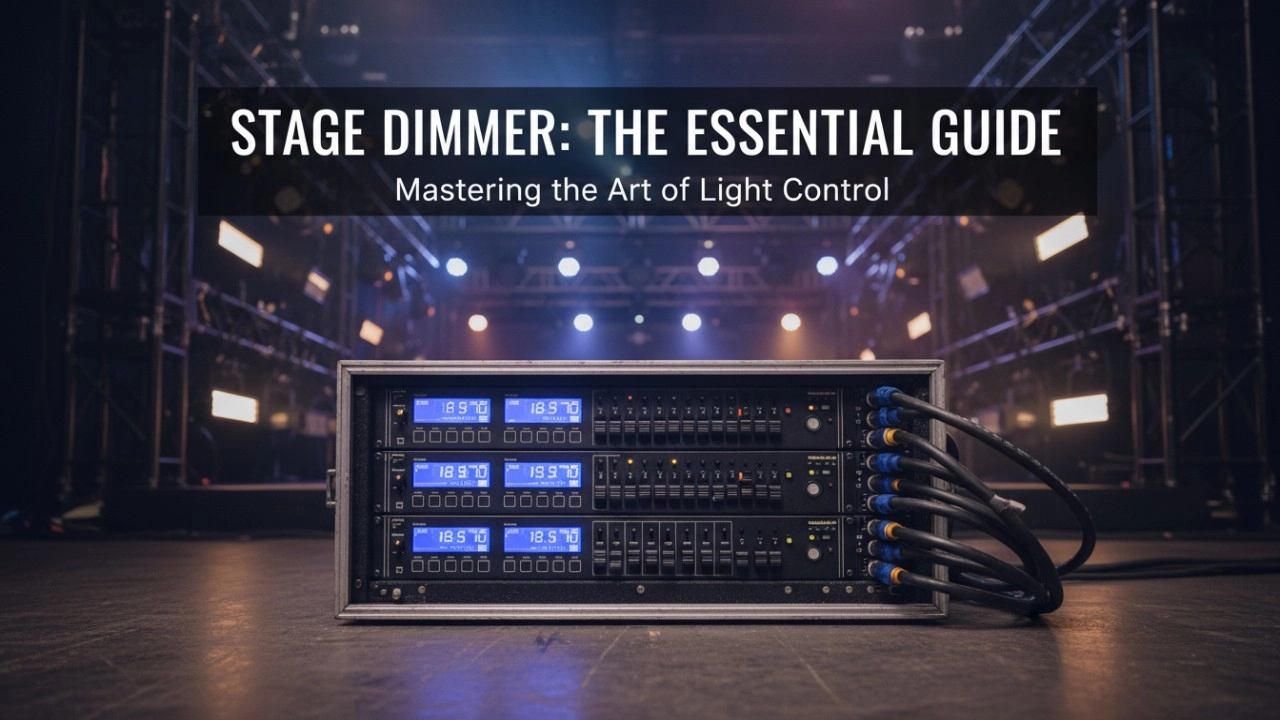
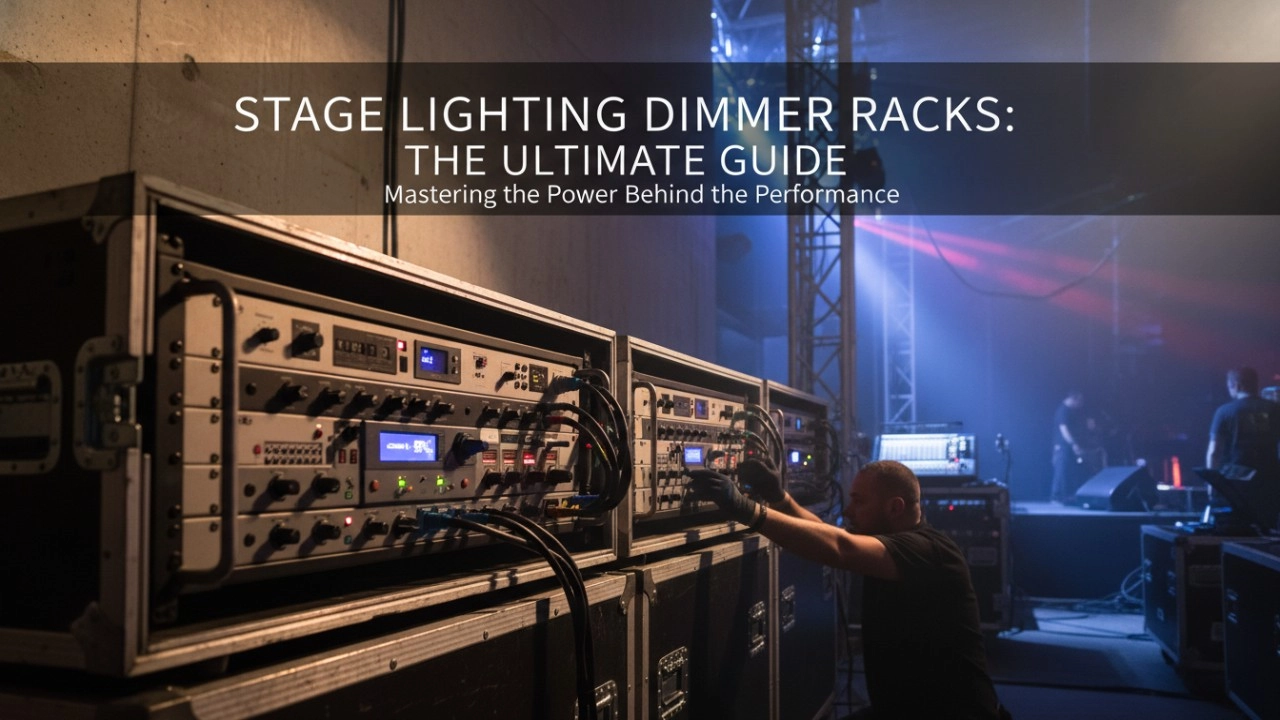
A comprehensive 2026 guide to selecting high-performance stage lighting dimmer racks. We review top hybrid systems, explore SCR vs sine wave technology, and analyze essential features like ThruPower for modern venues.
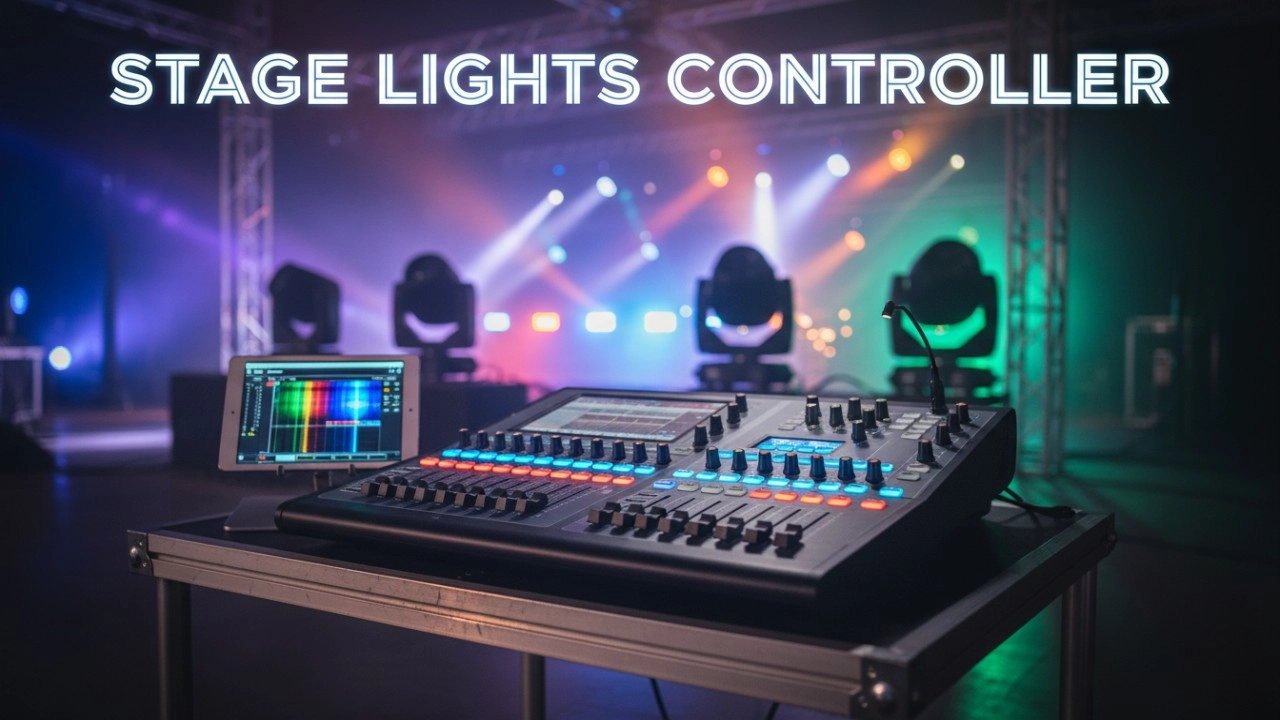
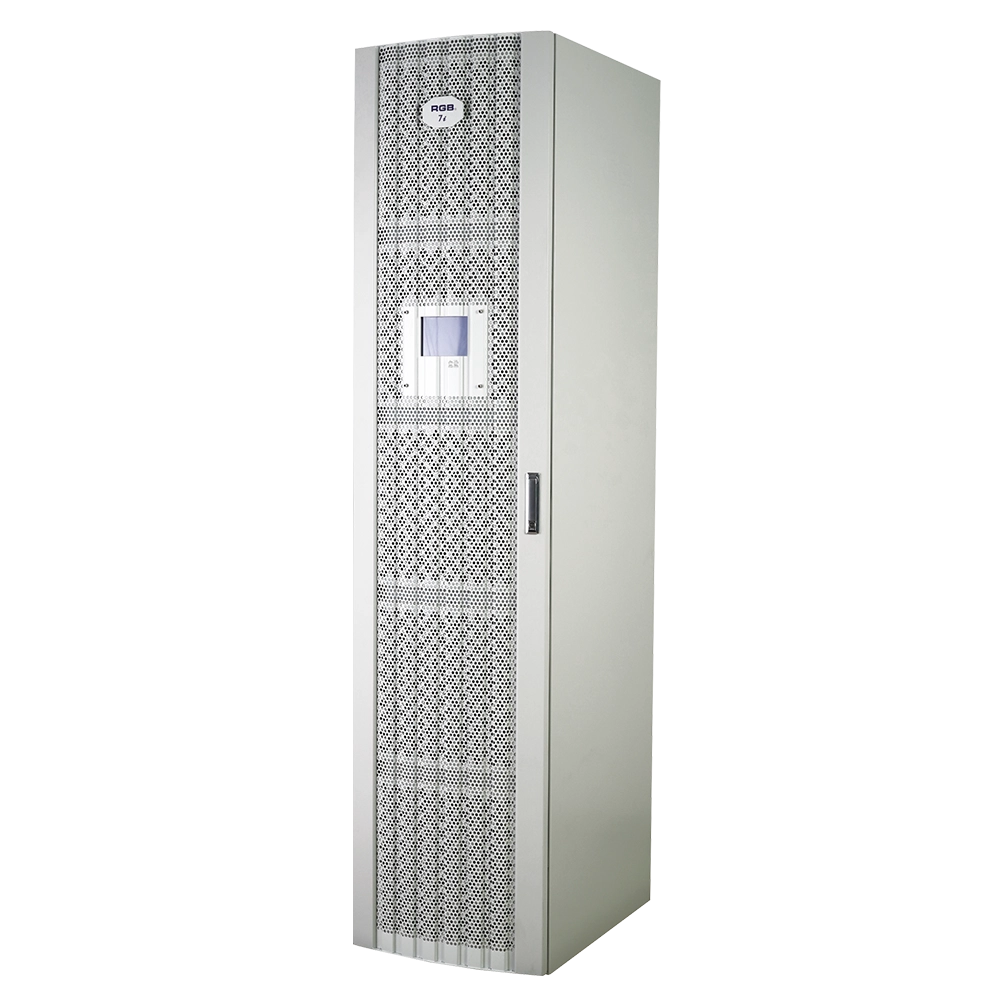
7i Dimmer/Relay Racks
7i is RGB independent research and development, with completely independent core technology, full digital decoding technology dimming racks, using a dual system, double decoding, double trigger, and duplex dual backup central decoding processor, with thyristor, relay, dimming relay mixed and other output configurations, supporting a visual lighting control system, intuitive display of dimming racks' online and offline status, and remote monitoring.
It is widely used in performing arts and cultural venues such as theaters, concert halls, multi-function halls, cultural travel and performing arts, TV stations, gymnasiums, auditoriums, commercial art lighting and so on.
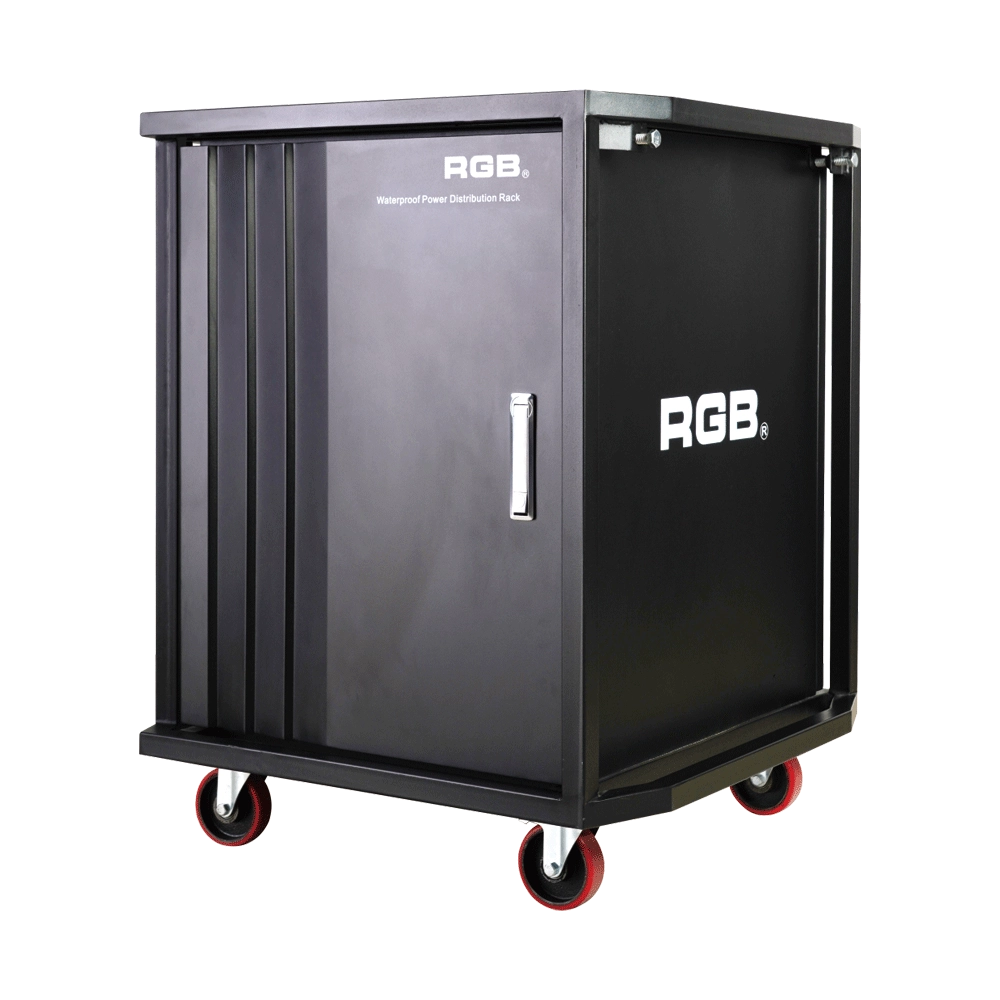
Multifunction Waterproofing Racks Of RGB-W Series
With the continuous development of flow performance, the requirement for performance is more demanding. In order to facilitate the transportation and make it easier to carry for all the equipment used in the performance, the stage light and sound equipment will be installed into a cabinet, for example, the power supply system. During the transportation process, it is inevitable for a collision or crash to take place. If the cabinet material is not strong enough, it may lead to deformation and even damage the equipment inside. Moreover, most of the existing cabinets are not waterproof. It will be very dangerous for the flow performance, as it is normal and inevitable to encounter rainy days. As the equipment inside the cabinets is electriferous, it might cause damage to the electronic equipment at least and even cause casualties at worst. Meanwhile, most of the existing cabinets can only be installed with one kind of equipment with a single variety.
In order to overcome the above-mentioned technical flaw, the RGB company has developed a new type of waterproofing multifunction cabinet of the W series. The waterproofing cabinet of the W series meets the need for the installation of dimming and tone-tuning devices, transportation, and utilization.
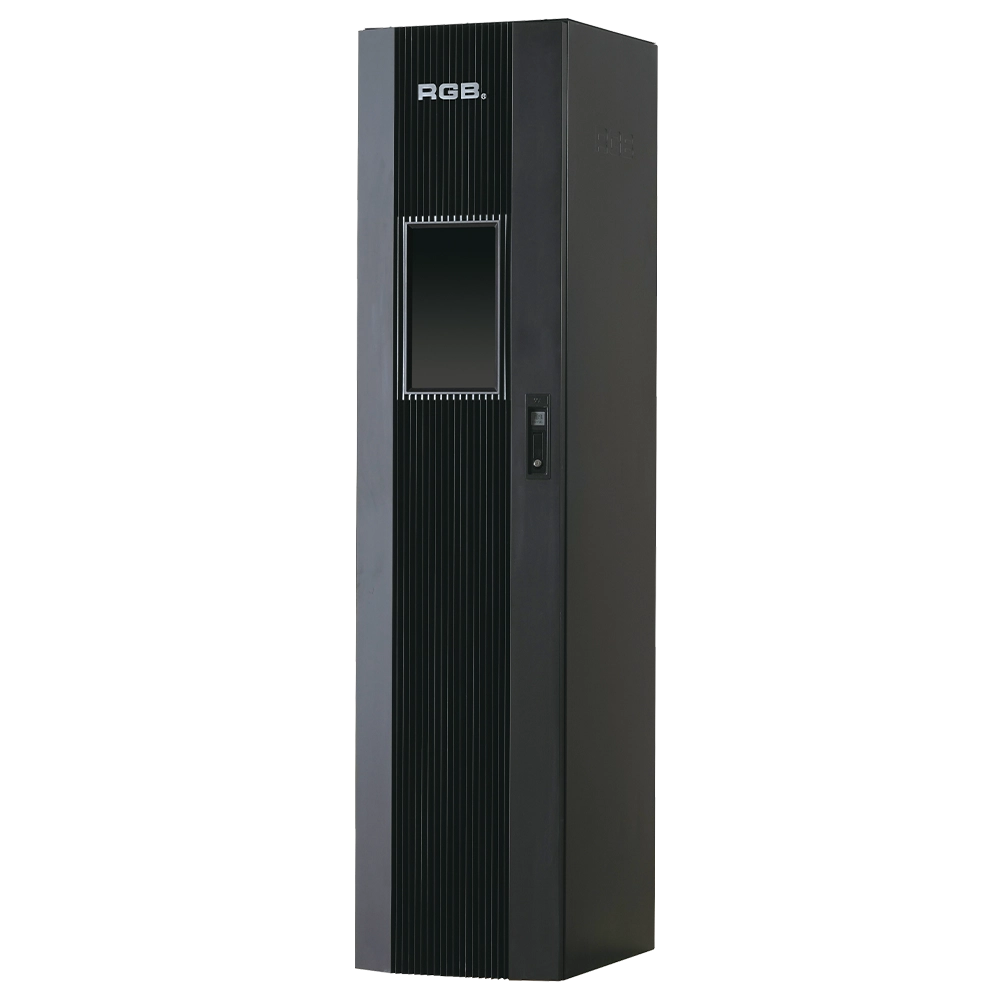
9i intelligent network Dimmer/Relay Racks
9i is an artificial intelligence dimming racks independently developed by RGB, which has completely independent core technology and obtained software Copyrights, all digital electrodeless trigger and multi-backup independent CPU central processor technology. It has a variety of output configurations such as sine wave, thyR, relay and dimming relay mix, and supports visual lighting control system and visually displays the online and offline status of dimming racks. Realize remote monitoring, editing and setting of relevant parameters.
It is suitable for the lighting control needs of different places such as high standard grand theater, TV station, gymnasium and environmental intelligent lighting.
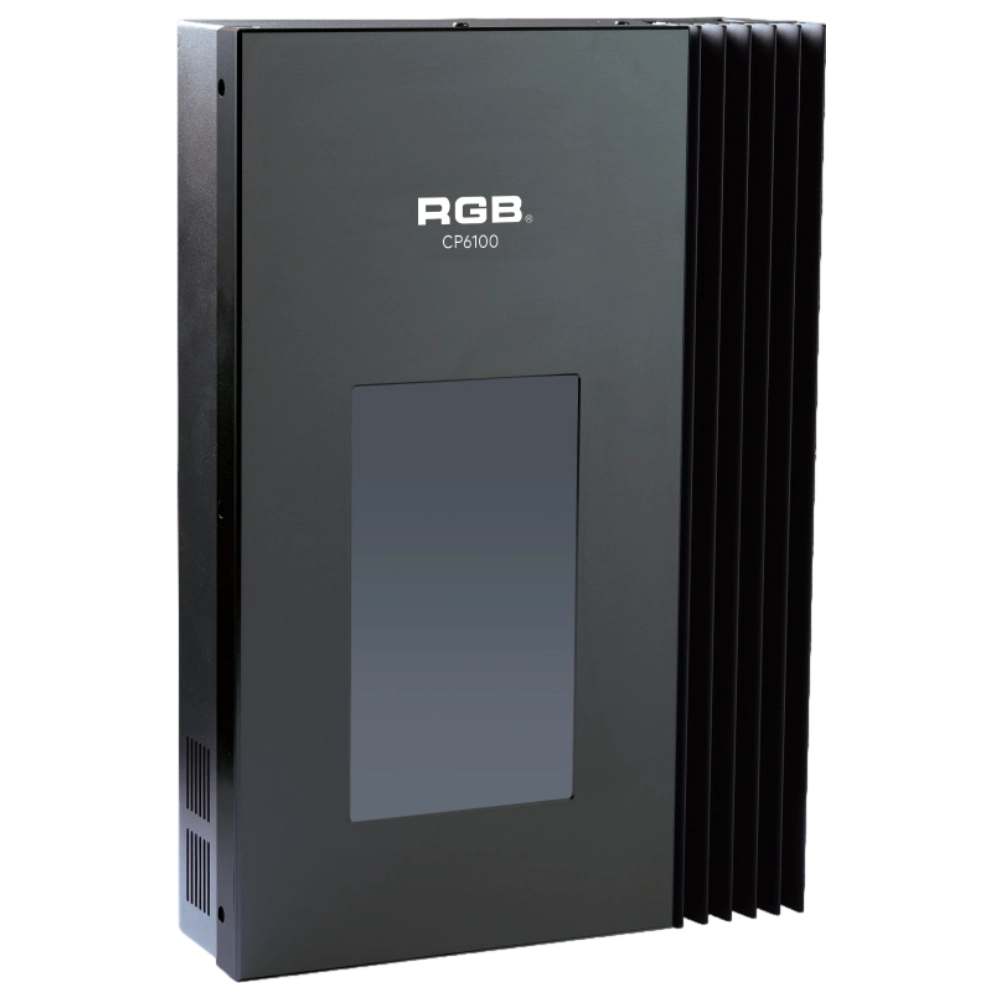
CP6100 Light Control System
The lighting control host is the main control device for theater stage lights, work lights, environmental lighting, commercial art lighting, sports venue lighting, and other places. By connecting the dedicated lighting control panels CP6104 and CP6108, it realizes the central control of the lighting system, supports a visual lighting control system, and intuitively displays the online and offline status of CP6100. Realize remote monitoring, editing, and setting of corresponding parameters.
It is widely applicable to theaters, cinemas, auditoriums, stadiums, museums, exhibition halls, cultural tourism performances, commercial art lighting, and other places.
Expert Support
Interested in learning more or need expert guidance related to this article? Fill in your details, and our team will provide tailored support.
Intelligent Control. Brilliant Performance.
RGB specializes in stage lighting control systems, delivering intelligent, reliable, and high-performance solutions for theaters and performance spaces worldwide.
Contact
Email:
Tel:
+86 20 3928 0245
+86 20 3928 0247
Address:
No.3, Huashan Road, Shilou Town, Panyu, Guangzhou, China.
Whatsapp: +8615975520131