
How to integrate a rack mount dimmer with DMX control?
|
- 1. What are the key features to consider when selecting a rack mount dimmer for stage lighting?
- 2. How do I integrate a rack mount dimmer with a DMX control system?
- 3. What are the common challenges when integrating rack mount dimmers with DMX control, and how can they be addressed?
- 4. How can I ensure the longevity and reliability of my rack mount dimmer in a live performance environment?
- 5. What are the benefits of using a rack mount dimmer over other types of dimming solutions?
- 6. Are there specific maintenance practices to follow for rack mount dimmers to ensure optimal performance?
1. What are the key features to consider when selecting a rack mount dimmer for stage lighting?
When choosing a rack mount dimmer for stage lighting, it's crucial to evaluate several key features:
Channel Capacity and Wattage: Determine the number of channels required and the wattage per channel to ensure the dimmer meets your lighting needs. For instance, the Lightronics RE121D offers 12 channels at 1,200W each, totaling 14,400W, suitable for various applications.
Control Protocol Compatibility: Ensure the dimmer supports DMX-512, the industry-standard protocol for lighting control, facilitating seamless integration with other equipment.
Power Input Options: Check if the dimmer accommodates your facility's power supply, whether single-phase or three-phase, and verify voltage compatibility.
Circuit Protection: Opt for dimmers with built-in circuit breakers or fuses to safeguard against overloads and ensure system reliability.
Cooling Mechanisms: Adequate cooling, such as fans or heat sinks, is essential to prevent overheating during extended use.
Mounting and Installation: Confirm that the dimmer's dimensions and mounting options align with your rack system and available space.
Compliance and Certification: Verify that the dimmer complies with relevant standards, such as UL-508, to ensure safety and quality.
2. How do I integrate a rack mount dimmer with a DMX control system?
Integrating a rack mount dimmer with a DMX control system involves several steps:
Connect the DMX Controller to the Dimmer: Use a DMX cable to link the DMX controller's output to the dimmer's DMX input. Ensure the cable is of appropriate quality to maintain signal integrity.
Set DMX Addressing: Assign unique DMX addresses to each channel on the dimmer to correspond with the control channels on the DMX controller. This setup allows precise control over each lighting fixture.
Configure Control Settings: Adjust the dimmer's settings to match the desired control mode, such as dimming or relay mode, depending on the application.
Test the System: After setup, perform thorough testing to ensure all channels respond correctly to the DMX controller's commands, confirming proper integration.
3. What are the common challenges when integrating rack mount dimmers with DMX control, and how can they be addressed?
Common challenges include:
Signal Interference: Electrical noise can disrupt DMX signals, leading to erratic lighting behavior. To mitigate this, use high-quality, shielded DMX cables and maintain proper grounding throughout the system.
Addressing Conflicts: Duplicate DMX addresses can cause control issues. Implement a systematic addressing scheme and double-check settings to prevent conflicts.
Firmware Incompatibility: Outdated firmware may lead to functionality issues. Regularly update the dimmer's firmware to the latest version provided by the manufacturer.
Overheating: Inadequate cooling can result in system failures. Ensure the dimmer is installed in a well-ventilated area and that cooling mechanisms are functioning correctly.
4. How can I ensure the longevity and reliability of my rack mount dimmer in a live performance environment?
To maintain longevity and reliability:
Regular Maintenance: Schedule periodic inspections to check for dust accumulation, wear, and tear. Clean components as needed and replace any faulty parts promptly.
Environmental Control: Keep the dimmer in a controlled environment with stable temperature and humidity levels to prevent component degradation.
Surge Protection: Use surge protectors to shield the dimmer from power spikes that could cause damage.
Training Personnel: Ensure that all operators are trained in proper usage and troubleshooting to prevent user-induced issues.
5. What are the benefits of using a rack mount dimmer over other types of dimming solutions?
Rack mount dimmers offer several advantages:
Space Efficiency: They provide a compact solution, conserving valuable stage or equipment room space.
Scalability: Modular designs allow for easy expansion as lighting needs grow.
Centralized Control: They enable centralized management of multiple lighting channels, simplifying operation and maintenance.
Enhanced Cooling: Rack-mounted systems often have better cooling solutions, reducing the risk of overheating during extended use.
6. Are there specific maintenance practices to follow for rack mount dimmers to ensure optimal performance?
Effective maintenance practices include:
Routine Cleaning: Periodically remove dust and debris from vents and components to maintain airflow and prevent overheating.
Component Inspection: Regularly check for signs of wear, such as frayed cables or damaged connectors, and replace them as necessary.
Firmware Updates: Stay informed about firmware releases from the manufacturer and apply updates to enhance functionality and security.
Operational Testing: Conduct regular tests to ensure all channels and controls are functioning correctly, addressing any issues promptly.
In conclusion, selecting and integrating a rack mount dimmer with DMX control requires careful consideration of technical specifications, compatibility, and maintenance practices. By addressing these aspects, you can enhance the performance and reliability of your stage lighting system, ensuring a seamless experience for both operators and audiences. For personalized assistance and a detailed quote, please contact us at info@rgbsystem.com or visit our website at www.rgbsystem.com.
Latest News
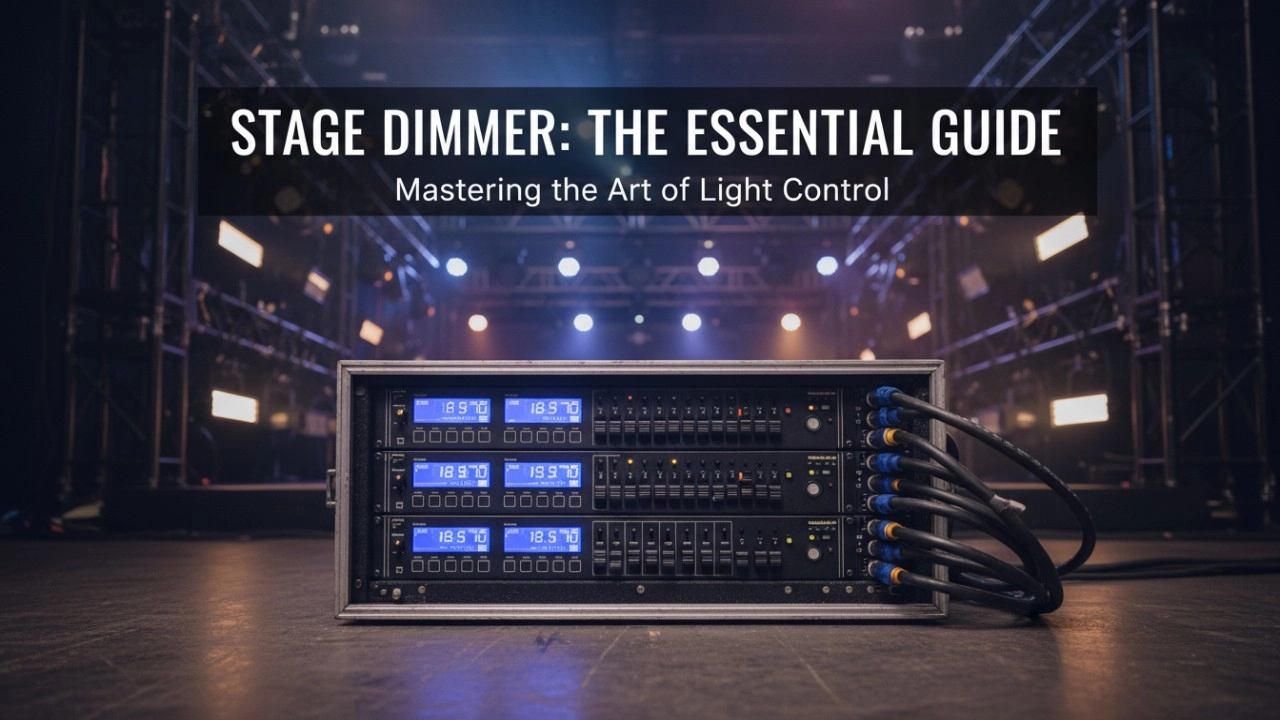
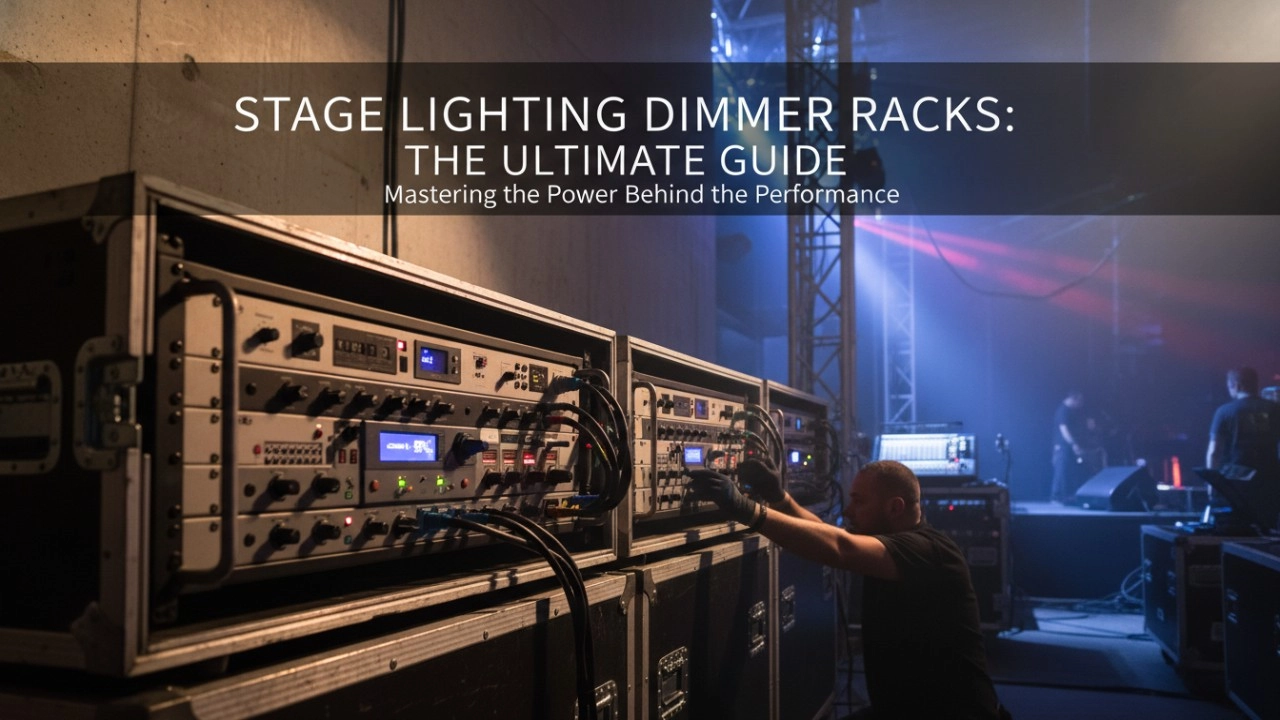
A comprehensive 2026 guide to selecting high-performance stage lighting dimmer racks. We review top hybrid systems, explore SCR vs sine wave technology, and analyze essential features like ThruPower for modern venues.
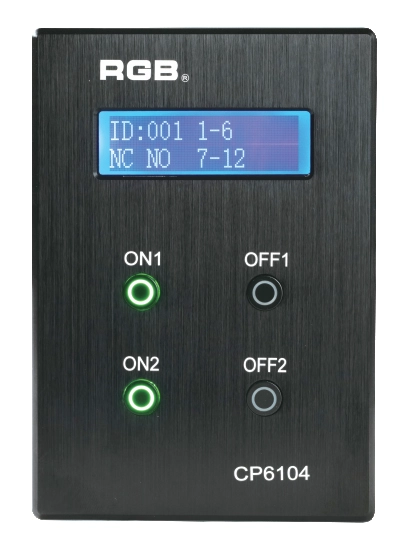
Site Light Controller CP6104
The CP6104 lighting control panel is a lighting control device for theater stage lights, work lights, environmental lighting, commercial art lighting, sports venue lighting and other places. By connecting to the dedicated lighting control host CP6100, it realizes the central control of the lighting system, supports a visual lighting control system, and intuitively displays the online and offline status of CP6104. Realize remote monitoring, editing and setting of corresponding parameters.
It is widely applicable to theaters, cinemas, auditoriums, stadiums, museums, exhibition halls, cultural tourism performances, commercial art lighting and other places.
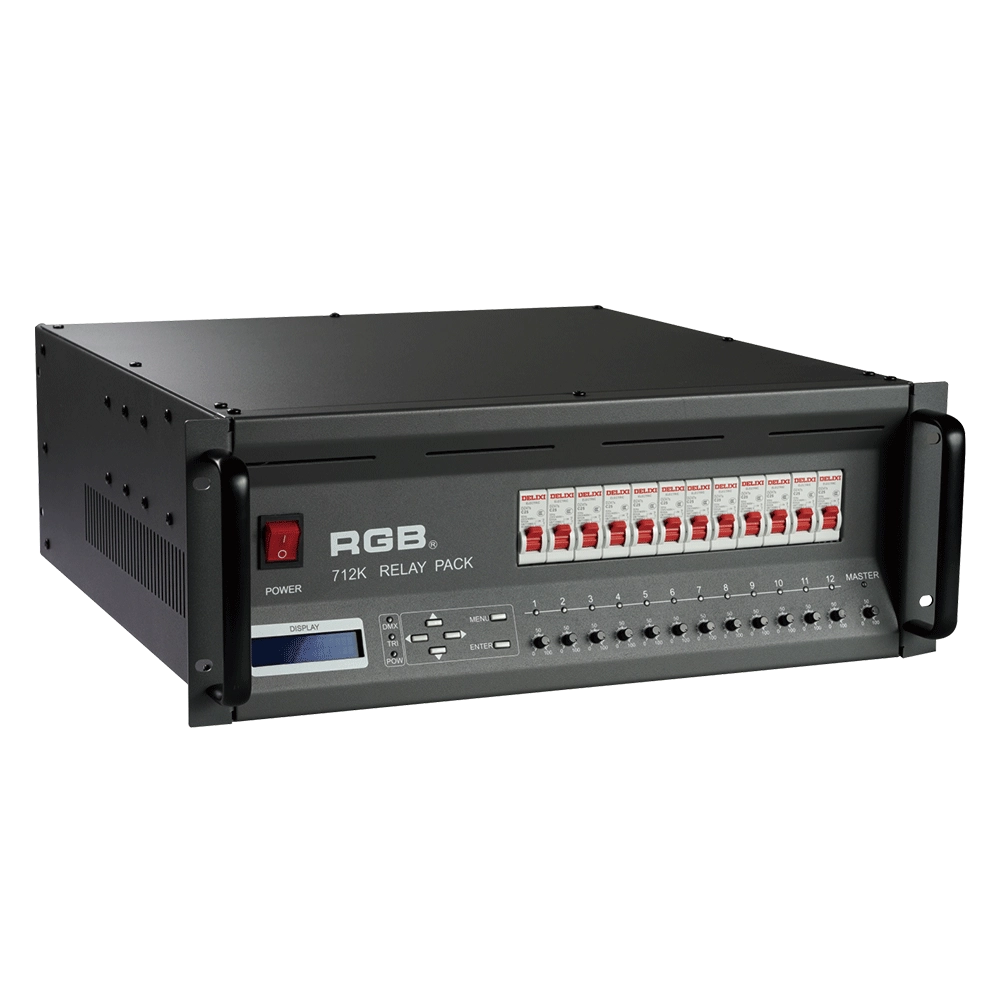
Alloy Relay Packs
High-performance DMX512 relay dimming unit with 512 addressable circuits, phase-loss protection, dual-signal amplification, 20A output per channel, and robust design for reliable stage and mobile lighting applications.
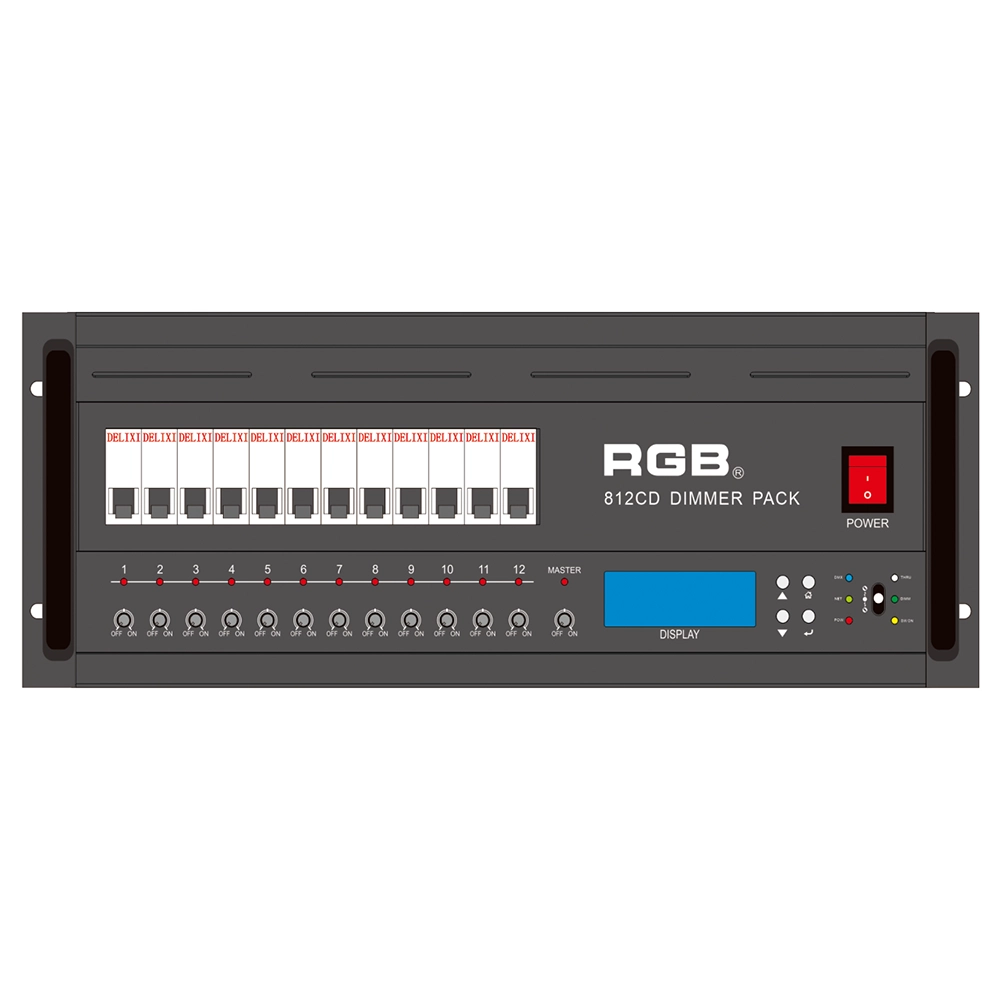
8 Series Intellight Dimmer/Relay Packs
RGB is the latest development and production of all digital, intelligent, and network dimming through the hybrid silicon box. It comes with six channels (806 silicon box), twelve channels (812 silicon box) with analog knob dimming, 49 DMX field recordings and replays (field backup function), and self-programming and recording field. RGB-8 silicon box with DMX512 digital signal input and RJ45 network input interface, with various types of dimming stations at home and abroad used. It is a powerful, stable performance and reliable work of a new generation of intelligent digital dimming through a hybrid silicon box.
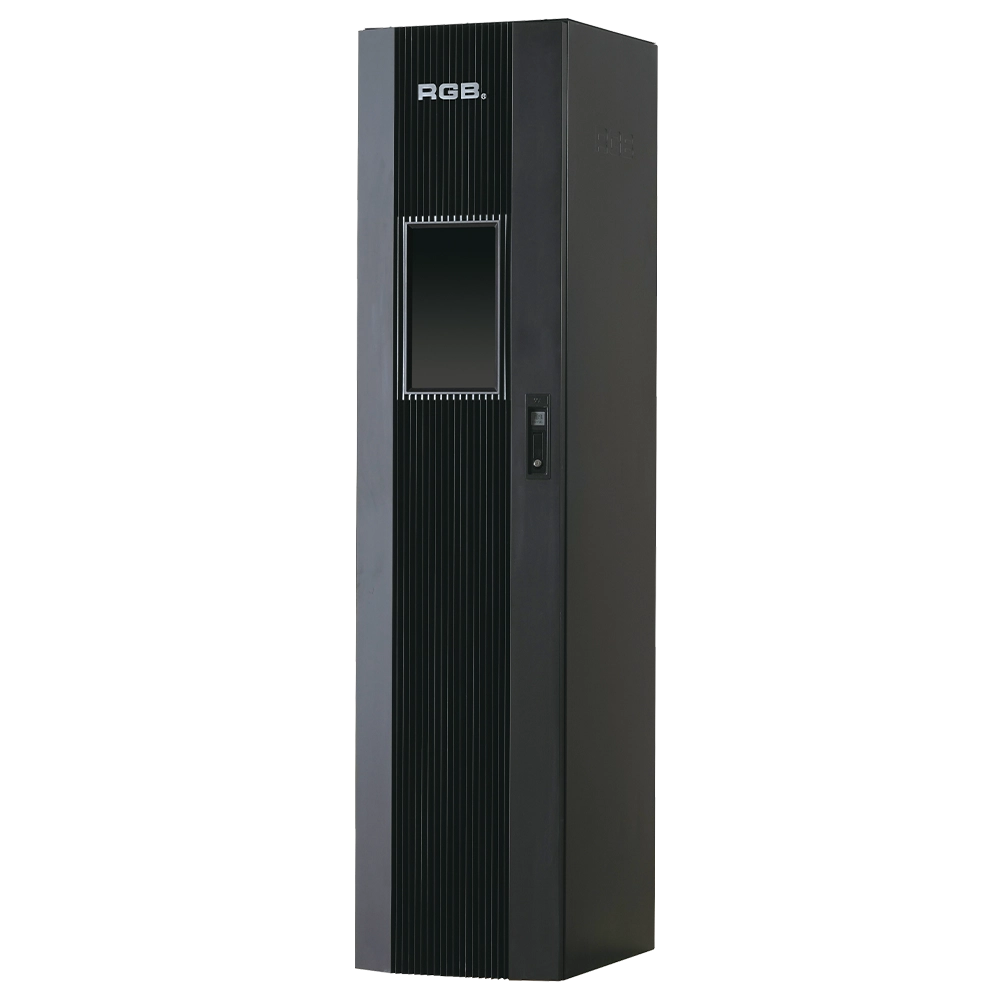
9i intelligent network Dimmer/Relay Racks
9i is an artificial intelligence dimming racks independently developed by RGB, which has completely independent core technology and obtained software Copyrights, all digital electrodeless trigger and multi-backup independent CPU central processor technology. It has a variety of output configurations such as sine wave, thyR, relay and dimming relay mix, and supports visual lighting control system and visually displays the online and offline status of dimming racks. Realize remote monitoring, editing and setting of relevant parameters.
It is suitable for the lighting control needs of different places such as high standard grand theater, TV station, gymnasium and environmental intelligent lighting.
Expert Support
Interested in learning more or need expert guidance related to this article? Fill in your details, and our team will provide tailored support.
Intelligent Control. Brilliant Performance.
RGB specializes in stage lighting control systems, delivering intelligent, reliable, and high-performance solutions for theaters and performance spaces worldwide.
Contact
Email:
Tel:
+86 20 3928 0245
+86 20 3928 0247
Address:
No.3, Huashan Road, Shilou Town, Panyu, Guangzhou, China.
Whatsapp: +8615975520131