
Mastering Lighting for Live Performances: The Ultimate Guide to Stage Setup and Effects
|
- Introduction
- What are the 4 types of stage lighting?
- Why is lighting important in a live performance?
- What is the best lighting for a live band?
- How do you set up lighting for a concert?
- What is the main purpose of stage lighting?
- How does lighting affect a performance?
- What equipment is needed for stage lighting?
- What are the different types of lighting fixtures used in live events?
- Conclusion
- Call to Action
Introduction
Imagine attending a highly anticipated concert where the band sounds incredible, but the stage is pitch black. The energy would plummet, and the emotional connection would be lost instantly. This thought experiment proves that live performances rely on much more than just exceptional sound; they require a visual heartbeat. Lighting is the invisible performer on stage, guiding the audience's eyes, setting the emotional tone, and transforming a simple physical space into an entirely new world.
Mastering the art of illumination requires both technical know-how and creative vision. From intimate club gigs to massive stadium tours, the principles of illumination remain foundational to delivering an unforgettable experience. Whether you are a budding technician, an event planner, or an artist wanting to elevate your shows, understanding the intricacies of stage lighting design and effects is absolutely vital.
This comprehensive guide dives deep into the essentials of illuminating live events. We will explore the various types of fixtures, the psychology of colors, the best setups for live bands, and the critical equipment you need to build awe-inspiring concert lighting rigs. By the end of this article, you will have a rock-solid understanding of how to use light to captivate audiences and breathe life into any live performance.
What are the 4 types of stage lighting?
When professionals discuss the four primary types of stage lighting, they are usually referring to the four directional positions that form the foundation of any stage lighting design: front lighting, backlighting, side lighting, and downlighting. Each directional type serves a distinct structural purpose in how an artist or object is perceived by the audience.
Front Lighting is the primary source of illumination for any stage. Its main job is to provide visibility, ensuring that the performers' faces and expressions are clearly seen by the crowd. However, relying solely on front lights can make subjects appear flat or two-dimensional, which is why it must be balanced with other angles to create depth and texture.
Backlighting is positioned behind the performers and shines toward the audience. This type of lighting is crucial for separating the artist from the background, creating a three-dimensional effect. It highlights the head and shoulders, providing a halo-like silhouette that makes performers pop out from the set pieces.
Side Lighting and Downlighting complete the visual landscape. Side lights shine from the wings of the stage and are essential for highlighting movement and the contours of the body, making them incredibly popular in dance performances. Downlighting, or top lighting, shines directly from above, casting dramatic shadows or creating isolated pools of light to focus attention on a single spot.
Why is lighting important in a live performance?
The importance of lighting in a live performance cannot be overstated; it is the visual glue that holds a show together. First and foremost, lighting guarantees that the audience can actually see what is happening. Without adequate illumination, the intricacies of a theatrical play or the energetic movements of a musician would be entirely lost in the shadows.
Beyond basic visibility, lighting serves as a powerful emotional catalyst. The choice of colors, the intensity of the beams, and the speed of the transitions all work together to dictate the mood of a scene. A slow fade into a deep blue wash can evoke feelings of sorrow or intimacy, while erratic, bright strobe lights can pump adrenaline into a high-energy rock song.
Lighting also plays a critical role in directing audience focus. On a large, busy stage, lighting designers use spotlights and contrast to guide the viewers' eyes exactly where they need to be. If a guitarist steps forward for a solo, a sudden shift in illumination ensures the audience doesn't miss the moment, effectively editing the live experience in real-time.
Finally, exceptional lighting elevates the overall production value, turning a standard gig into a professional, immersive experience. It bridges the gap between the performer and the crowd, enveloping the entire venue in a cohesive atmosphere. When lighting and sound are perfectly synchronized, the performance transcends the physical space and becomes a memorable event.
What is the best lighting for a live band?
Determining the best lighting for a live band depends heavily on the genre of music, the size of the venue, and the energy of the performance. However, a modern, versatile setup almost always revolves around a combination of LED wash lights, moving heads, and blinder effects. These components offer the flexibility needed to match the dynamic shifts in a live setlist.
LED wash lights are the workhorses of a band's lighting rig. They are incredibly energy-efficient, generate very little heat, and can produce millions of color combinations. Washes are used to bathe the stage and the band members in broad strokes of color, setting the baseline atmosphere for each song without blinding the performers.
Moving head fixtures provide the dynamic, high-energy visuals associated with professional concerts. These lights can sweep across the stage, project intricate patterns (gobos), and change colors rapidly. When placed on trussing or directly on the stage floor, moving heads add a sense of motion and excitement that stationary lights simply cannot achieve.
For an extra punch, bands often incorporate blinders and strobe lights. Blinders are flashed toward the audience during peak musical moments—like a heavy chorus or the end of a song—creating a massive surge of energy. To control all these elements flawlessly, the best setups rely heavily on programmed DMX lighting controllers, allowing for perfectly timed visual cues that sync up with the music.
How do you set up lighting for a concert?
Setting up lighting for a concert is a systematic process that begins long before the actual event. The first step involves creating a lighting plot—a detailed map showing exactly where every fixture will be placed, what type of light it is, and how it will be angled. This planning phase ensures that the design meets the artistic vision while adhering to the venue's power and rigging limitations.
Once the plan is finalized, the physical rigging begins. Lighting technicians hang trusses, mount fixtures, and secure stands. According to fundamental techniques detailed by Sweetwater, a standard approach often involves a three-point lighting setup, where one light comes from the front on-axis at about 30 degrees, while a second light is positioned behind the subject to add dimension and sculpt the performer.
After the fixtures are securely mounted, the crucial step of cabling takes place. This involves running power cables to each unit and daisy-chaining DMX data cables from the fixtures back to the control console. Proper cable management is vital for safety and troubleshooting; a single faulty DMX cable can disrupt an entire line of lights.
Finally, the setup moves into the programming and rehearsal phase. The lighting designer uses a control desk to assign addresses to the fixtures and builds "cues" for the show. During rehearsals, the designer fine-tunes the intensity, color, and movement of the lights to ensure every visual change harmonizes perfectly with the band's audio performance.
What is the main purpose of stage lighting?
While stage lighting serves many artistic and technical functions, its absolute primary purpose is to provide visibility. If an audience cannot see the performers, the set, or the props, the performance fundamentally fails. As noted by Wikipedia, the core concept is "selective visibility," meaning that any lighting design will be ineffective if the viewers cannot see the characters, unless obscuring them is the explicit creative intent.
Once basic visibility is achieved, the purpose of lighting shifts to the revelation of form. A stage is a three-dimensional space, but without proper lighting, it can easily look flat and lifeless. By carefully balancing front, back, and side lights, lighting designers sculpt the actors and set pieces, giving them depth, texture, and visual weight.
Another main purpose is composition and focus. A stage can be a chaotic environment with multiple things happening at once. Lighting acts as the director's lens, subtly telling the audience exactly where to look. By highlighting one specific area and dimming the rest, lighting organizes the visual information and keeps the audience engaged with the primary action.
Lastly, stage lighting is purposed to establish the environment and mood. A well-designed lighting cue can instantly tell the audience whether a scene is taking place indoors or outdoors, during a sunny morning or a terrifying midnight storm. It provides critical contextual information without the need for a single line of dialogue or a complex set change.
How does lighting affect a performance?
Lighting affects a performance by acting as a powerful psychological trigger for the audience. Human beings are naturally responsive to light and color; we associate warm amber and pink tones with safety, intimacy, and romance, while stark blues and greens can evoke feelings of coldness, isolation, or even sickness. By manipulating these colors, lighting dictates the emotional undercurrent of the show.
In addition to setting the mood, lighting significantly impacts the pacing and rhythm of a performance. Fast, erratic lighting changes with intense strobes can make a fast-paced rock song feel even more chaotic and energetic. Conversely, slow, gradual cross-fades can stretch a moment in time, adding gravity and tension to a dramatic monologue or a soulful ballad.
Lighting also affects the performers themselves. Good lighting gives artists a sense of space and energy to play off of. When a performer feels the warmth of a spotlight or sees the sweeping beams of moving heads cutting through the haze, it elevates their adrenaline and stage presence, pushing them to deliver a more compelling performance.
Ultimately, lighting unifies the sensory experience. When the visual tempo matches the auditory tempo, the audience experiences a state of deep immersion. They stop analyzing the show and simply feel it. Lighting breaks down the barrier between the stage and the seats, drawing the crowd into the exact emotional journey the artists intend to share.
What equipment is needed for stage lighting?
The foundation of any lighting setup is the fixtures themselves. These are the physical lamps and housings that generate the light. Depending on the complexity of the show, a rig might include dozens of LED pars, moving heads, spotlights, and special effects units like lasers or blinders. Choosing the right mix of fixtures is essential for a versatile design.
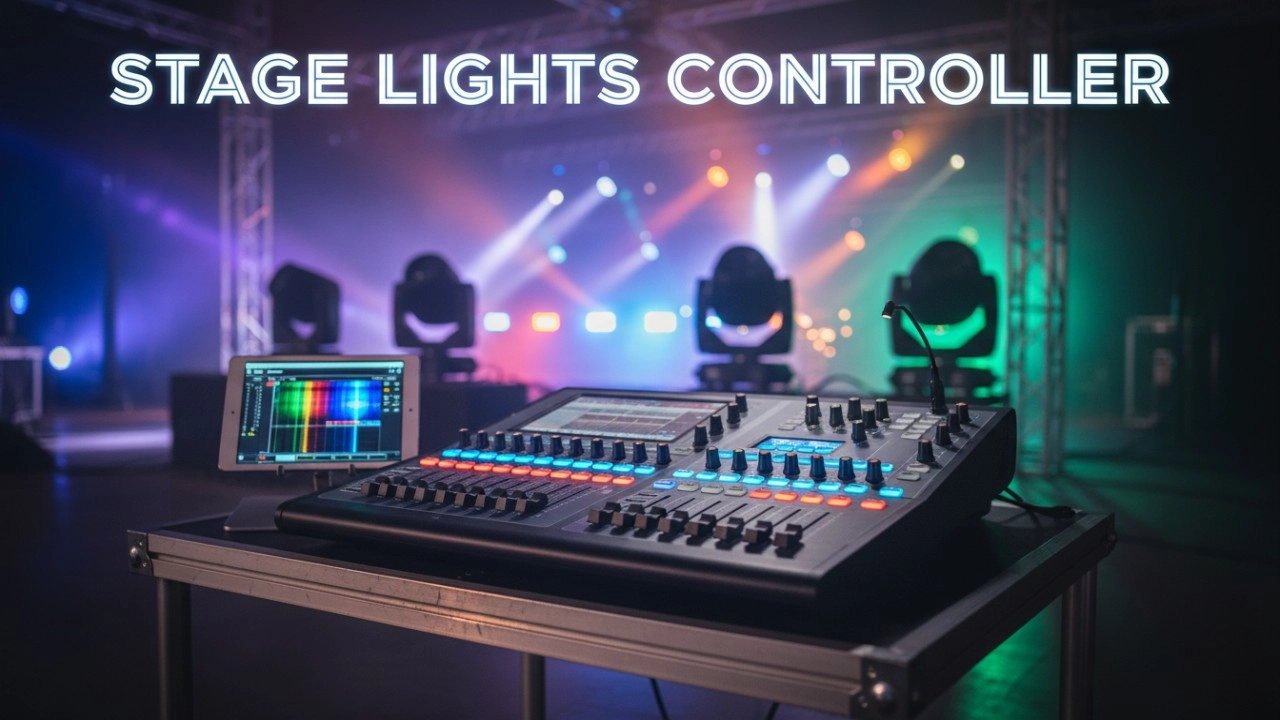
To control these fixtures, a lighting console or software interface is required. Modern systems rely on DMX lighting controllers, which send digital signals to the lights, telling them what color to be, how bright to shine, and where to move. Consoles range from simple, small boards with physical faders for local gigs to massive, highly advanced computer networks used in arena tours.
Infrastructure is the unsung hero of lighting equipment. This includes heavy-duty power distribution boxes, dimmer packs (for traditional, non-LED fixtures), and miles of cabling. You need robust power cables to supply electricity safely, and dedicated DMX cables to transmit data cleanly without signal interference.
Finally, you need structural equipment for rigging. Lighting fixtures are heavy and must be safely elevated above the stage. This requires aluminum trussing, heavy-duty tripod stands, safety cables, and specialized clamps. Proper rigging equipment ensures that the concert lighting rigs are not only positioned optimally for the best visual effects but also secured safely to protect the performers and the audience below.
What are the different types of lighting fixtures used in live events?
The lighting industry offers a vast array of specialized fixtures, but a few core types are used in almost every live event. PAR cans (Parabolic Aluminized Reflector) are the most common. Historically utilizing incandescent bulbs but now predominantly LED, PAR cans are used to create broad washes of color. They are affordable, durable, and perfect for lighting up large areas of the stage or backdrops.
Ellipsoidal Reflector Spotlights (ERS), often referred to by the brand name Leko, are precision fixtures. They produce a hard-edged, focused beam of light that is ideal for spotlighting a single performer or projecting patterns onto the stage floor using metal stencils called gobos. ERS fixtures feature internal shutters that allow designers to shape the beam perfectly to avoid spilling light onto unwanted areas.
Fresnels bridge the gap between PAR cans and Ellipsoidals. Recognizable by their concentric-ringed glass lenses, Fresnels produce a soft-edged beam of light that is highly controllable in size. They are excellent for blending areas of light together seamlessly without creating harsh lines or shadows, making them a favorite for front-lighting theatrical performances.
Moving Heads are the pinnacle of modern intelligent lighting. Unlike stationary fixtures, moving heads are mounted on motorized yokes that can pan and tilt rapidly. They come in three main varieties: Wash, Spot, and Beam. With the ability to change colors, strobe, and sweep across the crowd, moving heads provide the dynamic, high-impact visual effects necessary for modern concerts and large-scale live events.
Conclusion
Mastering lighting for live performances is a journey that blends deep technical knowledge with profound artistic expression. From understanding the foundational directional types to selecting the perfect mix of PAR cans, moving heads, and LED wash lights, every decision impacts the final visual product. Lighting is not just an accessory to the music or the acting; it is a vital pillar of the entire production.
By strategically utilizing advanced concert lighting rigs and DMX lighting controllers, designers can transform an ordinary stage into an immersive universe. As we have explored, the right lighting enhances visibility, dictates the emotional mood, and unifies the energy of the performers with the anticipation of the audience. Whether you are lighting an acoustic solo act or a massive stadium band, these principles remain your guiding light.
Call to Action
Reach out to our expert team today for a personalized consultation to design and elevate the lighting setup for your next unforgettable live event.
Latest News
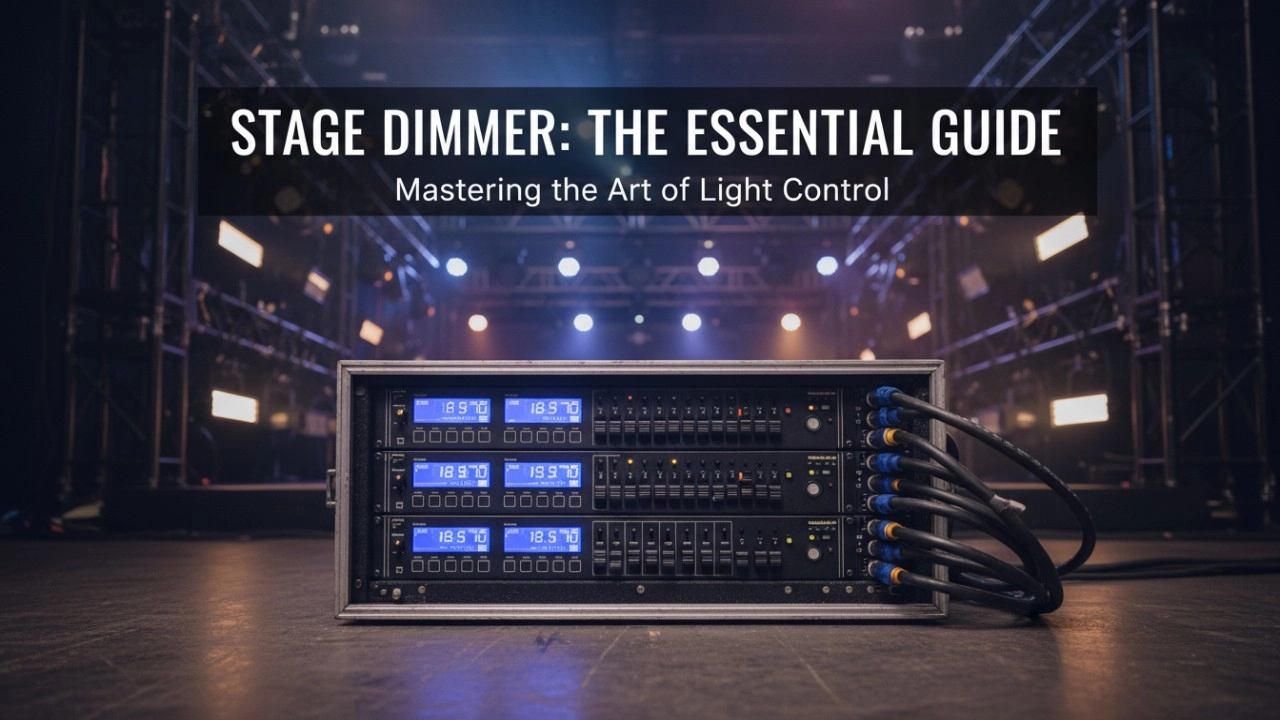
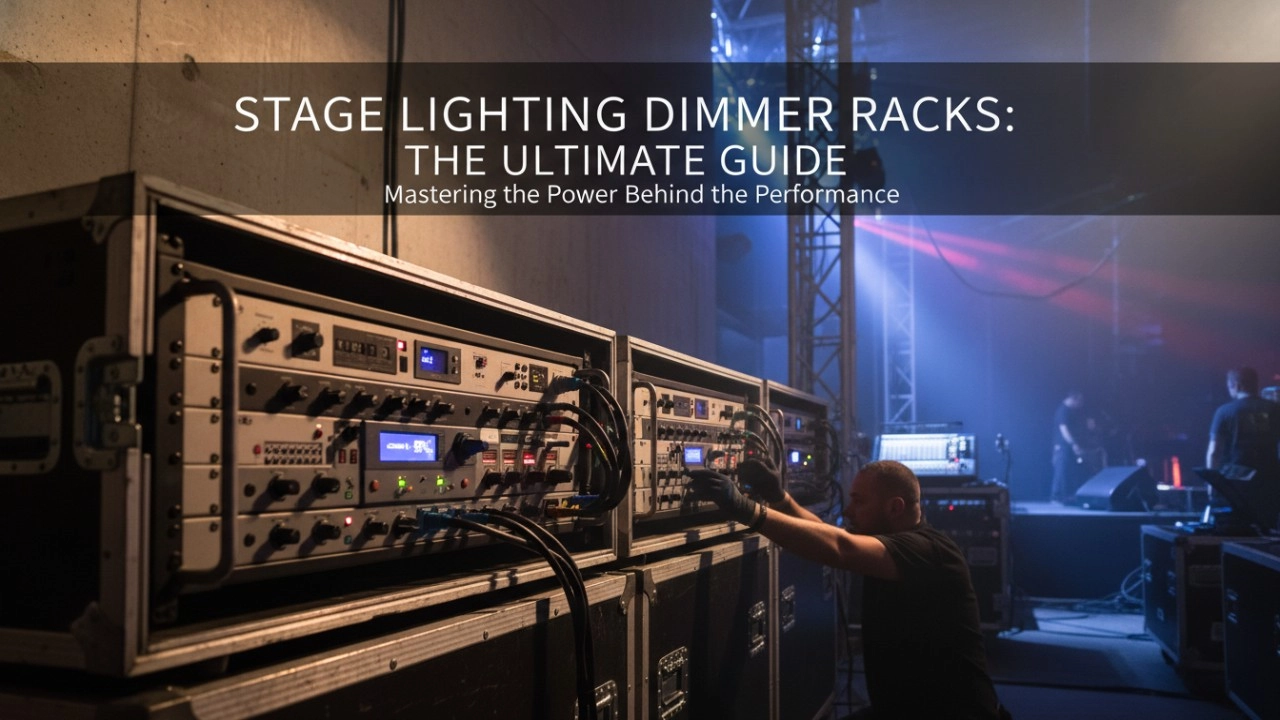
A comprehensive 2026 guide to selecting high-performance stage lighting dimmer racks. We review top hybrid systems, explore SCR vs sine wave technology, and analyze essential features like ThruPower for modern venues.
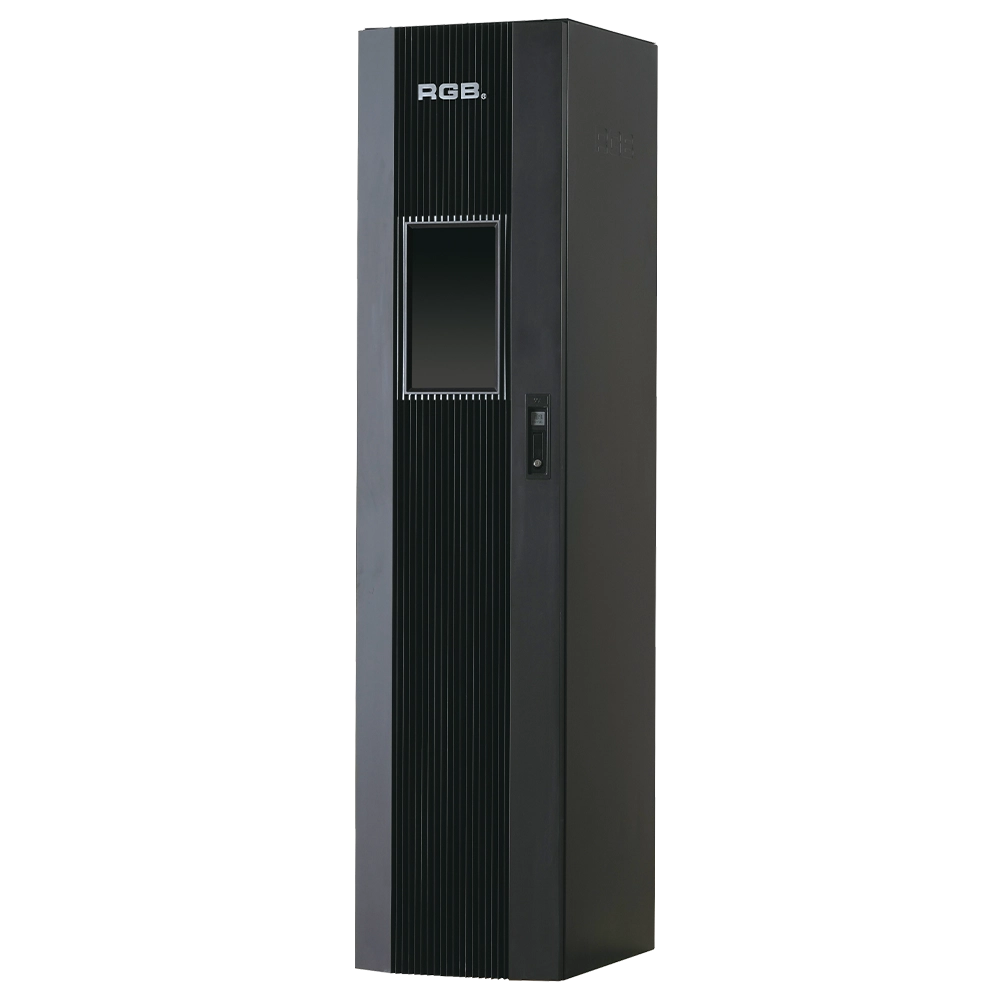
9i intelligent network Dimmer/Relay Racks
9i is an artificial intelligence dimming racks independently developed by RGB, which has completely independent core technology and obtained software Copyrights, all digital electrodeless trigger and multi-backup independent CPU central processor technology. It has a variety of output configurations such as sine wave, thyR, relay and dimming relay mix, and supports visual lighting control system and visually displays the online and offline status of dimming racks. Realize remote monitoring, editing and setting of relevant parameters.
It is suitable for the lighting control needs of different places such as high standard grand theater, TV station, gymnasium and environmental intelligent lighting.
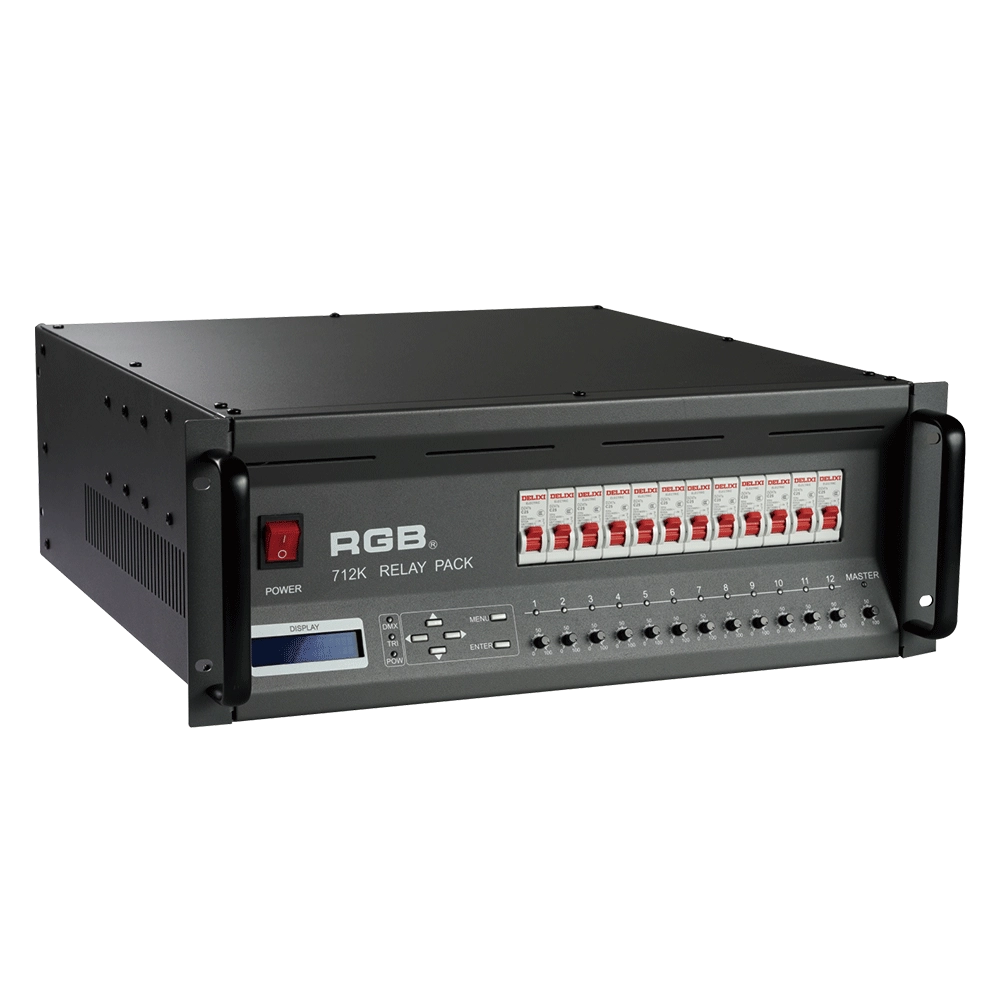
Alloy Relay Packs
High-performance DMX512 relay dimming unit with 512 addressable circuits, phase-loss protection, dual-signal amplification, 20A output per channel, and robust design for reliable stage and mobile lighting applications.
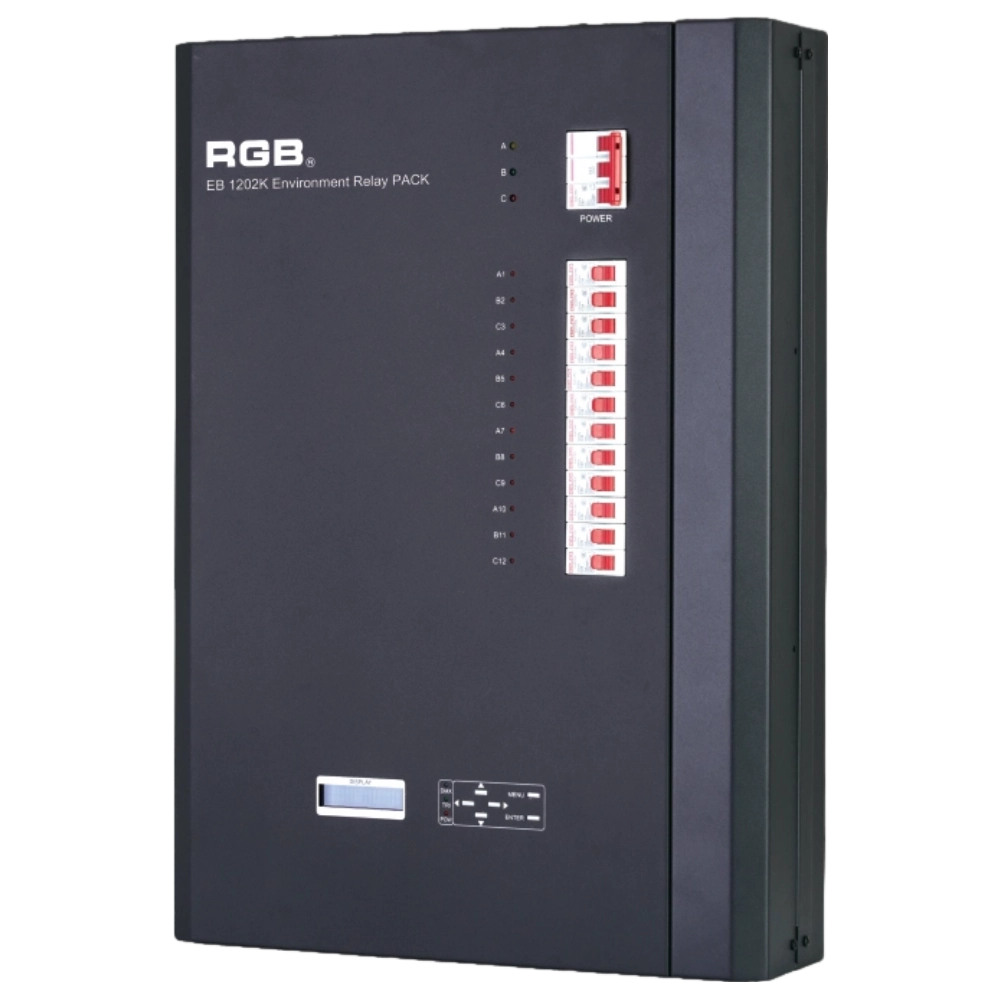
EB1202 Wall-Mounted Smart Site Light Control Series
Wall-mounted smart lighting controller with CE certification, DMX512 compatibility, flexible 12/24-channel output, scene backup, intelligent interface, and multiple dimming curves for precise professional lighting control.
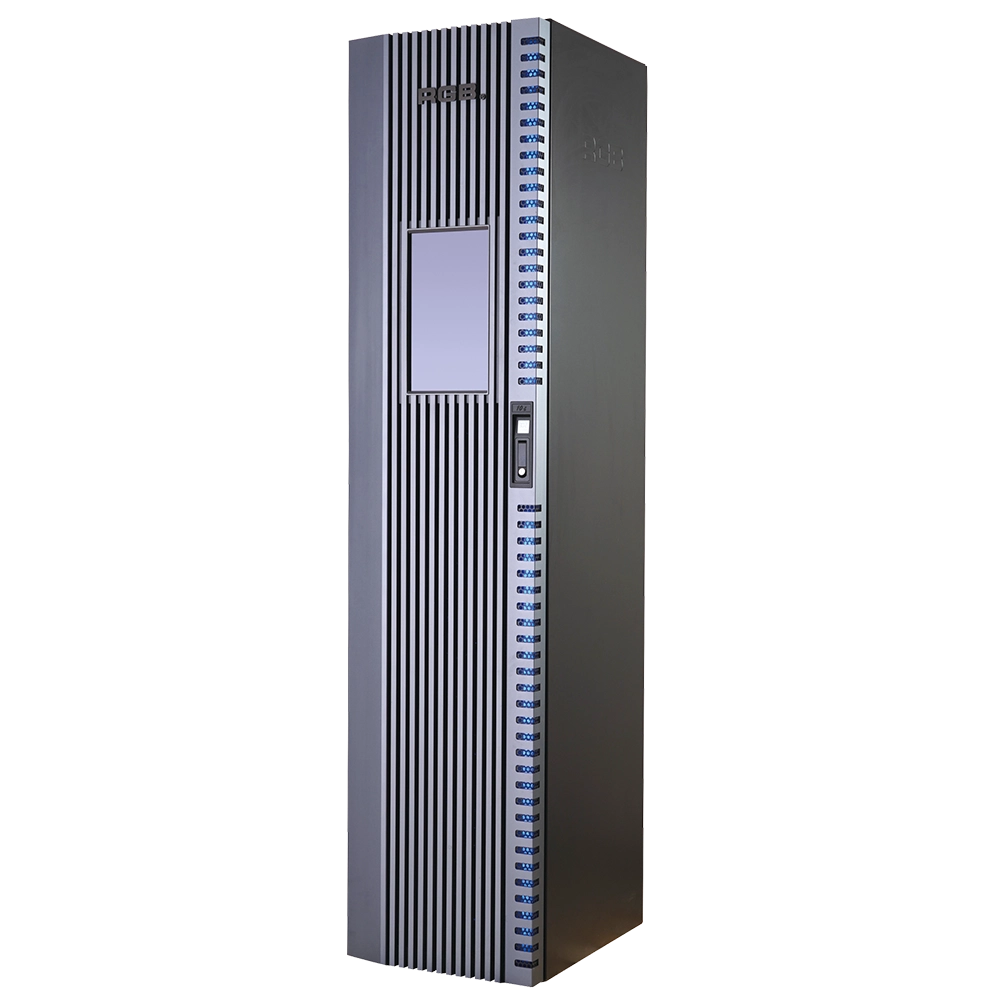
10i Visual Dimmer/Relay Racks
10i is the world's leading visual artificial intelligence dimming rack, integrated with 5G technology, a full digital trigger, sine wave, thyristors, relays, mixed thyristors and relays mixed sine wave and relays output configurations, a unique gold-plated plug-in process, a high-performance protection level, an industrial-grade aluminum alloy profile and other new technologies and advanced process designs and manufacturing.
It is suitable for the lighting control needs of different places such as high-standard grand theaters, TV stations, gymnasium and environmental intelligent lighting.
Expert Support
Interested in learning more or need expert guidance related to this article? Fill in your details, and our team will provide tailored support.
Intelligent Control. Brilliant Performance.
RGB specializes in stage lighting control systems, delivering intelligent, reliable, and high-performance solutions for theaters and performance spaces worldwide.
Contact
Email:
Tel:
+86 20 3928 0245
+86 20 3928 0247
Address:
No.3, Huashan Road, Shilou Town, Panyu, Guangzhou, China.
Whatsapp: +8615975520131