
How to Choose and Use an LED Stage Lighting Dimmer: Do You Need a Special Switch?
|
- Introduction
- Do LED stage lights need a special dimmer?
- How do you dim LED stage lights?
- Can you use a regular dimmer switch for LED stage lights?
- What is a DMX dimmer pack and how does it work?
- Why do LED stage lights flicker when dimmed?
- How do you connect a DMX controller to an LED dimmer?
- What is the difference between PWM and analog dimming for stage lights?
- How many LED stage lights can you put on one dimmer pack?
- Conclusion
- Call to Action
Introduction
Transitioning from traditional halogen fixtures to modern LED technology has revolutionized the theatrical lighting setup. However, this shift brings up a common technical hurdle: controlling the brightness. When configuring an LED stage lighting dimmer, lighting designers quickly realize that older dimming racks do not function correctly with modern diodes. Understanding the mechanics of how these fixtures operate is crucial to achieving smooth, professional lighting transitions without technical hiccups.
Whether you are upgrading a local theater or designing a massive arena tour, mastering your lighting control console and dimming protocols is a requirement. In this comprehensive guide, we will explore everything you need to know about choosing and utilizing the correct dimmer for your LED fixtures, ensuring your performances are visually stunning and technically flawless.
Do LED stage lights need a special dimmer?
Yes, LED stage lights absolutely require specialized dimming solutions compared to their incandescent predecessors. Traditional stage lights rely on simple voltage reduction to lower brightness. When you reduce the power, the tungsten filament cools down and emits less light. LEDs, on the other hand, are complex electronic devices that require a constant direct current (DC) to operate correctly.
Because LEDs do not rely on heat to produce light, attempting to dim them by simply choking the AC voltage will not yield a smooth fade. Instead, you need an LED stage lighting dimmer that can communicate digitally with the fixture's internal driver. This driver translates the dimming command into a format the diodes can process.
Here are the main reasons why specialized dimmers are required:
- Voltage Regulation: LEDs require constant voltage or current, which traditional dimmers inherently disrupt.
- Component Safety: Using specialized equipment ensures that you maintain the full lifespan of your intelligent lighting fixtures.
- Performance: Without the correct dimming hardware, you risk damaging sensitive electronics, leading to costly replacements and show-stopping failures.
How do you dim LED stage lights?
Dimming LED stage lights is typically accomplished through digital control rather than electrical resistance. Most professional LED fixtures have built-in dimming capabilities managed by an internal driver. You control this driver remotely by sending digital data from a lighting control console directly to the light.
To achieve this, the industry standard relies heavily on the DMX512 protocol. The console sends a value between 0 and 255 to a specific channel assigned to that light. The fixture's internal computer reads this value—where 0 is completely dark and 255 is maximum brightness—and instructs the LED driver to adjust the light output accordingly.
In scenarios where the LED fixtures do not have internal DMX drivers (such as basic LED tape or traditional "dumb" LED pars), you must use an external DMX decoder or a specialized LED dimmer pack. These devices receive the digital DMX signal and convert it into a physical electrical modulation that safely dims the connected LEDs without altering the main power supply.
Can you use a regular dimmer switch for LED stage lights?
No, you cannot use a regular household dimmer switch or an old-school theatrical TRIAC dimmer pack for LED stage lights. Regular dimmers operate using "phase-cut" dimming, which literally chops off a portion of the alternating current (AC) sine wave to reduce the total power reaching the bulb. While this works beautifully for a tungsten filament, it is disastrous for an LED driver.
When an LED driver receives a phase-cut AC signal, it struggles to interpret the erratic voltage. This mismatch typically results in severe flickering, strobing, or a complete failure to turn on. The internal components of the LED fixture will overcompensate for the missing voltage, causing the power supply to overheat and emit an audible buzzing noise.
Furthermore, plugging an LED stage light into a regular dimmer switch will almost certainly void the manufacturer's warranty. Always provide pure, un-dimmed AC power to your LED fixtures and handle the actual brightness adjustments via digital data cables or specialized constant-voltage LED dimmers.
What is a DMX dimmer pack and how does it work?
Historically, a DMX dimmer pack was a heavy box that received digital DMX signals and output varying levels of AC voltage to incandescent stage lights. However, in the context of modern LED systems, an LED-specific DMX dimmer pack (often called a DMX decoder) works quite differently. It receives constant power and digital instructions, then regulates the output to the LEDs using low-voltage DC.
According to Wikipedia, DMX512 is a standard for digital communication networks that are commonly used to control stage lighting and effects. The controller acts as the master device, sending packets of data downstream. The dimmer pack acts as a slave device, listening for its specific address within the 512-channel universe.
When the DMX dimmer pack receives the command to dim a fixture to 50%, it doesn't reduce the voltage like a traditional unit. Instead, it utilizes electronic switching to achieve the desired brightness. This digital handshake allows for incredibly precise, uniform dimming curves across hundreds of fixtures simultaneously.
Why do LED stage lights flicker when dimmed?
Flickering is one of the most common issues encountered when dimming LED stage lights, and it usually boils down to the frequency of the dimming technology. Because LEDs are dimmed by turning them on and off incredibly fast, a low switching frequency can become visible to the human eye or, more commonly, to digital camera sensors.
As explained by Wikipedia, this rapid switching technique is known as Pulse-width modulation (PWM), which alters the duty cycle to steadily dim or increase brightness. If the PWM frequency of your LED stage lighting dimmer is set too low (for example, under 400Hz), a camera recording the stage will capture the dark moments between the pulses, resulting in noticeable banding or flickering on the screen.
To resolve this, high-quality intelligent lighting fixtures and modern LED dimmer packs feature adjustable PWM frequencies. By raising the PWM frequency to several thousand Hertz (e.g., 3000Hz or higher), the pulsing becomes so rapid that neither the human eye nor a high-speed camera can detect the microsecond gaps in illumination.
How do you connect a DMX controller to an LED dimmer?
Connecting a DMX controller to an LED dimmer is a straightforward process based on a daisy-chain topology. You begin by running a specialized DMX cable (typically a 3-pin or 5-pin XLR cable, rated for 120 ohms) from the "DMX OUT" port on your lighting control console to the "DMX IN" port on your first LED dimmer pack.
From the first dimmer pack, you run another cable from its "DMX OUT" (or "THRU") port to the "DMX IN" of the next device, continuing this chain until all devices are connected. It is highly recommended to place a DMX terminator plug at the end of the final device in the chain to prevent data reflection, which can otherwise cause erratic lighting behavior.
For ultimate mobility and flexibility, there are excellent Options for Touring Acts utilizing wireless DMX controllers. These modern systems replace physical cable runs with reliable radio transmitters and receivers, allowing you to connect your board to your LED dimmers instantly across large arenas without laying hundreds of feet of cable.
What is the difference between PWM and analog dimming for stage lights?
When dealing with an LED stage lighting dimmer, you will encounter two primary methods: PWM dimming technology and analog (Constant Current Reduction) dimming. Analog dimming actually decreases the physical amount of electrical current flowing through the LED diode. While this prevents high-frequency flickering, reducing the current can cause the LED to shift its color temperature.
PWM dimming technology, conversely, always provides the LED with the exact same amount of forward current, but it chops the power into rapid pulses. Because the diode is always running at its optimal current when it is "on," the color temperature remains perfectly consistent from 100% brightness all the way down to 1%.
For theatrical and stage environments where color accuracy is paramount, PWM dimming is universally preferred. It ensures that a delicate theater gel color matched at full brightness looks exactly the same during a dramatic, slow fade to black.
How many LED stage lights can you put on one dimmer pack?
Determining how many LED stage lights you can connect to a single dimmer pack depends on two crucial factors: the maximum channel count and the electrical power limit. A standard DMX512 protocol universe contains 512 individual channels. If each LED fixture requires 4 channels (Red, Green, Blue, and Master Dimmer), you can mathematically control 128 fixtures on one universe.
However, the more limiting factor is electrical wattage. Every LED stage lighting dimmer pack has a maximum load rating, typically measured in Amps or Watts per channel. You must add up the total wattage of all the LED fixtures you plan to connect to a single channel and ensure it does not exceed the dimmer's rated capacity.
As a best practice, lighting professionals rely on the following rules:
- The 80% Rule: Never load a dimmer pack beyond 80% of its maximum capacity.
- Leave Headroom: Leaving a 20% margin prevents overheating and electrical stress.
- Check Peak Inrush: LED power supplies can have high inrush currents upon booting up, making headroom essential to prevent tripped breakers.
Conclusion
Navigating the world of LED stage lighting doesn't have to be overwhelming if you understand the core principles of digital dimming. Unlike older halogen bulbs, LEDs demand precise control through DMX512 data and PWM dimming technology to deliver smooth, flicker-free performances. By choosing the correct LED stage lighting dimmer, you protect your equipment, ensure color accuracy, and maintain the professional aesthetic of your production.
Whether you are wiring a permanent theatrical lighting setup or exploring wireless solutions for a mobile tour, remember to always bypass traditional household dimmers. Investing in the proper digital control infrastructure will unlock the full potential of your intelligent lighting fixtures and elevate your live events to the next level.
Call to Action
Contact us today for a personalized consultation to find the perfect LED stage lighting dimmer solutions tailored to your next production.
Latest News
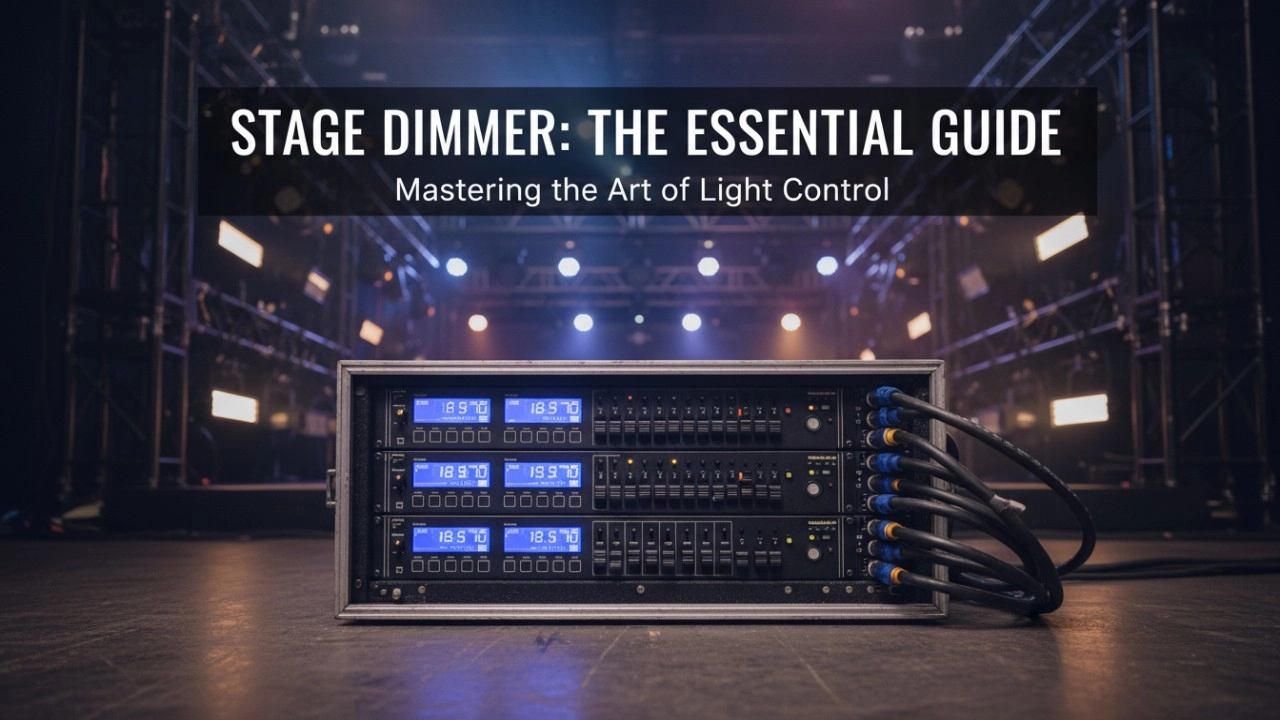
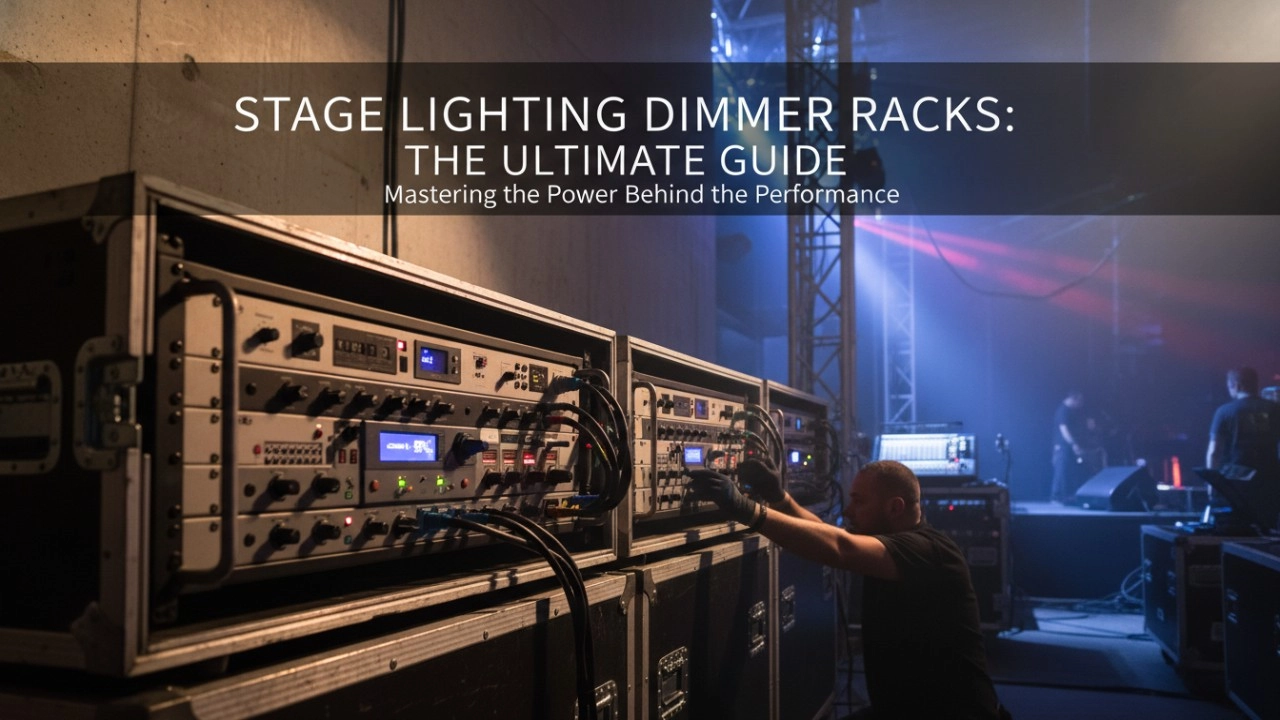
A comprehensive 2026 guide to selecting high-performance stage lighting dimmer racks. We review top hybrid systems, explore SCR vs sine wave technology, and analyze essential features like ThruPower for modern venues.
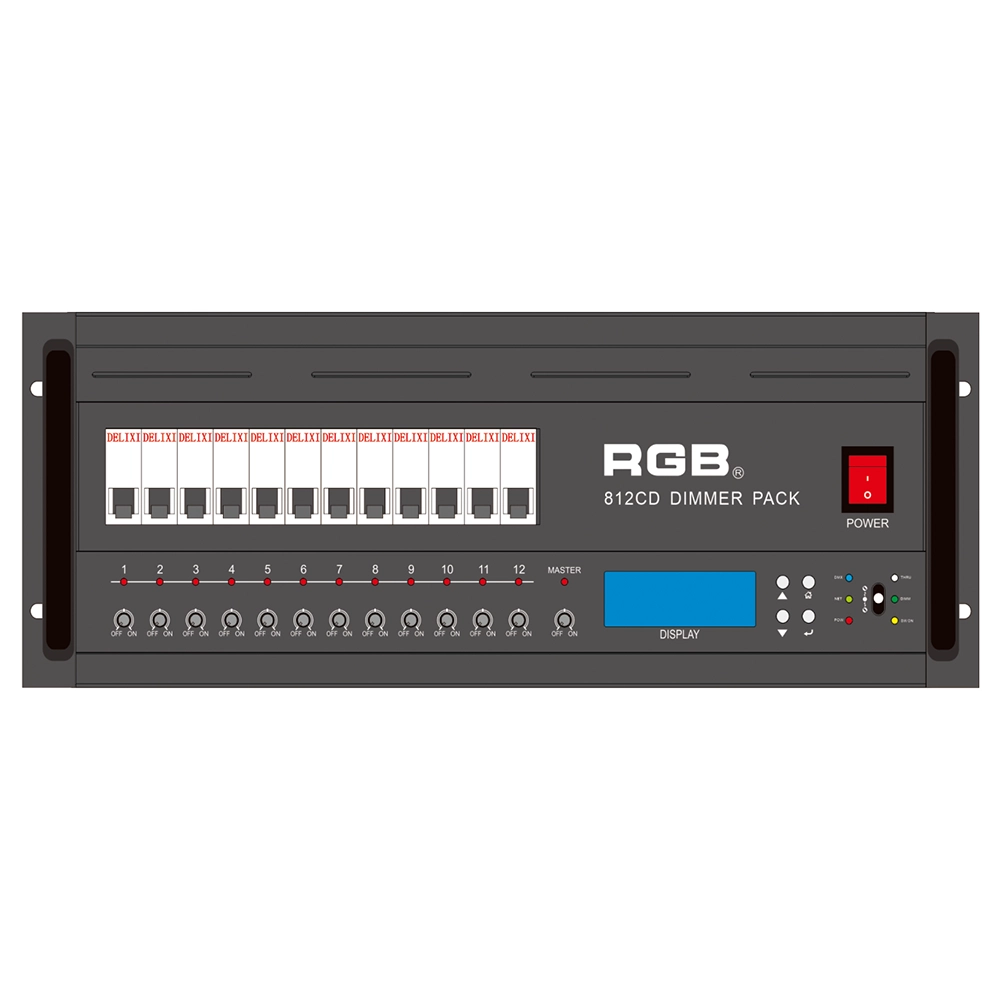
8 Series Intellight Dimmer/Relay Packs
RGB is the latest development and production of all digital, intelligent, and network dimming through the hybrid silicon box. It comes with six channels (806 silicon box), twelve channels (812 silicon box) with analog knob dimming, 49 DMX field recordings and replays (field backup function), and self-programming and recording field. RGB-8 silicon box with DMX512 digital signal input and RJ45 network input interface, with various types of dimming stations at home and abroad used. It is a powerful, stable performance and reliable work of a new generation of intelligent digital dimming through a hybrid silicon box.
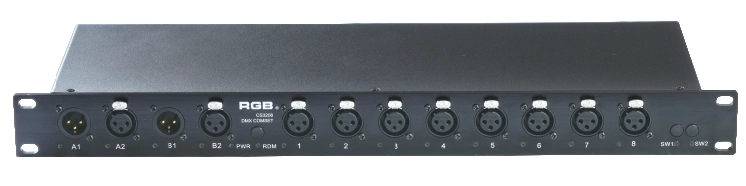
DMX&RDM Signal Mergers Amplifiers
The rack-mounted DMX signal amplifier complies with the DMX-512 standard protocol, improving the transmission quality of DMX-512 signals, ensuring the reliability of system control, and preventing faults such as reverse connection of AC high voltage in the lighting control system, high voltage intrusion due to lightning strikes, and line short circuits, which may affect the stability of the system.
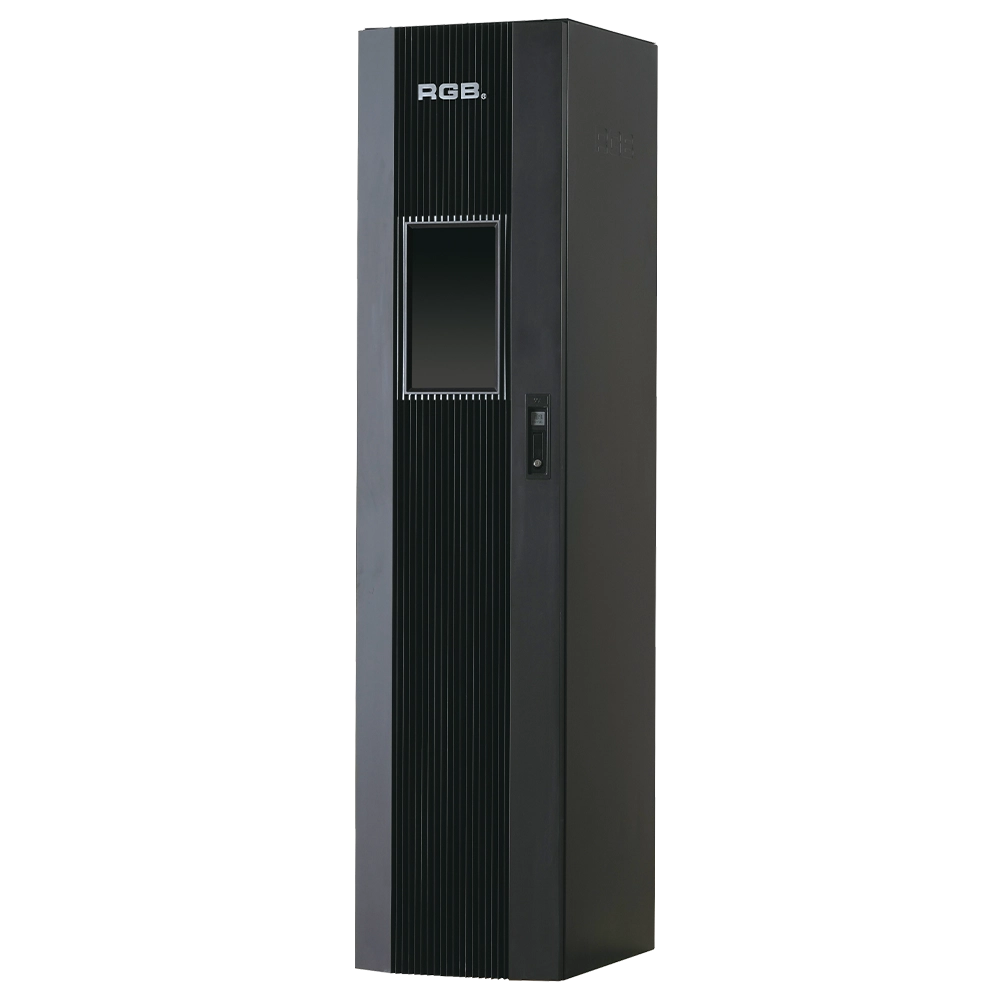
9i intelligent network Dimmer/Relay Racks
9i is an artificial intelligence dimming racks independently developed by RGB, which has completely independent core technology and obtained software Copyrights, all digital electrodeless trigger and multi-backup independent CPU central processor technology. It has a variety of output configurations such as sine wave, thyR, relay and dimming relay mix, and supports visual lighting control system and visually displays the online and offline status of dimming racks. Realize remote monitoring, editing and setting of relevant parameters.
It is suitable for the lighting control needs of different places such as high standard grand theater, TV station, gymnasium and environmental intelligent lighting.
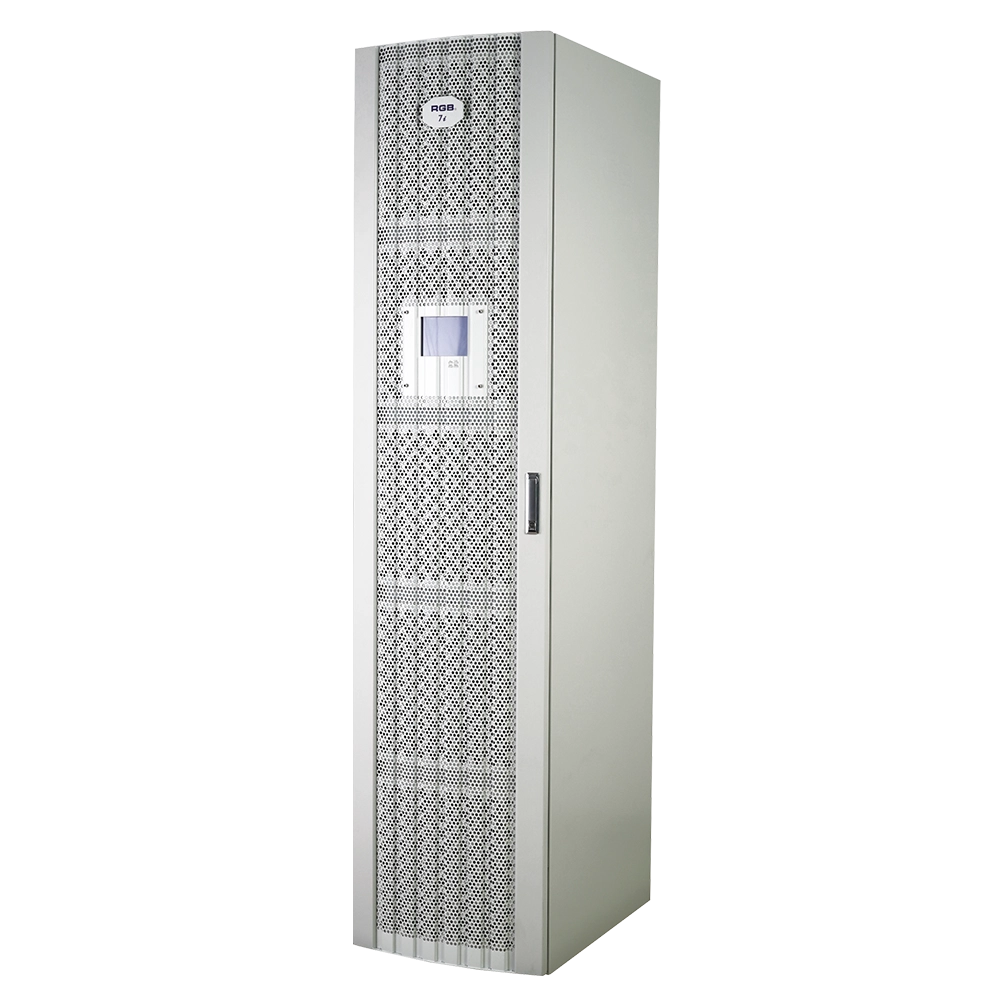
7i Dimmer/Relay Racks
7i is RGB independent research and development, with completely independent core technology, full digital decoding technology dimming racks, using a dual system, double decoding, double trigger, and duplex dual backup central decoding processor, with thyristor, relay, dimming relay mixed and other output configurations, supporting a visual lighting control system, intuitive display of dimming racks' online and offline status, and remote monitoring.
It is widely used in performing arts and cultural venues such as theaters, concert halls, multi-function halls, cultural travel and performing arts, TV stations, gymnasiums, auditoriums, commercial art lighting and so on.
Expert Support
Interested in learning more or need expert guidance related to this article? Fill in your details, and our team will provide tailored support.
Intelligent Control. Brilliant Performance.
RGB specializes in stage lighting control systems, delivering intelligent, reliable, and high-performance solutions for theaters and performance spaces worldwide.
Contact
Email:
Tel:
+86 20 3928 0245
+86 20 3928 0247
Address:
No.3, Huashan Road, Shilou Town, Panyu, Guangzhou, China.
Whatsapp: +8615975520131