
How to Choose the Best DMX Controller for Professional Stages?
|
- 1. What are the key factors to consider when selecting a DMX controller for professional stage lighting?
- 2. How do I determine the appropriate number of DMX channels and universes needed for my stage lighting setup?
- 3. What are the common issues faced with DMX controllers in professional stage lighting, and how can they be resolved?
- 4. How can I ensure the longevity and reliability of my DMX controller in a professional stage environment?
- 5. What are the advantages of integrating a DMX controller with other stage management systems?
- 6. How do I choose between hardware-based and software-based DMX controllers for my stage lighting needs?
1. What are the key factors to consider when selecting a DMX controller for professional stage lighting?
When choosing a DMX controller for professional stage lighting, it's crucial to evaluate several factors to ensure optimal performance:
Compatibility: Ensure the controller supports the specific DMX protocol (e.g., DMX512-A) and is compatible with your lighting fixtures and other equipment.
Scalability: Consider the number of DMX channels and universes the controller can handle, allowing for future expansion as your lighting setup grows.
User Interface: A user-friendly interface with intuitive controls, such as motorized faders, touchscreens, and assignable buttons, can significantly enhance operational efficiency.
Advanced Features: Look for features like built-in effects generators, pixel mapping, and support for protocols like Art-Net or sACN, which can add creative possibilities to your lighting design.
Reliability and Build Quality: Opt for controllers from reputable manufacturers known for durable construction and reliable performance in demanding environments.
2. How do I determine the appropriate number of DMX channels and universes needed for my stage lighting setup?
Determining the right number of DMX channels and universes involves:
Assessing Fixture Requirements: Calculate the total number of channels required by all your lighting fixtures. For instance, a moving head light may require 12 channels, while a simple par can may need 4.
Considering Future Expansion: Plan for additional fixtures or effects you might incorporate in the future, ensuring the controller can accommodate these without overloading.
Understanding Universes: Each DMX universe can handle up to 512 channels. If your setup exceeds this, you'll need a controller capable of managing multiple universes.
Evaluating Controller Specifications: Verify that the controller supports the required number of channels and universes, as some models are limited in this regard.
3. What are the common issues faced with DMX controllers in professional stage lighting, and how can they be resolved?
Common issues include:
Signal Interference and Flickering: Caused by poor-quality cables, missing terminators, or electromagnetic interference. Solutions involve using high-quality, shielded DMX cables, adding terminators at the end of the chain, and ensuring cables are kept away from power lines.
Address Conflicts: Occur when multiple fixtures share the same DMX address, leading to erratic behavior. To resolve this, assign unique addresses to each fixture and document them for easy reference.
Unresponsive Fixtures: Can result from incorrect addressing, mode settings, or faulty cables. Double-check fixture settings, ensure cables are in good condition, and test with known-working components.
Overloading the Controller: Attempting to control more channels or universes than the controller supports can lead to system instability. Always verify the controller's capacity against your setup requirements.
4. How can I ensure the longevity and reliability of my DMX controller in a professional stage environment?
To maintain your DMX controller's performance:
Regular Maintenance: Periodically clean the controller, check for firmware updates, and inspect for any signs of wear or damage.
Proper Storage: When not in use, store the controller in a protective case to prevent physical damage and exposure to dust or moisture.
Environmental Considerations: Operate the controller within the recommended temperature and humidity ranges, and ensure adequate ventilation during use to prevent overheating.
Training and Familiarization: Ensure all operators are well-trained and familiar with the controller's features and troubleshooting procedures to prevent misuse and reduce the risk of damage.
5. What are the advantages of integrating a DMX controller with other stage management systems?
Integrating your DMX controller with other systems can offer:
Centralized Control: Manage lighting, audio, and video from a single interface, streamlining operations and reducing the potential for errors.
Enhanced Synchronization: Achieve precise timing and coordination between different elements of the stage production, enhancing the overall performance.
Increased Efficiency: Automate repetitive tasks and sequences, allowing operators to focus on creative aspects of the show.
Scalability: Easily expand and modify your setup as needed without significant additional investment.
6. How do I choose between hardware-based and software-based DMX controllers for my stage lighting needs?
When deciding between hardware and software-based controllers:
Hardware-Based Controllers: Offer tactile controls, reliability, and are less susceptible to computer crashes or software issues. They are ideal for live performances where quick adjustments are necessary.
Software-Based Controllers: Provide flexibility, ease of updates, and often come at a lower initial cost. They are suitable for complex shows where advanced programming and effects are required.
Consider your specific needs, budget, and the complexity of your lighting setup to make the best choice.
In conclusion, selecting the right DMX controller is pivotal for achieving professional and reliable stage lighting. By carefully considering factors such as compatibility, scalability, user interface, and advanced features, you can ensure your lighting system meets the demands of your productions. For personalized advice and a quote tailored to your specific requirements, please contact us at info@rgbsystem.com or visit our website at www.rgbsystem.com.
Latest News
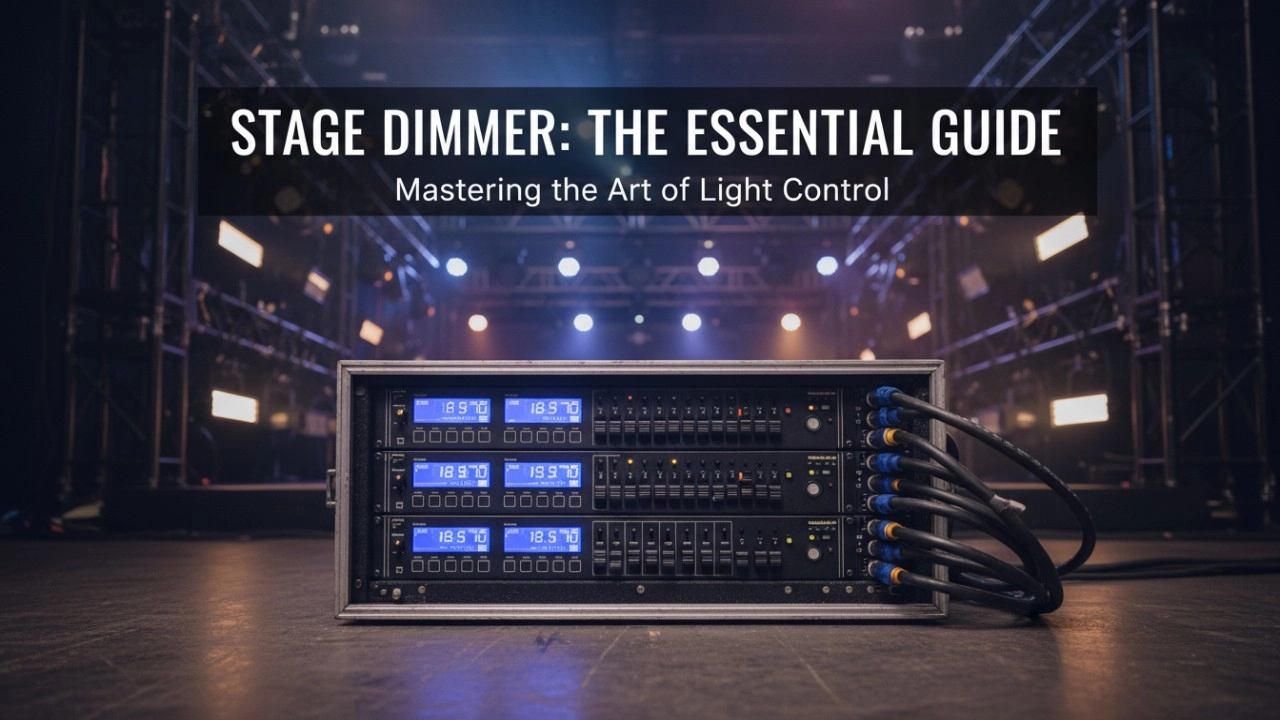
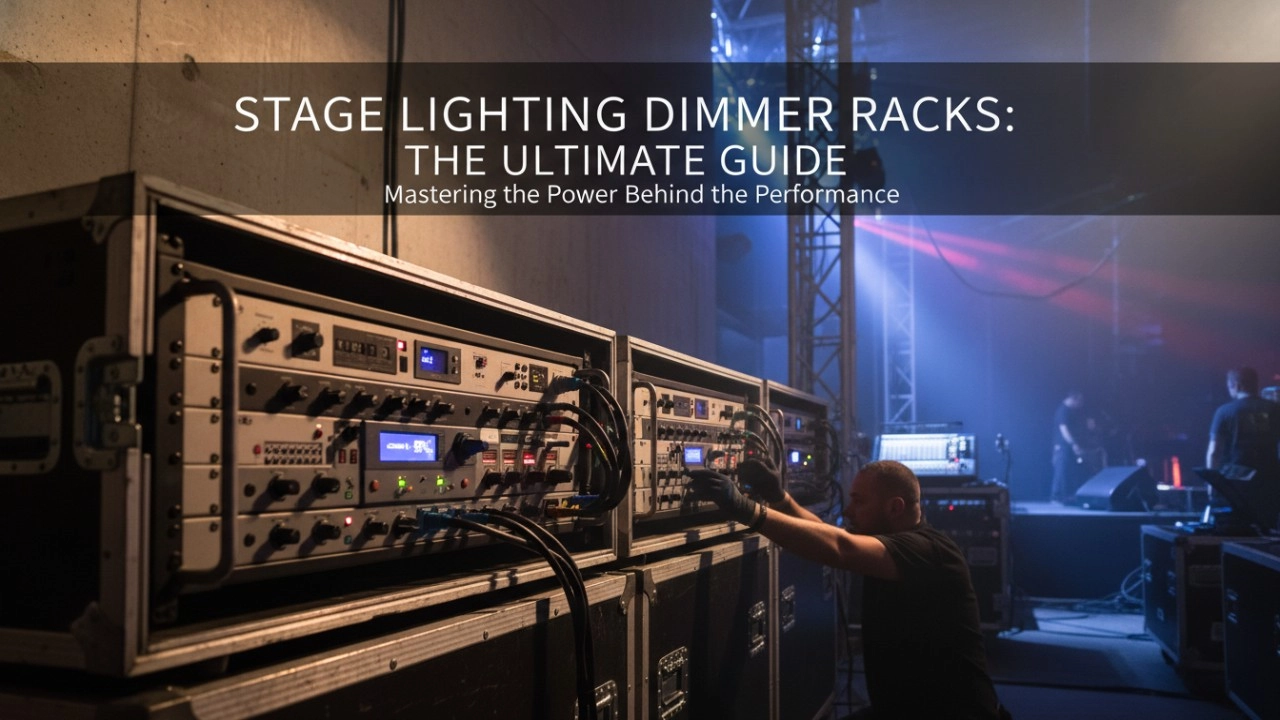
A comprehensive 2026 guide to selecting high-performance stage lighting dimmer racks. We review top hybrid systems, explore SCR vs sine wave technology, and analyze essential features like ThruPower for modern venues.
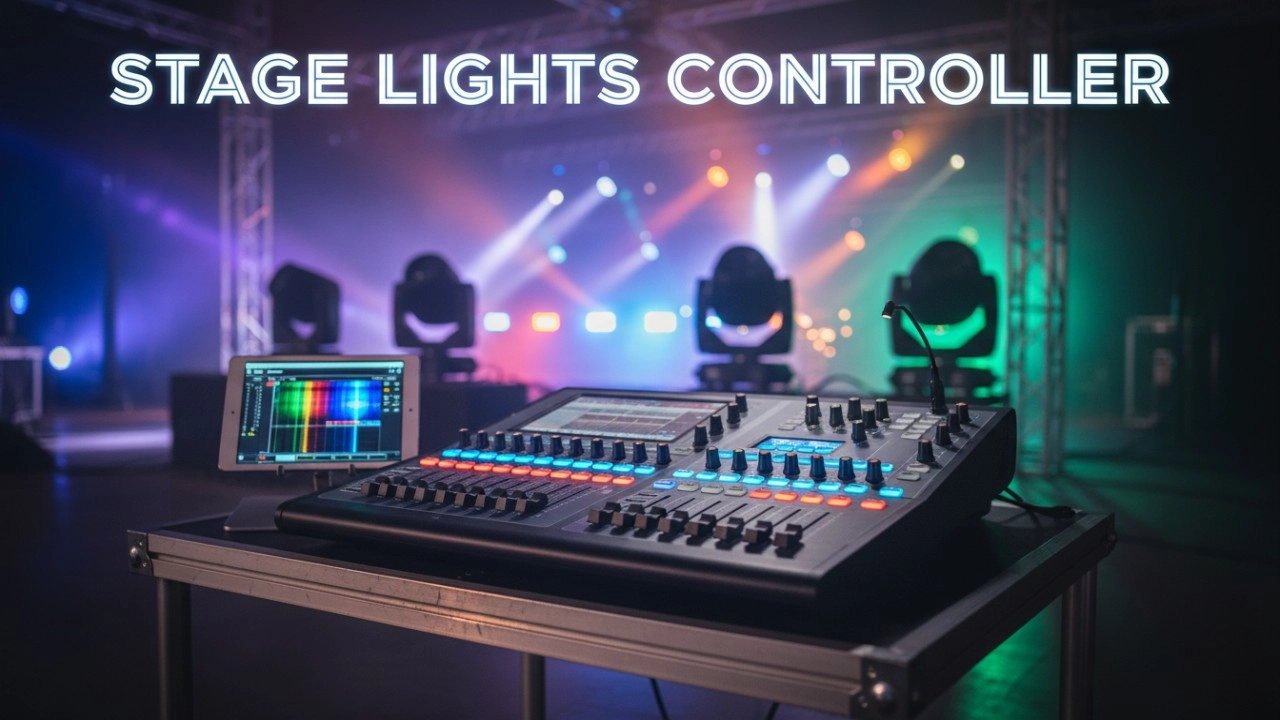
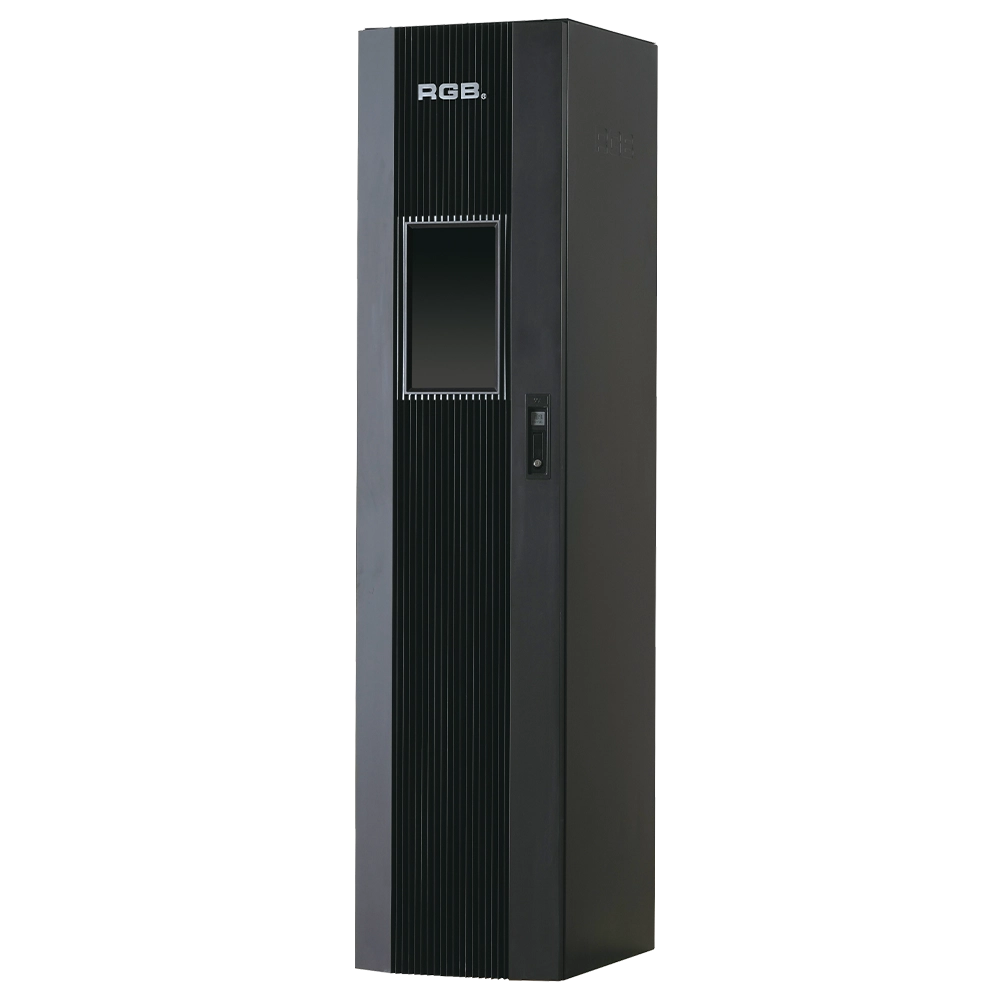
9i intelligent network Dimmer/Relay Racks
9i is an artificial intelligence dimming racks independently developed by RGB, which has completely independent core technology and obtained software Copyrights, all digital electrodeless trigger and multi-backup independent CPU central processor technology. It has a variety of output configurations such as sine wave, thyR, relay and dimming relay mix, and supports visual lighting control system and visually displays the online and offline status of dimming racks. Realize remote monitoring, editing and setting of relevant parameters.
It is suitable for the lighting control needs of different places such as high standard grand theater, TV station, gymnasium and environmental intelligent lighting.
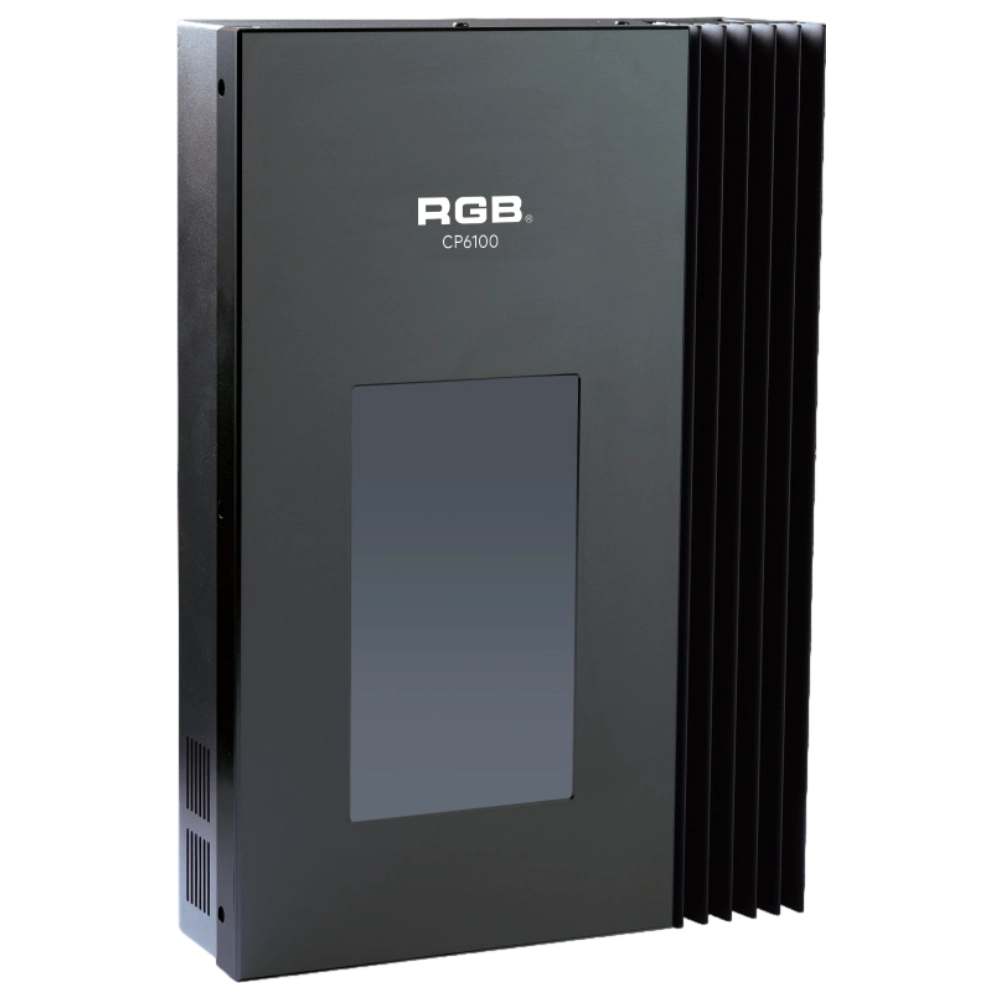
CP6100 Light Control System
The lighting control host is the main control device for theater stage lights, work lights, environmental lighting, commercial art lighting, sports venue lighting, and other places. By connecting the dedicated lighting control panels CP6104 and CP6108, it realizes the central control of the lighting system, supports a visual lighting control system, and intuitively displays the online and offline status of CP6100. Realize remote monitoring, editing, and setting of corresponding parameters.
It is widely applicable to theaters, cinemas, auditoriums, stadiums, museums, exhibition halls, cultural tourism performances, commercial art lighting, and other places.
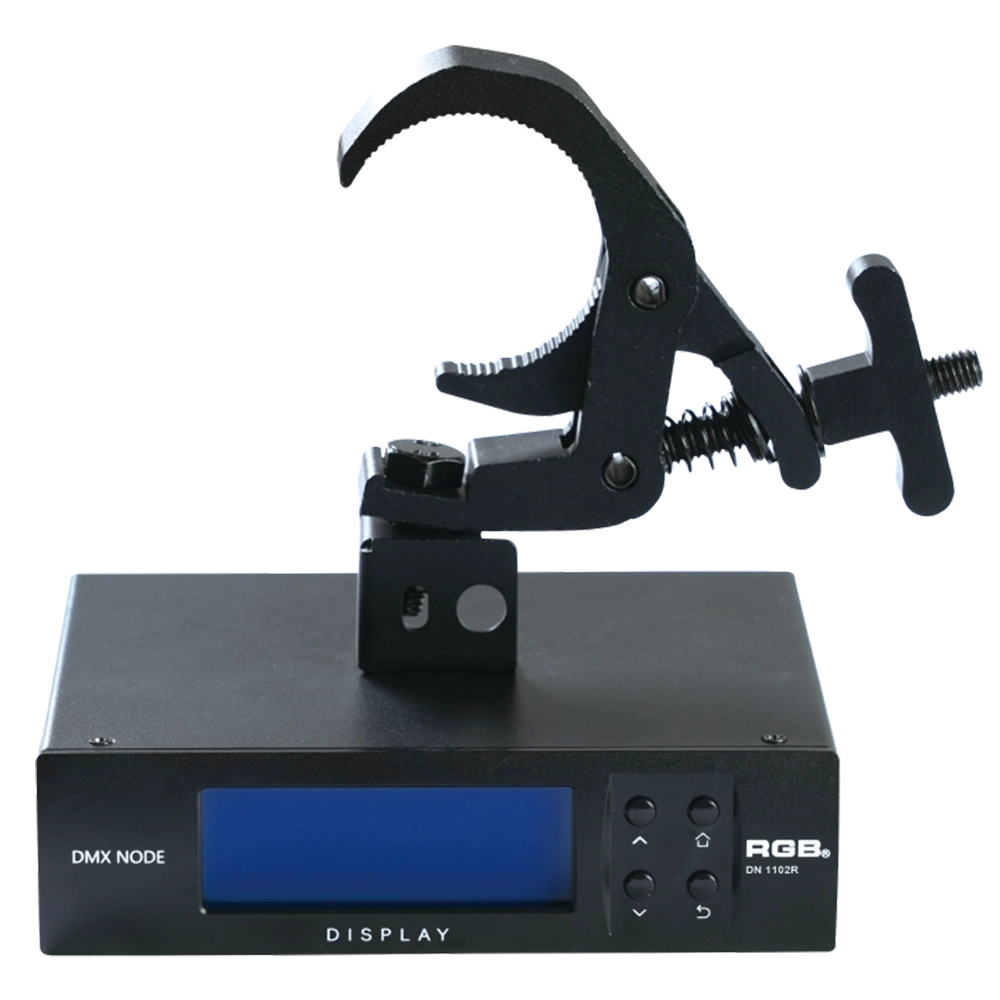
RDM Nodes
The DN series network decoder is a product of the lighting control system independently developed by RGB, featuring completely independent core technology and obtaining software copyrights. It seamlessly connects and decodes the sACN and Art-Net network protocols based on TCP/IP with the DMX-512 and RDM communication protocols. Supports a visual lighting control system, intuitively displaying the online and offline status of the DN series network decoders, and enabling remote monitoring, editing, and setting of corresponding parameters.
It is widely applied in theaters, concert halls, multi-functional halls, cultural and tourism performances, TV stations, gymnasiums, auditoriums, commercial art lighting, and other performance and cultural venues.
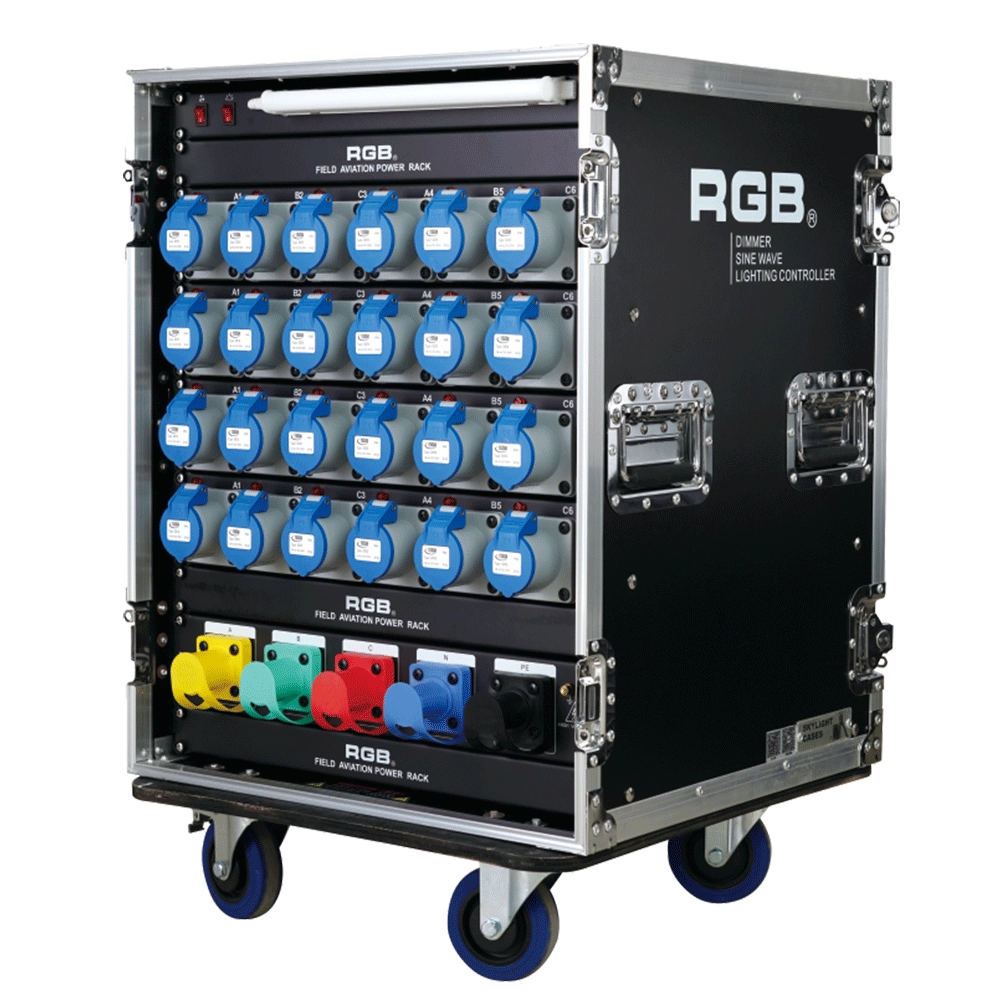
ZT Distribution Box
RGB-ZT2416 features dual protection functions and is a power distribution product specifically designed for overcurrent and short circuit of electrical equipment. It is the best choice for mobile performance and is suitable for use in computer lamps, conventional lamps, and other equipment.
Expert Support
Interested in learning more or need expert guidance related to this article? Fill in your details, and our team will provide tailored support.
Intelligent Control. Brilliant Performance.
RGB specializes in stage lighting control systems, delivering intelligent, reliable, and high-performance solutions for theaters and performance spaces worldwide.
Contact
Email:
Tel:
+86 20 3928 0245
+86 20 3928 0247
Address:
No.3, Huashan Road, Shilou Town, Panyu, Guangzhou, China.
Whatsapp: +8615975520131