
What features matter when buying stage lighting dimmer racks?
|
- 1. How do I determine the appropriate power capacity for my stage lighting dimmer rack?
- 2. What are the key differences between SCR and IGBT dimmer modules, and which should I choose?
- 3. How can I ensure my dimmer rack is compatible with modern lighting control protocols?
- 4. What are the best practices for maintaining and cooling my dimmer rack to prevent overheating?
- 5. How do I assess the scalability and future-proofing of a dimmer rack system?
- 6. What safety standards and regulations should I be aware of when installing a dimmer rack?
1. How do I determine the appropriate power capacity for my stage lighting dimmer rack?
When selecting a stage lighting dimmer rack, it's essential to assess the total wattage of all lighting fixtures you intend to control. Each dimmer channel has a maximum load capacity, typically ranging from 2kW to 10kW per channel. For instance, a 48-channel rack with a 2kW per channel capacity can handle up to 96kW in total. Ensure that the combined wattage of your fixtures does not exceed the rack's total capacity to prevent overloading and potential equipment failure. Additionally, consider future expansion needs; opting for a dimmer rack with a higher capacity than your current requirements allows for seamless integration of additional fixtures without necessitating a complete system overhaul. This foresight can lead to cost savings and operational efficiency in the long term.
2. What are the key differences between SCR and IGBT dimmer modules, and which should I choose?
Dimmer modules are primarily categorized into SCR (Silicon-Controlled Rectifier) and IGBT (Insulated-Gate Bipolar Transistor) types, each with distinct characteristics. SCR dimmers are well-suited for controlling heavy tungsten loads and are known for their durability. However, they can generate electrical noise, often referred to as 'filament sing,' which may be undesirable in acoustically sensitive environments. In contrast, IGBT dimmers operate silently due to reverse phase control and are ideal for venues where noise levels are a concern, such as concert halls or theaters. They are also more efficient and can handle a broader range of lighting technologies, including LEDs. When choosing between the two, consider the specific needs of your venue, the types of lighting fixtures you plan to use, and the importance of noise control in your performance space.
3. How can I ensure my dimmer rack is compatible with modern lighting control protocols?
Modern lighting control systems utilize various protocols to manage and communicate with lighting fixtures. The most prevalent protocol is DMX512, which allows for control of up to 512 channels per universe. However, as lighting technology advances, additional protocols have been developed to enhance functionality and integration. RDM (Remote Device Management) extends DMX512 by enabling bidirectional communication, allowing for remote configuration and diagnostics of connected devices. Network-based protocols like sACN (Streaming Architecture for Control Networks) and Art-Net facilitate the transmission of thousands of channels over standard Ethernet networks, supporting complex lighting setups. When selecting a dimmer rack, ensure it supports the protocols compatible with your lighting console and fixtures. This compatibility is crucial for seamless integration and reliable performance. For example, if your lighting console outputs sACN, your dimmer rack should be capable of receiving and processing sACN signals to ensure proper communication and control.
4. What are the best practices for maintaining and cooling my dimmer rack to prevent overheating?
Effective thermal management is vital for the longevity and reliable operation of your dimmer rack. Dimmers generate significant heat during operation, and without proper cooling, components can degrade, leading to system failures. Most professional dimmer racks incorporate active cooling systems, such as high-velocity, low-noise fans, to dissipate heat efficiently. It's essential to ensure that these cooling systems are functioning correctly and that air intake filters are cleaned regularly, as clogged filters can lead to overheating and potential damage. Additionally, consider the placement of your dimmer rack; it should be installed in a well-ventilated area, free from obstructions that could impede airflow. Regular maintenance, including cleaning and inspection of cooling components, is crucial to prevent overheating and ensure optimal performance. For instance, a fully loaded 96-channel rack can generate significant heat, making effective cooling even more critical. Implementing these maintenance practices can extend the lifespan of your equipment and maintain consistent performance levels.
5. How do I assess the scalability and future-proofing of a dimmer rack system?
When investing in a dimmer rack, it's prudent to consider not only your current lighting needs but also potential future expansions. Scalability refers to the system's ability to accommodate additional lighting fixtures or increased load without requiring a complete replacement. Modular dimmer racks are particularly advantageous in this regard, as they allow for the addition of extra channels or modules as your requirements grow. This flexibility ensures that your investment remains viable over time and can adapt to evolving technological advancements. Future-proofing also involves selecting a dimmer rack that supports emerging lighting technologies and control protocols, ensuring compatibility with new fixtures and control systems. By choosing a scalable and future-proof system, you can achieve a more cost-effective and adaptable lighting setup that meets both present and future demands.
6. What safety standards and regulations should I be aware of when installing a dimmer rack?
Safety is paramount when installing and operating stage lighting equipment. Dimmer racks must comply with national and international electrical and life-safety codes to ensure safe operation. In the United States, the National Electrical Code (NEC) provides guidelines on wiring methods, overcurrent protection, grounding, and emergency power considerations. Adhering to these standards helps prevent electrical hazards and ensures the safety of personnel and equipment. Additionally, industry standards for lighting control and interfaces, such as DMX512, should be implemented reliably to maintain system integrity. It's advisable to consult with qualified professionals during installation and maintenance to ensure compliance with all relevant safety standards and regulations. Regular inspections and adherence to safety protocols can mitigate risks and promote a secure environment for both performers and technicians.
In conclusion, selecting the right stage lighting dimmer rack involves careful consideration of power capacity, module types, protocol compatibility, cooling systems, scalability, and safety standards. By thoroughly evaluating these factors, you can ensure a reliable, efficient, and future-ready lighting control system that enhances your stage productions. For personalized advice and a tailored quote, please contact us at info@rgbsystem.com or visit our website at www.rgbsystem.com.
Latest News
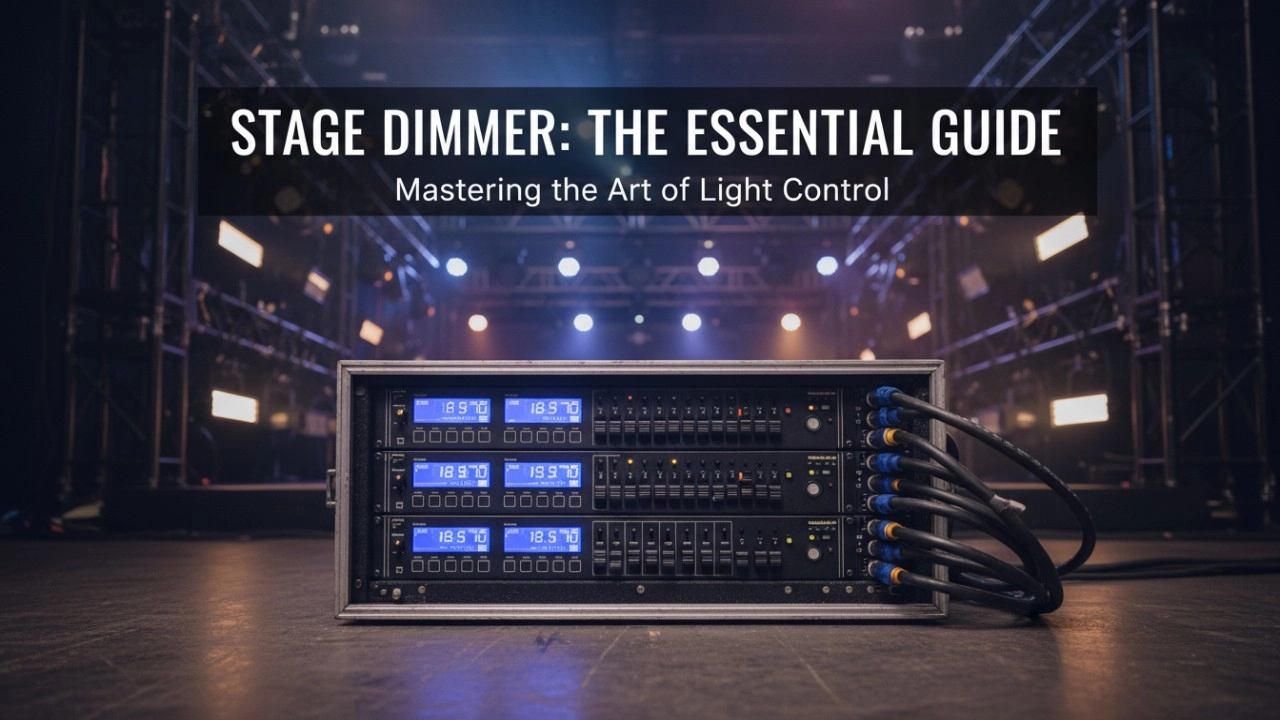
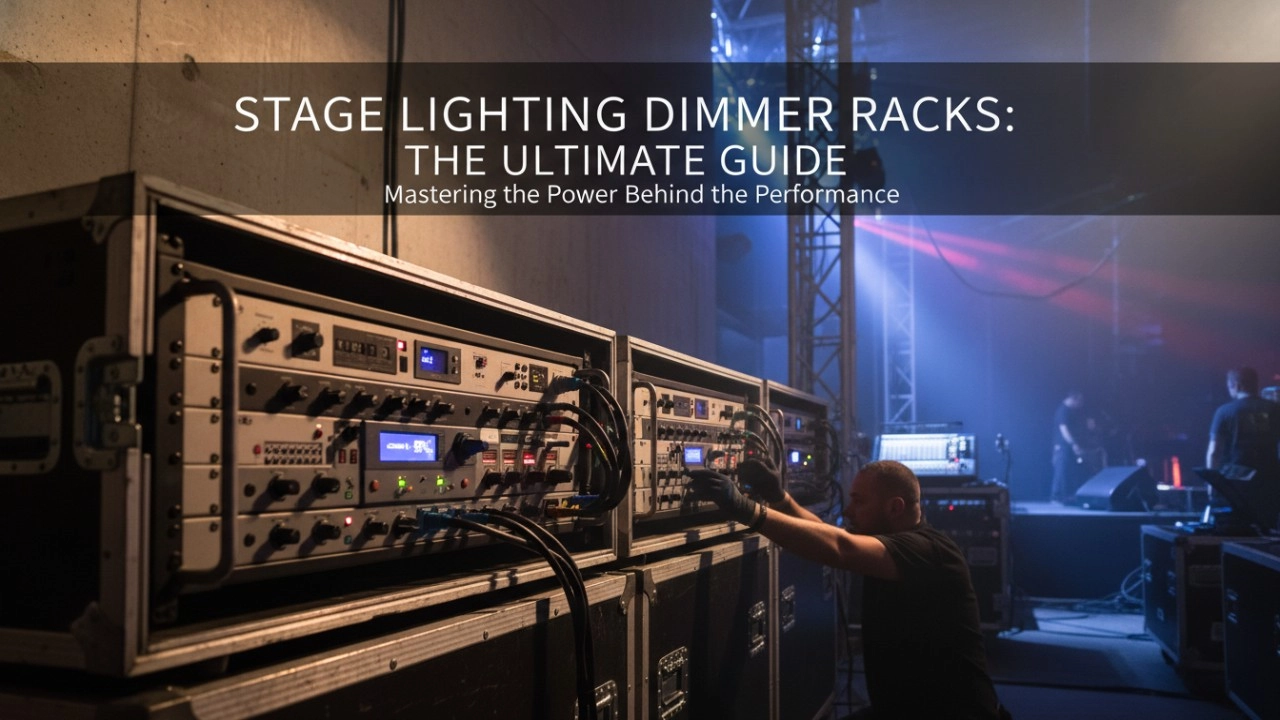
A comprehensive 2026 guide to selecting high-performance stage lighting dimmer racks. We review top hybrid systems, explore SCR vs sine wave technology, and analyze essential features like ThruPower for modern venues.
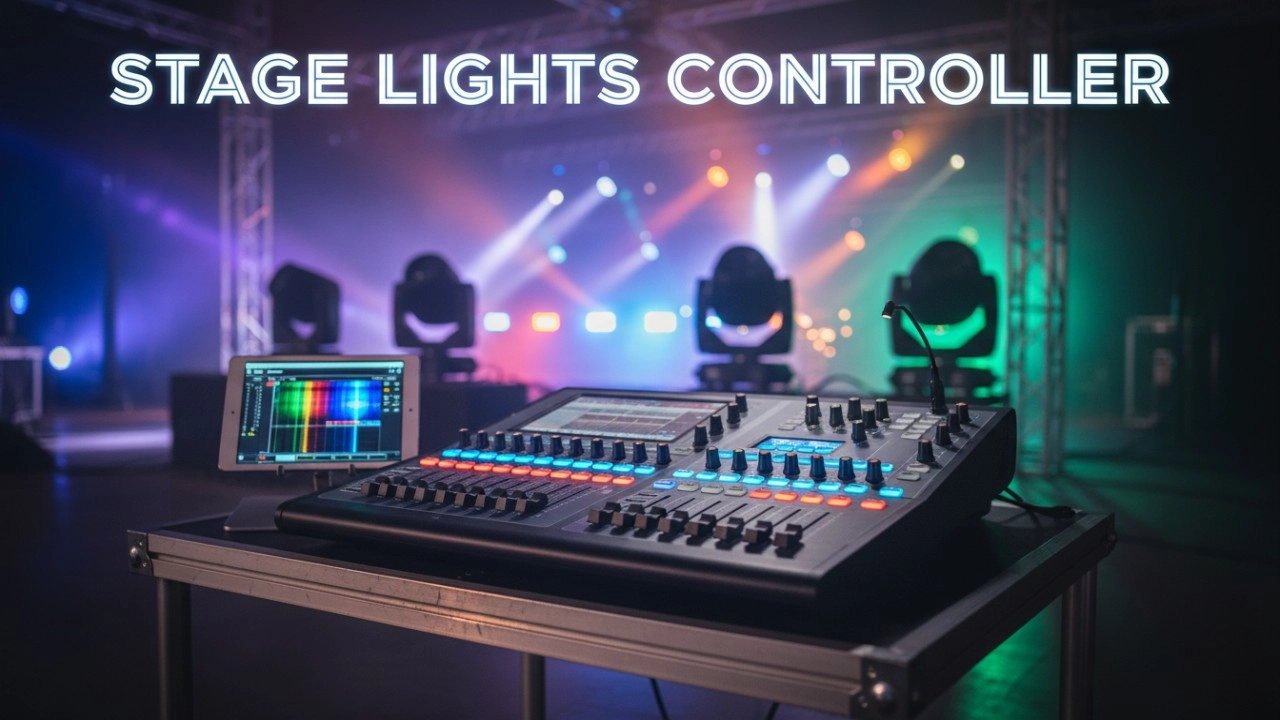
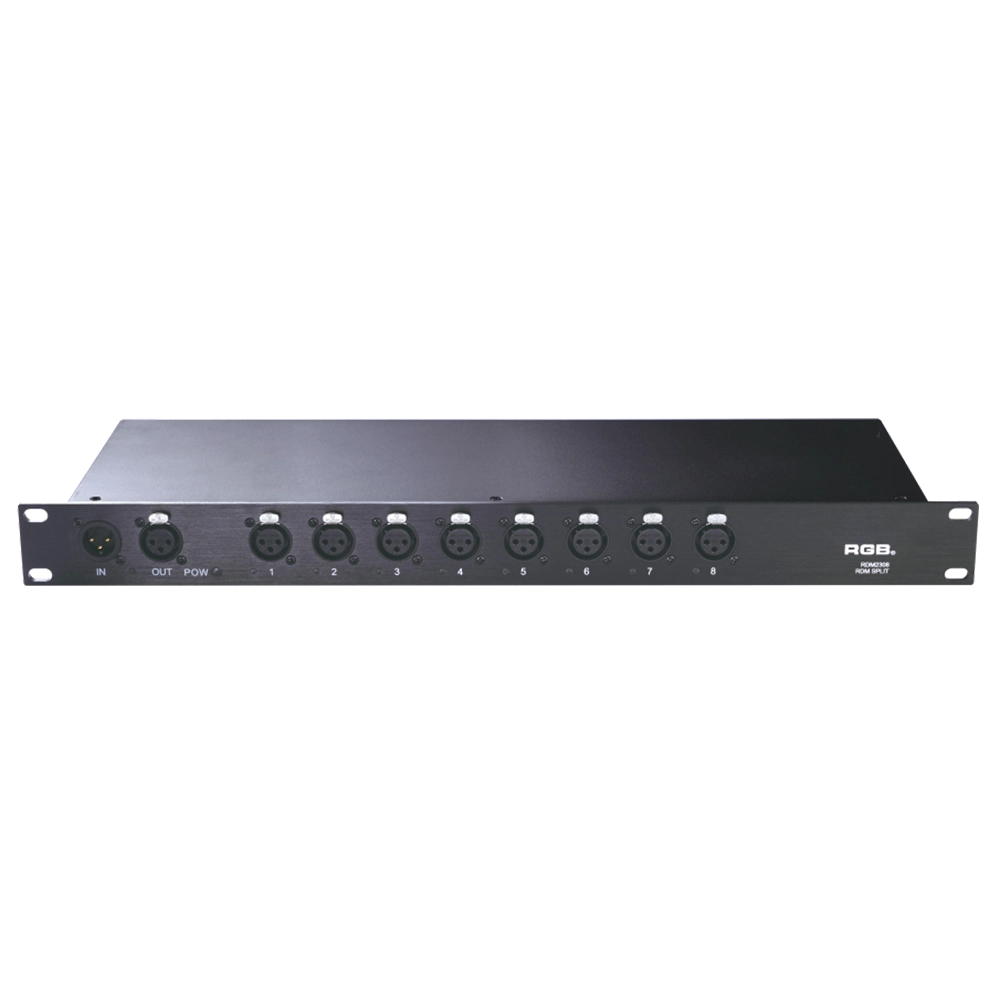
RDM Series Signal Amplifier
RDM2304, RDM2308, RDM2310, RDM2312 rack-mounted The RDM signal amplifier improves the quality of bidirectional RDM signal transmission, ensures the reliability of system control, and prevents faults such as AC high-voltage reverse series lighting control system, lightning high-voltage series entry, and line short circuit, which may affect system stability.
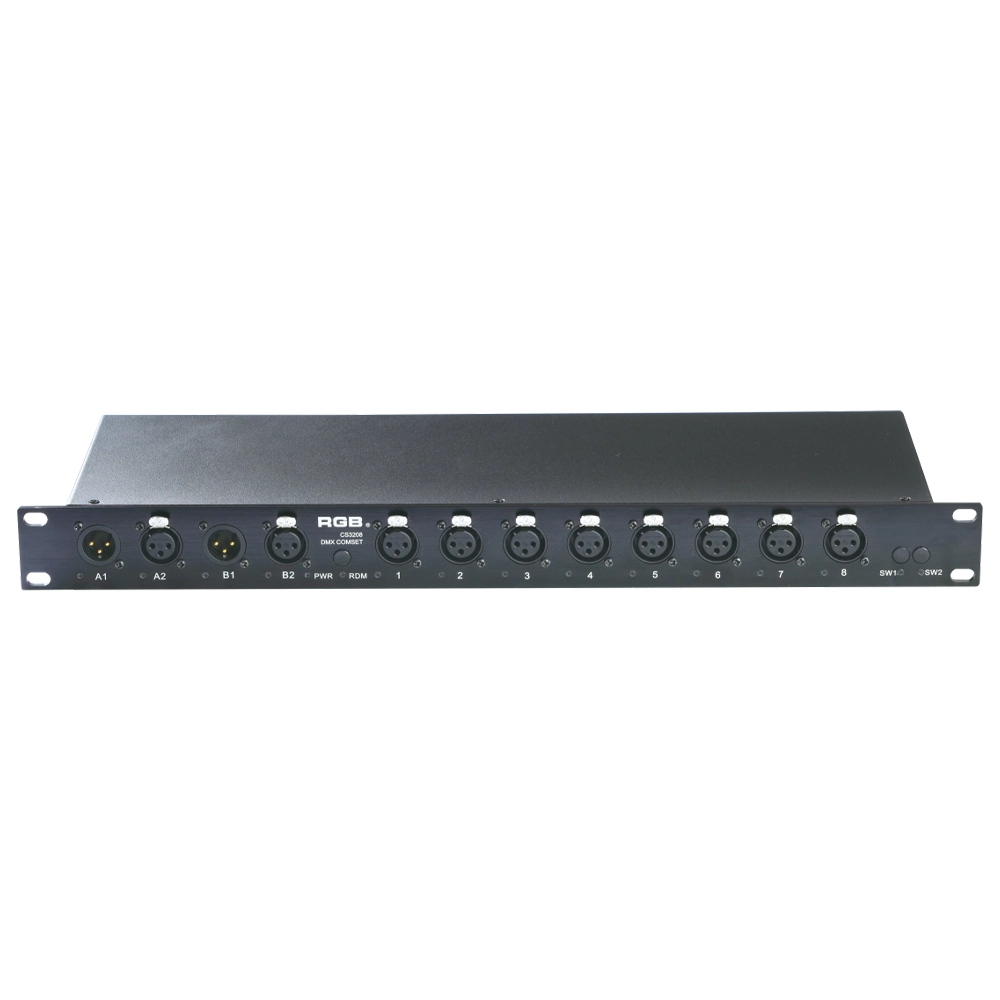
Multifunctional signal supercharger
The rack-mounted DMX signal amplifier complies with the DMX-512 standard protocol, improving DMX-512 signal transmission quality and ensuring reliable system control. It helps prevent issues such as AC high-voltage backflow into lighting control systems, lightning-induced surges, and signal interference caused by short circuits, thereby enhancing overall system stability.
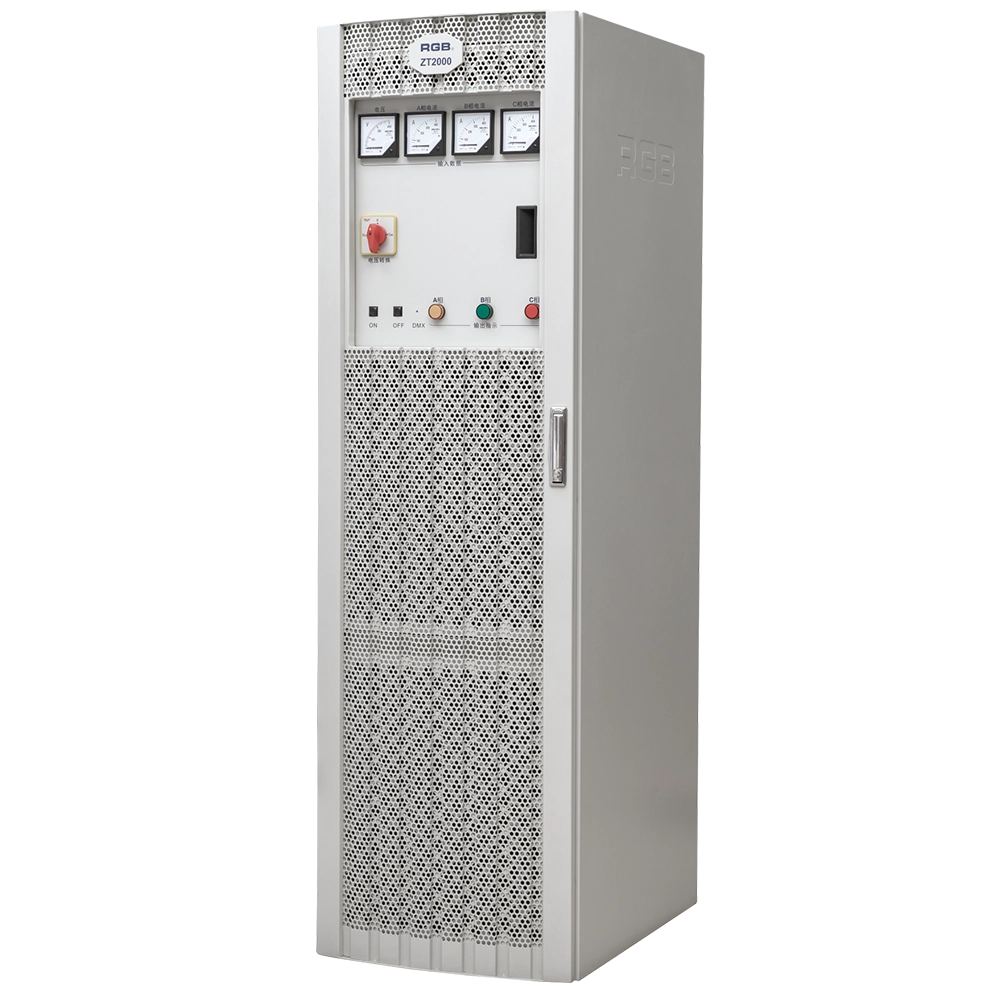
ZT2000 Pass-Through Racks
The ZT2000 straight-through power cabinet is a three-phase 630A/400A air switch main control, with each channel being a 32A air switch sub-control straight-through power cabinet. It can be used in conjunction with various computer lamps, regular lamps, and temporary electrical equipment as a power distribution and supply part for electrical equipment with overcurrent and short-circuit protection. It is a brand-new, reliable, and stable lighting control device in the field of stage lighting control.
It is widely applied in theaters, concert halls, multi-functional halls, cultural and tourism performances, TV stations, gymnasiums, auditoriums, commercial art lighting, and other performance and cultural venues.
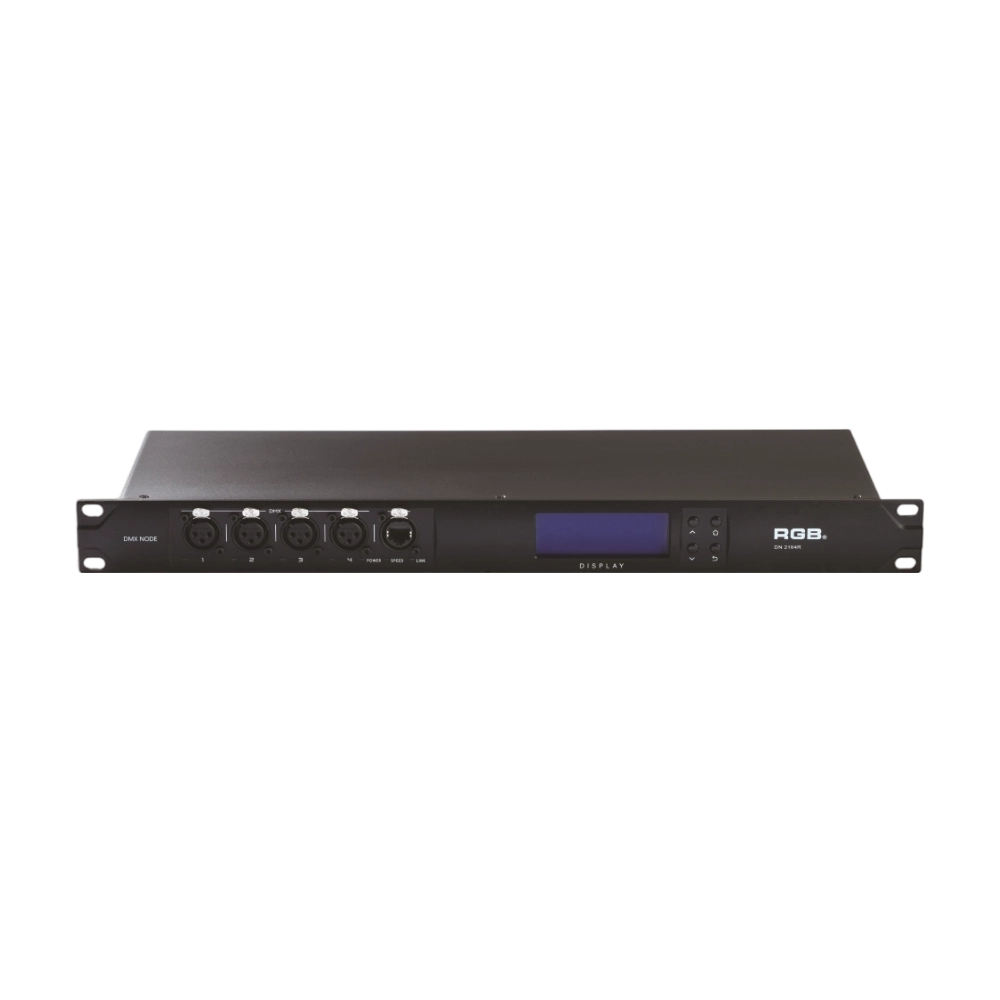
DMX, RDM Nodes
The DN series dual network port network decoder is a lighting control system product independently developed by RGB, featuring completely independent core technology and software copyright. It seamlessly connects and decodes the sACN and ART-Net network protocols based on TCP/IP with the DMX-512 and RDM communication protocols, achieving gigabit communication with dual independent physical address codes. Supports a visual lighting control system, intuitively displaying the online and offline status of the DN series network decoders, and enabling remote monitoring, editing, and setting of corresponding parameters.
It is widely applied in theaters, concert halls, multi-functional halls, cultural and tourism performances, TV stations, gymnasiums, auditoriums, commercial art lighting, and other performance and cultural venues.
Expert Support
Interested in learning more or need expert guidance related to this article? Fill in your details, and our team will provide tailored support.
Intelligent Control. Brilliant Performance.
RGB specializes in stage lighting control systems, delivering intelligent, reliable, and high-performance solutions for theaters and performance spaces worldwide.
Contact
Email:
Tel:
+86 20 3928 0245
+86 20 3928 0247
Address:
No.3, Huashan Road, Shilou Town, Panyu, Guangzhou, China.
Whatsapp: +8615975520131