
What DMX features matter in a digital dimmer?
|
- 1. How do digital dimmers differ from traditional analog dimmers in stage lighting?
- 2. What are the advantages of integrating digital dimmers with DMX512 control systems?
- 3. How does the preheat function in digital dimmers enhance lamp longevity?
- 4. What are the key DMX512 features to consider when selecting a digital dimmer?
- 5. How do digital dimmers contribute to energy efficiency in stage lighting?
- 6. What maintenance considerations are important for digital dimmers in stage lighting systems?
1. How do digital dimmers differ from traditional analog dimmers in stage lighting?
Digital dimmers offer precise control over lighting intensity and can be integrated into digital control systems like DMX512, providing enhanced flexibility and efficiency. Unlike analog dimmers, which rely on variable resistors and can dissipate power as heat, digital dimmers use semiconductor components to switch quickly between on and off states, minimizing power loss. This design allows for smoother fades and more accurate lighting effects, crucial for professional stage productions.
2. What are the advantages of integrating digital dimmers with DMX512 control systems?
Integrating digital dimmers with DMX512 control systems enables centralized control of multiple lighting fixtures through a single digital communication network. This integration simplifies the setup and management of complex lighting designs, allowing for synchronized lighting changes and real-time adjustments. DMX512's standardized protocol ensures compatibility across various lighting equipment, facilitating seamless operation and reducing the risk of technical issues during performances.
3. How does the preheat function in digital dimmers enhance lamp longevity?
The preheat function in digital dimmers maintains a minimum light level, typically between 5% and 10%, even when the lights are turned off. This continuous low-level operation prevents the lamp filaments from cooling down too much, reducing the stress caused by sudden power surges when the lights are turned back on. By minimizing filament wear and tear, the preheat function extends the overall lifespan of the lamps, ensuring consistent performance over time.
4. What are the key DMX512 features to consider when selecting a digital dimmer?
When selecting a digital dimmer compatible with DMX512, consider the following features:
Addressing Capabilities: Ensure the dimmer allows for easy assignment of DMX512 addresses to control individual or groups of lights.
Channel Capacity: Verify that the dimmer can handle the required number of DMX channels to accommodate all connected lighting fixtures.
Signal Integrity: Look for dimmers with built-in features to maintain signal integrity, such as error detection and correction mechanisms.
Compatibility: Confirm that the dimmer is compatible with the specific DMX512 protocol version and any additional features your lighting system utilizes.
User Interface: Evaluate the ease of use of the dimmer's interface for programming and real-time adjustments during performances.
These features ensure efficient and reliable integration of digital dimmers into your stage lighting control system.
5. How do digital dimmers contribute to energy efficiency in stage lighting?
Digital dimmers enhance energy efficiency by precisely controlling the power supplied to lighting fixtures, reducing unnecessary energy consumption. By adjusting the brightness levels to the minimum required for the performance, digital dimmers prevent over-illumination and lower electricity usage. Additionally, their efficient design minimizes heat generation, reducing the need for cooling systems and further conserving energy. This efficiency not only lowers operational costs but also contributes to a more sustainable production environment.
6. What maintenance considerations are important for digital dimmers in stage lighting systems?
Regular maintenance of digital dimmers is essential to ensure optimal performance and longevity. Key maintenance considerations include:
Firmware Updates: Periodically check for and apply firmware updates to keep the dimmer's software current, ensuring compatibility with other system components and access to new features.
Cleaning: Keep the dimmer's components clean and free from dust and debris to prevent overheating and maintain efficient operation.
Inspection: Regularly inspect wiring and connections for signs of wear or damage, addressing any issues promptly to prevent system failures.
Calibration: Periodically calibrate the dimmer to ensure accurate lighting levels and consistent performance.
Implementing a proactive maintenance routine helps prevent unexpected issues and extends the lifespan of digital dimmers in your stage lighting system.
In conclusion, selecting the right digital dimmer and understanding its integration with DMX512 control systems are crucial steps in optimizing your stage lighting setup. By considering the features and maintenance practices outlined above, you can enhance performance, energy efficiency, and the overall quality of your lighting design. For personalized recommendations and a detailed quote, please contact us at info@rgbsystem.com or visit our website at www.rgbsystem.com.
Latest News
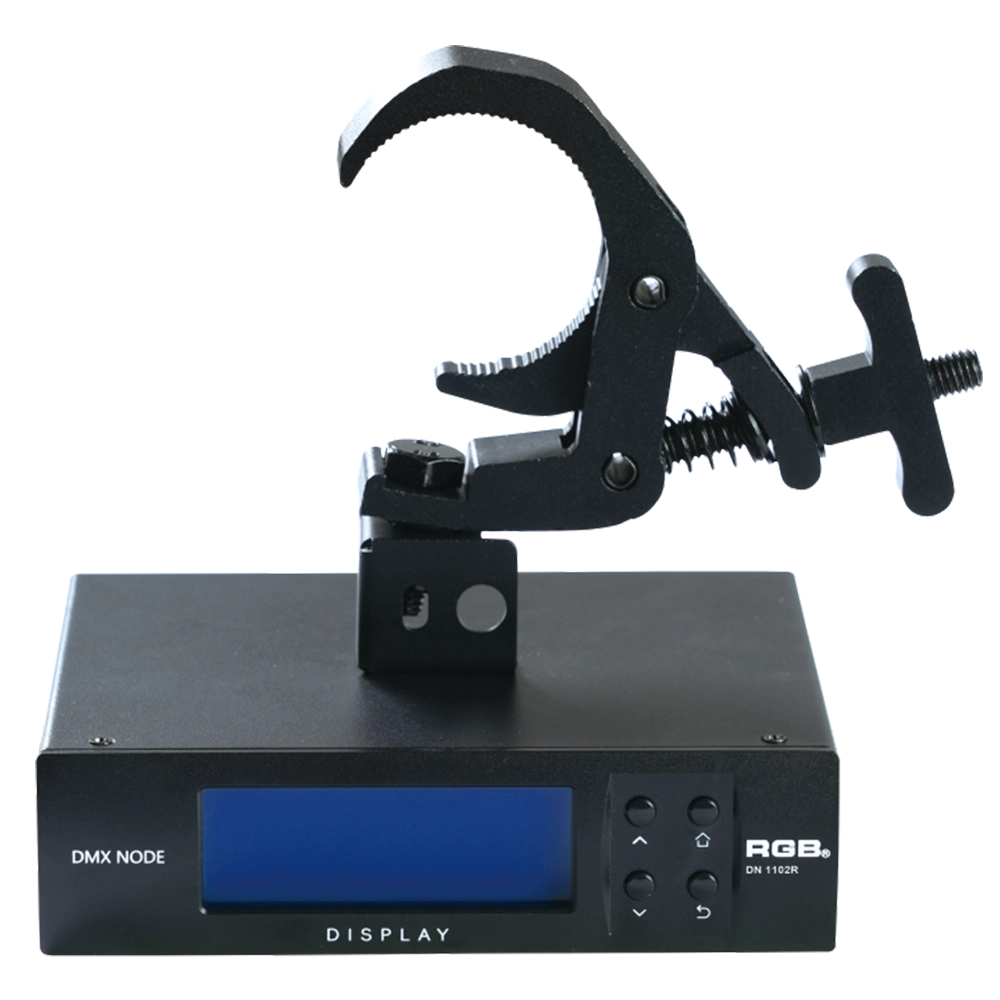
DN1102R/DN1104R Art-Net/sACN DMX & RDM Nodes
RGB DN1102R and DN1104R are DMX512/RDM network nodes for stage lighting control over Art-Net and sACN. The product description lists an Ethernet interface, protocol selection, device status reporting and optional accessories. Published dimensions distinguish DN1102R and DN1104R; do not apply larger DN Series 8- or 12-universe configurations to these two models without specific evidence.
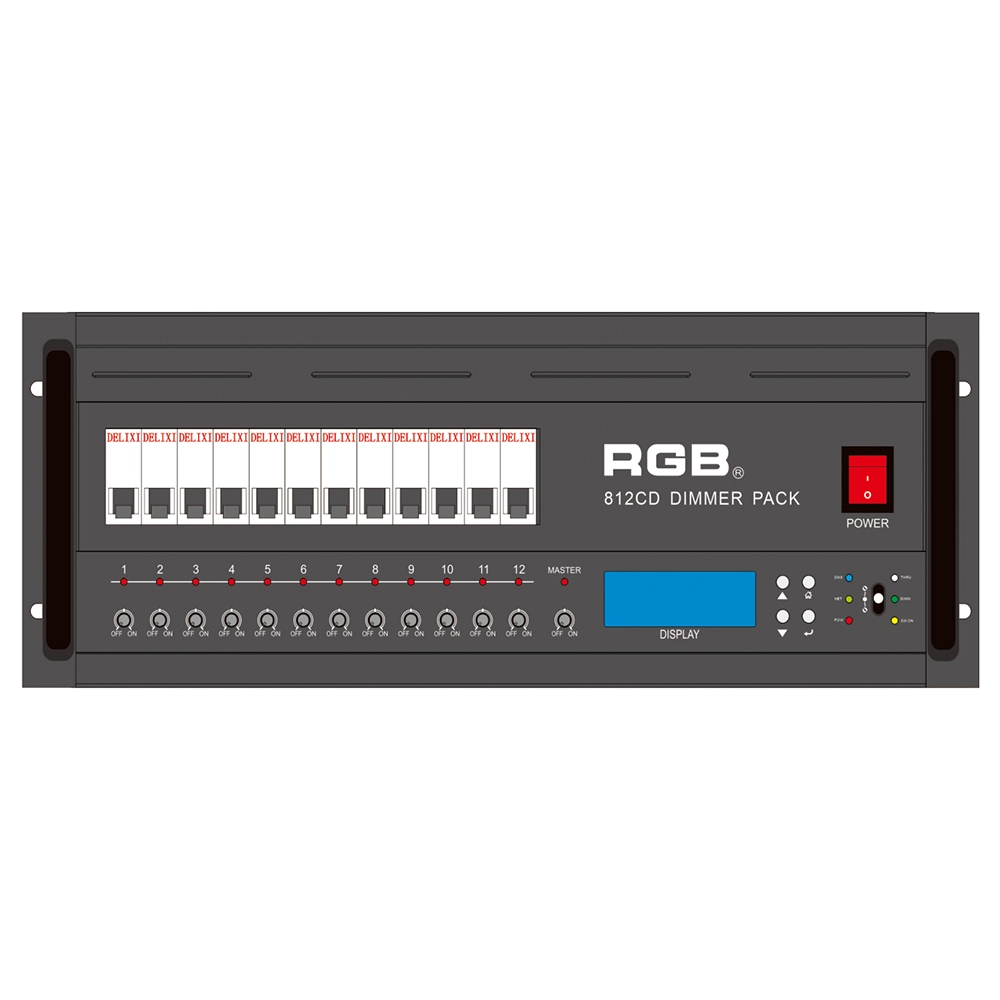
8 Series 806/812 Digital Dimmer & Relay Packs
RGB 8 Series digital dimmer and relay packs provide DMX512-based control for stage and venue lighting. The published range includes the 806 six-circuit and 812 twelve-circuit models, with local dimming controls, scene recording and relay/pass-through options. The product description lists optional Art-Net and sACN network control, so these interfaces should be confirmed for the ordered configuration. Check circuit current ratings and output connectors for each model.
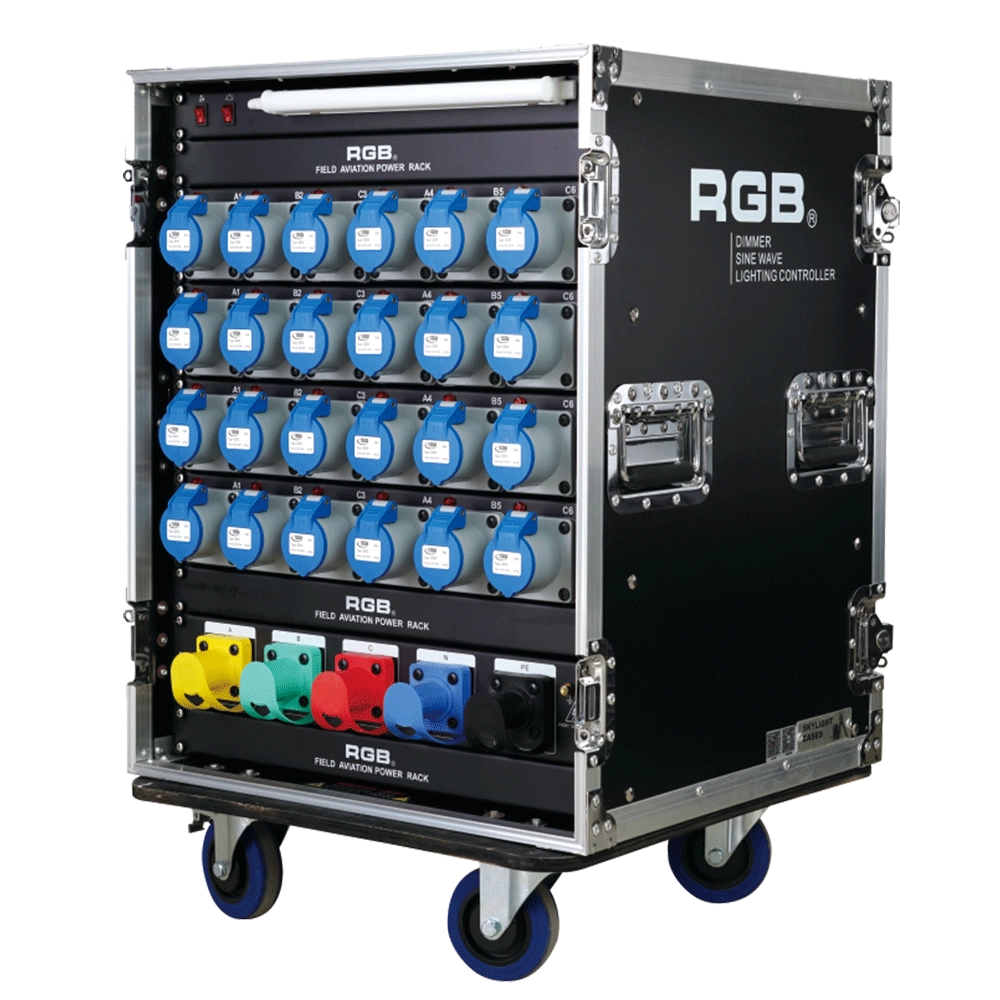
ZT Series Stage Power Distribution Boxes
RGB ZT Series mobile stage power distribution boxes are designed for temporary event and performance lighting systems. The published range offers configurable three-phase main circuit breakers, individual output protection, and different 16 A, 32 A and multipin connector arrangements. Series options include 12-, 24-, 36- and 48-circuit configurations. Confirm the exact ZT model, circuit schedule, connector ratings and enclosure size before specification.
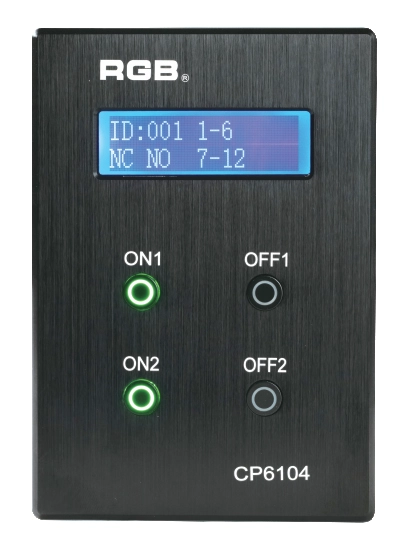
CP6104 Four-Key Stage Lighting Control Panel
RGB CP6104 is a four-key lighting control panel for stage and venue scenes within a CP6100 host-based system. The published design lists a local LCD, four backlit scene keys, panel status indication and an RJ45 interface powered by the main unit. Host-level circuit and scene capacities must be confirmed for the full system rather than attributed to the panel alone.
Expert Support
Interested in learning more or need expert guidance related to this article? Fill in your details, and our team will provide tailored support.
Intelligent Control. Brilliant Performance.
RGB specializes in stage lighting control systems, delivering intelligent, reliable, and high-performance solutions for theaters and performance spaces worldwide.
Contact
Email:
Tel:
+86 20 3928 0245
+86 20 3928 0247
Address:
No.3, Huashan Road, Shilou Town, Panyu, Guangzhou, China.
Whatsapp: +8615975520131