
What features matter when buying a DMX stage lighting controller?
|
- 1. How do I determine the appropriate number of DMX channels required for my lighting setup?
- 2. What are the key differences between 3-pin and 5-pin DMX connectors, and which should I choose?
- 3. How can I ensure my DMX controller is compatible with my lighting fixtures?
- 4. What is the significance of DMX universes, and how do they affect my lighting system?
- 5. How do networking protocols like Art-Net and sACN integrate with DMX controllers?
- 6. What are the common pitfalls to avoid when selecting a DMX stage lighting controller?
1. How do I determine the appropriate number of DMX channels required for my lighting setup?
Understanding the total number of DMX channels your lighting fixtures require is crucial for selecting a compatible controller. Each lighting fixture consumes a specific number of channels based on its features:
- Basic Fixtures: Simple lights like PAR cans may use 1-3 channels.
- Intelligent Fixtures: Moving heads or LED panels can require 16 or more channels, depending on their capabilities.
To calculate your total channel needs, sum the channels required by each fixture. For instance, if you have five moving heads each requiring 16 channels, your total is 80 channels. It's advisable to choose a controller that supports at least 20-30% more channels than your current setup to accommodate future additions.
2. What are the key differences between 3-pin and 5-pin DMX connectors, and which should I choose?
DMX512 standardizes lighting control, but connectors can vary:
- 3-Pin XLR: Common in audio applications, but not officially part of the DMX512 standard.
- 5-Pin XLR: Specifically designed for DMX512, offering better signal integrity and the ability to carry additional data like RDM (Remote Device Management).
For professional stage lighting, it's recommended to use 5-pin XLR connectors to ensure compliance with the DMX512 standard and to future-proof your setup.
3. How can I ensure my DMX controller is compatible with my lighting fixtures?
Compatibility between your DMX controller and lighting fixtures is vital for seamless operation:
- Fixture Profiles: Ensure your controller has the correct profiles for your fixtures, detailing how each channel functions.
- Firmware Updates: Regularly update your controller's firmware to support new fixtures and features.
A controller with an active engineering support team and a history of frequent firmware updates indicates ongoing compatibility improvements.
4. What is the significance of DMX universes, and how do they affect my lighting system?
A DMX universe consists of 512 channels, sufficient for controlling multiple fixtures. However, larger setups may require multiple universes:
- Single Universe: Suitable for small to medium setups.
- Multiple Universes: Necessary for extensive systems with numerous fixtures.
Ensure your controller can handle the required number of universes to prevent signal degradation and maintain control over all fixtures.
5. How do networking protocols like Art-Net and sACN integrate with DMX controllers?
Modern lighting systems often utilize network-based protocols:
- Art-Net and sACN: Transmit DMX data over Ethernet, allowing for longer cable runs and more complex setups.
Verify that your DMX controller supports these protocols if your system requires them, as they offer greater flexibility and scalability.
6. What are the common pitfalls to avoid when selecting a DMX stage lighting controller?
To make an informed decision, be aware of these common mistakes:
- Overlooking Future Expansion: Choose a controller that can accommodate future additions to your lighting rig.
- Ignoring Fixture Types: Ensure the controller is compatible with all fixture types in your setup.
- Underestimating Channel Needs: Accurately calculate the total number of channels required to avoid overloading the controller.
Avoiding these pitfalls ensures a more reliable and scalable lighting system.
By carefully considering these factors, you can select a DMX stage lighting controller that meets your current needs and allows for future growth.
For a personalized quote or further assistance, please contact us at info@rgbsystem.com or visit our website at www.rgbsystem.com.
Latest News
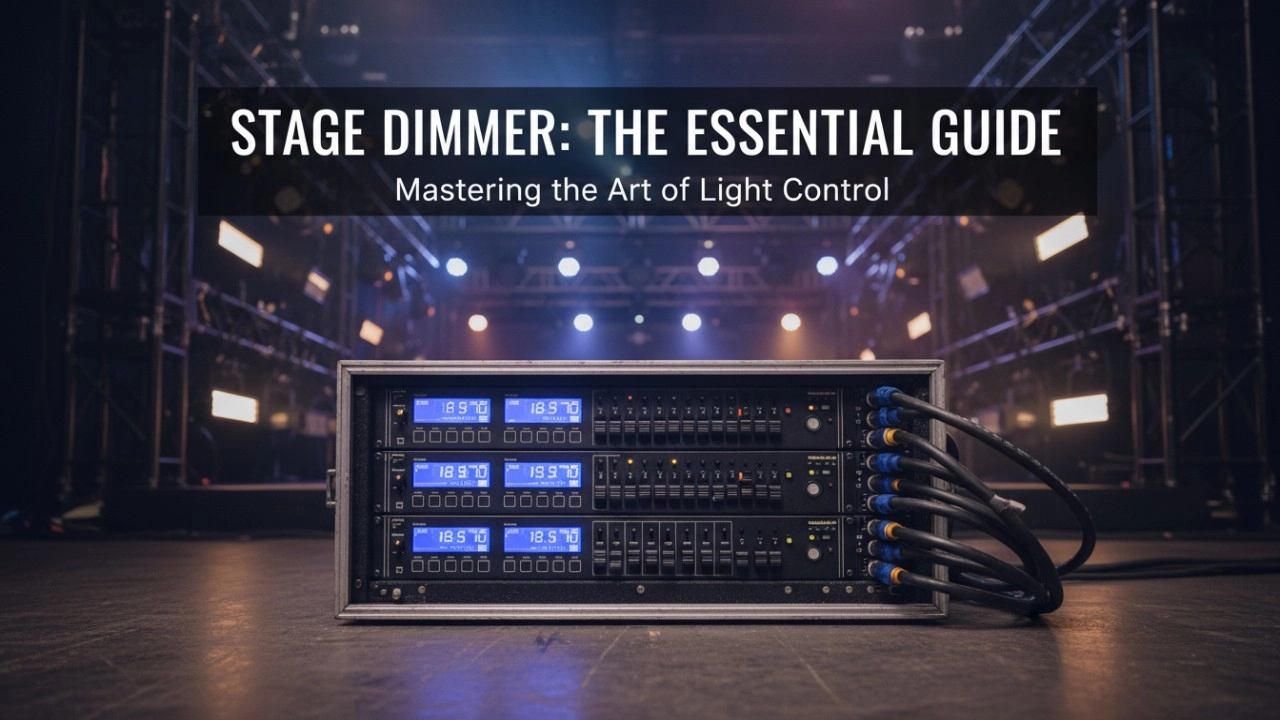
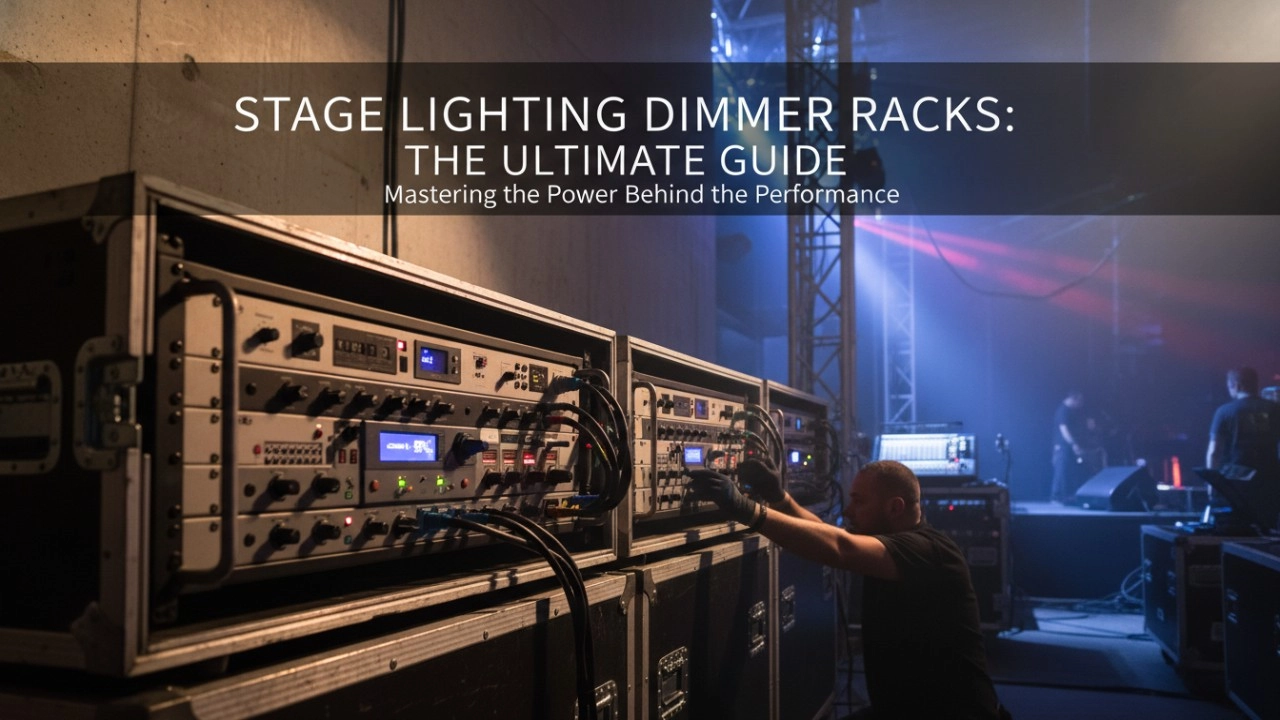
A comprehensive 2026 guide to selecting high-performance stage lighting dimmer racks. We review top hybrid systems, explore SCR vs sine wave technology, and analyze essential features like ThruPower for modern venues.
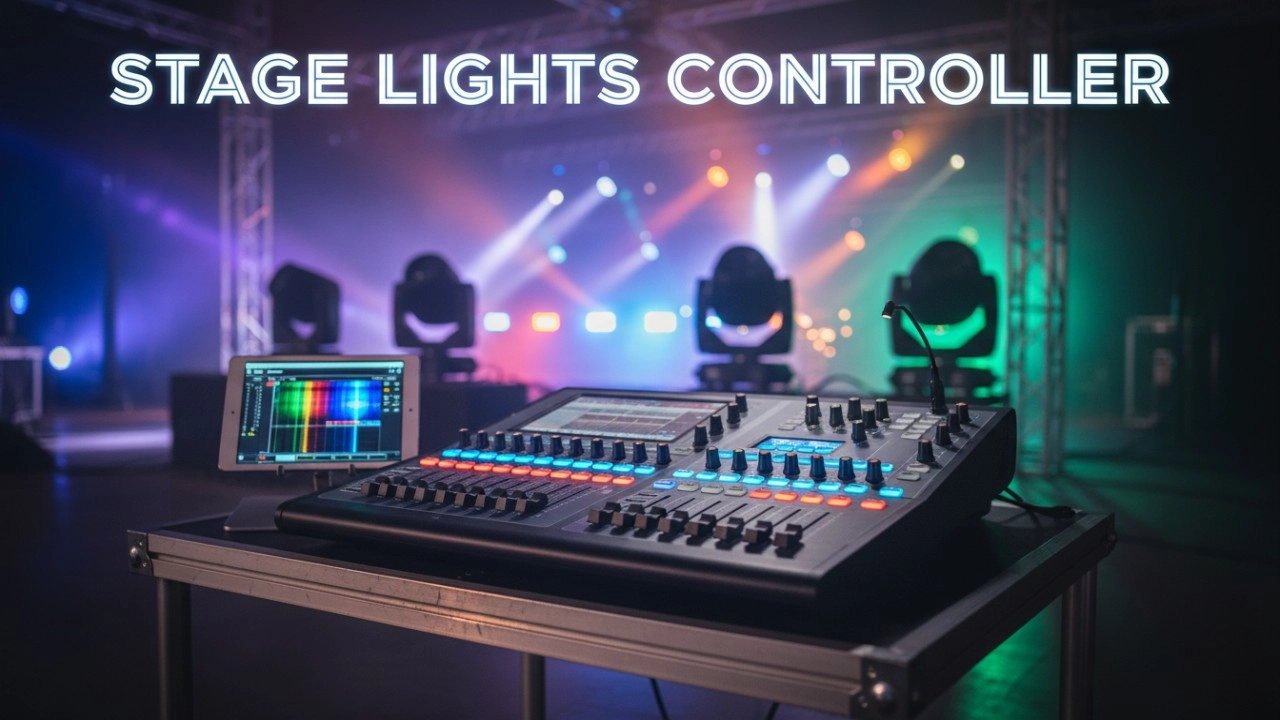
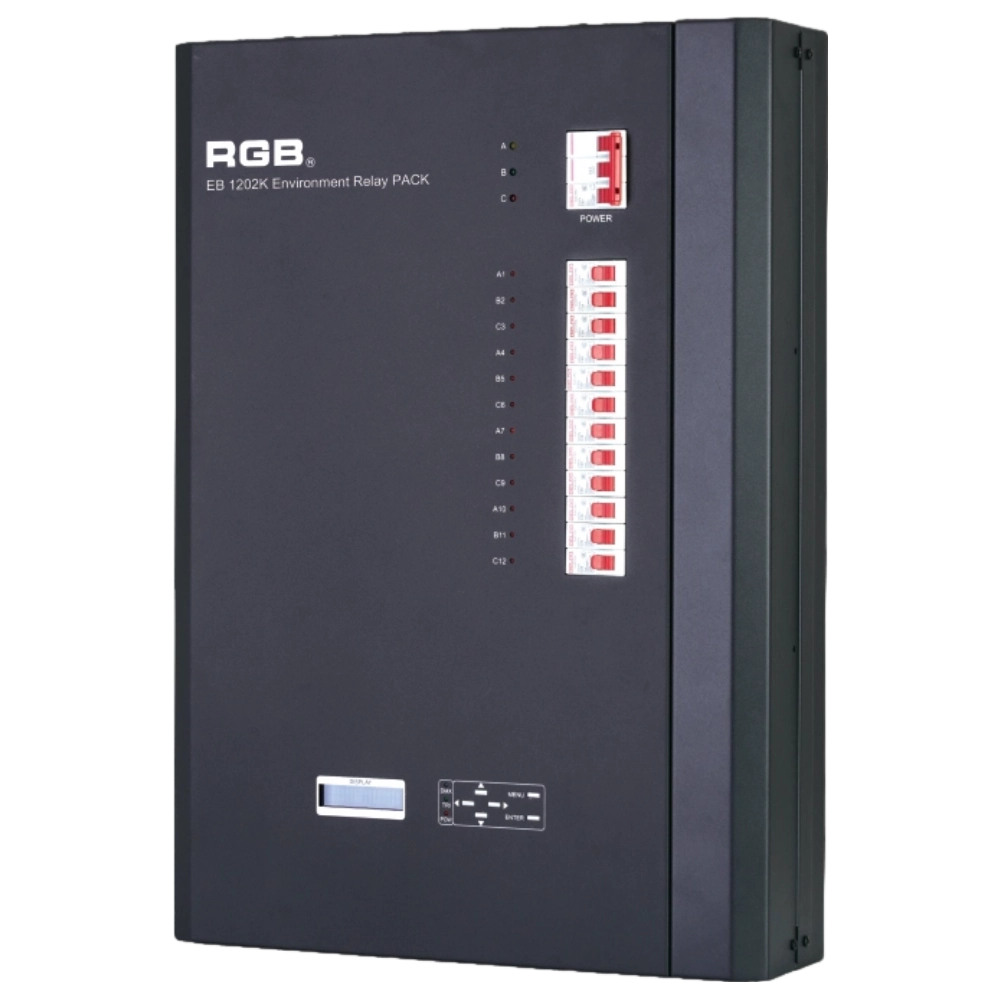
EB1202 Wall-Mounted Smart Site Light Control Series
Wall-mounted smart lighting controller with CE certification, DMX512 compatibility, flexible 12/24-channel output, scene backup, intelligent interface, and multiple dimming curves for precise professional lighting control.
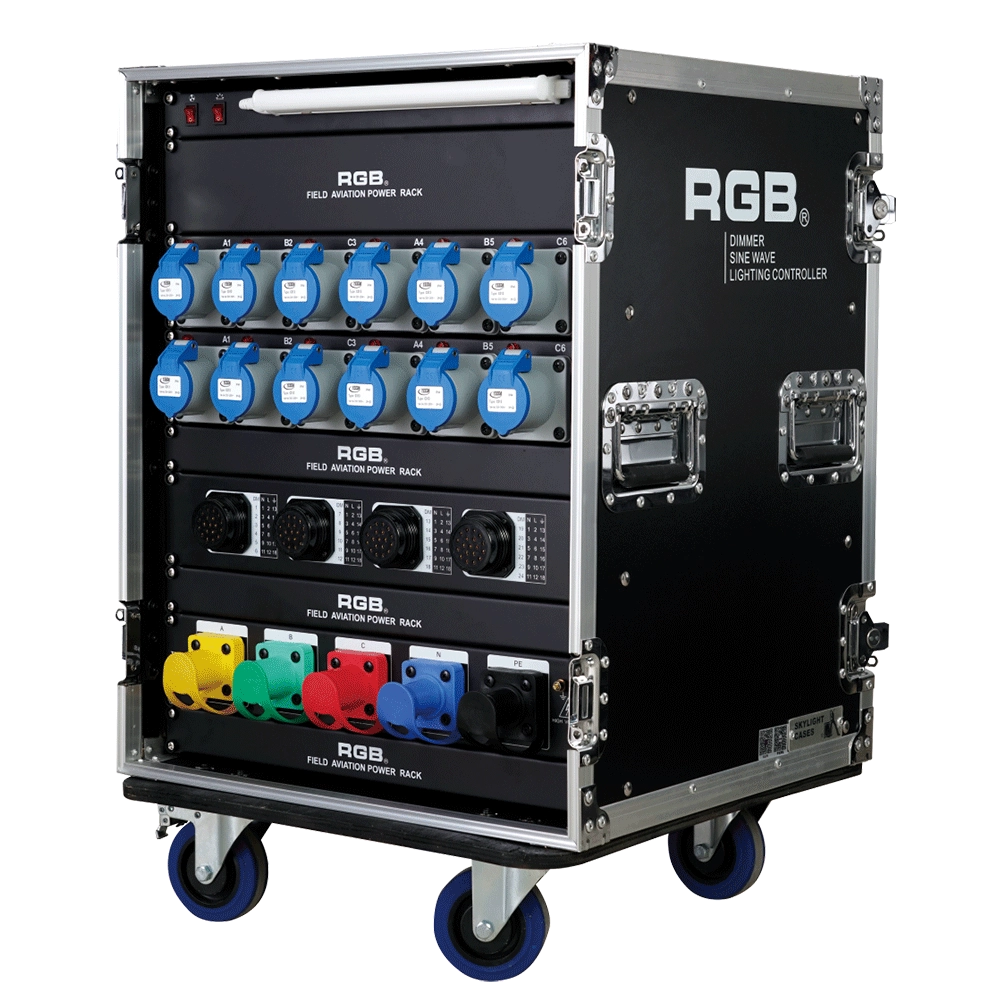
ZT2419+1216 Distribution Box
ZT2419+1216 features dual protection functions and is a power distribution product specifically designed for overcurrent and short circuits in electrical equipment. It is the best choice for mobile performance and is suitable for use in computer lamps, conventional lamps, and other equipment.
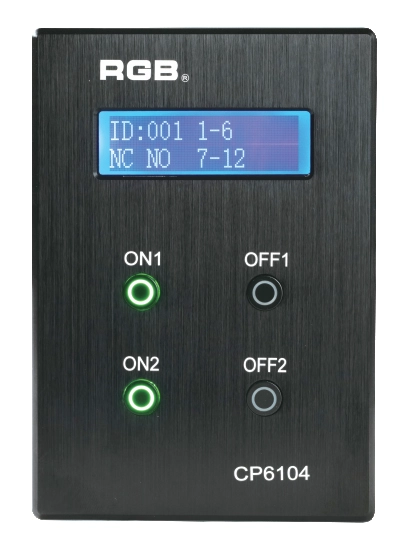
Site Light Controller CP6104
The CP6104 lighting control panel is a lighting control device for theater stage lights, work lights, environmental lighting, commercial art lighting, sports venue lighting and other places. By connecting to the dedicated lighting control host CP6100, it realizes the central control of the lighting system, supports a visual lighting control system, and intuitively displays the online and offline status of CP6104. Realize remote monitoring, editing and setting of corresponding parameters.
It is widely applicable to theaters, cinemas, auditoriums, stadiums, museums, exhibition halls, cultural tourism performances, commercial art lighting and other places.
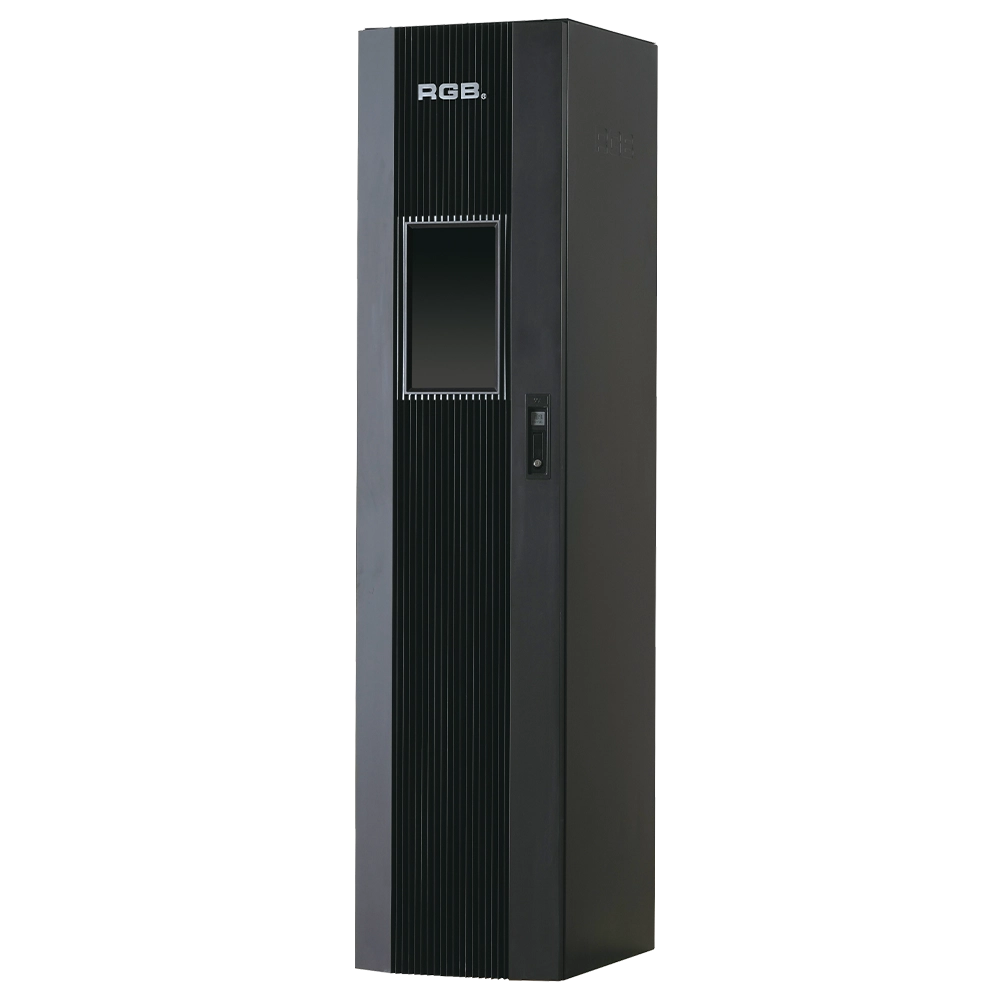
9i intelligent network Dimmer/Relay Racks
9i is an artificial intelligence dimming racks independently developed by RGB, which has completely independent core technology and obtained software Copyrights, all digital electrodeless trigger and multi-backup independent CPU central processor technology. It has a variety of output configurations such as sine wave, thyR, relay and dimming relay mix, and supports visual lighting control system and visually displays the online and offline status of dimming racks. Realize remote monitoring, editing and setting of relevant parameters.
It is suitable for the lighting control needs of different places such as high standard grand theater, TV station, gymnasium and environmental intelligent lighting.
Expert Support
Interested in learning more or need expert guidance related to this article? Fill in your details, and our team will provide tailored support.
Intelligent Control. Brilliant Performance.
RGB specializes in stage lighting control systems, delivering intelligent, reliable, and high-performance solutions for theaters and performance spaces worldwide.
Contact
Email:
Tel:
+86 20 3928 0245
+86 20 3928 0247
Address:
No.3, Huashan Road, Shilou Town, Panyu, Guangzhou, China.
Whatsapp: +8615975520131