
DMX512 Protocol: The Ultimate Guide to How Lighting Control Systems Work
|
- Introduction
- What is the DMX512 protocol and what does it stand for?
- How does a DMX512 lighting control system work?
- How many devices can be connected to a single DMX universe?
- Can you use standard microphone cables for DMX512 transmission?
- What is a DMX terminator and why is it necessary?
- What is the maximum cable distance for a DMX512 network?
- How do you assign a starting address to a DMX lighting fixture?
- What is the difference between DMX512 and Art-Net or sACN?
- Conclusion
- Call to Action
Introduction
Behind every mesmerizing concert, dramatic theater performance, and dynamic architectural display lies an unsung hero: the DMX512 protocol. Without this universal language, orchestrating complex light shows across hundreds of fixtures would be a chaotic, fragmented nightmare. As the backbone of modern lighting design, DMX512 revolutionized how consoles communicate with dimmers, lasers, and atmospheric effects.
Whether you are an aspiring lighting technician, an event planner, or a seasoned systems integrator, understanding the core principles of lighting control networks is absolutely essential. The rapid evolution of entertainment technology has only expanded the relevance and application of this foundational standard across various industries.
In this ultimate guide, we will explore the inner workings of DMX512. We will answer the industry's most frequently asked questions, decode the technical jargon, and provide you with actionable insights to design, troubleshoot, and optimize your lighting networks for flawless execution.
What is the DMX512 protocol and what does it stand for?
The acronym DMX512 stands for "Digital Multiplex with 512 pieces of information." At its core, it is a standardized digital communication protocol that allows lighting controllers to communicate with intelligent lighting fixtures and special effects equipment. Prior to its invention, the industry relied on incompatible, proprietary analog control systems, meaning a console from one brand often could not control a dimmer from another.
Developed in 1986 by the United States Institute for Theatre Technology (USITT), DMX512 was designed to serve as a universal, lowest-common-denominator language. According to Wikipedia, the protocol was officially updated and is now maintained under the American National Standards Institute (ANSI) as the E1.11 standard. This strict standardization ensures seamless interoperability across thousands of different manufacturers.
Today, the DMX512 protocol goes far beyond simple stage lighting dimmers. It is heavily utilized for controlling moving heads, fog machines, pyrotechnics, and massive LED video walls. Because it provides a reliable, open framework, DMX512 remains the undisputed networking standard for both live entertainment and permanent architectural lighting installations.
How does a DMX512 lighting control system work?
A DMX512 lighting control system operates using a unidirectional stream of data sent from a master controller (like a lighting console or PC interface) to slave devices (the actual lighting fixtures). The underlying electrical framework is based on the EIA-485 standard, which allows high-speed digital data to be transmitted reliably over a shielded, twisted-pair cable.
The system's data is organized into digital "packets" that are continuously broadcasted at a rapid refresh rate—up to 44 times per second. This high transmission speed ensures that dimming fades, strobe effects, and rapid color mixing appear perfectly smooth to the human eye. Each data packet contains exactly 512 separate DMX channels, and each individual channel carries a simple 8-bit value ranging from 0 to 255.
To understand how these mathematical values translate to physical lighting, consider the following mechanics:
- 0 typically represents "completely off" or a 0% attribute intensity.
- 255 represents "completely on" or 100% attribute intensity.
- Complex Attributes: Intelligent lighting fixtures group multiple channels together to govern various motors and diodes. For instance, a basic moving head might use channel 1 for panning, channel 2 for tilting, channel 3 for red, and channel 4 for green.
How many devices can be connected to a single DMX universe?
A single DMX universe contains exactly 512 channels of control data. However, the exact number of physical devices you can connect to this universe depends on two distinct factors: the electronic hardware limitations of the daisy chain topology and the digital channel footprint of the individual fixtures.
From an electrical standpoint, the EIA-485 standard dictates that a maximum of 32 physical devices (often referred to as "nodes") can be connected in a single continuous daisy chain. This limit technically includes the transmitting lighting console. If you need to physically wire more than 31 fixtures in a single run, you must introduce a DMX splitter or repeater into your lighting control networks to safely duplicate and isolate the electrical signal into new branches.
From a data utilization standpoint, your device limit is strictly bound by the 512 available data slots:
- Single-channel dimmers: You can control exactly 512 individual, traditional lights.
- Basic RGB LED pars: Because they require 3 channels each (Red, Green, Blue), you can control a maximum of 170 fixtures per universe (512 ÷ 3 = 170.6).
- Advanced Moving Heads: If a highly complex fixture requires 32 channels for its motors, gobos, and effects, a single universe can only support 16 of these units (512 ÷ 32 = 16).
Can you use standard microphone cables for DMX512 transmission?
One of the most common and frustrating mistakes made by beginners in the lighting industry is substituting standard XLR audio cables (microphone cables) for genuine DMX cables. While both cables often feature the exact same 3-pin or 5-pin XLR connectors and physically plug into the equipment without issue, their internal electrical properties are drastically different.
Microphone cables are specifically manufactured to carry low-frequency analog audio signals. They typically possess a lower impedance (around 45 to 75 ohms) and a much higher capacitance. Because DMX512 is a high-speed digital signal broadcasting at 250,000 bits per second, the high capacitance in a standard audio cable degrades the sharp square waves of the digital data, physically rounding them off and rendering the signal unreadable.
For a secure, professional setup, you must always use true DMX cables that are constructed to meet the strict 120-ohm impedance requirement of the EIA-485 standard. Utilizing proper, low-capacitance data cables completely eliminates the risk of flickering lights, delayed control responses, and the random fixture behavior that notoriously plague rigs wired with audio cables.
What is a DMX terminator and why is it necessary?
A DMX terminator is a small, inexpensive, yet incredibly critical component used at the very end of a DMX daisy chain topology. Physically, it looks like a simple male XLR connector without a wire attached. Inside, it houses a 120-ohm, 0.5-watt resistor soldered directly across the primary data transmission pins (Data+ and Data-). You plug this terminator into the "DMX Out" port of the absolute last lighting fixture in your physical cable run.
The necessity of a DMX terminator stems directly from the physics of high-speed digital transmissions over copper wire. When the rapid stream of DMX control data travels down the line and reaches an open, unterminated socket, the electrical energy has nowhere to dissipate. This causes the signal to bounce back—or reflect—up the cable in the reverse direction.
This reflected "shadow" signal violently collides with the new incoming data stream, creating severe electronic interference and data corruption. Symptoms of an unterminated line include lights that randomly strobe, jittery automated pan/tilt movements, or fixtures that suddenly drop offline. Applying a terminator safely absorbs the excess signal energy, instantly stabilizing the entire daisy chain.
What is the maximum cable distance for a DMX512 network?
While DMX512 is recognized as a remarkably resilient and robust digital protocol, it is still bound by physical distance limitations to prevent severe signal degradation. According to industry engineering specifications, the maximum recommended cable length for a single, continuous DMX line is approximately 300 meters (roughly 1,000 feet).
Pushing a continuous cable run beyond 300 meters drastically increases the likelihood of data loss, electromagnetic interference, and critical voltage drop. The exact point of failure can fluctuate greatly based on the manufacturing quality of the 120-ohm cabling used, the presence of outside interference from nearby heavy power lines, and the sensitivity of the receiving chips inside the intelligent lighting fixtures.
If your architectural installation or stadium tour requires control data to travel further than 300 meters, you cannot simply spool out a longer wire. Instead, you must systematically install an opto-isolated DMX splitter or repeater. These specialized devices take the incoming, slightly degraded signal, cleanly decode it, and re-transmit a fresh, full-strength digital signal, effectively resetting your distance limit to zero for the next leg of the journey.
How do you assign a starting address to a DMX lighting fixture?
To ensure that a specific lighting fixture responds only to the console instructions meant for it, you must assign it a unique DMX starting address. This assigned starting address directly corresponds to the first channel in the 512-channel universe that the fixture will "listen" to. For example, if a 5-channel fixture is given a starting address of 10, it will independently monitor and react to channels 10, 11, 12, 13, and 14.
Historically, assigning a starting address was accomplished using physical "DIP switches" located on the back panel of the device. These tiny switches represent binary values (1, 2, 4, 8, 16, 32, 64, 128, 256) that a technician must mathematically add together to achieve the desired starting channel. While some legacy equipment still relies on this analog method, most modern fixtures feature digital LED screens or touch menus where you simply punch in the desired number.
To properly address a complex rig without accidentally overlapping commands, you must carefully calculate each fixture's DMX footprint:
- Fixture 1 (Requires 8 channels): Addressed at 1 (Occupies slots 1-8).
- Fixture 2 (Requires 8 channels): Addressed at 9 (Occupies slots 9-16).
- Fixture 3 (Requires 8 channels): Addressed at 17 (Occupies slots 17-24).
Furthermore, modern lighting control networks frequently utilize RDM (Remote Device Management). This is a vital extension of the standard DMX protocol that allows smart controllers to automatically discover, query, and remotely assign starting addresses to compatible fixtures directly from the console interface.
What is the difference between DMX512 and Art-Net or sACN?
As professional live events and architectural installations grew exponentially larger, the strict limitation of sending only 512 channels per heavy copper cable became a massive operational bottleneck. This challenge paved the way for Networked DMX protocols, predominantly Art-Net and sACN, which encapsulate standard DMX packets into data that can seamlessly travel over standard IT Ethernet networks (using Cat5e/Cat6 cables).
Art-Net, created by Artistic Licence, was one of the very first protocols to successfully transmit DMX over IP networks. It acts as an incredibly wide digital highway, capable of routing up to 32,768 distinct universes over a single Ethernet cable. While highly popular and universally supported, it primarily relies on "broadcast" network traffic, which sends data to every connected device and can occasionally overwhelm standard network bandwidth on exceptionally massive rigs.
sACN (Streaming Architecture for Control Networks), officially ratified by ESTA as the ANSI E1.31 standard, is the modern, highly scalable alternative. The critical difference is that sACN utilizes "multicast" networking. Instead of shouting data across the entire network, sACN efficiently routes control data exclusively to the specific devices that request it. It also expands support up to 63,999 universes and features built-in priority levels, making it the superior technical choice for intricate permanent setups and multi-console network environments.
Conclusion
The DMX512 protocol has proven itself to be an incredibly robust, adaptable, and enduring digital standard that single-handedly unified the global lighting industry. From grasping the critical importance of 120-ohm cabling and physical terminators to mathematically mapping out universe node limits and DMX channels, mastering DMX is a non-negotiable skill for any modern lighting professional.
As entertainment technology continues its rapid evolution toward IT-based Ethernet solutions like Art-Net and sACN, the fundamental logic of DMX512 remains entirely unchanged. The core underlying structure of 512 channels, 8-bit values, and daisy chain topologies still dictates precisely how we design and deploy intelligent lighting systems today.
Whether you are building a small theatrical rig for a local community center or programming a massive stadium tour, remembering these foundational networking principles is essential. By adhering to the industry best practices outlined in this guide, you can ensure that your lighting control networks run flawlessly, safely, and beautifully every single time.
Call to Action
If you are ready to design a highly reliable lighting network or need expert consultation to seamlessly upgrade your current DMX control system, contact us today to schedule a comprehensive technical assessment.
Latest News
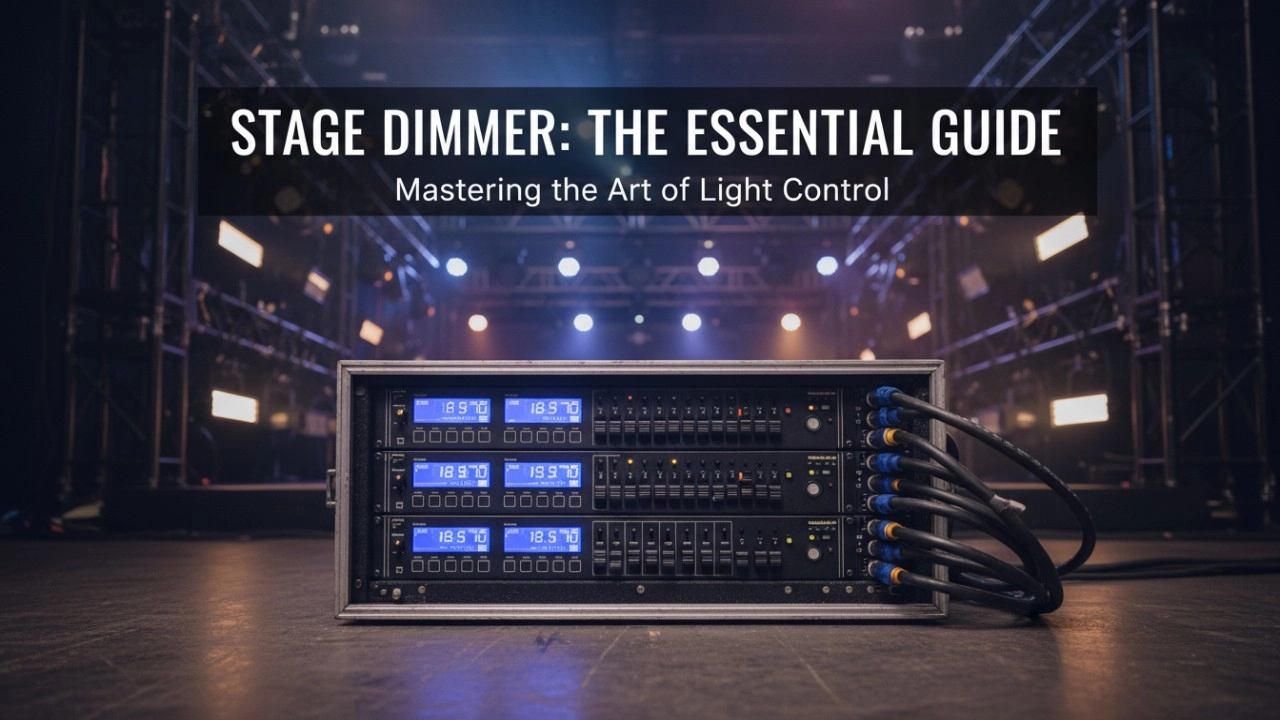
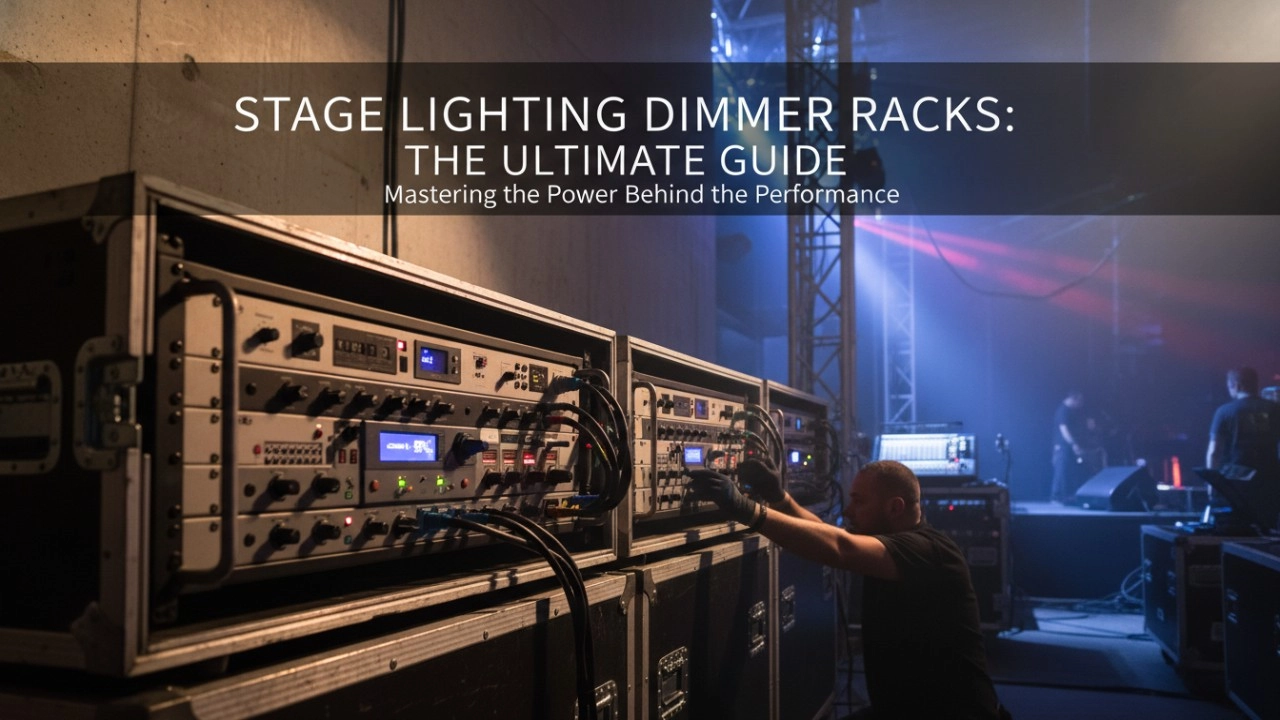
A comprehensive 2026 guide to selecting high-performance stage lighting dimmer racks. We review top hybrid systems, explore SCR vs sine wave technology, and analyze essential features like ThruPower for modern venues.
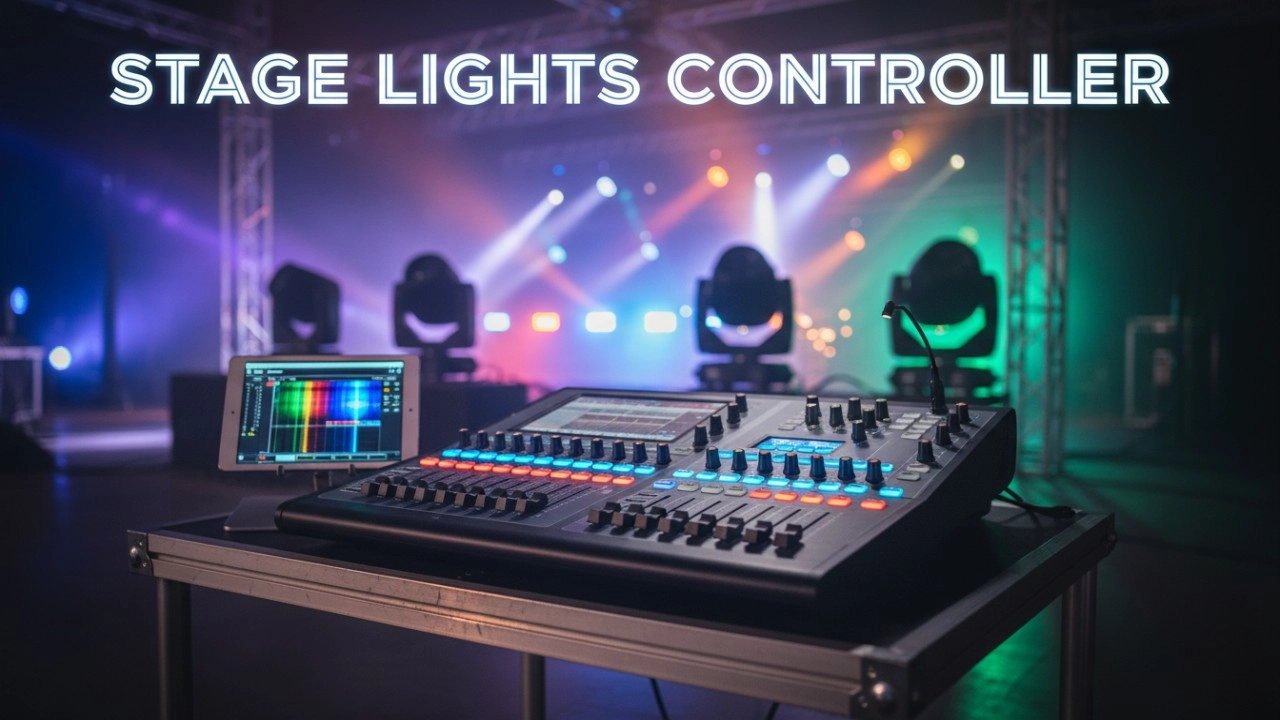
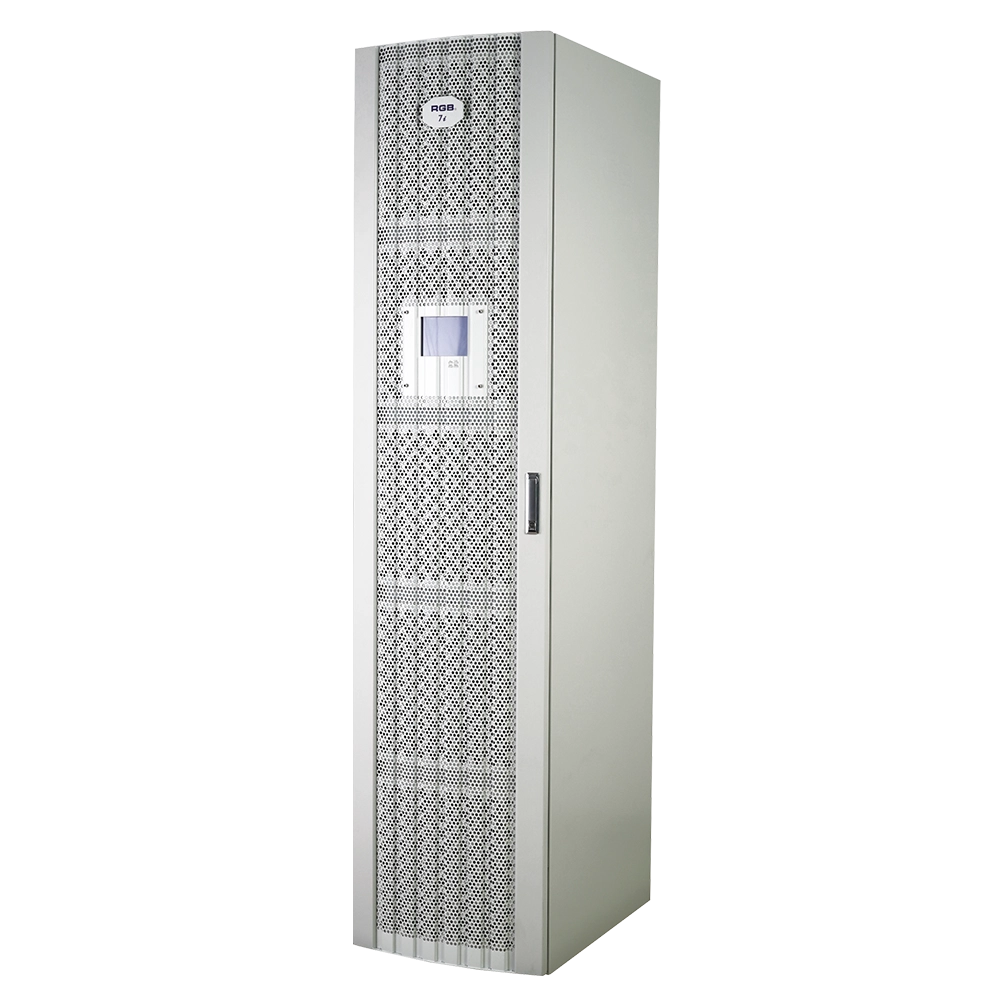
7i Dimmer/Relay Racks
7i is RGB independent research and development, with completely independent core technology, full digital decoding technology dimming racks, using a dual system, double decoding, double trigger, and duplex dual backup central decoding processor, with thyristor, relay, dimming relay mixed and other output configurations, supporting a visual lighting control system, intuitive display of dimming racks' online and offline status, and remote monitoring.
It is widely used in performing arts and cultural venues such as theaters, concert halls, multi-function halls, cultural travel and performing arts, TV stations, gymnasiums, auditoriums, commercial art lighting and so on.
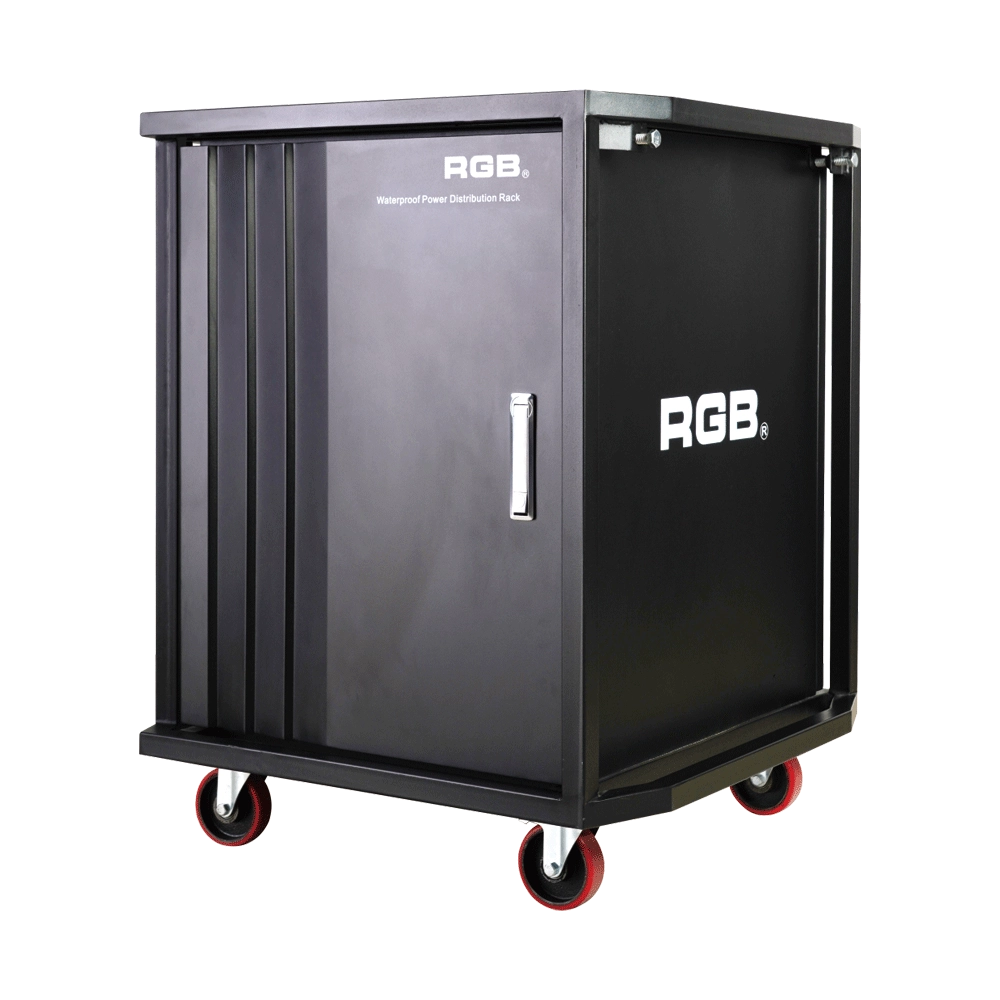
Multifunction Waterproofing Racks Of RGB-W Series
With the continuous development of flow performance, the requirement for performance is more demanding. In order to facilitate the transportation and make it easier to carry for all the equipment used in the performance, the stage light and sound equipment will be installed into a cabinet, for example, the power supply system. During the transportation process, it is inevitable for a collision or crash to take place. If the cabinet material is not strong enough, it may lead to deformation and even damage the equipment inside. Moreover, most of the existing cabinets are not waterproof. It will be very dangerous for the flow performance, as it is normal and inevitable to encounter rainy days. As the equipment inside the cabinets is electriferous, it might cause damage to the electronic equipment at least and even cause casualties at worst. Meanwhile, most of the existing cabinets can only be installed with one kind of equipment with a single variety.
In order to overcome the above-mentioned technical flaw, the RGB company has developed a new type of waterproofing multifunction cabinet of the W series. The waterproofing cabinet of the W series meets the need for the installation of dimming and tone-tuning devices, transportation, and utilization.
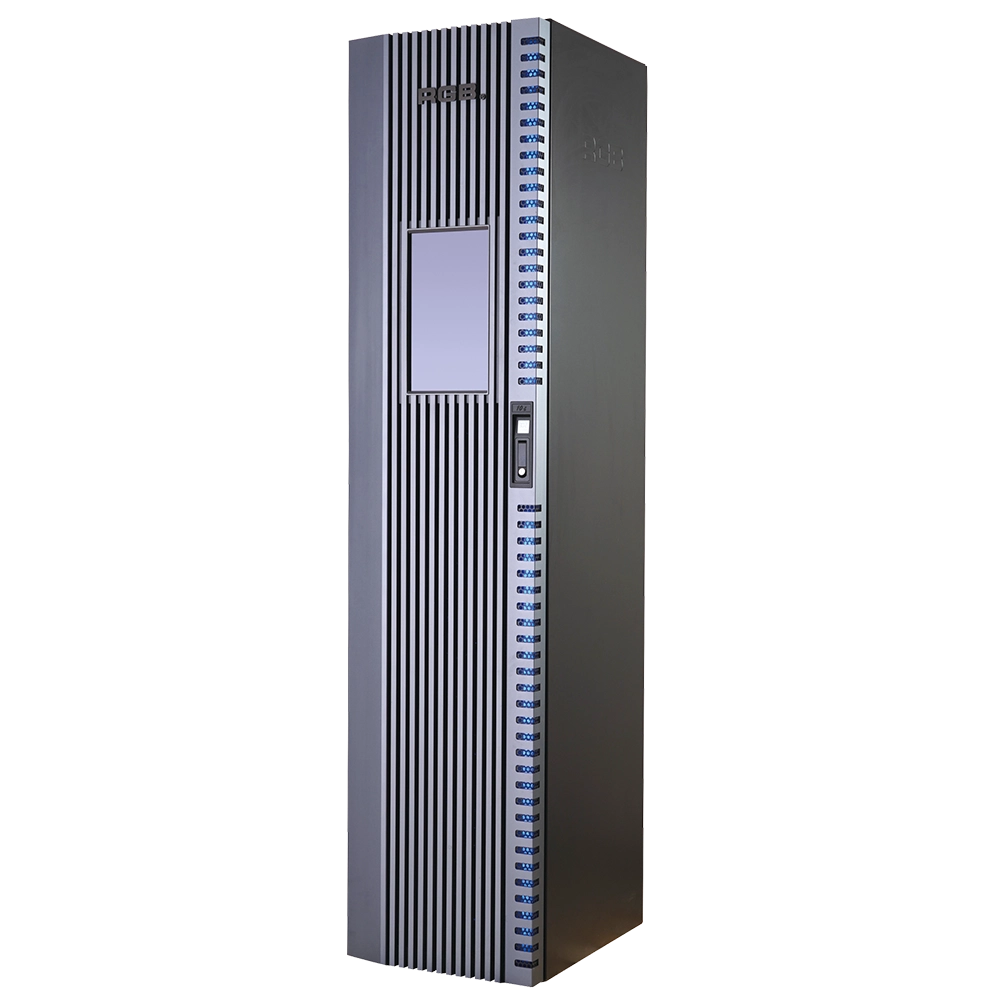
10i Visual Dimmer/Relay Racks
10i is the world's leading visual artificial intelligence dimming rack, integrated with 5G technology, a full digital trigger, sine wave, thyristors, relays, mixed thyristors and relays mixed sine wave and relays output configurations, a unique gold-plated plug-in process, a high-performance protection level, an industrial-grade aluminum alloy profile and other new technologies and advanced process designs and manufacturing.
It is suitable for the lighting control needs of different places such as high-standard grand theaters, TV stations, gymnasium and environmental intelligent lighting.
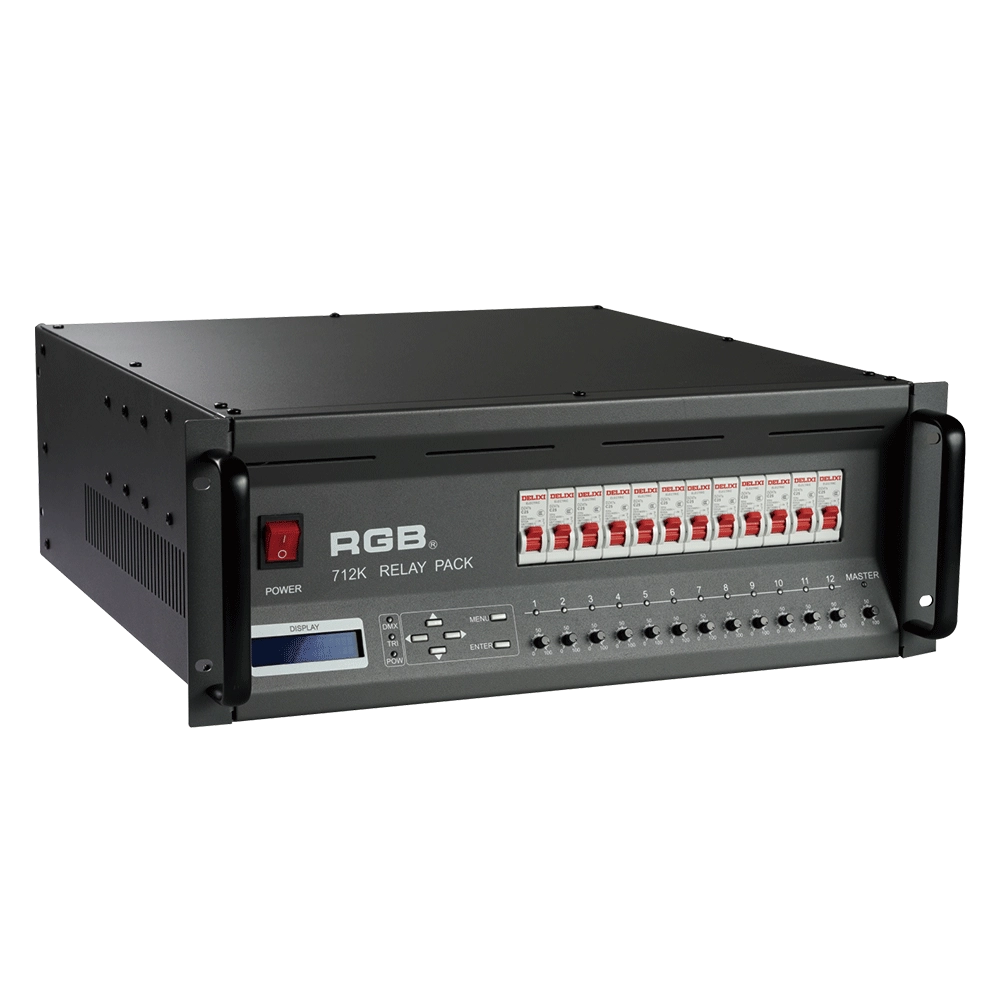
Alloy Relay Packs
High-performance DMX512 relay dimming unit with 512 addressable circuits, phase-loss protection, dual-signal amplification, 20A output per channel, and robust design for reliable stage and mobile lighting applications.
Expert Support
Interested in learning more or need expert guidance related to this article? Fill in your details, and our team will provide tailored support.
Intelligent Control. Brilliant Performance.
RGB specializes in stage lighting control systems, delivering intelligent, reliable, and high-performance solutions for theaters and performance spaces worldwide.
Contact
Email:
Tel:
+86 20 3928 0245
+86 20 3928 0247
Address:
No.3, Huashan Road, Shilou Town, Panyu, Guangzhou, China.
Whatsapp: +8615975520131