
Do DMX Ethernet nodes support PoE and RDM?
|
- 1. What are DMX Ethernet nodes, and how do they integrate with stage lighting control systems?
- 2. Do all DMX Ethernet nodes support Power over Ethernet (PoE), and what are the benefits?
- 3. Are Remote Device Management (RDM) capabilities available in DMX Ethernet nodes, and how do they enhance control?
- 4. How do DMX Ethernet nodes handle signal merging and routing, and why is this important?
- 5. What are the mounting options for DMX Ethernet nodes, and how do they affect installation?
- 6. How do DMX Ethernet nodes ensure signal isolation, and why is this critical for performance?
1. What are DMX Ethernet nodes, and how do they integrate with stage lighting control systems?
DMX Ethernet nodes serve as bridges between traditional DMX512 lighting equipment and modern network-based control systems. They convert DMX signals to Ethernet protocols like Art-Net or sACN, enabling centralized control of multiple lighting fixtures over a network. This integration streamlines setup and enhances flexibility in managing complex lighting configurations.
2. Do all DMX Ethernet nodes support Power over Ethernet (PoE), and what are the benefits?
Not all DMX Ethernet nodes support Power over Ethernet (PoE). For instance, the ADJ NET 8 offers dual power options, including PoE (802.3af), allowing for single-cable installations that reduce cable clutter and simplify setup.
3. Are Remote Device Management (RDM) capabilities available in DMX Ethernet nodes, and how do they enhance control?
Many DMX Ethernet nodes, such as the GigaJet Pro, support RDM (ANSI E1.20), enabling two-way communication between controllers and fixtures. This feature allows for remote monitoring, addressing, and management of connected devices, streamlining maintenance and configuration processes.
4. How do DMX Ethernet nodes handle signal merging and routing, and why is this important?
Signal merging and routing are crucial for managing multiple DMX universes. Devices like the LumiNode 4 offer six onboard processing engines that handle various merging modes, including HTP (Highest Take Priority), LTP (Lowest Take Priority), Crossfade, Backup, Switch, and Custom. These capabilities ensure seamless data distribution and prevent signal conflicts in complex lighting setups.
5. What are the mounting options for DMX Ethernet nodes, and how do they affect installation?
DMX Ethernet nodes come with diverse mounting options to suit different installation environments. For example, the GeNetix GN4IP features multiple rigging options, including M12 threaded inserts for clamp mounting and built-in rails for safety bonds. Such versatility ensures secure and adaptable installations in various settings.
6. How do DMX Ethernet nodes ensure signal isolation, and why is this critical for performance?
Signal isolation is vital to prevent interference and ensure reliable performance. The LumiNode 4 provides optical and galvanic isolation per port, safeguarding against electrical surges and reducing the risk of signal degradation. This design enhances the stability and longevity of the lighting control system.
In conclusion, selecting the right DMX Ethernet node is pivotal for optimizing your stage lighting control system. Consider factors such as PoE support, RDM capabilities, signal merging and routing, mounting options, and signal isolation to ensure a robust and efficient setup. For personalized recommendations and a detailed quote, please contact us at info@rgbsystem.com or visit our website at www.rgbsystem.com.
Latest News
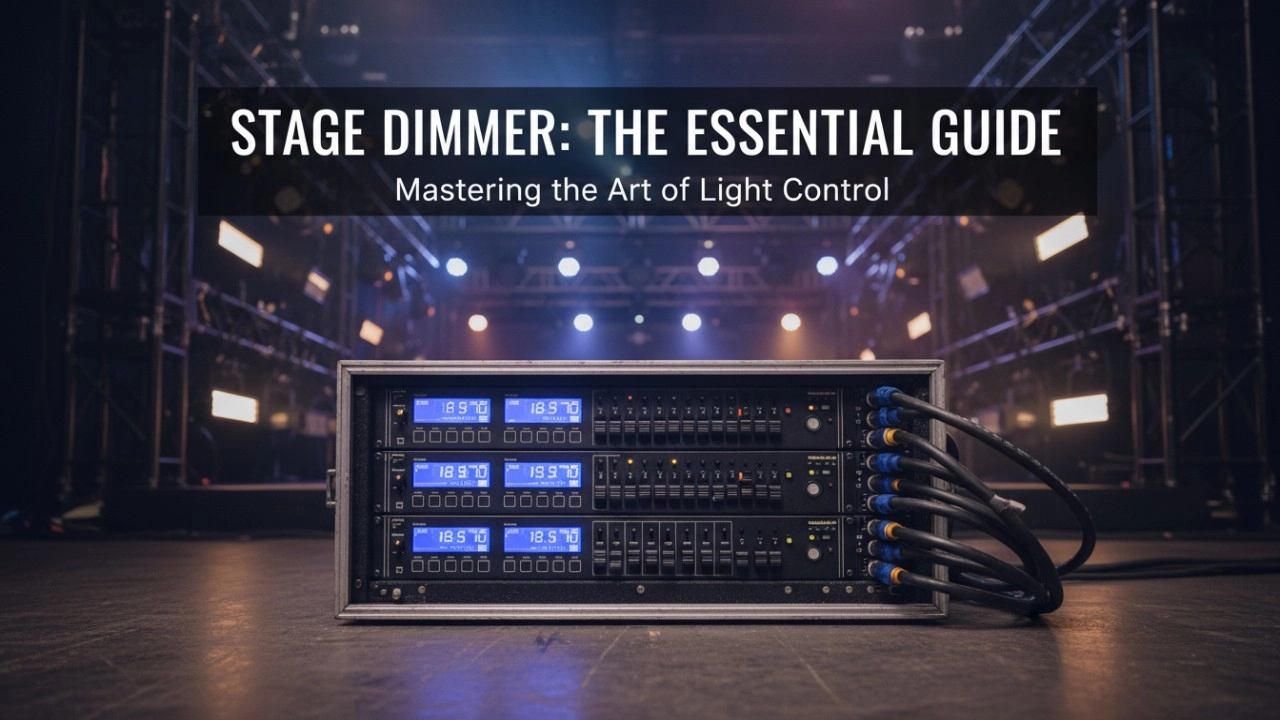
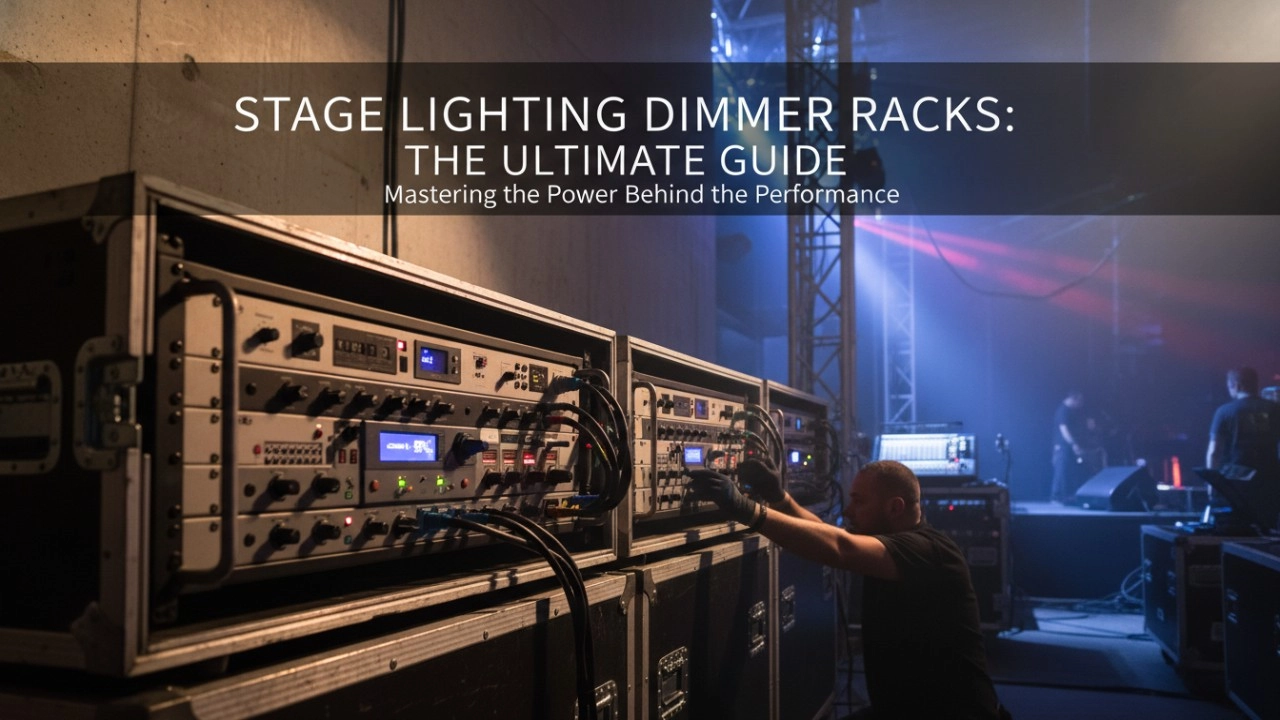
A comprehensive 2026 guide to selecting high-performance stage lighting dimmer racks. We review top hybrid systems, explore SCR vs sine wave technology, and analyze essential features like ThruPower for modern venues.
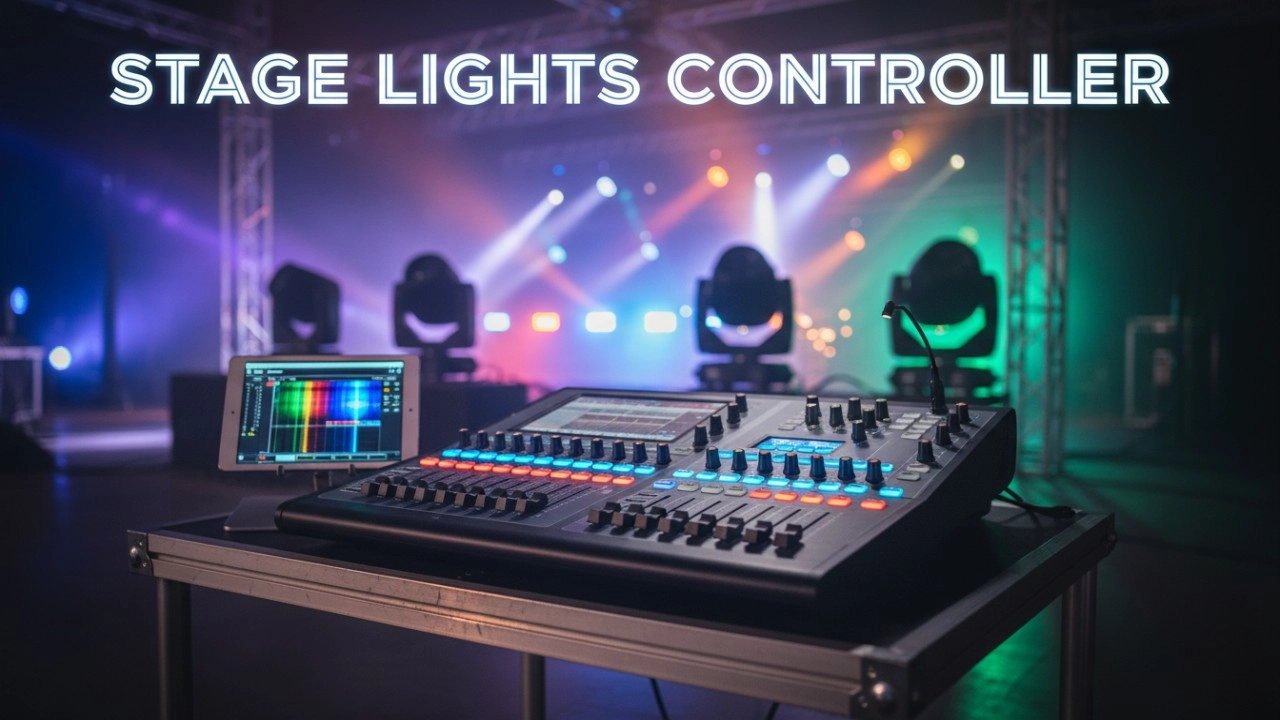
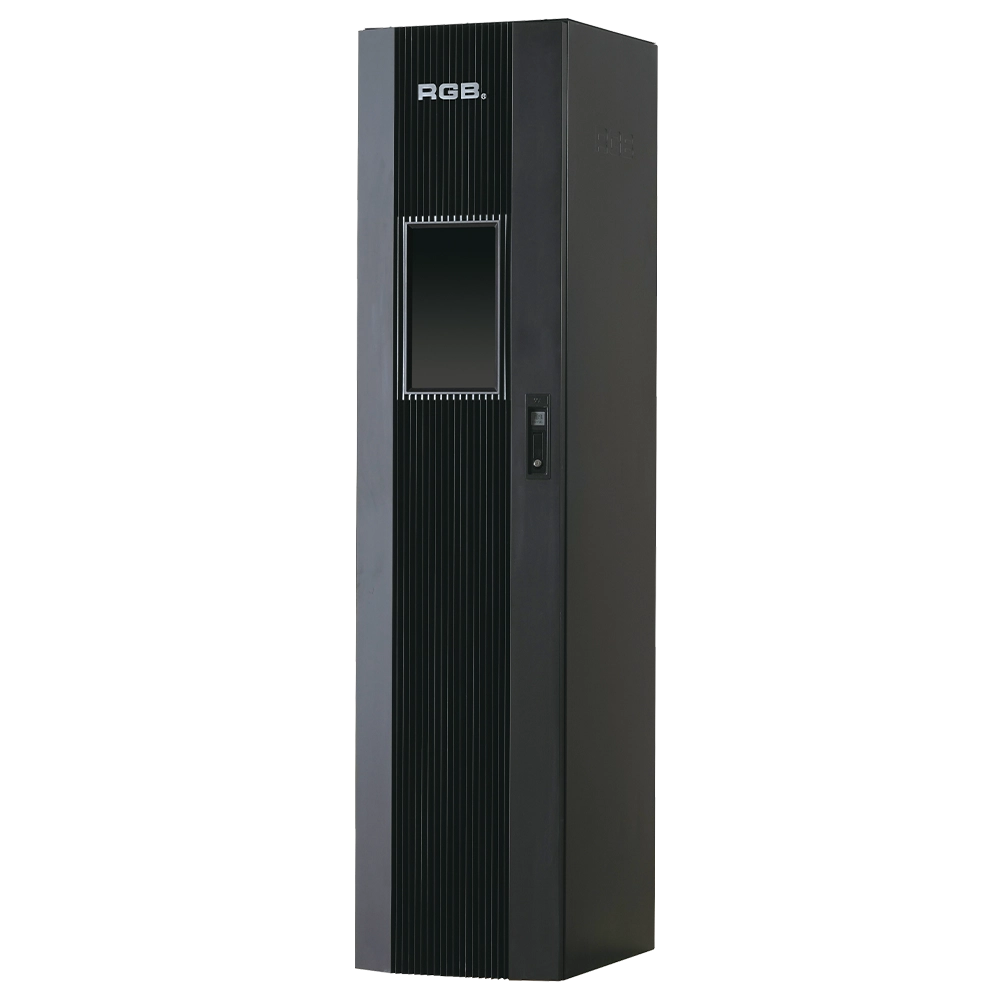
9i intelligent network Dimmer/Relay Racks
9i is an artificial intelligence dimming racks independently developed by RGB, which has completely independent core technology and obtained software Copyrights, all digital electrodeless trigger and multi-backup independent CPU central processor technology. It has a variety of output configurations such as sine wave, thyR, relay and dimming relay mix, and supports visual lighting control system and visually displays the online and offline status of dimming racks. Realize remote monitoring, editing and setting of relevant parameters.
It is suitable for the lighting control needs of different places such as high standard grand theater, TV station, gymnasium and environmental intelligent lighting.
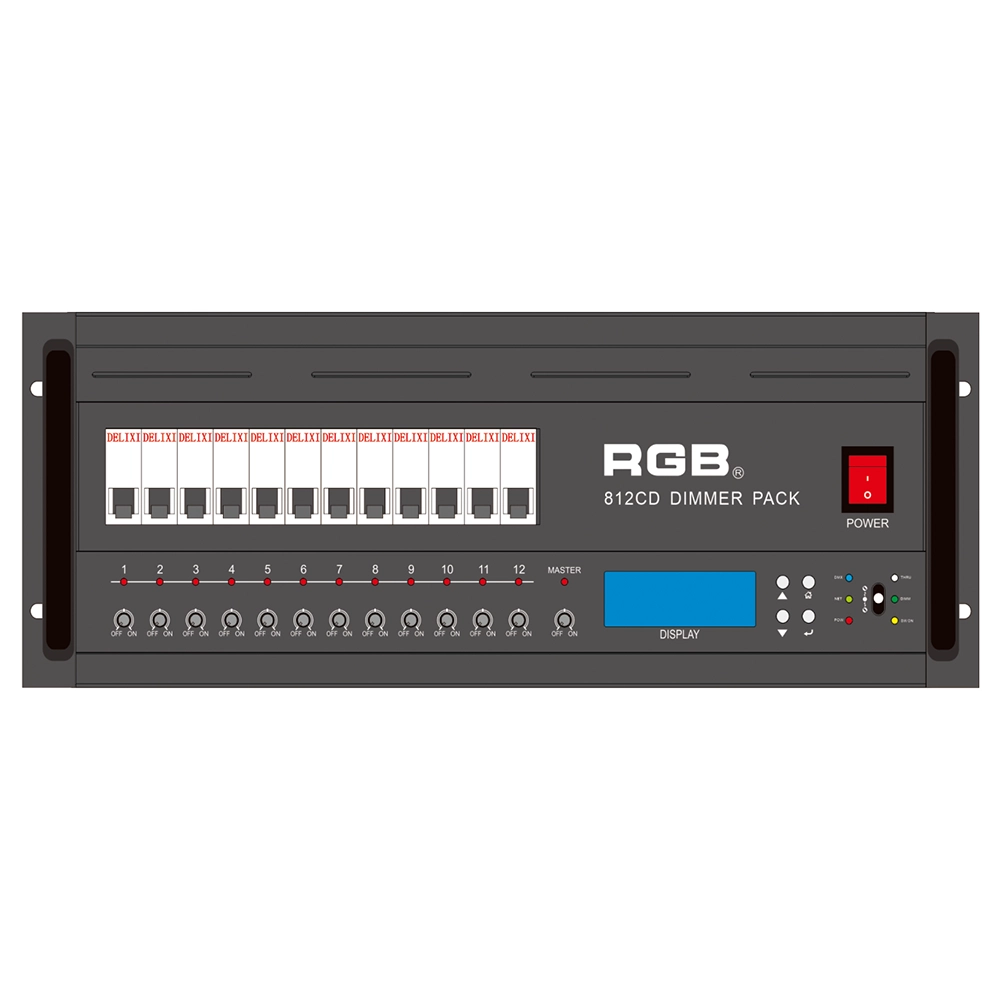
8 Series Intellight Dimmer/Relay Packs
RGB is the latest development and production of all digital, intelligent, and network dimming through the hybrid silicon box. It comes with six channels (806 silicon box), twelve channels (812 silicon box) with analog knob dimming, 49 DMX field recordings and replays (field backup function), and self-programming and recording field. RGB-8 silicon box with DMX512 digital signal input and RJ45 network input interface, with various types of dimming stations at home and abroad used. It is a powerful, stable performance and reliable work of a new generation of intelligent digital dimming through a hybrid silicon box.
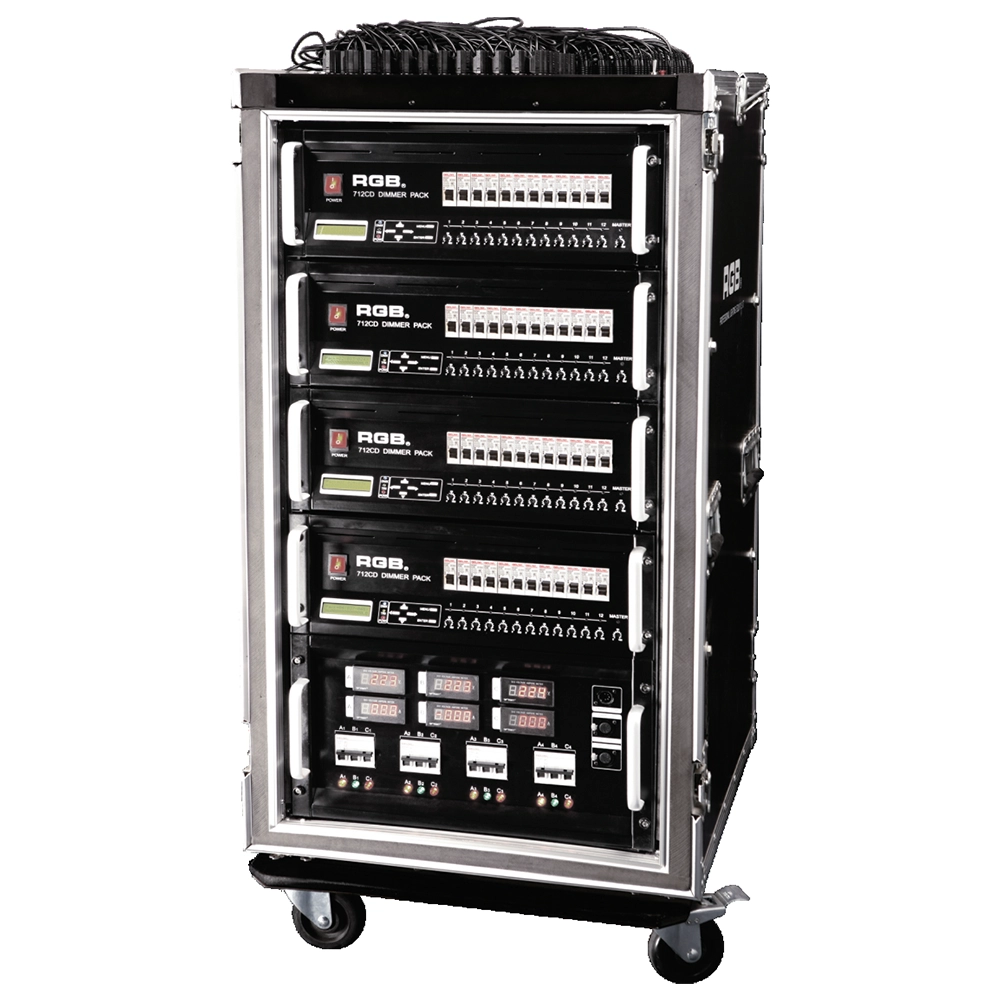
Intelligent Network Touring Dimmer Racks
RGB intelligent network touring dimmer racks can be assembledinto many types of dimmer racks by taking 7 series dimmer
packs as the unit. They are widely used in the entertainment fortheir convenience and practicabillity,
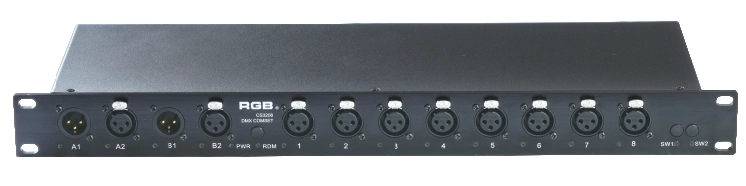
DMX&RDM Signal Mergers Amplifiers
The rack-mounted DMX signal amplifier complies with the DMX-512 standard protocol, improving the transmission quality of DMX-512 signals, ensuring the reliability of system control, and preventing faults such as reverse connection of AC high voltage in the lighting control system, high voltage intrusion due to lightning strikes, and line short circuits, which may affect the stability of the system.
Expert Support
Interested in learning more or need expert guidance related to this article? Fill in your details, and our team will provide tailored support.
Intelligent Control. Brilliant Performance.
RGB specializes in stage lighting control systems, delivering intelligent, reliable, and high-performance solutions for theaters and performance spaces worldwide.
Contact
Email:
Tel:
+86 20 3928 0245
+86 20 3928 0247
Address:
No.3, Huashan Road, Shilou Town, Panyu, Guangzhou, China.
Whatsapp: +8615975520131