
Wireless vs Wired DMX Controller: Which Is Right?
|
- 1. What are the primary differences between wireless and wired DMX controllers?
- 2. How do environmental factors impact the performance of wireless DMX controllers?
- 3. What are the latency differences between wireless and wired DMX controllers?
- 4. How do budget considerations influence the choice between wireless and wired DMX controllers?
- 5. What are the scalability and expandability options for wireless and wired DMX controllers?
- 6. How do compatibility and fixture support affect the choice between wireless and wired DMX controllers?
- Conclusion
1. What are the primary differences between wireless and wired DMX controllers?
Wireless and wired DMX controllers both serve to manage stage lighting, but they differ significantly in installation, reliability, and flexibility. Wired DMX controllers utilize physical cables (typically XLR connectors) to transmit control signals, offering a stable and interference-free connection. This setup is ideal for permanent installations where cable management is feasible. In contrast, wireless DMX controllers transmit signals via radio frequencies, eliminating the need for physical cables. This approach is advantageous in scenarios where running cables is impractical, such as in historic venues or temporary events. However, wireless systems may be susceptible to interference from other wireless devices and can experience signal degradation over long distances or through obstacles.
2. How do environmental factors impact the performance of wireless DMX controllers?
Environmental conditions play a crucial role in the performance of wireless DMX controllers. Factors such as physical obstructions (walls, ceilings), electromagnetic interference from other electronic devices, and atmospheric conditions can affect signal strength and reliability. For instance, in venues with dense wireless traffic or numerous electronic devices, wireless DMX signals may encounter interference, leading to potential control issues. Additionally, the range of wireless DMX systems can vary, with some systems offering ranges from 100 meters indoors to over 1000 meters in open air with clear line-of-sight.
3. What are the latency differences between wireless and wired DMX controllers?
Latency refers to the delay between sending a control signal and the corresponding action by the lighting fixture. Wired DMX controllers typically offer near-zero latency, ensuring immediate response to control inputs. This is particularly critical in live performances where timing is essential. Wireless DMX systems, while generally offering low latency (often under 5 milliseconds), may experience slight delays due to signal transmission and potential interference. However, high-end wireless DMX systems achieve latency under 5 milliseconds, far below the threshold of human perception (which is around 20-30ms for lighting changes).
4. How do budget considerations influence the choice between wireless and wired DMX controllers?
Budget is a significant factor in selecting a DMX controller. Wired DMX controllers are often more cost-effective, with entry-level models available for as low as $50. These are suitable for small venues or hobbyists. Mid-range wired controllers range from $200 to $800, offering more features and better build quality. Wireless DMX controllers, due to the added technology and convenience, tend to be more expensive. Basic wireless DMX systems start around $80 to $180, while professional-grade systems can exceed $600. It's essential to balance the budget with the specific requirements of the event or venue.
5. What are the scalability and expandability options for wireless and wired DMX controllers?
Scalability refers to the ability to add more fixtures or control channels to the system. Wired DMX controllers can be expanded by adding more universes (sets of 512 channels) through additional hardware or network protocols like Art-Net or sACN. However, this expansion requires additional cabling and infrastructure. Wireless DMX systems offer easier scalability, as adding more fixtures can be as simple as placing additional wireless receivers within range. Some advanced wireless systems support multiple universes over a single radio link, facilitating the control of numerous fixtures without extensive wiring.
6. How do compatibility and fixture support affect the choice between wireless and wired DMX controllers?
Compatibility with lighting fixtures is crucial for seamless operation. Both wireless and wired DMX controllers support the DMX512 protocol, which is standard for most lighting fixtures. However, it's essential to ensure that the controller supports the specific fixtures in use, including their unique features and control channels. Some controllers offer built-in profiles for popular fixtures, simplifying setup. Additionally, advanced wireless systems can transmit RDM (Remote Device Management) data, allowing remote monitoring and configuration of fixtures over the air, which can be particularly useful in complex setups.
Conclusion
Choosing between wireless and wired DMX controllers depends on various factors, including the specific requirements of your lighting setup, environmental conditions, budget constraints, and the need for scalability. Wired controllers offer reliability and low latency, making them suitable for permanent installations and environments where cable management is feasible. Wireless controllers provide flexibility and ease of setup, ideal for temporary events, venues with restrictions on cable runs, or situations requiring rapid deployment. Assessing your specific needs and constraints will guide you to the most appropriate choice for your stage lighting control system.
For personalized advice and a quote tailored to your specific requirements, please contact us at info@rgbsystem.com or visit our website at www.rgbsystem.com.
Latest News
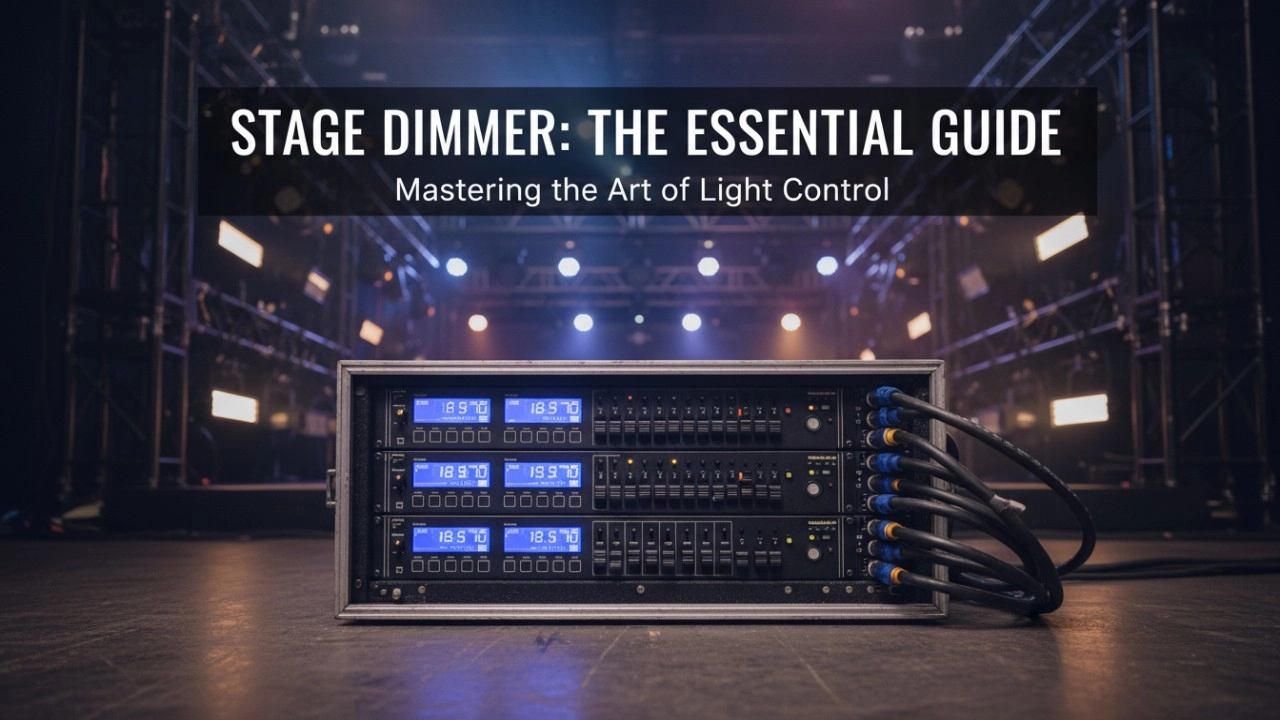
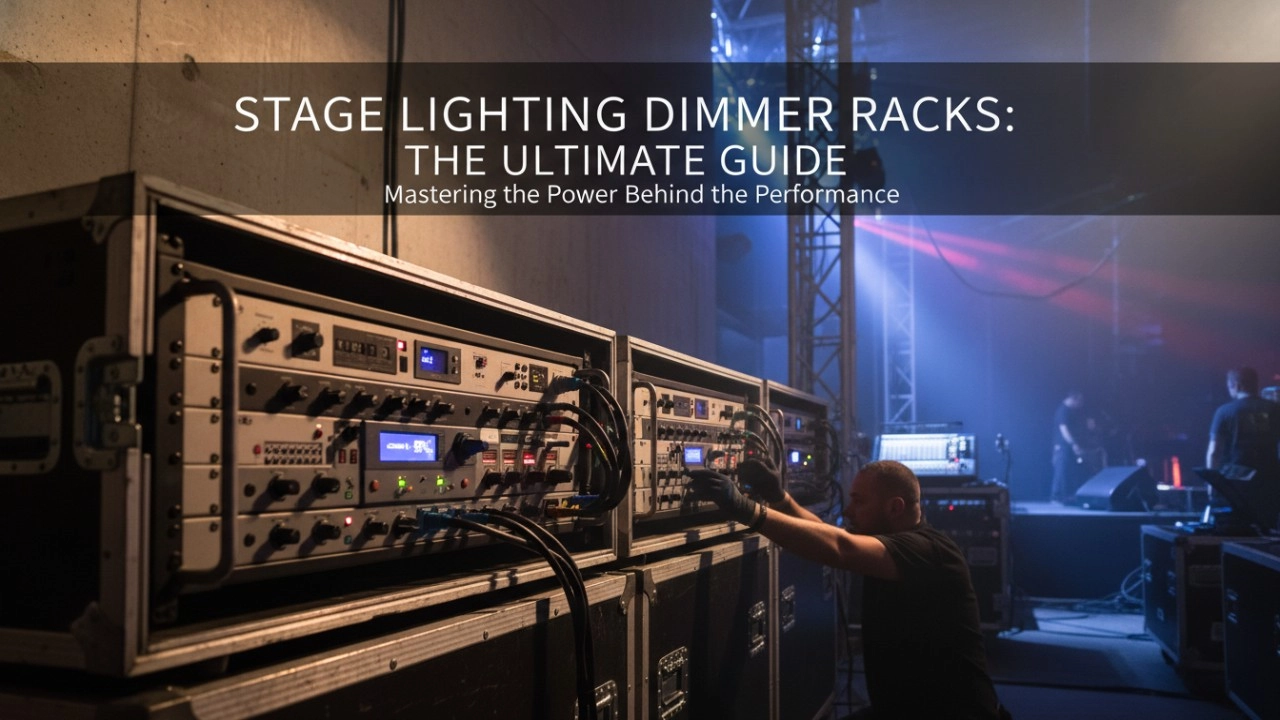
A comprehensive 2026 guide to selecting high-performance stage lighting dimmer racks. We review top hybrid systems, explore SCR vs sine wave technology, and analyze essential features like ThruPower for modern venues.
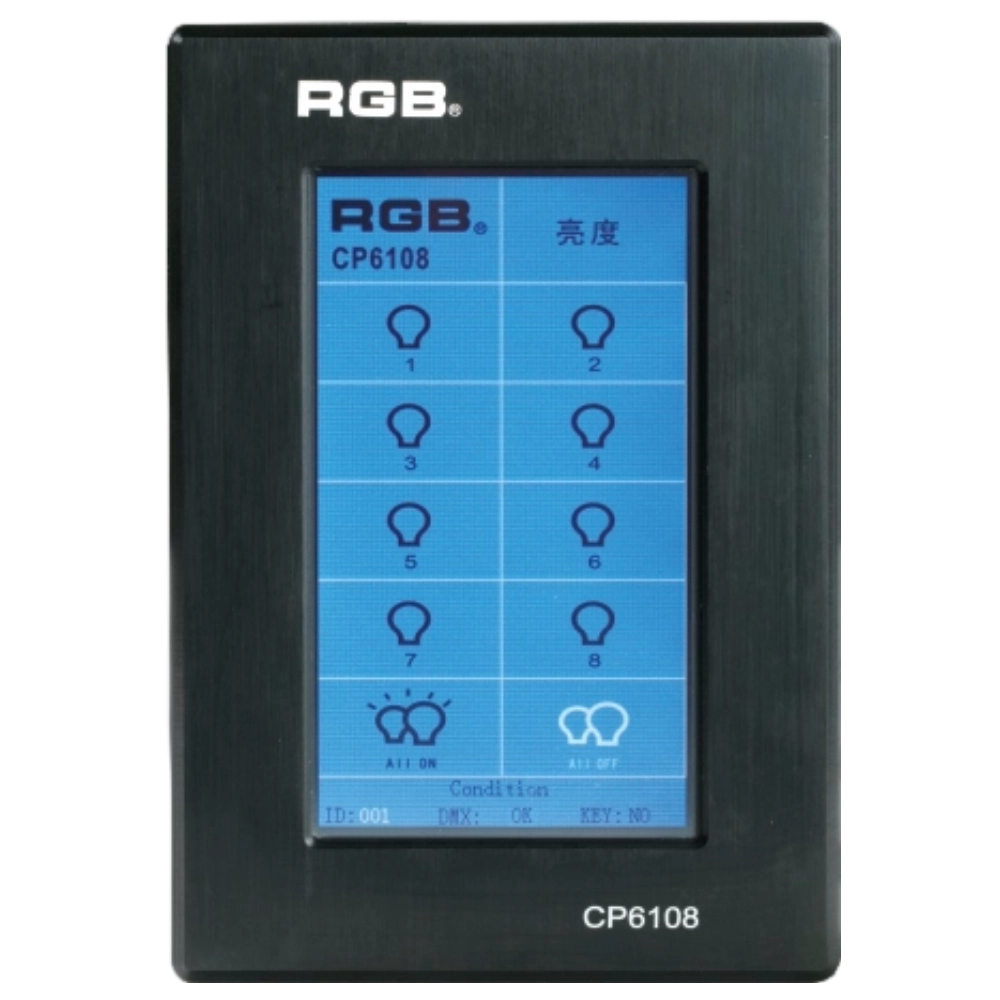
Site Light Controller CP6108
The CP6108 lighting control panel is a lighting control device for theater stage lights, work lights, environmental lighting, commercial art lighting, sports venue lighting, and other places. By connecting to the dedicated lighting control host CP6100, it realizes the central control of the lighting system, supports a visual lighting control system, and intuitively displays the online and offline status of CP6108. Realize remote monitoring, editing, and setting of corresponding parameters.
It is widely applicable to theaters, cinemas, auditoriums, stadiums, museums, exhibition halls, cultural tourism performances, commercial art lighting, and other places.
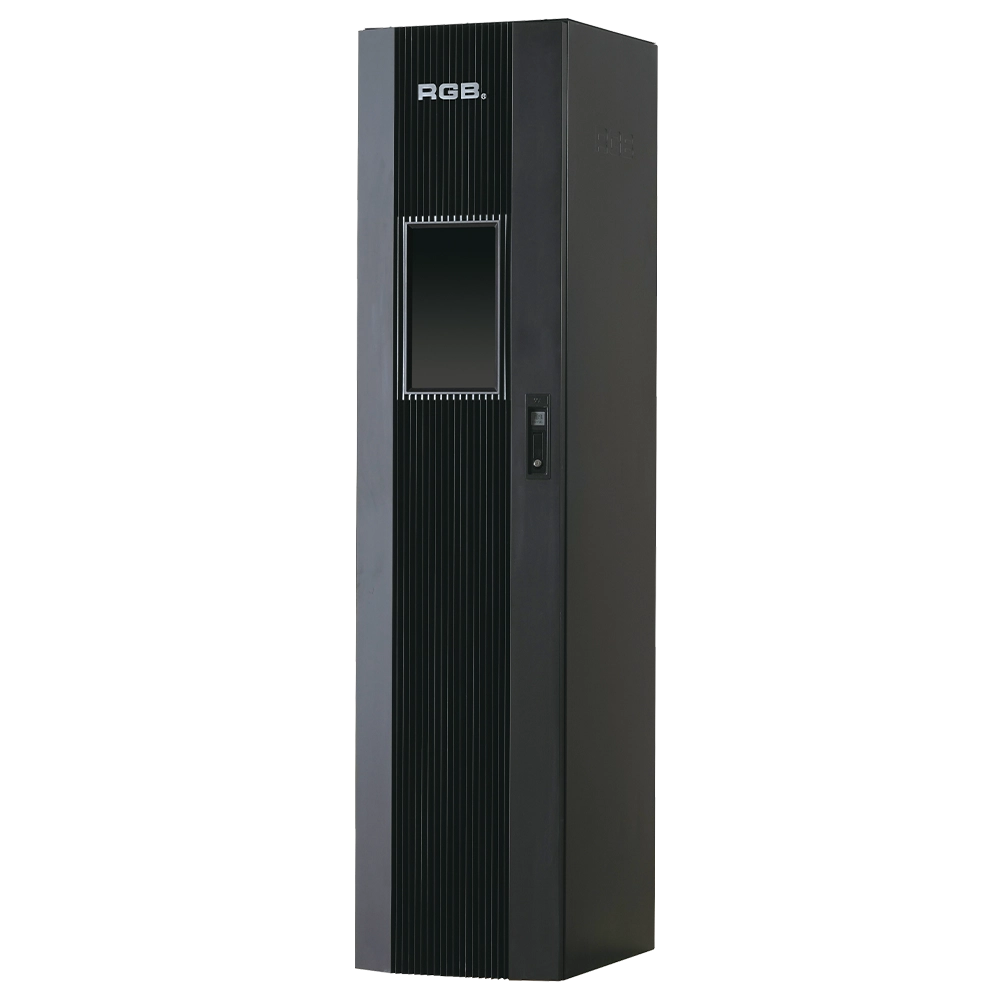
9i intelligent network Dimmer/Relay Racks
9i is an artificial intelligence dimming racks independently developed by RGB, which has completely independent core technology and obtained software Copyrights, all digital electrodeless trigger and multi-backup independent CPU central processor technology. It has a variety of output configurations such as sine wave, thyR, relay and dimming relay mix, and supports visual lighting control system and visually displays the online and offline status of dimming racks. Realize remote monitoring, editing and setting of relevant parameters.
It is suitable for the lighting control needs of different places such as high standard grand theater, TV station, gymnasium and environmental intelligent lighting.
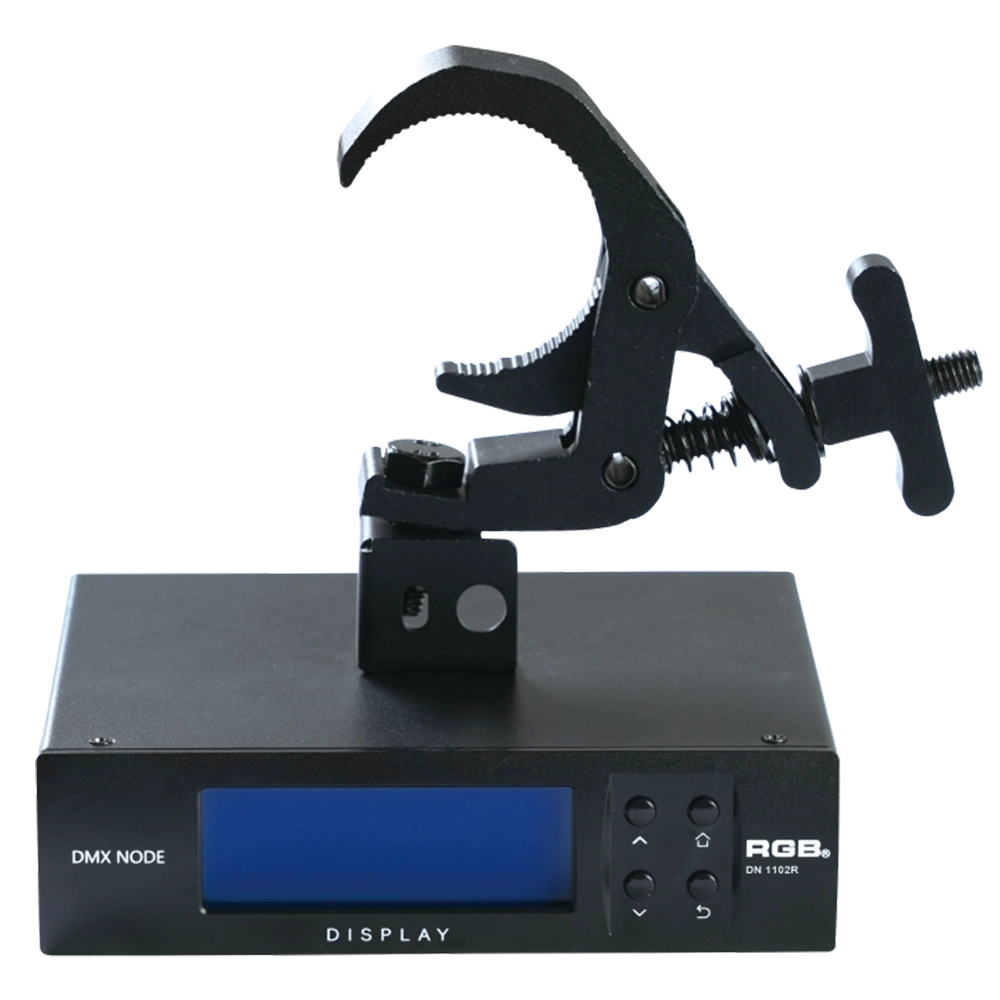
RDM Nodes
The DN series network decoder is a product of the lighting control system independently developed by RGB, featuring completely independent core technology and obtaining software copyrights. It seamlessly connects and decodes the sACN and Art-Net network protocols based on TCP/IP with the DMX-512 and RDM communication protocols. Supports a visual lighting control system, intuitively displaying the online and offline status of the DN series network decoders, and enabling remote monitoring, editing, and setting of corresponding parameters.
It is widely applied in theaters, concert halls, multi-functional halls, cultural and tourism performances, TV stations, gymnasiums, auditoriums, commercial art lighting, and other performance and cultural venues.
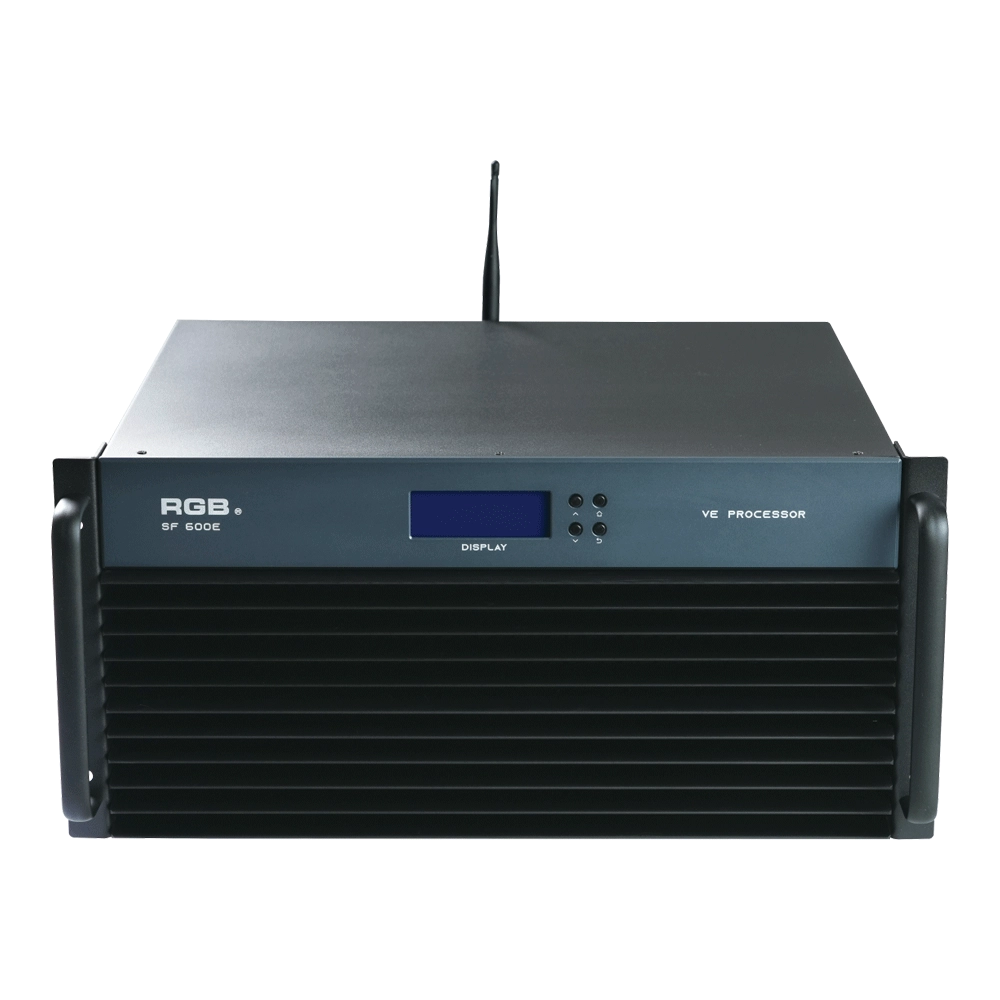
SF600E Visual R-net environment processor
The SF600E Visual R-net environment processor by RGB delivers advanced performance for visual systems. As a leading visual systems manufacturer, RGB ensures seamless integration and high reliability, making SF600E ideal for complex visual processing needs in diverse environments.
Expert Support
Interested in learning more or need expert guidance related to this article? Fill in your details, and our team will provide tailored support.
Intelligent Control. Brilliant Performance.
RGB specializes in stage lighting control systems, delivering intelligent, reliable, and high-performance solutions for theaters and performance spaces worldwide.
Contact
Email:
Tel:
+86 20 3928 0245
+86 20 3928 0247
Address:
No.3, Huashan Road, Shilou Town, Panyu, Guangzhou, China.
Whatsapp: +8615975520131