
How many channels do I need in a dimmer rack?
|
- 1. What Exactly Is a Dimmer Rack in Stage Lighting?
- 2. How Do Dimmer Racks Integrate with Lighting Control Consoles?
- 3. What Are the Key Features to Consider When Selecting a Dimmer Rack?
- 4. How Do I Determine the Appropriate Number of Channels Needed in a Dimmer Rack?
- 5. What Are the Power Requirements and Limitations of Dimmer Racks?
- 6. How Do I Address Noise and Cooling Concerns with Dimmer Racks?
1. What Exactly Is a Dimmer Rack in Stage Lighting?
A dimmer rack is a centralized unit that manages the power distribution and dimming of multiple stage lighting fixtures. It converts high-voltage power inputs into multiple dimmable circuits, allowing precise control over each light's intensity. Typically, these racks house multiple channels, each controlling a separate lighting fixture or group of fixtures. For instance, a standard dimmer rack might offer 6 or 8 channels, each capable of handling significant wattage, such as 1,200W or 2,400W per channel. This setup is essential for venues requiring synchronized lighting effects and efficient power management.
2. How Do Dimmer Racks Integrate with Lighting Control Consoles?
Dimmer racks interface with lighting control consoles through protocols like DMX512, enabling remote control of lighting fixtures. The console sends control signals to the dimmer rack, which then adjusts the power output to each connected fixture. This integration allows lighting designers to create dynamic lighting effects, adjust intensities, and manage lighting cues seamlessly. The DMX512 protocol supports up to 512 channels per universe, facilitating complex lighting setups.
3. What Are the Key Features to Consider When Selecting a Dimmer Rack?
When choosing a dimmer rack, consider the following features:
Channel Capacity: Determine the number of channels required based on the number of lighting fixtures and their control needs.
Wattage per Channel: Ensure the rack can handle the total wattage of all connected fixtures, accounting for both individual and cumulative power requirements.
Control Protocol Compatibility: Verify compatibility with your existing lighting control system, such as DMX512 or analog control signals.
Cooling Mechanisms: Adequate cooling, like internal fans, is crucial to prevent overheating during extended use.
Safety Features: Look for built-in protections, such as overcurrent and overtemperature safeguards, to ensure reliable operation.
4. How Do I Determine the Appropriate Number of Channels Needed in a Dimmer Rack?
Calculating the required number of channels involves assessing your lighting setup:
Identify the Number of Fixtures: Count all lighting fixtures to be controlled.
Determine Channels per Fixture: Refer to each fixture's manual to understand how many DMX channels it utilizes. For example, a simple LED PAR light may use 6 channels, while a moving head might require 16–32 channels.
Calculate Total Channels: Multiply the number of fixtures by the channels per fixture to find the total channel count.
Account for Future Expansion: Consider potential additions to your lighting rig to ensure the dimmer rack can accommodate future needs.
5. What Are the Power Requirements and Limitations of Dimmer Racks?
Dimmer racks have specific power capacities:
Individual Channel Capacity: Each channel has a maximum wattage limit, such as 1,200W or 2,400W per channel.
Total Rack Capacity: The combined wattage of all channels should not exceed the rack's total capacity. For instance, an 8-channel rack with 2,400W per channel has a total capacity of 19,200W.
Power Input Specifications: Ensure the rack's power input matches your venue's electrical supply, whether single-phase or three-phase.
6. How Do I Address Noise and Cooling Concerns with Dimmer Racks?
Dimmer racks can generate significant noise and heat:
Noise Levels: The operation of internal fans and electrical components can produce noticeable noise, which may be disruptive in performance settings.
Cooling Solutions: Effective cooling is essential to maintain performance and longevity. Options include internal fans, external cooling units, or designing the venue to accommodate the heat output.
Placement Considerations: Position the dimmer rack in a location that minimizes noise impact on the audience and performers while ensuring adequate ventilation.
In conclusion, selecting the right dimmer rack involves understanding your lighting system's specific needs, including the number of channels, power requirements, and integration with control systems. By carefully considering these factors, you can ensure efficient and reliable lighting control for your stage productions.
For personalized assistance and a detailed quote tailored to your requirements, please contact us at info@rgbsystem.com or visit our website at www.rgbsystem.com.
Latest News
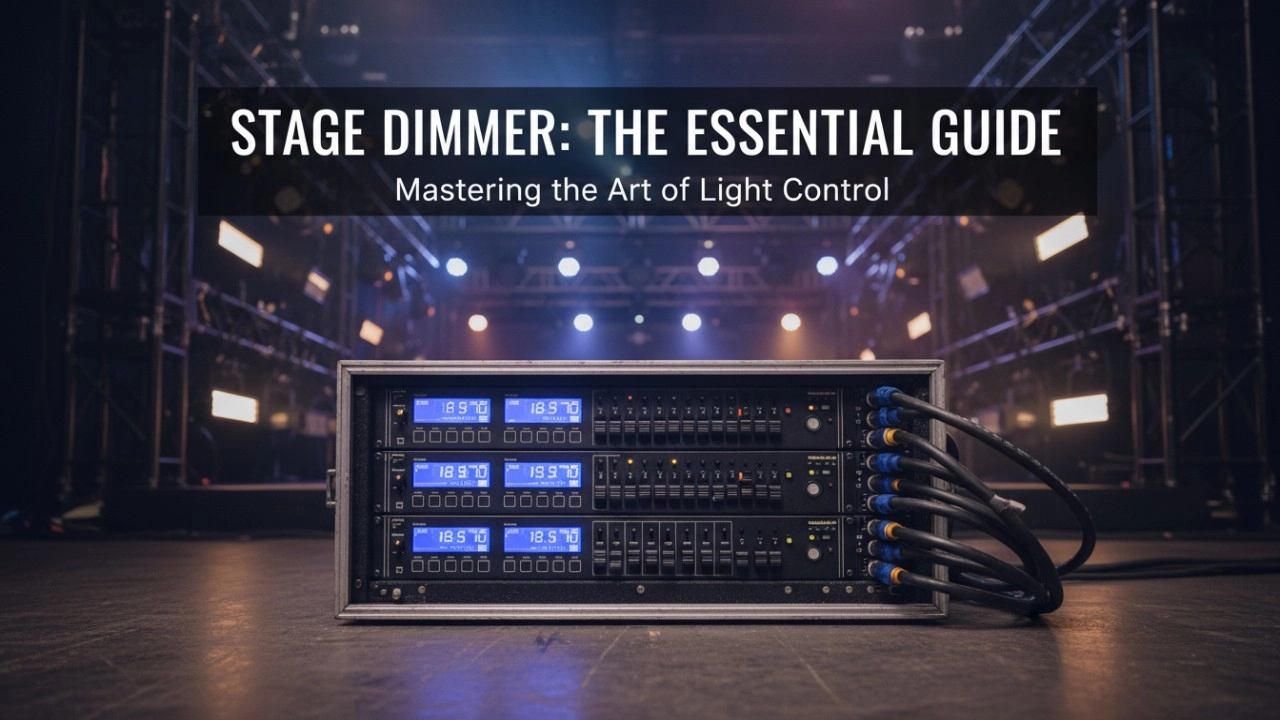
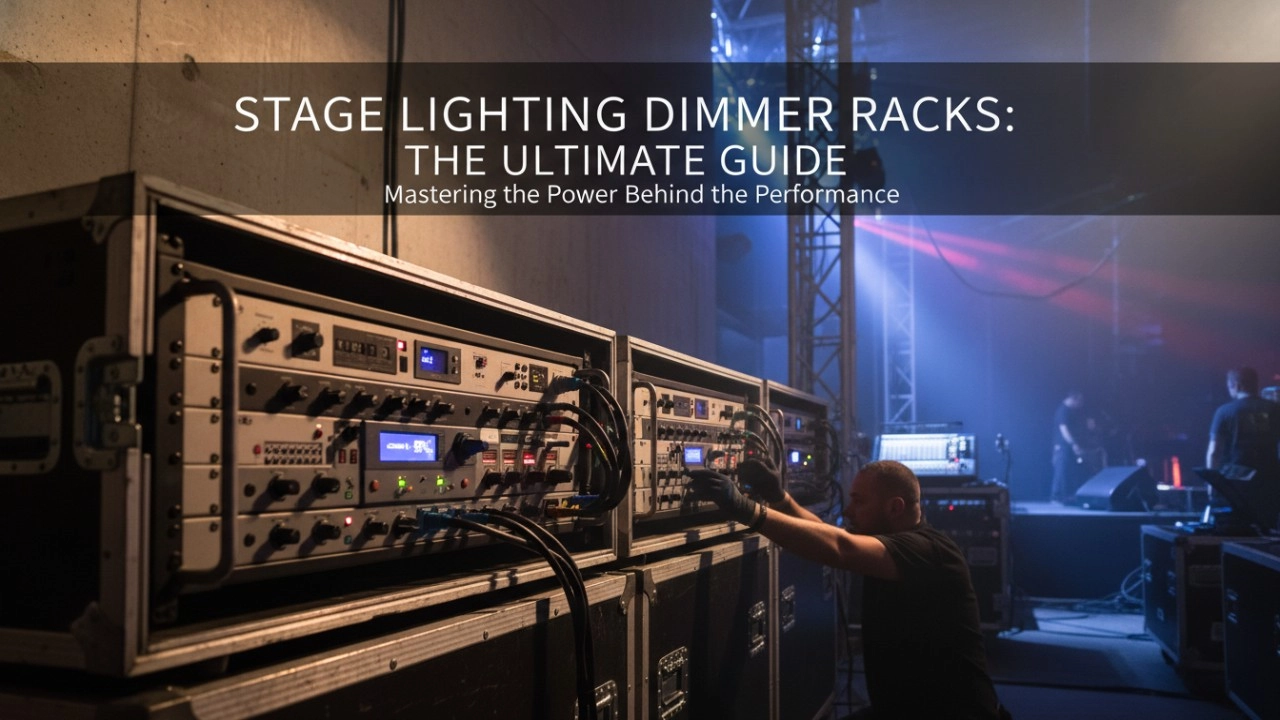
A comprehensive 2026 guide to selecting high-performance stage lighting dimmer racks. We review top hybrid systems, explore SCR vs sine wave technology, and analyze essential features like ThruPower for modern venues.
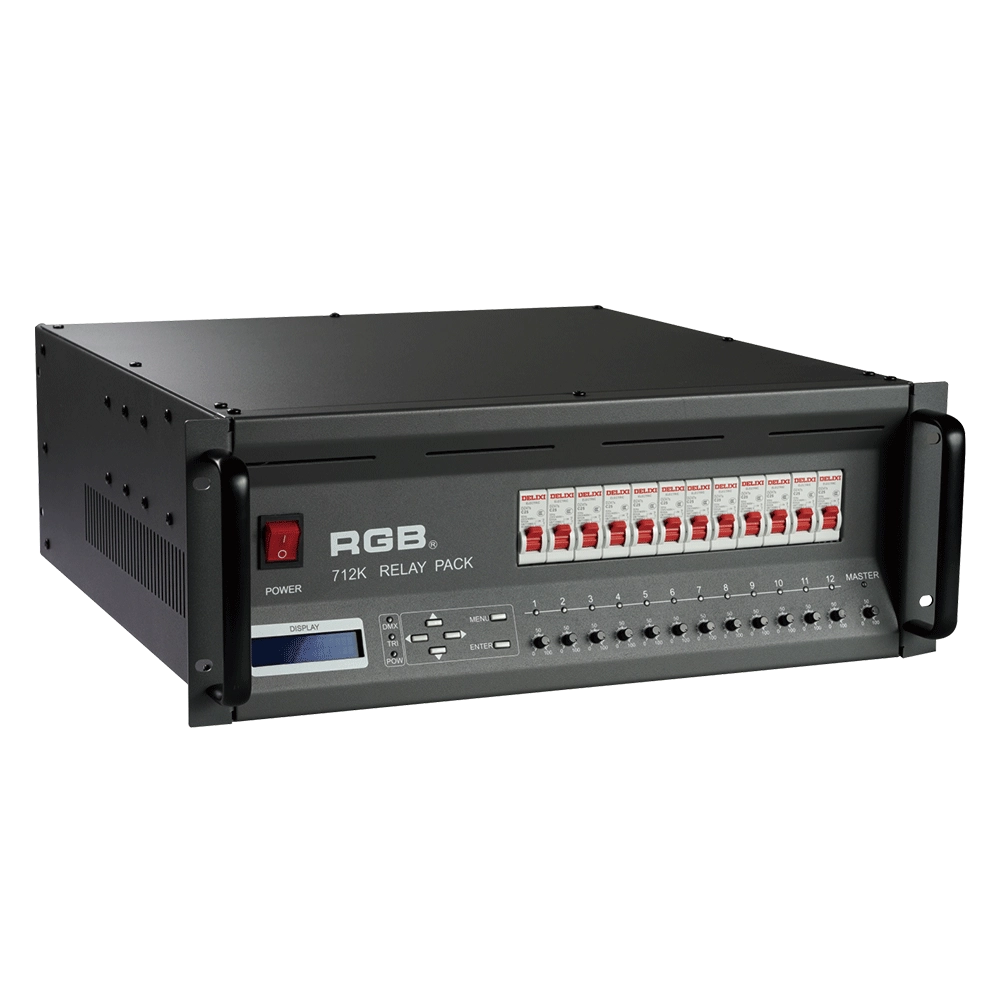
Alloy Relay Packs
High-performance DMX512 relay dimming unit with 512 addressable circuits, phase-loss protection, dual-signal amplification, 20A output per channel, and robust design for reliable stage and mobile lighting applications.
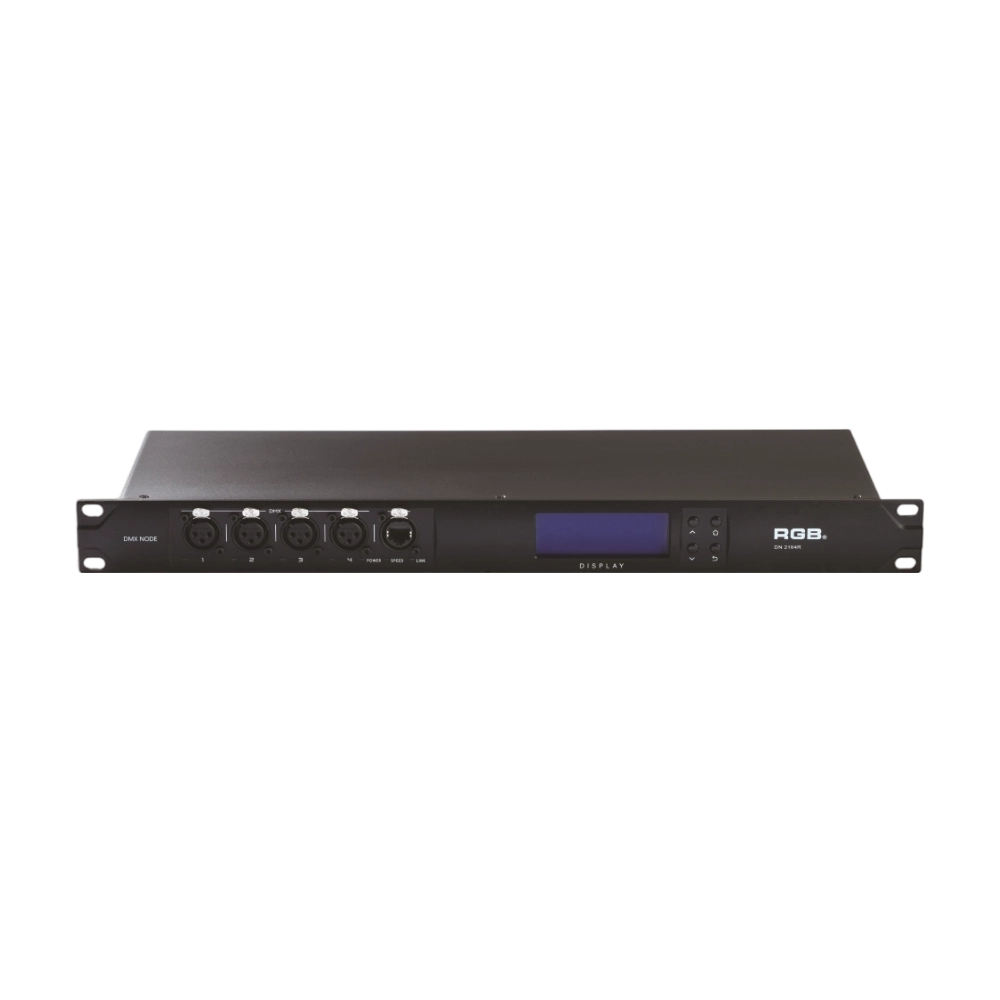
DMX, RDM Nodes
The DN series dual network port network decoder is a lighting control system product independently developed by RGB, featuring completely independent core technology and software copyright. It seamlessly connects and decodes the sACN and ART-Net network protocols based on TCP/IP with the DMX-512 and RDM communication protocols, achieving gigabit communication with dual independent physical address codes. Supports a visual lighting control system, intuitively displaying the online and offline status of the DN series network decoders, and enabling remote monitoring, editing, and setting of corresponding parameters.
It is widely applied in theaters, concert halls, multi-functional halls, cultural and tourism performances, TV stations, gymnasiums, auditoriums, commercial art lighting, and other performance and cultural venues.
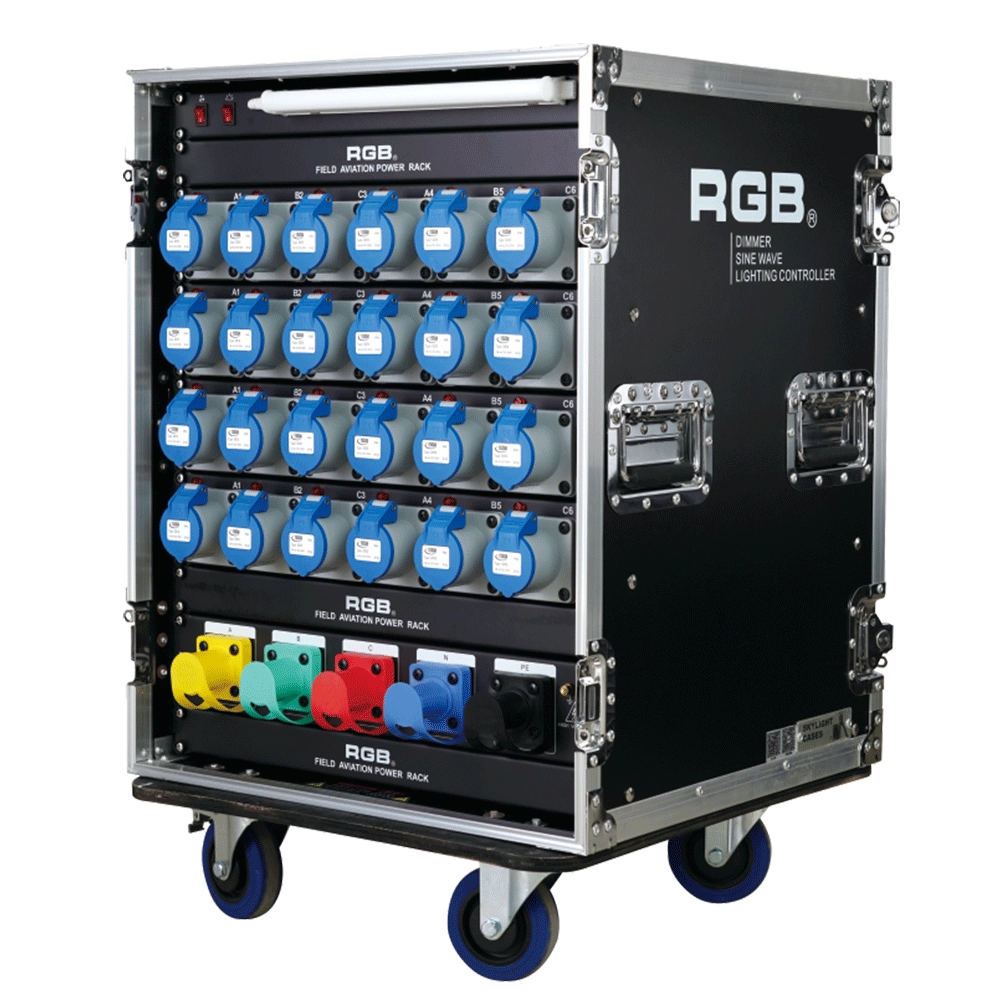
ZT Distribution Box
RGB-ZT2416 features dual protection functions and is a power distribution product specifically designed for overcurrent and short circuit of electrical equipment. It is the best choice for mobile performance and is suitable for use in computer lamps, conventional lamps, and other equipment.
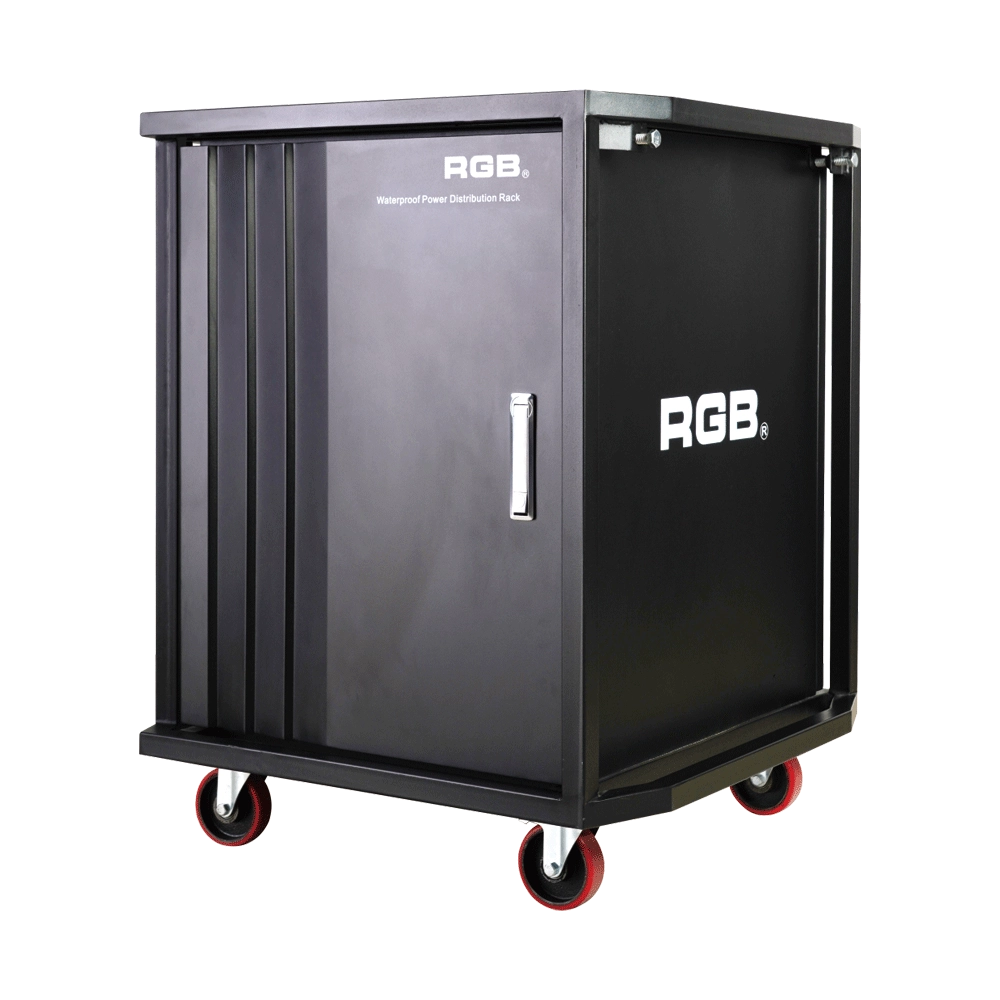
Multifunction Waterproofing Racks Of RGB-W Series
With the continuous development of flow performance, the requirement for performance is more demanding. In order to facilitate the transportation and make it easier to carry for all the equipment used in the performance, the stage light and sound equipment will be installed into a cabinet, for example, the power supply system. During the transportation process, it is inevitable for a collision or crash to take place. If the cabinet material is not strong enough, it may lead to deformation and even damage the equipment inside. Moreover, most of the existing cabinets are not waterproof. It will be very dangerous for the flow performance, as it is normal and inevitable to encounter rainy days. As the equipment inside the cabinets is electriferous, it might cause damage to the electronic equipment at least and even cause casualties at worst. Meanwhile, most of the existing cabinets can only be installed with one kind of equipment with a single variety.
In order to overcome the above-mentioned technical flaw, the RGB company has developed a new type of waterproofing multifunction cabinet of the W series. The waterproofing cabinet of the W series meets the need for the installation of dimming and tone-tuning devices, transportation, and utilization.
Expert Support
Interested in learning more or need expert guidance related to this article? Fill in your details, and our team will provide tailored support.
Intelligent Control. Brilliant Performance.
RGB specializes in stage lighting control systems, delivering intelligent, reliable, and high-performance solutions for theaters and performance spaces worldwide.
Contact
Email:
Tel:
+86 20 3928 0245
+86 20 3928 0247
Address:
No.3, Huashan Road, Shilou Town, Panyu, Guangzhou, China.
Whatsapp: +8615975520131