
What power and DMX specs matter for dimmer racks?
|
- 1. What is a Dimmer Rack, and How Does It Function in Stage Lighting?
- 2. What Are the Key Power Specifications to Consider When Selecting a Dimmer Rack?
- 3. How Do DMX-512 Protocol and Addressing Impact Dimmer Rack Performance?
- 4. What Are the Differences Between Dimming and Switching Modes in Dimmer Racks?
- 5. How Does the Dimming Curve Affect Light Output and Performance?
- 6. What Maintenance Practices Are Essential for Ensuring the Longevity of a Dimmer Rack?
1. What is a Dimmer Rack, and How Does It Function in Stage Lighting?
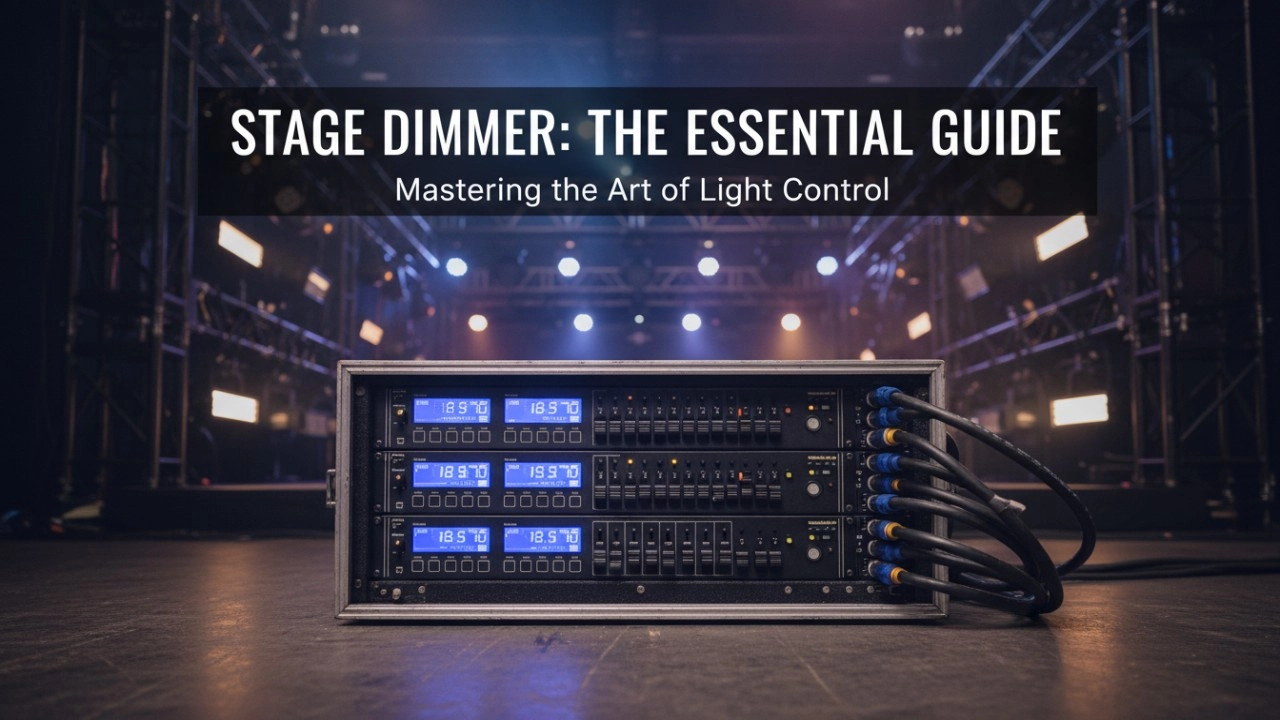
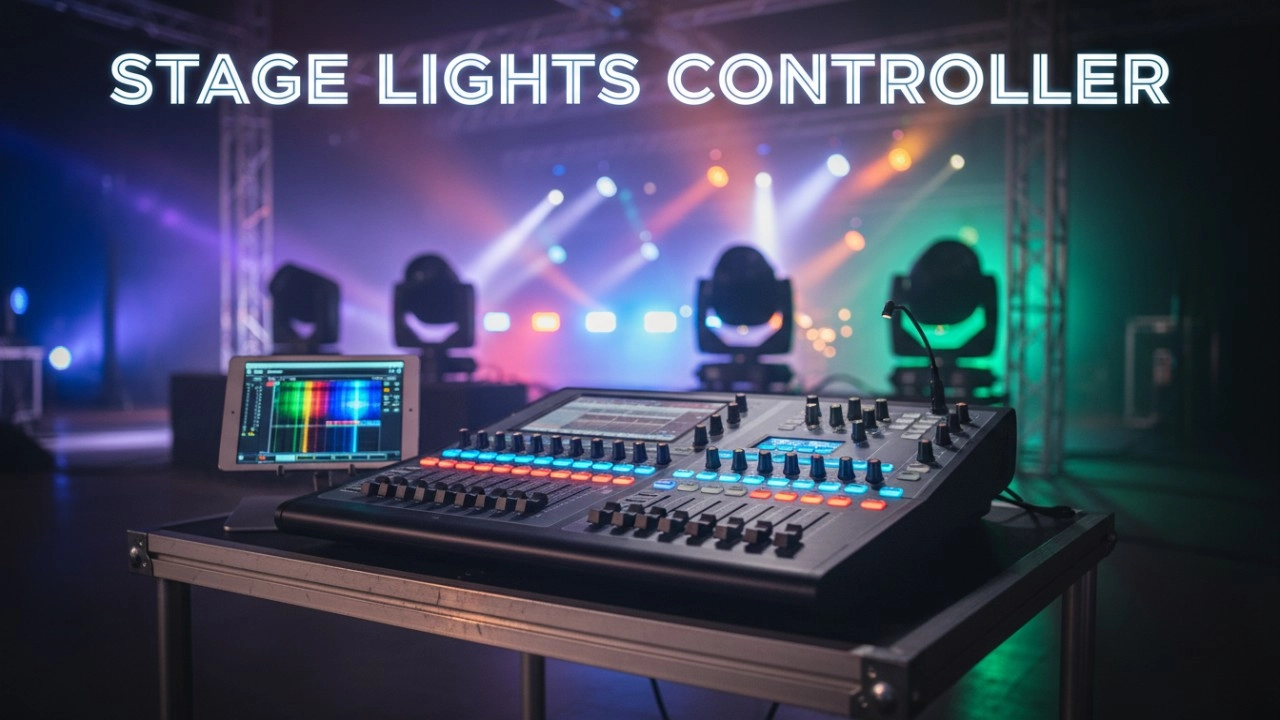
A dimmer rack is a centralized unit that manages the brightness of multiple stage lights by controlling the power supplied to each fixture. It receives control signals, typically via DMX-512 protocol, from a lighting console or control station. The rack then adjusts the voltage and current to each connected light, enabling precise control over lighting intensity and effects. This centralized control is crucial for creating dynamic lighting environments in theatrical productions, concerts, and other live events.
2. What Are the Key Power Specifications to Consider When Selecting a Dimmer Rack?
When choosing a dimmer rack, it's essential to evaluate the following power specifications:
Channel Capacity: Determine the maximum wattage each channel can handle. For instance, the Lightronics RA121 offers 12 channels, each capable of managing 1,200 watts, totaling 14,400 watts.
Total Power Output: Assess the combined wattage the rack can supply. The LITEPUTER DX1220 provides 12 channels at 2,400 watts each, amounting to a total of 28,800 watts.
Circuit Breaker Ratings: Ensure each channel has appropriate circuit protection. The LITEPUTER DX1220 features 12 resettable circuit breakers, enhancing safety and reliability.
Input Voltage and Phase: Verify compatibility with your venue's electrical system. The Lightronics RA121 supports both single-phase and three-phase power inputs, accommodating various setups.
3. How Do DMX-512 Protocol and Addressing Impact Dimmer Rack Performance?
DMX-512 is the standard protocol for controlling lighting equipment, including dimmer racks. Key considerations include:
Addressing: Each channel on the dimmer rack must be assigned a unique DMX address to correspond with the control console's settings. Proper addressing ensures accurate control over each light fixture.
Signal Integrity: Use high-quality DMX cables and terminators to maintain signal strength and prevent data loss, which can lead to inconsistent lighting performance.
Daisy-Chaining: DMX devices can be connected in series, but the total number of devices and cable length can affect signal quality. Plan your DMX network to minimize potential issues.
4. What Are the Differences Between Dimming and Switching Modes in Dimmer Racks?
Dimmer racks often offer two modes:
Dimming Mode: Allows gradual adjustment of light intensity, providing smooth transitions and effects. This mode is ideal for theatrical performances and events requiring dynamic lighting changes.
Switching Mode: Turns lights on or off without adjusting intensity. This mode is suitable for applications where full brightness or complete darkness is desired without intermediate levels.
Understanding these modes helps in selecting a dimmer rack that aligns with your specific lighting control needs.
5. How Does the Dimming Curve Affect Light Output and Performance?
The dimming curve defines how the light output responds to control signals:
Linear Dimming Curve: Provides a consistent change in light intensity relative to control input, ensuring predictable and uniform lighting adjustments.
Square Law Dimming Curve: Offers a nonlinear response, often resulting in more noticeable changes at lower intensity levels and smoother transitions at higher levels.
Selecting the appropriate dimming curve is crucial for achieving the desired lighting effects and performance.
6. What Maintenance Practices Are Essential for Ensuring the Longevity of a Dimmer Rack?
Regular maintenance is vital for the optimal performance and longevity of a dimmer rack:
Cleaning: Periodically remove dust and debris from the rack and its components to prevent overheating and ensure efficient operation.
Inspection: Regularly check circuit breakers, connectors, and cables for signs of wear or damage, replacing any faulty parts promptly.
Firmware Updates: Keep the rack's firmware up to date to benefit from the latest features and security enhancements.
Environmental Control: Ensure the rack operates in a well-ventilated area with stable temperature and humidity levels to prevent component degradation.
By adhering to these maintenance practices, you can extend the lifespan of your dimmer rack and maintain reliable lighting control.
In conclusion, understanding the intricacies of dimmer racks, including their definitions, power specifications, and DMX-512 protocol, is essential for making informed decisions in stage lighting control systems. By considering these factors, you can select equipment that meets your specific needs and ensures optimal performance.
For a personalized quote or further assistance, please contact us at info@rgbsystem.com or visit our website at www.rgbsystem.com.
Latest News
8 Series 806/812 Digital Dimmer & Relay Packs
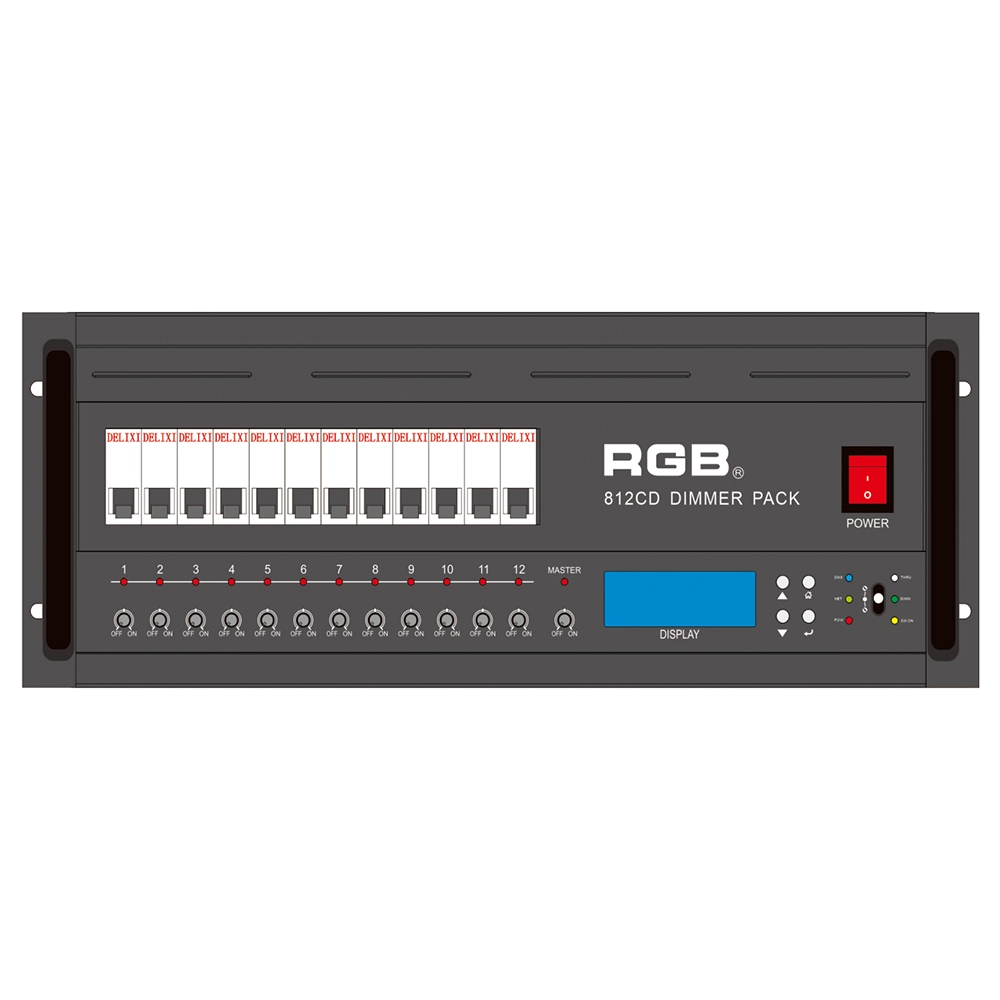
RGB 8 Series digital dimmer and relay packs provide DMX512-based control for stage and venue lighting. The published range includes the 806 six-circuit and 812 twelve-circuit models, with local dimming controls, scene recording and relay/pass-through options. The product description lists optional Art-Net and sACN network control, so these interfaces should be confirmed for the ordered configuration. Check circuit current ratings and output connectors for each model.
DN1102R/DN1104R Art-Net/sACN DMX & RDM Nodes
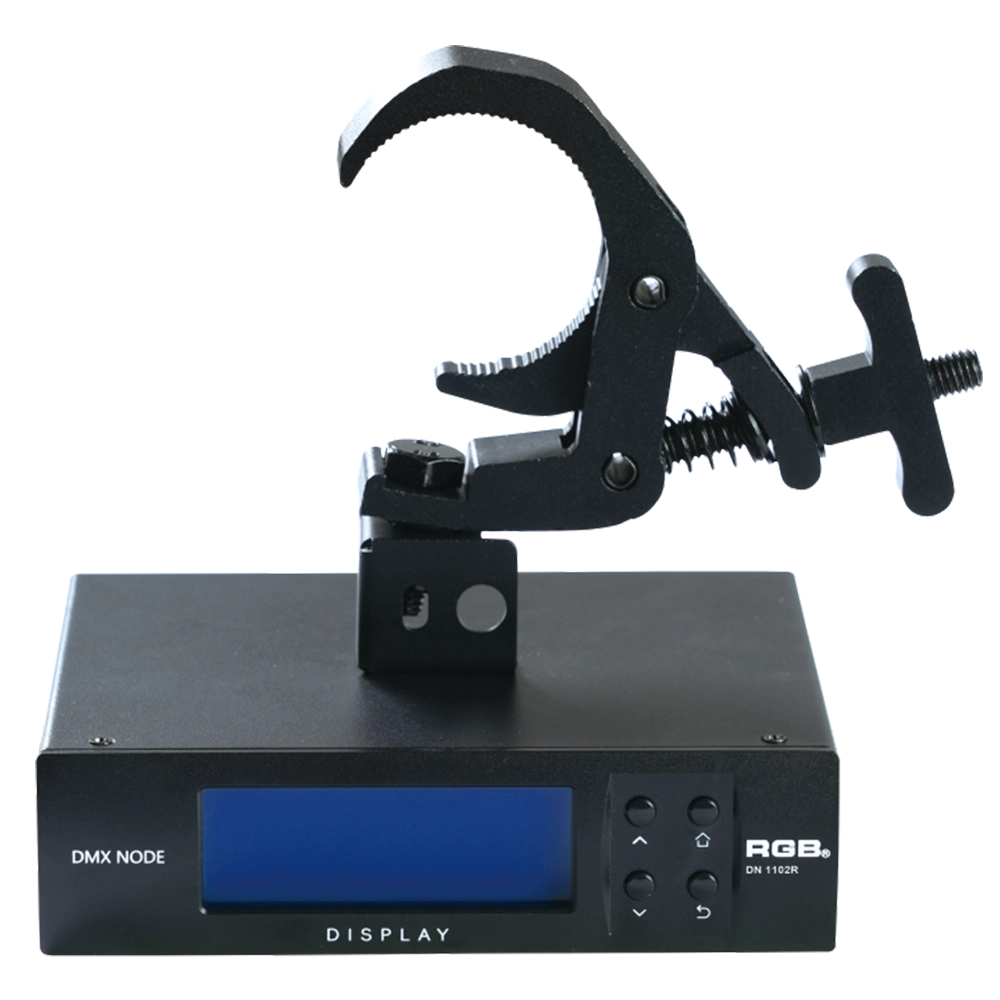
RGB DN1102R and DN1104R are DMX512/RDM network nodes for stage lighting control over Art-Net and sACN. The product description lists an Ethernet interface, protocol selection, device status reporting and optional accessories. Published dimensions distinguish DN1102R and DN1104R; do not apply larger DN Series 8- or 12-universe configurations to these two models without specific evidence.
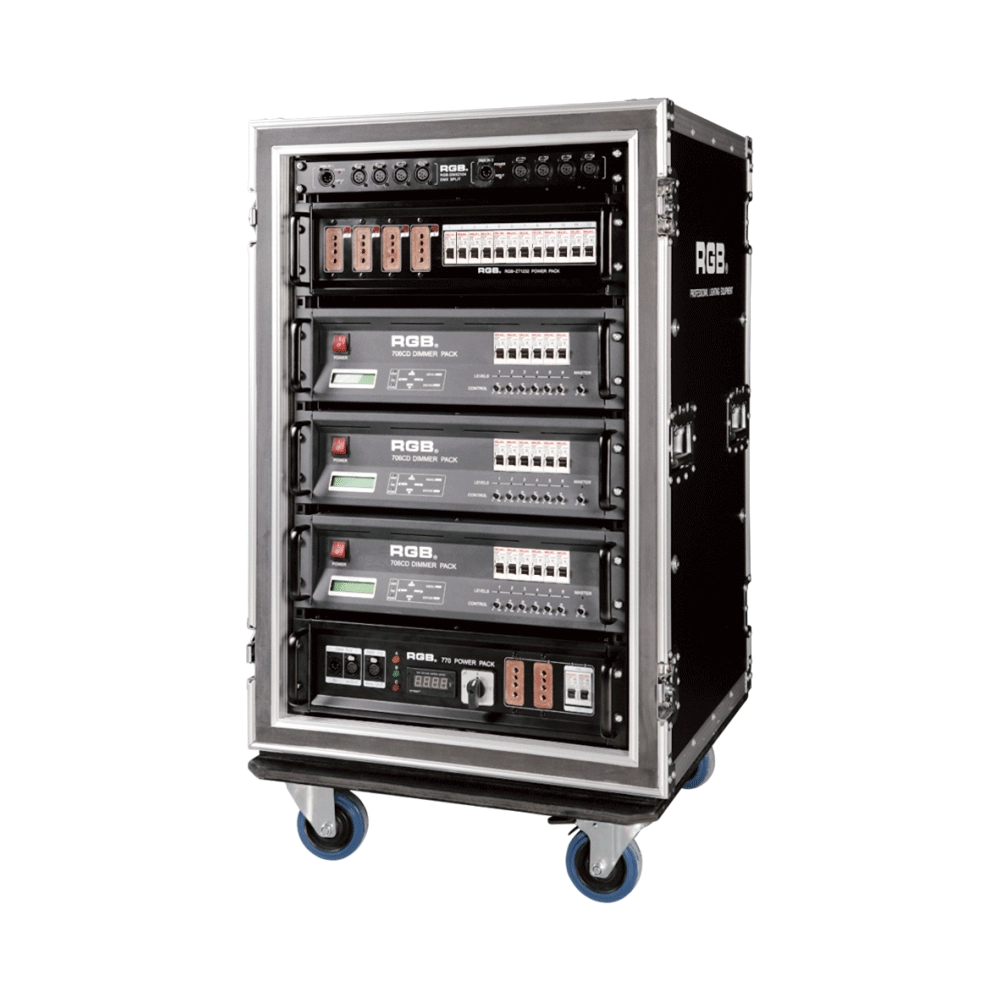
7 Series Digital Touring Dimmer Rack Systems
RGB 7 Series Digital Touring Dimmer Racks are modular touring cabinets assembled from 7 Series dimmer units. The published range lists RGB-7126, 7186, 7246, 7243, 7363 and 7483 variants with 12–48 channels and 3 kW or 6 kW model ratings. DMX512 control and A/B input arrangements are described for touring lighting, while rack wiring, protection devices and final output connectors require confirmation for each configuration.
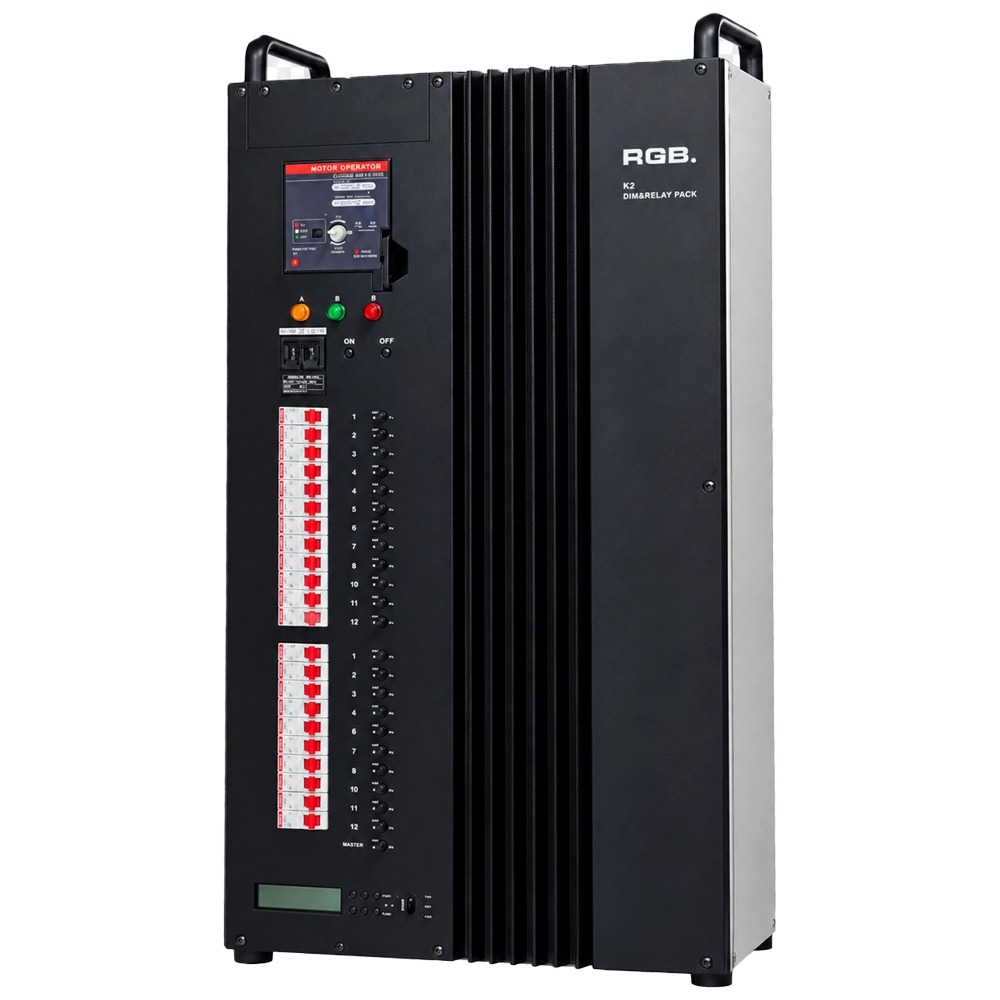
K2 Intelligent Network Relay Racks
RGB K2 is an intelligent network relay rack designed for stage and venue lighting power switching. The K series provides dual DMX512 control with optional Art-Net and sACN networking, 24-, 48- and 60-circuit configurations, and wall-mounted or cabinet installation options. K2 is the standard variant; KW2 is the separately described waterproof variant. Select the circuit count, power input and network options to match the venue's electrical design.
Expert Support
Interested in learning more or need expert guidance related to this article? Fill in your details, and our team will provide tailored support.
Intelligent Control. Brilliant Performance.
RGB specializes in stage lighting control systems, delivering intelligent, reliable, and high-performance solutions for theaters and performance spaces worldwide.
Contact
Email:
Tel:
+86 20 3928 0245
+86 20 3928 0247
Address:
No.3, Huashan Road, Shilou Town, Panyu, Guangzhou, China.
Whatsapp: +8615975520131