
The Ultimate Guide to Dimmer Packs for Stage Lighting: DMX Basics and LED Compatibility
|
- Introduction
- What is a dimmer pack in stage lighting?
- How does a DMX dimmer pack work?
- Can you use LED stage lights with a traditional dimmer pack?
- What is the difference between a dimmer pack and a relay pack?
- How many channels do I need for my stage lighting dimmer pack?
- Why are my stage lights flickering when connected to a dimmer pack?
- How do you set the DMX address on a stage lighting dimmer pack?
- What is the maximum wattage capacity of a stage lighting dimmer pack?
- Conclusion
- Call to Action
Introduction
The magic of live performances relies heavily on the atmosphere created by stage lighting. Whether it is a subtle, dramatic fade or a high-energy pulse of light, controlling the intensity of your fixtures is what brings a stage to life. Central to this control, especially in traditional setups, is the dimmer pack. Understanding how to properly implement and manage these devices is essential for any lighting technician, mobile DJ, or production manager. In this comprehensive guide, we will explore the core functions of dimmer packs, their integration with DMX systems, and the crucial differences between operating incandescent bulbs and modern LED fixtures.
What is a dimmer pack in stage lighting?
A dimmer pack is a specialized piece of electrical equipment used to control the brightness, or intensity, of stage lighting fixtures. It acts as the intermediary between your main power source, your lighting control console, and the lights themselves. By actively regulating the voltage that is sent down the power cables, a dimmer pack allows you to smoothly fade lights up and down rather than just turning them strictly on or off.
Typically, these packs are utilized with conventional lighting fixtures that use resistive loads, such as incandescent PAR cans, ellipsoidal reflectors (Lekos), and Fresnel lanterns. Without a dimmer pack, these traditional analog lights would simply plug into a wall outlet and remain at 100 percent brightness at all times.
Dimmer packs come in various shapes and sizes. They range from small, portable truss-mounted boxes designed for mobile entertainers to massive, permanent sensor racks installed in the electrical rooms of large professional theaters. Regardless of their size, their primary function remains the same: to give the lighting operator precise control over the luminosity of the stage.
How does a DMX dimmer pack work?
To understand how a DMX dimmer pack operates, you have to look at how data and electricity intersect. The pack connects to a lighting desk via a standard protocol. The DMX512 standard, originally developed by the United States Institute for Theatre Technology, acts as the universal digital language that allows the lighting control console to communicate with the dimmer.
When you push a fader up on your lighting board, the console sends a digital signal containing value data (ranging from 0 to 255) through a DMX cable to the dimmer pack. The dimmer's internal microprocessors decode this signal and translate it into an electrical output.
From an electrical engineering standpoint, traditional dimmer packs work using a technique called phase-cut dimming. They chop the alternating current (AC) waveform before sending it to the light bulb. By cutting off a portion of the electrical wave, the pack reduces the total amount of energy reaching the filament, which in turn causes the light to dim. This high-speed switching happens 120 times per second (in 60Hz power systems), tricking the human eye into seeing a constant, smooth fade rather than rapid flickering.
Can you use LED stage lights with a traditional dimmer pack?
Generally speaking, you cannot and should not use modern LED stage lights with a traditional dimmer pack. Traditional phase-cut dimmers are designed specifically for the resistive loads of incandescent and halogen bulbs. LED fixtures, on the other hand, require a constant, unadulterated source of power.
If you plug a standard LED stage light into a conventional dimmer pack and attempt to dim the channel, you will likely cause severe damage to the LED's internal power supply. Modern LED fixtures handle their own dimming internally using a technology called Pulse Width Modulation (PWM). Therefore, they need to receive raw, constant wall power and direct DMX data, entirely bypassing the dimmer pack.
There is a small exception for specific "dimmable" LED retrofit bulbs used in theatrical practicals. However, these require advanced trailing-edge dimming rather than the leading-edge dimming found in older packs. As noted by the experts at the EDN Network, trailing-edge dimmers are specifically designed to handle the capacitive loads of electronic LED drivers, ensuring smooth operation without risking component failure.
What is the difference between a dimmer pack and a relay pack?
While they may look identical from the outside, dimmer packs and relay packs serve entirely different operational purposes. A dimmer pack is designed to alter the voltage passing through it, allowing for smooth, variable brightness levels from 0 to 100 percent.
A relay pack, also known as a switch pack, contains electrical relays that only allow for two states: completely ON or completely OFF. There is no voltage regulation or wave-chopping involved. When the DMX value crosses a certain threshold (usually 50%), the relay mechanically or electronically clicks completely closed, sending full power to the fixture.
Relay packs are absolutely essential when dealing with intelligent lighting fixtures, moving heads, fog machines, or LED lights that require standard, uninterrupted power. Because these devices have their own sensitive internal electronics and power supplies, sending them a dimmed or "chopped" electrical wave from a traditional dimmer pack can fry their circuitry. Relay packs allow you to remotely turn the power to these intelligent devices on or off without risking damage.
How many channels do I need for my stage lighting dimmer pack?
The number of channels you need depends entirely on the scale of your production and your creative requirements. In the world of dimming, one "channel" on a pack represents one independently controllable power output.
Small, portable setups commonly use 4-channel dimmer packs. If you have four lights plugged into a 4-channel pack, you can control the brightness of each light individually. If you use a splitter or daisy-chain the power to plug two lights into channel 1, both of those lights will dim together simultaneously. Therefore, you need one channel for every light—or group of lights—that you want to control independently.
For intermediate setups, 6-channel and 12-channel packs are popular choices that can be mounted on lighting bars or kept in portable amp racks. Massive theatrical productions, on the other hand, rely on centralized dimming racks that can house 48, 96, or even hundreds of individual dimming channels, ensuring every single conventional fixture in the house can be manipulated on its own.
Why are my stage lights flickering when connected to a dimmer pack?
Flickering is one of the most common troubleshooting issues in stage lighting, and it usually stems from one of three primary causes. First, as previously mentioned, plugging an LED fixture or a non-dimmable electronic device into a standard leading-edge dimmer pack will almost always result in aggressive flickering, strobing, or complete failure.
The second common culprit is underloading the dimmer. Traditional phase-cut dimmers rely on a minimum wattage (often called a dummy load) to stabilize the circuit. If you plug a very low-wattage bulb into a high-capacity dimmer channel, the circuit may struggle to read the load, resulting in an inconsistent voltage output that causes the light to flutter, especially at lower intensities.
Finally, flickering can be caused by data issues rather than electrical ones. The DMX512 protocol requires a clean, unbroken signal chain. Using standard microphone cables instead of proper 120-ohm DMX data cables can cause signal reflection and data packet loss. Furthermore, failing to place a DMX terminator at the very end of your data chain can cause the digital signal to bounce back through the line, confusing the dimmer pack and causing the lights to flash randomly.
How do you set the DMX address on a stage lighting dimmer pack?
Setting the DMX address—also known as addressing or patching—tells the dimmer pack which control signals to listen to from the lighting control console. Because a single DMX universe contains 512 channels, you must assign a starting address to the pack so it knows where its instructions begin.
Older and budget-friendly dimmer packs use a row of binary dip switches to set the address. Each switch represents a binary number (1, 2, 4, 8, 16, 32, 64, 128, 256). To set an address, you turn on the switches that add up to your desired starting channel. For example, to set the address to 11, you would flip the switches for 8, 2, and 1 to the "ON" position.
Modern dimmer packs have completely abandoned dip switches in favor of digital LED or LCD screens. With these models, you simply use the "UP" and "DOWN" menu buttons to scroll to your desired starting address (e.g., A001). If you set a 4-channel dimmer pack to start at address 001, it will automatically use DMX channels 1, 2, 3, and 4 on your lighting desk.
What is the maximum wattage capacity of a stage lighting dimmer pack?
When discussing maximum wattage, you have to consider both the capacity per channel and the total capacity of the entire pack. Most standard 4-channel portable dimmer packs are rated to handle between 600W to 1200W per individual channel. However, the total combined wattage of all channels cannot exceed the capacity of the main power supply feeding the pack.
In the United States, a standard wall outlet provides 15 or 20 amps of power at 120 volts. Using Ohm's Law (Watts = Volts x Amps), a standard 15-amp circuit maxes out at 1800 watts, while a 20-amp circuit can handle 2400 watts. This means if you have a 4-channel dimmer pack plugged into a 15-amp wall outlet, you cannot put a 500-watt bulb on all four channels and run them at full brightness simultaneously, as the 2000-watt total will exceed the 1800-watt supply limit.
Overloading a dimmer pack will either trip the internal circuit breaker on the pack itself or trip the main breaker at the venue's electrical panel. Always calculate the total wattage of your traditional fixtures before patching them to ensure safe and continuous operation during your show.
Conclusion
Understanding the technical nuances of dimmer packs is a fundamental requirement for mastering stage lighting. From knowing how the DMX512 protocol communicates with phase-cut dimmers to recognizing why traditional packs are fundamentally incompatible with modern LED stage lights, this knowledge ensures your production runs smoothly. By carefully calculating your wattage limits, using the correct relay packs for intelligent lighting fixtures, and properly addressing your gear, you can build a reliable and dynamic lighting rig that will illuminate your performance without a hitch.
Call to Action
Please contact us today to schedule a personalized consultation and learn more about finding the perfect lighting solutions for your next event.
Latest News
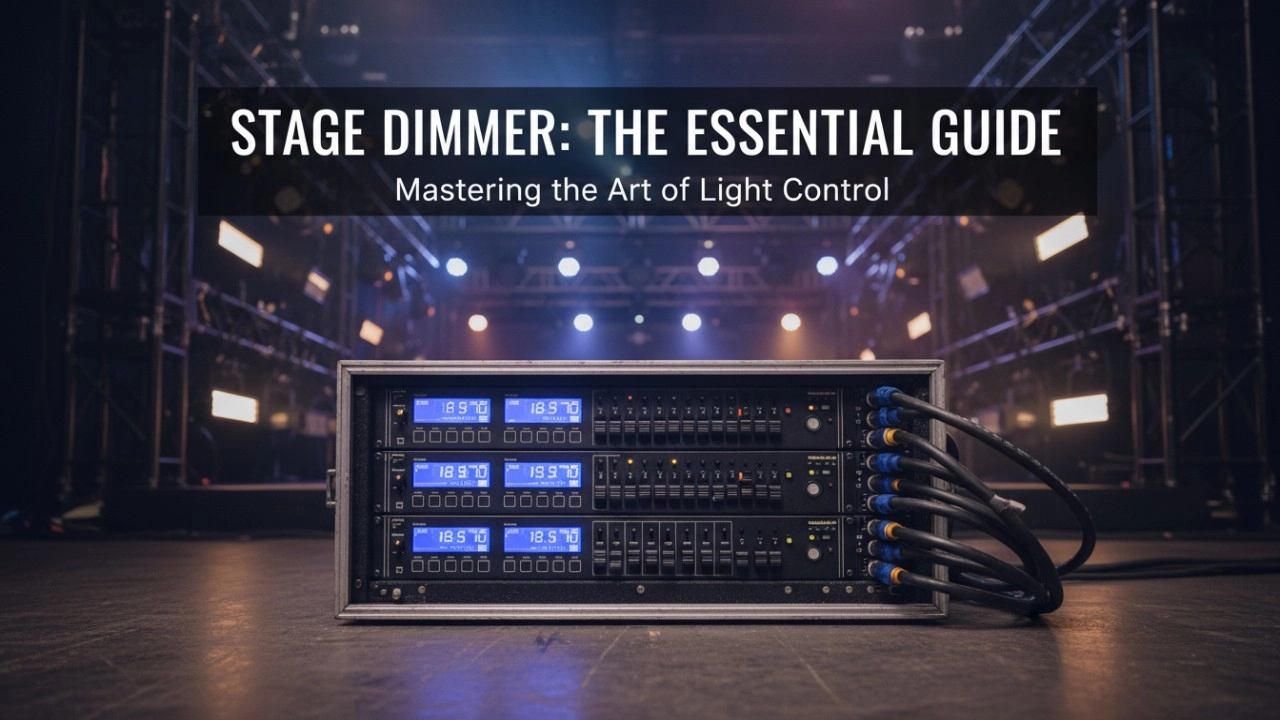
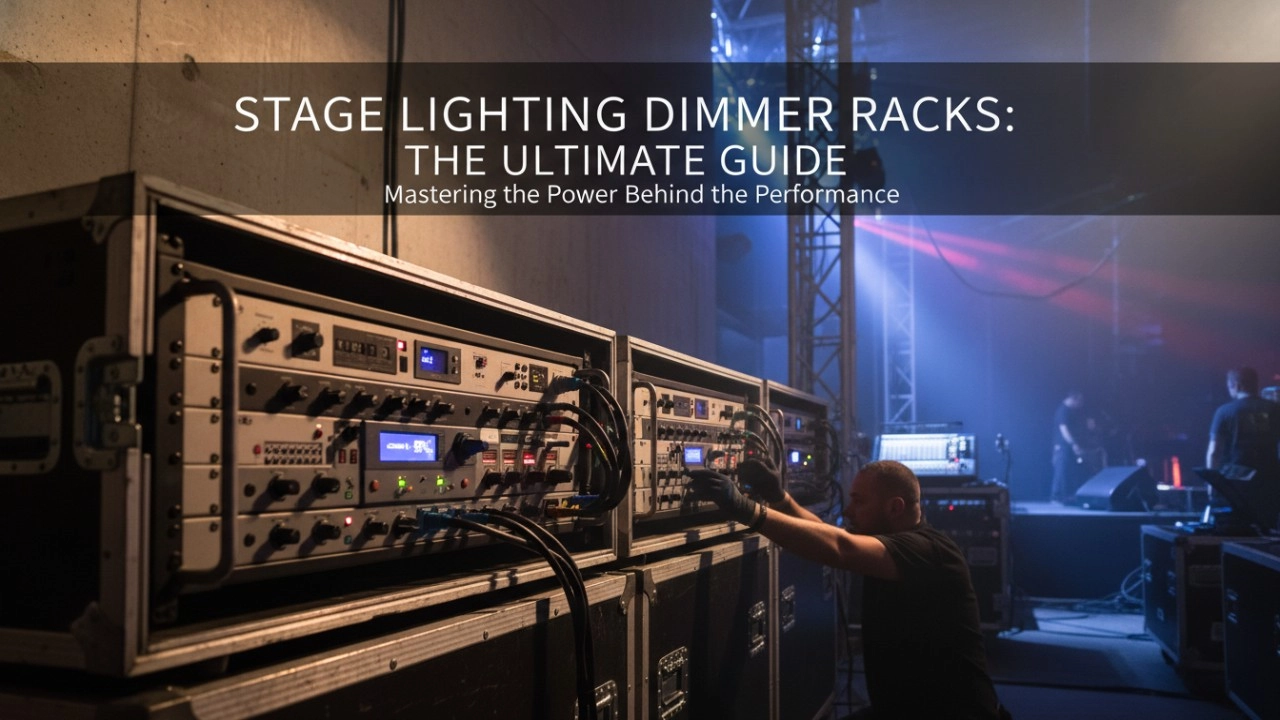
A comprehensive 2026 guide to selecting high-performance stage lighting dimmer racks. We review top hybrid systems, explore SCR vs sine wave technology, and analyze essential features like ThruPower for modern venues.
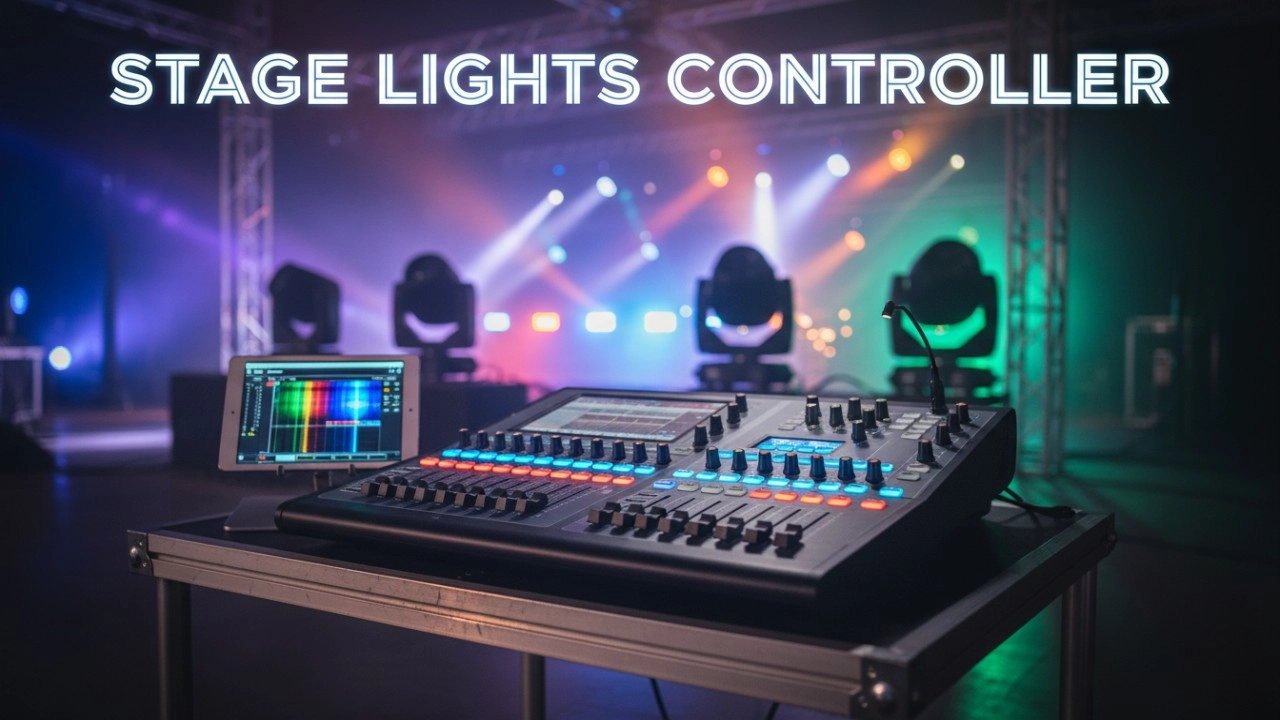
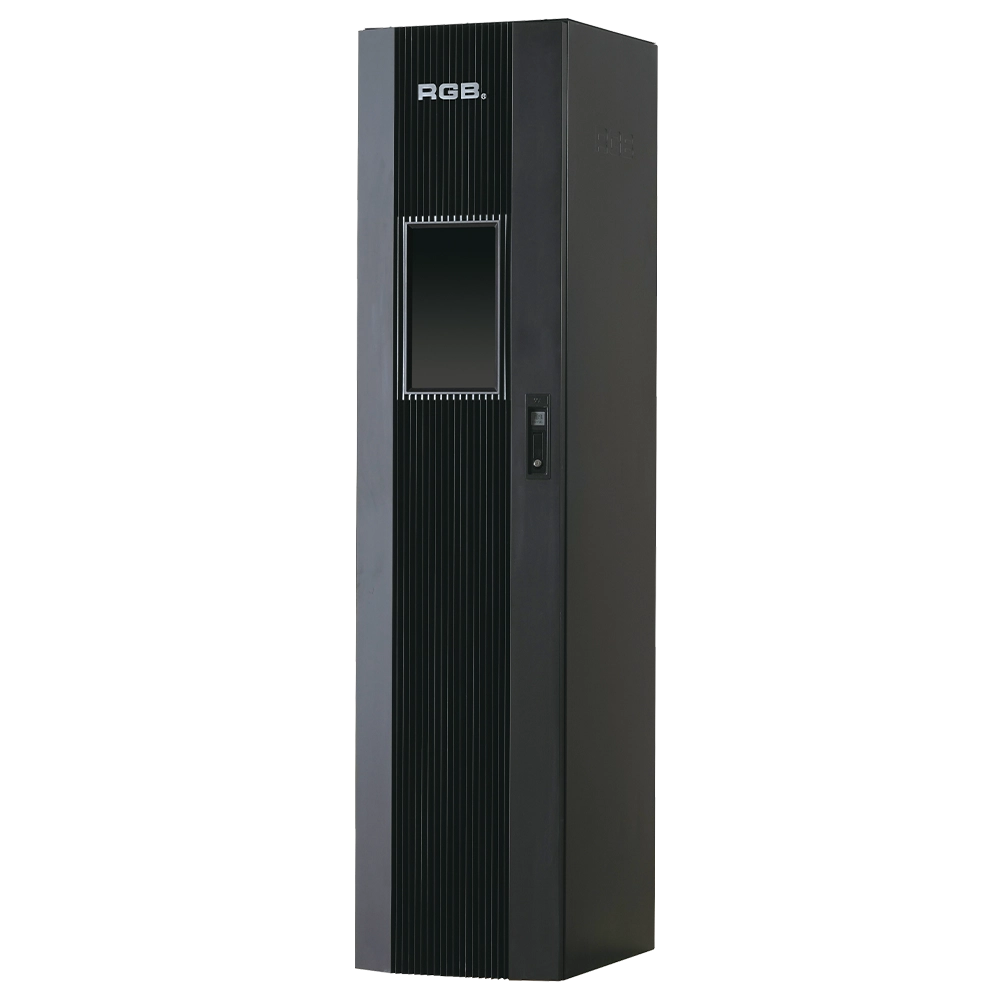
9i intelligent network Dimmer/Relay Racks
9i is an artificial intelligence dimming racks independently developed by RGB, which has completely independent core technology and obtained software Copyrights, all digital electrodeless trigger and multi-backup independent CPU central processor technology. It has a variety of output configurations such as sine wave, thyR, relay and dimming relay mix, and supports visual lighting control system and visually displays the online and offline status of dimming racks. Realize remote monitoring, editing and setting of relevant parameters.
It is suitable for the lighting control needs of different places such as high standard grand theater, TV station, gymnasium and environmental intelligent lighting.
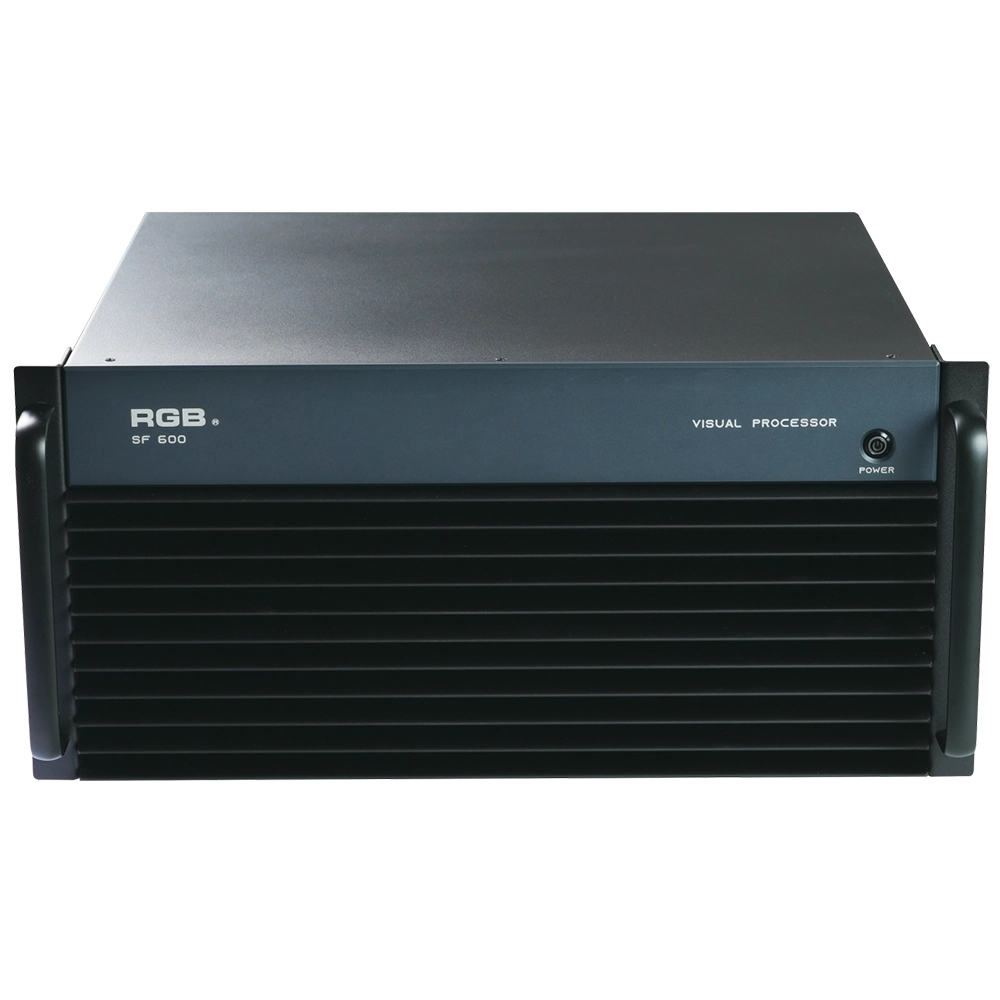
SF600 Visual R-net central processing processor
The SF600 Visual R-net central processing processor by RGB delivers advanced visual systems performance with high-speed processing and seamless integration. Designed for efficiency and reliability, it’s ideal for enhancing your visual system applications in corporate environments.
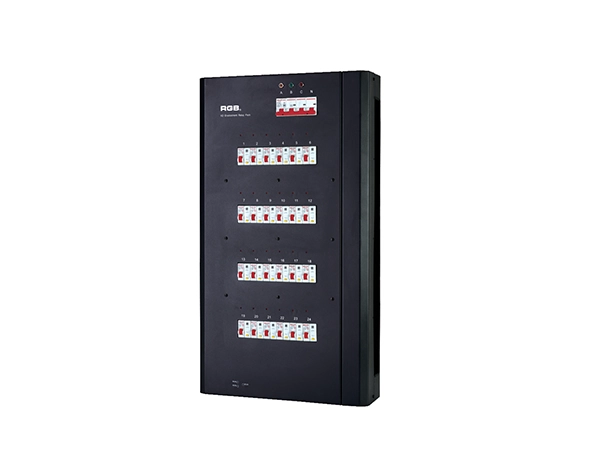
K2 Intelligent Network Relay Racks
K series is the newly developed and produced product of all-weather smart network relay cabinet. It has two major indoor and outdoor waterproof series and has multiple network control modes, such as double DMX512, sACN, ART-net, etc, which can control any equipment like resistive, inductive and capacitive and so on
K series has two major series from the perspective of function, namely, K2 ordinary type and KW2 waterproof type. It has two modes of installation, one is hanging on the wall, and the other is cabinet. It has three specifications of output circuit, namely, 24, 48 and 60 respectively.
K series applies to different performance places, such as, outdoor cultural tourism, TV station, theater, stadium and ambient intelligence lighting and so on.
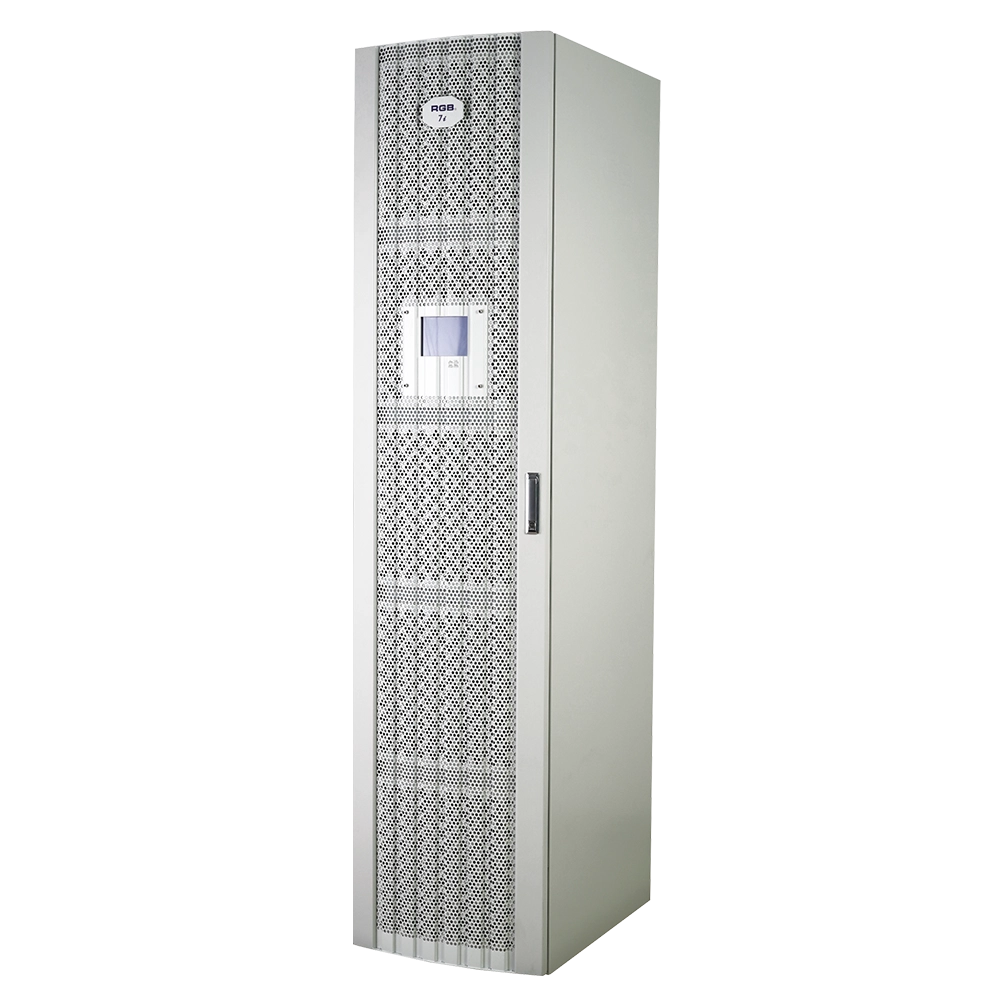
7i Dimmer/Relay Racks
7i is RGB independent research and development, with completely independent core technology, full digital decoding technology dimming racks, using a dual system, double decoding, double trigger, and duplex dual backup central decoding processor, with thyristor, relay, dimming relay mixed and other output configurations, supporting a visual lighting control system, intuitive display of dimming racks' online and offline status, and remote monitoring.
It is widely used in performing arts and cultural venues such as theaters, concert halls, multi-function halls, cultural travel and performing arts, TV stations, gymnasiums, auditoriums, commercial art lighting and so on.
Expert Support
Interested in learning more or need expert guidance related to this article? Fill in your details, and our team will provide tailored support.
Intelligent Control. Brilliant Performance.
RGB specializes in stage lighting control systems, delivering intelligent, reliable, and high-performance solutions for theaters and performance spaces worldwide.
Contact
Email:
Tel:
+86 20 3928 0245
+86 20 3928 0247
Address:
No.3, Huashan Road, Shilou Town, Panyu, Guangzhou, China.
Whatsapp: +8615975520131