
Digital dimmer pack vs LED drivers: which to buy?
|
- Can a single digital dimmer pack reliably dim both traditional incandescent/halogen fixtures and modern 'dimmable' LED stage lights without issues like flickering or premature fixture failure?
- What are the practical differences between SCR and IGBT-based digital dimmer packs in terms of dimming quality, audible noise, and suitability for different stage lighting applications, and which technology offers better long-term value?
- My 'dimmable' LED fixtures behave erratically (e.g., jumpy transitions, not dimming to zero, or flickering at low levels) when connected to my digital dimmer pack. Is this a dimmer issue, a fixture issue, or a configuration problem I can fix?
- Beyond traditional incandescent lamps, what specific types of stage lighting loads (e.g., low-voltage halogens with transformers, motor-driven effects, discharge lamps) can or cannot be safely controlled by a standard digital dimmer pack, and when should I consider a relay pack or dedicated power distribution?
- Digital Dimmer Pack vs. LED Drivers: If my new LED stage lights already have internal LED drivers, do I still need to connect them to a digital dimmer pack, or can I bypass the dimmer for direct DMX control, and what are the implications of each approach?
- How do modern digital dimmer packs contribute to energy efficiency and power quality in a venue, especially when dimming fixtures to low levels, and what features should I look for to minimize electrical noise and operational costs?
Digital Dimmer Pack vs. LED Drivers: An Expert Guide for Stage Lighting Professionals
As lighting technology evolves, so does the complexity of choosing the right control systems. For stage lighting professionals, understanding the intricate differences between traditional digital dimmer packs and modern LED drivers is paramount. This guide addresses six critical, often misunderstood questions that beginners frequently encounter, providing in-depth, up-to-date answers to help you make informed decisions for your theatrical, concert, or architectural lighting setups.
Can a single digital dimmer pack reliably dim both traditional incandescent/halogen fixtures and modern 'dimmable' LED stage lights without issues like flickering or premature fixture failure?
This is a common and critical question for venues with mixed lighting inventories. While it's technically possible for some advanced, universal digital dimmer packs to handle both resistive loads (incandescent/halogen) and certain dimmable LED fixtures, it's rarely optimal without careful consideration. Traditional digital dimmer packs typically use phase-cut dimming (either leading edge or trailing edge) designed for simple resistive loads. LEDs, however, rely on internal LED drivers that convert AC to DC and often prefer trailing edge dimming or specific PWM dimming protocols. Connecting a sensitive LED fixture to a basic leading edge dimmer designed for incandescent lamps can lead to several problems:
- Flickering or Strobing: The LED driver may struggle to interpret the chopped AC waveform, resulting in noticeable flicker, especially at lower dimming levels.
- Limited Dimming Range: LEDs might not dim smoothly to zero or achieve full brightness, often cutting out abruptly.
- Audible Buzzing: The LED driver's components can resonate with the dimmer's switching frequency.
- Premature Failure: Incompatible dimming can stress the LED driver, shortening the lifespan of the fixture.
For truly mixed loads, look for hybrid dimmer packs or universal dimmers that offer selectable dimming modes (leading edge, trailing edge, or even 0-10V output) per channel. These advanced DMX dimmer packs often feature sophisticated filtering and adjustable dimming curves to better accommodate diverse fixture types, ensuring flicker-free dimming and optimal performance. However, for critical applications, dedicated DMX-controlled LED fixtures with internal drivers are generally preferred, bypassing the dimmer pack entirely for the LED load.
What are the practical differences between SCR and IGBT-based digital dimmer packs in terms of dimming quality, audible noise, and suitability for different stage lighting applications, and which technology offers better long-term value?
The choice between SCR (Silicon Controlled Rectifier) dimmers and IGBT (Insulated Gate Bipolar Transistor) dimmers within digital dimmer packs significantly impacts performance. Both are types of thyristor-based devices used for phase-cut dimming, but their characteristics differ:
- SCR Dimmers: These are the traditional workhorses, using triac-like technology. They are robust and cost-effective for resistive loads like incandescent and halogen lamps. However, SCRs switch on abruptly, creating a sharp current rise time. This can generate significant electrical noise (EMI/RFI) and acoustic noise (lamp filament hum, dimmer fan noise), especially with inductive loads. Their dimming curve can sometimes feel less smooth with certain loads.
- IGBT Dimmers: Representing a more modern approach, IGBT dimmers offer much smoother switching characteristics. They can achieve a faster rise time and are capable of both leading edge and trailing edge dimming. This results in significantly reduced electrical noise, less lamp filament hum, and often quieter operation from the dimmer pack itself. IGBTs are generally more versatile, better suited for a wider range of loads, including some electronic transformers and even certain dimmable LED fixtures (when configured for trailing edge).
For theatrical lighting and architectural lighting where quiet operation, precise dimming, and compatibility with diverse fixture types are crucial, IGBT dimmer packs offer superior performance and better long-term value. While they might have a higher initial cost, their reduced noise, improved dimming quality, and greater flexibility minimize future upgrade needs and troubleshooting efforts, especially as venues transition to more mixed lighting environments. For purely resistive, high-wattage applications where noise isn't a primary concern, SCRs remain a viable, economical choice.
My 'dimmable' LED fixtures behave erratically (e.g., jumpy transitions, not dimming to zero, or flickering at low levels) when connected to my digital dimmer pack. Is this a dimmer issue, a fixture issue, or a configuration problem I can fix?
Erratic behavior from dimmable LED fixtures connected to a digital dimmer pack is a common frustration, often stemming from a mismatch in expectations or technology. It's usually a combination of factors, and troubleshooting involves checking both the dimmer and the fixture:
- Dimmer Compatibility and Settings:
- Dimming Type Mismatch: Most LEDs prefer trailing edge dimming. If your digital dimmer pack is set to leading edge, this is a primary culprit. Check if your dimmer channels are configurable.
- Dimming Curve: Many DMX dimmer packs offer selectable dimming curves (e.g., linear, square law, S-curve). LEDs often respond better to specific curves. Experiment with different settings on your dimmer.
- Minimum/Maximum Dimming Level: High-quality digital dimmer packs allow you to set a minimum dimming level and maximum dimming level per channel. LEDs often have a practical minimum operating voltage below which they flicker or turn off abruptly. Adjusting the dimmer's minimum output can prevent snap-off issues.
- Load Size: Some dimmers require a minimum load to operate correctly. If you're dimming a very low-wattage LED, it might not meet this threshold.
- Fixture (LED Driver) Characteristics:
- Internal LED Driver Quality: The quality of the LED driver within the fixture is paramount. Cheaper drivers may not handle phase-cut dimming well, leading to flicker or poor range.
- Dimming Protocol: Even if advertised as dimmable, some LEDs are designed for specific protocols like 0-10V, DALI, or direct DMX, not phase-cut dimming.
- Fixture Compatibility List: Reputable LED fixture manufacturers often provide a list of compatible dimmers. Check this first.
Start by ensuring your DMX control is correctly addressed. Then, adjust dimmer settings like dimming mode and curve. If problems persist, consider a different dimmer type (e.g., an IGBT dimmer for trailing edge) or, ideally, use LED fixtures with internal DMX control or dedicated LED drivers that bypass the digital dimmer pack for optimal performance. RDM (Remote Device Management) enabled dimmers and fixtures can sometimes help diagnose compatibility issues.
Beyond traditional incandescent lamps, what specific types of stage lighting loads (e.g., low-voltage halogens with transformers, motor-driven effects, discharge lamps) can or cannot be safely controlled by a standard digital dimmer pack, and when should I consider a relay pack or dedicated power distribution?
Understanding load compatibility is crucial for safety and equipment longevity. A standard digital dimmer pack is primarily designed for resistive loads. Here's a breakdown of other common stage lighting loads:
- Low-Voltage Halogens with Magnetic Transformers (Inductive Loads): These can often be dimmed by digital dimmer packs, but they require dimmers rated for inductive loads (typically SCR dimmers or IGBT dimmers with appropriate filtering). They can cause significant electrical noise and lamp hum. The transformer itself can generate heat.
- Low-Voltage Halogens with Electronic Transformers (Capacitive Loads): These are trickier. Many electronic transformers prefer trailing edge dimming and can be damaged by leading edge dimmers. Always check the transformer's specifications for dimming compatibility. Some advanced universal dimmers can handle them.
- Motor-Driven Effects (e.g., moving mirrors, gobos, fog machines, hazers): These are generally NOT dimmable via a standard digital dimmer pack. Motors require full, un-dimmed power to operate correctly and safely. Trying to dim them can damage the motor, the dimmer, or both. For on/off control of these devices, a DMX switch pack or relay pack is essential. These units provide switched (on/off) power control via DMX, effectively acting as a dimmer bypass.
- Discharge Lamps (e.g., HMI, MSD, MSR): These lamps require specialized ballasts and igniters, and are not dimmable via a standard digital dimmer pack. They operate at full intensity or have internal dimming mechanisms controlled directly via DMX. For power control, use a relay pack or a dedicated power distribution unit (PDU).
- LED Fixtures (with internal drivers): As discussed, while some can be dimmed by specific digital dimmer packs, direct DMX control or dedicated LED drivers are often the preferred and safer method.
In summary, if a device has a motor, a ballast, or complex electronics not specifically designed for phase-cut dimming, it should be connected to a relay pack or a direct, un-dimmed circuit from a power distribution unit. Always consult fixture specifications and err on the side of caution.
Digital Dimmer Pack vs. LED Drivers: If my new LED stage lights already have internal LED drivers, do I still need to connect them to a digital dimmer pack, or can I bypass the dimmer for direct DMX control, and what are the implications of each approach?
This is the core of the modern lighting control dilemma: Digital dimmer pack vs LED drivers. If your new LED stage lights have internal LED drivers that accept direct DMX control (which most professional LED stage lights do), you absolutely should bypass the digital dimmer pack for dimming control. Here's why and the implications:
Bypassing the Dimmer Pack (Recommended for DMX-enabled LEDs):
- How it works: The LED fixture receives constant, un-dimmed power (e.g., 230V AC) directly from a power supply or power distribution unit. Dimming is handled internally by the fixture's constant current driver or constant voltage driver, which receives dimming commands directly via DMX.
- Advantages:
- Optimal Dimming Performance: The internal LED driver is precisely matched to the LEDs, offering the smoothest, most linear, and deepest dimming possible, often to true zero, without flicker.
- Energy Efficiency: No wasted energy in the dimmer pack converting power for a load that already has its own conversion.
- Reduced Heat & Noise: Eliminates the heat and fan noise from the dimmer pack for these channels.
- Simplified Control: Direct DMX control often means more granular control over color, effects, and other parameters, not just intensity.
- Longevity: Reduces stress on the LED driver, potentially extending fixture life.
Connecting to a Digital Dimmer Pack (Generally NOT Recommended for DMX-enabled LEDs):
- How it works: The LED fixture's internal LED driver receives a phase-cut dimming signal from the digital dimmer pack. The internal driver then attempts to interpret this signal and dim the LEDs.
- Risks/Disadvantages:
- Suboptimal Dimming: As discussed in Q3, this often leads to flicker, limited dimming range, jumpy transitions, or failure to dim to zero.
- Damage: Incompatible phase-cut dimming can stress or damage the internal LED driver.
- Redundancy & Inefficiency: You're essentially dimming a device that already has its own dimming capabilities, adding unnecessary complexity and potential energy loss.
- Loss of Features: You lose the ability to control other DMX parameters of the smart LED fixtures directly.
For modern, professional LED stage lighting, the best practice is to provide constant power to the fixtures and control their dimming and other functions directly via DMX. Reserve digital dimmer packs for traditional tungsten, halogen, or incandescent loads, or use the dimmer pack in a dimmer bypass mode (as a switched relay) for non-dimmable devices.
How do modern digital dimmer packs contribute to energy efficiency and power quality in a venue, especially when dimming fixtures to low levels, and what features should I look for to minimize electrical noise and operational costs?
Modern digital dimmer packs have come a long way in addressing energy efficiency and power quality, crucial factors for operational costs and system stability. While traditional dimmers could be less efficient, especially at partial loads, contemporary designs offer significant improvements:
- Improved Efficiency at Partial Load: Older dimmers, particularly large SCR dimmers, could be less efficient when dimming to low levels, as a significant portion of the power was dissipated as heat. Modern IGBT dimmers, with their smoother switching and more advanced control algorithms, are generally more efficient across the dimming range, leading to less wasted energy and reduced cooling requirements.
- Power Factor Correction (PFC): High-quality digital dimmer packs often incorporate power factor correction (PFC). A poor power factor (common with inductive loads or poorly designed dimmers) means more apparent power is drawn from the mains than is actually consumed by the load, leading to higher electricity bills and increased stress on the electrical infrastructure. PFC helps align the current and voltage waveforms, improving efficiency and reducing harmonic distortion.
- Reduced Harmonic Distortion and Electrical Noise: The sharp switching of older SCR dimmers can introduce significant harmonic distortion and electrical noise onto the power lines. This noise can interfere with audio systems, video equipment, and other sensitive electronics. Modern IGBT dimmers and advanced filtering technologies significantly reduce these harmonics and noise, ensuring a cleaner power environment.
- Standby Power Consumption: Look for DMX dimmer packs with low standby power consumption. Even when not actively dimming, dimmers consume a small amount of power. Efficient designs minimize this idle draw.
- Thermal Management: Effective thermal management (e.g., intelligent fan control, efficient heat sinks) in a dimmer pack indicates a well-engineered unit that will operate more reliably and efficiently, reducing the need for excessive cooling in your rack.
To minimize electrical noise and operational costs, prioritize digital dimmer packs with IGBT technology, built-in power factor correction, and advanced filtering. Consider units with intelligent power management features, such as automatic load shedding or configurable minimum/maximum output levels, which can further optimize energy use. While the initial investment might be higher, the long-term savings in energy bills, reduced maintenance, and improved system reliability make these features invaluable for any professional venue.
Choosing the right lighting control system is a critical decision that impacts performance, safety, and operational costs. By understanding the nuances of digital dimmer packs, their various technologies, and their interaction with modern LED drivers, you can ensure your stage lighting system is both powerful and efficient. The key advantages of modern, well-chosen digital dimmer packs include enhanced dimming quality for traditional loads, improved energy efficiency through features like power factor correction, reduced electrical noise, and greater versatility for mixed-load environments when configured correctly. For LED-dominant systems, the integration of smart LED drivers with direct DMX control offers unparalleled precision and efficiency.
For a tailored solution and to discuss your specific stage lighting control needs, please don't hesitate to contact us for a quote. Visit www.rgbsystem.com or email us at info@rgbsystem.com.
Latest News
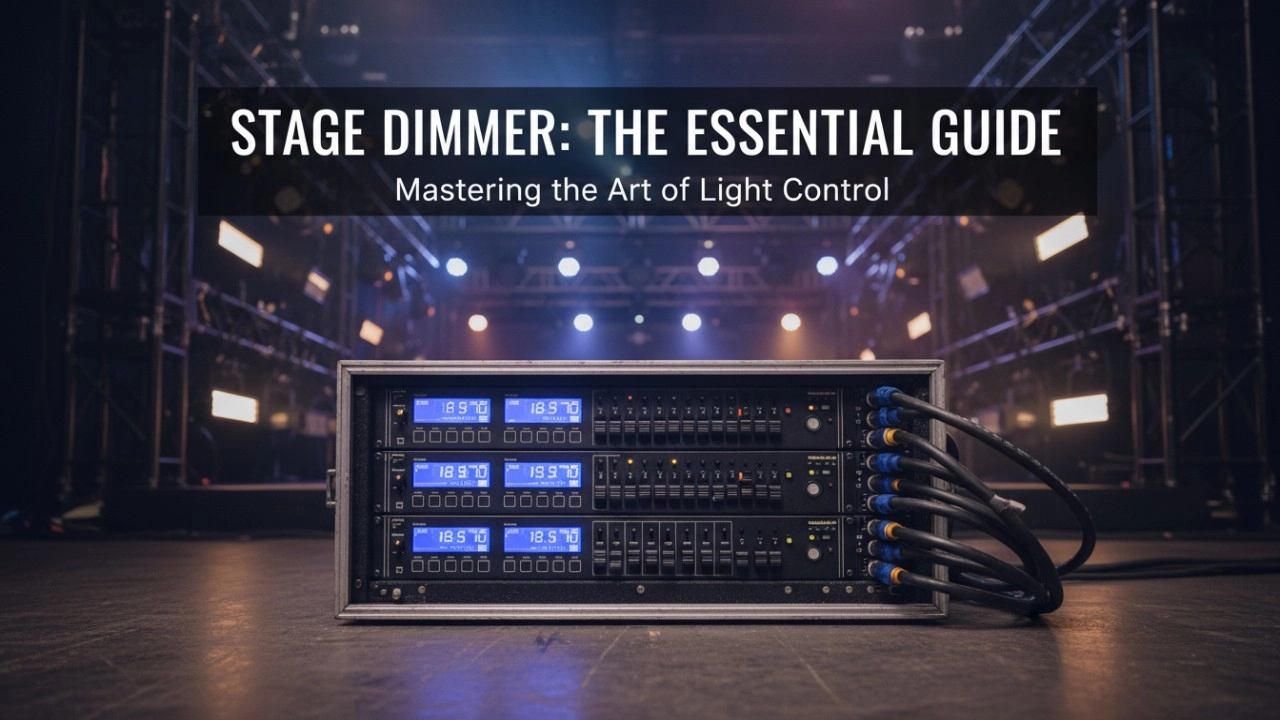
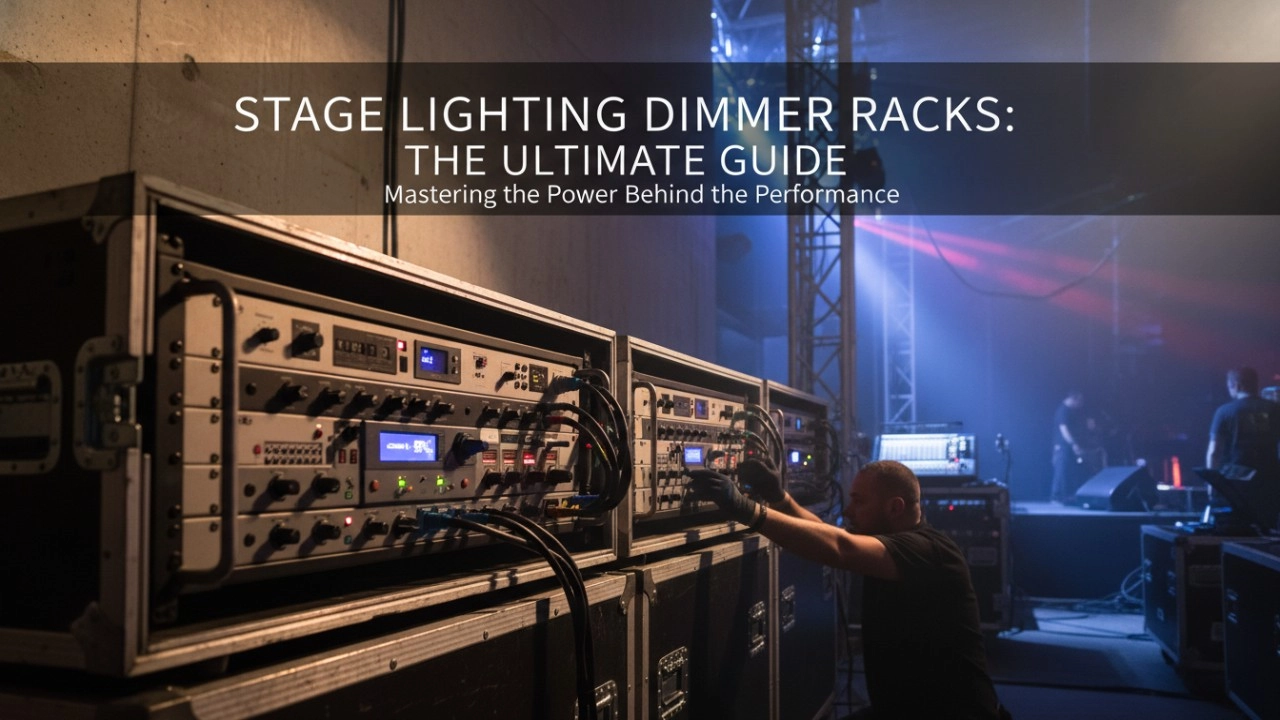
A comprehensive 2026 guide to selecting high-performance stage lighting dimmer racks. We review top hybrid systems, explore SCR vs sine wave technology, and analyze essential features like ThruPower for modern venues.
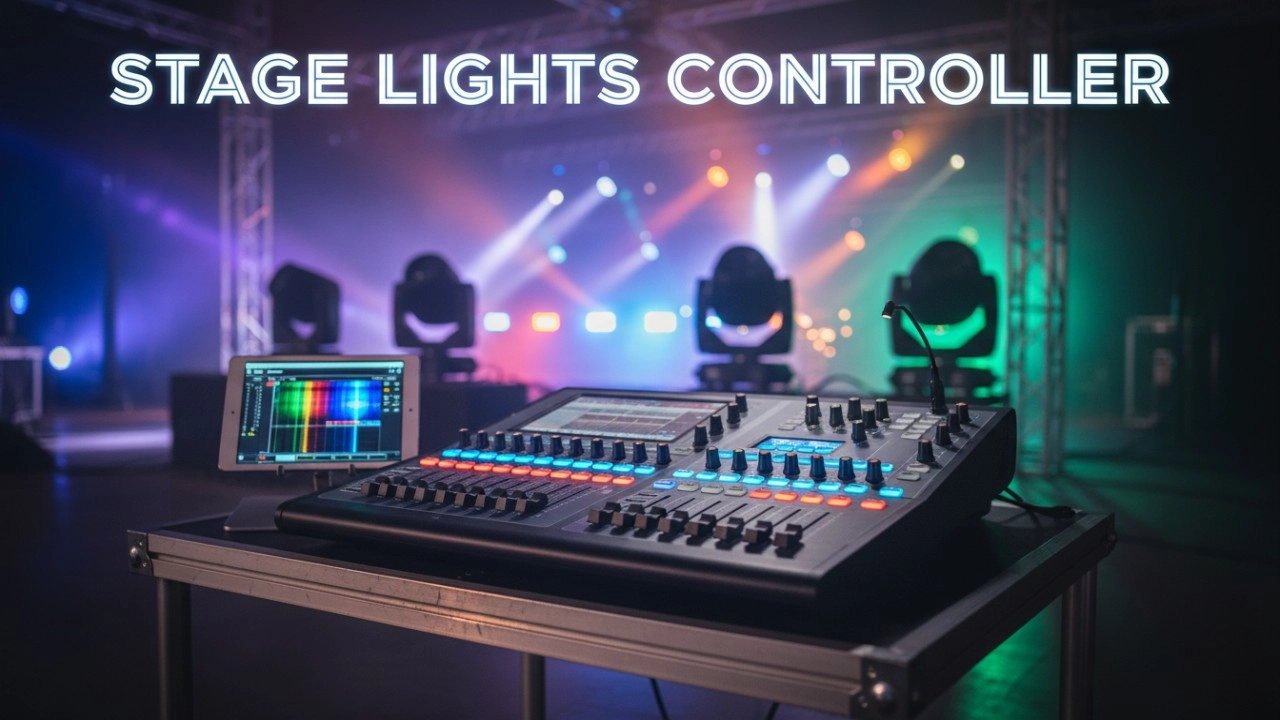
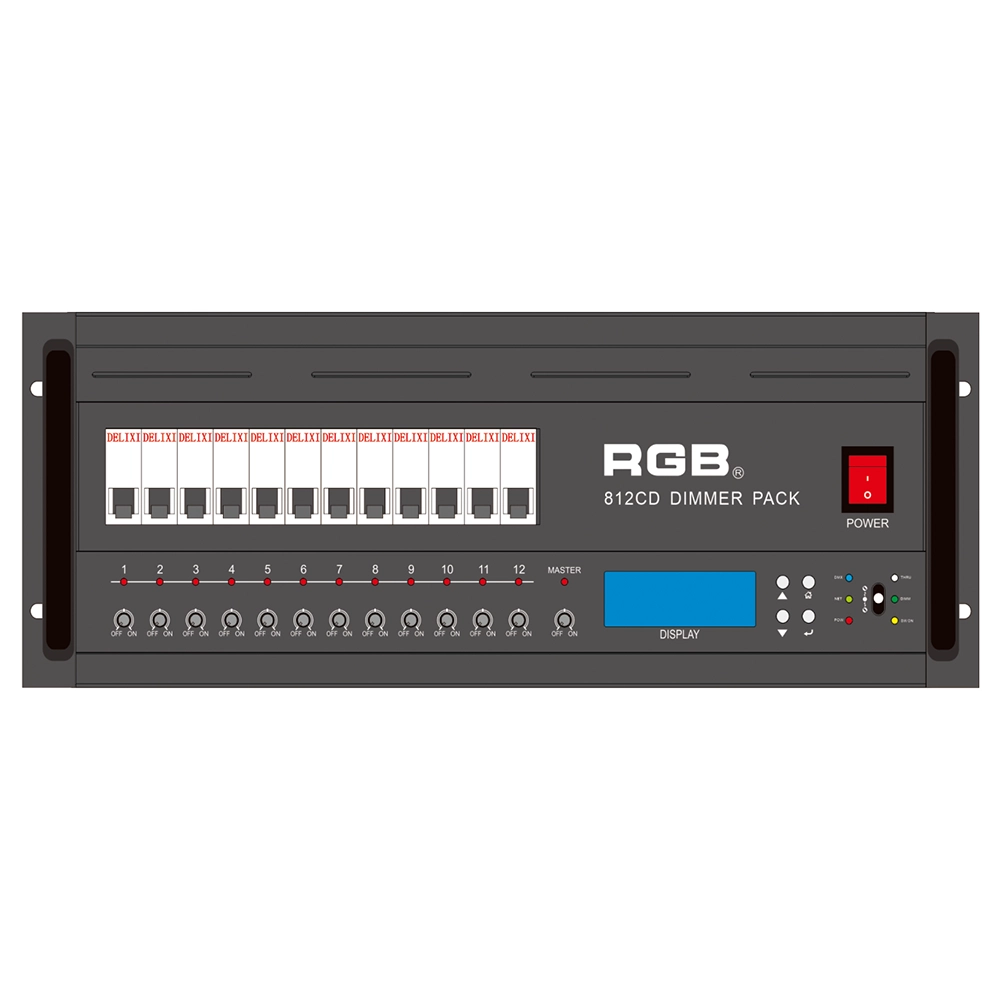
8 Series Intellight Dimmer/Relay Packs
RGB is the latest development and production of all digital, intelligent, and network dimming through the hybrid silicon box. It comes with six channels (806 silicon box), twelve channels (812 silicon box) with analog knob dimming, 49 DMX field recordings and replays (field backup function), and self-programming and recording field. RGB-8 silicon box with DMX512 digital signal input and RJ45 network input interface, with various types of dimming stations at home and abroad used. It is a powerful, stable performance and reliable work of a new generation of intelligent digital dimming through a hybrid silicon box.
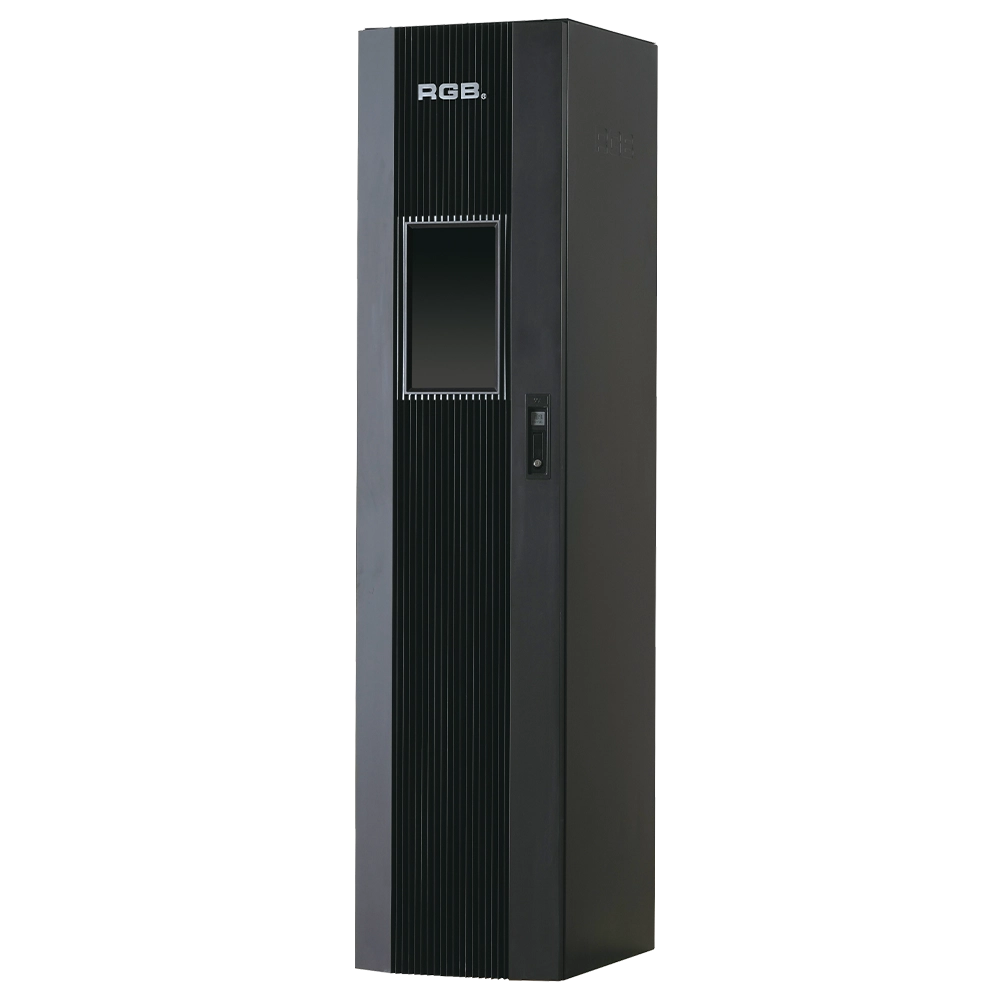
9i intelligent network Dimmer/Relay Racks
9i is an artificial intelligence dimming racks independently developed by RGB, which has completely independent core technology and obtained software Copyrights, all digital electrodeless trigger and multi-backup independent CPU central processor technology. It has a variety of output configurations such as sine wave, thyR, relay and dimming relay mix, and supports visual lighting control system and visually displays the online and offline status of dimming racks. Realize remote monitoring, editing and setting of relevant parameters.
It is suitable for the lighting control needs of different places such as high standard grand theater, TV station, gymnasium and environmental intelligent lighting.
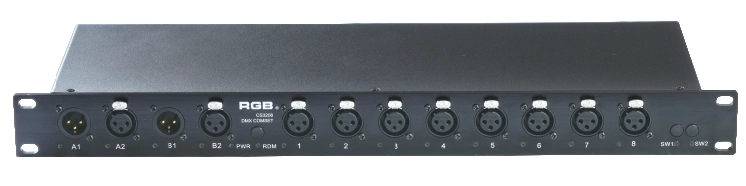
DMX&RDM Signal Mergers Amplifiers
The rack-mounted DMX signal amplifier complies with the DMX-512 standard protocol, improving the transmission quality of DMX-512 signals, ensuring the reliability of system control, and preventing faults such as reverse connection of AC high voltage in the lighting control system, high voltage intrusion due to lightning strikes, and line short circuits, which may affect the stability of the system.
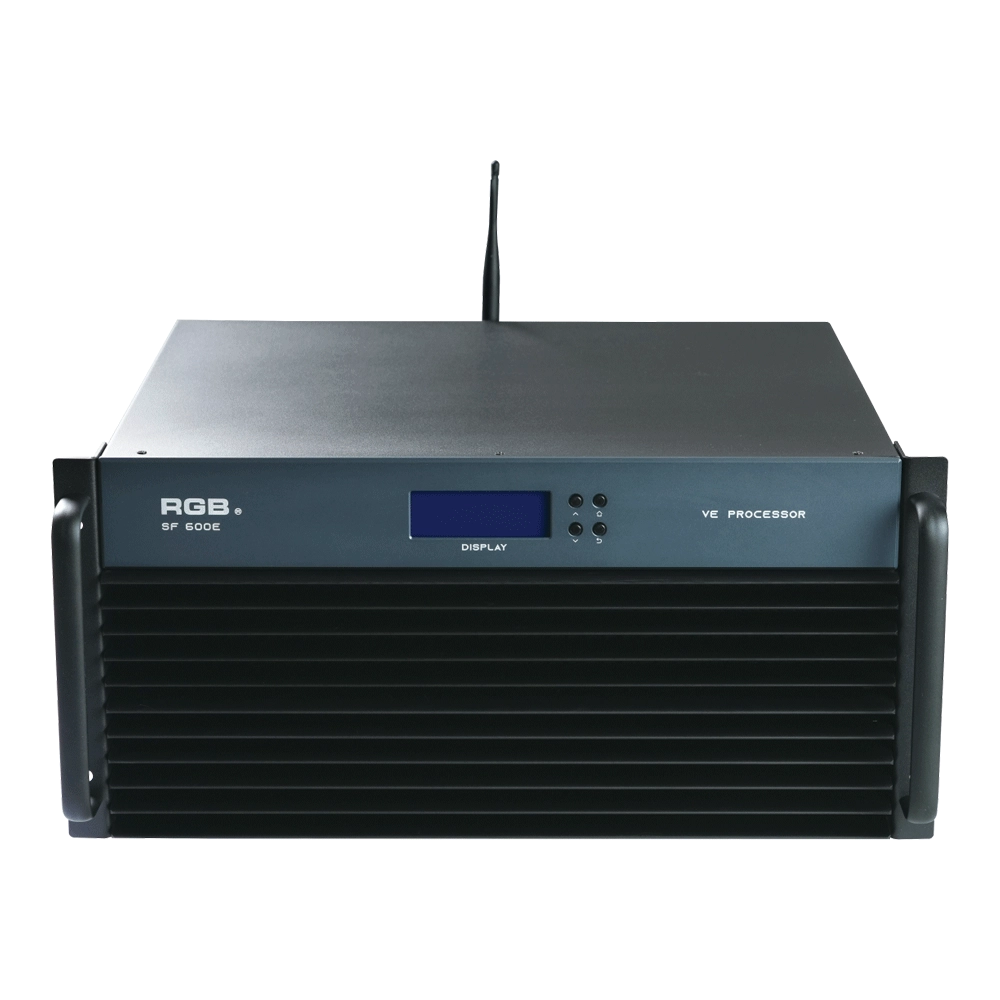
SF600E Visual R-net environment processor
The SF600E Visual R-net environment processor by RGB delivers advanced performance for visual systems. As a leading visual systems manufacturer, RGB ensures seamless integration and high reliability, making SF600E ideal for complex visual processing needs in diverse environments.
Expert Support
Interested in learning more or need expert guidance related to this article? Fill in your details, and our team will provide tailored support.
Intelligent Control. Brilliant Performance.
RGB specializes in stage lighting control systems, delivering intelligent, reliable, and high-performance solutions for theaters and performance spaces worldwide.
Contact
Email:
Tel:
+86 20 3928 0245
+86 20 3928 0247
Address:
No.3, Huashan Road, Shilou Town, Panyu, Guangzhou, China.
Whatsapp: +8615975520131