
Can a digital dimmer pack handle LED stage lighting?
|
- I have a mixed inventory of older incandescent fixtures and newer constant voltage LED stage lights. Can a single digital dimmer pack efficiently power both without causing flicker, damage, or requiring complex rewiring for each fixture type?
- My existing digital dimmer pack uses SCR (Silicon Controlled Rectifier) technology. If I connect modern constant current LED fixtures to it and set the channel to 'non-dim,' will this truly prevent damage or performance issues like flickering, or is a dedicated LED driver always necessary?
- When upgrading my venue from an outdated analog dimming system, what are the critical wiring and control signal (DMX) considerations for integrating a new digital dimmer pack, especially if I plan to incorporate more advanced LED fixtures in the future?
- My venue uses a mix of traditional tungsten and newer dimmable LED fixtures. What specific features should I prioritize in a modern digital dimmer pack to ensure smooth, flicker-free dimming performance across both technologies, especially at very low intensities?
- Beyond simple intensity control, what advanced monitoring, diagnostic, and data feedback capabilities do modern digital dimmer packs offer that can significantly improve energy efficiency, fault detection, and overall system management in a complex stage lighting setup?
- Considering the long-term operational costs, including power consumption, maintenance, and fixture lifespan, how does the initial investment in a high-quality digital dimmer pack compare to using individual LED drivers or less sophisticated dimming solutions for a medium-sized theatrical production?
- What are the common pitfalls or compatibility issues beginners face when trying to integrate a new digital dimmer pack with older DMX consoles or non-standard control devices, and how can these be avoided?
Stage lighting has evolved dramatically, moving from predominantly incandescent sources to a diverse landscape dominated by energy-efficient LEDs. This shift presents unique challenges and opportunities for control systems, particularly concerning the reliable and versatile digital dimmer pack. While traditional dimmers were designed for resistive loads, modern stage lighting control systems must contend with complex electronic loads. This article addresses six critical, often misunderstood questions beginners face when navigating the world of LED dimmer packs and their integration into existing or new setups.
I have a mixed inventory of older incandescent fixtures and newer constant voltage LED stage lights. Can a single digital dimmer pack efficiently power both without causing flicker, damage, or requiring complex rewiring for each fixture type?
Integrating mixed loads is a common challenge, but modern digital dimmer packs are increasingly designed to handle this versatility. The key lies in selecting a hybrid dimmer or a multi-purpose dimmer pack equipped with various output modules. For traditional incandescent (resistive) loads, SCR (Silicon Controlled Rectifier) or thyristor dimmers remain highly effective, providing smooth phase-cut dimming. However, constant voltage LED fixtures, which typically require a stable DC voltage (e.g., 12V or 24V), cannot be directly dimmed by a standard phase-cut dimmer without an appropriate driver.
A sophisticated digital dimmer pack will often feature a combination of output types within the same chassis:
- SCR/Thyristor Modules: For incandescent, halogen, or other resistive loads.
- Solid-State Relay (SSR) Modules: These act as simple on/off switches, providing un-dimmed power suitable for constant voltage LED drivers or other non-dim loads. When set to 'non-dim' mode, they deliver full line voltage without chopping the waveform, which is crucial for the longevity of LED drivers.
- Dedicated LED Dimming Modules: Some advanced LED dimmer packs include modules specifically designed for phase-dimmable LEDs (forward or reverse phase) or even DMX-controlled constant current outputs for specific LED fixtures.
To power both efficiently without flicker or damage, you would assign your incandescent fixtures to SCR channels and your constant voltage LED fixtures (via their drivers) to SSR or dedicated non-dim channels. This approach minimizes rewiring by centralizing power distribution and control, ensuring each load type receives appropriate power, and preventing issues like flickering or premature driver failure.
My existing digital dimmer pack uses SCR (Silicon Controlled Rectifier) technology. If I connect modern constant current LED fixtures to it and set the channel to 'non-dim,' will this truly prevent damage or performance issues like flickering, or is a dedicated LED driver always necessary?
While setting an SCR dimmer channel to 'non-dim' might seem like a simple solution, it often doesn't guarantee optimal performance or safety for modern constant current LED fixtures. An SCR dimmer, by its nature, controls power by rapidly switching the AC waveform on and off (phase control). Even in a 'non-dim' setting, some older or less sophisticated SCR dimmers might still introduce a slight phase cut or generate electrical noise and harmonics.
Constant current LED fixtures are designed to be driven by a constant current, typically provided by an integrated or external constant current LED driver. These drivers are sensitive to the quality of the input power. If an SCR dimmer, even in 'non-dim' mode, delivers a chopped or unstable waveform, it can:
- Stress the LED driver: Leading to overheating, reduced lifespan, or outright failure.
- Cause flickering: The unstable input can interfere with the driver's internal electronics, resulting in visible flicker, especially at lower output levels if the driver attempts to interpret the 'non-dim' signal as a dimming command.
- Generate audible hum: Electrical noise from the SCRs can sometimes be transferred to the LED driver, causing an audible hum.
For constant current LED fixtures, a truly unswitched, clean AC power source is ideal. A dedicated solid-state relay (SSR) module within a power distribution unit or a newer digital dimmer pack is a far superior 'non-dim' solution. SSRs switch the AC waveform at the zero-crossing point, providing a clean, unchopped output that is much safer and more reliable for sensitive LED drivers. Therefore, while 'non-dim' on an SCR dimmer might work in some limited cases, a dedicated LED driver fed by a clean, unswitched power source (ideally from an SSR or direct circuit breaker) is always the recommended and safest approach to ensure longevity and optimal performance for constant current LEDs.
When upgrading my venue from an outdated analog dimming system, what are the critical wiring and control signal (DMX) considerations for integrating a new digital dimmer pack, especially if I plan to incorporate more advanced LED fixtures in the future?
Upgrading from an analog (e.g., 0-10V) dimming system to a digital dimmer pack with DMX512 control involves several critical considerations:
Control Signal Transition (Analog to DMX): Your old system likely used multi-conductor cables for 0-10V analog control. The new system will primarily use DMX512, which requires a single 5-pin (or sometimes 3-pin) XLR cable for control data. Ensure your control console is DMX-compatible. You'll need to run new DMX cabling (daisy-chaining from the console to the dimmer pack, with a terminator at the end of the chain) or install a DMX splitter/opto-isolator for larger systems to ensure signal integrity and protect equipment.
Power Distribution Wiring: While the control signal changes, the fundamental power wiring from the dimmer pack to the fixtures often remains similar. Each dimmer channel typically requires dedicated load wiring (e.g., 12AWG or 14AWG) to its respective fixture. Ensure the existing wiring gauge is appropriate for the new dimmer pack's channel capacities and that all circuits are properly grounded. Inspect for any degradation in older wiring that might not meet current safety standards.
Circuit Breaker Protection: Modern digital dimmer packs include robust circuit breakers for each channel. Verify that these match the load requirements and local electrical codes. Replacing an old system is an opportune time to ensure all overcurrent protection is up to date.
Future-Proofing for Advanced LEDs:
- Modular Design: Choose a digital dimmer pack with a modular design, allowing you to swap out SCR modules for SSR or dedicated LED dimming modules as your LED inventory grows.
- RDM (Remote Device Management) Compatibility: RDM allows two-way communication over DMX, enabling remote configuration, monitoring, and diagnostics of the dimmer pack and RDM-enabled fixtures. This is invaluable for complex entertainment lighting setups.
- Network Protocols: Consider dimmer packs that also support sACN or Art-Net over Ethernet. These control protocols offer significantly more channels and greater flexibility for future expansion, especially with pixel-mapped or complex intelligent lighting fixtures.
- Sufficient Channel Count: Plan for future expansion by selecting a dimmer pack with more channels than your immediate needs.
By carefully planning these aspects, you can ensure a smooth transition and build a robust, future-ready stage light control system.
My venue uses a mix of traditional tungsten and newer dimmable LED fixtures. What specific features should I prioritize in a modern digital dimmer pack to ensure smooth, flicker-free dimming performance across both technologies, especially at very low intensities?
Achieving smooth, flicker-free dimming for both tungsten and dimmable LED fixtures, particularly at low intensities, requires a digital dimmer pack with advanced features that address the inherent differences in how these loads respond to power changes. Prioritize the following:
Hybrid Output Modules: As discussed, a hybrid dimmer with both SCR (for tungsten) and solid-state relay (SSR) or dedicated phase-dimmable LED modules is crucial. SSRs provide clean, unchopped power for non-dimmable LED drivers, while specialized LED modules offer optimized dimming curves for phase-dimmable LEDs.
Advanced Dimming Curves: Tungsten and LED fixtures respond differently to a linear change in voltage or current. A high-quality digital dimmer pack offers selectable dimming curves (e.g., linear, square, S-curve, exponential). For tungsten, a square or S-curve often provides a more visually linear dimming response. For LEDs, specific curves can compensate for their non-linear light output, ensuring smoother transitions, especially at the critical 0-10% range where flicker is most noticeable.
High-Resolution Dimming (16-bit): Standard DMX512 provides 8-bit resolution (256 steps), which can result in visible 'steps' or jumps in intensity, particularly at low levels, for sensitive LED fixtures. A digital dimmer pack that supports 16-bit dimming (65,536 steps) for its LED channels offers significantly finer control, eliminating stepping and ensuring incredibly smooth fades, even at the lowest intensities. While the DMX signal itself is 8-bit, the dimmer pack can internally interpolate to 16-bit for smoother output.
Power Factor Correction (PFC): This feature is vital for energy efficiency and overall power quality, especially with electronic loads like LED drivers. PFC minimizes reactive power, reducing current draw, heat generation, and strain on your electrical infrastructure. It also helps stabilize the power delivered to sensitive LED drivers, contributing to more consistent and flicker-free operation.
Fast Rise Times (for SCRs): For tungsten loads, a faster rise time in the SCR output helps prevent filament hum. While not directly related to LED dimming, it's a quality indicator for the SCR modules within a hybrid pack.
By focusing on these features, you can select a stage lighting dimmer that provides exceptional, flicker-free performance across your diverse fixture inventory.
Beyond simple intensity control, what advanced monitoring, diagnostic, and data feedback capabilities do modern digital dimmer packs offer that can significantly improve energy efficiency, fault detection, and overall system management in a complex stage lighting setup?
Modern digital dimmer packs are far more than just power regulators; they are intelligent nodes in a sophisticated stage lighting control system, offering a wealth of monitoring, diagnostic, and data feedback capabilities that significantly enhance operational efficiency and system reliability:
Remote Device Management (RDM): This is a game-changer. RDM allows two-way communication over standard DMX lines. From your console or a dedicated RDM controller, you can remotely:
- Configure dimmer pack settings (e.g., dimming curves, channel modes, DMX addresses).
- Monitor real-time status (e.g., temperature, fan speed, input voltage).
- Receive fault alerts (e.g., overcurrent, short circuit, over-temperature, missing load).
- Identify connected fixtures and their properties.
Energy Monitoring: Many advanced digital dimmer packs provide granular data on power consumption per channel, including current (Amps), voltage (Volts), and actual power (Watts/kVA). This data is invaluable for:
- Energy Efficiency: Identifying high-consumption areas, optimizing load distribution, and tracking energy savings from LED upgrades.
- Load Balancing: Ensuring phases are balanced to prevent overloading and maximize efficiency.
- Cost Analysis: Accurate tracking of operational costs for different productions.
Advanced Fault Detection and Reporting: Beyond basic circuit breakers, modern dimmers can detect and report:
- Missing Load: Alerting you if a fixture is unplugged or has failed.
- Over-temperature: Preventing damage from overheating.
- Short Circuit/Overcurrent: Immediate shutdown of affected channels to protect equipment and wiring.
- Input Power Anomalies: Monitoring for brownouts, over-voltage, or phase loss.
- Logging: Storing event logs for troubleshooting and preventative maintenance.
Network Integration (sACN/Art-Net): Dimmer packs with Ethernet connectivity can integrate into larger network-based control systems. This allows for centralized monitoring and control from a single interface, often a PC or dedicated server, facilitating easier management of complex entertainment lighting installations.
Predictive Maintenance: By monitoring parameters like temperature, fan hours, and fault history, technicians can anticipate potential failures and schedule maintenance proactively, minimizing downtime during critical productions.
These advanced features transform a digital dimmer pack from a simple power device into an intelligent component of a smart, efficient, and reliable stage lighting control system.
Considering the long-term operational costs, including power consumption, maintenance, and fixture lifespan, how does the initial investment in a high-quality digital dimmer pack compare to using individual LED drivers or less sophisticated dimming solutions for a medium-sized theatrical production?
When evaluating the total cost of ownership (TCO) for a medium-sized theatrical production, the initial investment in a high-quality digital dimmer pack often proves more economical and beneficial than relying solely on individual LED drivers or less sophisticated dimming solutions. Here's a breakdown:
Initial Investment:
- High-Quality Digital Dimmer Pack: The upfront cost can be significant, especially for models with advanced features, multiple output types, and high channel counts. However, this is a centralized investment for a robust piece of infrastructure.
- Individual LED Drivers: While seemingly cheaper per fixture, the cumulative cost of purchasing and installing a separate, often specialized, driver for every single LED fixture can quickly surpass the cost of a centralized dimmer pack. This also increases wiring complexity and labor.
- Less Sophisticated Solutions (e.g., cheap inline dimmers): These have the lowest initial cost but come with significant compromises in performance and reliability.
Power Consumption and Energy Efficiency:
- Digital Dimmer Pack: High-quality digital dimmer packs often incorporate Power Factor Correction (PFC), which significantly improves energy efficiency by reducing reactive power and minimizing current draw. This translates directly into lower electricity bills. Centralized control also allows for precise dimming, preventing unnecessary power waste.
- Individual LED Drivers: While LEDs are inherently efficient, the efficiency of individual drivers varies. Without centralized PFC, the overall power factor of the system might be lower, leading to higher apparent power consumption and potentially higher utility charges. Managing power for dozens or hundreds of individual drivers can be less efficient than a single, optimized power distribution unit.
- Less Sophisticated Solutions: These rarely include PFC, leading to higher energy waste and potentially increased heat.
Maintenance and Reliability:
- Digital Dimmer Pack: Centralized fault detection, RDM capabilities, and robust internal protection mechanisms (overcurrent, over-temperature) lead to easier troubleshooting and reduced maintenance time. A single point of failure (the dimmer pack) is often designed for high reliability and easy module replacement. Fewer individual components mean fewer points of failure overall.
- Individual LED Drivers: Each driver is a potential point of failure. Diagnosing issues across numerous individual drivers can be time-consuming and complex. Replacement costs for failed drivers can add up, and stock management becomes more intricate.
- Less Sophisticated Solutions: Prone to failure, lack diagnostic features, and may not offer adequate protection for fixtures.
Fixture Lifespan:
- Digital Dimmer Pack: By providing stable, clean power and precise dimming, a good digital dimmer pack protects connected fixtures and their drivers, extending their operational lifespan. Advanced dimming curves prevent undue stress on LED components.
- Individual LED Drivers/Less Sophisticated Solutions: Poor power quality, inadequate protection, or imprecise dimming can significantly shorten the lifespan of LED fixtures and their drivers, leading to higher replacement costs over time.
In conclusion, while the initial outlay for a high-quality digital dimmer pack might seem higher, its long-term benefits in terms of energy savings, reduced maintenance, extended fixture lifespan, and superior control often result in a lower TCO and a more reliable, professional stage lighting system for medium-sized theatrical productions.
What are the common pitfalls or compatibility issues beginners face when trying to integrate a new digital dimmer pack with older DMX consoles or non-standard control devices, and how can these be avoided?
Integrating a new digital dimmer pack with older DMX consoles or non-standard control devices can present several common pitfalls for beginners. Understanding these issues and how to avoid them is crucial for a smooth setup:
DMX Termination Issues:
- Pitfall: Forgetting to terminate the DMX chain. DMX is a serial communication protocol, and the last device in the chain (often the dimmer pack if it's at the end) requires a 120-ohm terminator resistor. Without it, signal reflections can cause erratic behavior, flickering, or loss of control.
- Avoidance: Always use a DMX terminator on the last physical device in your DMX daisy chain. Many dimmer packs have a built-in termination switch; ensure it's activated if the pack is the last device.
DMX Addressing Conflicts:
- Pitfall: Assigning overlapping DMX addresses to multiple channels or devices. If two channels on the dimmer pack, or the dimmer pack and another DMX fixture, respond to the same DMX address, they will conflict, leading to unpredictable control.
- Avoidance: Meticulously plan your DMX universe. Assign unique starting addresses to each digital dimmer pack and ensure that individual channels within the pack are correctly incremented. Keep a clear DMX address map for your entire system.
3-Pin vs. 5-Pin DMX Connectors:
- Pitfall: Attempting to use standard 3-pin XLR audio cables for DMX. While some entry-level DMX devices use 3-pin, DMX512 officially specifies 5-pin XLR. Using 3-pin audio cables can lead to unreliable data transmission due to incorrect impedance and shielding, causing intermittent control or data corruption.
- Avoidance: Always use proper 5-pin DMX cables (or high-quality 3-pin DMX-specific cables if devices are 3-pin) with the correct impedance (120 ohms). Use 3-pin to 5-pin adapters only when absolutely necessary and ensure they are wired correctly for DMX.
DMX Signal Quality and Distance:
- Pitfall: Running excessively long DMX cables or daisy-chaining too many devices (more than 32). This can degrade the DMX signal, leading to unreliable control over distance.
- Avoidance: For longer runs or more than a few devices, use a DMX splitter/opto-isolator. This device regenerates the DMX signal and provides isolated outputs, preventing signal degradation and protecting your console from electrical faults downstream.
Outdated Console Compatibility (DMX Protocol Variations):
- Pitfall: Some very old DMX consoles might have slight variations in their DMX output timing or voltage levels that are less compatible with modern, more stringent digital dimmer pack DMX input specifications.
- Avoidance: Check the specifications of both the console and the dimmer pack. In rare cases, a DMX buffer or protocol converter might be needed to ensure compatibility. However, most modern dimmer packs are quite tolerant.
Non-Standard Control Devices (e.g., custom DIY controllers):
- Pitfall: Attempting to connect a new digital dimmer pack to a home-built or non-standard DMX controller that doesn't fully adhere to the DMX512 standard. This can lead to unpredictable behavior or non-functionality.
- Avoidance: Always use DMX-compliant control devices from reputable manufacturers. If using a custom controller, ensure it has been rigorously tested and verified against the DMX512 standard.
By being mindful of these common issues and implementing best practices for DMX cabling, addressing, and signal management, beginners can successfully integrate their new digital dimmer pack into almost any stage lighting control system.
Modern digital dimmer packs are indispensable tools for any contemporary stage lighting system, offering unparalleled versatility, precise control, and robust reliability. From seamlessly integrating diverse fixture types like traditional tungsten and advanced LEDs to providing critical data for energy efficiency and fault detection, these intelligent devices empower lighting professionals to create stunning visual experiences while optimizing operational costs and ensuring system longevity. Their capacity for advanced DMX control, RDM, and power factor correction makes them a cornerstone for future-proof entertainment lighting setups.
For expert advice on selecting the ideal digital dimmer pack for your specific stage lighting needs or to request a personalized quote, please don't hesitate to contact us at info@rgbsystem.com or visit www.rgbsystem.com.
Latest News
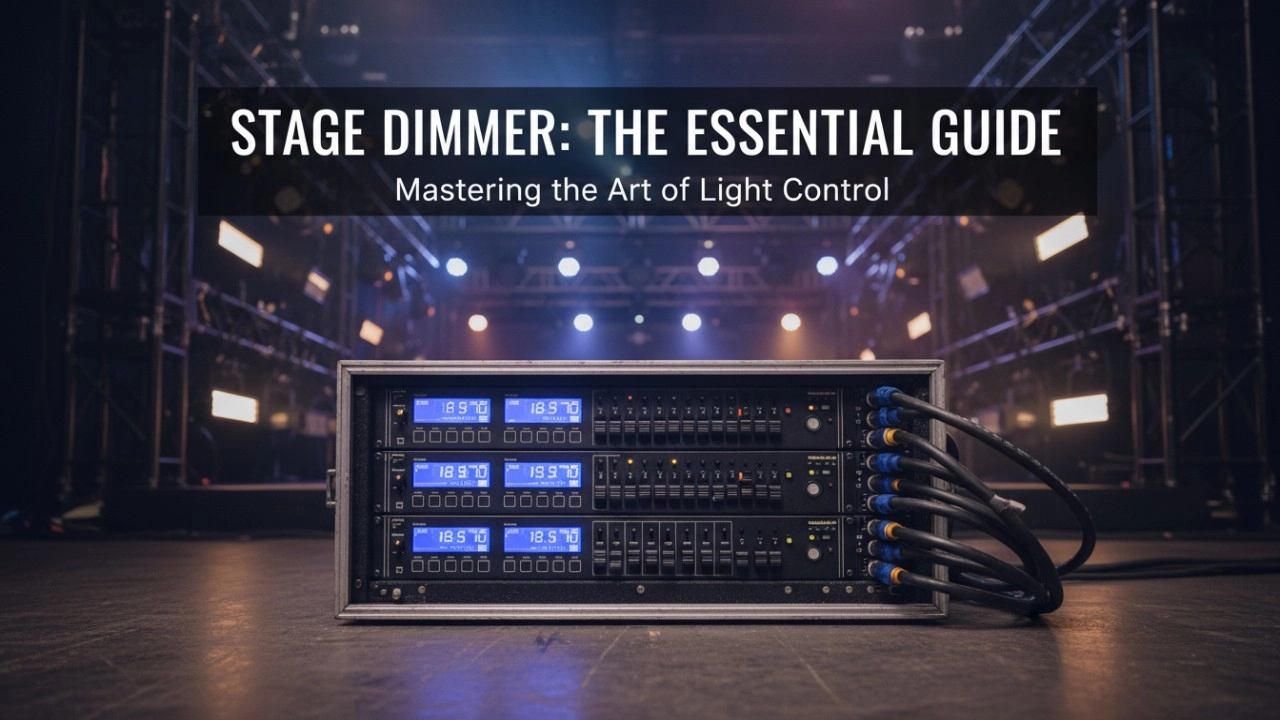
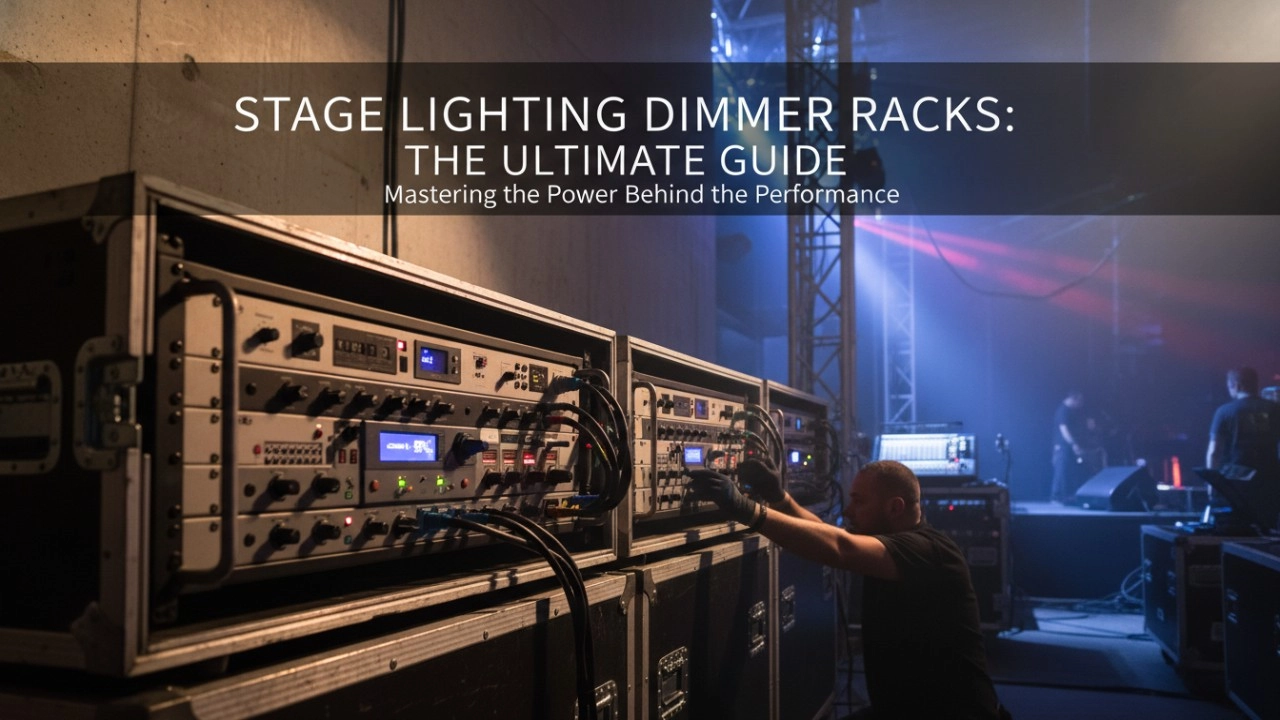
A comprehensive 2026 guide to selecting high-performance stage lighting dimmer racks. We review top hybrid systems, explore SCR vs sine wave technology, and analyze essential features like ThruPower for modern venues.
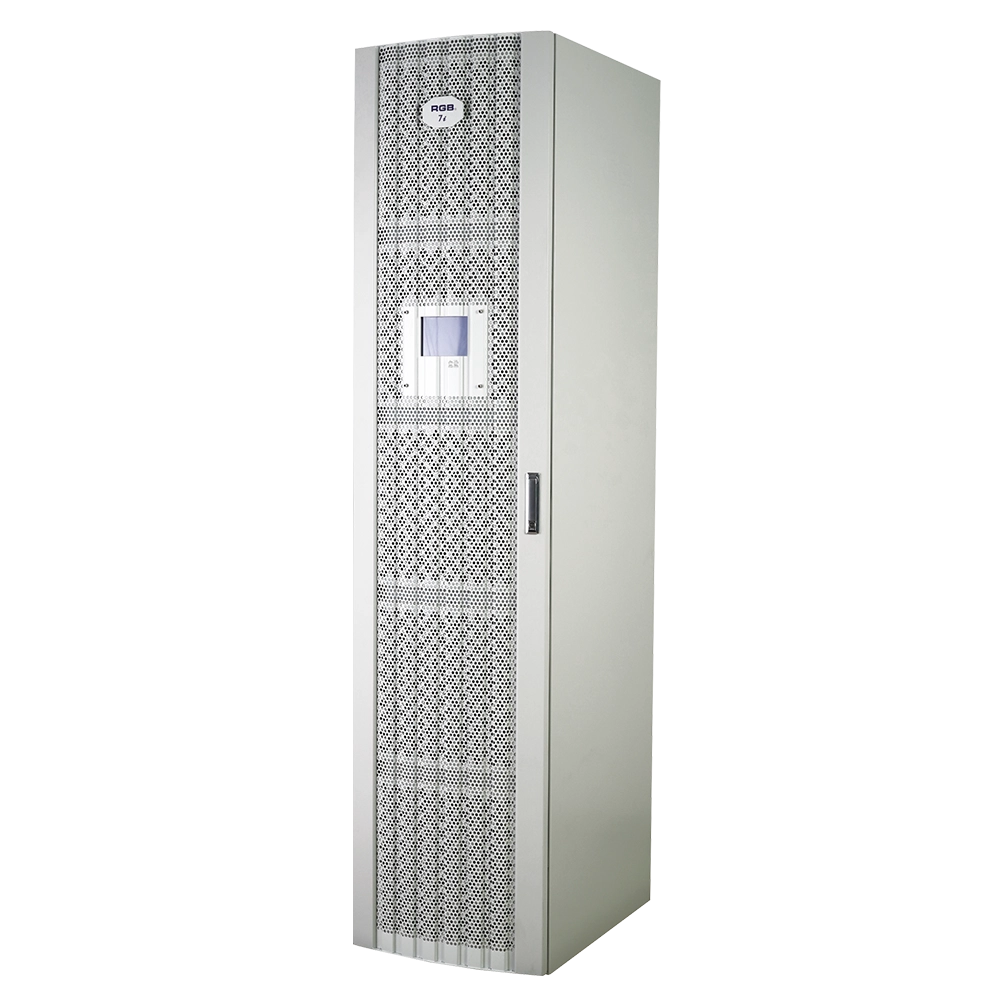
7i Dimmer/Relay Racks
7i is RGB independent research and development, with completely independent core technology, full digital decoding technology dimming racks, using a dual system, double decoding, double trigger, and duplex dual backup central decoding processor, with thyristor, relay, dimming relay mixed and other output configurations, supporting a visual lighting control system, intuitive display of dimming racks' online and offline status, and remote monitoring.
It is widely used in performing arts and cultural venues such as theaters, concert halls, multi-function halls, cultural travel and performing arts, TV stations, gymnasiums, auditoriums, commercial art lighting and so on.
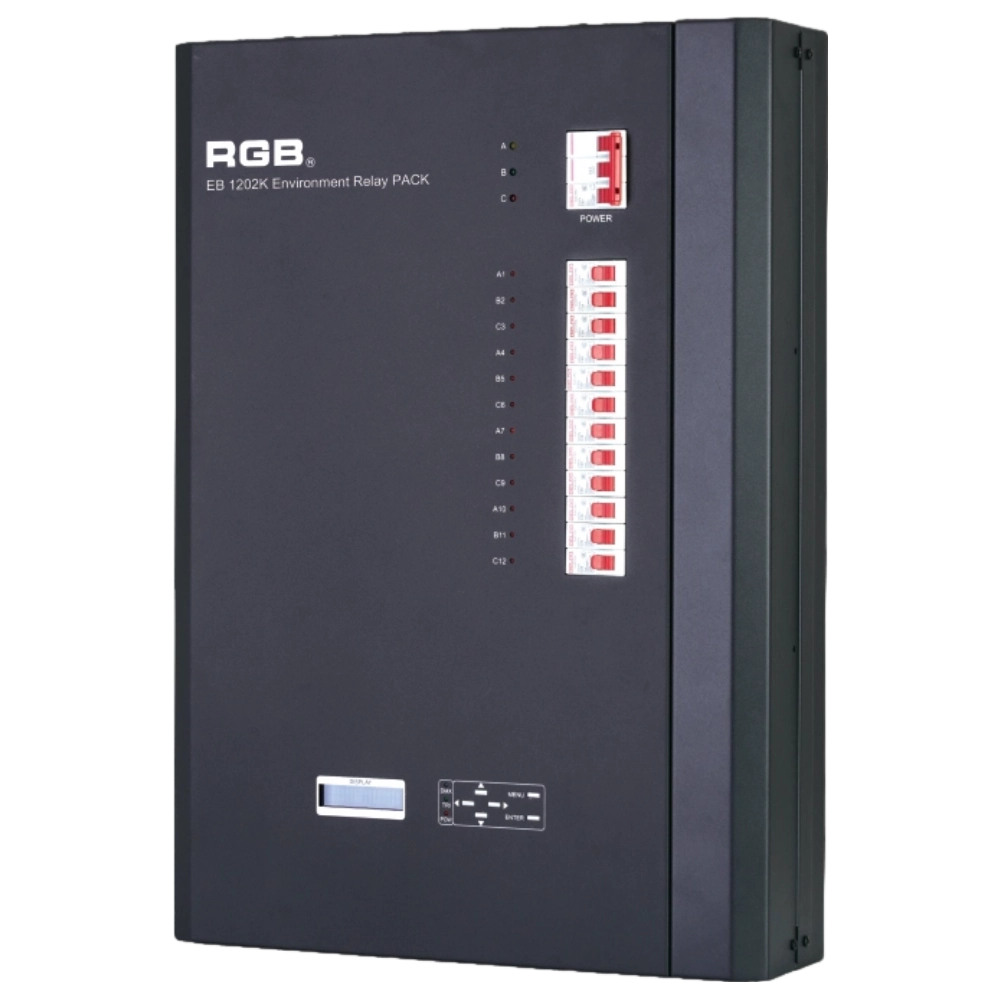
EB1202 Wall-Mounted Smart Site Light Control Series
Wall-mounted smart lighting controller with CE certification, DMX512 compatibility, flexible 12/24-channel output, scene backup, intelligent interface, and multiple dimming curves for precise professional lighting control.
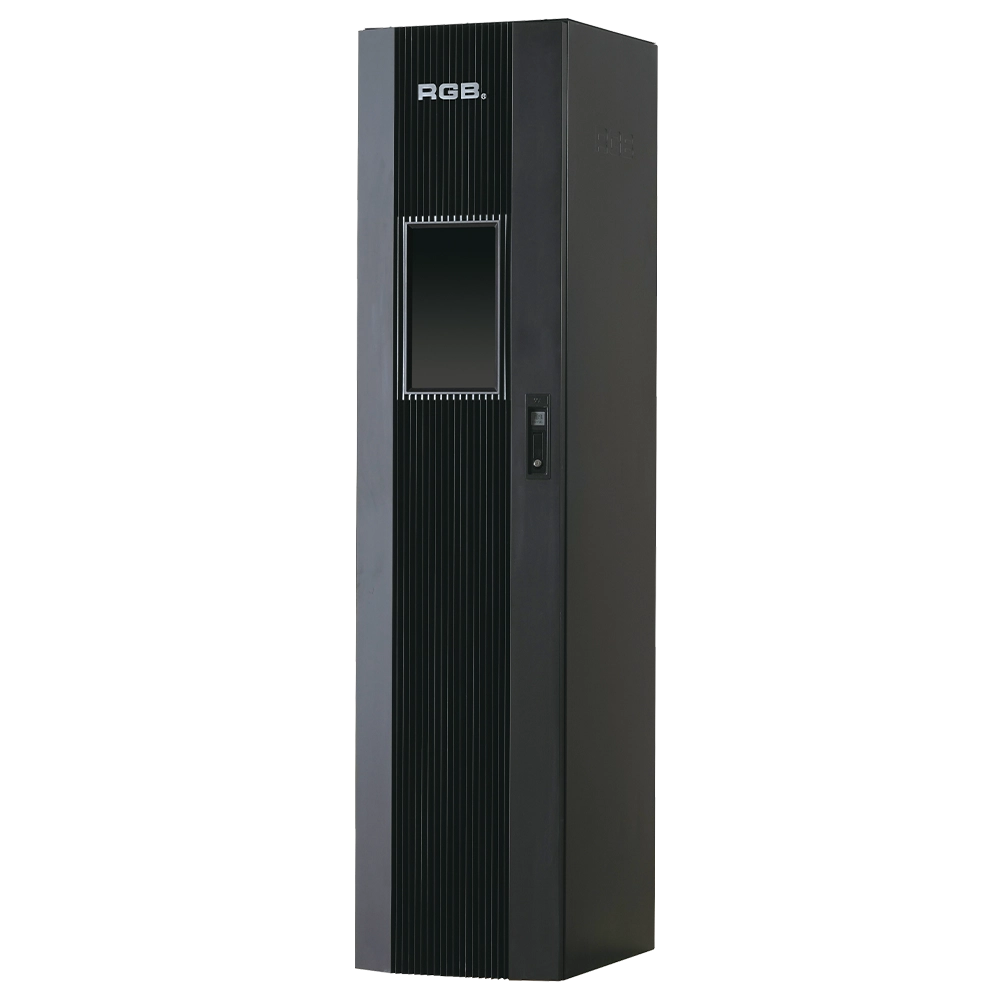
9i intelligent network Dimmer/Relay Racks
9i is an artificial intelligence dimming racks independently developed by RGB, which has completely independent core technology and obtained software Copyrights, all digital electrodeless trigger and multi-backup independent CPU central processor technology. It has a variety of output configurations such as sine wave, thyR, relay and dimming relay mix, and supports visual lighting control system and visually displays the online and offline status of dimming racks. Realize remote monitoring, editing and setting of relevant parameters.
It is suitable for the lighting control needs of different places such as high standard grand theater, TV station, gymnasium and environmental intelligent lighting.
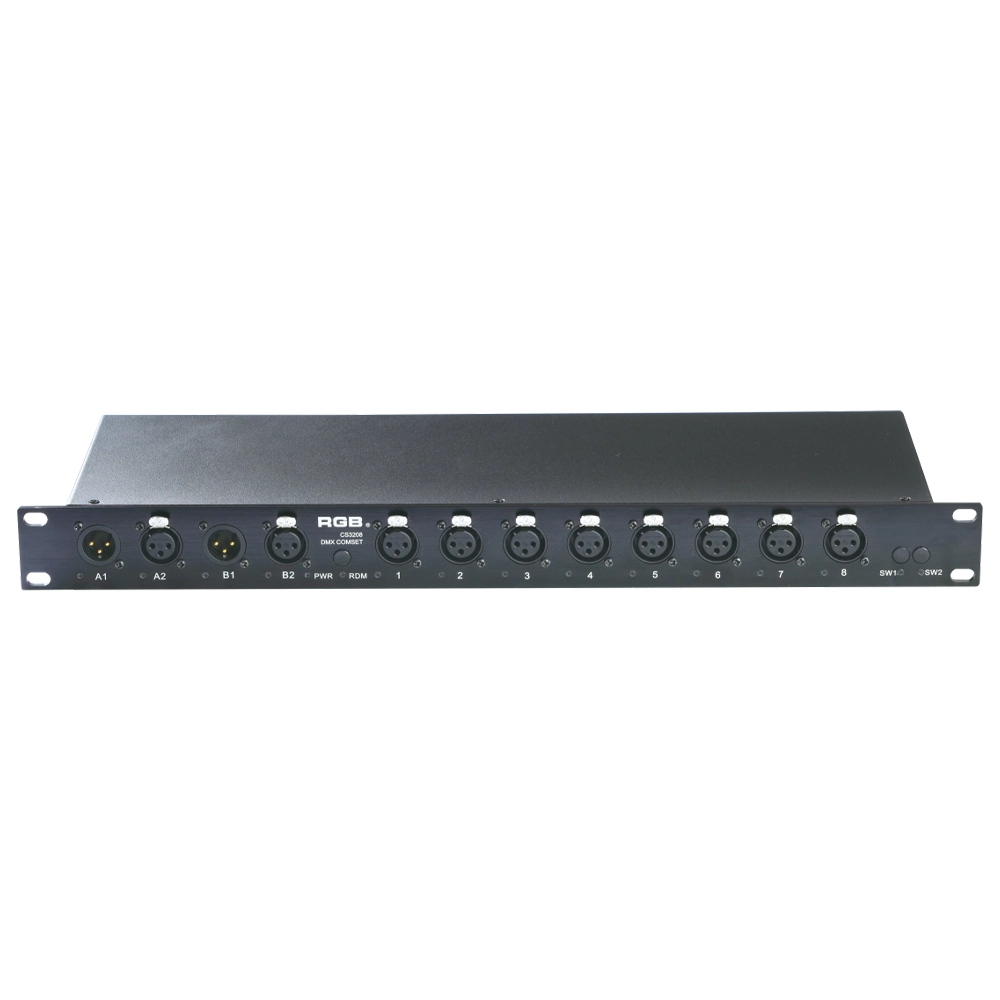
Multifunctional signal supercharger
The rack-mounted DMX signal amplifier complies with the DMX-512 standard protocol, improving DMX-512 signal transmission quality and ensuring reliable system control. It helps prevent issues such as AC high-voltage backflow into lighting control systems, lightning-induced surges, and signal interference caused by short circuits, thereby enhancing overall system stability.
Expert Support
Interested in learning more or need expert guidance related to this article? Fill in your details, and our team will provide tailored support.
Intelligent Control. Brilliant Performance.
RGB specializes in stage lighting control systems, delivering intelligent, reliable, and high-performance solutions for theaters and performance spaces worldwide.
Contact
Email:
Tel:
+86 20 3928 0245
+86 20 3928 0247
Address:
No.3, Huashan Road, Shilou Town, Panyu, Guangzhou, China.
Whatsapp: +8615975520131