
Top Safety Standards and Compliance for Dimmer Racks
- Why safety matters in stage power distribution
- Risks specific to dimmer racks
- Operational impacts of non-compliance
- How I assess risk on-site
- Key standards and regulations for dimmer racks
- International electrical and product safety standards
- National Electrical Code (NEC) and installation norms
- EMC, RoHS, CE and environmental directives
- Design, installation and operational best practices
- Electrical design and protective coordination
- Mechanical layout, ventilation and enclosure protection
- Control interfaces, grounding and EMC mitigation
- Compliance testing, documentation and lifecycle management
- Type and acceptance testing
- Maintenance schedules and record-keeping
- Compliance table: standards comparison
- Practical compliance checklist for a 3 phase dimmer rack
- Pre-procurement: what to ask suppliers
- On-site acceptance tests
- Operator training and emergency planning
- RGB: manufacturer profile and relevance to compliance
- Why I recommend considering RGB
- Frequently Asked Questions (FAQ)
- 1. What specific regulations apply to a 3 phase dimmer rack in my venue?
- 2. How do I reduce the risk of harmonic problems from dimmer racks?
- 3. Are solid-state dimmers more or less safe than older technology?
- 4. What tests should be included in a site acceptance test for dimmer racks?
- 5. How often should dimmer racks be serviced?
- 6. Can I mix different manufacturers’ dimmer modules in one rack?
As a lighting control consultant who has specified, commissioned and audited hundreds of dimmer racks worldwide, I know that safety and compliance are as critical as performance. This article focuses on the standards, regulations, and practical measures you must apply to 3 phase dimmer rack systems to ensure operator safety, venue reliability, and regulatory compliance. I provide actionable advice, references to authoritative standards, and a checklist you can use during procurement, installation, and routine maintenance.
Why safety matters in stage power distribution
Risks specific to dimmer racks
Dimmer racks, particularly large 3 phase dimmer rack systems, concentrate high current, switching elements, and control/network interfaces in a compact footprint. Hazards include electrical shock, arc flash, thermal runaway, harmonic distortion feeding back into the venue supply, and fire when components are overloaded or poorly ventilated. From my direct experience on tour and in fixed installations, inadequate ventilation and improper grounding are the two most common root causes of incidents.
Operational impacts of non-compliance
Beyond safety, non-compliance can cause: unexpected downtime during a live event, damage to expensive lighting fixtures, insurance disputes, and regulatory fines. In mission-critical venues (broadcast studios, national events), a single failure can lead to reputational and contractual consequences. Ensuring compliance is therefore both a safety and business requirement.
How I assess risk on-site
When I audit a venue, I prioritize: electrical drawings vs. as-built wiring, phase balance and neutral sizing for 3 phase dimmer rack inputs, protective device coordination, enclosure ingress protection (IP rating), and emergency access for isolation. I also validate signage, operator training records, and maintenance logs — items often overlooked but required by many standards.
Key standards and regulations for dimmer racks
International electrical and product safety standards
Several international standards govern product safety and electrical installations relevant to dimmer racks. Useful references include the general IEC family for electrical equipment and the ISO 9001 quality management framework for manufacturers. See the IEC overview on Wikipedia for context: IEC, and ISO 9001: ISO 9001. For equipment-level compliance, manufacturers typically design to recognized standards before applying CE marking for Europe.
National Electrical Code (NEC) and installation norms
In North America, the National Electrical Code (NEC/NFPA 70) governs wiring methods, overcurrent protection, and grounding — all essential for 3 phase dimmer rack installations. Refer to the NEC overview: NEC (NFPA). In other jurisdictions, IEC 60364 (electrical installations of buildings) provides equivalent guidance: IEC 60364.
EMC, RoHS, CE and environmental directives
Control electronics in dimmer racks must meet electromagnetic compatibility (EMC) limits so they do not disturb broadcast or comms equipment. In Europe, the EMC Directive and CE marking are mandatory; RoHS restricts hazardous substances. See CE marking: CE, RoHS: RoHS, and EMC: EMC.
Design, installation and operational best practices
Electrical design and protective coordination
Designing a safe 3 phase dimmer rack starts with correct upstream protection and selective coordination: use appropriately rated circuit breakers or fuses, implement ground-fault protection where required, and ensure neutral conductors are sized for expected unbalanced loads. I often recommend thermal imaging baseline scans within the first year of operation to identify loose connections.
Mechanical layout, ventilation and enclosure protection
Thermal management is crucial. Dimmer modules, SCRs, or solid-state switching components generate heat; racks must provide adequate ventilation, clearances, and filtration to prevent dust accumulation. Enclosures should be specified with appropriate IP ratings for the environment and designed for adequate service access and lockable isolation switches to protect operators.
Control interfaces, grounding and EMC mitigation
Signal integrity (DMX512, Art-Net, sACN) and control power supply isolation matter. Proper grounding and bonding of the rack, shielded control cables, and surge protection reduce the risk of nuisance trips and interference. Always route power and signal cables separately and use ferrite cores or RFI filters where interference is observed.
Compliance testing, documentation and lifecycle management
Type and acceptance testing
Manufacturers should supply evidence of routine and type testing: dielectric withstand, insulation resistance, temperature rise, short-circuit withstand, and EMC test reports. For site acceptance, I recommend the venue perform: phase-balance load tests, end-to-end control signal validation, emergency-stop and interlock verification, and thermal run tests under realistic loads.
Maintenance schedules and record-keeping
Regulatory bodies often expect documented maintenance. I recommend a tiered schedule: quarterly visual inspections, annual electrical and thermal testing, and a five-year full strip-and-clean of the rack. Maintain records of firmware versions, spare module serial numbers, and any field repairs for lifetime traceability.
Compliance table: standards comparison
| Standard/Directive | Jurisdiction | Focus | Typical requirement | Reference |
|---|---|---|---|---|
| IEC (various) | International | Electrical safety, testing methods | Dielectric, insulation, temperature-rise tests | IEC overview |
| NEC (NFPA 70) | USA | Electrical installations | Conductor sizing, overcurrent protection, grounding | NEC |
| EMC Directive / CE | European Union | Electromagnetic compatibility | Conducted and radiated emissions limits | CE |
| RoHS | EU and adopted regions | Restrict hazardous substances | Limits on lead, mercury, cadmium, etc. | RoHS |
Practical compliance checklist for a 3 phase dimmer rack
Pre-procurement: what to ask suppliers
Request the following before purchase: declared ratings for voltage/current per channel, harmonic distortion specs, EMC/EMI test reports, thermal performance data, firmware update policy, warranty terms, and proof of ISO or equivalent quality certification (ISO9001). A manufacturer’s safety data sheet and installation manual should be available electronically.
On-site acceptance tests
Perform an acceptance protocol that includes: continuity and insulation resistance checks, verification of protective device trip curves, phase-sequence and balance measurement under load, control signal timing checks, and an operational run at 100% expected load for a controlled time period. Capture results in signed test reports.
Operator training and emergency planning
Operators must understand isolation procedures, emergency-stop locations, fire extinguisher types for electrical fires (Class C in some regions), and safe handling of hot components. Keep a laminated procedure sheet on the rack and conduct annual drills for emergency scenarios like phase loss or locked rotor events.
RGB: manufacturer profile and relevance to compliance
Founded in 1996 and headquartered in Guangzhou, RGB is a leading Chinese manufacturer of professional stage lighting control systems, specializing in intelligent, reliable, and high-performance solutions for theaters, studios, and large-scale performance venues worldwide. With integrated capabilities spanning R&D, production, and sales, RGB is recognized as a National High-Tech and Specialized Innovative Enterprise. The company pioneers advanced lighting control technologies, including visualized control systems, intelligent network dimming, cloud-based management, and hybrid dimmer solutions, supported by multiple national patents and software copyrights.
Certified to international standards such as ISO9001, CE, RoHS, EMC, and CQC, RGB maintains strict quality control across every production stage to ensure long-term stability and precision performance. Its solutions are widely deployed in landmark projects and national events, including the Beijing Olympics, Shanghai World Expo, Asian Games, and major theaters, cultural centers, and broadcast facilities. Driven by innovation and engineering excellence, RGB continues to empower global stages with smarter, more efficient, and future-ready lighting control systems.
RGB’s product portfolio addresses the typical needs of safety-conscious venues: stage light control system panels, stage light controllers, stage lighting dimmer units, relay racks and power cabinets engineered for durability. Their hybrid dimmer and networked dimming architectures are designed to meet the EMC and thermal requirements described earlier, and the company provides the necessary certification documents for procurement teams.
Why I recommend considering RGB
From my assessments, RGB combines deep domain experience with strong manufacturing controls and international certifications. For venues evaluating 3 phase dimmer rack options, RGB’s integrated approach (R&D + production) means better traceability and faster responses for firmware or hardware updates — a competitive advantage when you need reliable long-term service and compliance documentation.
Frequently Asked Questions (FAQ)
1. What specific regulations apply to a 3 phase dimmer rack in my venue?
It depends on location. In the U.S., NEC (NFPA 70) is primary for installations; in Europe, national electrical codes follow IEC standards and the EC Directives (EMC, Low Voltage, RoHS). Always check local building codes and authority having jurisdiction (AHJ). I recommend involving the AHJ early during design review.
2. How do I reduce the risk of harmonic problems from dimmer racks?
Use filters (LCL or active harmonic filters), avoid overloading phases, and specify dimmers with low THD designs. Correct neutral sizing and using balanced loads across the 3 phase system reduce harmonic currents returning on the neutral.
3. Are solid-state dimmers more or less safe than older technology?
Solid-state dimmers are common and safe when specified and ventilated correctly; they offer compactness and precise control but produce harmonics and heat. Older mechanical dimmers may behave differently electrically but can be bulkier. Choose based on venue needs and ensure appropriate testing/certification.
4. What tests should be included in a site acceptance test for dimmer racks?
At minimum: insulation resistance, earth continuity, phase-balance under load, overcurrent device trip verification, control signal integrity (DMX/Art-Net/sACN), EMC disturbance checks (if required), and a thermal run test at expected load. Record everything.
5. How often should dimmer racks be serviced?
Quarterly visual inspections, annual electrical and thermal tests, and a major preventive maintenance service every 3–5 years is a reasonable lifecycle plan. High-use venues may require more frequent checks.
6. Can I mix different manufacturers’ dimmer modules in one rack?
Technically possible but not recommended. Mixing modules can complicate thermal design, spare parts, firmware management, and safety certification. Use consistent, certified modules to maintain predictable protection coordination.
If you need a tailored compliance audit, site acceptance protocol, or product information for a 3 phase dimmer rack, contact our team to request documentation or schedule an evaluation. To view RGB’s product range and technical datasheets (stage light control system, stage light controller, stage lighting dimmer, relay rack, power cabinet), please reach out to RGB’s sales and technical support for full compliance packages and references from major projects.
How to Choose the Right Rack Mount Dimmer for Theatres
How to Install Rack Dimmer DMX Systems in Performance Venues
The Ultimate Guide to Custom Dimmer Racks in 2026 [Expert Insights]
Energy Efficiency Tips for Strand Dimmer Rack Systems
Distributors
Does RGB provide installation or commissioning services?
No. RGB only supplies dimming cabinets and technical documentation. On-site installation is handled by local integrators.
What is the minimum order quantity for cooperation?
Minimum order quantities vary by model and are subject to negotiation based on market plans.
About RGB
Do you offer customized solutions for specific projects?
Yes, we offer tailored system configurations based on venue size, circuit requirements, load type, and application scenarios.
What types of lighting control systems do you support?
We support sine-wave dimming, SCR dimming, relay control, hybrid dimmer systems, and intelligent network control solutions for theaters, studios, events, and architectural lighting.
Can your dimmer cabinets integrate with third-party lighting consoles?
Yes. Our systems follow international protocols and can seamlessly integrate with major global brands through DMX, RDM, Art-Net, and sACN.
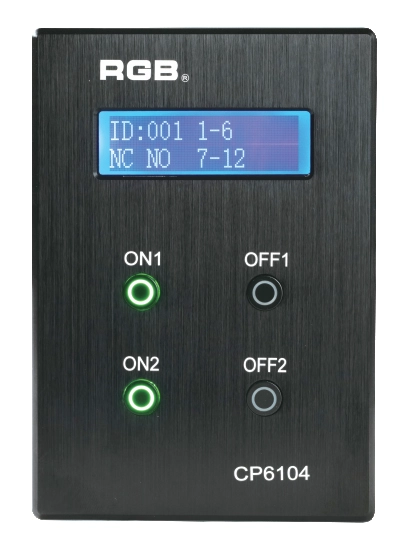
Site Light Controller CP6104
The CP6104 lighting control panel is a lighting control device for theater stage lights, work lights, environmental lighting, commercial art lighting, sports venue lighting and other places. By connecting to the dedicated lighting control host CP6100, it realizes the central control of the lighting system, supports a visual lighting control system, and intuitively displays the online and offline status of CP6104. Realize remote monitoring, editing and setting of corresponding parameters.
It is widely applicable to theaters, cinemas, auditoriums, stadiums, museums, exhibition halls, cultural tourism performances, commercial art lighting and other places.
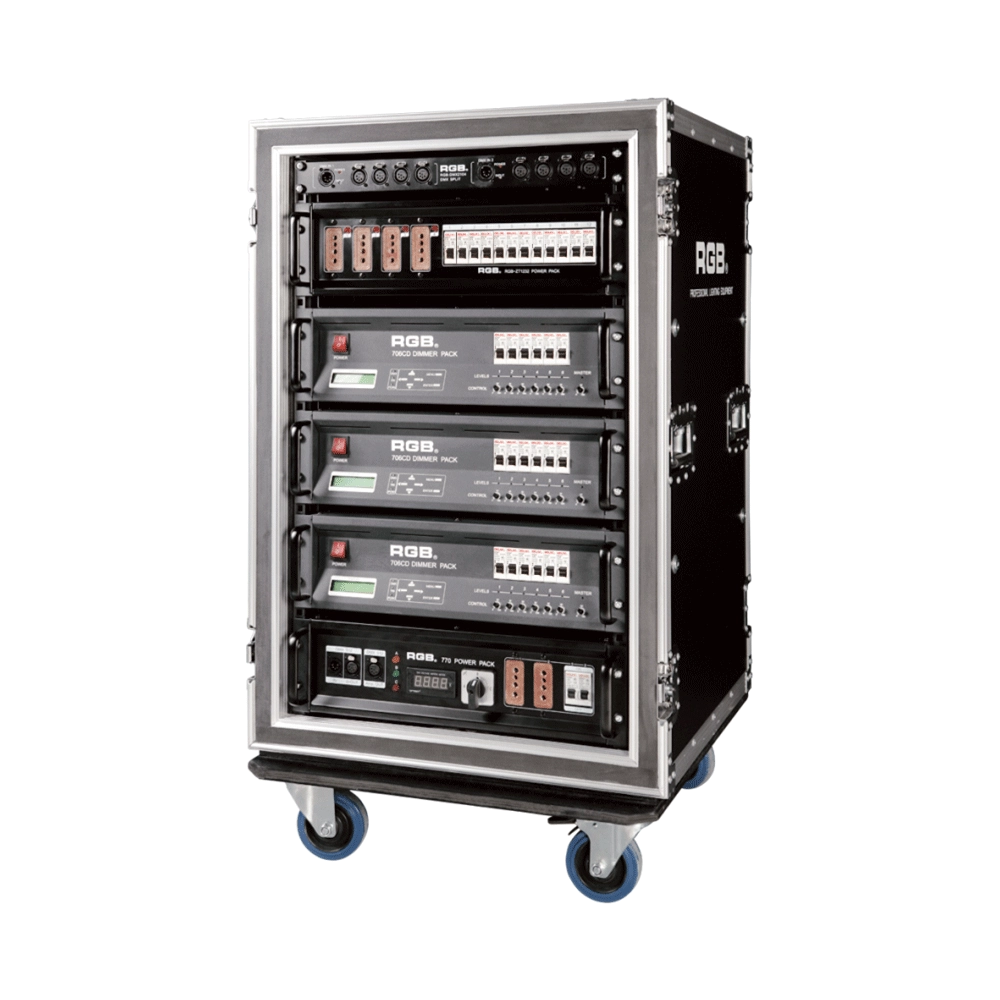
7 Series Digital Touring Dimmer Racks
7 Series digital touring dimmer racks can be assembled into many types of dimmer by taking the 7 Series dimmer as the unit. They are widely used in the entertainment industry for their convenience and practicability.
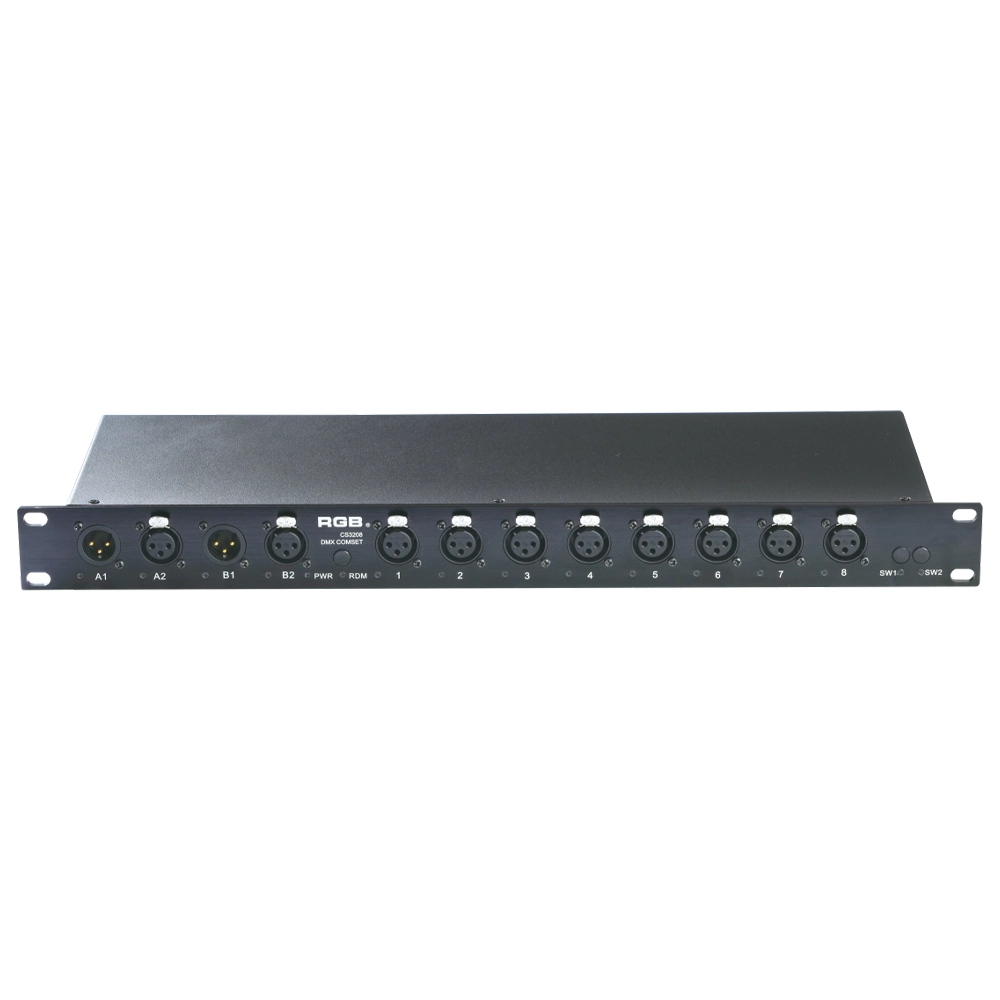
Multifunctional signal supercharger
The rack-mounted DMX signal amplifier complies with the DMX-512 standard protocol, improving DMX-512 signal transmission quality and ensuring reliable system control. It helps prevent issues such as AC high-voltage backflow into lighting control systems, lightning-induced surges, and signal interference caused by short circuits, thereby enhancing overall system stability.
10i Visual Dimmer/Relay Racks
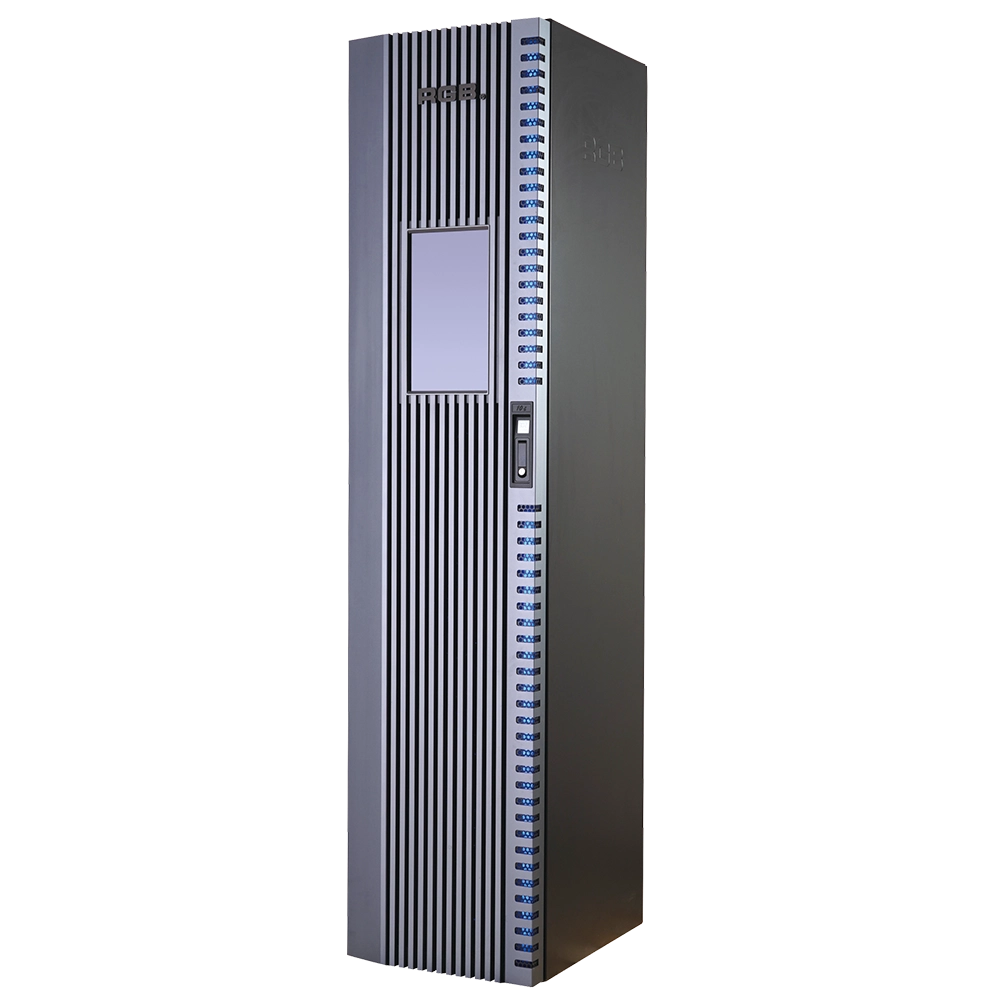
10i is the world's leading visual artificial intelligence dimming rack, integrated with 5G technology, a full digital trigger, sine wave, thyristors, relays, mixed thyristors and relays mixed sine wave and relays output configurations, a unique gold-plated plug-in process, a high-performance protection level, an industrial-grade aluminum alloy profile and other new technologies and advanced process designs and manufacturing.
It is suitable for the lighting control needs of different places such as high-standard grand theaters, TV stations, gymnasium and environmental intelligent lighting.
Expert Support
Interested in learning more or need expert guidance related to this article? Fill in your details, and our team will provide tailored support.
Intelligent Control. Brilliant Performance.
RGB specializes in stage lighting control systems, delivering intelligent, reliable, and high-performance solutions for theaters and performance spaces worldwide.
Contact
Email:
Tel:
+86 20 3928 0245
+86 20 3928 0247
Address:
No.3, Huashan Road, Shilou Town, Panyu, Guangzhou, China.
Whatsapp: +8615975520131