
The Ultimate Guide to Stage Lighting Dimmer Systems: Everything You Need to Know for 2026
- What Are Stage Lighting Dimmer Systems?
- Quick Summary: Key Takeaways for 2026
- How Dimmer Systems Work: From Analog to Digital DMX
- Types of Stage Lighting Dimmers
- Leading-Edge vs. Trailing-Edge: Understanding Dimmer Curves
- Expert Tips and Common Mistakes in Dimmer Load Management
- 2026 Trends: Cloud Management and Intelligent Network Dimming
- Industry Leading Solutions: RGB's Professional Stage Dimmer Systems
- Conclusion
- FAQs About stage lighting dimmer systems
- What is the difference between a dimmer pack and a relay rack?
- How many DMX channels does a standard stage dimmer use?
- Can you plug LED stage lights into a standard dimmer pack?
- What is a hybrid dimmer system in stage lighting?
- How do you calculate power load limits for a dimmer rack?
- What causes stage lights to flicker when dimmed?
- How does a visualized control system work with dimmers?
- What is the lifespan of a professional stage lighting dimmer?
What Are Stage Lighting Dimmer Systems?
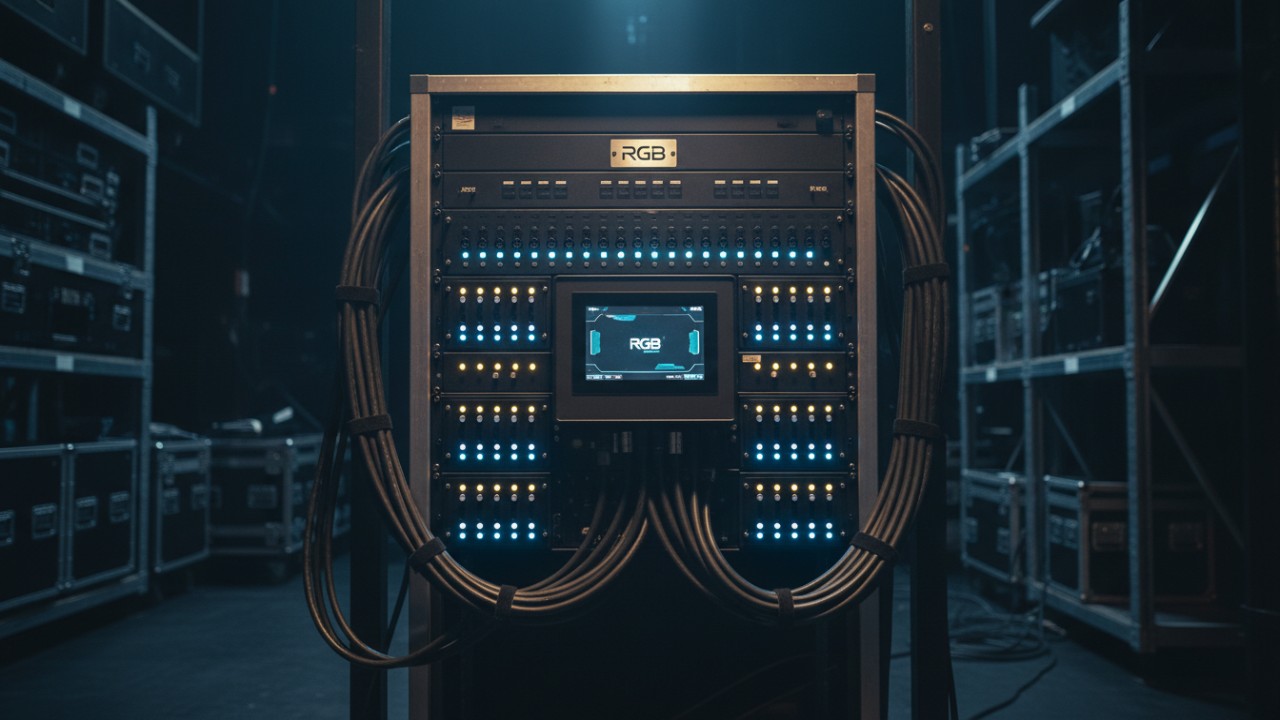
Stage lighting dimmer systems are centralized electrical networks that vary the voltage delivered to lighting fixtures, allowing operators to precisely control light intensity. They are essential components for managing illumination levels in theaters, studios, and concert venues.
To elaborate, these systems primarily rely on digital communication protocols like DMX512 to receive commands from a lighting controller and adjust brightness levels smoothly. In 2026, modern systems centralize stage power distribution and integrate traditional halogen setups with intelligent LED technologies. As productions grow more complex, having a reliable infrastructure to manage immense electrical loads is non-negotiable.
Benefits of utilizing professional dimming infrastructure include:
- Precise Control: Seamless manipulation of stage moods, fade times, and atmospheric visual effects.
- Load Management: Centralized power management to prevent dangerous electrical overloads across the venue grid.
- Technological Synergy: Seamless integration between legacy incandescent fixtures and new intelligent LED moving lights.
Quick Summary: Key Takeaways for 2026
The landscape of stage lighting dimmer systems in 2026 is defined by the shift toward intelligent, network-managed power nodes rather than simple analog voltage regulators. Modern venues now prioritize hybrid infrastructure and advanced control capabilities.
As production demands grow, lighting designers and facility managers must stay ahead of the technology curve to maximize their return on investment. Key takeaways for this year include:
- Dimmer systems have evolved from basic voltage throttles to highly intelligent, network-connected power distribution nodes capable of self-diagnostics.
- Hybrid dimmer solutions are becoming the definitive standard, allowing venues to operate both legacy tungsten fixtures and modern non-dimmable LEDs on the exact same infrastructure.
- Intelligent network dimming, cloud-based management, and real-time visualizer control systems are the top technology trends defining professional stage setups in 2026.
How Dimmer Systems Work: From Analog to Digital DMX
Modern stage lighting dimmer systems work by utilizing digital DMX512 signals to assign specific brightness values to individual lighting channels, replacing older analog patching methods. This digital shift enables precise control of up to 512 channels per universe.
Historically, dimmer systems were cumbersome and required dangerous, manual analog operations. However, the transition to digital revolutionized the industry by introducing standardized multiplexing, as reported by Wikipedia. Understanding the mechanics reveals exactly how The Working Principle of Lighting Control Systems functions at a granular electrical level to produce the stunning visual shows we expect today.
- Digital Addressing: The monumental shift from analog to digital DMX allows lighting consoles to communicate with hundreds of connected dimmers over a single, twisted-pair data cable. This eliminates the need for massive bundles of copper wire running from the control booth to the stage.
- Thyristor and SCR Technology: Modern dimmers use Silicon Controlled Rectifiers (SCR) to rapidly turn power on and off at a frequency that the human eye cannot detect. This effectively varies the lamp intensity without generating the extreme, hazardous heat associated with older resistance-based dimmers.
- Sine-Wave Dimming: High-end theatrical systems utilize advanced sine-wave dimming to eliminate acoustic filament noise (lamp "singing") and electrical interference. This is absolutely critical for quiet theatrical environments, opera houses, and television broadcast studios where background noise is unacceptable.
Types of Stage Lighting Dimmers
The primary types of stage lighting dimmer systems include portable DMX dimmer packs, wall-mounted racks, high-density touring racks, and modern hybrid dimmer solutions. Selecting the right type depends on the venue size, mobility needs, and lighting fixture types.
Not all power distributions are created equal, and selecting the wrong infrastructure can severely limit a production's creative potential. The type of unit you choose dictates your venue's flexibility and long-term scalability.
- Portable DMX Dimmer Packs: Typically compact 4, 6, and 12-channel units that are incredibly rugged. They are ideal for touring bands, mobile DJs, and smaller churches that require quick, temporary setups without the need for an on-site master electrician.
- Wall-Mounted Dimmer Racks: Permanent installation solutions designed specifically for high schools, regional theaters, and broadcast studios where the equipment remains static. They are hardwired directly into the building's electrical grid.
- High-Density Touring Racks: Professional-grade systems equipped with advanced cooling mechanisms, zero-crossing circuitry, and heavy-duty stage power distribution. These are built into shock-mounted road cases for massive stadium tours and international festivals.
- Hybrid Dimmer & Relay Racks: The absolute necessity for the year 2026. These advanced cabinets allow operators to physically or digitally swap individual modules to manage both dimmable (halogen) and non-dimmable (LED) fixtures within the exact same rack, offering unprecedented versatility.
Leading-Edge vs. Trailing-Edge: Understanding Dimmer Curves
Dimmer curves dictate how voltage is reduced, with leading-edge dimmers altering the front of the electrical wave for halogen lamps, and trailing-edge dimmers modifying the end of the wave for LED compatibility.
Understanding the physics behind these phase-cut curves is crucial, because The Dimmer Determines the Visual Effect and ensures smooth transitions without noticeable stepping or flicker.
| Feature | Leading-Edge (Forward-Phase) | Trailing-Edge (Reverse-Phase) |
|---|---|---|
| Wave Alteration | Cuts the beginning of the electrical sine wave. | Cuts the end of the electrical sine wave. |
| Best Used For | Traditional incandescent, halogen, and magnetic transformers. | Electronic low-voltage systems and modern LED drivers. |
| Pros | High power capacity, cheaper to manufacture, highly durable. | Smooth dimming, eliminates LED flicker, quieter operation. |
| Cons | Can cause humming or buzzing with LEDs, higher minimum load required. | Generally lower maximum wattage capacities per channel. |
Expert Tips and Common Mistakes in Dimmer Load Management
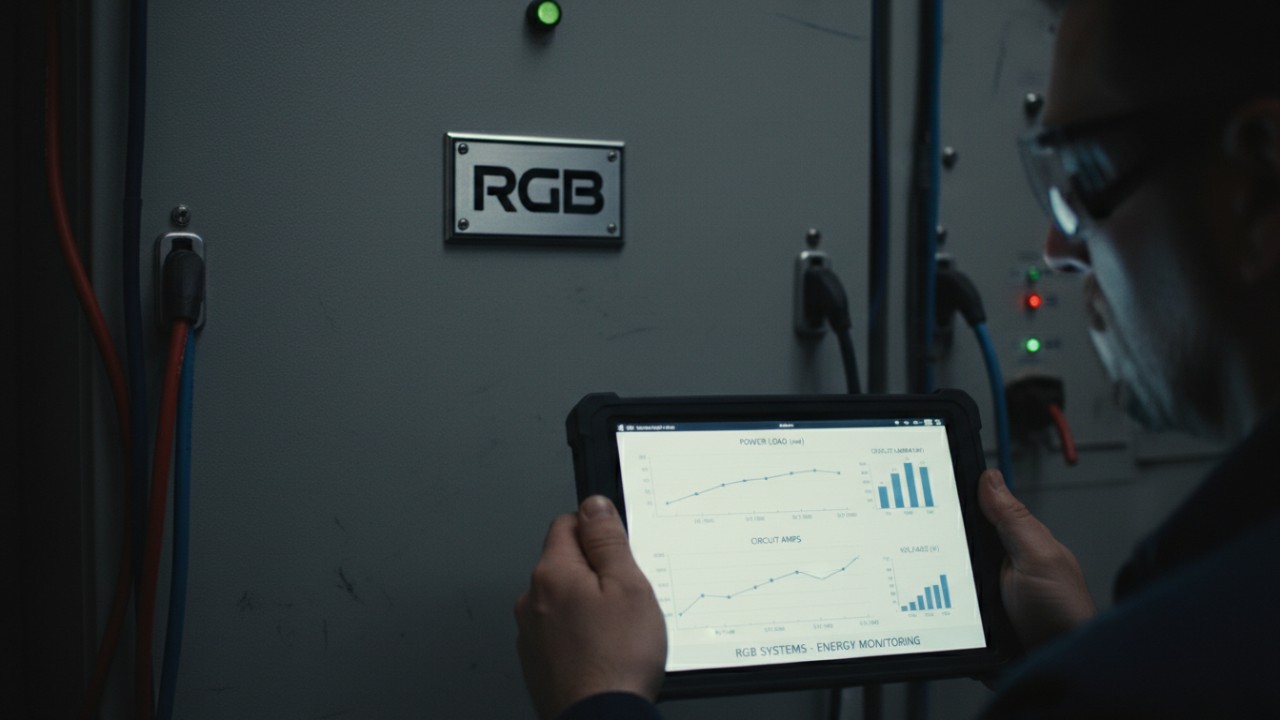
Effective dimmer load management requires calculating the exact wattage of all connected fixtures to ensure they do not exceed the amperage limit of the stage power distribution system. Overloading channels is the most common cause of system failure.
Avoiding catastrophic failures during a live show comes down to basic electrical math, careful pre-production planning, and rigorous system maintenance. To ensure international interoperability and safety, these electrical systems often conform to strict guidelines, such as the comprehensive industry standards maintained by PLASA.
- Common Mistake - Channel Overloading: Always calculate Amps to Watts correctly before patching a rack. For example, a 20A circuit running at 120V can safely handle a maximum of 2400W. Pushing a dimmer to its absolute limit for extended periods will cause the thermal breakers to trip mid-performance.
- Common Mistake - Mixing Incompatible Tech: Plugging non-dimmable intelligent LED fixtures into traditional phase-cut DMX dimmer packs risks severe internal component damage to the LED driver. LEDs require constant power to function correctly.
- Expert Tip - Ghosting Prevention: Utilize phantom loads or bypass modules if you experience ghosting (where lights stay faintly illuminated even when the console reads 0%) or flickering with low-wattage LEDs. Older dimmers often need a minimum electrical load to register properly.
- Expert Tip - Phase Balancing: Always balance your three-phase power distribution evenly across your dimmer rack. Uneven distribution can lead to neutral wire overload, severe voltage drops, and ultimately, a compromised electrical network.
2026 Trends: Cloud Management and Intelligent Network Dimming
The top trend for 2026 is intelligent network dimming, which utilizes cloud-based visualizer software and IT network protocols like Art-Net and sACN to manage lighting power grids remotely. This allows for real-time monitoring and automated fault reporting.
The future of stage lighting is no longer just about voltage control; it is firmly rooted in deep IT integration, data analytics, and preventative maintenance protocols.
- Advanced Network Protocols: The transition from simple daisy-chained DMX to high-bandwidth IT protocols allows hundreds of thousands of parameters to be transmitted over standard Ethernet networks simultaneously, paving the way for massive, pixel-mapped lighting rigs.
- Cloud-Based Monitoring: Modern facilities now employ real-time cloud-based monitoring to track power loads, temperature warnings, and automated fault reporting. If a cooling fan fails inside a touring rack, the system instantly alerts the lead technician's mobile tablet before a thermal shutdown occurs.
- Unified Venue Systems: We are seeing the seamless integration of architectural house lighting, dynamic theatrical lighting, and emergency work lights into unified, smart venue control panels. This holistic approach significantly reduces energy consumption and simplifies daily operations for facility managers.
Industry Leading Solutions: RGB's Professional Stage Dimmer Systems
Guangzhou RGB Lighting Equipment Co.,Ltd. provides industry-leading stage lighting dimmer systems, specializing in hybrid solutions, intelligent network dimming, and high-performance power cabinets. Founded in 1996, the brand empowers global stages with smarter lighting control technologies.
When equipping a venue for 2026 and beyond, utilizing proven, enterprise-grade hardware is non-negotiable.
- National High-Tech Enterprise: With integrated R&D, production, and sales, RGB is recognized globally as a leader in professional stage lighting control systems.
- Advanced Capabilities: RGB excels in engineering visualized control systems, cloud-based management, and robust hybrid dimmer solutions tailored specifically for modern, mixed-fixture venues.
- Certified Excellence: Certified to strict international standards including ISO9001, CE, RoHS, EMC, and CQC, RGB guarantees long-term stability and precision performance under the harshest touring conditions.
- Proven Track Record: RGB's reliable systems are widely deployed in landmark national projects and global events, including the Beijing Olympics, Shanghai World Expo, Asian Games, and major broadcast facilities worldwide.
Conclusion
In conclusion, modernizing your stage lighting dimmer systems is critical for achieving seamless visual productions, integrating modern LEDs, and ensuring long-term operational reliability in 2026. Embracing hybrid technologies will define the success of future theatrical setups.
By upgrading to intelligent, cloud-monitored systems and utilizing versatile DMX dimmer packs, venues can secure superior creative flexibility while maintaining rigorous safety standards. The foundation of any spectacular visual performance is the unseen, yet highly critical, power distribution infrastructure.
Contact us today to optimize your stage lighting dimmer systems strategy.
FAQs About stage lighting dimmer systems
What is the difference between a dimmer pack and a relay rack?
A dimmer pack alters voltage to gradually dim or brighten lights, making it ideal for traditional tungsten and halogen lamps. Conversely, a relay rack provides simple on/off constant power without altering voltage, which is necessary for modern intelligent LEDs and moving heads that feature their own internal dimming mechanisms. In 2026, many modern stage setups use hybrid dimmer solutions that combine both functionalities in one unit.
How many DMX channels does a standard stage dimmer use?
A single dimmer pack typically uses between 1 and 12 DMX channels, with 4-channel and 6-channel DMX dimmer packs being the most common for portable use. Large theatrical dimmer racks can use up to 96 channels or more, often occupying a significant portion of a 512-channel DMX universe. Each physical plug on the dimmer is usually assigned one unique DMX channel to ensure granular control.
Can you plug LED stage lights into a standard dimmer pack?
Generally, no. Plugging intelligent LED fixtures into a standard phase-cut dimmer pack can easily damage the LED's internal power supply. LEDs require constant, non-dimmed power, as they receive their dimming instructions via a direct DMX data cable rather than through voltage drops. If you must use a dimmer pack, the specific channel must be set to a non-dimming 'relay' or 'switch' mode if the pack supports that feature.
What is a hybrid dimmer system in stage lighting?
A hybrid dimmer system is a centralized power cabinet that allows operators to swap individual modules between variable dimming and constant power (relay) modes. This enables venues to easily mix legacy incandescent theater lights with modern, non-dimmable LED moving heads on the exact same infrastructure. Ultimately, it eliminates the need to run separate dedicated power circuits across a theater grid.
How do you calculate power load limits for a dimmer rack?
You must calculate the total wattage of all fixtures plugged into a single dimmer channel and ensure it does not exceed the channel's maximum amperage limit. You can use the formula: Watts = Volts x Amps (e.g., a 20-amp dimmer channel at 120 volts can safely handle 2400 watts). As a professional rule of thumb, it is best practice to keep continuous loads at 80% of the maximum rating to prevent breaker trips and overheating.
What causes stage lights to flicker when dimmed?
Flicker usually occurs when there is a mismatch between the dimmer curve type (such as leading-edge versus trailing-edge) and the internal electronics of the light fixture. It can also be caused by 'phantom load' issues, where low-wattage LED bulbs do not draw enough current for an older analog dimmer to register properly. Additionally, poor DMX signal termination or electrical interference in the wiring can introduce visible flicker across the lighting rig.
How does a visualized control system work with dimmers?
Visualized control systems, an integral part of intelligent network dimming, use advanced software and network protocols to provide a 3D or graphical interface of the venue's lighting grid. Instead of just seeing abstract numbers on a console, technicians can view real-time data on dimmer temperatures, voltage loads, and lamp health on a digital map. This allows for rapid troubleshooting and intelligent network management directly from a tablet or central computer.
What is the lifespan of a professional stage lighting dimmer?
With proper maintenance, a professional-grade stage lighting dimmer rack can last anywhere from 15 to 25 years. Regular cleaning of dust filters, ensuring adequate room ventilation, and strictly not overloading circuits will drastically extend the unit's lifespan. While the robust power distribution components can last for decades, the central control modules (the 'brains') often get upgraded over time to support newer network protocols like sACN or Art-Net.
Top DMX Controller Brands Compared: Reliability and Support
Scaling Dimmer Rack Sizes for Touring vs Fixed Installations
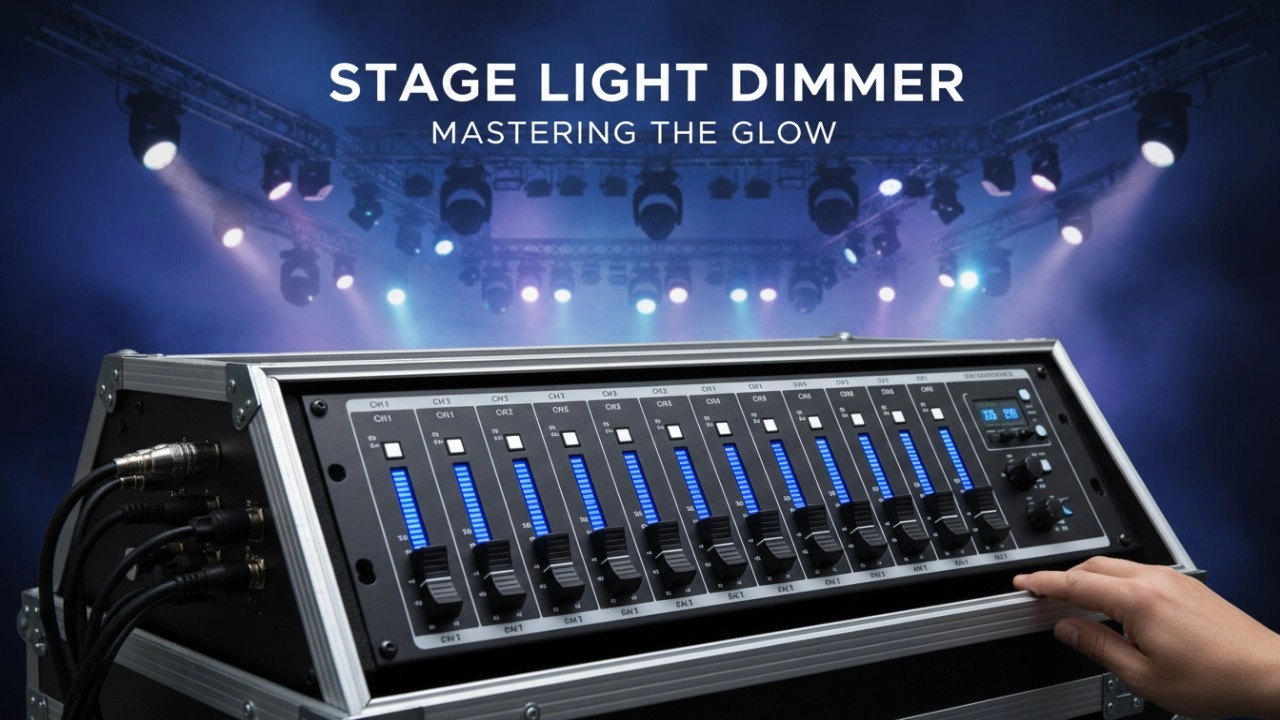
The Ultimate Stage Light Dimmer Handbook: From Basic Setup to Advanced DMX Control [2026]
LED Compatibility: Using Stage Dimmers with Modern Fixtures
About RGB
How do you ensure product stability during large-scale events?
All products undergo rigorous testing, long-duration load simulation, and multi-standard verification to guarantee stable performance in demanding environments.
What after-sales support do you provide?
We offer technical guidance, remote diagnostics, installation assistance, system upgrades, and global support services.
Distributors
What is the minimum order quantity for cooperation?
Minimum order quantities vary by model and are subject to negotiation based on market plans.
Can distributors request customized products?
RGB primarily offers standardized products. Customization requests are rare and evaluated on a project-by-project basis.
Do you offer regional exclusive agency agreements?
Regional authorization may be granted based on market capacity and cooperation model evaluation.
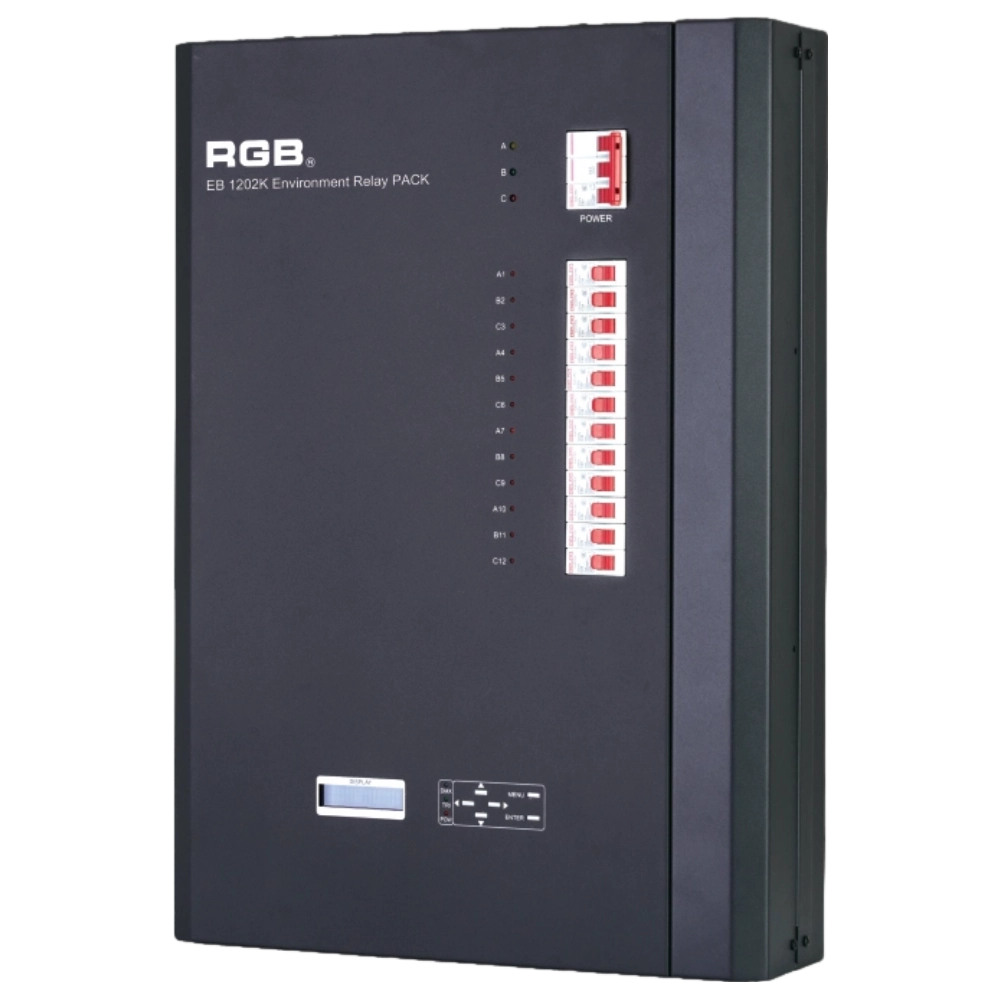
EB1202 Wall-Mounted Smart Site Light Control Series
Wall-mounted smart lighting controller with CE certification, DMX512 compatibility, flexible 12/24-channel output, scene backup, intelligent interface, and multiple dimming curves for precise professional lighting control.
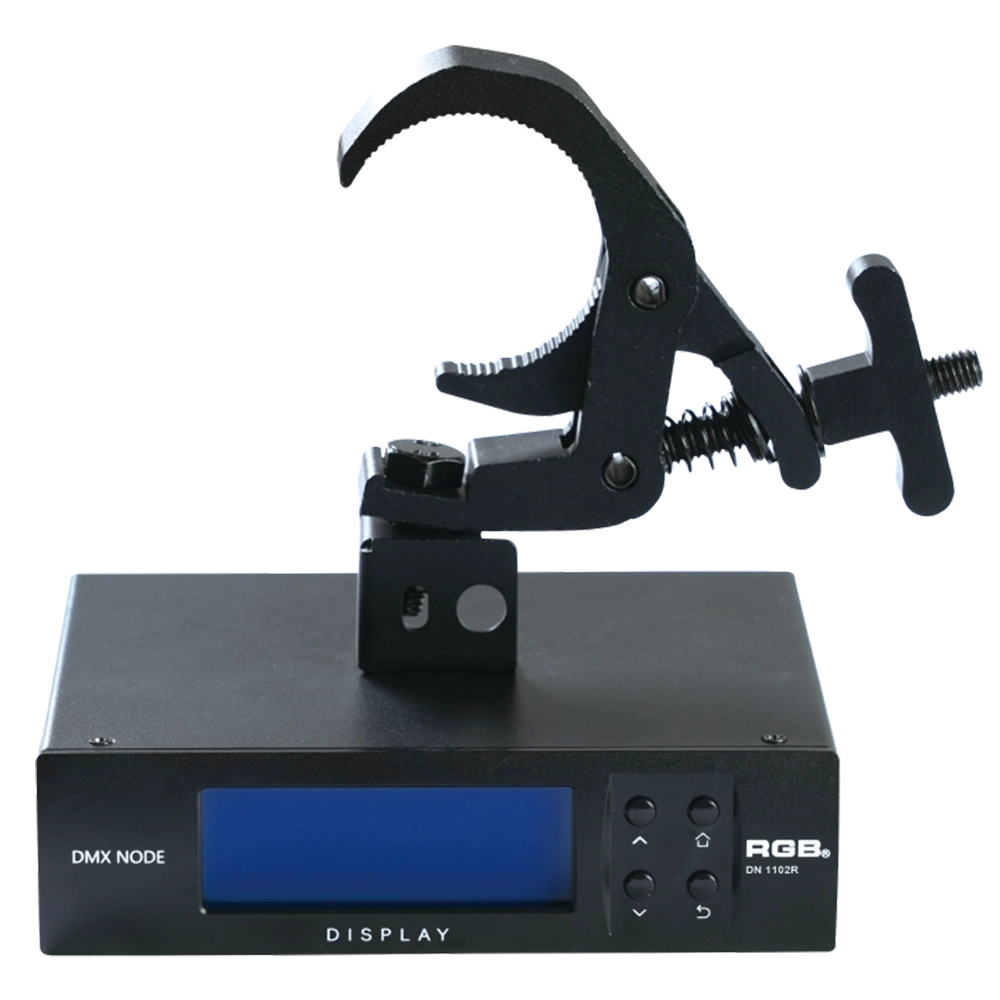
RDM Nodes
The DN series network decoder is a product of the lighting control system independently developed by RGB, featuring completely independent core technology and obtaining software copyrights. It seamlessly connects and decodes the sACN and Art-Net network protocols based on TCP/IP with the DMX-512 and RDM communication protocols. Supports a visual lighting control system, intuitively displaying the online and offline status of the DN series network decoders, and enabling remote monitoring, editing, and setting of corresponding parameters.
It is widely applied in theaters, concert halls, multi-functional halls, cultural and tourism performances, TV stations, gymnasiums, auditoriums, commercial art lighting, and other performance and cultural venues.
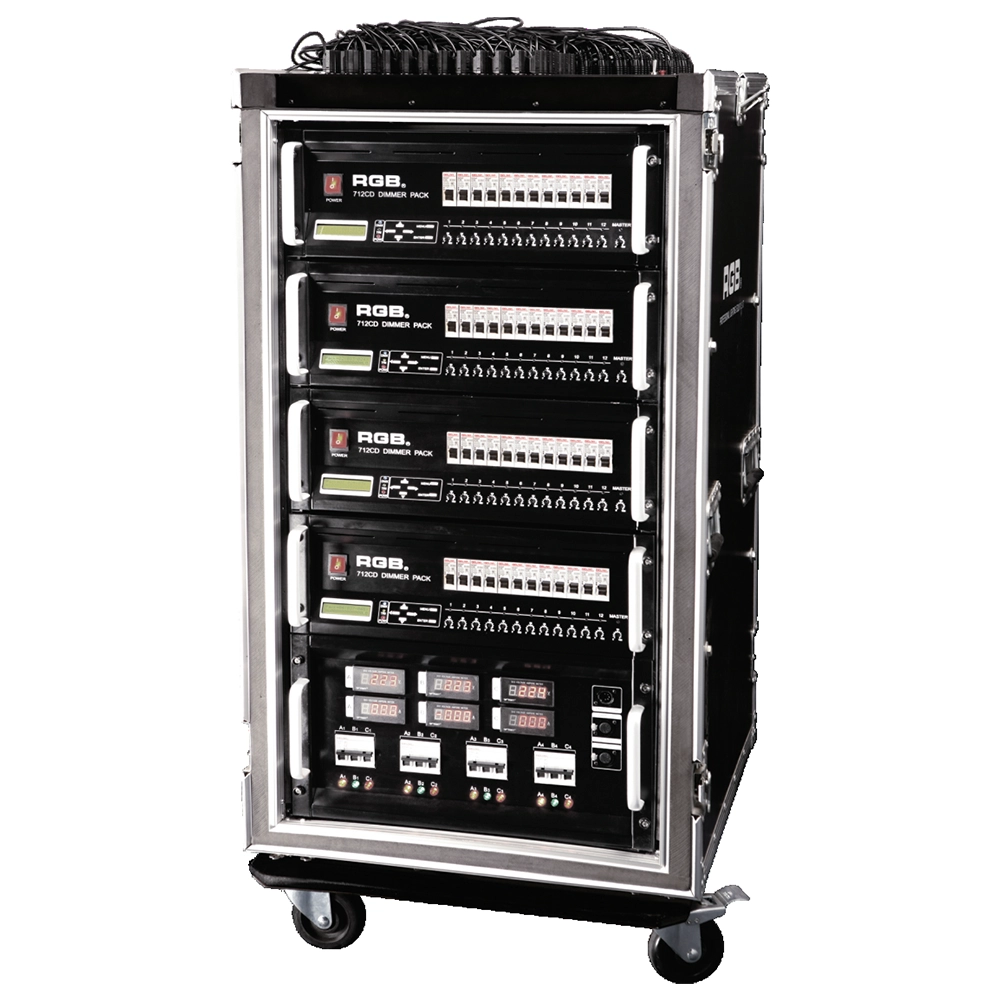
Intelligent Network Touring Dimmer Racks
RGB intelligent network touring dimmer racks can be assembledinto many types of dimmer racks by taking 7 series dimmer
packs as the unit. They are widely used in the entertainment fortheir convenience and practicabillity,
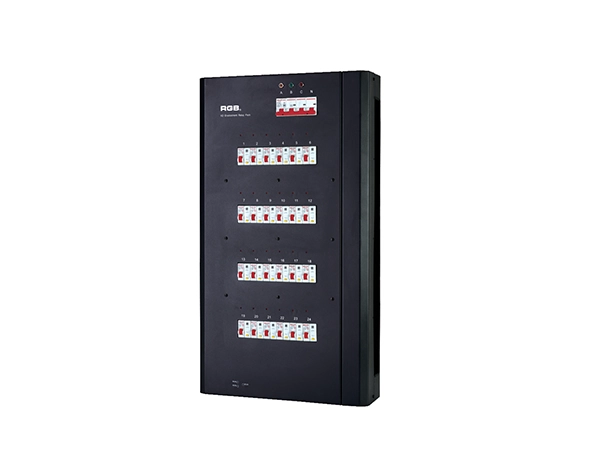
K2 Intelligent Network Relay Racks
K series is the newly developed and produced product of all-weather smart network relay cabinet. It has two major indoor and outdoor waterproof series and has multiple network control modes, such as double DMX512, sACN, ART-net, etc, which can control any equipment like resistive, inductive and capacitive and so on
K series has two major series from the perspective of function, namely, K2 ordinary type and KW2 waterproof type. It has two modes of installation, one is hanging on the wall, and the other is cabinet. It has three specifications of output circuit, namely, 24, 48 and 60 respectively.
K series applies to different performance places, such as, outdoor cultural tourism, TV station, theater, stadium and ambient intelligence lighting and so on.
Expert Support
Interested in learning more or need expert guidance related to this article? Fill in your details, and our team will provide tailored support.
Intelligent Control. Brilliant Performance.
RGB specializes in stage lighting control systems, delivering intelligent, reliable, and high-performance solutions for theaters and performance spaces worldwide.
Contact
Email:
Tel:
+86 20 3928 0245
+86 20 3928 0247
Address:
No.3, Huashan Road, Shilou Town, Panyu, Guangzhou, China.
Whatsapp: +8615975520131