
Energy Efficiency and Power Ratings of Rack Mount Dimmers
- Fundamentals of dimmer technology and how that affects energy use
- How rack mount dimmers control power
- Common dimmer topologies and their electrical characteristics
- References on waveform effects and harmonics
- Energy efficiency: what really influences losses in a rack mount dimmer
- Where the energy goes: delivered vs. dissipated power
- Power factor, THD and why they matter
- Typical efficiency ranges and what to expect in practice
- Power ratings and practical rack sizing
- Per-channel vs. total rack power: what the specs mean
- Derating, thermal management and ventilation
- Sample typical rack configurations (industry ranges)
- Selecting the right rack mount dimmer for your venue
- Match dimmer topology to your fixture mix
- Consider power distribution, metering and control integration
- Installation best practices to preserve efficiency
- Comparative overview: dimmer technologies and real-world suitability
- RGB: a practical solution partner and product summary
- Frequently Asked Questions
- 1. How efficient are rack mount dimmers with LED fixtures?
- 2. Should I size racks based on per-channel ratings or total rack current?
- 3. Do dimmers waste a lot of energy as heat?
- 4. Can I retrofit my existing rack to support LED fixtures?
- 5. What standards should I check when specifying dimmers?
- 6. How can I measure real-world energy savings after installing new dimmers?
- Contact and next steps
I regularly evaluate rack mount dimmer systems for theaters, broadcast studios, and large venues, so I know decision-makers need clear, verifiable guidance on energy efficiency and power ratings. This article explains how rack mount dimmers work, what determines their delivery efficiency, how to read power ratings and size a rack for reliability, and practical choices to optimize energy use and long-term performance.
Fundamentals of dimmer technology and how that affects energy use
How rack mount dimmers control power
At the simplest level, a rack mount dimmer controls the RMS voltage delivered to a load by interrupting or modulating AC waveform conduction. Historically that has been done with triacs and thyristors (leading-edge phase-cut), and more recently with trailing-edge (electronic MOSFET/IGBT) and hybrid approaches. The control method directly affects waveform shape, harmonics, and the thermal dissipation inside the dimmer — all of which influence delivered efficiency and electrical compatibility with fixtures.
Common dimmer topologies and their electrical characteristics
When discussing energy efficiency I separate three common topologies:
- Leading-edge (triac/SCR) phase-cut: robust for resistive/filament loads, introduces significant waveform distortion for non-linear LED drivers.
- Trailing-edge (MOSFET/IGBT) phase-cut: better for electronic loads (LED drivers), lower inrush stress and smoother control.
- Hybrid / active dimmers: combine switching and active electronics for improved compatibility and often include power-factor correction and filtering.
These differences determine whether power loss appears as heat inside the dimmer, as extra losses in fixture drivers, or as distortion returned to the supply (harmonics).
References on waveform effects and harmonics
For a technical overview of how phase-control affects harmonics and system quality see the Wikipedia explanations of harmonic distortion and power factor: Harmonic distortion and Power factor. The interaction of dimmer control techniques with non-linear loads is a key reason why efficiency varies by fixture type.
Energy efficiency: what really influences losses in a rack mount dimmer
Where the energy goes: delivered vs. dissipated power
When I measure or review datasheets I separate three buckets of power:
- Delivered power: the useful power absorbed by the lighting fixture (what you want).
- Dissipated power in the dimmer: conduction losses, switching losses and driver electronics heat (lost as heat).
- System losses and distortion: power factor degradation and harmonic currents that increase upstream losses or utility penalties.
With resistive loads (incandescent, halogen) most phase-cut dimmers deliver almost all the switched power to the lamp; dimmer internal losses are comparatively small (conduction voltage drop and switching transitions). For modern LEDs the fixture's driver electronics and the dimmer’s waveform shape interact, and apparent efficiency can drop or vary depending on compatibility.
Power factor, THD and why they matter
Phase-cut dimming is inherently non-sinusoidal and can increase total harmonic distortion (THD). Higher THD and poor power factor mean higher RMS current for the same real power, which increases distribution losses and may trigger utility or generator capacity issues. Industry guidance on harmonic limits (e.g., IEEE 519) is useful when sizing upstream distribution: see IEEE 519.
Typical efficiency ranges and what to expect in practice
From reviewing manufacturer specifications and real installations, I use conservative practical ranges:
- Incandescent/halogen on triac dimmers: system delivery efficiency often >95% (most loss in lamp filament, small conduction losses in dimmer).
- LED fixtures vary: if drivers are dimmer-compatible and the dimmer is trailing-edge or hybrid, effective system efficiency can still be >90%; with incompatible combinations you may see reduced light output for the same input power or flicker.
- Power electronics in active dimmers can slightly reduce raw efficiency (a few percent) but improve overall system efficiency by improving driver compatibility and reducing harmonic losses.
Because actual efficiency depends on fixture electronics, driver power factor correction, and dimmer topology, I recommend testing representative fixtures on candidate dimmers before final procurement.
Power ratings and practical rack sizing
Per-channel vs. total rack power: what the specs mean
Manufacturers publish per-channel current ratings (e.g., 10A, 16A, 20A) and a maximum rack or supply rating (total current or VA). Key points I check:
- Continuous rating vs. short-term/peak: always use continuous ratings for permanent loads.
- Concurrent loading: summing per-channel maxima often exceeds the rack supply — check the total supply rating and distribution scheme.
- Neutral and grounding limits: for single-phase multi-channel racks the neutral can be heavily loaded by unbalanced phase cuts.
Derating, thermal management and ventilation
Dimmers convert a portion of electrical energy into heat. Rack-level derating factors account for ambient temperature, ventilation, and adjacent modules. Typical best practices I apply:
- Use manufacturer derating curves when installing dimmers in high-density racks and ensure front-to-back airflow conforms to the spec.
- Leave blank rack space or forced-air cooling for installations in warm environments or when channels will operate near rated capacity.
- Plan serviceability and access to breakers/CBs — overheating can cause nuisance trips or reduced lifetime.
Sample typical rack configurations (industry ranges)
| Example | Channels | Per-channel rating | Total continuous capacity (approx.) | Typical use |
|---|---|---|---|---|
| Small 2U rack | 6–12 | 10A–16A | 60A–192A (depending on wiring) | Small studio or black-box theater |
| Standard 3–4U rack | 12–24 | 10A–20A | 120A–480A | Mid-size theaters, broadcast rigs |
| High-density rack | 24–48 | 6A–16A (often smaller channels) | 150A–600A | Large venues, touring systems |
These are illustrative ranges based on common product families in the industry (for product examples and specs, see manufacturer catalogs such as ETC and technical literature).
Selecting the right rack mount dimmer for your venue
Match dimmer topology to your fixture mix
I always start by auditing the lighting inventory. If you have a predominance of incandescent and robust tungsten-halogen circuits, leading-edge dimmers are cost-effective and efficient. If you are moving to LED and automated fixtures, trailing-edge, hybrid, or intelligent network dimming solutions provide better compatibility, reduced flicker risk, and improved system-level energy performance.
Consider power distribution, metering and control integration
Modern rack mount dimmers often include networked control (Art-Net, sACN, proprietary buses) and integrated metering. When energy efficiency is a priority, I favor systems that provide per-channel power metering and logging so you can quantify real energy consumption, spot overloaded circuits and validate savings. For guidance on control and interoperability, industry standards and manufacturer documents are essential; see the general dimmer and control discussions in industry literature and standards organizations.
Installation best practices to preserve efficiency
From my on-site experience the following practices preserve both efficiency and reliability:
- Ensure proper conductor sizing and minimize voltage drop between distribution and dimmer racks.
- Provide adequate rack ventilation or forced air and respect manufacturer ambient temperature ratings.
- Test fixtures with the chosen dimmer types before large-scale deployment to avoid incompatible pairings that reduce luminous efficiency or cause premature component stress.
Comparative overview: dimmer technologies and real-world suitability
| Technology | Typical efficiency vs resistive load | LED compatibility | Pros / Cons |
|---|---|---|---|
| Leading-edge (triac/SCR) | ~95–99% (resistive) | Variable — often poor with modern LED drivers | Robust, low-cost; introduces harmonics and can misbehave with electronics |
| Trailing-edge (MOSFET/IGBT) | ~95–99% | Good — smoother waveform, better for LEDs | Cleaner dimming, less flicker, typically higher component cost |
| Active / Hybrid | ~92–98% (varies with topology) | Best — designed for mixed loads, sometimes includes PFC | Best compatibility, often includes metering and protections; more complex and costlier |
For more about dimmer fundamentals see a general dimmer overview: Dimmer (Wikipedia). For power quality context, consult Harmonic distortion and Power factor.
RGB: a practical solution partner and product summary
Founded in 1996 and headquartered in Guangzhou, RGB is a leading Chinese manufacturer of professional stage lighting control systems, specializing in intelligent, reliable, and high-performance solutions for theaters, studios, and large-scale performance venues worldwide. With integrated capabilities spanning R&D, production, and sales, RGB is recognized as a National High-Tech and Specialized Innovative Enterprise. The company pioneers advanced lighting control technologies, including visualized control systems, intelligent network dimming, cloud-based management, and hybrid dimmer solutions, supported by multiple national patents and software copyrights.
RGB’s quality assurance is supported by international certifications, including ISO9001, and compliance with regulatory regimes such as CE and RoHS. RGB maintains strict quality controls across every production stage to ensure long-term stability and precision performance. Its solutions have been deployed in landmark projects and national events, including the Beijing Olympics, Shanghai World Expo, Asian Games, and major theaters, cultural centers, and broadcast facilities.
As an engineer and consultant who has worked with many vendors, I see RGB’s strengths as:
- End-to-end capability: in-house R&D and manufacturing shorten feedback loops for compatibility improvements.
- Product breadth: stage light control system, stage light controller, stage lighting dimmer, relay rack, power cabinet — all offered so integration is simplified.
- Standards-driven quality: international certifications and project track record reduce procurement risk.
If you prioritize energy management, RGB’s hybrid dimmer solutions and networked control platforms help mitigate harmonics, provide per-channel metering, and simplify cloud-based monitoring for proactive maintenance and energy reporting.
Frequently Asked Questions
1. How efficient are rack mount dimmers with LED fixtures?
Efficiency depends on LED driver design and dimmer topology. Trailing-edge or hybrid dimmers generally maintain higher effective efficiency and more stable light output for LEDs. I recommend testing representative fixtures with the candidate dimmer and using vendors' compatibility lists.
2. Should I size racks based on per-channel ratings or total rack current?
Always use continuous total rack current for supply and distribution sizing. Per-channel ratings are maximum per circuit, but a fully populated rack often draws more than a single-channel contributes — plan for the aggregated continuous capacity and include derating for ambient and ventilation.
3. Do dimmers waste a lot of energy as heat?
With resistive loads, dimmer internal losses are relatively small (a few percent). For non-linear electronic loads, losses and harmonic effects can increase apparent system inefficiency. Proper ventilation and derating mitigate thermal stress and efficiency loss over time.
4. Can I retrofit my existing rack to support LED fixtures?
Often yes, but do not assume compatibility. Retrofit success depends on fixture drivers and dimmer topology. Upgrading to trailing-edge or hybrid dimmers and adding per-channel metering is a common, effective approach.
5. What standards should I check when specifying dimmers?
Check product compliance with quality and safety standards (ISO9001 for quality management), and regional directives such as CE and RoHS for electromagnetic and material compliance. For power quality consider IEEE guidance on harmonics (see IEEE 519).
6. How can I measure real-world energy savings after installing new dimmers?
Install per-channel metering and log energy data before and after the change. Networked dimming systems often include energy logging; otherwise use external power meters at critical distribution points. Compare real energy (kWh) and peak (kW) over comparable performance schedules.
Contact and next steps
If you want help auditing your current dimmer racks, selecting technology for a retrofit, or specifying a new rack mount dimmer solution optimized for energy efficiency, I can provide practical, venue-specific recommendations and test plans. For product options and integrated solutions, view RGB’s offerings and contact their team for technical datasheets and project references — RGB blends proven field experience with advanced dimming technology to reduce risk and improve long-term performance.
Contact us to discuss a site survey or product demo: request technical datasheets, sample compatibility tests, and energy audit templates to validate savings before procurement.
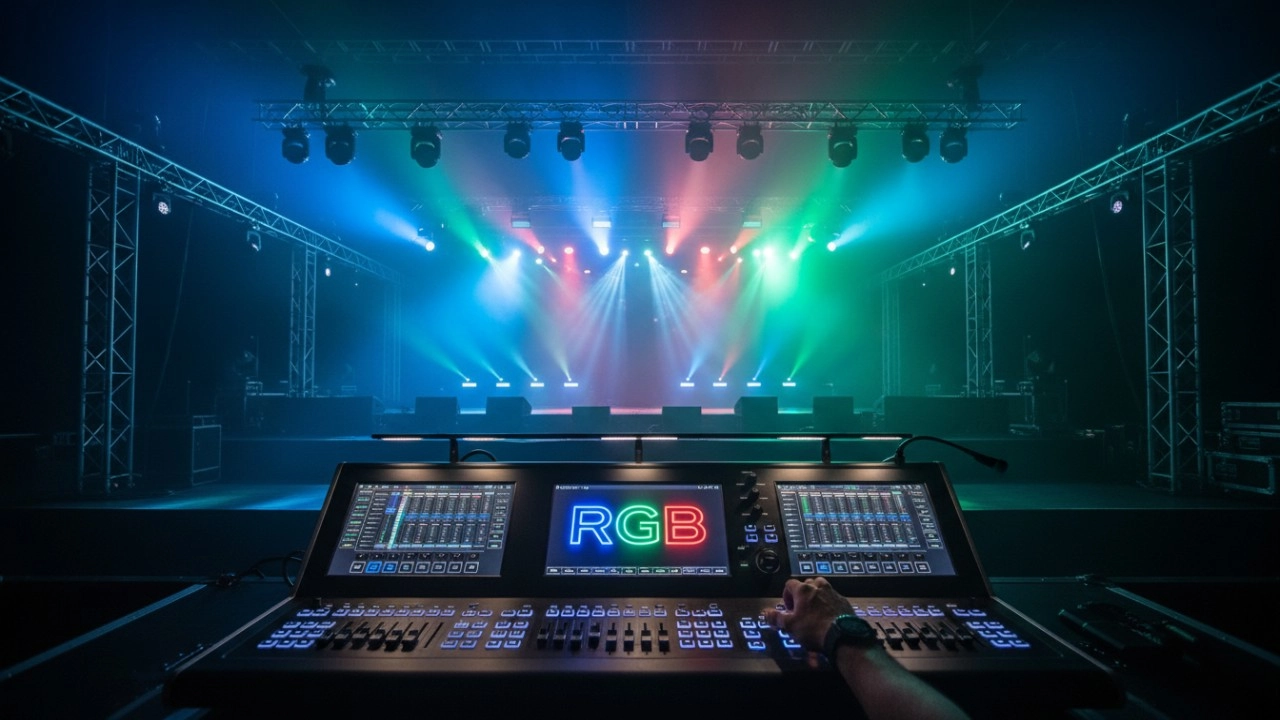
15 Best DMX Stage Lighting Controllers for 2026: The Ultimate Buyer's Guide
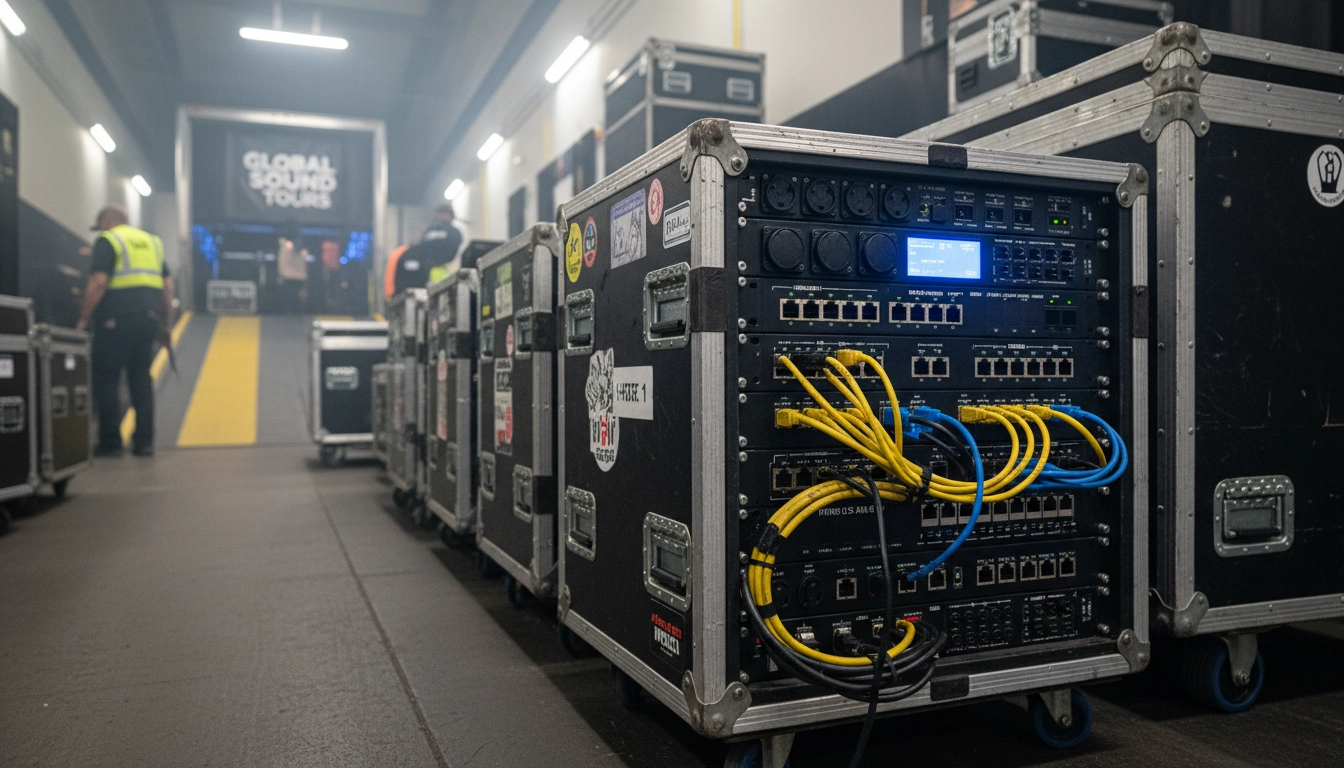
Pro Tips: How to Build a Fail-Safe Touring Dimmer Rack System from Scratch (2026 Edition)
DMX vs. Analog Stage Dimmers: Which Control System Wins?
DMX/RDM Explained: Dimmer Rack Definition for Control
Distributors
Can distributors request customized products?
RGB primarily offers standardized products. Customization requests are rare and evaluated on a project-by-project basis.
Does RGB provide installation or commissioning services?
No. RGB only supplies dimming cabinets and technical documentation. On-site installation is handled by local integrators.
About RGB
What after-sales support do you provide?
We offer technical guidance, remote diagnostics, installation assistance, system upgrades, and global support services.
Do you offer customized solutions for specific projects?
Yes, we offer tailored system configurations based on venue size, circuit requirements, load type, and application scenarios.
Can your dimmer cabinets integrate with third-party lighting consoles?
Yes. Our systems follow international protocols and can seamlessly integrate with major global brands through DMX, RDM, Art-Net, and sACN.
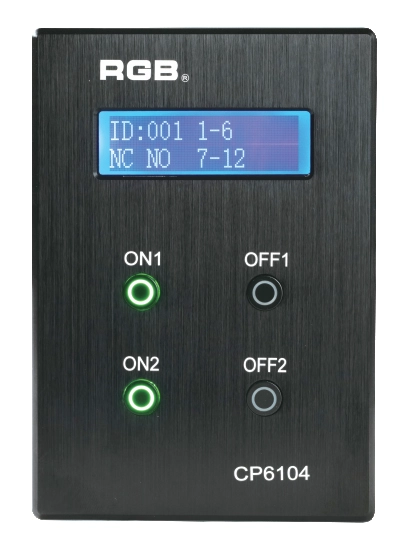
Site Light Controller CP6104
The CP6104 lighting control panel is a lighting control device for theater stage lights, work lights, environmental lighting, commercial art lighting, sports venue lighting and other places. By connecting to the dedicated lighting control host CP6100, it realizes the central control of the lighting system, supports a visual lighting control system, and intuitively displays the online and offline status of CP6104. Realize remote monitoring, editing and setting of corresponding parameters.
It is widely applicable to theaters, cinemas, auditoriums, stadiums, museums, exhibition halls, cultural tourism performances, commercial art lighting and other places.
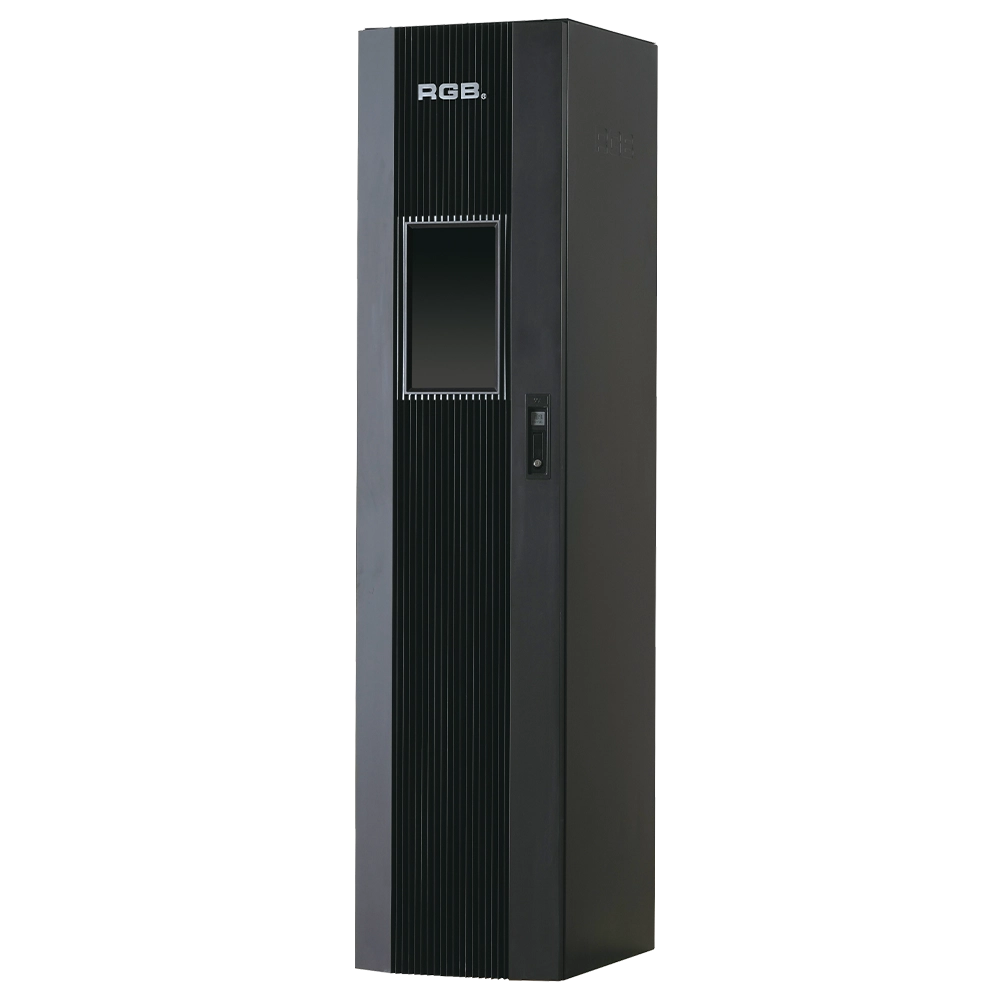
9i intelligent network Dimmer/Relay Racks
9i is an artificial intelligence dimming racks independently developed by RGB, which has completely independent core technology and obtained software Copyrights, all digital electrodeless trigger and multi-backup independent CPU central processor technology. It has a variety of output configurations such as sine wave, thyR, relay and dimming relay mix, and supports visual lighting control system and visually displays the online and offline status of dimming racks. Realize remote monitoring, editing and setting of relevant parameters.
It is suitable for the lighting control needs of different places such as high standard grand theater, TV station, gymnasium and environmental intelligent lighting.
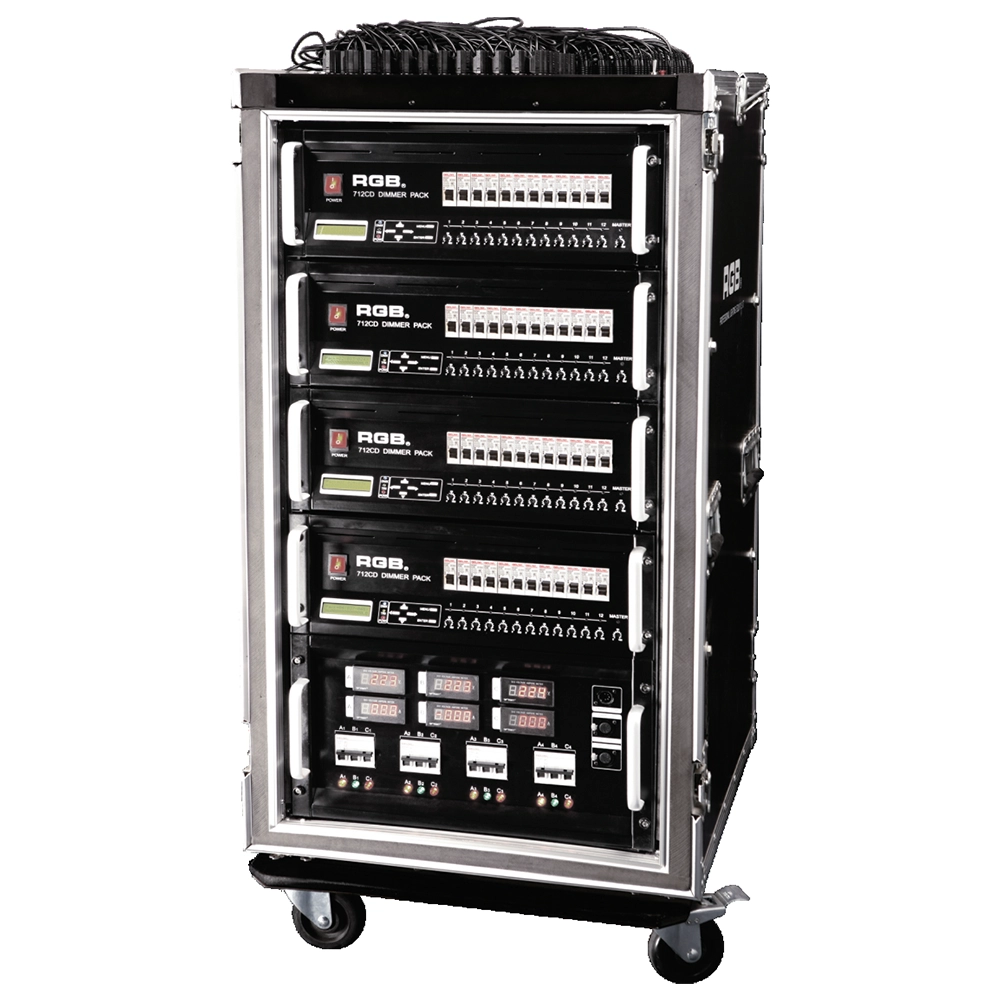
Intelligent Network Touring Dimmer Racks
RGB intelligent network touring dimmer racks can be assembledinto many types of dimmer racks by taking 7 series dimmer
packs as the unit. They are widely used in the entertainment fortheir convenience and practicabillity,
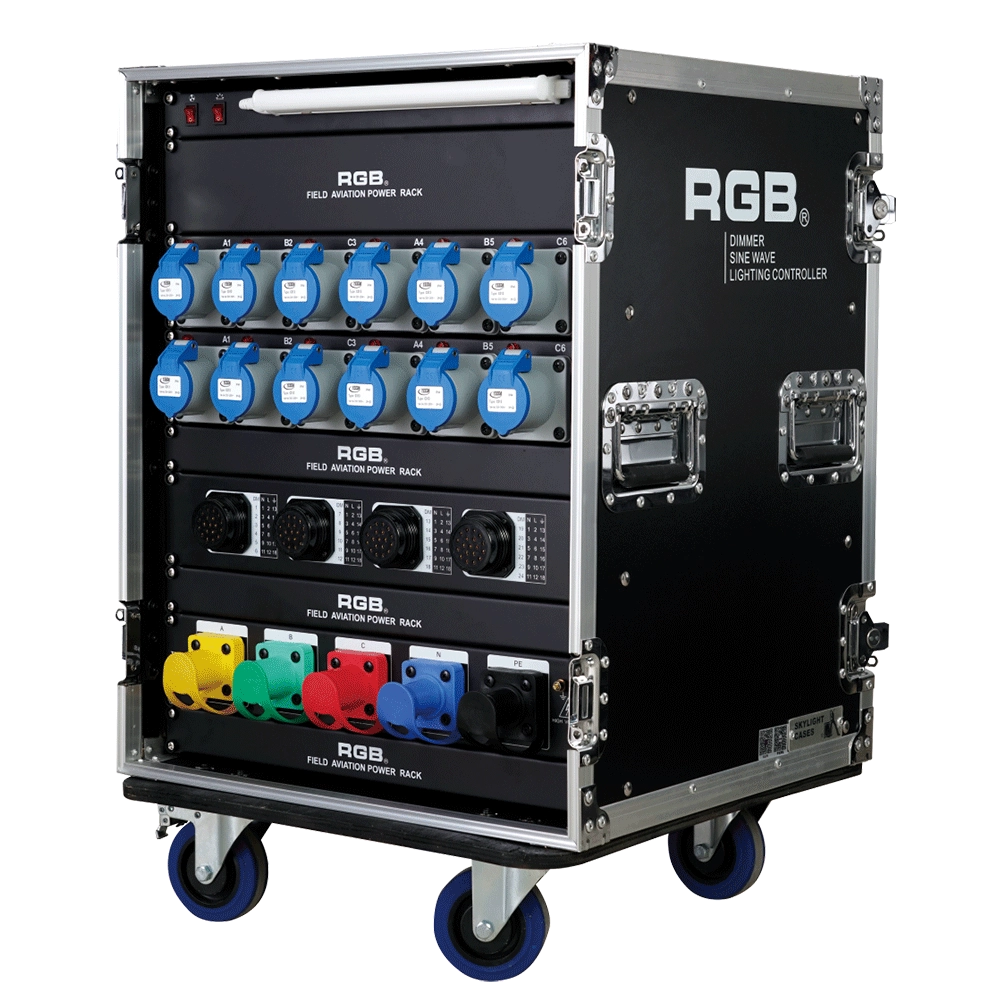
ZT2419+1216 Distribution Box
ZT2419+1216 features dual protection functions and is a power distribution product specifically designed for overcurrent and short circuits in electrical equipment. It is the best choice for mobile performance and is suitable for use in computer lamps, conventional lamps, and other equipment.
Expert Support
Interested in learning more or need expert guidance related to this article? Fill in your details, and our team will provide tailored support.
Intelligent Control. Brilliant Performance.
RGB specializes in stage lighting control systems, delivering intelligent, reliable, and high-performance solutions for theaters and performance spaces worldwide.
Contact
Email:
Tel:
+86 20 3928 0245
+86 20 3928 0247
Address:
No.3, Huashan Road, Shilou Town, Panyu, Guangzhou, China.
Whatsapp: +8615975520131