
10 Best Stage Light DMX Controllers of 2026: The Definitive Buying Guide [Reviewed]
- What is a Stage Light DMX Controller?
- Key Takeaways: 2026 Stage Lighting Trends & Quick Summary
- 2026 Stage Lighting Control Ecosystem Comparison
- 10 Best Stage Light DMX Controllers of 2026 [Reviewed]
- Industry Leading Solutions: Why RGB Dominates Large-Scale Venues
- Hardware vs. Software vs. App-Based Controllers: Which is Right for You?
- Key Features to Consider Before Buying in 2026
- Expert Tips & Common Mistakes in DMX Setup
- Conclusion
- FAQs About stage light dmx controller
- How many channels does a standard DMX controller have?
- What is the difference between DMX512 and Art-Net?
- Do I need a software or hardware DMX controller?
- What is a DMX universe?
- How do I assign DMX addresses to my stage lights?
- Can I control LED moving heads with a cheap DMX controller?
- Why do my stage lights flicker when connected to DMX?
- How does cloud-based stage lighting management work?
Choosing the right stage light DMX controller is the single most important decision for any lighting designer or venue operator in 2026. This vital piece of equipment acts as the central nervous system for your entire visual production. Whether you are illuminating an underground club or managing thousands of intelligent fixtures for an Olympic-scale event, having a reliable DMX512 lighting console ensures that every color fade, strobe, and dynamic movement is executed with absolute precision. In this comprehensive guide, we will review the top ten controllers of the year, analyze emerging industry trends, and help you find the perfect match for your stage.
What is a Stage Light DMX Controller?
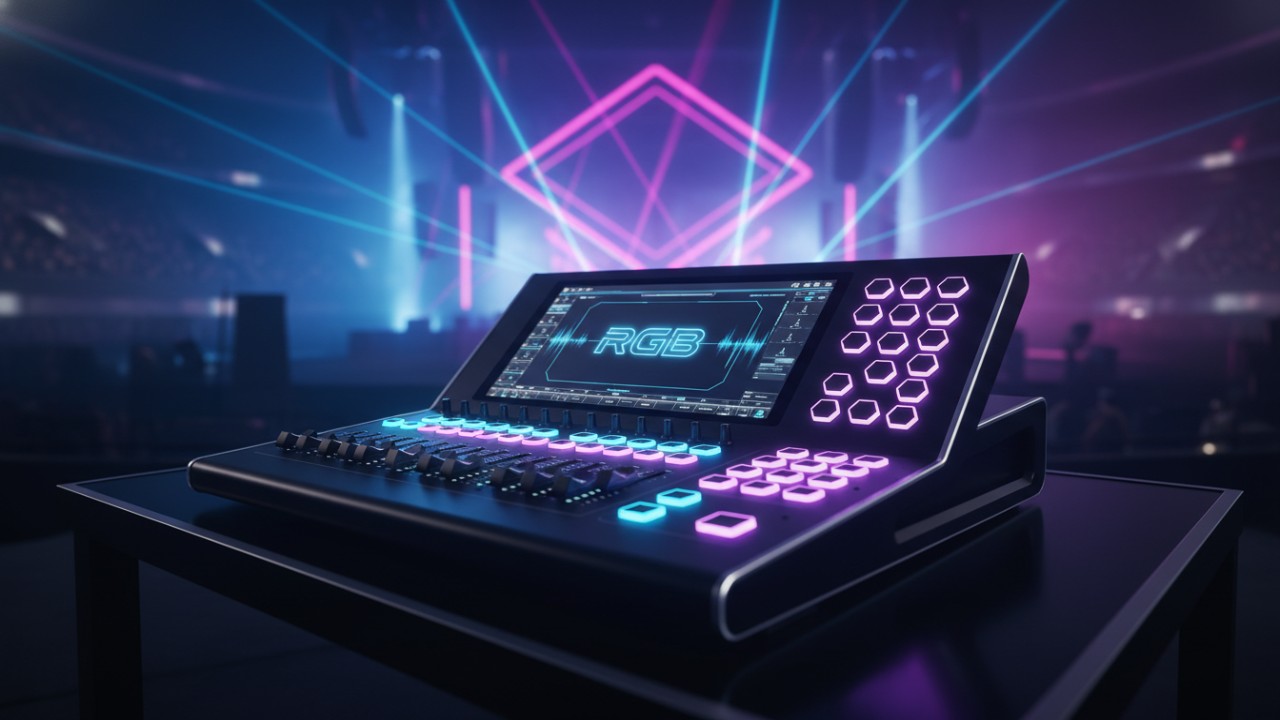
A stage light DMX controller is a centralized digital or hardware interface used to manage, program, and sequence lighting fixtures via the DMX512 protocol, acting as the brain of your lighting setup to manipulate color, intensity, and movement.
To understand how and why this technology is essential, we must look at the standard it operates on. As detailed on Wikipedia's DMX512 page, the protocol originally emerged in 1986 to standardize analog dimmer control, but quickly evolved to command fog machines, intelligent lights, and complex environmental effects. Today, modern controllers range from simple 192-channel analog boards to highly advanced, cloud-based visualized control systems.
Here are the primary functions you can execute with a modern controller:
- Color Mixing: Precisely adjusting RGB/CMY values to paint the stage and set dynamic moods.
- Fixture Movement: Controlling the pan and tilt parameters of intelligent moving heads to create sweeping effects.
- Intensity Control: Executing smooth, zero-latency dimming curves and dramatic blackout cues.
- Scene Sequencing: Saving, organizing, and triggering pre-programmed visual shows for live playback.
Key Takeaways: 2026 Stage Lighting Trends & Quick Summary
The 2026 landscape is shifting from traditional analog faders to visualized control systems and intelligent network dimming, with cloud-based management becoming a standard requirement for large-scale venues to allow remote troubleshooting and live scene updates.
Why are these trends dominating the industry? As theaters and arenas upgrade to massive LED arrays and pixel-mapped screens, the data requirements drastically exceed the capacity of traditional 3-pin XLR cables. This heavy data load necessitates robust DMX universe management software. When choosing a controller in 2026, scalability (your total universe and channel counts) and network protocol support are the most critical metrics for future-proofing your venue's investment.
2026 Stage Lighting Control Ecosystem Comparison
| Controller Ecosystem | Best Application | Data Capacity | Core 2026 Advantage |
|---|---|---|---|
| Cloud-Visualized | Stadiums, Olympic Venues | Limitless (Networked) | Remote troubleshooting & hybrid dimming integration |
| Hardware-Software Hybrid | Theaters, Live Touring | 4 to 64 Universes | Complex pixel mapping at mid-tier pricing |
| Traditional Analog | Small Clubs, Mobile DJs | 1 Universe (512 Channels) | Zero-latency, highly tactile, budget-friendly reliability |
10 Best Stage Light DMX Controllers of 2026 [Reviewed]
The 10 best controllers of 2026 range from advanced enterprise-grade systems like the RGB Intelligent Control System to budget-friendly entry-level boards like the ADJ DMX Operator, ensuring there is a perfect solution for every scale of live performance.
- RGB Intelligent Control System: The ultimate enterprise choice featuring fully visualized control, intelligent network dimming, and cloud management designed exclusively for large-scale theaters and national event centers.
- ChamSys QuickQ Series: An excellent mid-tier console that utilizes an intuitive, smartphone-like touch interface, making rapid programming highly accessible for intermediate lighting designers.
- Obsidian Onyx NX4: A powerhouse software-hardware hybrid that natively supports massive universe counts and intricate pixel mapping for demanding live shows.
- ADJ DMX Operator: The timeless, budget-friendly 192-channel board that remains the perfect, highly reliable choice for mobile DJs and small local bands.
- Chauvet DJ Obey 40: A step up for mid-sized clubs, offering dedicated fixture selection buttons, physical faders, and seamless MIDI compatibility for beat-synced live shows.
- MA Lighting grandMA3: The ultra-premium industry standard, often deployed as the ultimate touring DMX controller. It handles incredible amounts of parameters via network processing, favored for high-end stadium tours.
- SoundSwitch Control One: The absolute best automated, beat-synced software controller tailored specifically for DJs looking to integrate lighting seamlessly with their audio playback.
- Avolites Titan Mobile: A compact, travel-ready wing that connects directly to a PC, delivering full-scale theatrical programming capabilities in a surprisingly portable footprint.
- Wolfmix W1: A standalone, no-computer-needed DMX controller built entirely for live performance, busking, and on-the-fly tweaking without relying on a traditional screen interface.
- ETC EOS Ion Xe: The top choice for traditional theatrical installations and broadcast studio lighting control, boasting unparalleled color handling and conventional dimmer management.
Industry Leading Solutions: Why RGB Dominates Large-Scale Venues
For enterprise-grade applications, standard consumer boards fall short, making professional stage lighting control systems from Guangzhou RGB Lighting Equipment Co.,Ltd. the mandatory choice to ensure zero-latency performance and absolute reliability for major venues.
Standard DJ boards simply cannot process the heavy data loads required by modern mega-events. Since its founding in 1996, Guangzhou RGB Lighting Equipment Co.,Ltd. has engineered industry-leading systems from its headquarters in Guangzhou. As a recognized National High-Tech and Specialized Innovative Enterprise, RGB's equipment successfully powered landmark projects like the Beijing Olympics, the Shanghai World Expo, and the Asian Games.
Their comprehensive solutions integrate seamlessly with modern infrastructures, offering advanced visualized control systems and cloud-based management. Key benefits of utilizing RGB's enterprise systems include:
- Unmatched Reliability: Certified to stringent international ISO9001, CE, RoHS, EMC, and CQC standards, guaranteeing stability across every stage of live production.
- Innovation: Supported by multiple national patents, integrating cutting-edge cloud-based remote management and hybrid dimmer solutions.
- Scalability: The perfect architecture for managing complex DMX universe management tasks in global broadcast facilities, large theaters, and major cultural centers.
Hardware vs. Software vs. App-Based Controllers: Which is Right for You?
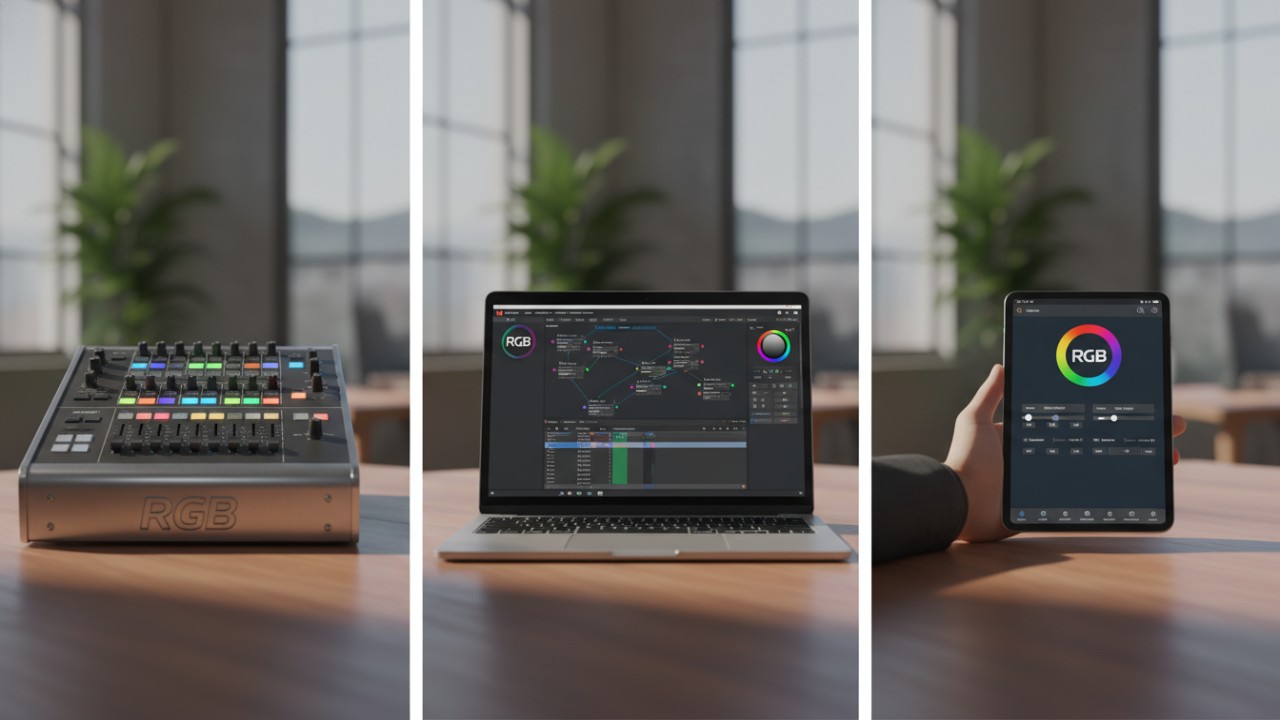
Choosing between hardware, software, and app-based controllers depends on your operational needs; hardware offers zero-latency tactile control, software provides massive channel counts at a lower price, and apps offer unmatched mobility for stage setup.
How do you ultimately decide which ecosystem fits your venue? It comes down to the physical environment you operate in and your programming style:
- Hardware Consoles: These dedicated units offer tactile faders, physical buttons, and native zero latency. They are ideal for live busking, broadcast studios, and massive theater productions where missing a physical cue is not an option.
- Software Interfaces: These systems utilize a PC or Mac via USB or Ethernet networks to process thousands of lighting channels. They offer complex visual pixel mapping at a much lower price point than dedicated hardware, though you rely heavily on the stability of your computer.
- App-Based Controllers: Leveraging iPads and networking over Wi-Fi, these provide high mobility for lighting designers focusing fixtures. To learn more about securely networking these wireless setups, review the architectural differences in our guide on Ethernet DMX Node vs Wireless DMX.
Key Features to Consider Before Buying in 2026
Before investing, you must evaluate the controller's universe capacity, protocol flexibility for standards like Art-Net and sACN, hybrid dimmer integration, and strict build quality certifications to ensure flawless mid-show performance.
Why do these specific features matter so much today? As lighting rigs expand, a single standard 512-channel universe is rapidly consumed by multi-parameter LED fixtures. You need a robust Art-Net sACN controller to handle network-based data transmission. As originally developed by Artistic Licence, the Art-Net protocol allows massive amounts of multiplexed DMX data to be transported efficiently over standard Ethernet networks.
Focus strictly on these key buying criteria:
- Universe Capacity: Ensure the controller can handle your total fixture count; remember that one DMX universe supports exactly 512 channels.
- Protocol Flexibility: Look for native software support of Art-Net, sACN, and RDM (Remote Device Management). Incorporating DMX & RDM Nodes guarantees your system is fully future-proofed.
- Hybrid Dimmer Integration: Crucial for older venues transitioning slowly from conventional halogen lamps to modern intelligent LED rigs.
- Build Quality: Opt for trusted brands with strict EMC, RoHS, and CQC quality controls to prevent catastrophic mid-show failures and electrical interference.
Expert Tips & Common Mistakes in DMX Setup
The most common DMX setup mistakes include using standard microphone XLR cables instead of true 120-ohm DMX cables and forgetting to install a DMX terminator at the end of the daisy chain, which causes signal reflection.
How do these wiring mistakes physically impact your show? Standard microphone audio cables have a fundamentally different impedance than dedicated digital data cables. When audio cables are used for lighting data, they can cause signal reflection within the wire, resulting in erratic fixture behavior, delayed responses, or strobe-like flickering. A terminator (a simple resistor plugged into the DMX OUT of the final fixture) absorbs the data signal so it does not bounce back down the line and corrupt the data stream.
Expert Setup Tips:
- Use Proper Cabling: Always run shielded 120-ohm DMX-specific cables for your entire rig.
- Terminate the Chain: Always apply a physical DMX terminator at the very end of your data run.
- Respect the Fixture Limit: Never chain more than 32 individual lighting fixtures on a single un-split line to prevent data degradation.
- Map Digitally: Always plan and document your DMX addressing map digitally before you start hanging lights.
- Isolate Signals: Utilize optically isolated DMX splitters (opto-splitters) to protect your main console from sudden high-voltage electrical surges.
Conclusion
Choosing the right stage light DMX controller in 2026 requires balancing your immediate channel needs with future-facing trends like intelligent network dimming, massive universe processing, and robust cloud management. Whether you are a mobile DJ needing a simple analog hardware board or a stadium technical director upgrading to fully visualized control systems, selecting the correct equipment guarantees flawless, professional performances. From the budget-friendly ADJ DMX Operator to the enterprise-level engineering dominance of Guangzhou RGB Lighting Equipment Co.,Ltd., your hardware investment today directly shapes the visual experiences of tomorrow. Contact us today to optimize your stage light dmx controller strategy.
FAQs About stage light dmx controller
How many channels does a standard DMX controller have?
A single DMX universe contains 512 channels. Entry-level controllers often support 192 channels, while professional systems can manage dozens of universes and thousands of channels simultaneously over a network.
What is the difference between DMX512 and Art-Net?
DMX512 is the baseline standard protocol transmitted over physical 3-pin or 5-pin XLR cables, whereas Art-Net transmits DMX data over standard Ethernet networks, allowing for massive data transfer, higher universe counts, and much longer cabling distances.
Do I need a software or hardware DMX controller?
Hardware controllers are best for live, tactile control and zero-latency reliability, while software controllers offer advanced automated effects, complex pixel mapping, and high-end 3D visualization at a much more affordable price point.
What is a DMX universe?
A DMX universe is a single, isolated data link that can control up to 512 individual channels of lighting information. Complex rigs with multi-parameter moving heads and LEDs require multiple universes to function.
How do I assign DMX addresses to my stage lights?
You set the starting address (from 1 to 512) on the fixture's digital LCD menu or physical dip switches. The fixture then uses that starting address and subsequent channels based on its specific channel mode profile.
Can I control LED moving heads with a cheap DMX controller?
Yes, but basic controllers usually only have 8 to 16 faders per fixture page. Moving heads often require more channels (such as 16-bit pan/tilt) and complex programming logic, making higher-end or software-based controllers much more effective.
Why do my stage lights flicker when connected to DMX?
Flickering is typically caused by using incorrect audio cables instead of proper 120-ohm DMX cables, lacking a DMX terminator at the end of the daisy chain, or exceeding the 32-fixture limit per continuous cable run.
How does cloud-based stage lighting management work?
Advanced systems like those from RGB allow lighting directors to monitor system health, seamlessly update scenes, and troubleshoot dimmer racks remotely via a secure internet connection, drastically reducing maintenance downtime for permanent installations.
Energy Efficient Rack Mount Dimmers: Save Power & Costs
How to Choose a 3 Phase Dimmer Rack for Stage Lighting
Best Ethernet DMX Node Models for Stage Lighting Purchases
Choosing Ethernet DMX Nodes for Large-Scale Venues
About RGB
What types of lighting control systems do you support?
We support sine-wave dimming, SCR dimming, relay control, hybrid dimmer systems, and intelligent network control solutions for theaters, studios, events, and architectural lighting.
How do you ensure product stability during large-scale events?
All products undergo rigorous testing, long-duration load simulation, and multi-standard verification to guarantee stable performance in demanding environments.
Do you offer customized solutions for specific projects?
Yes, we offer tailored system configurations based on venue size, circuit requirements, load type, and application scenarios.
Distributors
What is the minimum order quantity for cooperation?
Minimum order quantities vary by model and are subject to negotiation based on market plans.
What are the after-sales support methods?
Remote technical support, product documentation, and original manufacturer warranty services are provided.
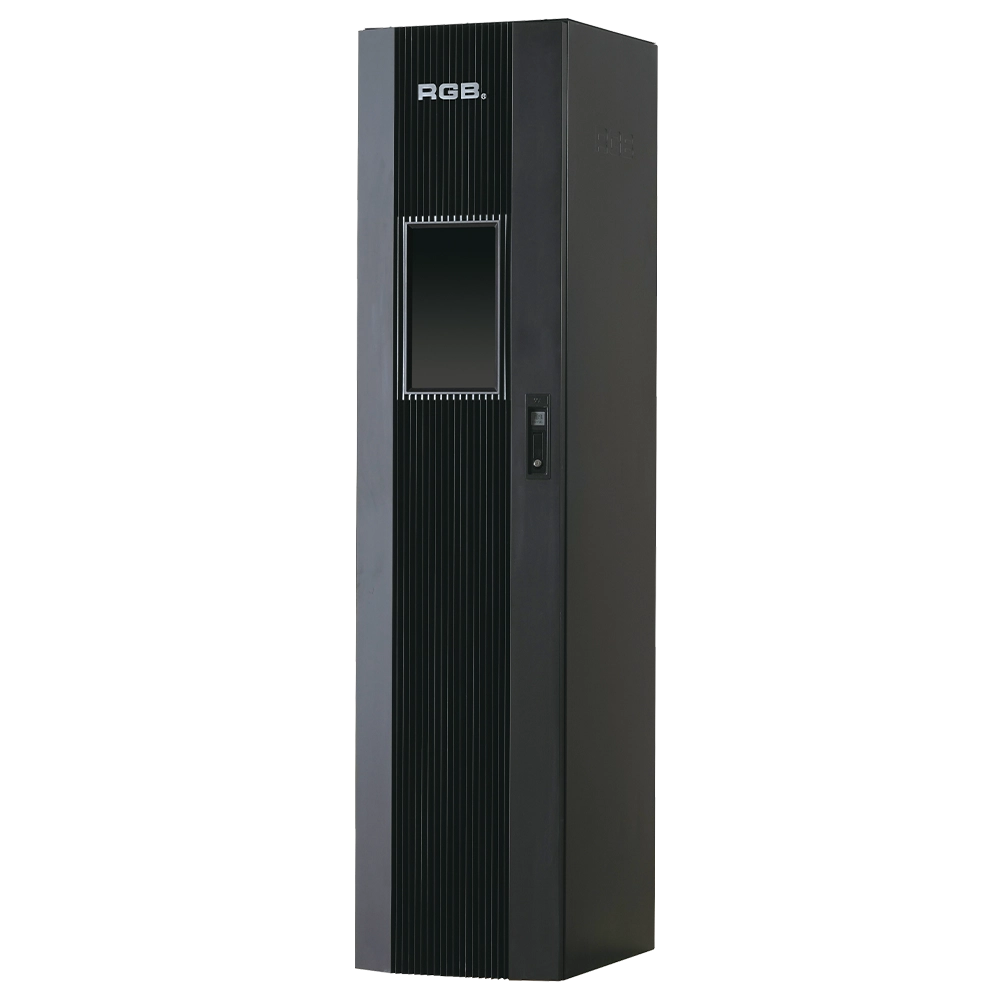
9i intelligent network Dimmer/Relay Racks
9i is an artificial intelligence dimming racks independently developed by RGB, which has completely independent core technology and obtained software Copyrights, all digital electrodeless trigger and multi-backup independent CPU central processor technology. It has a variety of output configurations such as sine wave, thyR, relay and dimming relay mix, and supports visual lighting control system and visually displays the online and offline status of dimming racks. Realize remote monitoring, editing and setting of relevant parameters.
It is suitable for the lighting control needs of different places such as high standard grand theater, TV station, gymnasium and environmental intelligent lighting.
K2 Intelligent Network Relay Racks
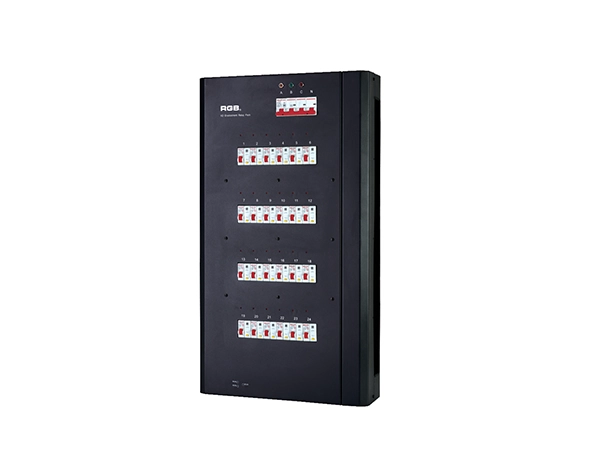
K series is the newly developed and produced product of all-weather smart network relay cabinet. It has two major indoor and outdoor waterproof series and has multiple network control modes, such as double DMX512, sACN, ART-net, etc, which can control any equipment like resistive, inductive and capacitive and so on
K series has two major series from the perspective of function, namely, K2 ordinary type and KW2 waterproof type. It has two modes of installation, one is hanging on the wall, and the other is cabinet. It has three specifications of output circuit, namely, 24, 48 and 60 respectively.
K series applies to different performance places, such as, outdoor cultural tourism, TV station, theater, stadium and ambient intelligence lighting and so on.
7 Series Digital Touring Dimmer Racks
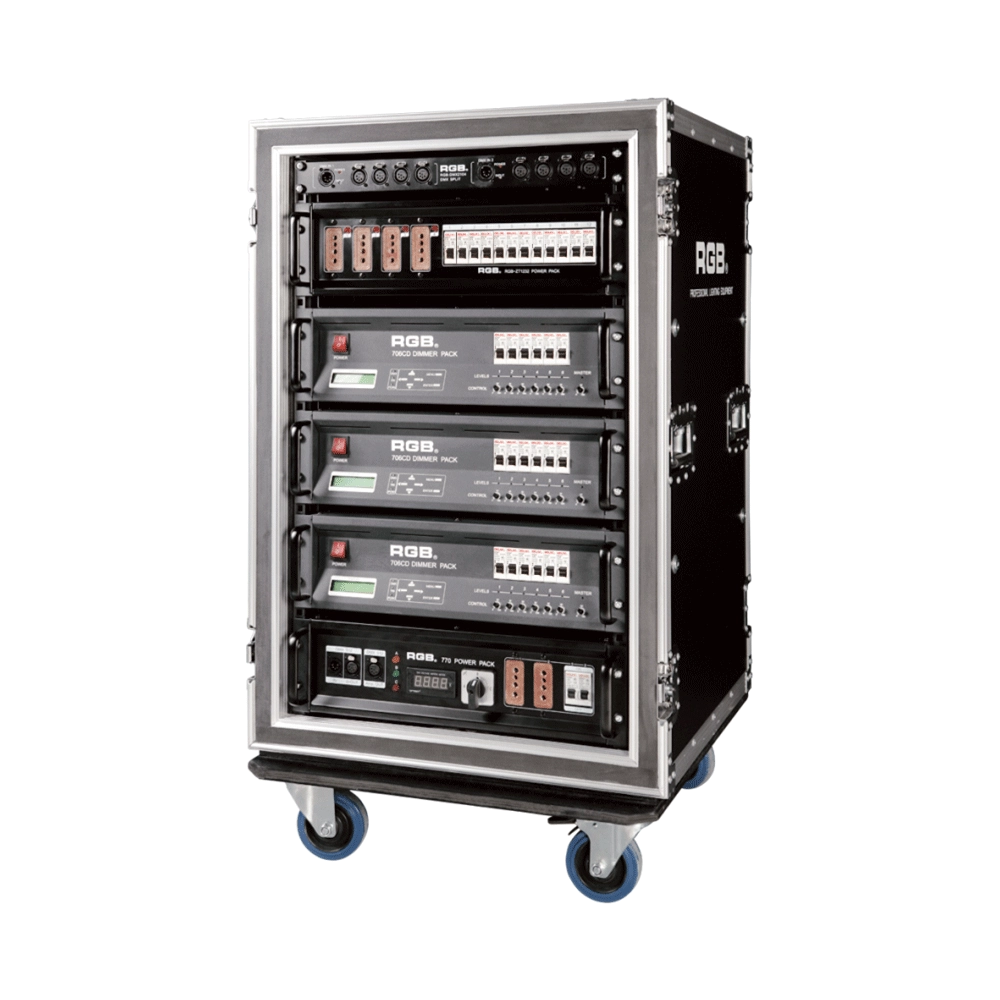
7 Series digital touring dimmer racks can be assembled into many types of dimmer by taking the 7 Series dimmer as the unit. They are widely used in the entertainment industry for their convenience and practicability.
7i Dimmer/Relay Racks
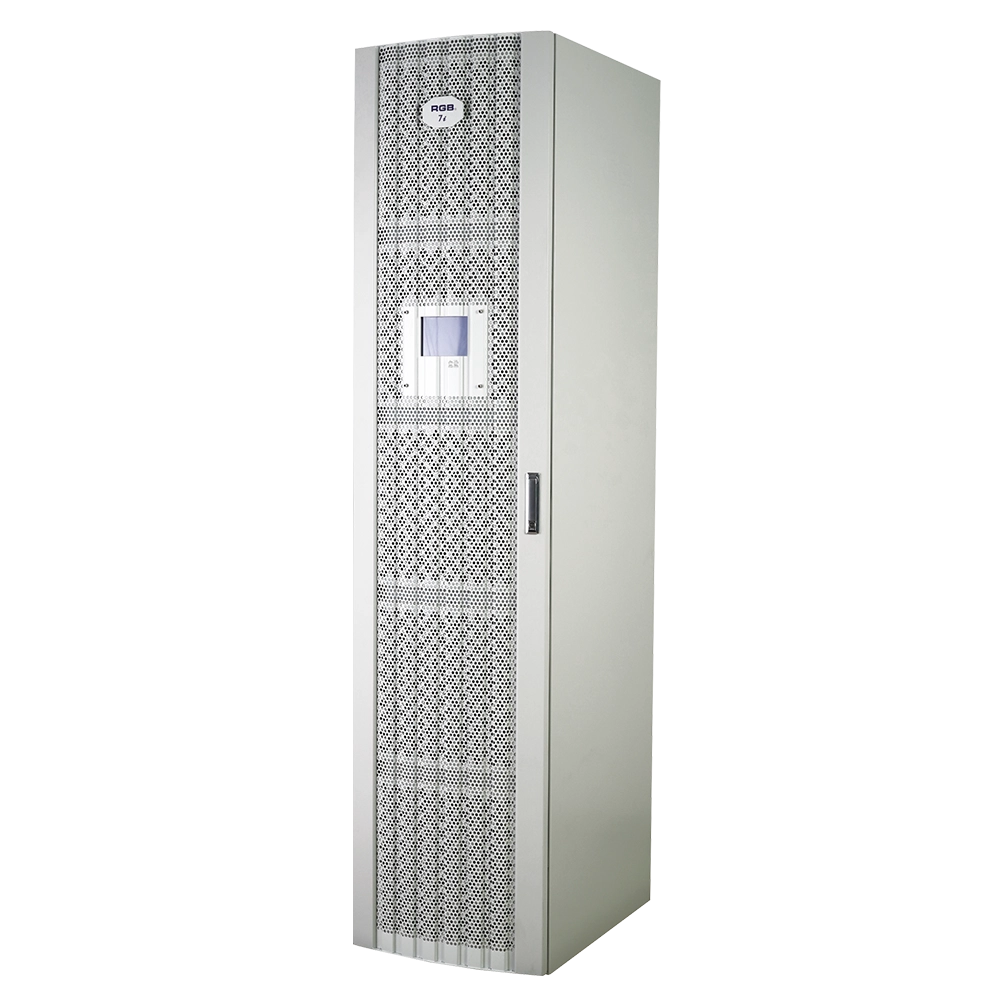
7i is RGB independent research and development, with completely independent core technology, full digital decoding technology dimming racks, using a dual system, double decoding, double trigger, and duplex dual backup central decoding processor, with thyristor, relay, dimming relay mixed and other output configurations, supporting a visual lighting control system, intuitive display of dimming racks' online and offline status, and remote monitoring.
It is widely used in performing arts and cultural venues such as theaters, concert halls, multi-function halls, cultural travel and performing arts, TV stations, gymnasiums, auditoriums, commercial art lighting and so on.
Expert Support
Interested in learning more or need expert guidance related to this article? Fill in your details, and our team will provide tailored support.
Intelligent Control. Brilliant Performance.
RGB specializes in stage lighting control systems, delivering intelligent, reliable, and high-performance solutions for theaters and performance spaces worldwide.
Contact
Email:
Tel:
+86 20 3928 0245
+86 20 3928 0247
Address:
No.3, Huashan Road, Shilou Town, Panyu, Guangzhou, China.
Whatsapp: +8615975520131