
Can wireless stage light controllers handle large shows?
|
- 1. What is the effective range of wireless stage light controllers in large venues?
- 2. How do wireless stage light controllers handle signal interference in crowded environments?
- 3. What is the latency of wireless stage light controllers, and how does it affect live performances?
- 4. How do wireless stage light controllers ensure synchronization across multiple fixtures?
- 5. What are the power consumption and battery life considerations for wireless stage light controllers?
- 6. How do wireless stage light controllers integrate with existing lighting systems?
1. What is the effective range of wireless stage light controllers in large venues?
The effective range of wireless stage light controllers is a critical factor in large venues. For instance, the LEDGate Wireless Compact offers a transmission range of up to 100 meters with its standard antenna. However, in expansive settings like stadiums or outdoor festivals, this range may be insufficient. To address this, advanced wireless protocols such as W-DMX, sACN, and Art-Net are employed, designed to operate in specific frequency bands with anti-interference mechanisms. Additionally, using repeaters or signal boosters can extend the wireless range and enhance the stability of the connection across large venues.
2. How do wireless stage light controllers handle signal interference in crowded environments?
Signal interference is a significant challenge in environments with numerous wireless devices. Wireless communication systems rely on radio frequencies (RF) to transmit data between controllers and lighting fixtures. In large venues, the RF spectrum can become crowded with multiple devices using the same frequencies, leading to signal interference. Environmental factors, such as metal structures or thick walls, can further disrupt the signal, making it difficult to maintain consistent control over fixtures. To combat interference, manufacturers have begun using advanced wireless protocols such as W-DMX, sACN, and Art-Net, which are designed to operate in specific frequency bands with anti-interference mechanisms. For instance, W-DMX technology uses a frequency-hopping method, which ensures that the signal is constantly changing frequencies to avoid interference.
3. What is the latency of wireless stage light controllers, and how does it affect live performances?
Latency, or the delay between sending a command and the lighting fixture responding to it, is a critical issue in live events, especially in dynamic performances where the timing of lighting cues is essential. Even small amounts of latency can disrupt the synchronization between lights and other performance elements, like audio or video. The challenge of reducing latency becomes more pronounced as the number of fixtures controlled wirelessly increases, since each fixture must receive and process the signal individually. The use of advanced wireless control protocols with low-latency capabilities, such as sACN or Art-Net over Wi-Fi, helps reduce communication delays. Some lighting manufacturers also integrate direct control via wired backup options to mitigate latency issues in case of wireless signal degradation. In addition, modern wireless controllers like the Chauvet Professional Nexus 4x4 LED matrix feature built-in processing and can store cues locally, reducing the dependency on continuous wireless communication.
4. How do wireless stage light controllers ensure synchronization across multiple fixtures?
Ensuring synchronization across multiple fixtures is vital for cohesive lighting effects. Advanced wireless control protocols like sACN and Art-Net are designed to handle multiple DMX universes over standard Ethernet networks, allowing for the control of numerous fixtures simultaneously. This networked approach simplifies wiring and ensures consistent data transmission across all fixtures. Additionally, employing mesh networking technology, where wireless signals are relayed from fixture to fixture, can extend the coverage area and ensure that all lighting fixtures receive the signal reliably.
5. What are the power consumption and battery life considerations for wireless stage light controllers?
Power consumption and battery life are crucial considerations for wireless stage light controllers, especially for multi-day events or long performances. Many wireless lighting systems rely on battery-powered controllers and fixtures, which can drain quickly during intense lighting effects. For example, at an outdoor music festival, if the battery life of the wireless LED stage lights begins to deplete before the performance ends, the lights might dim or stop functioning entirely, leaving the event poorly lit or unprofessional. To address this, manufacturers are developing wireless stage lights and controllers with more energy-efficient LEDs and longer-lasting batteries. Additionally, using external power sources or ensuring access to power outlets can mitigate battery life limitations.
6. How do wireless stage light controllers integrate with existing lighting systems?
Integration with existing lighting systems is essential for seamless operation. Many wireless stage light controllers support standard protocols like DMX512, Art-Net, and sACN, ensuring compatibility with a wide range of lighting fixtures. For instance, the LQE WiFi Moving Wash Light Controller supports DMX512, Art-Net, and sACN protocols, allowing for seamless integration with existing systems. This compatibility facilitates the addition of wireless control capabilities to existing wired setups without the need for extensive system overhauls.
In conclusion, selecting the right wireless stage light controller for large-scale shows involves careful consideration of range, interference management, latency, synchronization, power consumption, and system integration. By addressing these factors, you can ensure a reliable and efficient lighting control system that enhances the visual experience of your audience.
For a personalized quote or more information, please contact us at info@rgbsystem.com or visit our website at www.rgbsystem.com.
Latest News
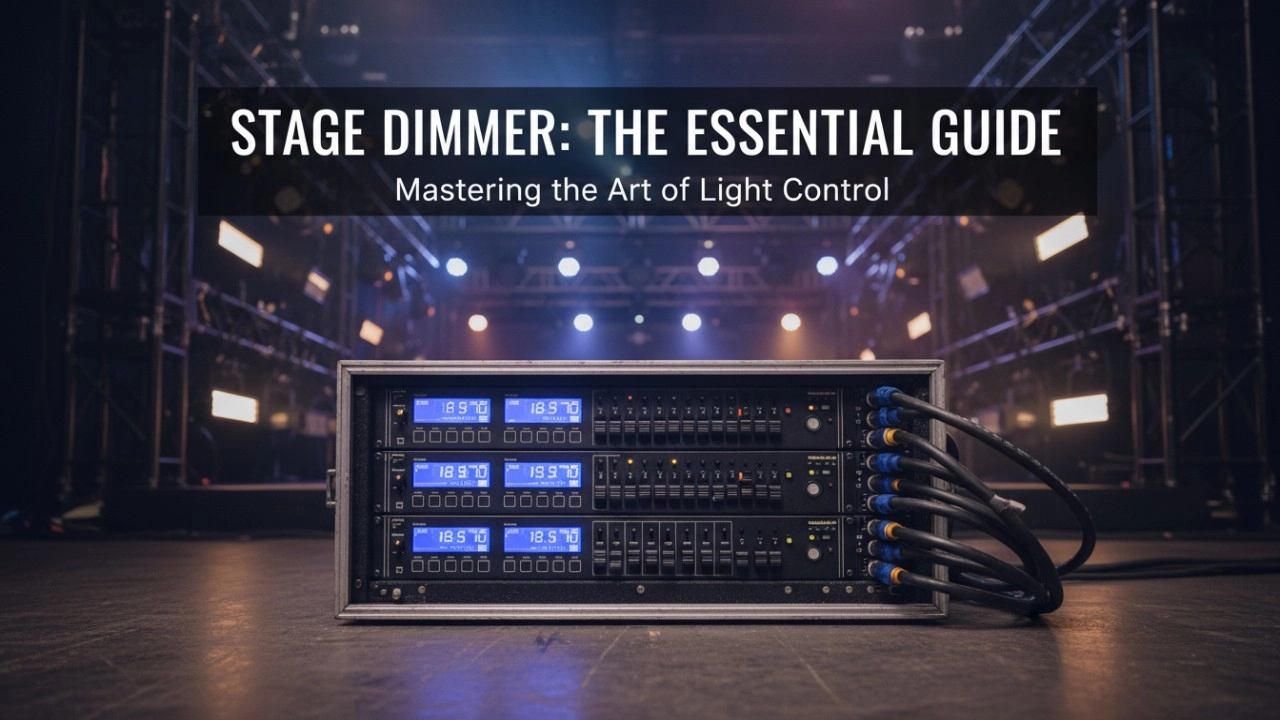
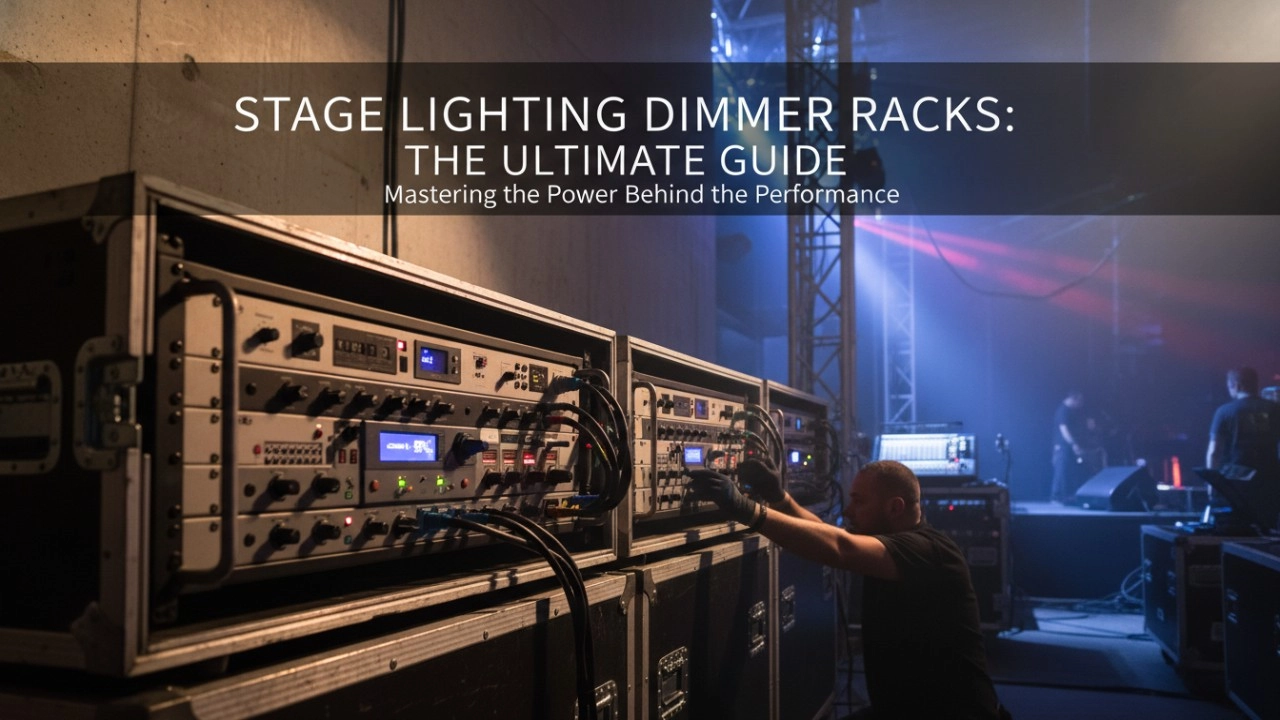
A comprehensive 2026 guide to selecting high-performance stage lighting dimmer racks. We review top hybrid systems, explore SCR vs sine wave technology, and analyze essential features like ThruPower for modern venues.
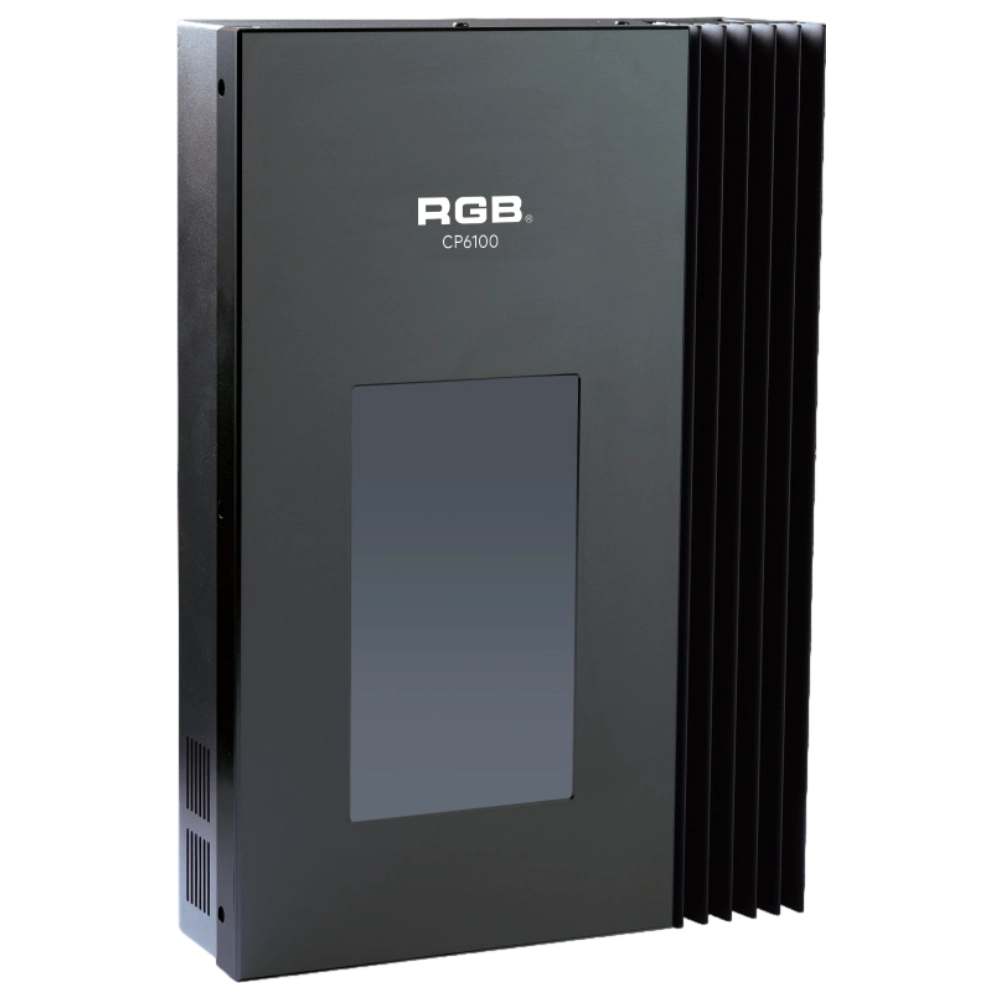
CP6100 Light Control System
The lighting control host is the main control device for theater stage lights, work lights, environmental lighting, commercial art lighting, sports venue lighting, and other places. By connecting the dedicated lighting control panels CP6104 and CP6108, it realizes the central control of the lighting system, supports a visual lighting control system, and intuitively displays the online and offline status of CP6100. Realize remote monitoring, editing, and setting of corresponding parameters.
It is widely applicable to theaters, cinemas, auditoriums, stadiums, museums, exhibition halls, cultural tourism performances, commercial art lighting, and other places.
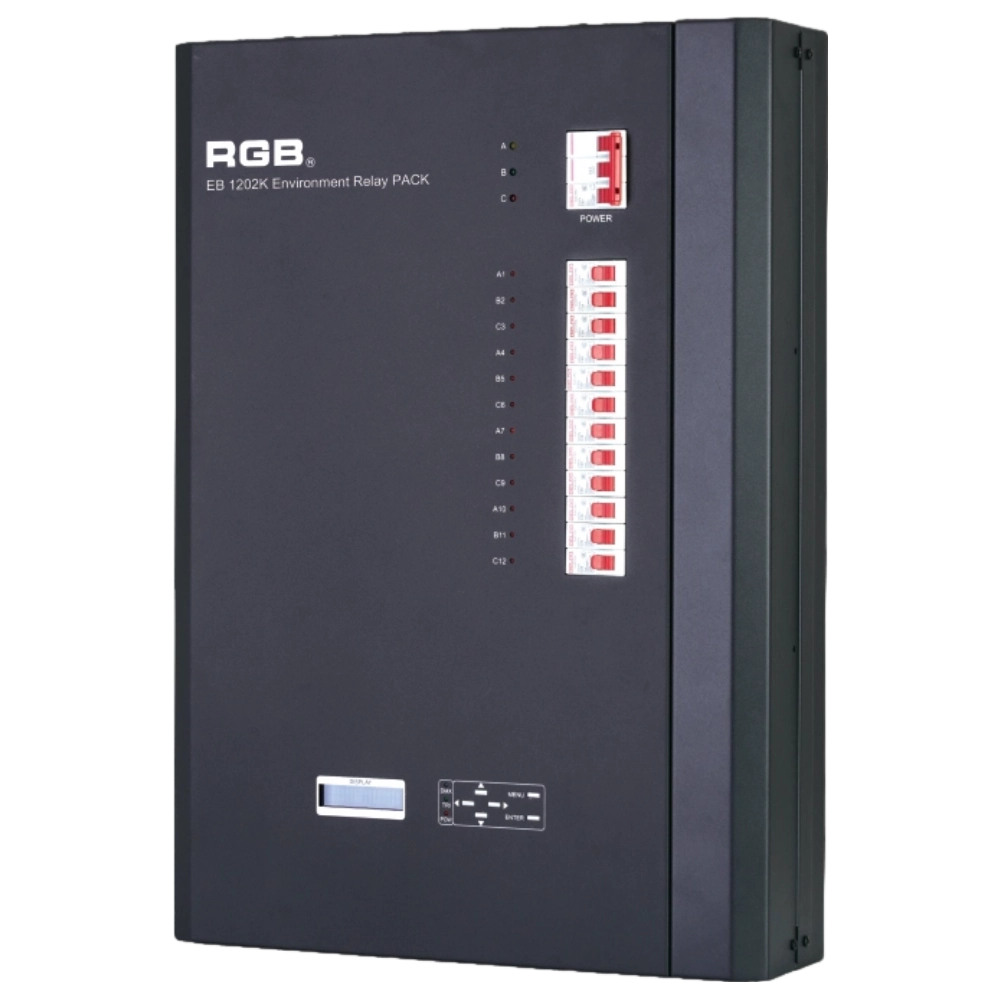
EB1202 Wall-Mounted Smart Site Light Control Series
Wall-mounted smart lighting controller with CE certification, DMX512 compatibility, flexible 12/24-channel output, scene backup, intelligent interface, and multiple dimming curves for precise professional lighting control.
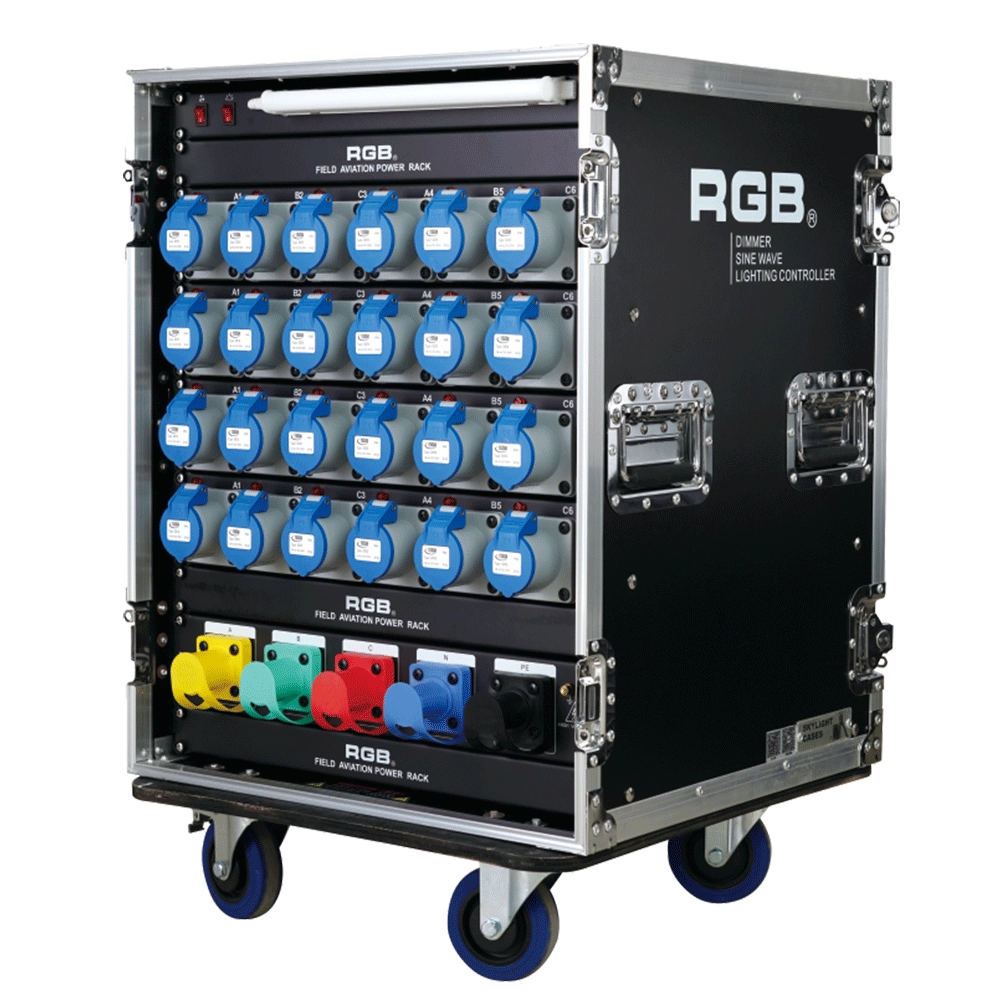
ZT Distribution Box
RGB-ZT2416 features dual protection functions and is a power distribution product specifically designed for overcurrent and short circuit of electrical equipment. It is the best choice for mobile performance and is suitable for use in computer lamps, conventional lamps, and other equipment.
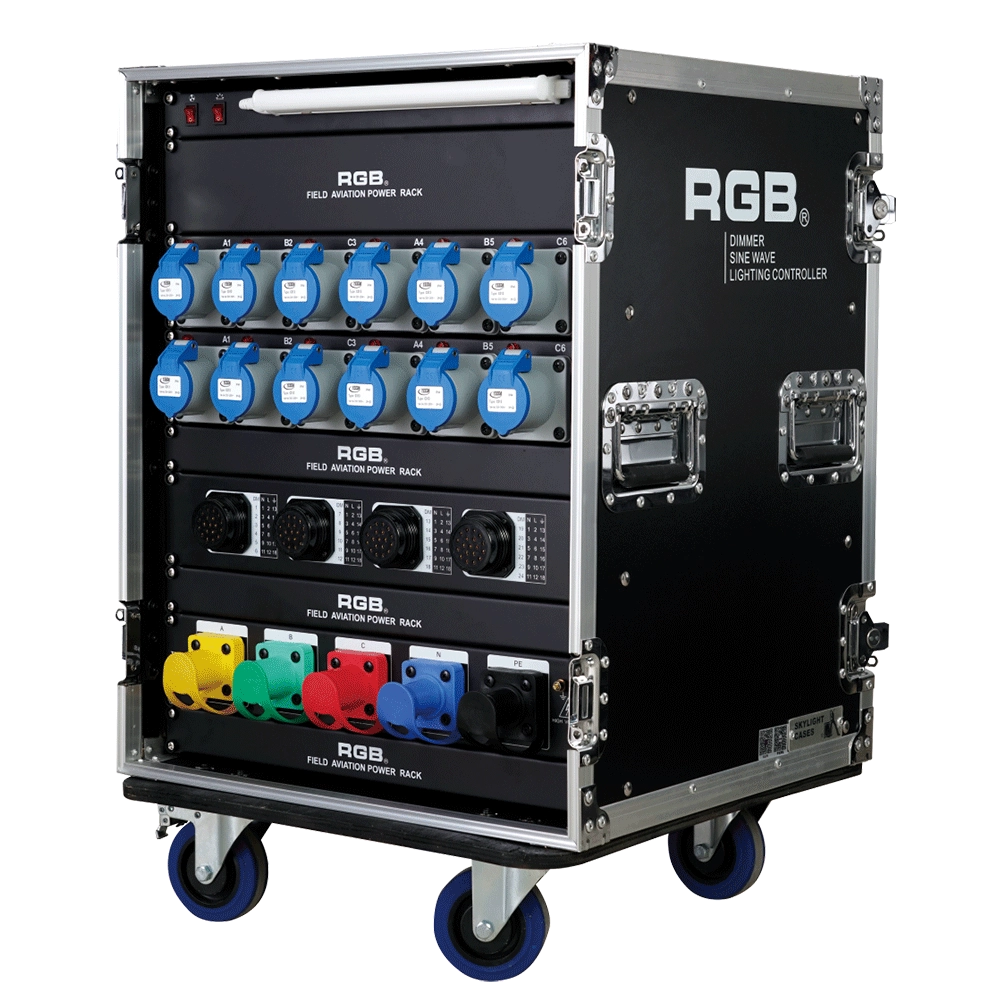
ZT2419+1216 Distribution Box
ZT2419+1216 features dual protection functions and is a power distribution product specifically designed for overcurrent and short circuits in electrical equipment. It is the best choice for mobile performance and is suitable for use in computer lamps, conventional lamps, and other equipment.
Expert Support
Interested in learning more or need expert guidance related to this article? Fill in your details, and our team will provide tailored support.
Intelligent Control. Brilliant Performance.
RGB specializes in stage lighting control systems, delivering intelligent, reliable, and high-performance solutions for theaters and performance spaces worldwide.
Contact
Email:
Tel:
+86 20 3928 0245
+86 20 3928 0247
Address:
No.3, Huashan Road, Shilou Town, Panyu, Guangzhou, China.
Whatsapp: +8615975520131