
Wired vs Wireless DMX Ethernet Node: Which Is Right?
|
- 1. What are the primary differences between wired and wireless DMX Ethernet nodes?
- 2. How does signal reliability compare between wired and wireless DMX Ethernet nodes?
- 3. What are the latency differences between wired and wireless DMX Ethernet nodes?
- 4. How do environmental factors impact the performance of wired and wireless DMX Ethernet nodes?
- 5. What are the scalability considerations when choosing between wired and wireless DMX Ethernet nodes?
- 6. What are the cost implications of selecting wired versus wireless DMX Ethernet nodes?
- Conclusion
1. What are the primary differences between wired and wireless DMX Ethernet nodes?
Wired DMX Ethernet nodes utilize standard network cables (Cat5e/Cat6) to transmit DMX512 data, offering a stable and low-latency connection. They are ideal for installations where cable runs are feasible and signal integrity is paramount. In contrast, wireless DMX Ethernet nodes transmit DMX data over radio frequencies, providing flexibility in installations where cabling is impractical or aesthetically undesirable. However, they may be susceptible to interference and signal degradation, especially in environments with high RF activity.
2. How does signal reliability compare between wired and wireless DMX Ethernet nodes?
Wired DMX Ethernet nodes generally offer superior signal reliability due to the physical connection, which is less prone to interference. This makes them suitable for critical applications where consistent performance is essential. Wireless DMX Ethernet nodes, while convenient, can experience signal loss or degradation due to obstacles, interference, or range limitations. To mitigate these issues, it's crucial to perform an RF survey during venue setup to identify potential sources of interference and plan transmitter and receiver placements accordingly. ((https://www.rgbsystem.com/article/ethernet-dmx-node-vs-wireless-dmx/))
3. What are the latency differences between wired and wireless DMX Ethernet nodes?
Latency in wired DMX Ethernet nodes is typically minimal, ensuring real-time control of lighting fixtures. This is particularly important in live performances where timing is critical. Wireless DMX Ethernet nodes may introduce additional latency due to the time required for data to be transmitted over the air and processed by receivers. The extent of this latency can vary based on the quality of the wireless system and environmental factors. It's advisable to test the entire lighting setup under show conditions to ensure that any latency introduced by wireless transmission does not adversely affect performance.
4. How do environmental factors impact the performance of wired and wireless DMX Ethernet nodes?
Environmental factors such as temperature, humidity, and physical obstructions can affect both wired and wireless DMX Ethernet nodes. Wired nodes are generally more resilient to environmental changes, provided that cables are properly shielded and connectors are secure. Wireless nodes are more susceptible to environmental influences, including interference from other wireless devices, physical obstructions like walls or metal structures, and even weather conditions. To ensure optimal performance, it's essential to conduct thorough site surveys and consider factors like line-of-sight and potential sources of interference when deploying wireless systems. ((https://www.rgbsystem.com/article/ethernet-dmx-node-vs-wireless-dmx/))
5. What are the scalability considerations when choosing between wired and wireless DMX Ethernet nodes?
Wired DMX Ethernet nodes are well-suited for large-scale installations where multiple DMX universes are required. They can easily handle the increased channel count by adding additional nodes without significant degradation in performance. Wireless DMX Ethernet nodes may face challenges in scalability due to potential interference and bandwidth limitations. As the number of wireless nodes increases, the risk of signal degradation also rises. Therefore, careful planning and possibly hybrid solutions that combine both wired and wireless nodes may be necessary to achieve the desired scalability. ((https://www.rgbsystem.com/blog/ethernet-dmx-node-vs-splitter/))
6. What are the cost implications of selecting wired versus wireless DMX Ethernet nodes?
Wired DMX Ethernet nodes typically have a lower initial cost and are cost-effective for installations where cabling is straightforward. However, the cost of running extensive cabling and the labor involved can add up, especially in complex setups. Wireless DMX Ethernet nodes have a higher upfront cost but can reduce labor and material expenses associated with cabling. They also offer flexibility in installations where running cables is challenging or undesirable. When considering cost, it's important to weigh the initial investment against the long-term benefits and potential challenges associated with each option. ((https://www.rgbsystem.com/article/ethernet-dmx-node-vs-wireless-dmx/))
Conclusion
Choosing between wired and wireless DMX Ethernet nodes depends on various factors, including the specific requirements of your lighting setup, environmental conditions, scalability needs, and budget constraints. By carefully evaluating these aspects, you can make an informed decision that ensures reliable and efficient control of your stage lighting system.
For a personalized consultation and quote tailored to your specific needs, please contact us at info@rgbsystem.com or visit our website at www.rgbsystem.com.
Latest News
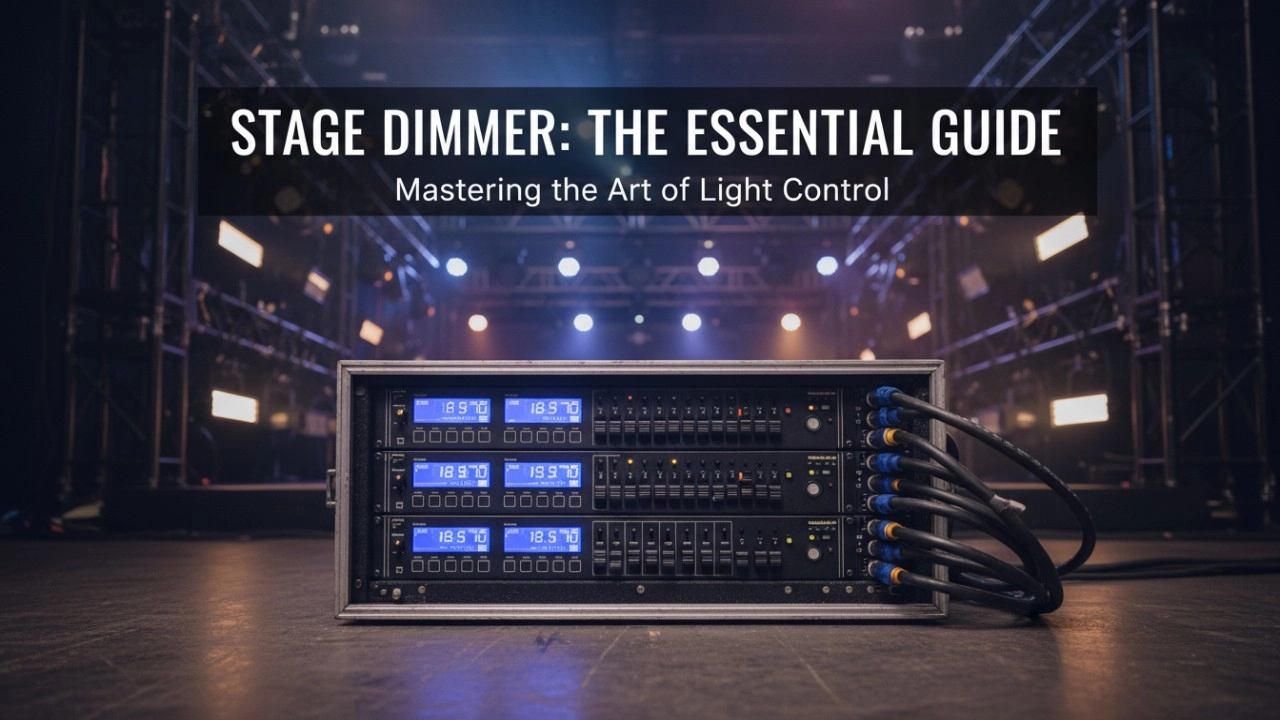
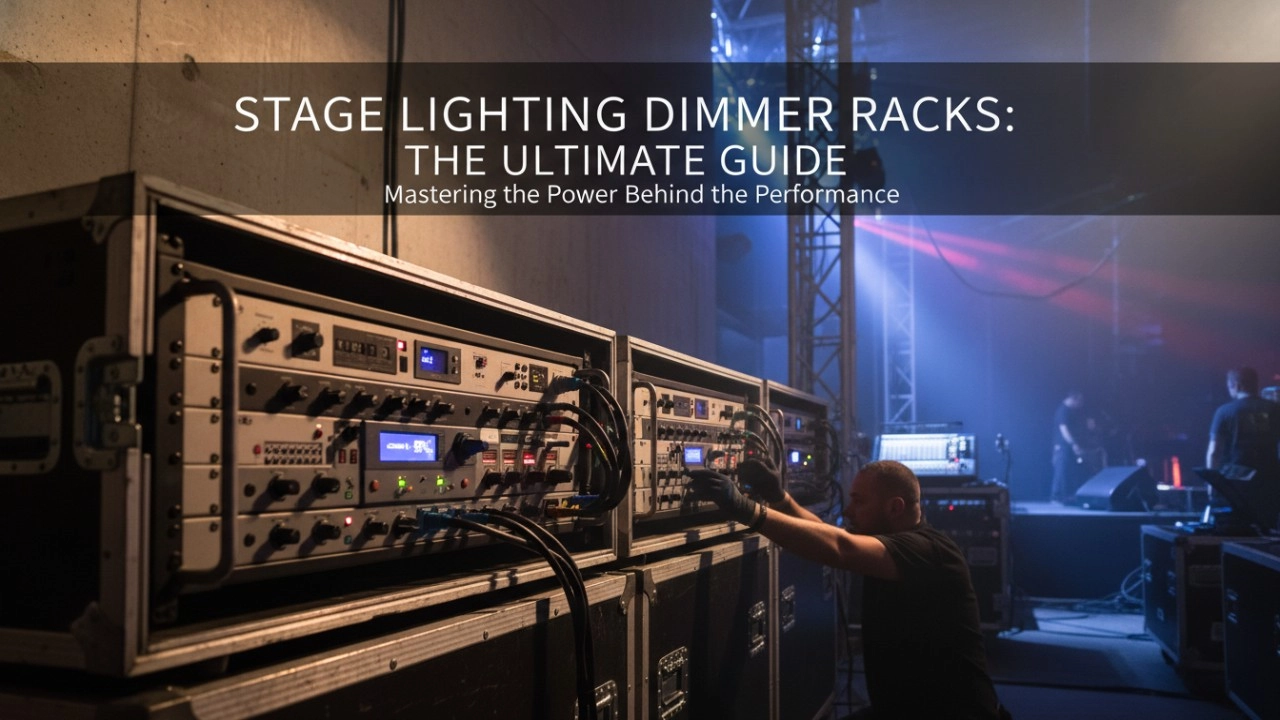
A comprehensive 2026 guide to selecting high-performance stage lighting dimmer racks. We review top hybrid systems, explore SCR vs sine wave technology, and analyze essential features like ThruPower for modern venues.
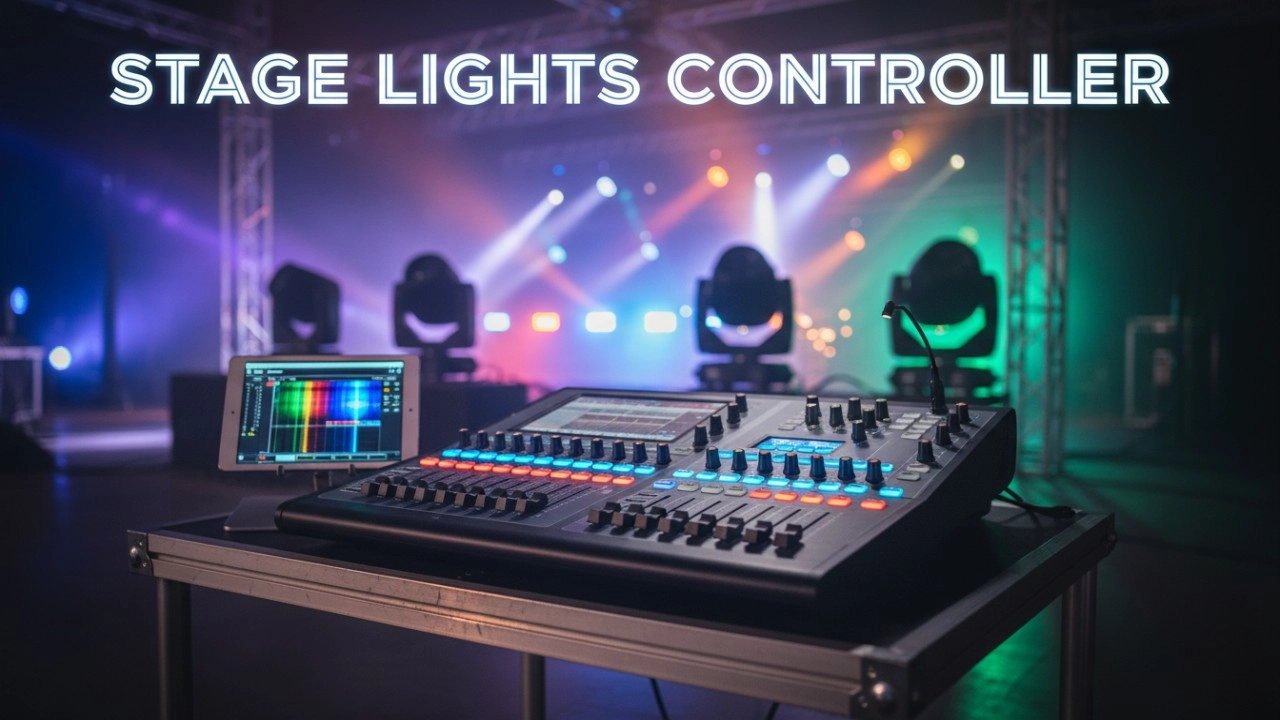
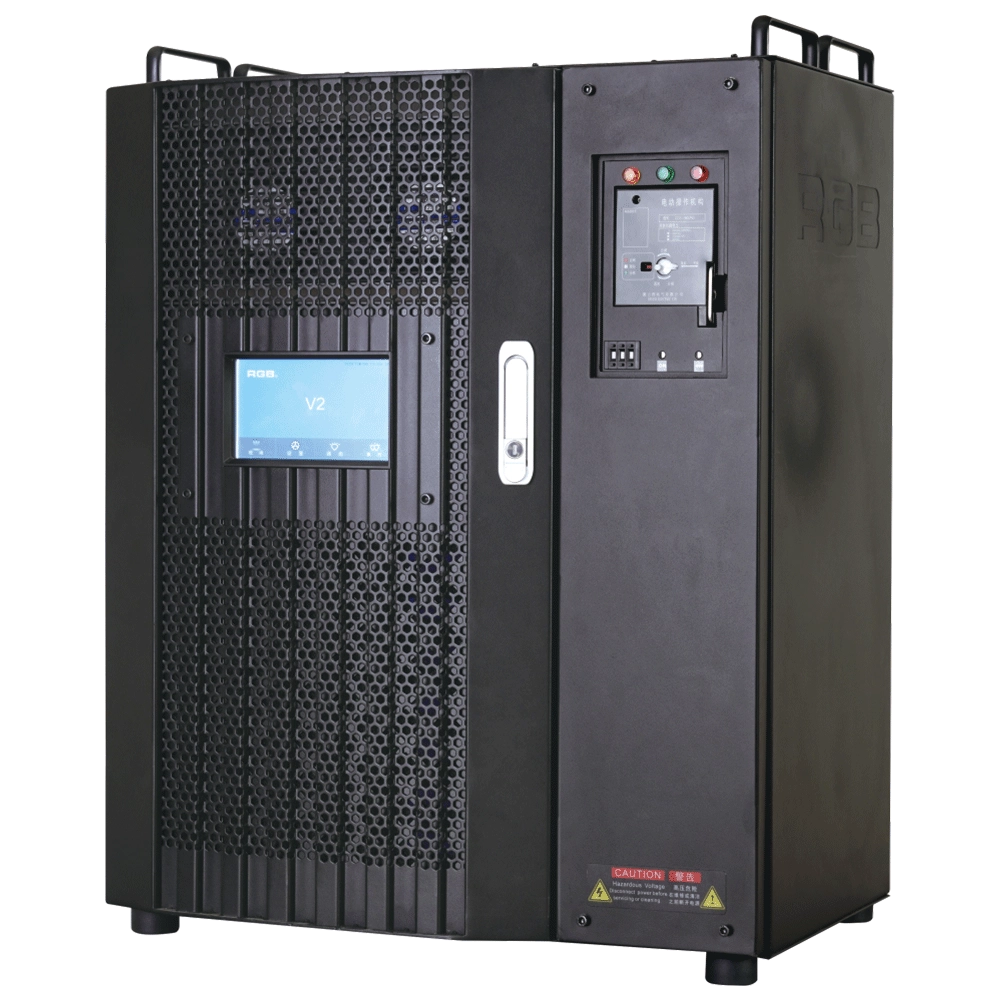
V2 Intelligent Network Dimmer/Relay Racks
V2 is an artificial intelligence dimming rack independently developed by RGB, which has completely independent core technology and obtained software copyrights. It is a fully digital electrodeless trigger and multi-backup independent CPU central processor technology. It has a variety of output configurations, such as sine wave, thyristor, relay, dimming relay, etc. It supports visual lighting control system and visually displays the online and offline status of dimming racks. Realize remote monitoring, editing, and setting of relevant parameters.
It is widely used in performing arts and cultural venues such as theaters, concert halls, multi-function halls, cultural travel and performing arts, TV stations, gymnasiums, auditoriums, commercial art lighting and so on.
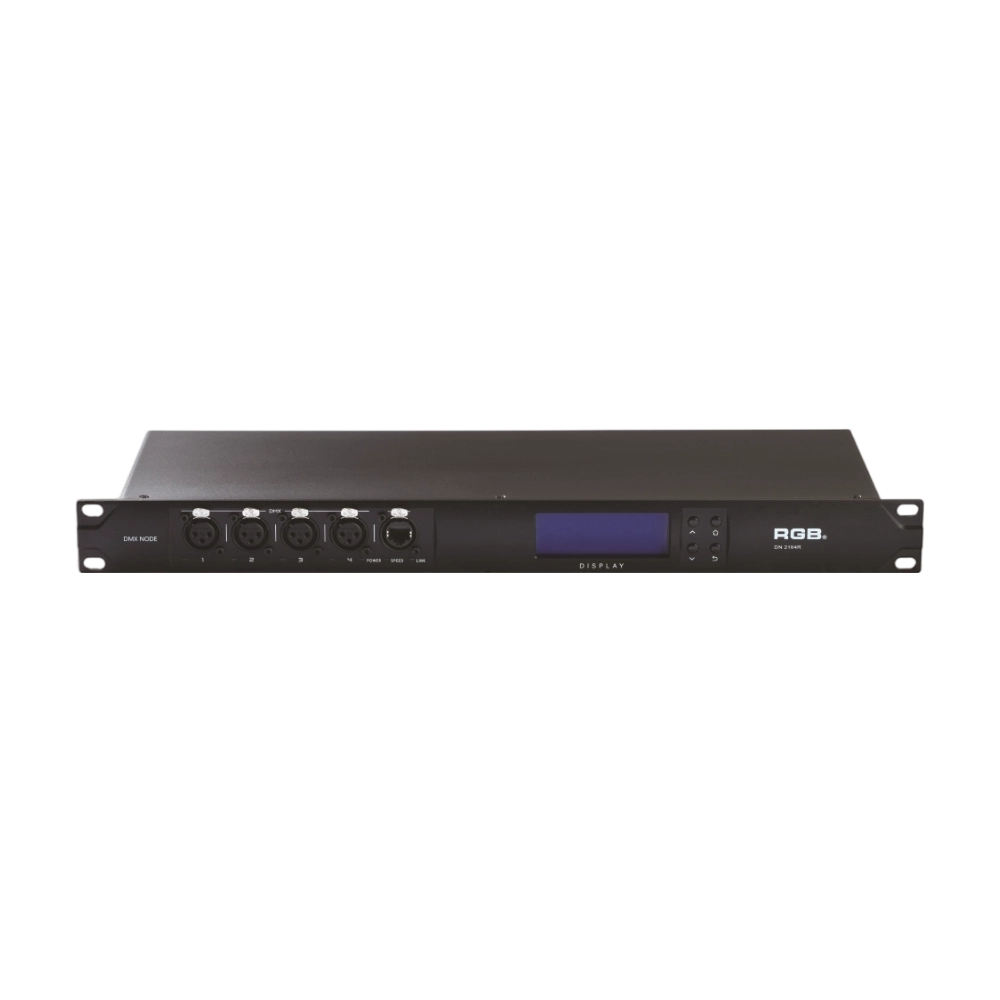
DMX, RDM Nodes
The DN series dual network port network decoder is a lighting control system product independently developed by RGB, featuring completely independent core technology and software copyright. It seamlessly connects and decodes the sACN and ART-Net network protocols based on TCP/IP with the DMX-512 and RDM communication protocols, achieving gigabit communication with dual independent physical address codes. Supports a visual lighting control system, intuitively displaying the online and offline status of the DN series network decoders, and enabling remote monitoring, editing, and setting of corresponding parameters.
It is widely applied in theaters, concert halls, multi-functional halls, cultural and tourism performances, TV stations, gymnasiums, auditoriums, commercial art lighting, and other performance and cultural venues.
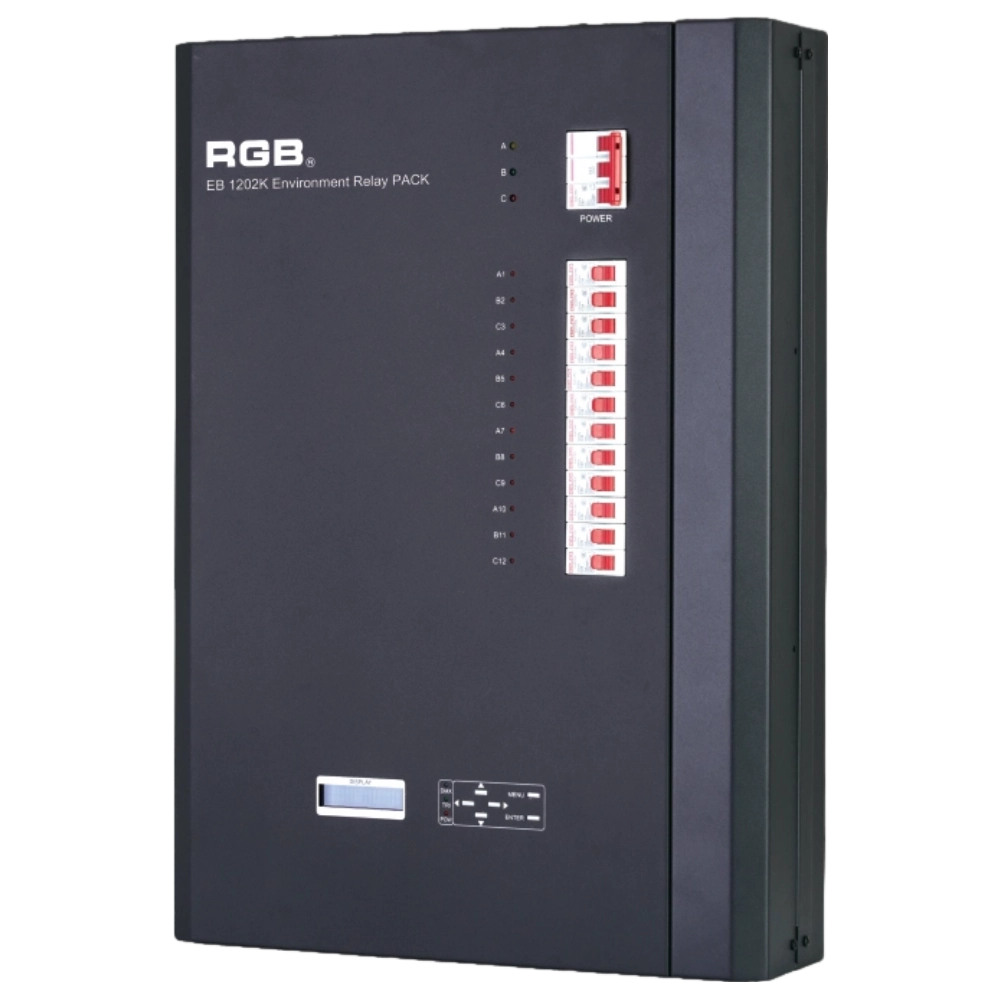
EB1202 Wall-Mounted Smart Site Light Control Series
Wall-mounted smart lighting controller with CE certification, DMX512 compatibility, flexible 12/24-channel output, scene backup, intelligent interface, and multiple dimming curves for precise professional lighting control.
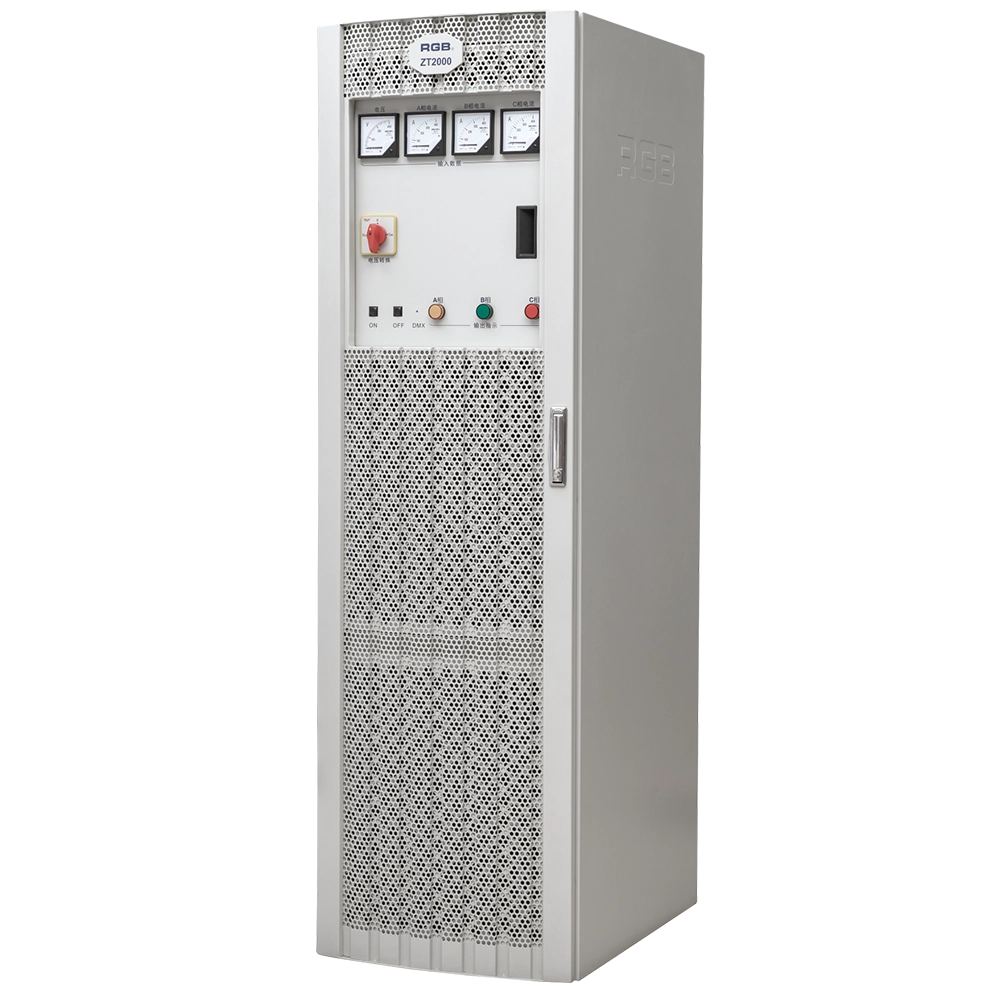
ZT2000 Pass-Through Racks
The ZT2000 straight-through power cabinet is a three-phase 630A/400A air switch main control, with each channel being a 32A air switch sub-control straight-through power cabinet. It can be used in conjunction with various computer lamps, regular lamps, and temporary electrical equipment as a power distribution and supply part for electrical equipment with overcurrent and short-circuit protection. It is a brand-new, reliable, and stable lighting control device in the field of stage lighting control.
It is widely applied in theaters, concert halls, multi-functional halls, cultural and tourism performances, TV stations, gymnasiums, auditoriums, commercial art lighting, and other performance and cultural venues.
Expert Support
Interested in learning more or need expert guidance related to this article? Fill in your details, and our team will provide tailored support.
Intelligent Control. Brilliant Performance.
RGB specializes in stage lighting control systems, delivering intelligent, reliable, and high-performance solutions for theaters and performance spaces worldwide.
Contact
Email:
Tel:
+86 20 3928 0245
+86 20 3928 0247
Address:
No.3, Huashan Road, Shilou Town, Panyu, Guangzhou, China.
Whatsapp: +8615975520131