
Are wireless stage light dimmers reliable for touring rigs?
|
- 1. How do wireless stage light dimmers perform in touring rigs compared to traditional wired systems?
- 2. What are the key considerations when integrating LED fixtures with existing dimmer racks and DMX infrastructure?
- 3. How can I ensure the reliability and longevity of stage light dimmers in demanding touring environments?
- 4. What are the potential risks of using traditional dimmer racks with LED fixtures, and how can they be mitigated?
- 5. How do environmental factors like humidity and temperature affect the performance of stage light dimmers, and what precautions should be taken?
- 6. What are the latest advancements in stage light dimmer technology, and how do they enhance performance and reliability?
1. How do wireless stage light dimmers perform in touring rigs compared to traditional wired systems?
Wireless stage light dimmers offer significant advantages in touring rigs, such as reduced setup time and decreased cable management. However, they also present challenges like potential latency issues, susceptibility to interference, and limited range.
Advantages:
Flexibility and Reduced Cabling: Wireless systems enable quick deployment and minimize the need for extensive cabling, which is particularly beneficial in venues where cable runs are impractical or aesthetically undesirable.
Rapid Setup: The absence of physical connections allows for faster rigging and teardown, essential for touring productions with tight schedules.
Challenges:
Latency and Reliability: Wireless systems can introduce latency and are susceptible to interference, which may affect performance during live events.
Limited Range: The effective range of wireless dimmers can be constrained by environmental factors and obstacles, potentially leading to signal dropouts.
Recommendation:
For critical performances, a hybrid approach combining both wired and wireless systems can offer the benefits of flexibility while maintaining reliability.
2. What are the key considerations when integrating LED fixtures with existing dimmer racks and DMX infrastructure?
Integrating LED fixtures with traditional dimmer racks and DMX systems requires careful attention to compatibility and system configuration.
Key Considerations:
Compatibility: Ensure that LED fixtures are compatible with existing dimmer racks. Many LED fixtures require electronic control via DMX or 0–10V protocols and may not function correctly with traditional triac dimmers.
Dimming Protocols: Utilize dimmers and controllers certified for LED loads or control LEDs through their digital control interfaces to prevent issues like flickering or damage.
Grounding and Noise: Proper grounding is essential to prevent noise and hum in the system. Implementing isolated audio lines and ensuring proper grounding can mitigate these issues.
Recommendation:
Consult with lighting professionals to assess system compatibility and make necessary adjustments to ensure seamless integration and optimal performance.
3. How can I ensure the reliability and longevity of stage light dimmers in demanding touring environments?
Maintaining the reliability and longevity of stage light dimmers in touring environments involves regular maintenance and proactive measures.
Maintenance Practices:
Regular Inspections: Conduct monthly visual inspections and quarterly functional tests to identify and address potential issues before they lead to failures. ((https://www.rgbsystem.com/article/safety-regulations-stage-dimmers/))
Environmental Considerations: Protect dimmers from environmental factors such as dust, moisture, and temperature fluctuations by using appropriate enclosures and ensuring proper ventilation. ((https://www.rgbsystem.com/blog/dimmer-racks-stage-lighting-guide/))
Load Management: Avoid overloading dimmers by calculating the total wattage of connected fixtures and ensuring it does not exceed the dimmer's rated capacity.
Recommendation:
Implement a comprehensive maintenance schedule and invest in quality equipment to enhance the reliability and lifespan of your stage light dimmers.
4. What are the potential risks of using traditional dimmer racks with LED fixtures, and how can they be mitigated?
Using traditional dimmer racks with LED fixtures can lead to issues such as flickering, reduced performance, and potential damage to the fixtures.
Potential Risks:
Incompatibility: Traditional triac dimmers may not be compatible with LED fixtures, leading to operational issues.
Flickering and Damage: Using incompatible dimmers can cause LED fixtures to flicker or even fail prematurely.
Mitigation Strategies:
Use LED-Compatible Dimmers: Ensure that dimmer racks are specifically designed for LED fixtures to prevent compatibility issues.
Direct Digital Control: Control LEDs through their digital interfaces, such as DMX, to ensure proper operation and prevent damage.
Recommendation:
Evaluate your existing dimmer racks and consider upgrading to LED-compatible models or implementing direct digital control to ensure optimal performance and longevity of your LED fixtures.
5. How do environmental factors like humidity and temperature affect the performance of stage light dimmers, and what precautions should be taken?
Environmental factors such as humidity and temperature can significantly impact the performance and lifespan of stage light dimmers.
Impact of Environmental Factors:
Humidity: High humidity can lead to corrosion of internal components, affecting performance and reliability. ((https://www.rgbsystem.com/blog/dimmer-racks-stage-lighting-guide/))
Temperature Fluctuations: Extreme temperatures can cause thermal stress, leading to component failure or reduced efficiency. ((https://www.rgbsystem.com/blog/dimmer-racks-stage-lighting-guide/))
Precautions:
Environmental Protection: Use enclosures rated for the specific environmental conditions to protect dimmers from moisture and temperature extremes. ((https://www.rgbsystem.com/blog/dimmer-racks-stage-lighting-guide/))
Proper Ventilation: Ensure adequate ventilation to dissipate heat and maintain optimal operating temperatures. ((https://www.rgbsystem.com/blog/dimmer-racks-stage-lighting-guide/))
Recommendation:
Assess the environmental conditions of your performance venues and implement protective measures to safeguard your stage light dimmers.
6. What are the latest advancements in stage light dimmer technology, and how do they enhance performance and reliability?
Recent advancements in stage light dimmer technology have introduced features that enhance performance and reliability.
Advancements:
Digital Control Interfaces: Modern dimmers offer digital control interfaces, such as DMX and RDM, allowing for precise control and monitoring of fixtures.
Improved Thermal Management: Advanced cooling systems and thermal management techniques have been developed to prevent overheating and ensure consistent performance. ((https://www.rgbsystem.com/blog/dimmer-racks-stage-lighting-guide/))
Enhanced Compatibility: New dimmer models are designed to be compatible with a wide range of fixtures, including LEDs, reducing the risk of incompatibility issues.
Recommendation:
Stay informed about technological advancements and consider upgrading to the latest dimmer models to take advantage of improved performance and reliability.
In conclusion, selecting the right stage light dimmer involves understanding the specific needs of your production, considering environmental factors, ensuring compatibility with existing systems, and implementing regular maintenance practices. By addressing these aspects, you can achieve optimal performance and reliability for your stage lighting setup.
For a personalized consultation and quote, please contact us at info@rgbsystem.com or visit our website at www.rgbsystem.com.
Latest News
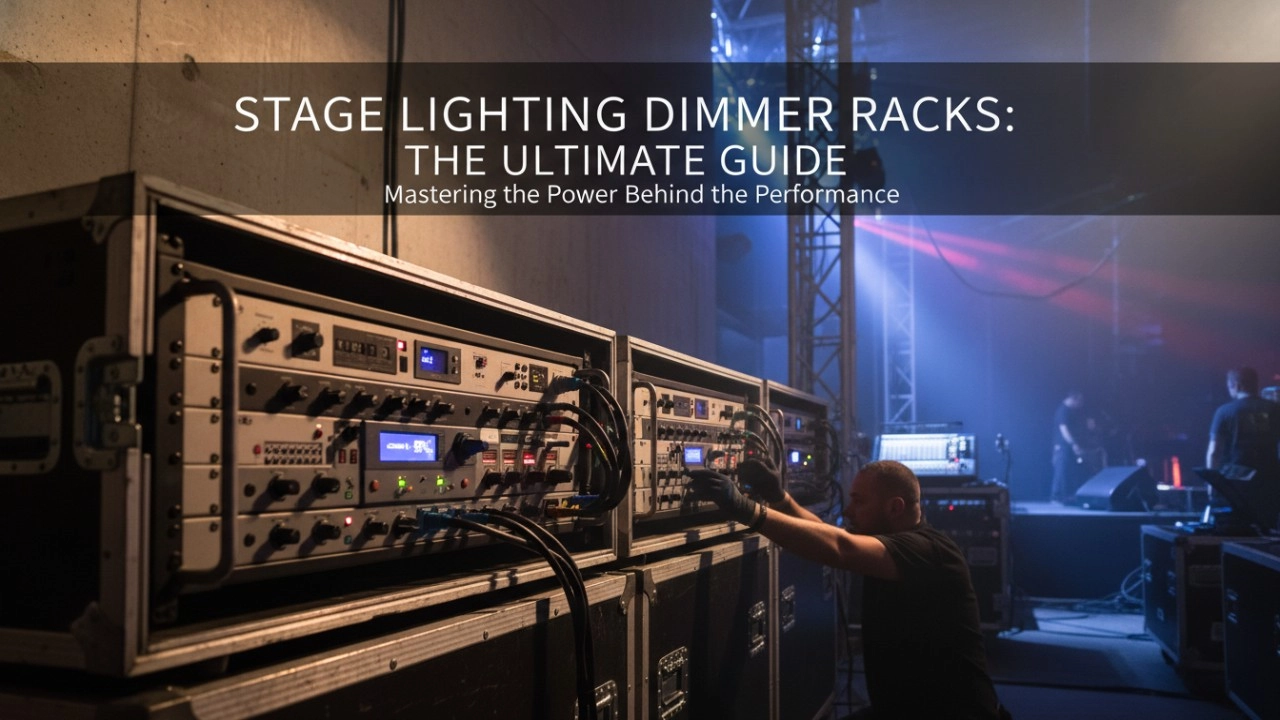
A comprehensive 2026 guide to selecting high-performance stage lighting dimmer racks. We review top hybrid systems, explore SCR vs sine wave technology, and analyze essential features like ThruPower for modern venues.
RDM Series Signal Amplifier
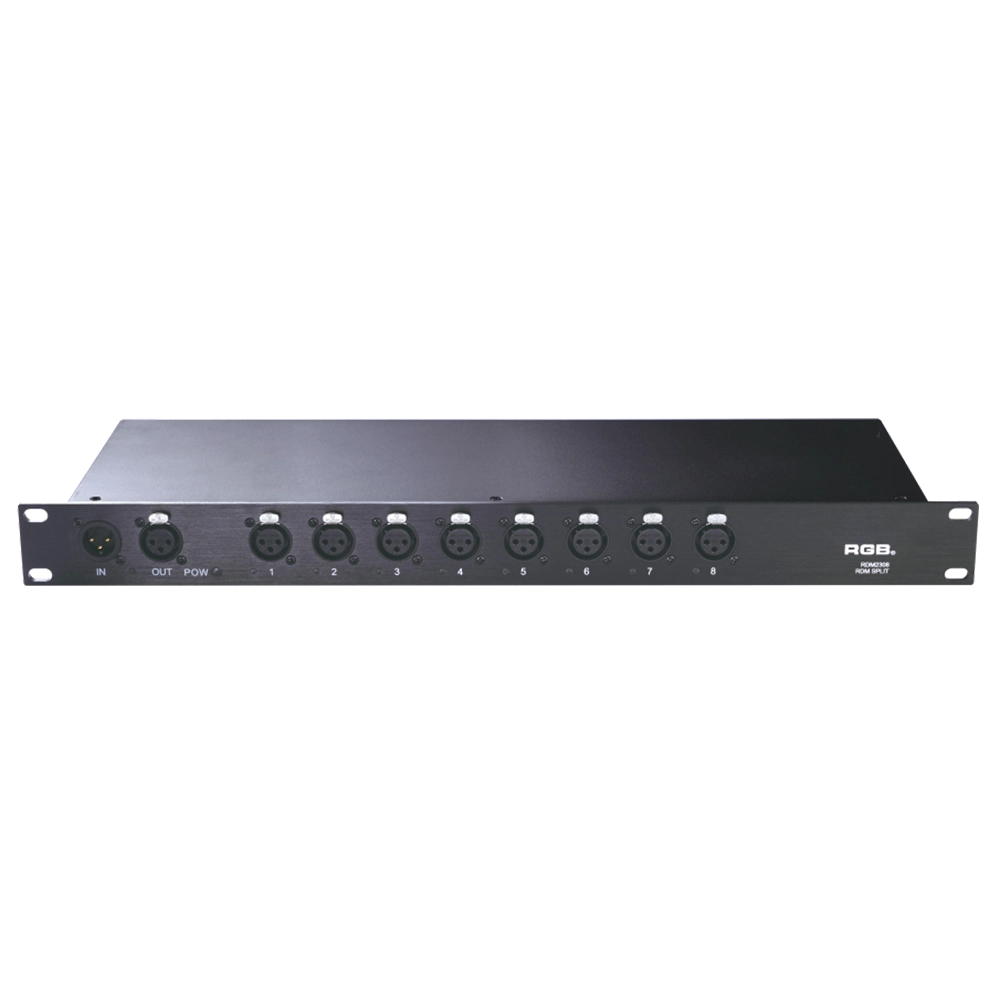
RDM2304, RDM2308, RDM2310, RDM2312 rack-mounted The RDM signal amplifier improves the quality of bidirectional RDM signal transmission, ensures the reliability of system control, and prevents faults such as AC high-voltage reverse series lighting control system, lightning high-voltage series entry, and line short circuit, which may affect system stability.
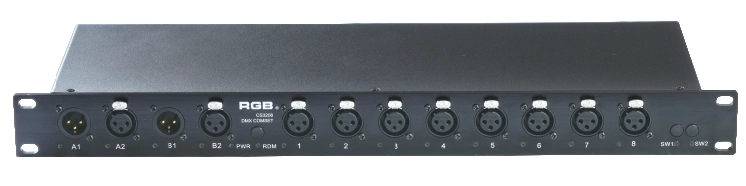
DMX&RDM Signal Mergers Amplifiers
The rack-mounted DMX signal amplifier complies with the DMX-512 standard protocol, improving the transmission quality of DMX-512 signals, ensuring the reliability of system control, and preventing faults such as reverse connection of AC high voltage in the lighting control system, high voltage intrusion due to lightning strikes, and line short circuits, which may affect the stability of the system.
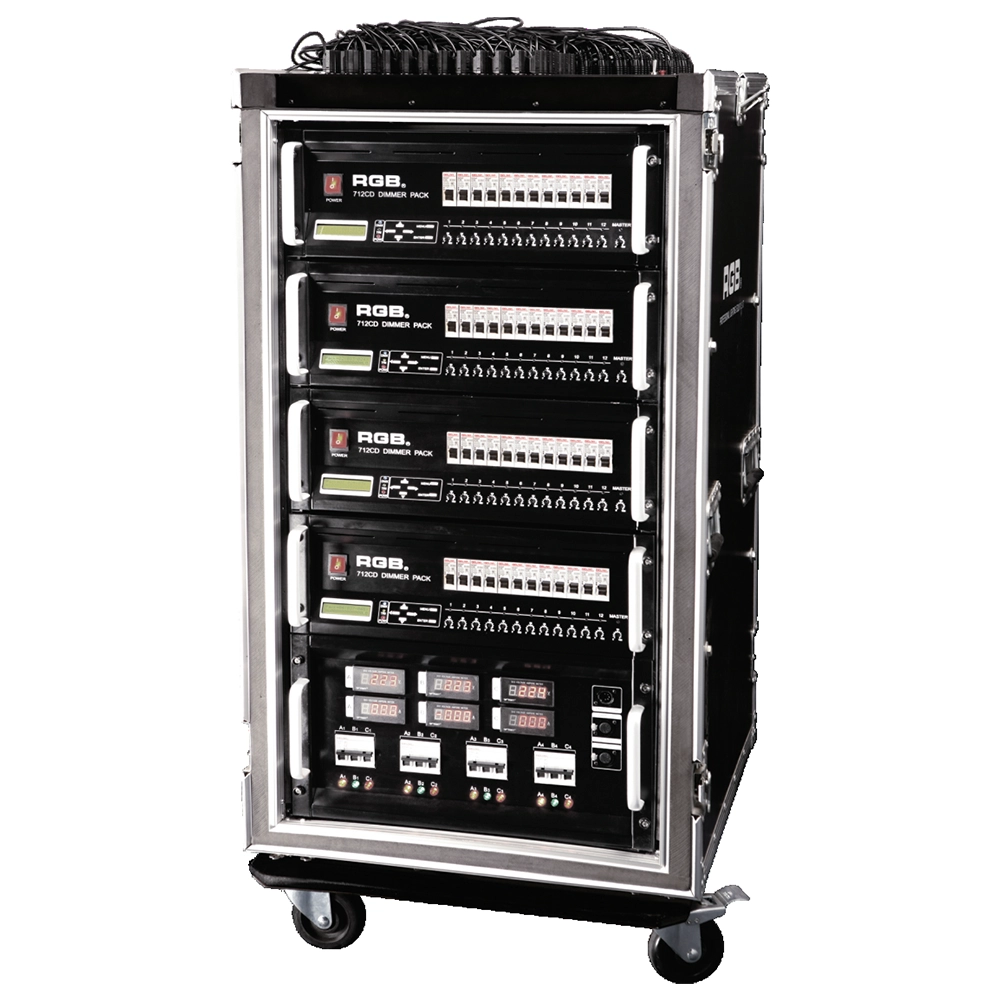
Intelligent Network Touring Dimmer Racks
RGB intelligent network touring dimmer racks can be assembledinto many types of dimmer racks by taking 7 series dimmer
packs as the unit. They are widely used in the entertainment fortheir convenience and practicabillity,
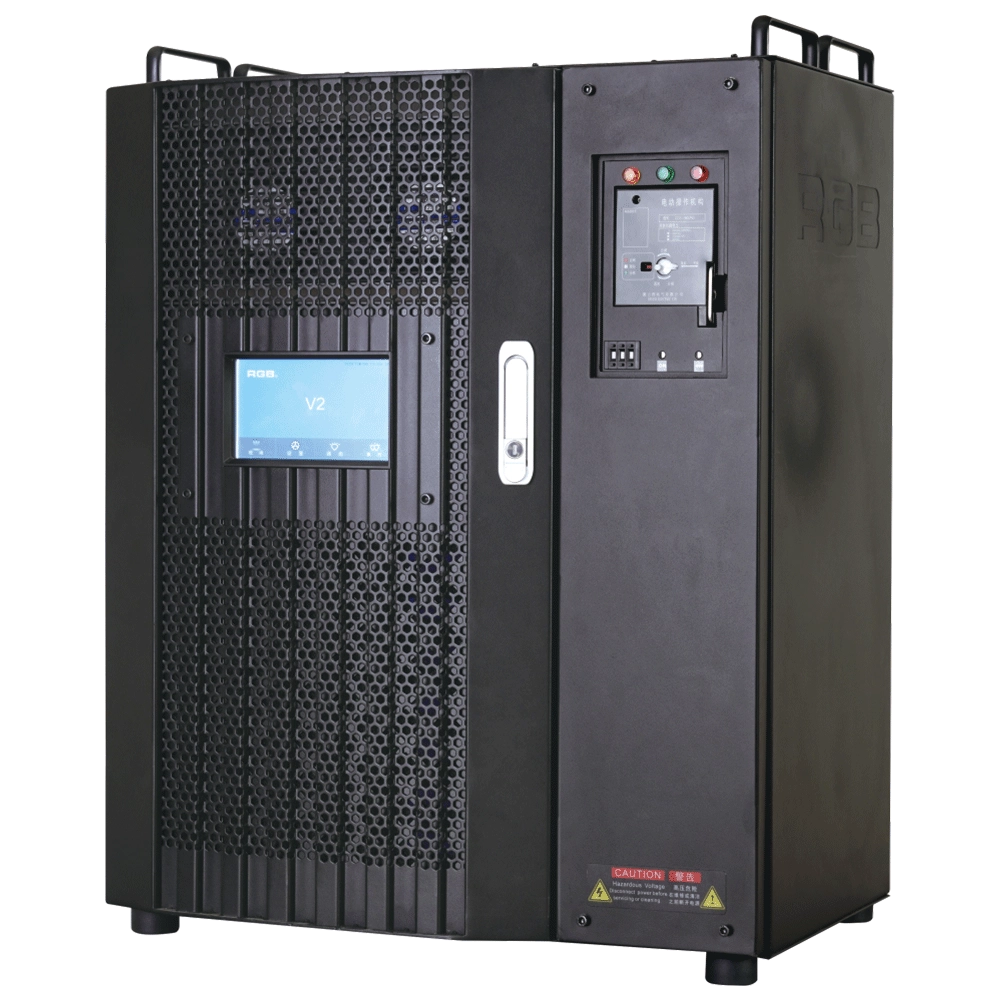
V2 Intelligent Network Dimmer/Relay Racks
V2 is an artificial intelligence dimming rack independently developed by RGB, which has completely independent core technology and obtained software copyrights. It is a fully digital electrodeless trigger and multi-backup independent CPU central processor technology. It has a variety of output configurations, such as sine wave, thyristor, relay, dimming relay, etc. It supports visual lighting control system and visually displays the online and offline status of dimming racks. Realize remote monitoring, editing, and setting of relevant parameters.
It is widely used in performing arts and cultural venues such as theaters, concert halls, multi-function halls, cultural travel and performing arts, TV stations, gymnasiums, auditoriums, commercial art lighting and so on.
Expert Support
Interested in learning more or need expert guidance related to this article? Fill in your details, and our team will provide tailored support.
Intelligent Control. Brilliant Performance.
RGB specializes in stage lighting control systems, delivering intelligent, reliable, and high-performance solutions for theaters and performance spaces worldwide.
Contact
Email:
Tel:
+86 20 3928 0245
+86 20 3928 0247
Address:
No.3, Huashan Road, Shilou Town, Panyu, Guangzhou, China.
Whatsapp: +8615975520131