
Can a stage light dimmer support DMX and wireless?
|
- 1. What are the key differences between wired DMX and wireless DMX for controlling stage light dimmers?
- 2. How do I determine if a stage light dimmer supports both DMX and wireless control?
- 3. What are the advantages and limitations of integrating wireless DMX with LED stage light dimmers?
- 4. How can I ensure reliable performance when using wireless DMX with stage light dimmers?
- 5. What are the potential challenges when combining Art-Net or sACN protocols with wireless DMX in stage lighting systems?
- 6. How do I select a stage light dimmer that offers both DMX and wireless control capabilities?
1. What are the key differences between wired DMX and wireless DMX for controlling stage light dimmers?
Understanding the distinctions between wired and wireless DMX is crucial for optimizing your stage lighting setup. Wired DMX utilizes physical cables to transmit control signals, offering a stable and interference-resistant connection. However, it can be cumbersome in large venues or complex setups due to the extensive cabling required. In contrast, wireless DMX eliminates the need for physical cables, providing flexibility and reducing setup time. It operates over radio frequencies, which can be susceptible to interference from other wireless devices and may experience latency issues. Therefore, assessing the specific needs of your production environment is essential when choosing between wired and wireless DMX solutions.
2. How do I determine if a stage light dimmer supports both DMX and wireless control?
To ascertain whether a stage light dimmer supports both DMX and wireless control, consult the product's technical specifications provided by the manufacturer. Look for mentions of DMX512 protocol compatibility and wireless control features, such as support for wireless DMX standards like W-DMX or CRMX. Additionally, consider the dimmer's input and output connectors; a dimmer with both DMX input/output ports and wireless receiver capabilities is likely designed for dual-mode operation. If the information is not readily available, reaching out directly to the manufacturer's customer support can provide clarification.
3. What are the advantages and limitations of integrating wireless DMX with LED stage light dimmers?
Integrating wireless DMX with LED stage light dimmers offers several advantages, including reduced cable clutter, faster setup times, and increased flexibility in fixture placement. This integration is particularly beneficial in dynamic environments like concerts and theater productions, where quick adjustments are often necessary. However, there are limitations to consider. Wireless DMX systems can be susceptible to interference from other wireless devices operating on similar frequencies, potentially leading to signal degradation or loss. Additionally, wireless systems may introduce latency, which can affect the synchronization of lighting cues. To mitigate these issues, it's advisable to conduct a thorough site survey to identify potential sources of interference and to choose wireless DMX systems with robust error correction and low latency.
4. How can I ensure reliable performance when using wireless DMX with stage light dimmers?
Ensuring reliable performance when using wireless DMX with stage light dimmers involves several best practices. First, perform a comprehensive site survey to assess the radio frequency (RF) environment, identifying potential sources of interference such as Wi-Fi networks, mobile devices, and other wireless equipment. This assessment helps in selecting the optimal wireless DMX channels and frequencies. Second, plan the placement of wireless transmitters and receivers carefully, ensuring line-of-sight and minimizing obstructions to maintain a strong signal. Utilizing wireless DMX systems with features like frequency-hopping spread spectrum (FHSS) can enhance resistance to interference. Additionally, implementing redundancy strategies, such as having backup wireless paths or wired DMX connections, can provide failover options in case of signal loss. Regular testing and monitoring during rehearsals and live performances are also crucial to identify and address any issues promptly.
5. What are the potential challenges when combining Art-Net or sACN protocols with wireless DMX in stage lighting systems?
Combining Art-Net or sACN protocols with wireless DMX in stage lighting systems can present challenges related to latency, synchronization, and network management. Art-Net and sACN are Ethernet-based protocols that transmit DMX data over IP networks, offering scalability and flexibility. However, when integrating these protocols with wireless DMX, additional considerations arise. The conversion between Ethernet-based protocols and wireless DMX can introduce latency, potentially affecting the timing of lighting cues. To minimize this, it's important to use low-latency converters and ensure consistent frame rates across the system. Network management becomes more complex, requiring careful configuration of IP addresses, subnets, and routing to ensure seamless communication between devices. Additionally, the wireless segment of the system must be robust and free from interference to maintain signal integrity. Proper planning and configuration are essential to address these challenges effectively.
6. How do I select a stage light dimmer that offers both DMX and wireless control capabilities?
Selecting a stage light dimmer that offers both DMX and wireless control capabilities involves evaluating several key factors. First, assess the compatibility of the dimmer with your existing lighting control system, ensuring it supports the DMX512 protocol and the specific wireless DMX standards you intend to use, such as W-DMX or CRMX. Consider the dimmer's power handling capacity to ensure it meets the requirements of your lighting fixtures. Evaluate the quality of the wireless DMX implementation, looking for features like frequency-hopping spread spectrum (FHSS) for interference resistance and low latency for real-time control. Additionally, consider the ease of integration with your current setup, including the availability of necessary connectors and the simplicity of configuration. Reviewing user feedback and consulting with industry professionals can provide valuable insights into the performance and reliability of specific dimmer models.
In conclusion, selecting a stage light dimmer that supports both DMX and wireless control can significantly enhance the flexibility and efficiency of your lighting system. By carefully considering the factors outlined above, you can make an informed decision that aligns with your production needs and ensures reliable performance.
For personalized assistance and a detailed quote tailored to your specific requirements, please contact us at info@rgbsystem.com or visit our website at www.rgbsystem.com.
Latest News
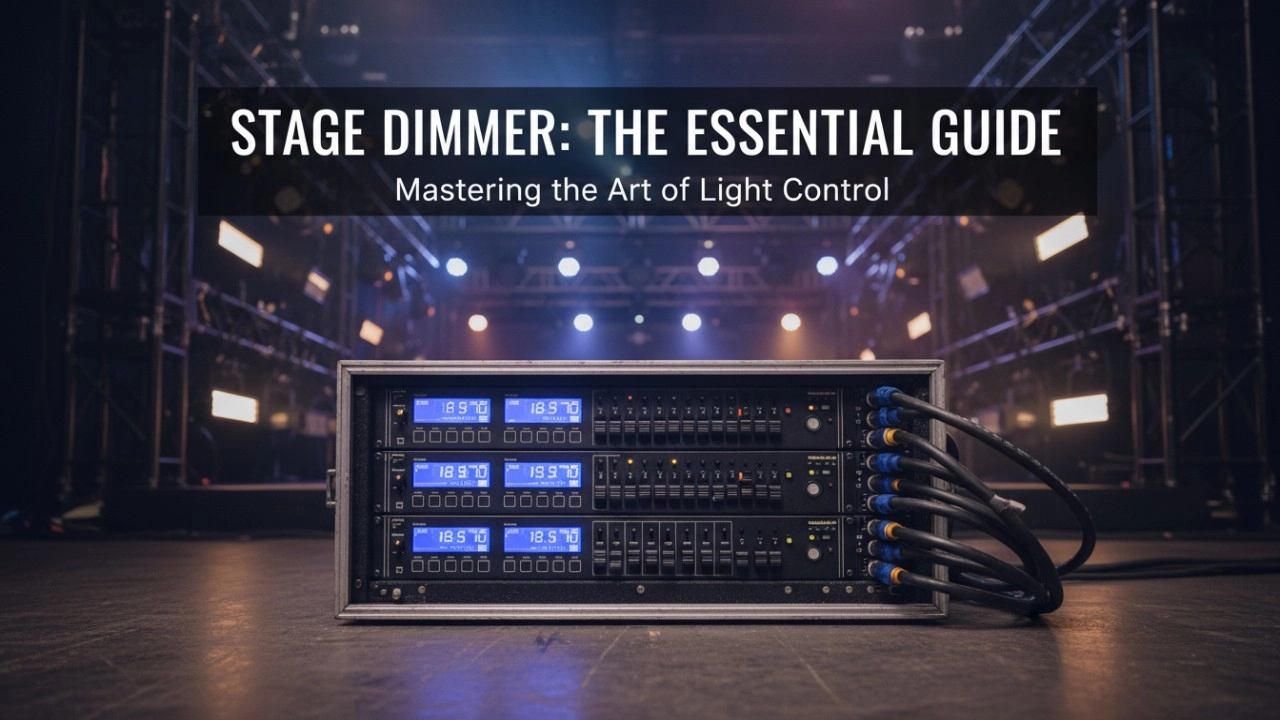
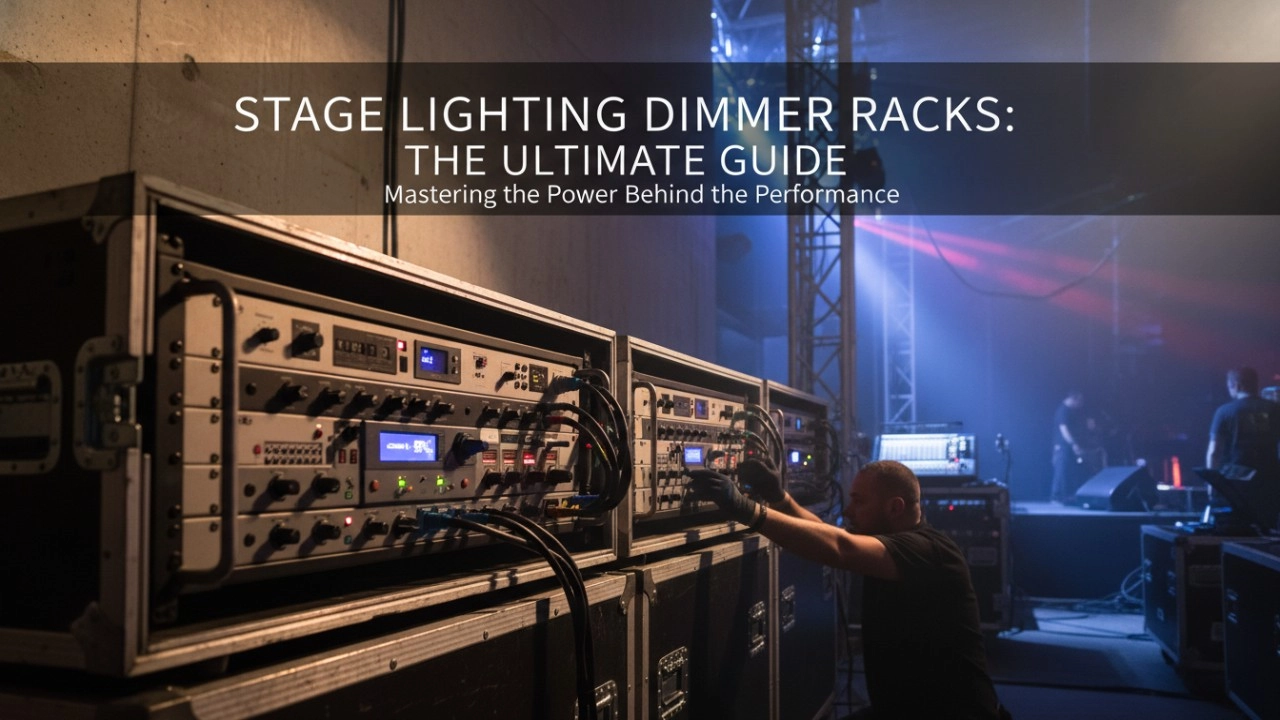
A comprehensive 2026 guide to selecting high-performance stage lighting dimmer racks. We review top hybrid systems, explore SCR vs sine wave technology, and analyze essential features like ThruPower for modern venues.
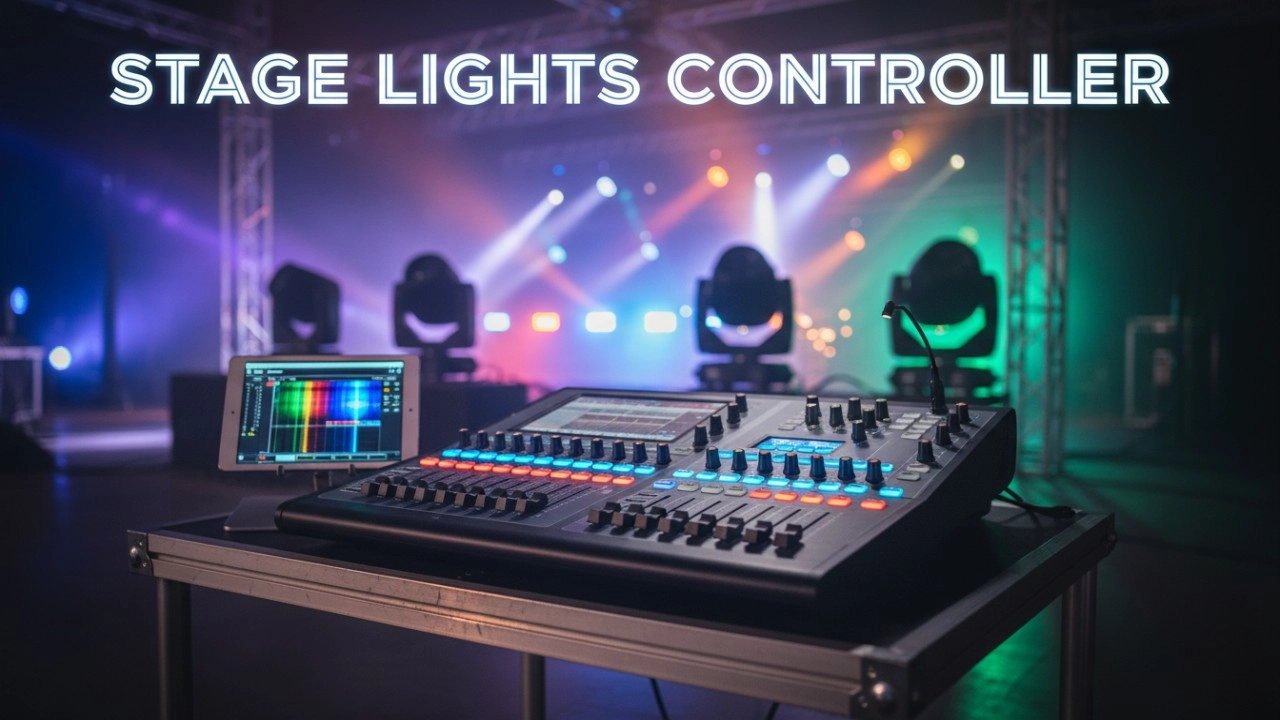
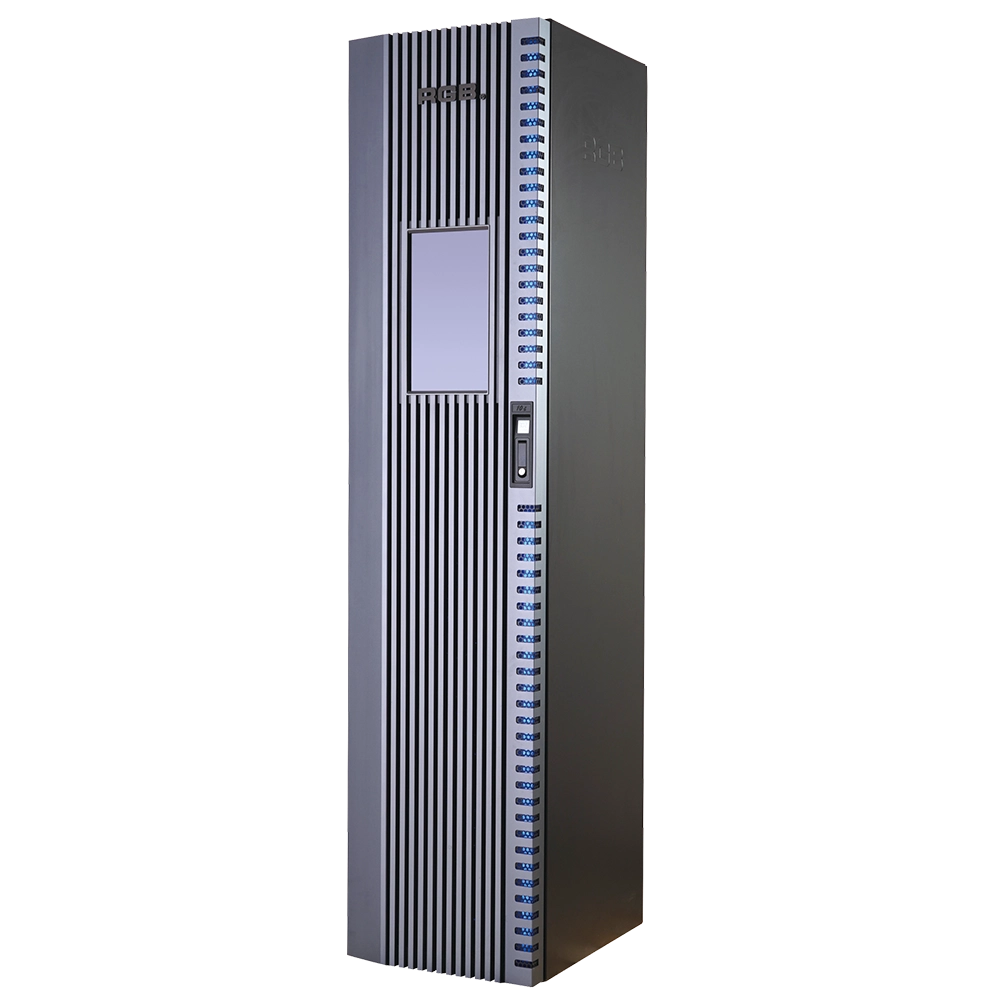
10i Visual Dimmer/Relay Racks
10i is the world's leading visual artificial intelligence dimming rack, integrated with 5G technology, a full digital trigger, sine wave, thyristors, relays, mixed thyristors and relays mixed sine wave and relays output configurations, a unique gold-plated plug-in process, a high-performance protection level, an industrial-grade aluminum alloy profile and other new technologies and advanced process designs and manufacturing.
It is suitable for the lighting control needs of different places such as high-standard grand theaters, TV stations, gymnasium and environmental intelligent lighting.
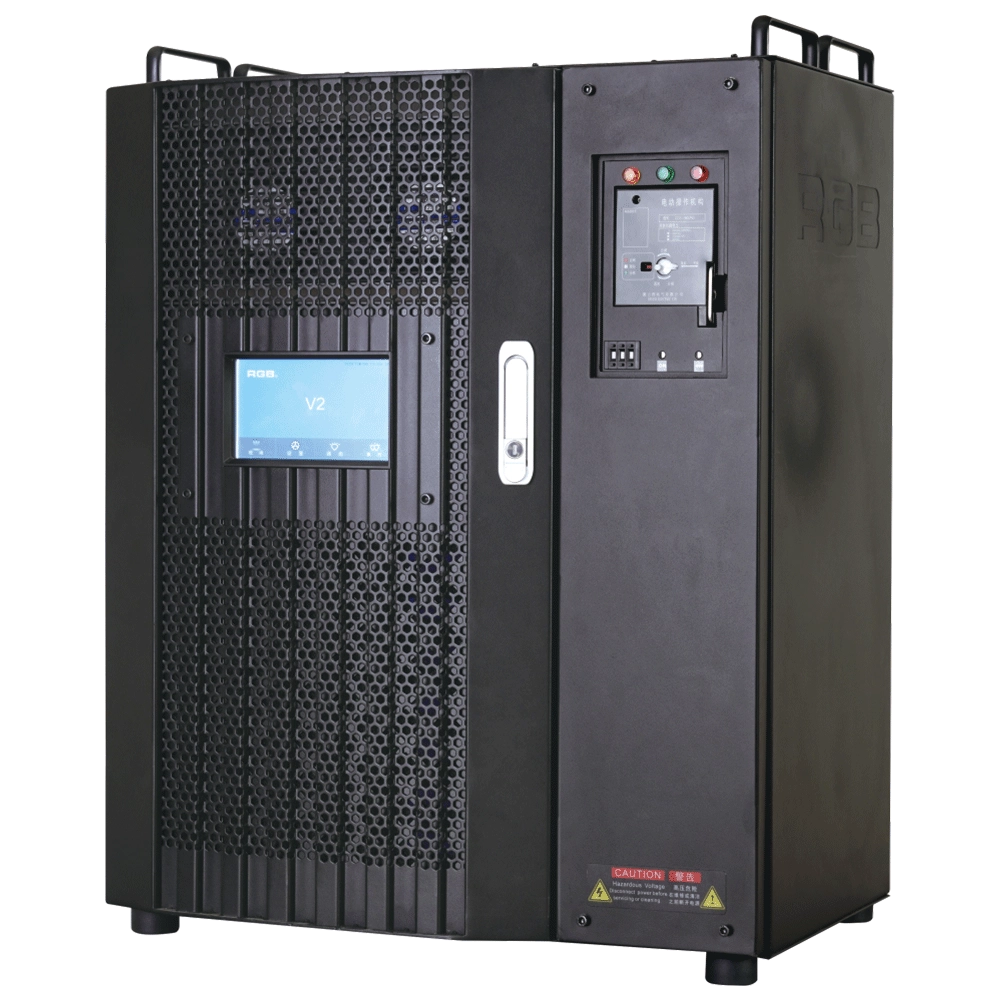
V2 Intelligent Network Dimmer/Relay Racks
V2 is an artificial intelligence dimming rack independently developed by RGB, which has completely independent core technology and obtained software copyrights. It is a fully digital electrodeless trigger and multi-backup independent CPU central processor technology. It has a variety of output configurations, such as sine wave, thyristor, relay, dimming relay, etc. It supports visual lighting control system and visually displays the online and offline status of dimming racks. Realize remote monitoring, editing, and setting of relevant parameters.
It is widely used in performing arts and cultural venues such as theaters, concert halls, multi-function halls, cultural travel and performing arts, TV stations, gymnasiums, auditoriums, commercial art lighting and so on.
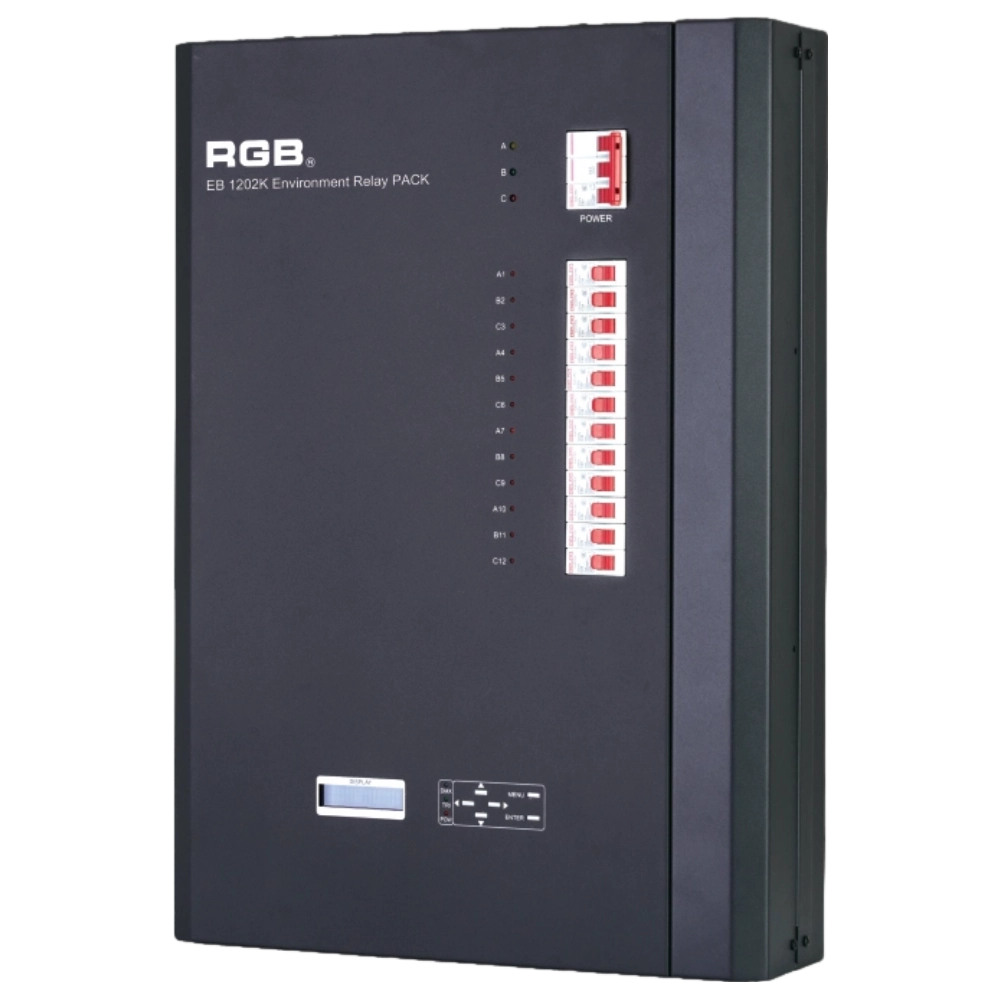
EB1202 Wall-Mounted Smart Site Light Control Series
Wall-mounted smart lighting controller with CE certification, DMX512 compatibility, flexible 12/24-channel output, scene backup, intelligent interface, and multiple dimming curves for precise professional lighting control.
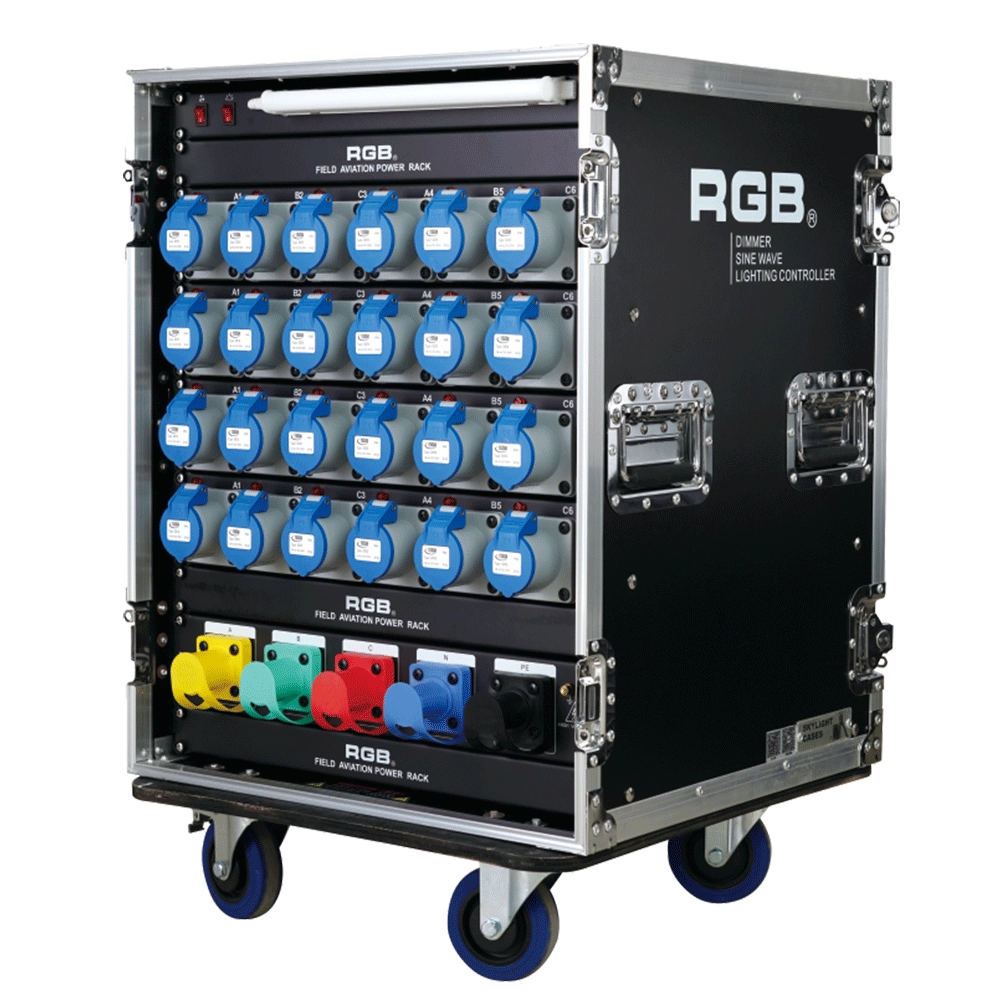
ZT Distribution Box
RGB-ZT2416 features dual protection functions and is a power distribution product specifically designed for overcurrent and short circuit of electrical equipment. It is the best choice for mobile performance and is suitable for use in computer lamps, conventional lamps, and other equipment.
Expert Support
Interested in learning more or need expert guidance related to this article? Fill in your details, and our team will provide tailored support.
Intelligent Control. Brilliant Performance.
RGB specializes in stage lighting control systems, delivering intelligent, reliable, and high-performance solutions for theaters and performance spaces worldwide.
Contact
Email:
Tel:
+86 20 3928 0245
+86 20 3928 0247
Address:
No.3, Huashan Road, Shilou Town, Panyu, Guangzhou, China.
Whatsapp: +8615975520131