
Wireless vs wired stage light controller: which to buy?
|
- 1. What are the key differences between wireless and wired stage light controllers?
- 2. How do wireless DMX systems work, and are they suitable for live performances?
- 3. What factors should be considered when choosing a stage light controller for a small venue?
- 4. Are there budget-friendly stage light controllers suitable for beginners?
- 5. How do environmental factors affect the performance of wireless stage light controllers?
- 6. What are the maintenance requirements for wireless stage light controllers?
1. What are the key differences between wireless and wired stage light controllers?
When deciding between wireless and wired stage light controllers, it's crucial to understand their fundamental differences:
Installation and Setup: Wired systems require extensive planning and professional installation, often taking several days, making them ideal for permanent installations. In contrast, wireless systems offer quick setup with minimal disruption, typically installed in hours by replacing existing switches and adding battery-powered sensors, ideal for retrofitting existing homes.
Flexibility and Mobility: Wireless controllers provide greater flexibility, allowing for easy repositioning of lighting fixtures without the constraints of cables. This is particularly beneficial for events requiring rapid changes or temporary setups.
Reliability and Interference: Wired systems are less susceptible to interference and offer more consistent performance, making them suitable for environments where reliability is paramount. Wireless systems, while convenient, can experience signal interference, especially in large venues or areas with heavy electronic traffic.
Cost Considerations: Wired systems generally involve higher upfront costs due to installation and infrastructure requirements. Wireless systems may have lower initial costs but could incur additional expenses for batteries and potential maintenance.
2. How do wireless DMX systems work, and are they suitable for live performances?
Wireless DMX systems transmit standard DMX512 control data to lighting fixtures without physical cables. A transmitter sends DMX data through radio signals, and receivers on lighting fixtures decode the signal just like a traditional wired connection. This method maintains compatibility with most lighting systems, including moving heads, LEDs, and fog machines.
For live performances, wireless DMX systems offer several advantages:
Reduced Setup Time: Eliminates the need for extensive cabling, allowing for quicker setup and teardown.
Enhanced Mobility: Facilitates easy repositioning of lighting fixtures to adapt to dynamic stage designs.
Cleaner Aesthetics: Provides a clutter-free stage environment, enhancing the visual appeal of the performance.
However, it's essential to consider potential signal interference and ensure that the wireless system chosen is reliable and suitable for the specific venue and performance requirements.
3. What factors should be considered when choosing a stage light controller for a small venue?
Selecting the appropriate stage light controller for a small venue involves evaluating several key factors:
Number of Channels: Ensure the controller can handle the number of lighting fixtures you plan to use. For instance, a controller with 512 channels is suitable for managing multiple fixtures simultaneously.
User Interface: Opt for controllers with intuitive interfaces, such as touchscreens and faders, to simplify operation during events.
Connectivity: Consider controllers that support both wired and wireless connections to provide flexibility in setup and operation.
Budget: Balance the features and capabilities of the controller with your budget constraints, ensuring you get the best value for your investment.
4. Are there budget-friendly stage light controllers suitable for beginners?
Yes, there are several budget-friendly stage light controllers that cater to beginners:
DMX192 Controller: Ideal for small events, this controller offers enough channels for basic fixtures and is compact and portable.
ADJ myDMX GO Lighting Control System: A portable and affordable option that allows control via a smartphone or tablet, suitable for DJs and small venues.
These controllers provide essential features for beginners without a significant financial commitment.
5. How do environmental factors affect the performance of wireless stage light controllers?
Environmental factors can significantly impact the performance of wireless stage light controllers:
Obstructions: Metal structures or thick walls can disrupt the wireless signal, leading to inconsistent control over fixtures.
Interference: Other wireless devices, such as microphones and video equipment, can cause signal interference, affecting the reliability of wireless DMX systems.
Range Limitations: The effective range of wireless systems can be reduced in large venues or outdoor settings, necessitating careful planning and possibly additional equipment to maintain signal integrity.
To mitigate these issues, it's advisable to conduct a site survey and, if possible, test the wireless system in the actual performance environment before the event.
6. What are the maintenance requirements for wireless stage light controllers?
Maintaining wireless stage light controllers involves several key practices:
Firmware Updates: Regularly update the controller's firmware to ensure optimal performance and access to the latest features.
Battery Management: For controllers with rechargeable batteries, monitor battery health and replace them as needed to prevent unexpected failures.
Signal Testing: Periodically test the wireless signal strength and quality to identify and address potential issues before they affect performance.
By adhering to these maintenance practices, you can extend the lifespan of your wireless stage light controller and ensure reliable operation during events.
In conclusion, selecting the right stage light controller involves a thorough understanding of your venue's specific needs, the advantages and limitations of wireless and wired systems, and the environmental factors that may influence performance. By carefully considering these aspects, you can make an informed decision that enhances the quality and efficiency of your stage lighting setup.
For personalized advice and a quote tailored to your requirements, please contact us at info@rgbsystem.com or visit our website at www.rgbsystem.com.
Latest News
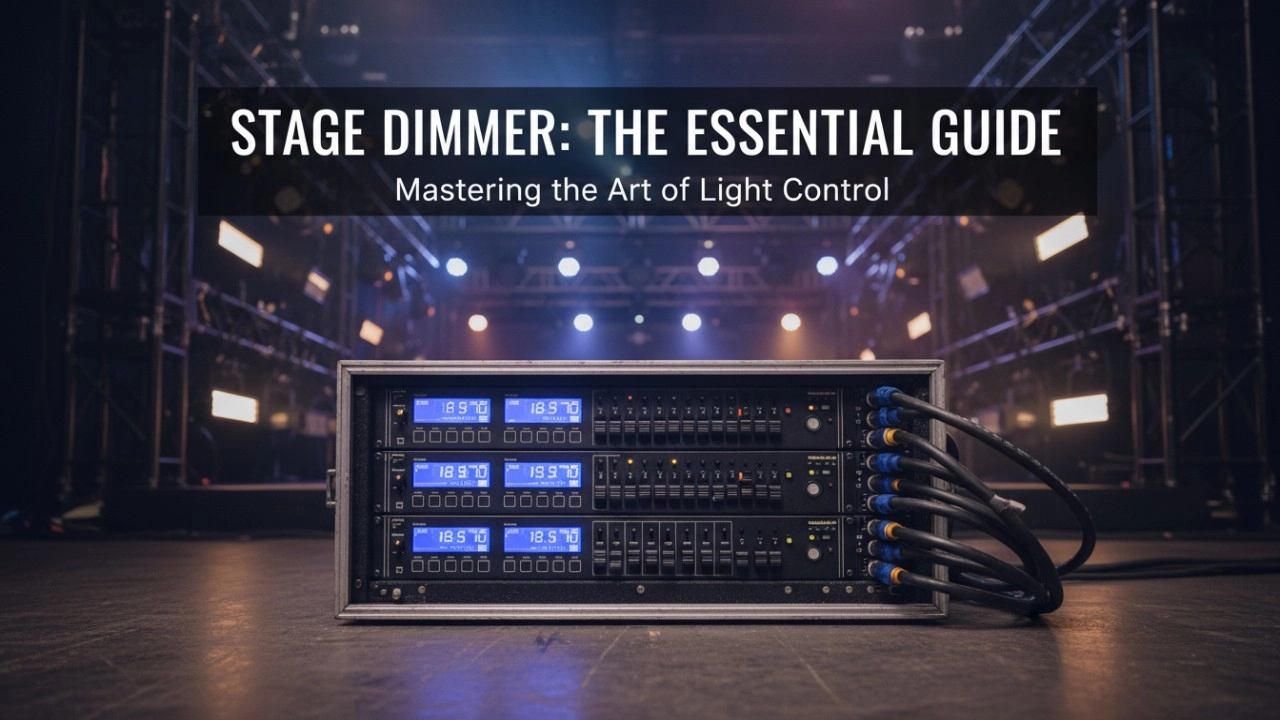
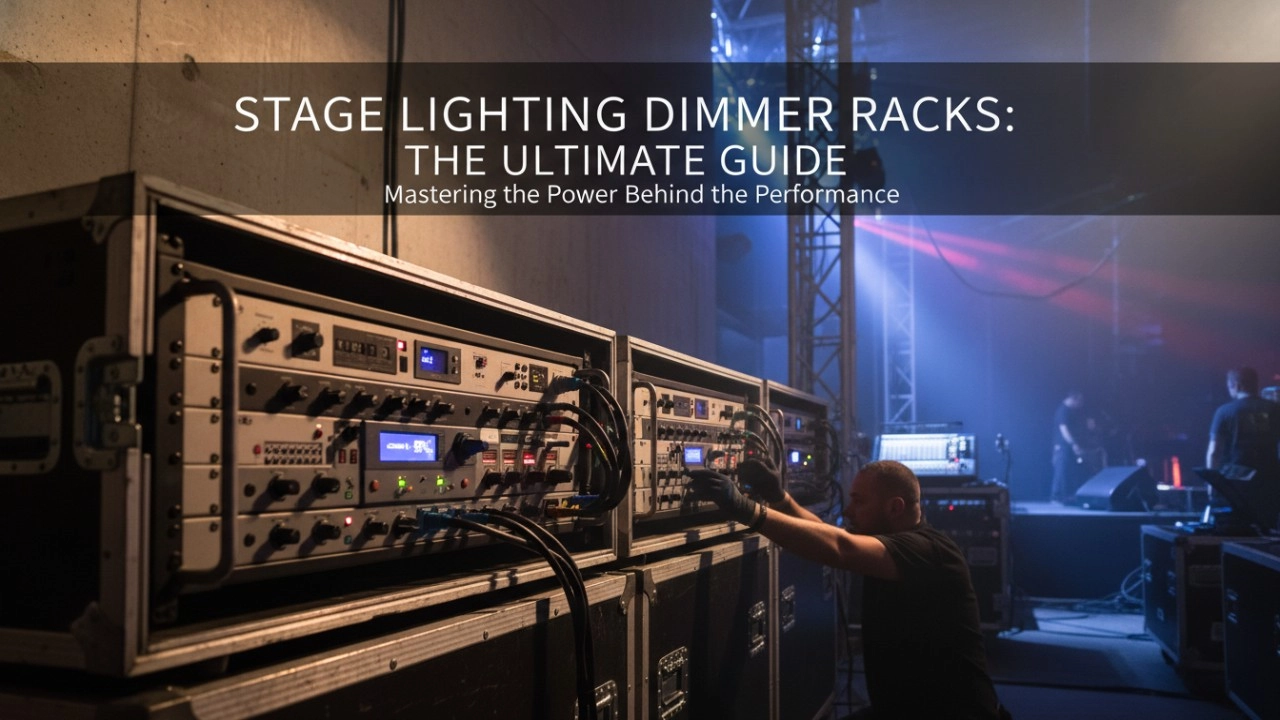
A comprehensive 2026 guide to selecting high-performance stage lighting dimmer racks. We review top hybrid systems, explore SCR vs sine wave technology, and analyze essential features like ThruPower for modern venues.
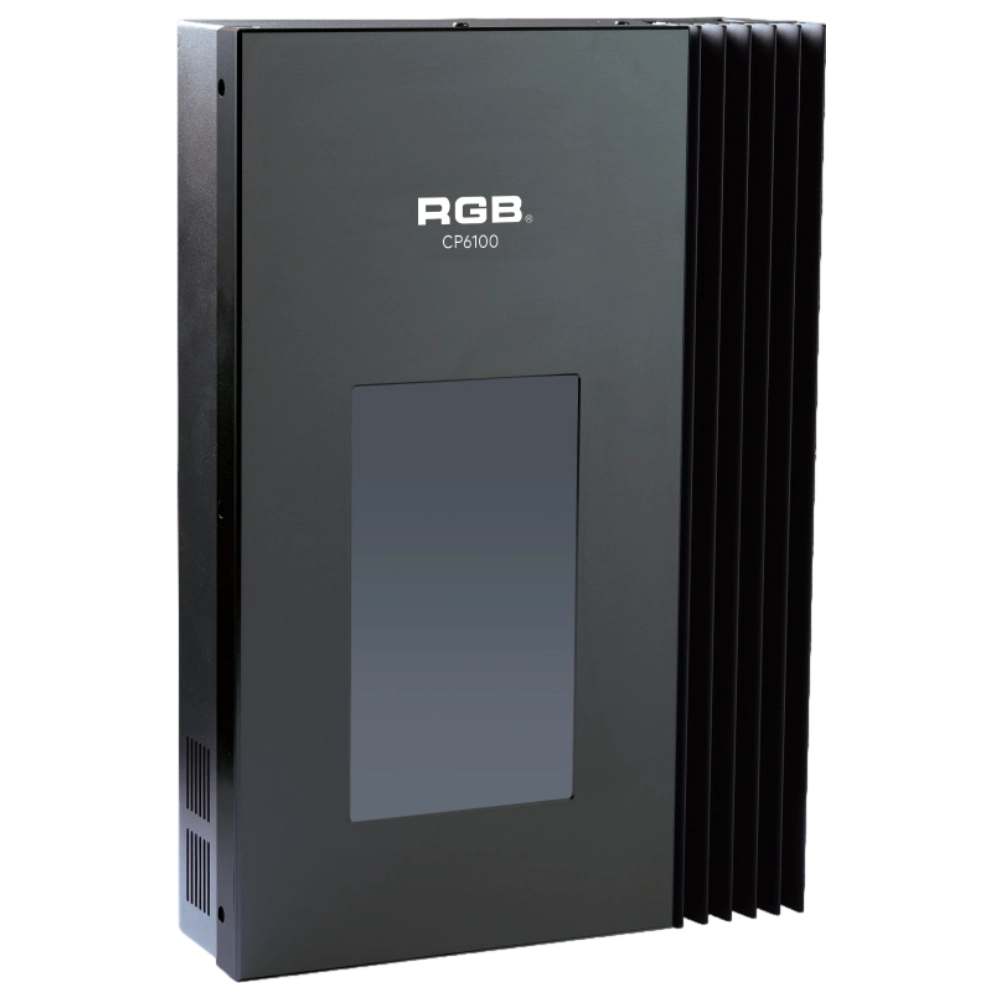
CP6100 Light Control System
The lighting control host is the main control device for theater stage lights, work lights, environmental lighting, commercial art lighting, sports venue lighting, and other places. By connecting the dedicated lighting control panels CP6104 and CP6108, it realizes the central control of the lighting system, supports a visual lighting control system, and intuitively displays the online and offline status of CP6100. Realize remote monitoring, editing, and setting of corresponding parameters.
It is widely applicable to theaters, cinemas, auditoriums, stadiums, museums, exhibition halls, cultural tourism performances, commercial art lighting, and other places.
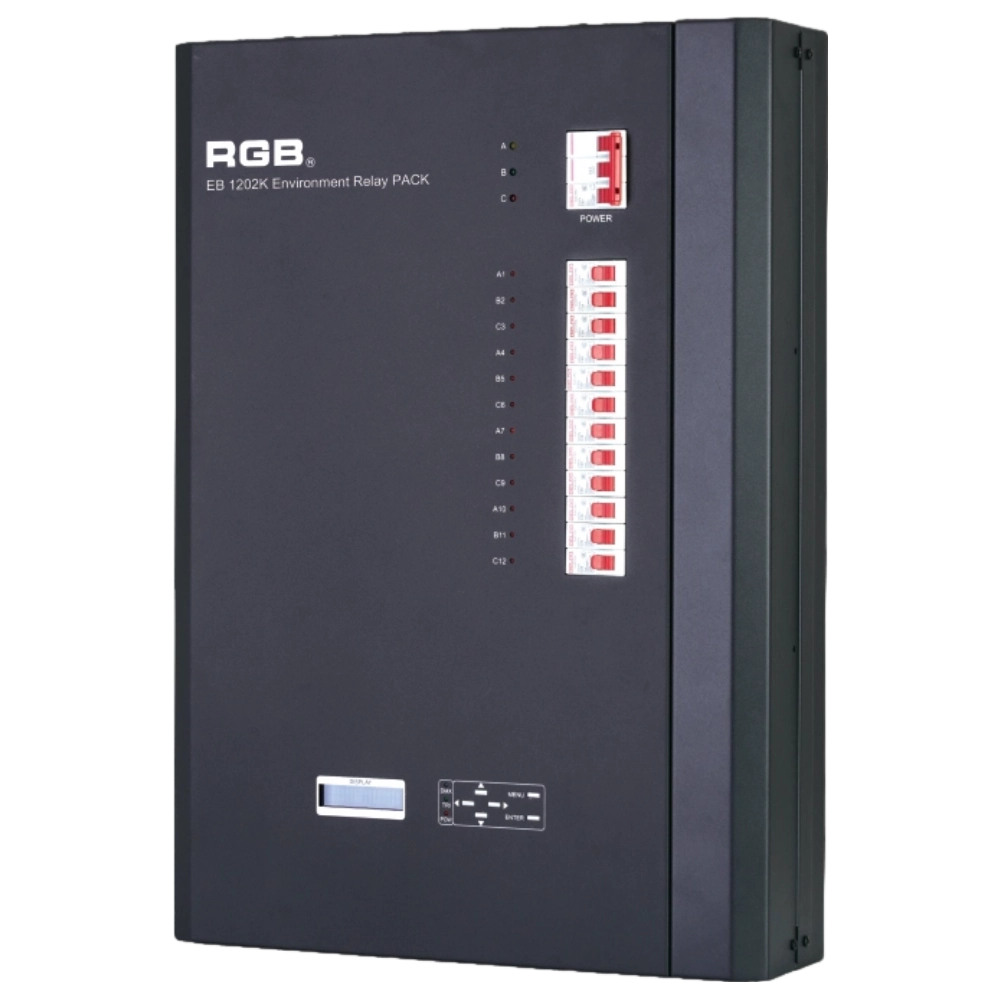
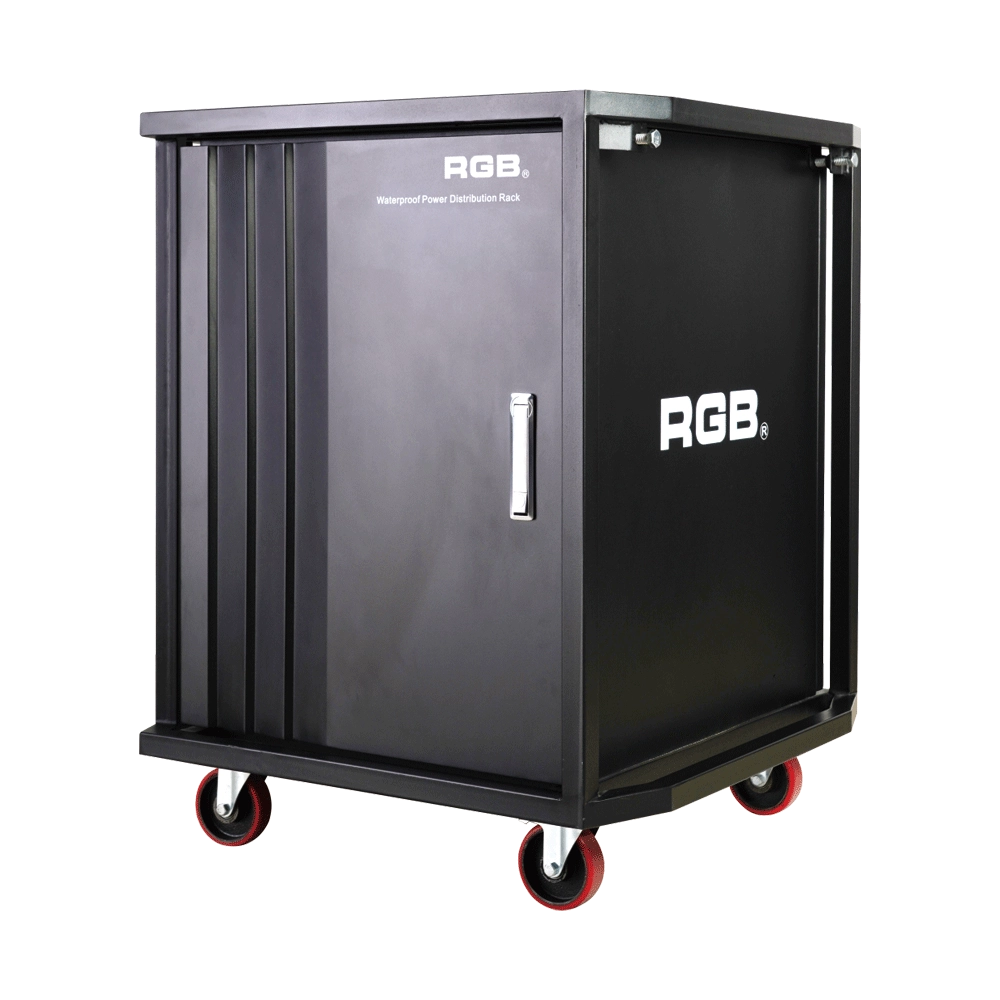
Multifunction Waterproofing Racks Of RGB-W Series
With the continuous development of flow performance, the requirement for performance is more demanding. In order to facilitate the transportation and make it easier to carry for all the equipment used in the performance, the stage light and sound equipment will be installed into a cabinet, for example, the power supply system. During the transportation process, it is inevitable for a collision or crash to take place. If the cabinet material is not strong enough, it may lead to deformation and even damage the equipment inside. Moreover, most of the existing cabinets are not waterproof. It will be very dangerous for the flow performance, as it is normal and inevitable to encounter rainy days. As the equipment inside the cabinets is electriferous, it might cause damage to the electronic equipment at least and even cause casualties at worst. Meanwhile, most of the existing cabinets can only be installed with one kind of equipment with a single variety.
In order to overcome the above-mentioned technical flaw, the RGB company has developed a new type of waterproofing multifunction cabinet of the W series. The waterproofing cabinet of the W series meets the need for the installation of dimming and tone-tuning devices, transportation, and utilization.
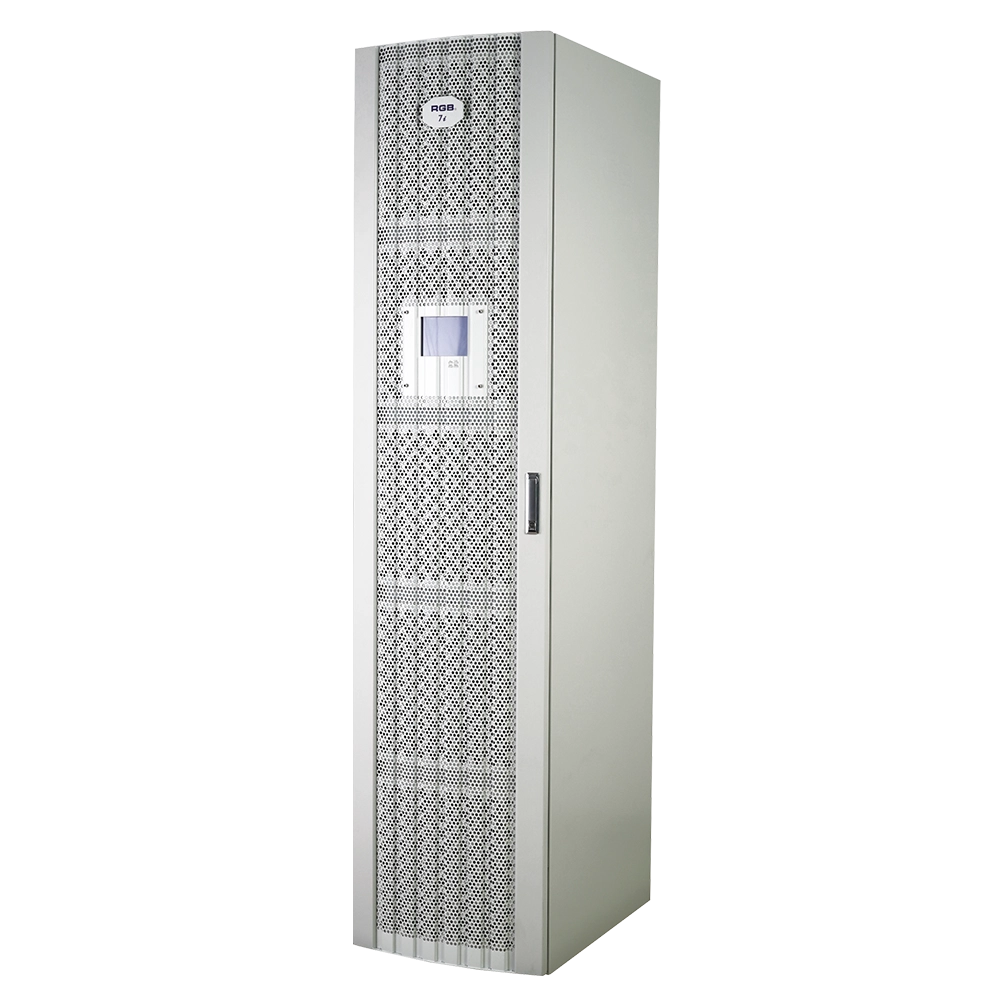
7i Dimmer/Relay Racks
7i is RGB independent research and development, with completely independent core technology, full digital decoding technology dimming racks, using a dual system, double decoding, double trigger, and duplex dual backup central decoding processor, with thyristor, relay, dimming relay mixed and other output configurations, supporting a visual lighting control system, intuitive display of dimming racks' online and offline status, and remote monitoring.
It is widely used in performing arts and cultural venues such as theaters, concert halls, multi-function halls, cultural travel and performing arts, TV stations, gymnasiums, auditoriums, commercial art lighting and so on.
Expert Support
Interested in learning more or need expert guidance related to this article? Fill in your details, and our team will provide tailored support.
Intelligent Control. Brilliant Performance.
RGB specializes in stage lighting control systems, delivering intelligent, reliable, and high-performance solutions for theaters and performance spaces worldwide.
Contact
Email:
Tel:
+86 20 3928 0245
+86 20 3928 0247
Address:
No.3, Huashan Road, Shilou Town, Panyu, Guangzhou, China.
Whatsapp: +8615975520131