
How to choose a stage light controller for touring rigs?
|
- 1. How do I determine the appropriate number of DMX channels required for my touring rig?
- 2. What are the key differences between DMX512, Art-Net, and sACN protocols, and how do they impact my choice?
- 3. How do I assess the durability and reliability of a stage light controller for touring purposes?
- 4. What are the advantages of wireless control options in stage light controllers, and are they suitable for touring rigs?
- 5. How do I ensure compatibility between my stage light controller and various lighting fixtures?
- 6. What are the cost considerations when selecting a stage light controller for touring rigs?
- Conclusion
1. How do I determine the appropriate number of DMX channels required for my touring rig?
Understanding the DMX channel requirements is crucial for effective lighting control. Each lighting fixture utilizes a specific number of DMX channels, depending on its complexity and features. For instance, a moving head light may require 16–20 channels to control various parameters such as pan, tilt, color mixing, and effects.
To calculate the total DMX channels needed:
- List all fixtures: Enumerate each lighting fixture in your rig.
- Identify channel count per fixture: Refer to the manufacturer's specifications for each fixture's DMX channel usage.
- Sum total channels: Add up the channels required for all fixtures.
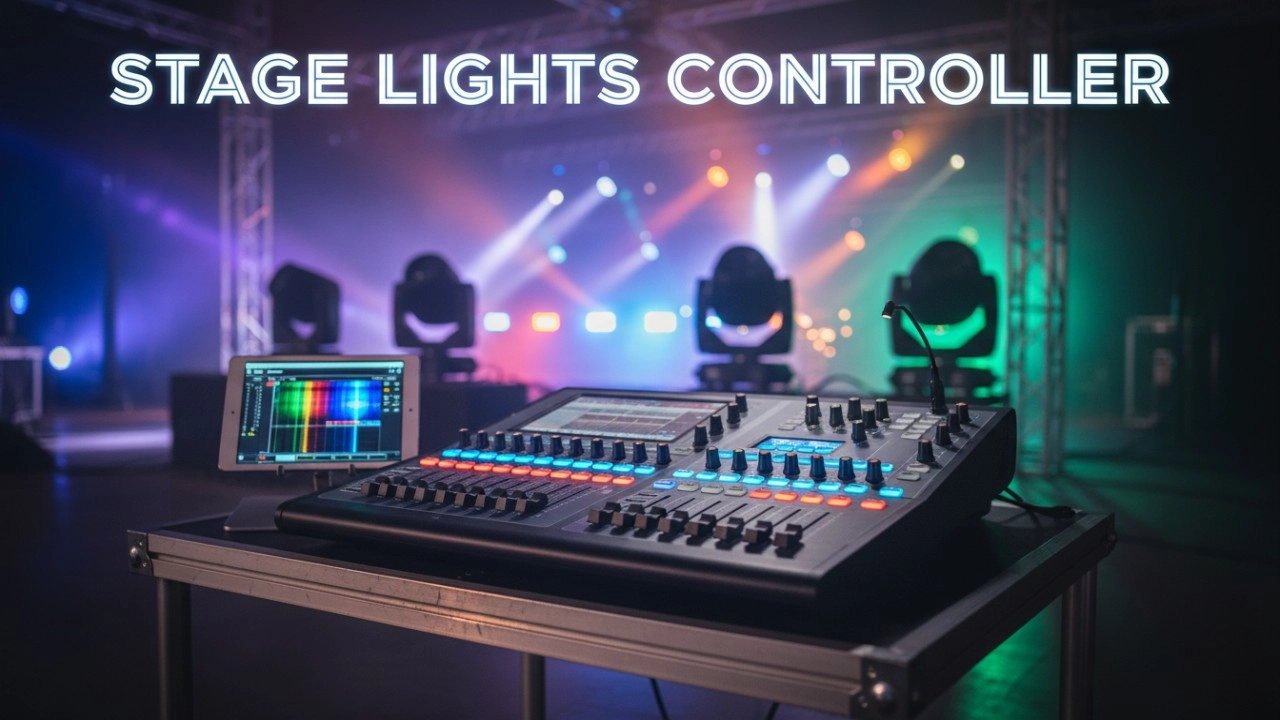
Ensure your chosen controller can accommodate this total. Controllers with a full 512-channel universe, such as the DMX512 Controller, are suitable for setups with multiple fixtures and moving heads.
2. What are the key differences between DMX512, Art-Net, and sACN protocols, and how do they impact my choice?
The choice of control protocol affects the scalability, flexibility, and complexity of your lighting system:
DMX512: The traditional standard for lighting control, suitable for smaller setups with fewer fixtures. It operates over a daisy-chained cable system, which can become cumbersome as the number of fixtures increases.
Art-Net: A protocol that transmits DMX data over Ethernet, allowing for longer cable runs and easier integration with networked systems. It's ideal for larger setups and touring rigs where flexibility and distance are considerations.
sACN (Streaming Architecture for Control Networks): Similar to Art-Net, sACN also uses Ethernet to transmit DMX data. It's known for its reliability and is widely adopted in professional lighting systems.
When selecting a controller, ensure it supports the protocol that aligns with your rig's size and complexity. For touring rigs, controllers compatible with Art-Net or sACN offer greater scalability and flexibility.
3. How do I assess the durability and reliability of a stage light controller for touring purposes?
Durability and reliability are paramount for touring equipment:
Build Quality: Look for controllers with robust construction, preferably with metal housings, to withstand the rigors of travel and frequent setup and teardown.
Ingress Protection (IP) Rating: For outdoor events, ensure the controller has an appropriate IP rating (e.g., IP65) to protect against dust and water ingress.
Maintenance Access: Choose controllers that allow easy access for routine maintenance, such as cleaning and firmware updates.
Warranty and Support: Opt for manufacturers that offer comprehensive warranties and responsive customer support to address any issues promptly.
4. What are the advantages of wireless control options in stage light controllers, and are they suitable for touring rigs?
Wireless control offers several benefits:
Reduced Cabling: Minimizes the need for extensive cabling, simplifying setup and reducing potential cable-related issues.
Flexibility: Allows for more dynamic rig configurations and easier adjustments during performances.
However, for touring rigs:
Signal Reliability: Wireless signals can be susceptible to interference, especially in venues with heavy electronic equipment. It's essential to test wireless systems thoroughly in each venue.
Battery Life: Ensure that wireless controllers have sufficient battery life to last through performances or have reliable power sources.
Regulatory Compliance: Verify that the wireless equipment complies with local regulations regarding radio frequency use.
While wireless control can enhance flexibility, it's crucial to assess the specific needs and conditions of your touring setup to determine its suitability.
5. How do I ensure compatibility between my stage light controller and various lighting fixtures?
Compatibility is vital for seamless operation:
Fixture Profiles: Confirm that the controller has built-in profiles for your fixtures or the ability to create custom profiles.
Protocol Support: Ensure both the controller and fixtures support the same control protocols (e.g., DMX512, Art-Net, sACN).
Firmware Updates: Check if the controller allows for firmware updates to accommodate new fixtures or features.
Manufacturer Support: Choose controllers from manufacturers known for providing regular updates and support for a wide range of fixtures.
6. What are the cost considerations when selecting a stage light controller for touring rigs?
Budgeting for a stage light controller involves:
Initial Investment: High-end controllers with advanced features and greater channel capacities come at a higher cost. For example, professional-tier controllers can range from $800 to $3,000 or more.
Total Cost of Ownership: Consider ongoing costs such as maintenance, software updates, and potential repairs.
Rental vs. Purchase: For occasional tours, renting equipment might be more cost-effective than purchasing.
Resale Value: High-quality controllers from reputable brands often retain their value, allowing for resale if needed.
By carefully evaluating these factors, you can make a cost-effective decision that aligns with your touring rig's requirements.
Conclusion
Selecting the right stage light controller for your touring rig involves careful consideration of DMX channel requirements, control protocols, durability, wireless options, fixture compatibility, and cost. By addressing these specific questions and challenges, you can ensure a lighting system that enhances your performances and withstands the demands of touring.
For personalized advice and a quote tailored to your needs, please contact us at info@rgbsystem.com or visit our website at www.rgbsystem.com.
Latest News
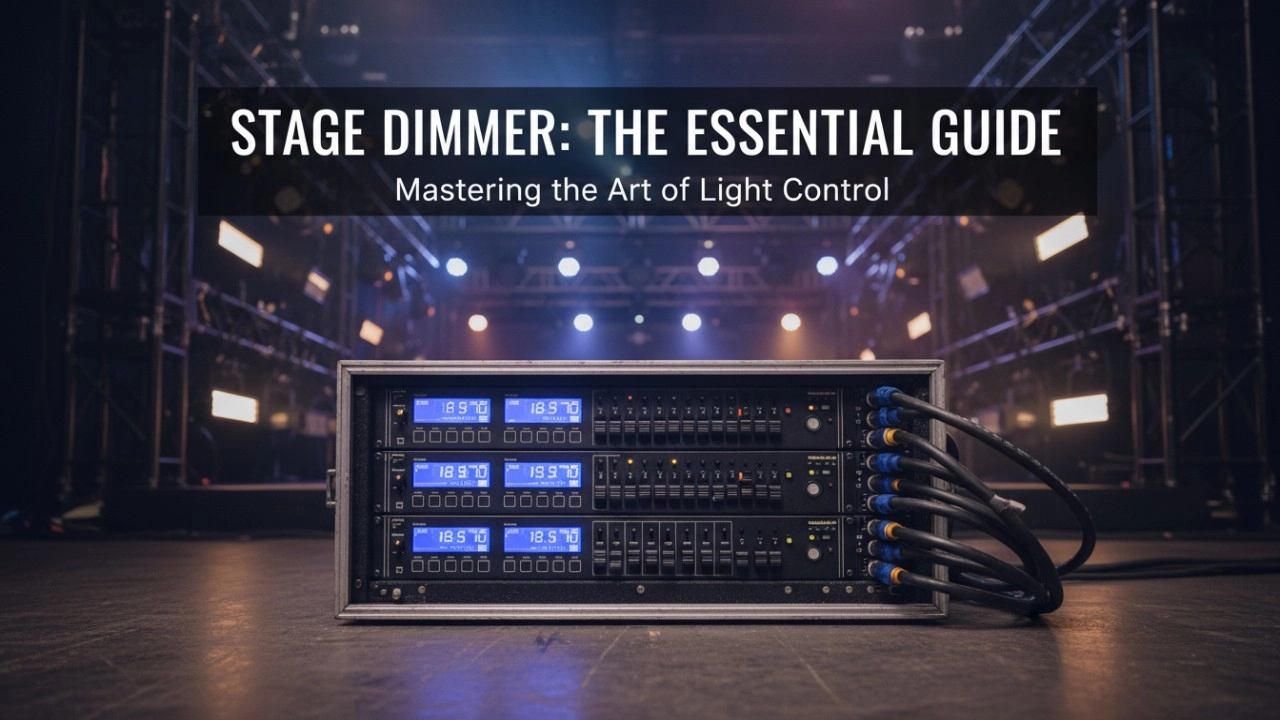
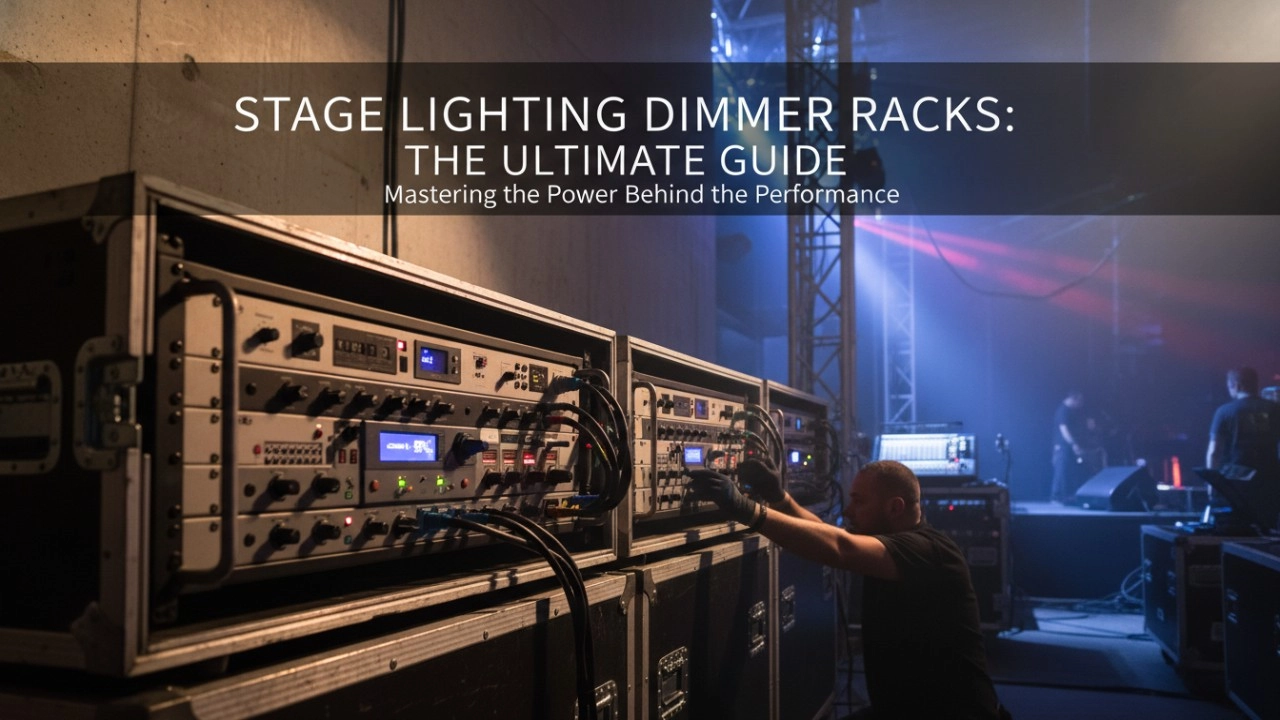
A comprehensive 2026 guide to selecting high-performance stage lighting dimmer racks. We review top hybrid systems, explore SCR vs sine wave technology, and analyze essential features like ThruPower for modern venues.
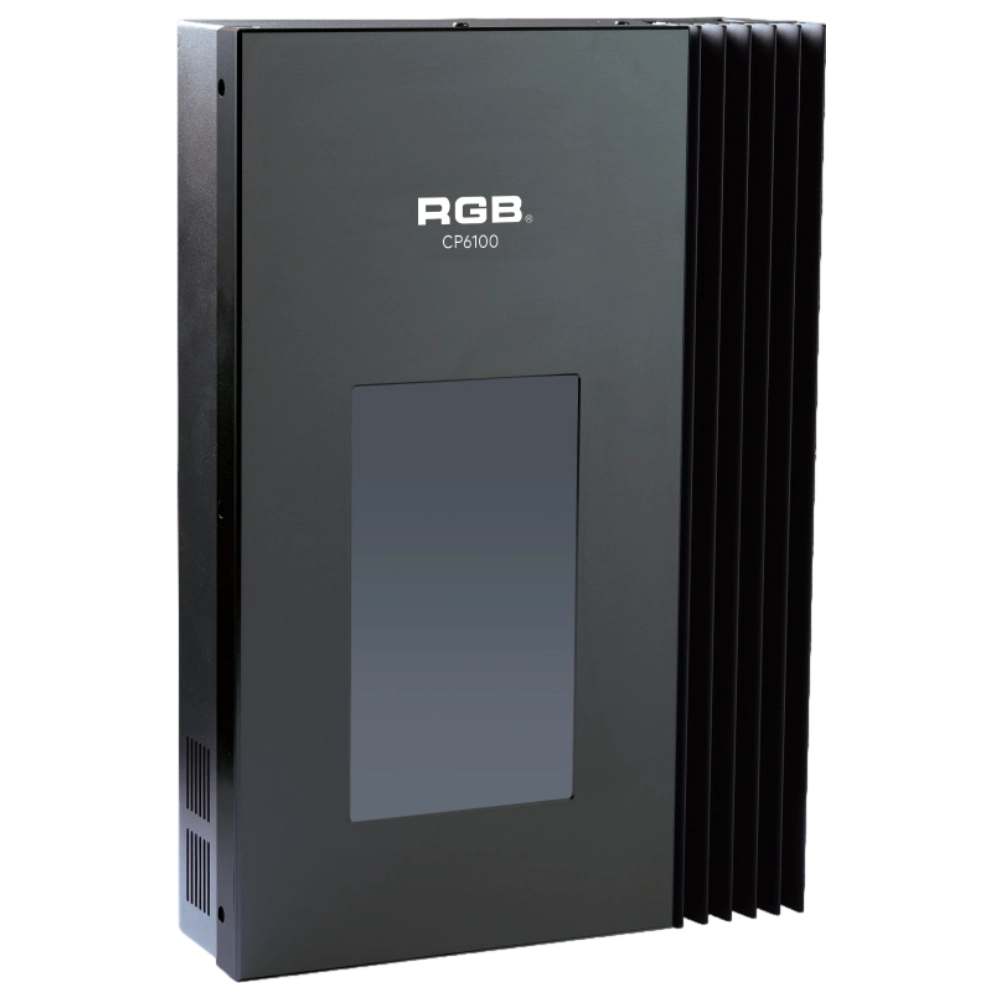
CP6100 Light Control System
The lighting control host is the main control device for theater stage lights, work lights, environmental lighting, commercial art lighting, sports venue lighting, and other places. By connecting the dedicated lighting control panels CP6104 and CP6108, it realizes the central control of the lighting system, supports a visual lighting control system, and intuitively displays the online and offline status of CP6100. Realize remote monitoring, editing, and setting of corresponding parameters.
It is widely applicable to theaters, cinemas, auditoriums, stadiums, museums, exhibition halls, cultural tourism performances, commercial art lighting, and other places.
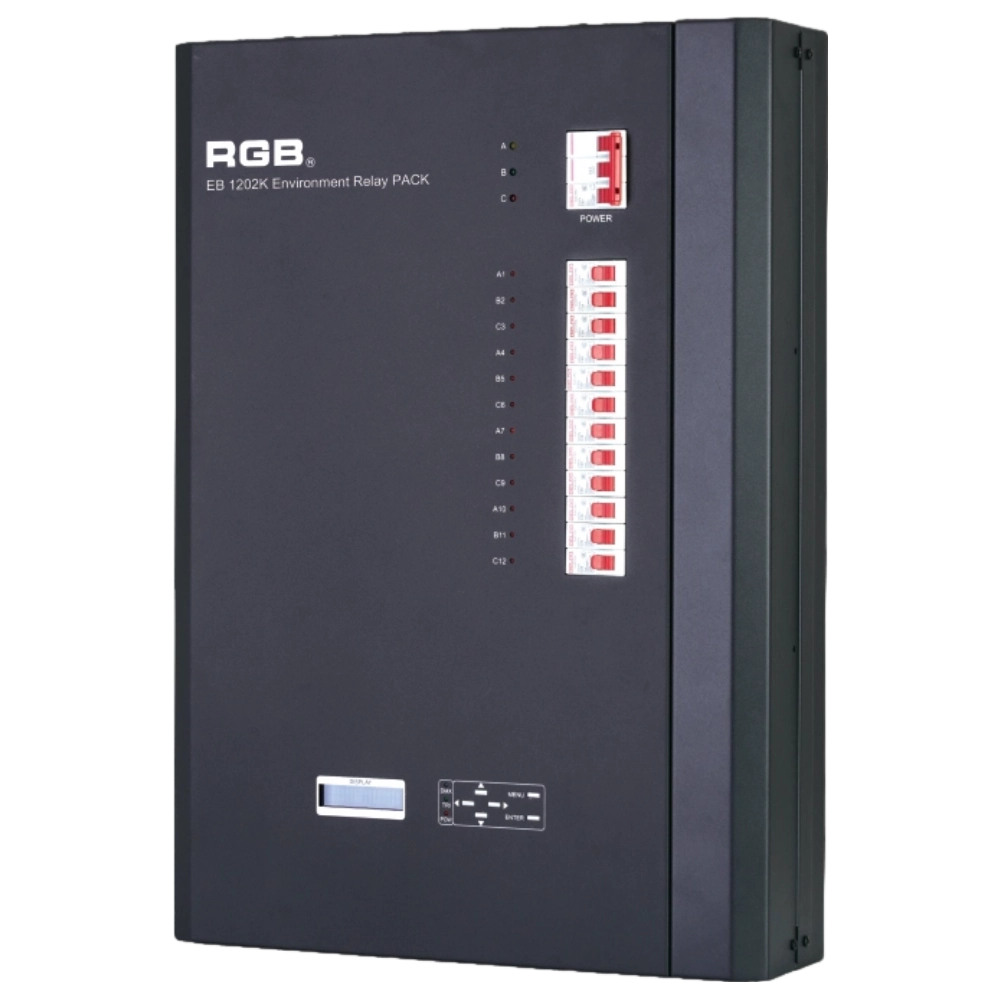
EB1202 Wall-Mounted Smart Site Light Control Series
Wall-mounted smart lighting controller with CE certification, DMX512 compatibility, flexible 12/24-channel output, scene backup, intelligent interface, and multiple dimming curves for precise professional lighting control.
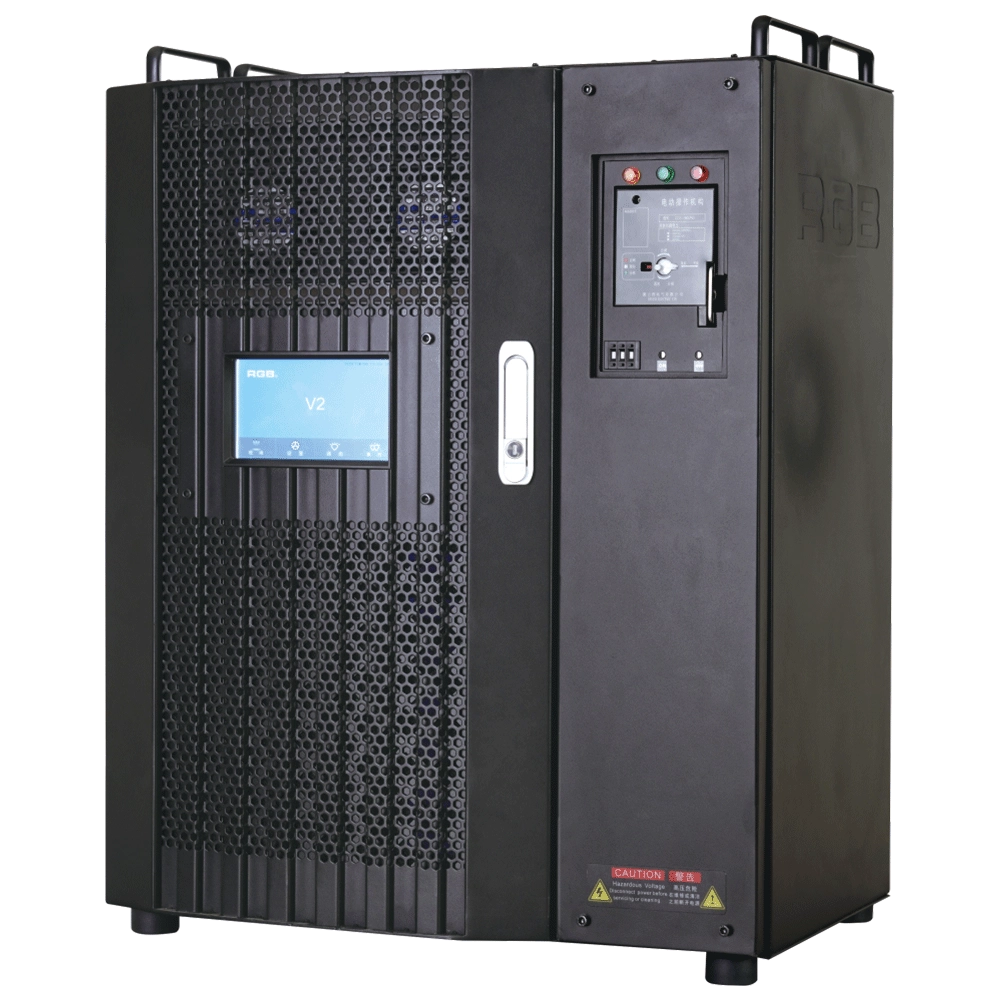
V2 Intelligent Network Dimmer/Relay Racks
V2 is an artificial intelligence dimming rack independently developed by RGB, which has completely independent core technology and obtained software copyrights. It is a fully digital electrodeless trigger and multi-backup independent CPU central processor technology. It has a variety of output configurations, such as sine wave, thyristor, relay, dimming relay, etc. It supports visual lighting control system and visually displays the online and offline status of dimming racks. Realize remote monitoring, editing, and setting of relevant parameters.
It is widely used in performing arts and cultural venues such as theaters, concert halls, multi-function halls, cultural travel and performing arts, TV stations, gymnasiums, auditoriums, commercial art lighting and so on.
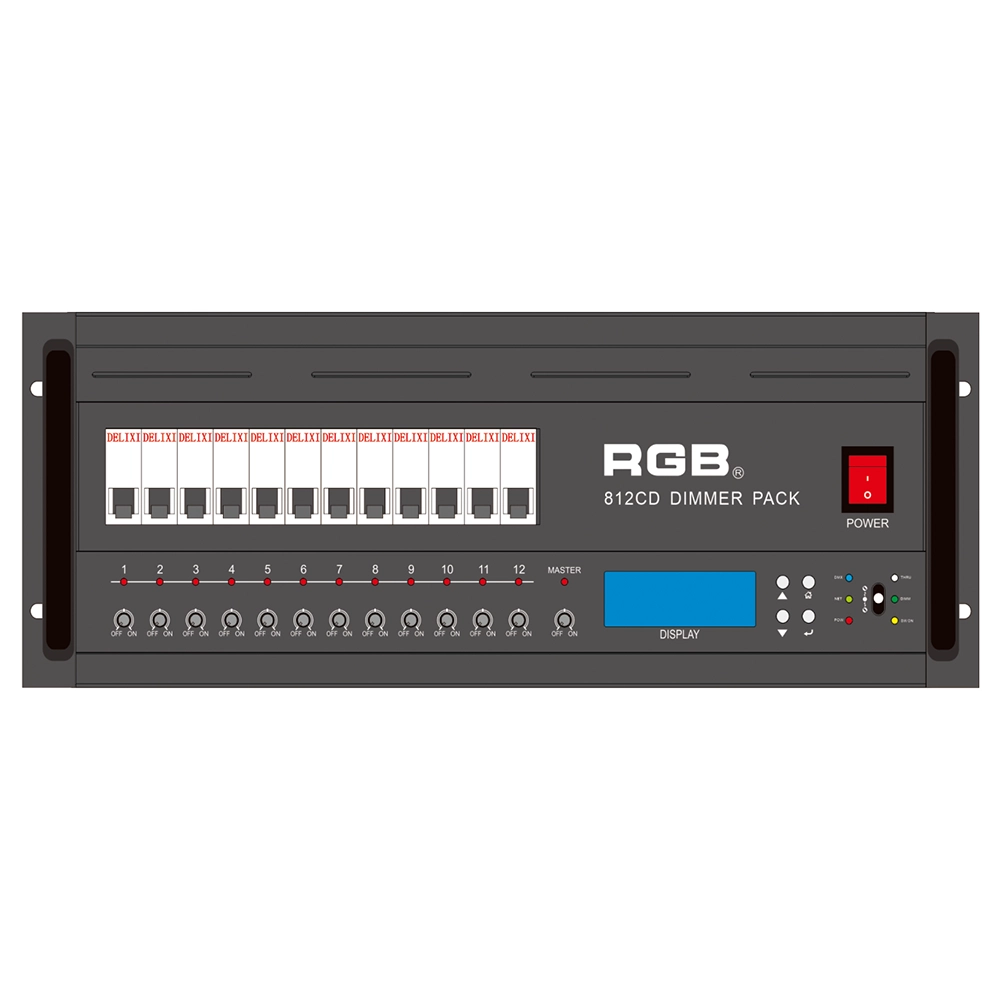
8 Series Intellight Dimmer/Relay Packs
RGB is the latest development and production of all digital, intelligent, and network dimming through the hybrid silicon box. It comes with six channels (806 silicon box), twelve channels (812 silicon box) with analog knob dimming, 49 DMX field recordings and replays (field backup function), and self-programming and recording field. RGB-8 silicon box with DMX512 digital signal input and RJ45 network input interface, with various types of dimming stations at home and abroad used. It is a powerful, stable performance and reliable work of a new generation of intelligent digital dimming through a hybrid silicon box.
Expert Support
Interested in learning more or need expert guidance related to this article? Fill in your details, and our team will provide tailored support.
Intelligent Control. Brilliant Performance.
RGB specializes in stage lighting control systems, delivering intelligent, reliable, and high-performance solutions for theaters and performance spaces worldwide.
Contact
Email:
Tel:
+86 20 3928 0245
+86 20 3928 0247
Address:
No.3, Huashan Road, Shilou Town, Panyu, Guangzhou, China.
Whatsapp: +8615975520131