
DMX, Art-Net or sACN: Which Protocol for Stage Light Control Systems?
|
- Understanding Stage Light Control Systems and Protocols
- 1. What is DMX512, and how does it function in stage lighting?
- 2. What is Art-Net, and how does it differ from DMX512?
- 3. What is sACN, and how does it compare to Art-Net?
- 4. How do Art-Net and sACN compare in terms of scalability and network requirements?
- 5. What are the key considerations when choosing between Art-Net and sACN?
- 6. How do Art-Net and sACN handle synchronization and priority management?
- 7. What are the compatibility and integration considerations for Art-Net and sACN?
- 8. How do Art-Net and sACN impact network infrastructure and management?
- Conclusion: Why Choose RGB Lighting Solutions from BrandRGB?
Understanding Stage Light Control Systems and Protocols
When setting up a stage lighting system, selecting the appropriate control protocol is crucial for achieving optimal performance and reliability. The three primary protocols used in the industry are DMX512, Art-Net, and sACN. Each has unique features, advantages, and considerations that can influence your decision-making process.
1. What is DMX512, and how does it function in stage lighting?
DMX512 (Digital MultipleX) is a standard protocol for controlling stage lighting and effects. It allows for the transmission of up to 512 channels of data over a single cable, enabling precise control of various lighting parameters. DMX512 operates over a two-wire bus, typically using XLR connectors, and is known for its reliability and low latency, making it suitable for small to mid-sized events and theaters. However, its scalability is limited, and it requires careful cable management to prevent signal degradation over long distances.
2. What is Art-Net, and how does it differ from DMX512?
Art-Net is a protocol developed by Artistic Licence that encapsulates DMX512 data within standard Ethernet packets, allowing for the transmission of multiple DMX universes over a network. This enables greater scalability and flexibility compared to traditional DMX512. Art-Net is widely adopted in large-scale productions, stadiums, and theme parks due to its ability to handle numerous universes and long-distance transmission. However, it requires a robust network infrastructure and may introduce latency if not properly configured.
3. What is sACN, and how does it compare to Art-Net?
sACN (Streaming Architecture for Control Networks) is an ANSI standard protocol designed for streaming DMX data over IP networks. Unlike Art-Net, sACN primarily uses multicast transmission, which can be more efficient for distributing data to multiple receivers. Each DMX universe is assigned a specific multicast address, allowing devices to subscribe only to the universes they need. sACN supports up to 63,999 universes and includes a built-in priority system, making it suitable for complex lighting networks and professional environments. However, it requires multicast support in the network infrastructure, which may necessitate managed switches.
4. How do Art-Net and sACN compare in terms of scalability and network requirements?
Both Art-Net and sACN offer significant scalability over traditional DMX512. Art-Net supports up to 32,768 universes (Art-Net 4), while sACN supports up to 63,999 universes. Art-Net typically uses broadcast or unicast transmission methods, which can lead to network congestion if not managed properly. In contrast, sACN utilizes multicast transmission, allowing for more efficient data distribution and reduced network load. However, sACN requires multicast support in the network infrastructure, which may necessitate managed switches and careful network planning.
5. What are the key considerations when choosing between Art-Net and sACN?
The choice between Art-Net and sACN depends on several factors, including the scale of the lighting system, network infrastructure, and specific project requirements. Art-Net is well-suited for smaller to medium-sized installations and is compatible with a wide range of devices. It is ideal for quick setups and environments where multicast support is not available. On the other hand, sACN is designed for larger, more complex systems and offers features like built-in synchronization and a priority system, making it suitable for professional environments where precise control and reliability are paramount.
6. How do Art-Net and sACN handle synchronization and priority management?
Synchronization and priority management are critical in large-scale lighting systems to ensure coordinated effects and reliable operation. sACN includes a built-in synchronization mechanism that allows all receivers to wait for a sync signal before applying data, providing frame-accurate timing for complex effects. Additionally, sACN has a priority system where each packet includes a priority value (0-200), allowing receivers to determine which source should take precedence when multiple sources are transmitting to the same universe. Art-Net, in contrast, relies on ArtSync packets for universe synchronization, but this feature is optional and not widely implemented. Art-Net also offers a Highest Takes Precedence (HTP) or Latest Takes Precedence (LTP) merge at the receiver level, but it lacks a built-in priority system.
7. What are the compatibility and integration considerations for Art-Net and sACN?
Compatibility and integration are essential when selecting a protocol to ensure seamless operation across various devices and systems. Art-Net is widely adopted and supported by a vast array of lighting fixtures, controllers, and software, making it a versatile choice for diverse setups. Its simplicity and broad compatibility make it suitable for environments where quick deployment and ease of use are priorities. sACN, being an ANSI standard, is increasingly supported by professional lighting equipment and is preferred in environments where standardization and advanced features are required. However, it may not be as universally compatible as Art-Net, and its implementation may require more advanced network configurations.
8. How do Art-Net and sACN impact network infrastructure and management?
The choice between Art-Net and sACN has significant implications for network infrastructure and management. Art-Net's use of broadcast or unicast transmission methods means that all devices on the network receive all data packets, which can lead to network congestion if not properly managed. This may necessitate the use of VLANs, Quality of Service (QoS) settings, and careful network planning to ensure optimal performance. sACN's multicast transmission method allows devices to subscribe only to the data they need, reducing unnecessary network traffic and improving efficiency. However, sACN requires multicast support in the network infrastructure, which may necessitate the use of managed switches and more complex network configurations. Proper network management is essential for both protocols to ensure reliable and efficient operation.
Conclusion: Why Choose RGB Lighting Solutions from BrandRGB?
When selecting a stage lighting control system, it's essential to consider the specific requirements of your production, including the scale of the setup, network infrastructure, and desired features. BrandRGB offers a range of RGB lighting solutions that are compatible with both Art-Net and sACN protocols, providing flexibility and scalability for various applications. Their products are designed with advanced features, robust build quality, and user-friendly interfaces, ensuring reliable performance and ease of integration into your lighting system. By choosing BrandRGB, you can achieve dynamic and vibrant lighting effects that enhance the visual experience of your audience.
Latest News
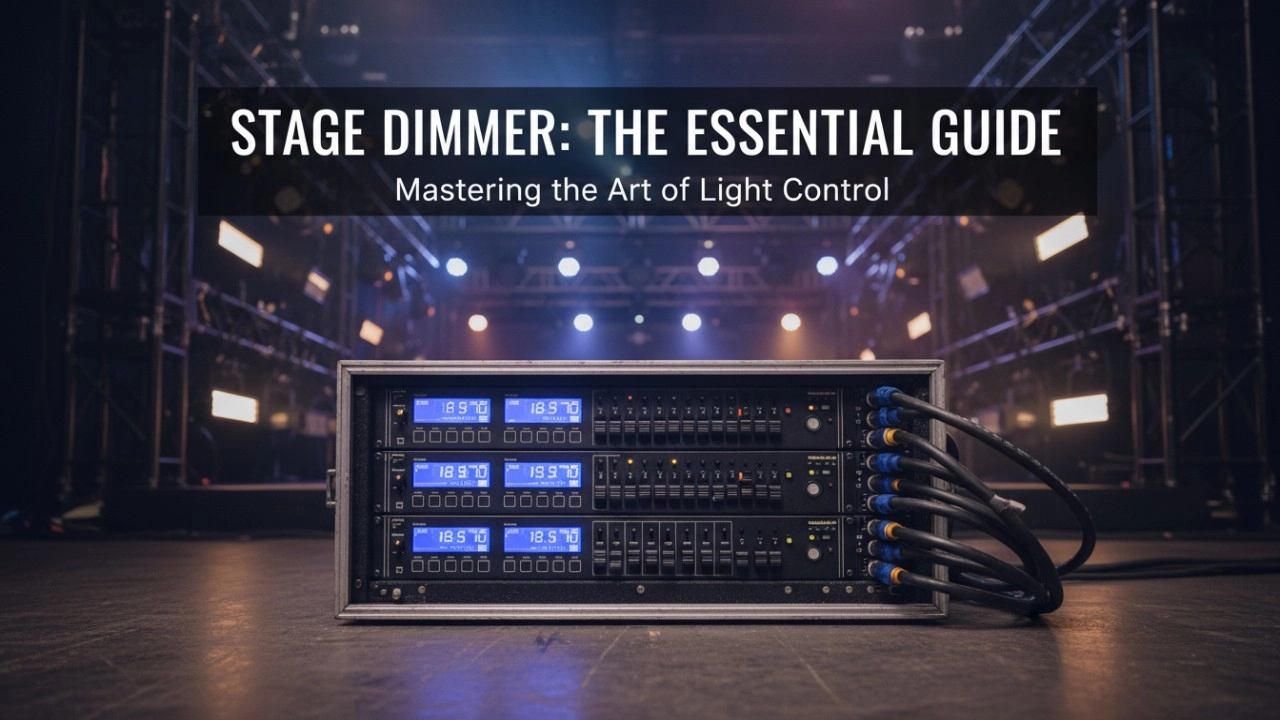
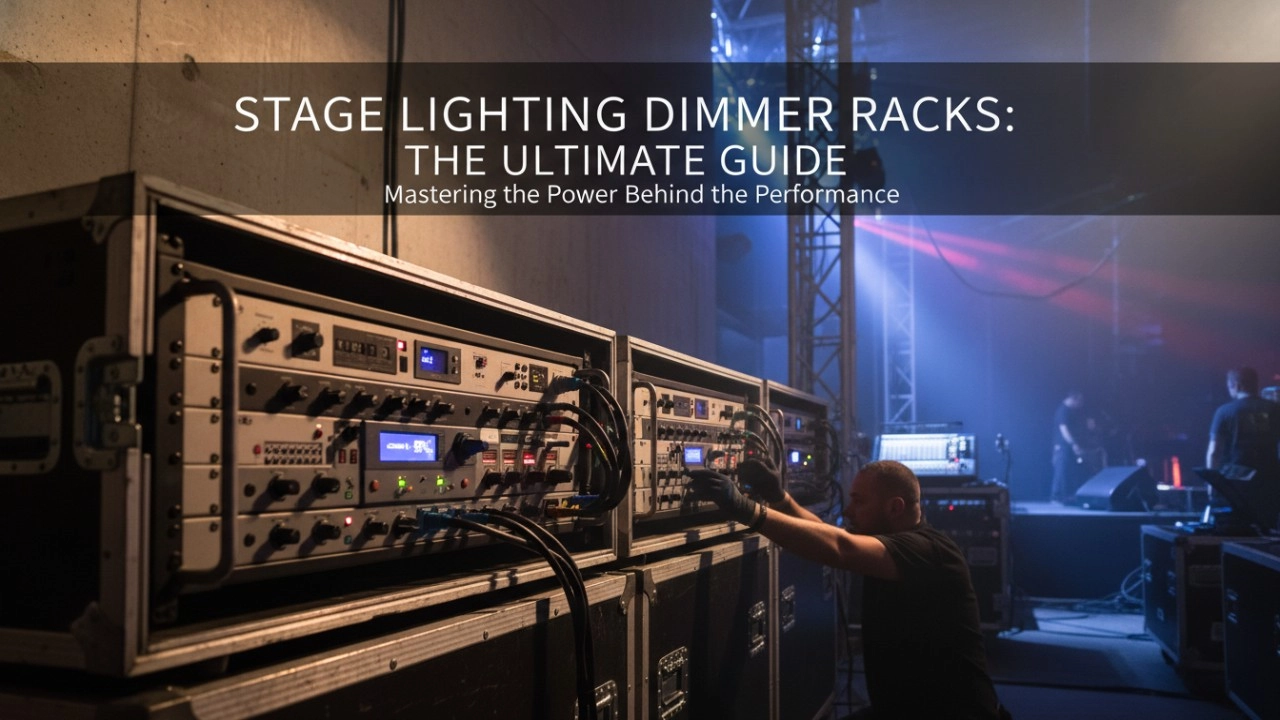
A comprehensive 2026 guide to selecting high-performance stage lighting dimmer racks. We review top hybrid systems, explore SCR vs sine wave technology, and analyze essential features like ThruPower for modern venues.
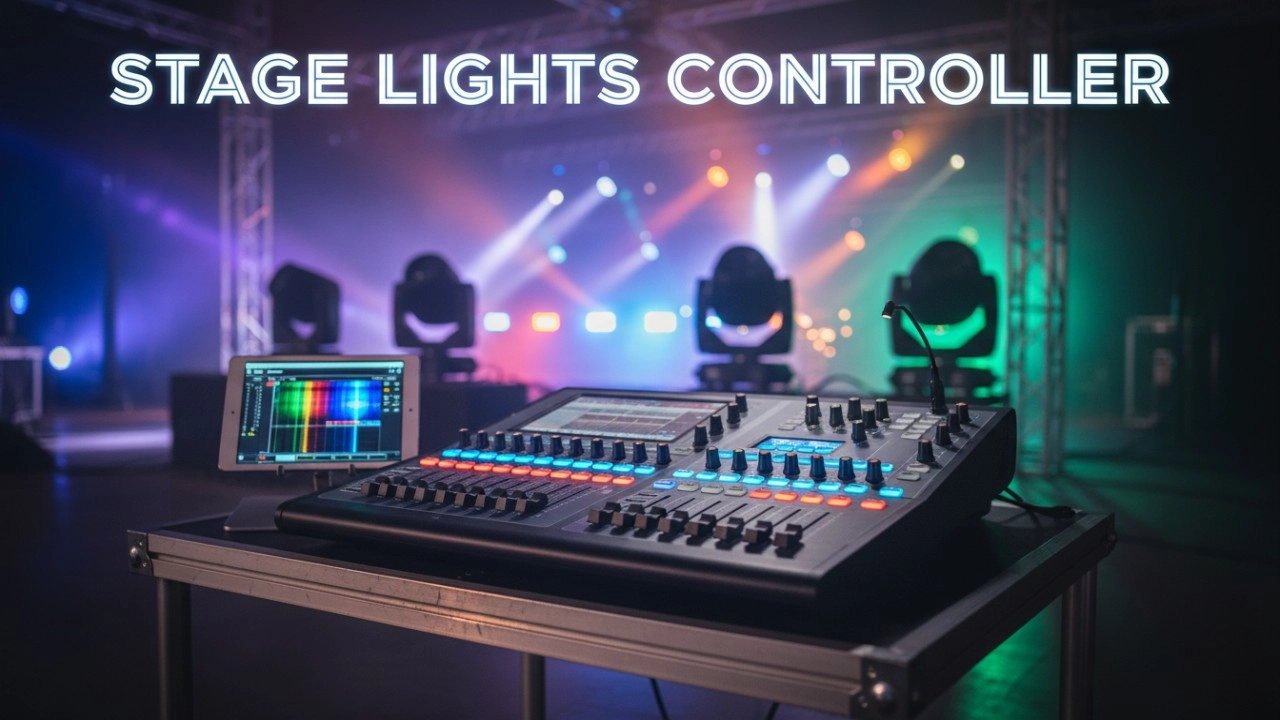
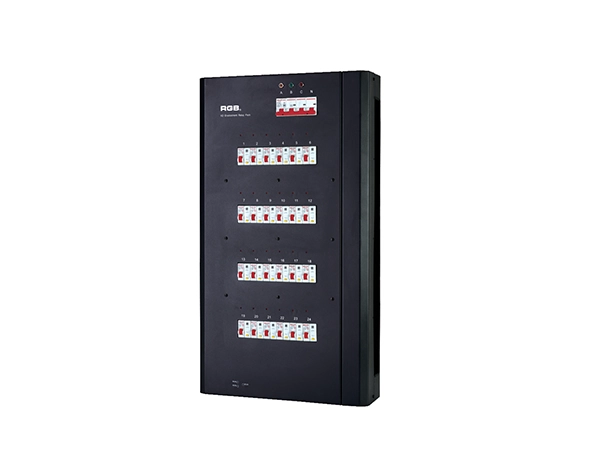
K2 Intelligent Network Relay Racks
K series is the newly developed and produced product of all-weather smart network relay cabinet. It has two major indoor and outdoor waterproof series and has multiple network control modes, such as double DMX512, sACN, ART-net, etc, which can control any equipment like resistive, inductive and capacitive and so on
K series has two major series from the perspective of function, namely, K2 ordinary type and KW2 waterproof type. It has two modes of installation, one is hanging on the wall, and the other is cabinet. It has three specifications of output circuit, namely, 24, 48 and 60 respectively.
K series applies to different performance places, such as, outdoor cultural tourism, TV station, theater, stadium and ambient intelligence lighting and so on.
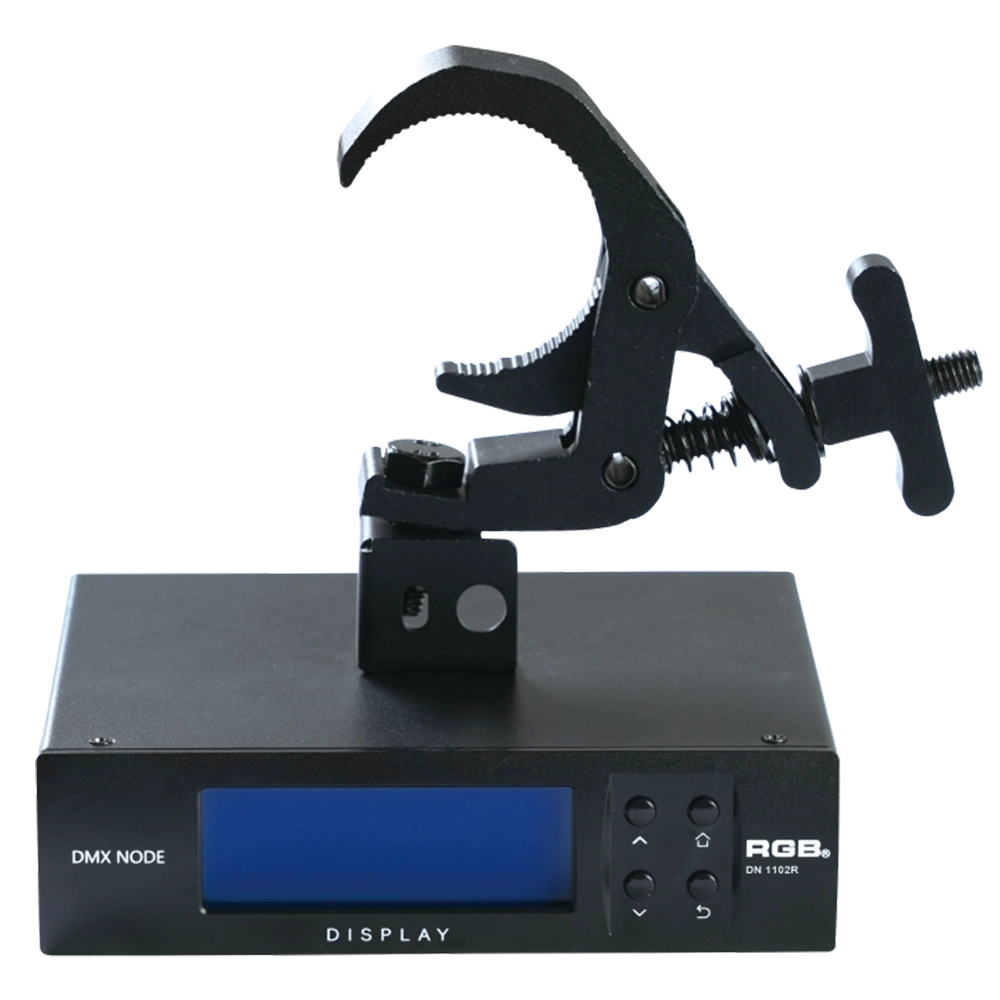
RDM Nodes
The DN series network decoder is a product of the lighting control system independently developed by RGB, featuring completely independent core technology and obtaining software copyrights. It seamlessly connects and decodes the sACN and Art-Net network protocols based on TCP/IP with the DMX-512 and RDM communication protocols. Supports a visual lighting control system, intuitively displaying the online and offline status of the DN series network decoders, and enabling remote monitoring, editing, and setting of corresponding parameters.
It is widely applied in theaters, concert halls, multi-functional halls, cultural and tourism performances, TV stations, gymnasiums, auditoriums, commercial art lighting, and other performance and cultural venues.
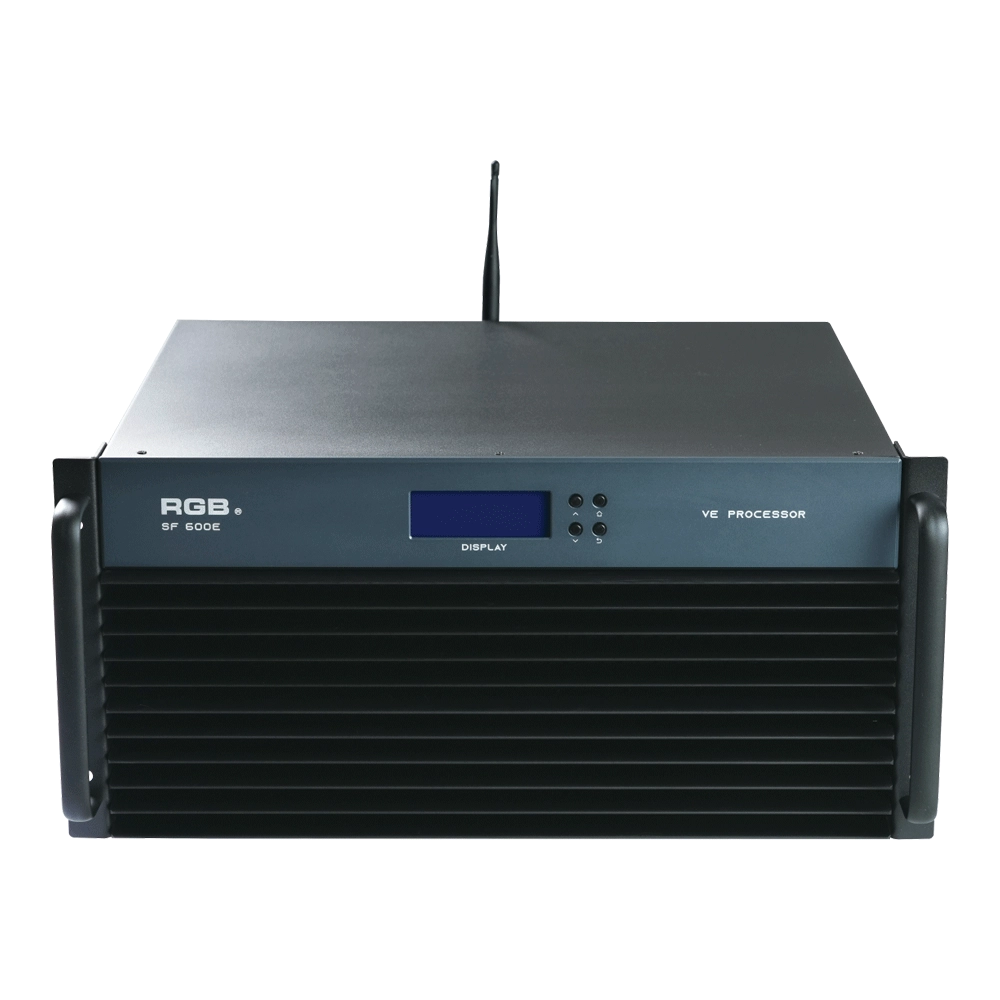
SF600E Visual R-net environment processor
The SF600E Visual R-net environment processor by RGB delivers advanced performance for visual systems. As a leading visual systems manufacturer, RGB ensures seamless integration and high reliability, making SF600E ideal for complex visual processing needs in diverse environments.
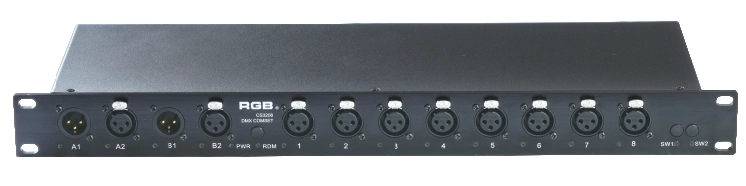
DMX&RDM Signal Mergers Amplifiers
The rack-mounted DMX signal amplifier complies with the DMX-512 standard protocol, improving the transmission quality of DMX-512 signals, ensuring the reliability of system control, and preventing faults such as reverse connection of AC high voltage in the lighting control system, high voltage intrusion due to lightning strikes, and line short circuits, which may affect the stability of the system.
Expert Support
Interested in learning more or need expert guidance related to this article? Fill in your details, and our team will provide tailored support.
Intelligent Control. Brilliant Performance.
RGB specializes in stage lighting control systems, delivering intelligent, reliable, and high-performance solutions for theaters and performance spaces worldwide.
Contact
Email:
Tel:
+86 20 3928 0245
+86 20 3928 0247
Address:
No.3, Huashan Road, Shilou Town, Panyu, Guangzhou, China.
Whatsapp: +8615975520131