
Stage dimmer vs LED driver: which do buyers need?
|
- 1. What is the primary function of a stage dimmer in lighting systems?
- 2. How does an LED driver differ from a traditional stage dimmer?
- 3. Can a traditional stage dimmer be used with LED lighting fixtures?
- 4. What are the key factors to consider when choosing between a stage dimmer and an LED driver?
- 5. Are there any specific challenges when integrating LED drivers into existing stage lighting systems?
- 6. How can I ensure optimal performance and longevity of my LED lighting system?
1. What is the primary function of a stage dimmer in lighting systems?
A stage dimmer is a device that adjusts the brightness of stage lighting fixtures by controlling the amount of electrical power supplied to them. It operates by reducing the voltage or current, thereby dimming the lights. This process allows lighting designers to create various lighting effects and moods during performances. Stage dimmers are typically used with incandescent and halogen lamps, which respond well to changes in voltage and current. However, when integrating LED fixtures, it's crucial to ensure compatibility between the dimmer and the LED driver to prevent issues like flickering or inadequate dimming range.
2. How does an LED driver differ from a traditional stage dimmer?
An LED driver is an electronic device that supplies power to LED lighting fixtures, converting the standard AC voltage to the appropriate DC voltage and current required by LEDs. Unlike traditional stage dimmers, LED drivers are designed to handle the unique electrical characteristics of LEDs, such as their low voltage and current requirements. Additionally, many LED drivers come with built-in dimming capabilities, allowing for smoother and more precise control over brightness levels. This integration simplifies the lighting setup and enhances performance, as it eliminates the need for separate dimming devices and reduces potential compatibility issues.
3. Can a traditional stage dimmer be used with LED lighting fixtures?
Using a traditional stage dimmer with LED lighting fixtures is generally not recommended due to compatibility issues. Traditional dimmers are designed for incandescent and halogen lamps, which have different electrical characteristics compared to LEDs. When used with LEDs, these dimmers can cause problems such as flickering, reduced dimming range, or even damage to the LED driver. To ensure optimal performance and longevity of LED fixtures, it's advisable to use dimmers specifically designed for LED lighting systems. These LED-compatible dimmers are engineered to work seamlessly with LED drivers, providing smooth and reliable dimming control.
4. What are the key factors to consider when choosing between a stage dimmer and an LED driver?
When deciding between a stage dimmer and an LED driver, consider the following factors:- **Type of Lighting Fixtures**: Determine whether your setup includes incandescent, halogen, or LED fixtures. LED fixtures require drivers that are compatible with their electrical characteristics.- **Dimming Requirements**: Assess the level of dimming control needed. LED drivers with built-in dimming capabilities offer more precise and smoother control compared to traditional dimmers.- **Compatibility**: Ensure that the chosen device is compatible with your lighting fixtures and control systems to prevent issues like flickering or inadequate dimming range.- **Installation Complexity**: Consider the ease of installation. LED drivers with integrated dimming functions can simplify the setup process by eliminating the need for separate dimming devices.- **Budget Constraints**: Evaluate the cost implications. While LED drivers with built-in dimming may have a higher upfront cost, they can offer better performance and reduce the need for additional equipment, potentially saving money in the long run.
5. Are there any specific challenges when integrating LED drivers into existing stage lighting systems?
Integrating LED drivers into existing stage lighting systems can present several challenges:- **Compatibility Issues**: Existing dimming systems may not be compatible with LED drivers, leading to flickering or limited dimming range. Upgrading to LED-compatible dimmers may be necessary.- **Electrical Load Considerations**: LED fixtures often have different power requirements compared to traditional lighting, necessitating careful calculation of total system wattage and appropriate driver selection.- **Dimming Performance**: Achieving smooth and consistent dimming with LEDs requires drivers that support specific dimming protocols, such as 0-10V or DALI. Ensuring that both the driver and dimmer support the same protocol is essential for optimal performance.- **Heat Management**: LEDs generate less heat than traditional lamps, but proper heat dissipation is still crucial. Ensure that the LED driver and fixtures are installed in well-ventilated areas to prevent overheating and potential damage.
6. How can I ensure optimal performance and longevity of my LED lighting system?
To ensure optimal performance and longevity of your LED lighting system:- **Choose Quality Components**: Select high-quality LED drivers and fixtures from reputable manufacturers to ensure reliability and performance.- **Verify Compatibility**: Ensure that all components, including drivers, dimmers, and fixtures, are compatible with each other to prevent issues like flickering or reduced dimming range.- **Proper Installation**: Follow manufacturer guidelines for installation, including considerations for electrical load, wiring, and ventilation, to prevent potential issues.- **Regular Maintenance**: Periodically inspect the system for signs of wear or damage, and perform necessary maintenance to keep the system operating efficiently.- **Stay Informed**: Keep abreast of advancements in LED technology and lighting control systems to take advantage of improvements in performance and energy efficiency.
Understanding the distinctions between stage dimmers and LED drivers is crucial for setting up an effective and reliable stage lighting system. By considering the specific requirements of your lighting fixtures and control needs, you can make informed decisions that enhance the quality and longevity of your lighting setup. For personalized advice and solutions tailored to your specific needs, feel free to contact us at info@rgbsystem.com or visit our website at www.rgbsystem.com.
Latest News
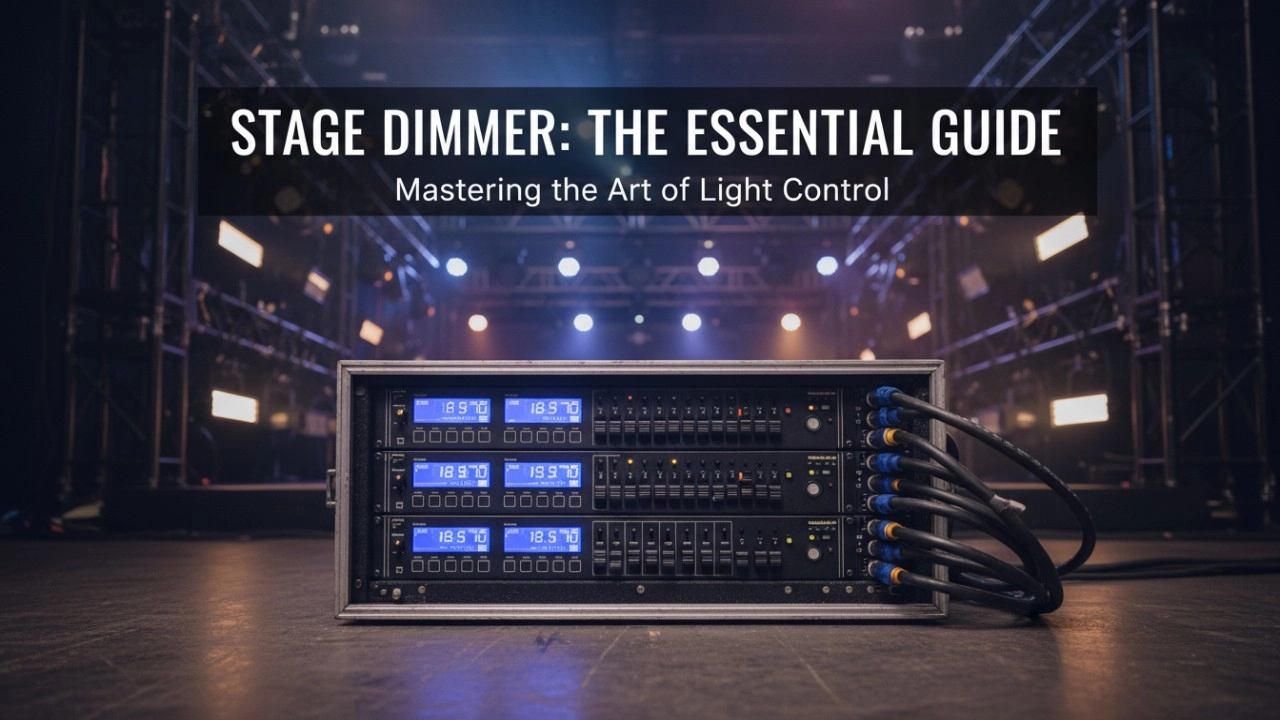
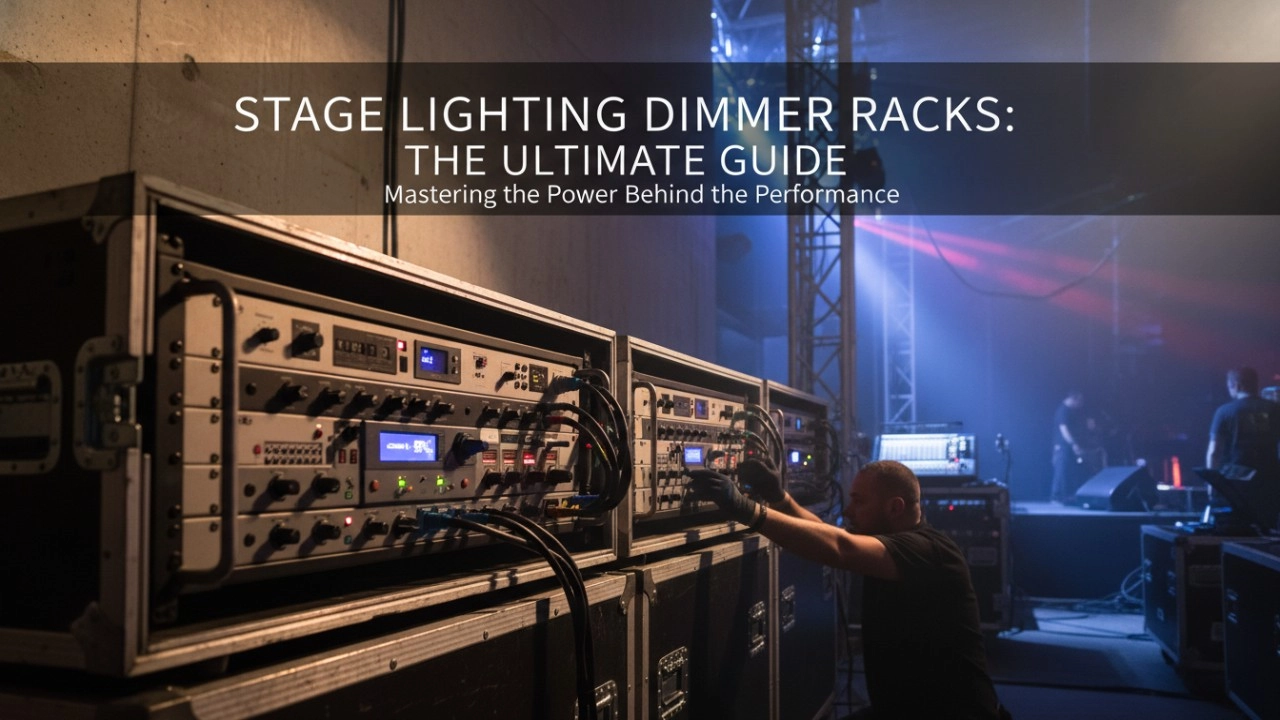
A comprehensive 2026 guide to selecting high-performance stage lighting dimmer racks. We review top hybrid systems, explore SCR vs sine wave technology, and analyze essential features like ThruPower for modern venues.
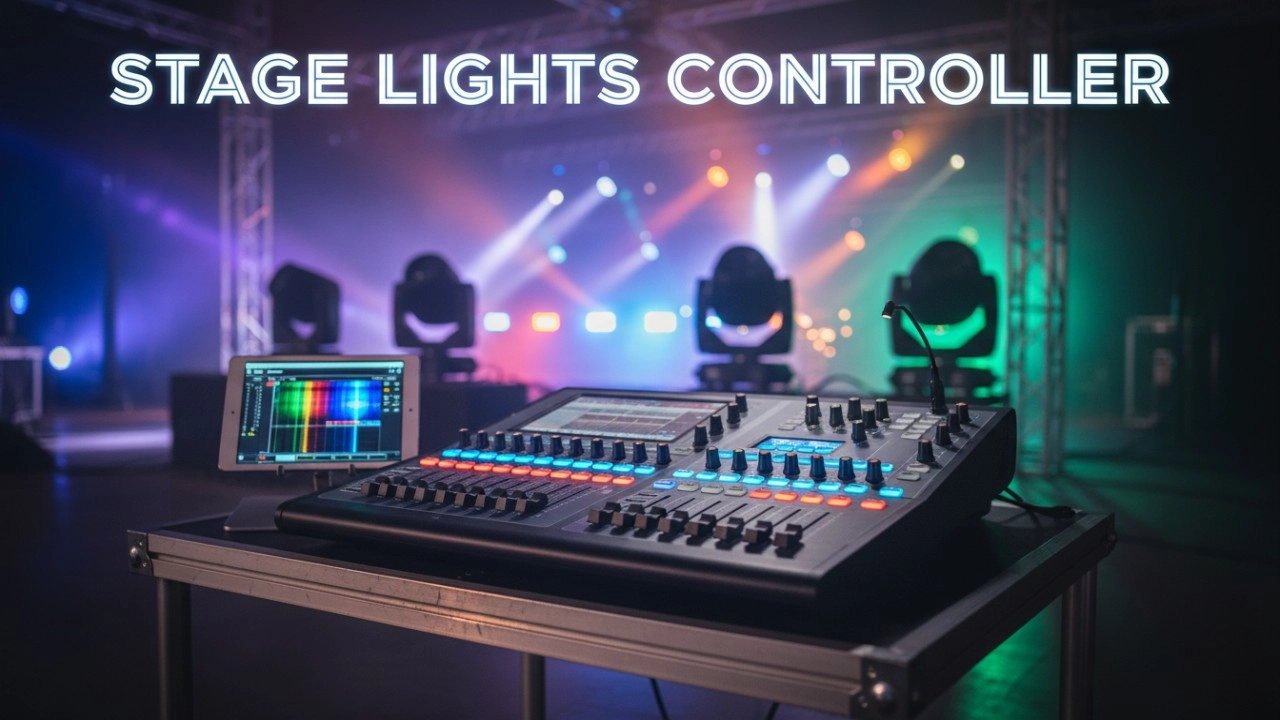
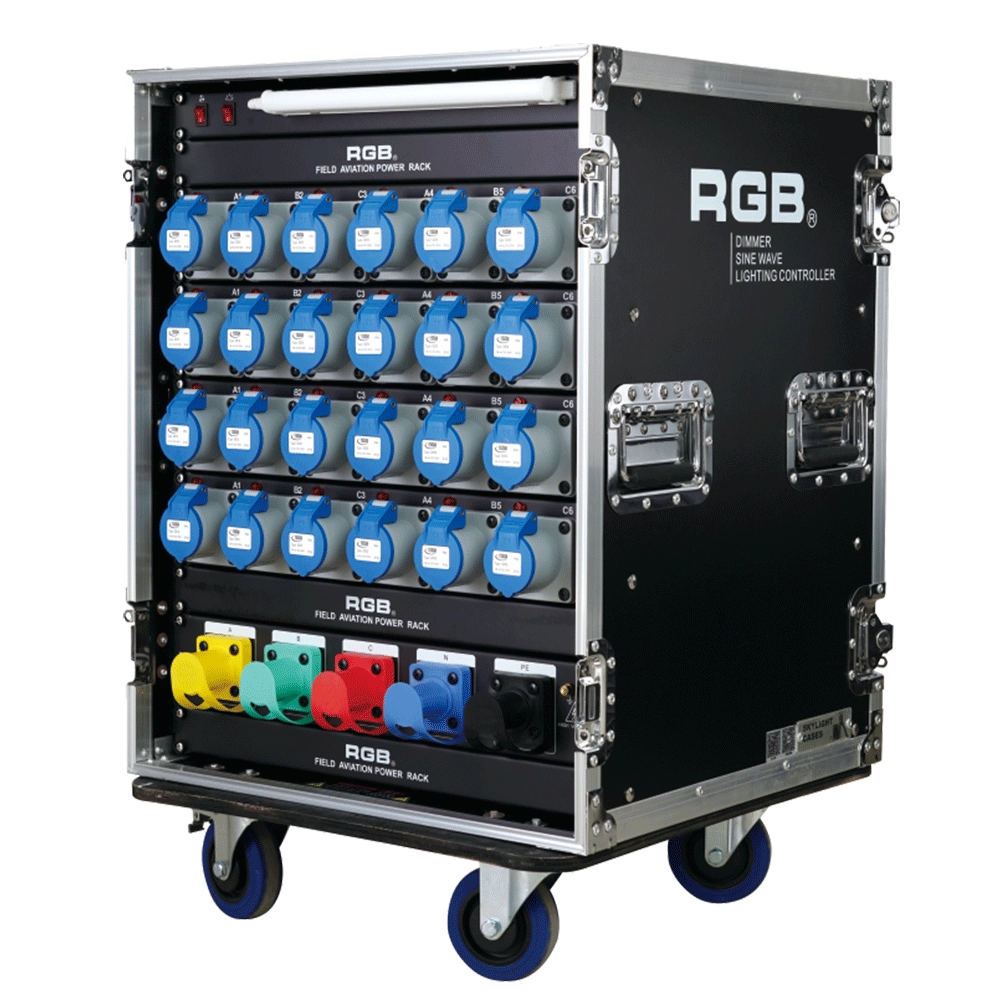
ZT Distribution Box
RGB-ZT2416 features dual protection functions and is a power distribution product specifically designed for overcurrent and short circuit of electrical equipment. It is the best choice for mobile performance and is suitable for use in computer lamps, conventional lamps, and other equipment.
7i Dimmer/Relay Racks
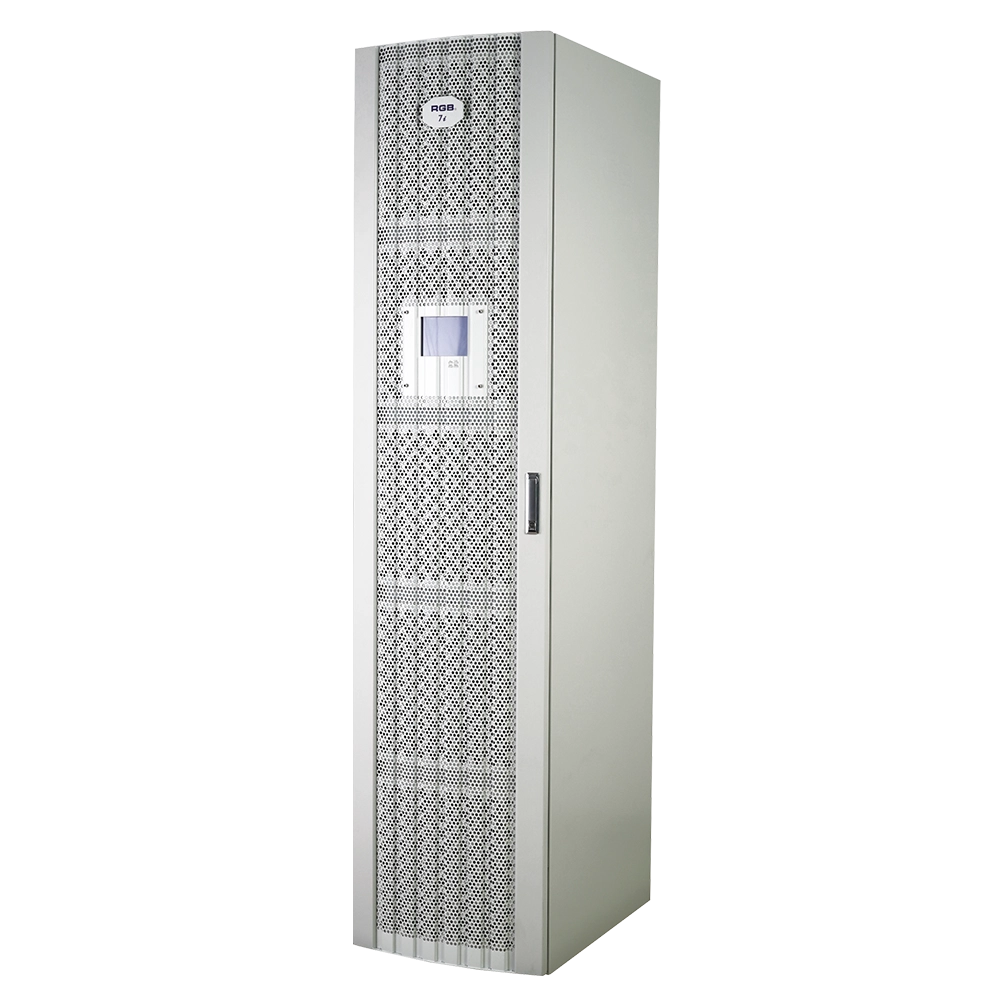
7i is RGB independent research and development, with completely independent core technology, full digital decoding technology dimming racks, using a dual system, double decoding, double trigger, and duplex dual backup central decoding processor, with thyristor, relay, dimming relay mixed and other output configurations, supporting a visual lighting control system, intuitive display of dimming racks' online and offline status, and remote monitoring.
It is widely used in performing arts and cultural venues such as theaters, concert halls, multi-function halls, cultural travel and performing arts, TV stations, gymnasiums, auditoriums, commercial art lighting and so on.
RDM Nodes
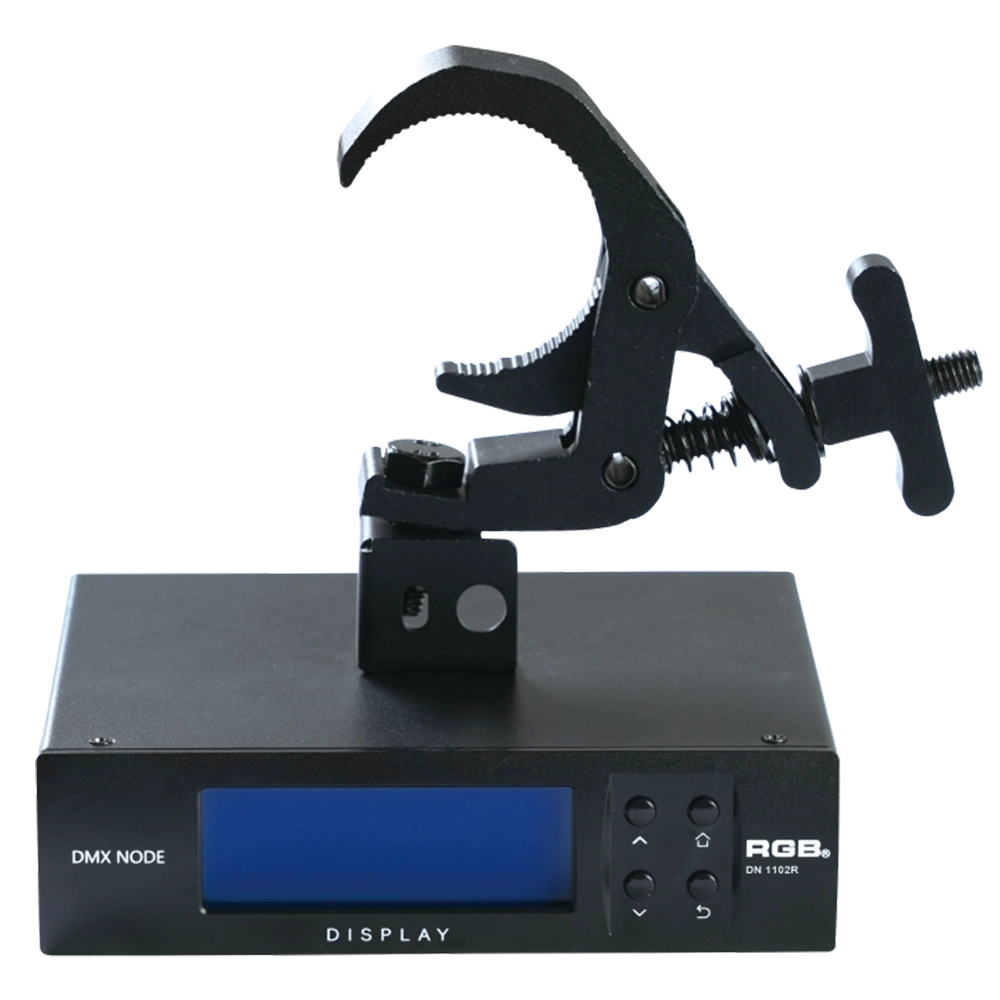
The DN series network decoder is a product of the lighting control system independently developed by RGB, featuring completely independent core technology and obtaining software copyrights. It seamlessly connects and decodes the sACN and Art-Net network protocols based on TCP/IP with the DMX-512 and RDM communication protocols. Supports a visual lighting control system, intuitively displaying the online and offline status of the DN series network decoders, and enabling remote monitoring, editing, and setting of corresponding parameters.
It is widely applied in theaters, concert halls, multi-functional halls, cultural and tourism performances, TV stations, gymnasiums, auditoriums, commercial art lighting, and other performance and cultural venues.
Intelligent Network Touring Dimmer Racks
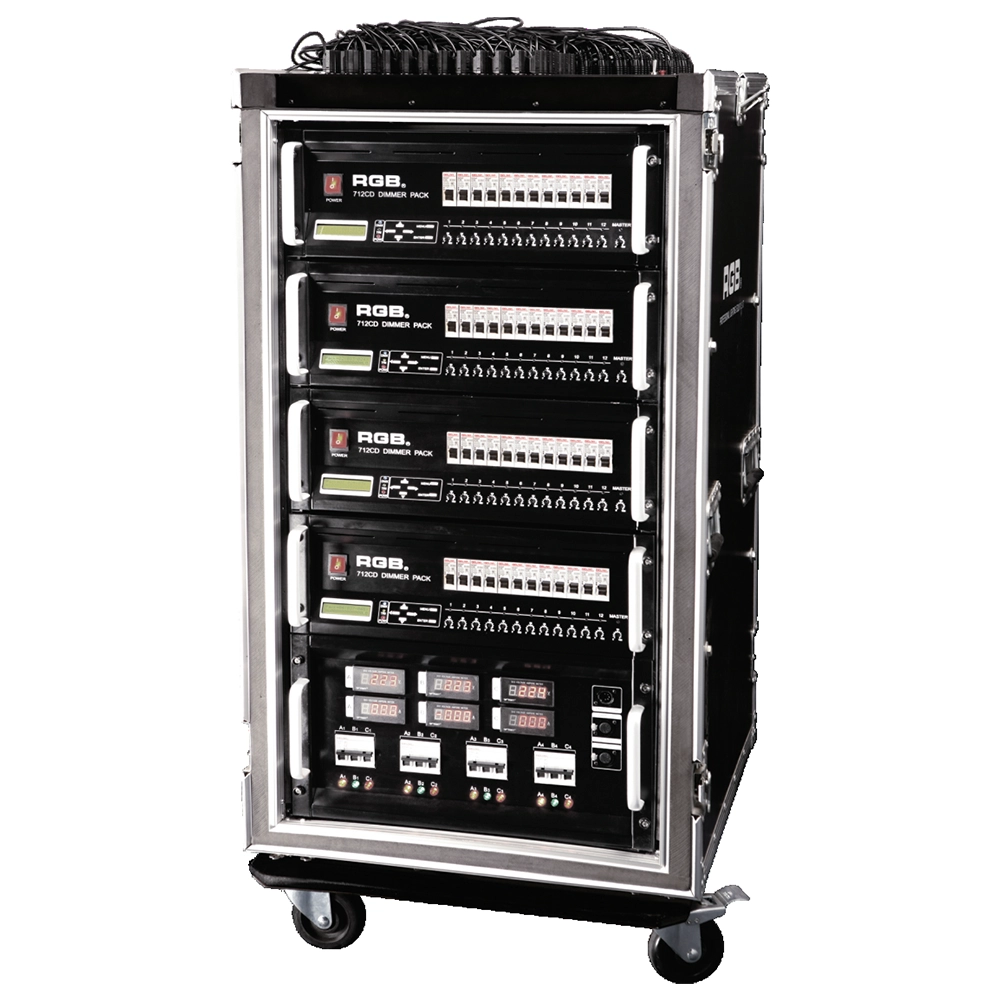
RGB intelligent network touring dimmer racks can be assembledinto many types of dimmer racks by taking 7 series dimmer
packs as the unit. They are widely used in the entertainment fortheir convenience and practicabillity,
Expert Support
Interested in learning more or need expert guidance related to this article? Fill in your details, and our team will provide tailored support.
Intelligent Control. Brilliant Performance.
RGB specializes in stage lighting control systems, delivering intelligent, reliable, and high-performance solutions for theaters and performance spaces worldwide.
Contact
Email:
Tel:
+86 20 3928 0245
+86 20 3928 0247
Address:
No.3, Huashan Road, Shilou Town, Panyu, Guangzhou, China.
Whatsapp: +8615975520131