
How to install a stage dimmer: professional vs. DIY?
|
- 1. What are the key differences between professional and DIY installation of stage dimmers?
- 2. How do I determine the appropriate type and capacity of a stage dimmer for my lighting setup?
- 3. What are the common challenges faced during the installation of stage dimmers, and how can they be mitigated?
- 4. How can I ensure the longevity and optimal performance of my stage dimmer after installation?
- 5. What are the latest advancements in stage dimmer technology, and how do they enhance performance?
- 6. What are the key factors to consider when purchasing a stage dimmer for a professional lighting setup?
1. What are the key differences between professional and DIY installation of stage dimmers?
When considering the installation of stage dimmers, it's crucial to understand the distinctions between professional and DIY approaches:
Expertise and Safety: Professional installers possess the necessary skills to handle complex wiring and ensure compliance with safety standards, reducing the risk of electrical hazards.
Time and Convenience: Professionals can complete installations efficiently, often within a day, whereas DIY projects may extend over several days, especially for intricate setups.
Cost Considerations: While DIY installations can save on labor costs, they may lead to expenses from potential errors or the need for specialized tools.
Quality Assurance: Professional services often come with warranties, ensuring that any issues post-installation are addressed promptly.
2. How do I determine the appropriate type and capacity of a stage dimmer for my lighting setup?
Selecting the right stage dimmer involves several key considerations:
Lighting Load Calculation: Assess the total wattage of all lights to be controlled. For instance, if each light is 100W and you have 10 lights, the total load is 1000W.
Dimmer Capacity: Choose a dimmer with a capacity that exceeds your total load to ensure reliable performance.
Compatibility: Ensure the dimmer is compatible with the type of lighting fixtures used, such as incandescent, LED, or halogen.
Control Features: Decide if you require basic dimming or advanced features like remote control or integration with a lighting control system.
3. What are the common challenges faced during the installation of stage dimmers, and how can they be mitigated?
Installing stage dimmers can present several challenges:
Electrical Wiring Issues: Incorrect wiring can lead to malfunction or safety hazards. It's essential to follow wiring diagrams meticulously.
Incompatibility with Lighting Fixtures: Not all dimmers work with every type of bulb, especially with the rise of LED lighting. Using the wrong combination can lead to flickering or buzzing.
Overloading Circuits: Exceeding the dimmer's capacity can cause overheating or failure. Always verify the total wattage and ensure it doesn't surpass the dimmer's rating.
Lack of Proper Tools: Using incorrect or inadequate tools can lead to installation errors. Ensure you have the necessary tools and, if unsure, consider professional assistance.
4. How can I ensure the longevity and optimal performance of my stage dimmer after installation?
To maintain your stage dimmer's performance:
Regular Maintenance: Periodically check for signs of wear, such as flickering lights or unresponsive controls.
Avoid Overloading: Ensure the total wattage of connected lights does not exceed the dimmer's capacity.
Keep Clean: Dust and debris can affect performance. Clean the dimmer with a soft, damp cloth regularly.
Professional Servicing: If issues arise, consult a professional technician to prevent further damage.
5. What are the latest advancements in stage dimmer technology, and how do they enhance performance?
Recent advancements include:
Smart Integration: Modern dimmers can integrate with smart home systems, allowing remote control and automation.
Energy Efficiency: Newer models offer improved energy-saving features, reducing operational costs.
Enhanced Compatibility: Advanced dimmers support a wider range of lighting fixtures, including various LED types.
Improved User Interfaces: Touchscreen controls and intuitive interfaces make operation more user-friendly.
6. What are the key factors to consider when purchasing a stage dimmer for a professional lighting setup?
When purchasing:
Load Capacity: Ensure the dimmer can handle the total wattage of your lighting setup.
Compatibility: Verify that the dimmer is compatible with your lighting fixtures and control systems.
Reliability: Opt for reputable brands known for quality and durability.
Support and Warranty: Check for available customer support and warranty terms.
Budget: Balance features and quality with your budget constraints.
In conclusion, selecting and installing a stage dimmer requires careful consideration of technical specifications, compatibility, and professional expertise. By addressing these aspects, you can ensure a reliable and efficient lighting control system for your stage productions. For personalized assistance and a detailed quote, please contact us at info@rgbsystem.com or visit our website at www.rgbsystem.com.
Latest News
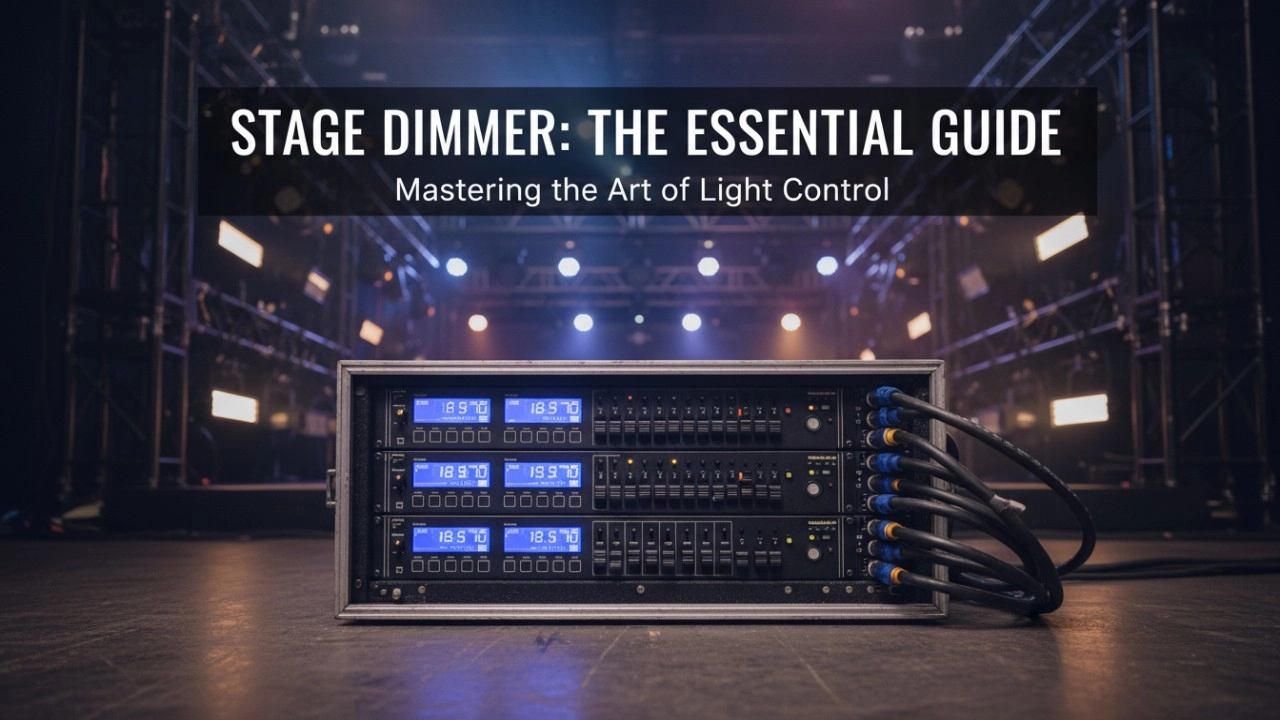
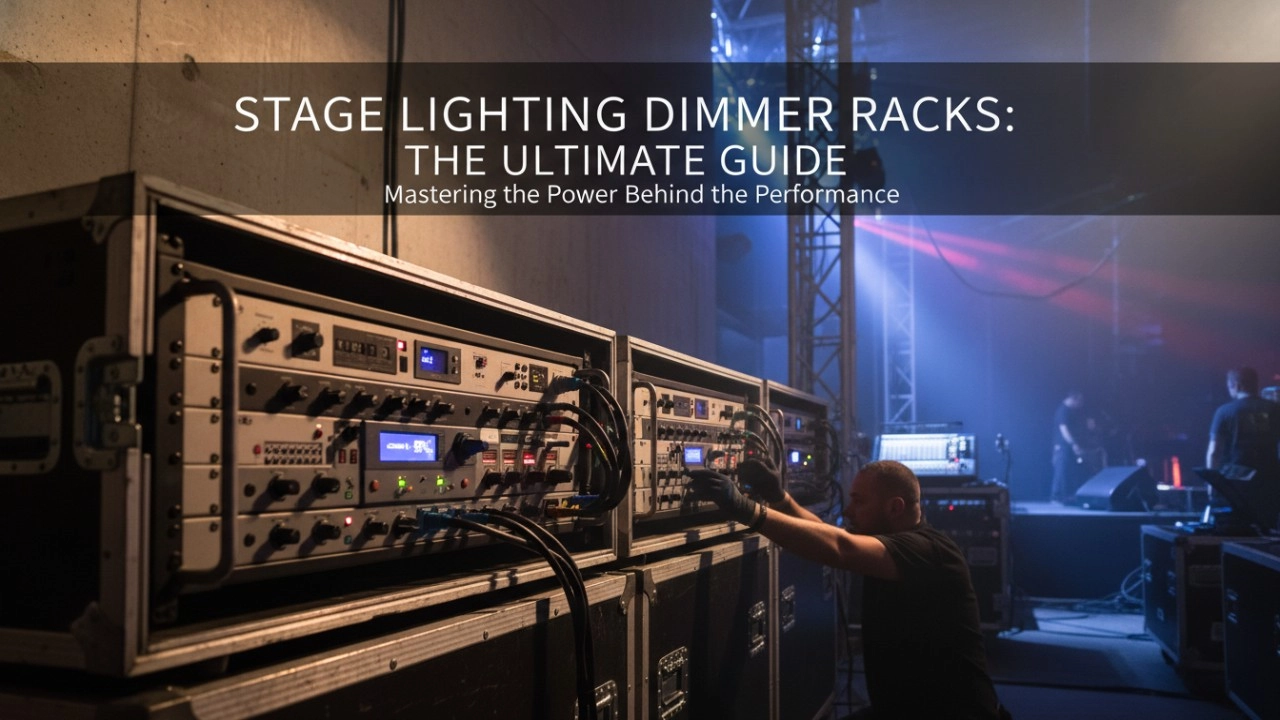
A comprehensive 2026 guide to selecting high-performance stage lighting dimmer racks. We review top hybrid systems, explore SCR vs sine wave technology, and analyze essential features like ThruPower for modern venues.
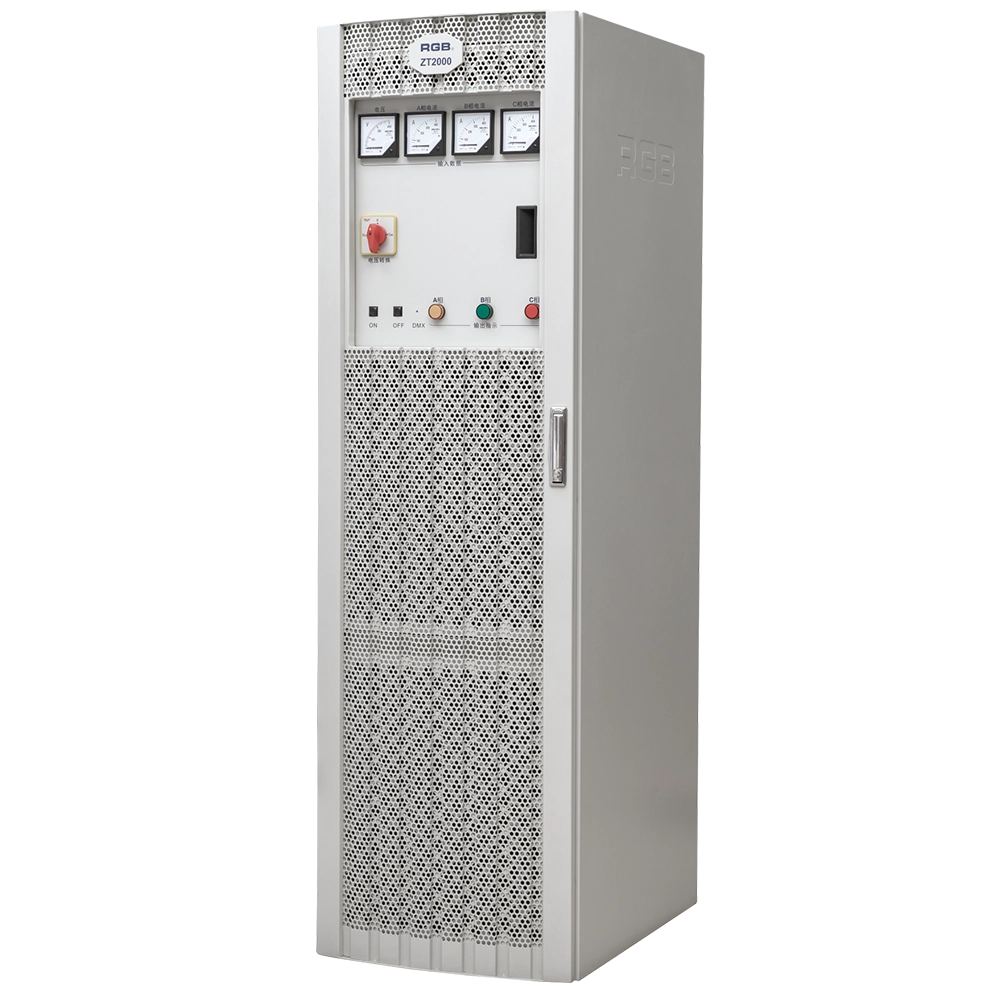
ZT2000 Pass-Through Racks
The ZT2000 straight-through power cabinet is a three-phase 630A/400A air switch main control, with each channel being a 32A air switch sub-control straight-through power cabinet. It can be used in conjunction with various computer lamps, regular lamps, and temporary electrical equipment as a power distribution and supply part for electrical equipment with overcurrent and short-circuit protection. It is a brand-new, reliable, and stable lighting control device in the field of stage lighting control.
It is widely applied in theaters, concert halls, multi-functional halls, cultural and tourism performances, TV stations, gymnasiums, auditoriums, commercial art lighting, and other performance and cultural venues.
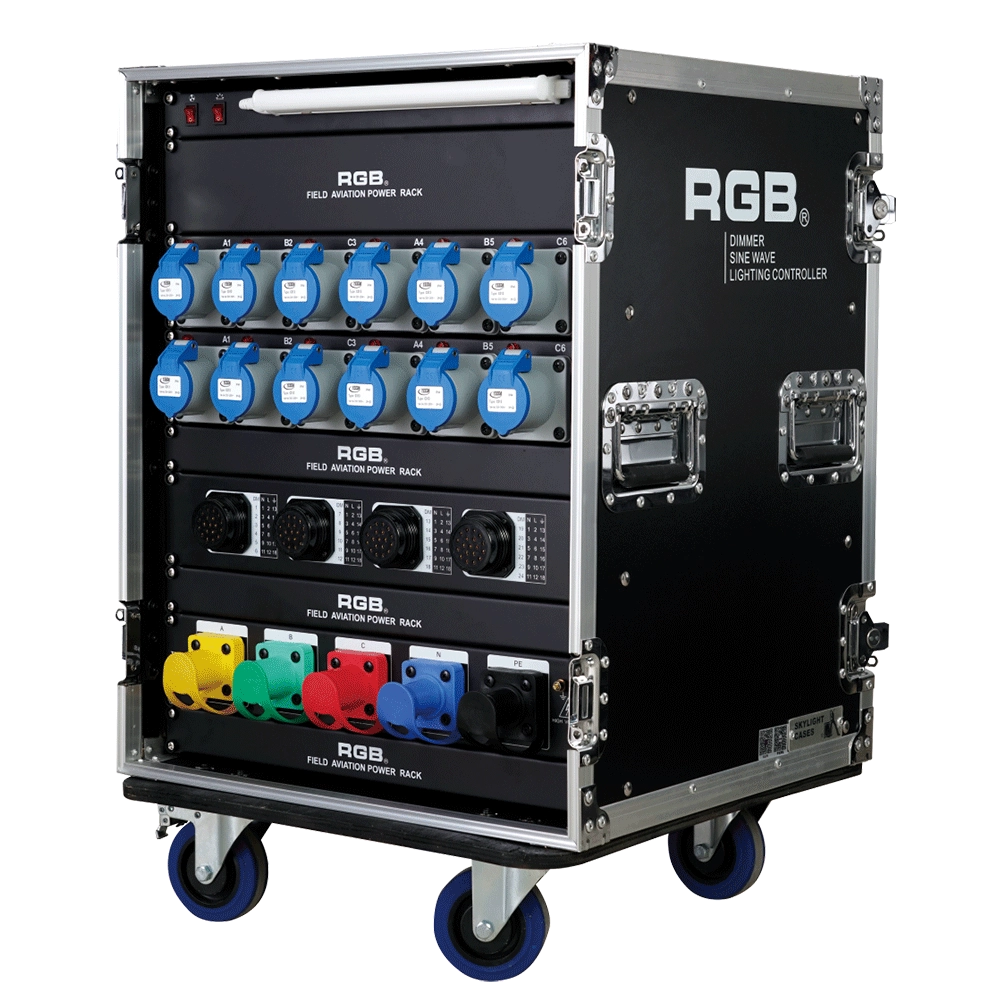
ZT2419+1216 Distribution Box
ZT2419+1216 features dual protection functions and is a power distribution product specifically designed for overcurrent and short circuits in electrical equipment. It is the best choice for mobile performance and is suitable for use in computer lamps, conventional lamps, and other equipment.
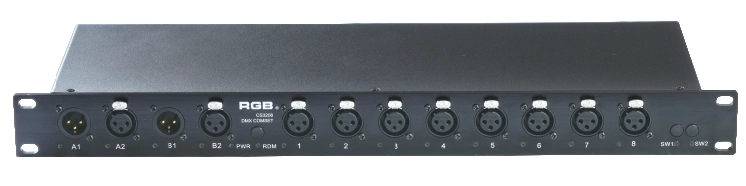
DMX&RDM Signal Mergers Amplifiers
The rack-mounted DMX signal amplifier complies with the DMX-512 standard protocol, improving the transmission quality of DMX-512 signals, ensuring the reliability of system control, and preventing faults such as reverse connection of AC high voltage in the lighting control system, high voltage intrusion due to lightning strikes, and line short circuits, which may affect the stability of the system.
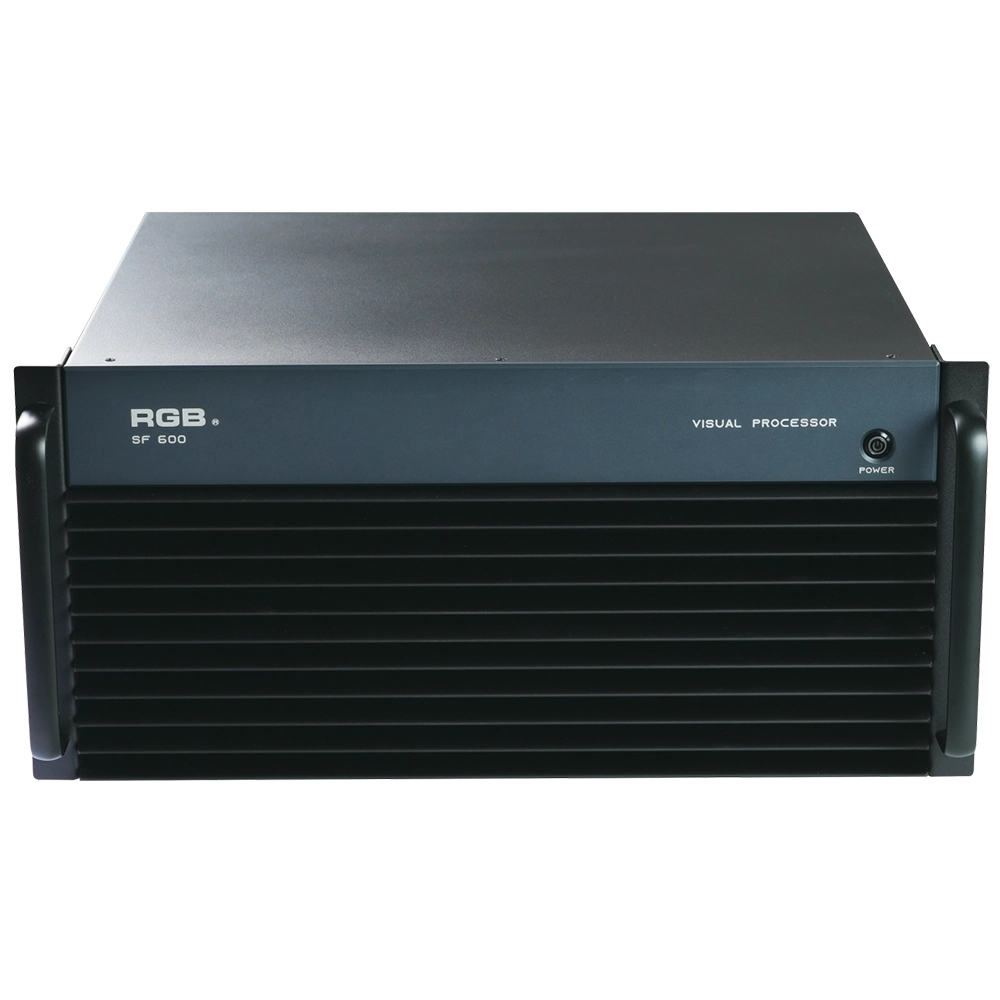
SF600 Visual R-net central processing processor
The SF600 Visual R-net central processing processor by RGB delivers advanced visual systems performance with high-speed processing and seamless integration. Designed for efficiency and reliability, it’s ideal for enhancing your visual system applications in corporate environments.
Expert Support
Interested in learning more or need expert guidance related to this article? Fill in your details, and our team will provide tailored support.
Intelligent Control. Brilliant Performance.
RGB specializes in stage lighting control systems, delivering intelligent, reliable, and high-performance solutions for theaters and performance spaces worldwide.
Contact
Email:
Tel:
+86 20 3928 0245
+86 20 3928 0247
Address:
No.3, Huashan Road, Shilou Town, Panyu, Guangzhou, China.
Whatsapp: +8615975520131