
Stage dimmer compatibility: will it work with my console?
|
- 1. How do I determine if a stage dimmer is compatible with my lighting console?
- 2. What types of lighting fixtures are compatible with stage dimmers?
- 3. How do I select the appropriate dimmer for my lighting system?
- 4. What are the common challenges when integrating stage dimmers with various lighting systems?
- 5. How can I ensure my stage dimmer system is future-proof?
- 6. What are the maintenance requirements for stage dimmers?
1. How do I determine if a stage dimmer is compatible with my lighting console?
Ensuring compatibility between your stage dimmer and lighting console is crucial for seamless operation. Most modern lighting consoles communicate with dimmers using the DMX512 protocol, a standard in the industry. To verify compatibility, check the technical specifications of both devices to confirm they support DMX512. Additionally, consider the physical connectors; while XLR connectors are common for DMX512, some systems may use different types. For instance, certain consoles might utilize Ethernet-based protocols like Art-Net, which requires compatible dimmers. Always consult the user manuals or contact the manufacturers directly to ensure full compatibility.
2. What types of lighting fixtures are compatible with stage dimmers?
Stage dimmers are designed to control various lighting fixtures, but compatibility depends on the type of load:
Incandescent and Halogen Lamps: These traditional fixtures are typically compatible with most dimmers, as they operate on resistive loads.
LED Fixtures: LEDs require specific dimming methods. Some LEDs are compatible with phase-cut dimmers (leading-edge or trailing-edge), while others may require 0–10V dimming or Pulse-Width Modulation (PWM) control. It's essential to verify the dimming method supported by your LED fixtures and ensure your dimmer matches this requirement.
Low-Voltage Fixtures: Fixtures operating on low voltage, such as those using electronic transformers, may require trailing-edge dimmers due to their sensitivity to load variations.
Always refer to the manufacturer's specifications for both the dimmer and the fixture to confirm compatibility.
3. How do I select the appropriate dimmer for my lighting system?
Selecting the right dimmer involves several key considerations:
Load Type and Capacity: Calculate the total wattage of all connected fixtures to ensure the dimmer can handle the load. Exceeding the maximum load can lead to overheating and potential damage.
Dimming Method: Identify the dimming method required by your fixtures—phase-cut, 0–10V, or PWM—and choose a dimmer that supports this method.
Control Protocol: Ensure the dimmer is compatible with your lighting console's control protocol, such as DMX512 or Art-Net.
Environmental Factors: Consider the operating environment, including temperature and humidity, as these can affect dimmer performance.
Consulting with a lighting professional or the equipment manufacturers can provide personalized recommendations based on your specific setup.
4. What are the common challenges when integrating stage dimmers with various lighting systems?
Integrating stage dimmers with diverse lighting systems can present several challenges:
Protocol Incompatibility: Different lighting systems may use varying communication protocols, such as DMX512, Art-Net, or proprietary systems. Without proper protocol conversion, integration can be problematic.
Fixture Diversity: Combining fixtures from multiple manufacturers can lead to inconsistencies in performance, especially if they have unique control requirements or features.
Firmware and Software Discrepancies: Updates to firmware or software can introduce compatibility issues if not all components are updated simultaneously.
To mitigate these challenges, thorough planning, understanding of each component's specifications, and, when necessary, the use of protocol converters or gateways are recommended.
5. How can I ensure my stage dimmer system is future-proof?
To future-proof your stage dimmer system:
Modular Design: Opt for dimmers that allow for easy expansion and integration with new technologies.
Software Upgradability: Choose systems with upgradable software to accommodate future features and protocols.
Industry Standards Compliance: Ensure the system adheres to widely accepted industry standards, facilitating compatibility with future equipment.
Regularly reviewing industry trends and consulting with professionals can also help in making informed decisions.
6. What are the maintenance requirements for stage dimmers?
Proper maintenance of stage dimmers includes:
Regular Inspection: Check for signs of wear, overheating, or damage.
Cleaning: Keep vents and components free from dust and debris to ensure optimal airflow and cooling.
Firmware Updates: Keep the dimmer's firmware updated to benefit from performance improvements and new features.
Load Monitoring: Ensure that the connected load does not exceed the dimmer's rated capacity to prevent damage.
Following the manufacturer's maintenance guidelines and scheduling periodic professional inspections can prolong the lifespan of your dimmer system.
In conclusion, selecting and integrating a stage dimmer requires careful consideration of compatibility, fixture types, control protocols, and future scalability. By addressing these factors, you can ensure a reliable and efficient lighting system for your performances. For personalized advice and solutions tailored to your specific needs, feel free to contact us at info@rgbsystem.com.
For a detailed cost breakdown and budget tips on stage lighting control systems, you can refer to our comprehensive guide. ((https://www.rgbsystem.com/article/stage-lighting-control-systems-cost-breakdown/))
Latest News
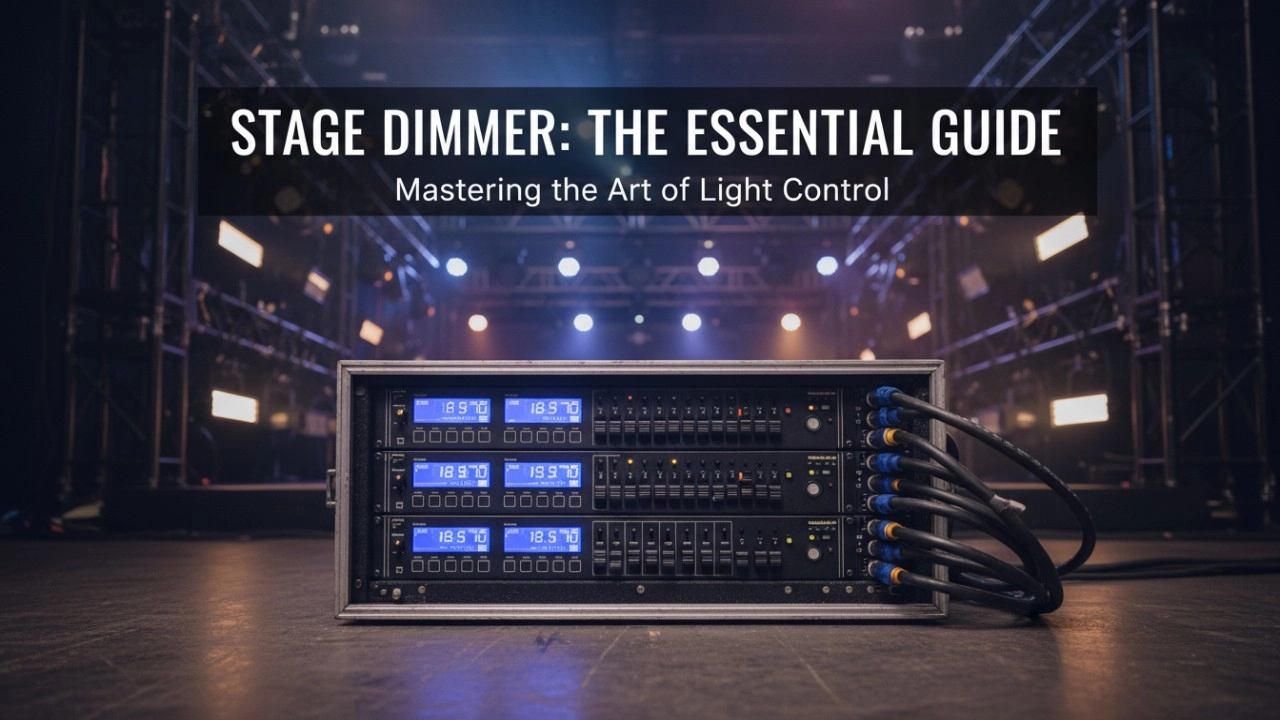
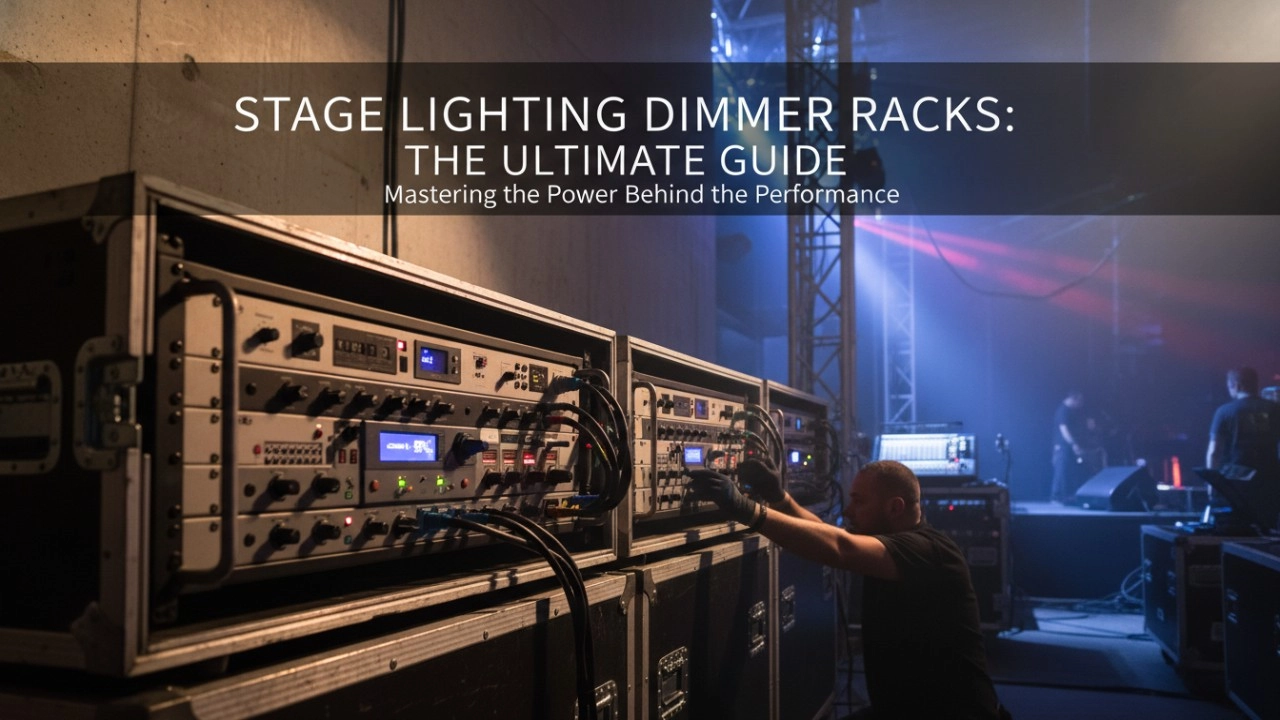
A comprehensive 2026 guide to selecting high-performance stage lighting dimmer racks. We review top hybrid systems, explore SCR vs sine wave technology, and analyze essential features like ThruPower for modern venues.
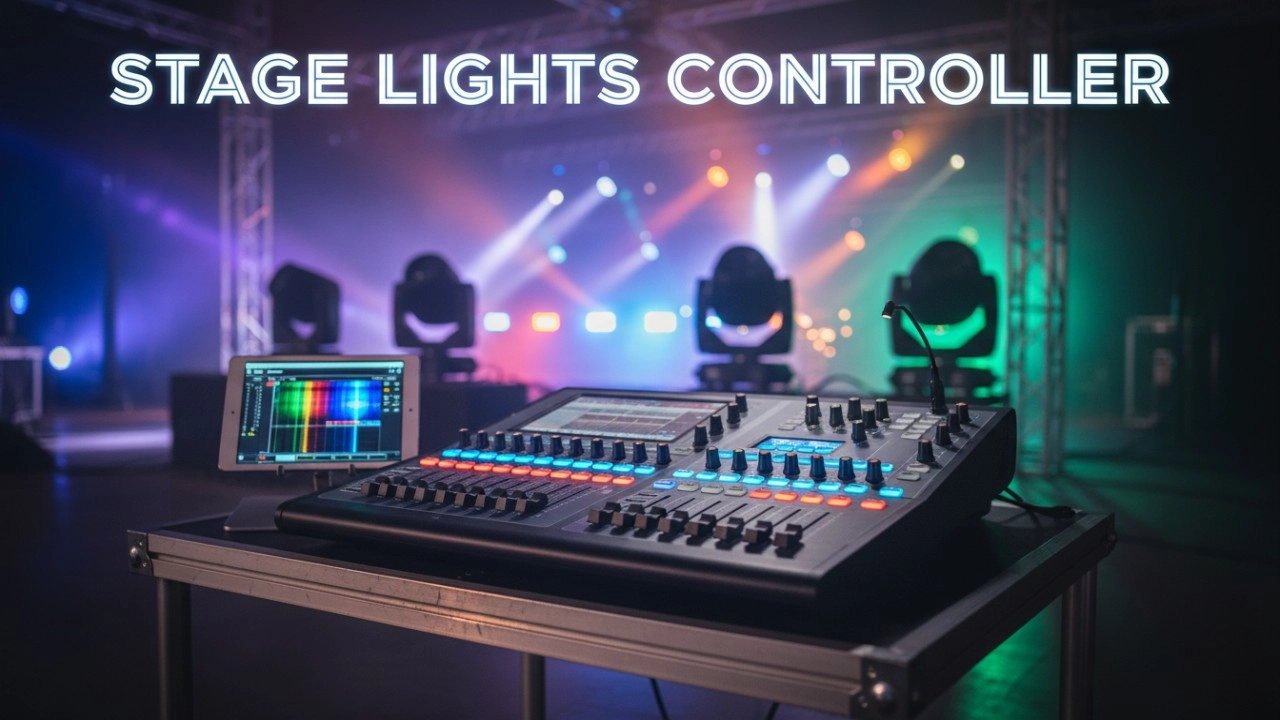
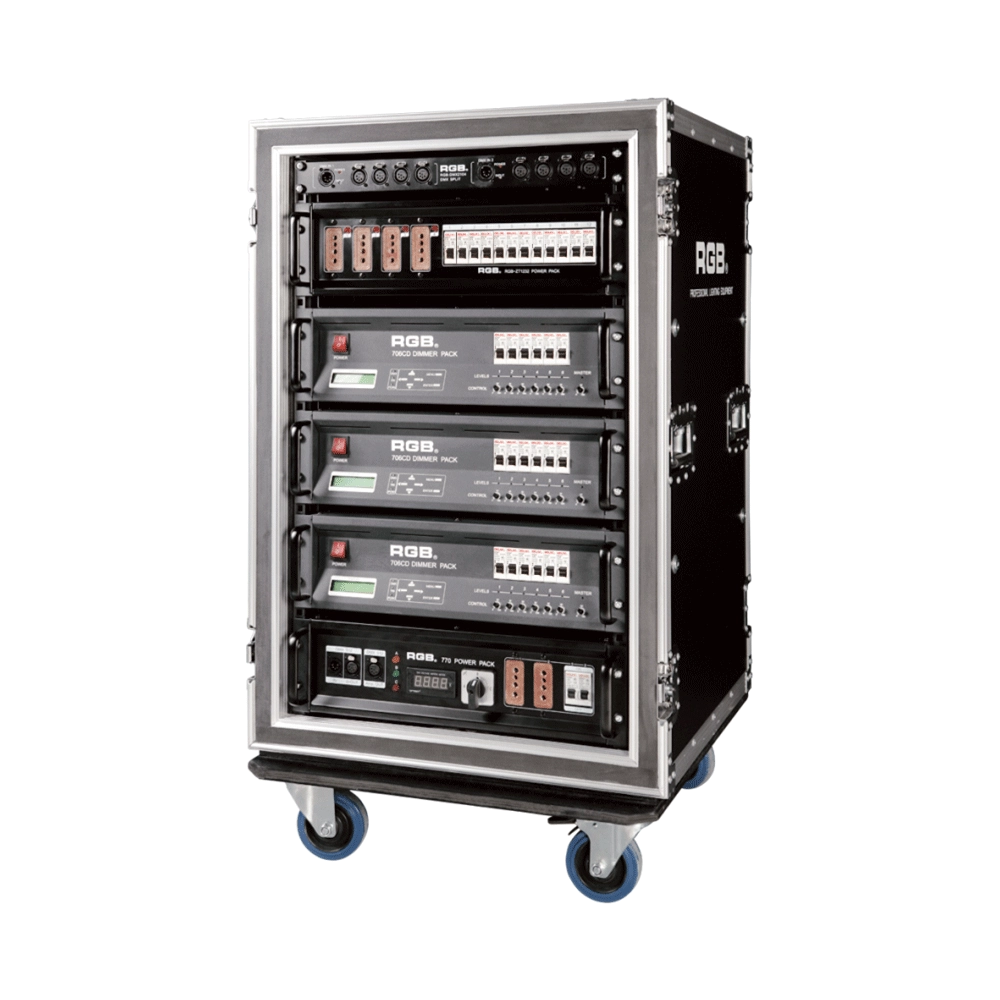
7 Series Digital Touring Dimmer Racks
7 Series digital touring dimmer racks can be assembled into many types of dimmer by taking the 7 Series dimmer as the unit. They are widely used in the entertainment industry for their convenience and practicability.
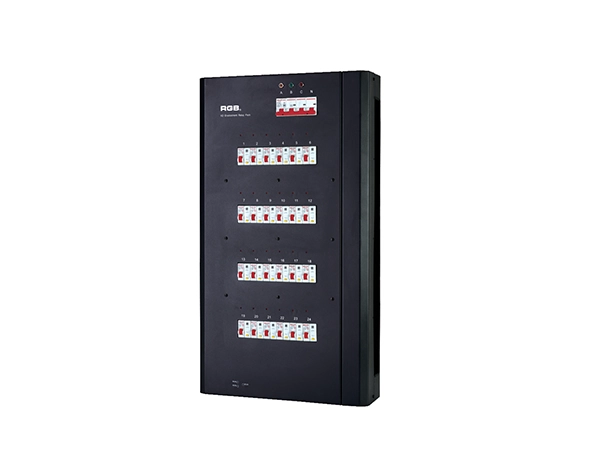
K2 Intelligent Network Relay Racks
K series is the newly developed and produced product of all-weather smart network relay cabinet. It has two major indoor and outdoor waterproof series and has multiple network control modes, such as double DMX512, sACN, ART-net, etc, which can control any equipment like resistive, inductive and capacitive and so on
K series has two major series from the perspective of function, namely, K2 ordinary type and KW2 waterproof type. It has two modes of installation, one is hanging on the wall, and the other is cabinet. It has three specifications of output circuit, namely, 24, 48 and 60 respectively.
K series applies to different performance places, such as, outdoor cultural tourism, TV station, theater, stadium and ambient intelligence lighting and so on.
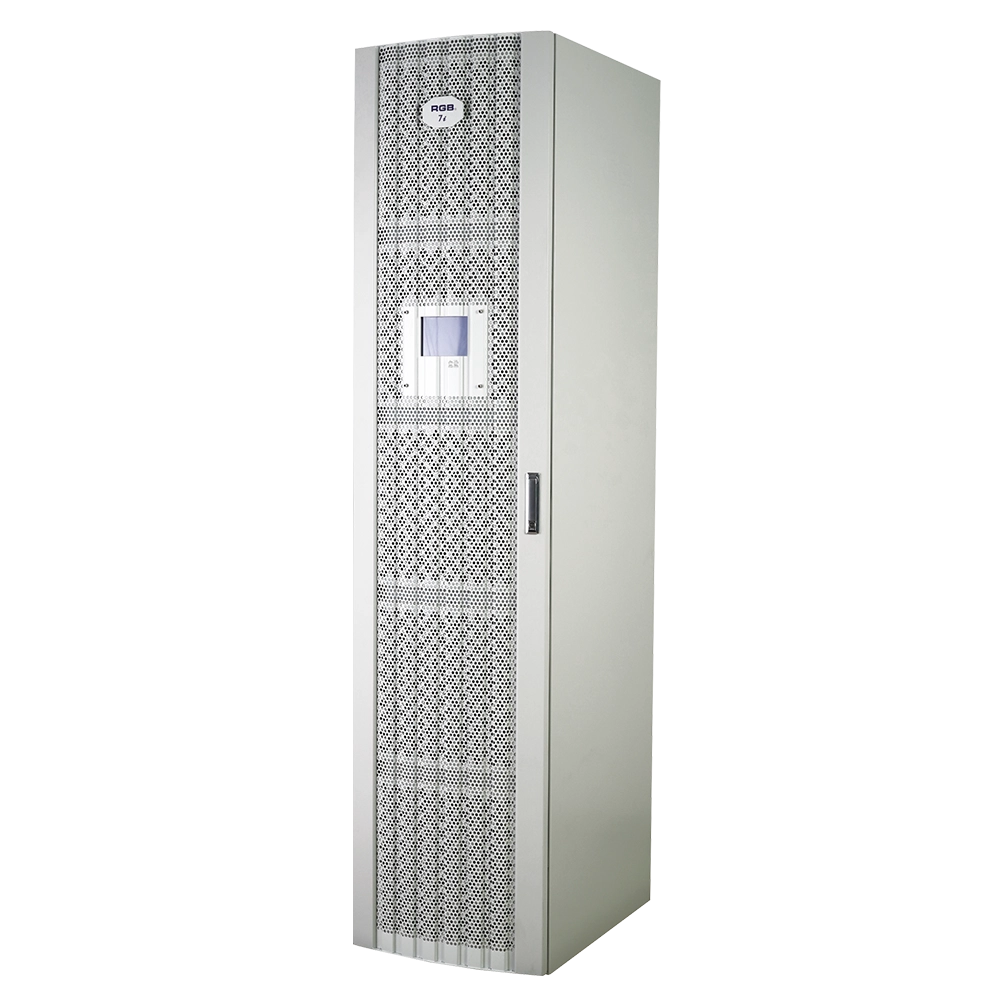
7i Dimmer/Relay Racks
7i is RGB independent research and development, with completely independent core technology, full digital decoding technology dimming racks, using a dual system, double decoding, double trigger, and duplex dual backup central decoding processor, with thyristor, relay, dimming relay mixed and other output configurations, supporting a visual lighting control system, intuitive display of dimming racks' online and offline status, and remote monitoring.
It is widely used in performing arts and cultural venues such as theaters, concert halls, multi-function halls, cultural travel and performing arts, TV stations, gymnasiums, auditoriums, commercial art lighting and so on.
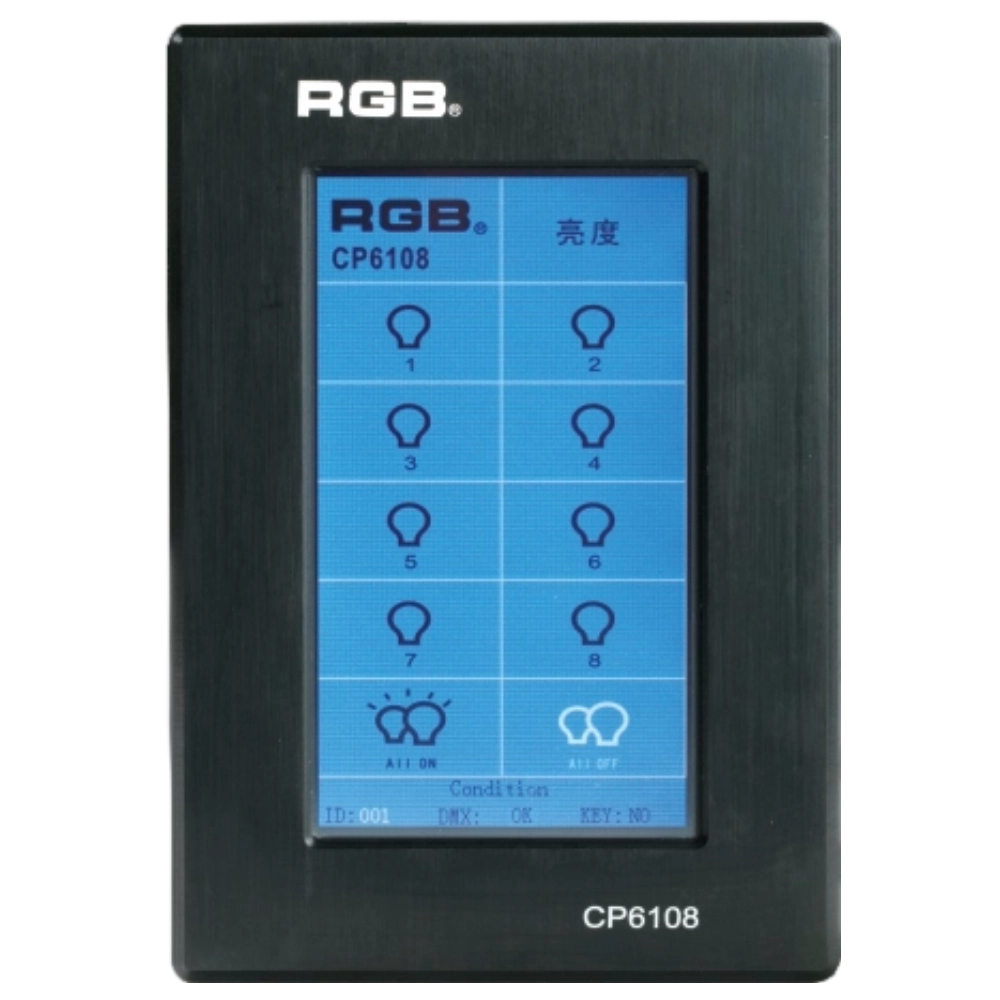
Site Light Controller CP6108
The CP6108 lighting control panel is a lighting control device for theater stage lights, work lights, environmental lighting, commercial art lighting, sports venue lighting, and other places. By connecting to the dedicated lighting control host CP6100, it realizes the central control of the lighting system, supports a visual lighting control system, and intuitively displays the online and offline status of CP6108. Realize remote monitoring, editing, and setting of corresponding parameters.
It is widely applicable to theaters, cinemas, auditoriums, stadiums, museums, exhibition halls, cultural tourism performances, commercial art lighting, and other places.
Expert Support
Interested in learning more or need expert guidance related to this article? Fill in your details, and our team will provide tailored support.
Intelligent Control. Brilliant Performance.
RGB specializes in stage lighting control systems, delivering intelligent, reliable, and high-performance solutions for theaters and performance spaces worldwide.
Contact
Email:
Tel:
+86 20 3928 0245
+86 20 3928 0247
Address:
No.3, Huashan Road, Shilou Town, Panyu, Guangzhou, China.
Whatsapp: +8615975520131