
Beyond the Basics: Why Your Stage Dimmer Choice Determines Your Show's Visual Impact
|
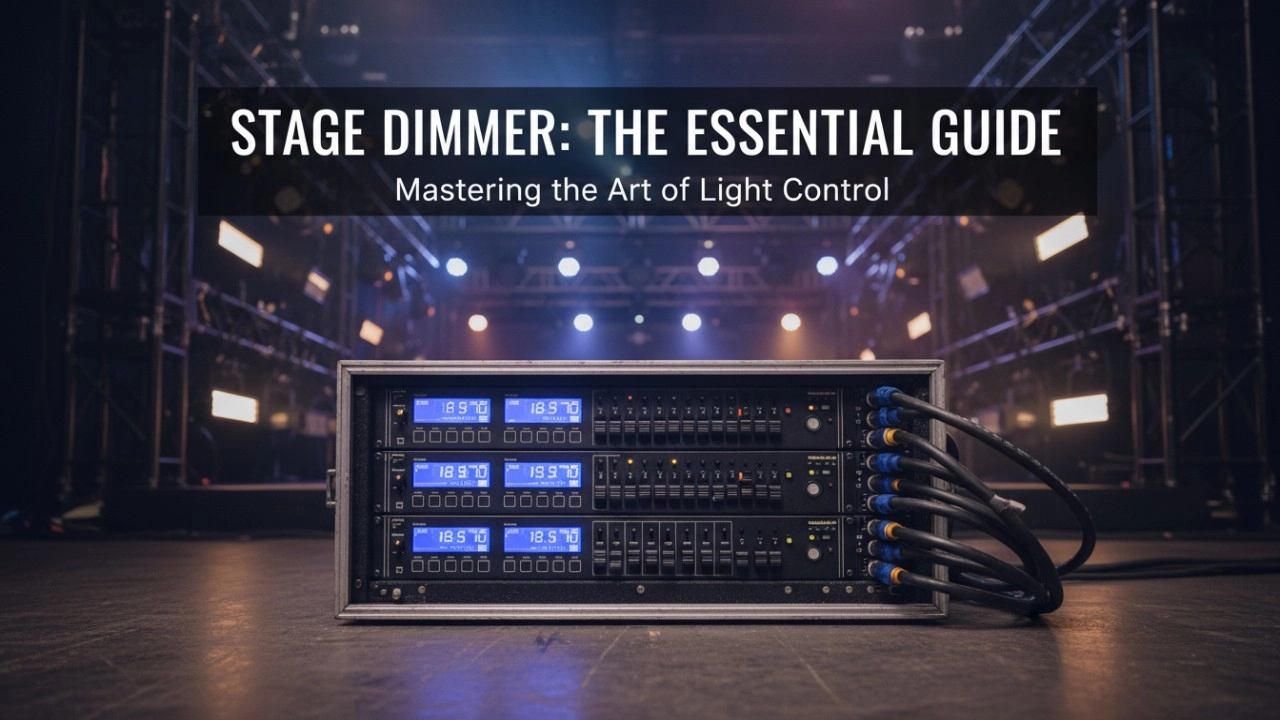
- What Role Does a Stage Dimmer Play in Visual Storytelling?
- The Impact of Precision
- Key Takeaways: The Impact of Precision Dimming
- The Hidden Aesthetics: Dimming Curves Explained
- Choosing the Right Curve
- The LED Conflict: Solving Flicker, Ghosting, and Drop-Out
- Common LED Anomalies
- Hardware Selection Guide: Rack Mount vs. Distributed Dimming
- System Architectures
- Expert Tips: Avoiding Common Dimmer Mistakes
- Best Practices for Stability
- Future Trends 2026+: The Next Era of Light Control
- Conclusion
- FAQ
- What is the difference between a dimmer and a switch pack?
- Why do my LED stage lights flicker when dimmed?
- Can I use a standard household dimmer for stage lighting?
- What is a DMX address on a dimmer?
- What is the ghosting effect in lighting?
- How many lights can I plug into one dimmer channel?
- What is the difference between 8-bit and 16-bit dimming?
- Do I need a dimmer for moving head lights?
When a lighting designer sits behind a console, they aren't just pushing faders; they are manipulating emotion. While much attention is given to the fixtures themselves—moving heads, spots, and washes—the silent workhorse determining the quality of that light is often the stage dimmer. In professional theatrical lighting control systems, the dimmer is the bridge between digital intent and physical reality. A poor choice here can lead to stepped fades, distracting flicker, and a complete break in immersion. Conversely, high-quality hardware ensures that every sunset fade is seamless and every blackout is absolute.
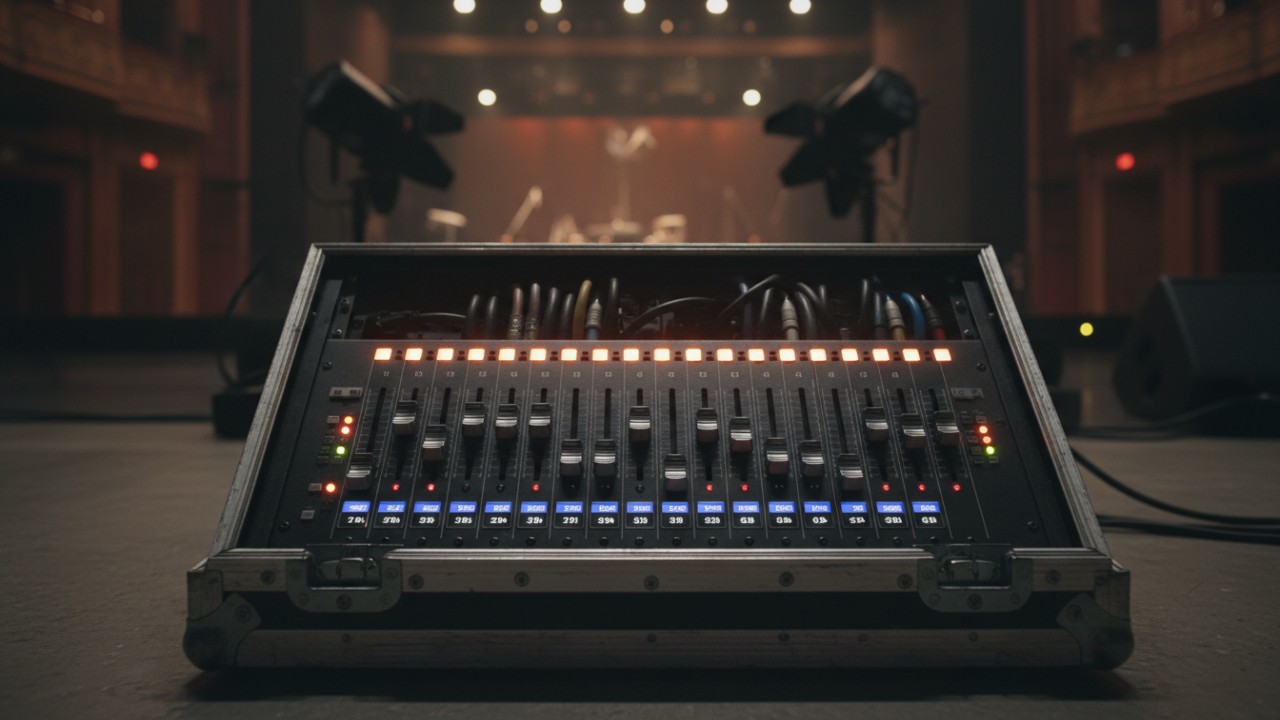
What Role Does a Stage Dimmer Play in Visual Storytelling?
A stage dimmer is a critical control interface that regulates electrical voltage to lighting fixtures, allowing designers to manipulate intensity, create smooth transitions, and define the emotional tone of a performance.
It acts as the translator between the lighting console's digital commands and the physical output of the light source. Without precise voltage regulation, the subtle gradients required for dramatic storytelling become impossible. High-quality dimmers ensure that "blackouts" are true blacks and that transitions are imperceptible to the audience, maintaining the suspension of disbelief.
The Impact of Precision
- Translation: It converts binary DMX data into analog voltage curves.
- Atmosphere: It allows for the subtle shift from day to night without sudden jumps in brightness.
- Reliability: It protects expensive fixtures from voltage spikes and dirty power.
Key Takeaways: The Impact of Precision Dimming
Precision dimming transforms a standard lighting rig into a responsive artistic tool by ensuring consistent color temperature and smooth intensity ramps.
For professional venues, the difference between an 8-bit and a 16-bit dimmer can be the difference between a professional production and an amateur showcase. As technology evolves, the compatibility between your dimmer packs and your fixtures becomes the single most important factor in system design.
- Resolution Matters: High-resolution lighting fades rely on 16-bit dimming (65,536 steps) to eliminate the visible "stepping" seen in standard 8-bit (256 steps) systems.
- The LED Factor: Modern LEDs require specific Pulse-Width Modulation (PWM) or constant current reduction, distinct from traditional tungsten SCR dimming.
- Curve Control: Utilizing the correct curve (Linear vs. S-Curve) ensures the light behaves naturally to the human eye.
- System Health: Quality dimming racks reduce electrical noise (harmonics) that can interfere with audio equipment.
The Hidden Aesthetics: Dimming Curves Explained
Dimming curves are mathematical profiles that map the control console's percentage input to the dimmer's actual voltage output to match human visual perception.
This is necessary because the human eye follows a logarithmic response to light, often referred to as the Square Law. According to the United States Institute for Theatre Technology (USITT), which developed the DMX512 standard, precise adherence to these protocols is essential for interoperability. If a dimmer outputs voltage linearly (10% fader = 10% voltage), the light will appear to snap on brightly and then change very little for the rest of the fader travel.
Choosing the Right Curve
- Linear Curve: Best for raw technical calibration or heating elements, but looks unnatural in theatrical fades.
- S-Curve: The gold standard for theatrical lighting control systems, mimicking the natural sunrise/sunset progression by smoothing out the bottom and top ends of the fade.
- Square Curve: Often used to force a visual match between LED and incandescent sources.
- Custom Curves: Advanced racks from Guangzhou RGB Lighting Equipment Co.,Ltd. allow per-channel curve assignment, letting you mix tungsten and LED inventories seamlessly on the same stage.
The LED Conflict: Solving Flicker, Ghosting, and Drop-Out
LED flicker and ghosting occur when the dimmer's minimum load requirement is not met or when the dimming method (Triac/SCR) clashes with the LED's internal driver electronics.
One of the most common issues in modern venues is retrofitting LEDs onto older SCR (Silicon Controlled Rectifier) dimmers. This often leads to "drop-out," where the light abruptly shuts off below 10% instead of fading out smoothly. Furthermore, stage lighting flicker troubleshooting is often required when the "chopping" of the AC wave by the dimmer confuses the LED's power supply.
Common LED Anomalies
- Ghosting: The phenomenon where efficient LEDs emit a faint glow even at 0% intensity due to leakage current. The Institution of Engineering and Technology notes that capacitive leakage currents can cause this in sensitive electronic loads, often requiring a dummy load or "snubber" circuit to correct.
- Pop-On Effect: The lack of a smooth start-up, where the light suddenly jumps to 5% brightness rather than fading up from dark.
- Low-End Flicker: Visible strobing at low intensities caused by incompatible DMX dimmer pack compatibility with the fixture's refresh rate.
Hardware Selection Guide: Rack Mount vs. Distributed Dimming
The choice between centralized rack mounting and distributed dimming depends on the venue's cabling infrastructure, portability needs, and thermal management strategies.
Centralized systems keep all heat and noise in a dedicated room, while distributed systems offer flexibility by placing power right next to the light. Understanding this trade-off is vital for touring productions versus permanent installations.
System Architectures
- Centralized Rack Systems: The traditional powerhouse for large theaters. They offer easier maintenance and better cooling but require massive runs of copper cabling.
- Distributed Dimming: Dimmer packs are mounted on the truss near the fixtures. This reduces cabling costs but adds weight to the rig and makes troubleshooting mid-show difficult.
- Hybrid Solutions: RGB specializes in hybrid cabinets that integrate hard-power relays (for intelligent moving heads) alongside dimmable circuits, streamlining the power distribution for modern mixed rigs.
- Portable Packs: Ideal for touring, allowing for quick setup of DMX dimmer pack compatibility across different venue voltages.
Expert Tips: Avoiding Common Dimmer Mistakes
Reliable stage lighting depends on correctly balancing electrical loads and ensuring that digital addresses do not overlap in the signal chain.
A common novice mistake is calculating load based solely on Watts/Volts without accounting for the Power Factor, which can lead to tripping breakers even when the math seems right.
Best Practices for Stability
- Overloading Channels: Always leave ~20% headroom on a dimmer channel. If a channel is rated for 2.4kW, do not load it beyond 1.9kW.
- The Neutral Wire Trap: Never share neutrals between different dimmer phases. This creates harmonic currents that cause hum in the audio system and can overheat the neutral wire.
- Addressing Errors: Clearly distinguish between Soft-Patch (console routing) and Hard-Patch (physical connection) to avoid losing control of specific zones.
- Minimum Loads: Some older dimmers require a "ghost load" (a small incandescent bulb hidden off-stage) to stabilize the circuit when dimming low-wattage LEDs.
Future Trends 2026+: The Next Era of Light Control
The future of stage dimming lies in intelligent, bi-directional communication where the dimmer provides real-time feedback on energy usage and thermal health to the console.
We are moving away from passive voltage regulation toward active system management. Guangzhou RGB Lighting Equipment Co.,Ltd. is already pioneering this shift with intelligent network dimming that integrates cloud-based management, allowing technicians to monitor rack temperatures and load status remotely.
- Smart Grid Integration: Dimmers that communicate energy usage back to the venue management system to optimize power consumption.
- Wireless DMX/RDM: A shift toward completely cable-free data transmission, reducing setup time.
- AI-Assisted Calibration: Systems that auto-detect fixture types and adjust LED dimming curves instantly for perfect high-resolution lighting fades.
- Sustainable Dimming: New eco-modes that reduce thermal loss in the dimmer room, lowering the venue's cooling costs.
Conclusion
Your choice of stage dimmer is not just a utility decision; it is an artistic one that defines the smoothness, reliability, and visual quality of your production. From handling complex LED dimming curves to ensuring safety with heavy tungsten loads, the right hardware elevates the audience experience. Founded in 1996, Guangzhou RGB Lighting Equipment Co.,Ltd. has spent decades refining these technologies, supplying major venues from the Beijing Olympics to national theaters with robust, intelligent control solutions.
Contact us today to discuss your specific needs and let us help you design a dimming system that brings your visual story to life.
FAQ
What is the difference between a dimmer and a switch pack?
A dimmer varies the voltage to control intensity (0-100%), while a switch pack provides simple on/off power (relays), typically used for motors, fog machines, or non-dimmable LEDs.
Why do my LED stage lights flicker when dimmed?
Flicker usually occurs when LEDs are used with incompatible leading-edge dimmers or when the dimmer's minimum load requirement isn't met, causing the internal electronics to chop the wave incorrectly.
Can I use a standard household dimmer for stage lighting?
No, household dimmers cannot handle the high wattage loads of stage equipment, lack DMX control capabilities, and do not provide the thermal protection required for professional use.
What is a DMX address on a dimmer?
A DMX address is a digital identifier (1-512) assigned to a specific dimmer channel, telling it which signal from the lighting console it should obey.
What is the ghosting effect in lighting?
Ghosting happens when a small amount of leakage current passes through the dimmer even when set to "off," causing efficient LEDs to emit a faint glow.
How many lights can I plug into one dimmer channel?
This depends on the dimmer's amperage rating (e.g., 2.4kW) and the total wattage of the fixtures. You must sum the wattage of all lights and ensure it stays ~20% below the channel's maximum capacity.
What is the difference between 8-bit and 16-bit dimming?
8-bit offers 256 steps of brightness, which can look "steppy" at low levels, while 16-bit offers 65,536 steps, resulting in ultra-smooth, imperceptible fades essential for professional theater.
Do I need a dimmer for moving head lights?
Generally, no. Moving heads usually require "hard power" (constant voltage) and perform their own internal dimming via DMX commands; plugging them into a dimmer curve can damage their power supplies.
Latest News
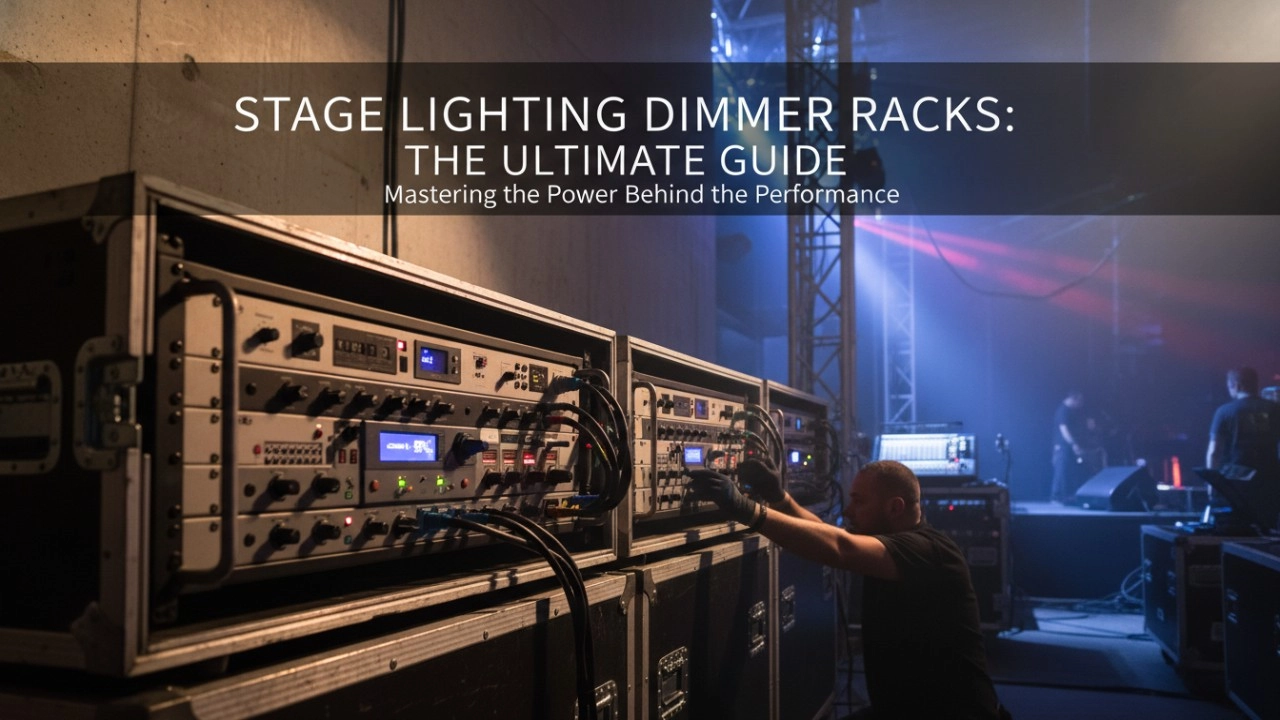
A comprehensive 2026 guide to selecting high-performance stage lighting dimmer racks. We review top hybrid systems, explore SCR vs sine wave technology, and analyze essential features like ThruPower for modern venues.
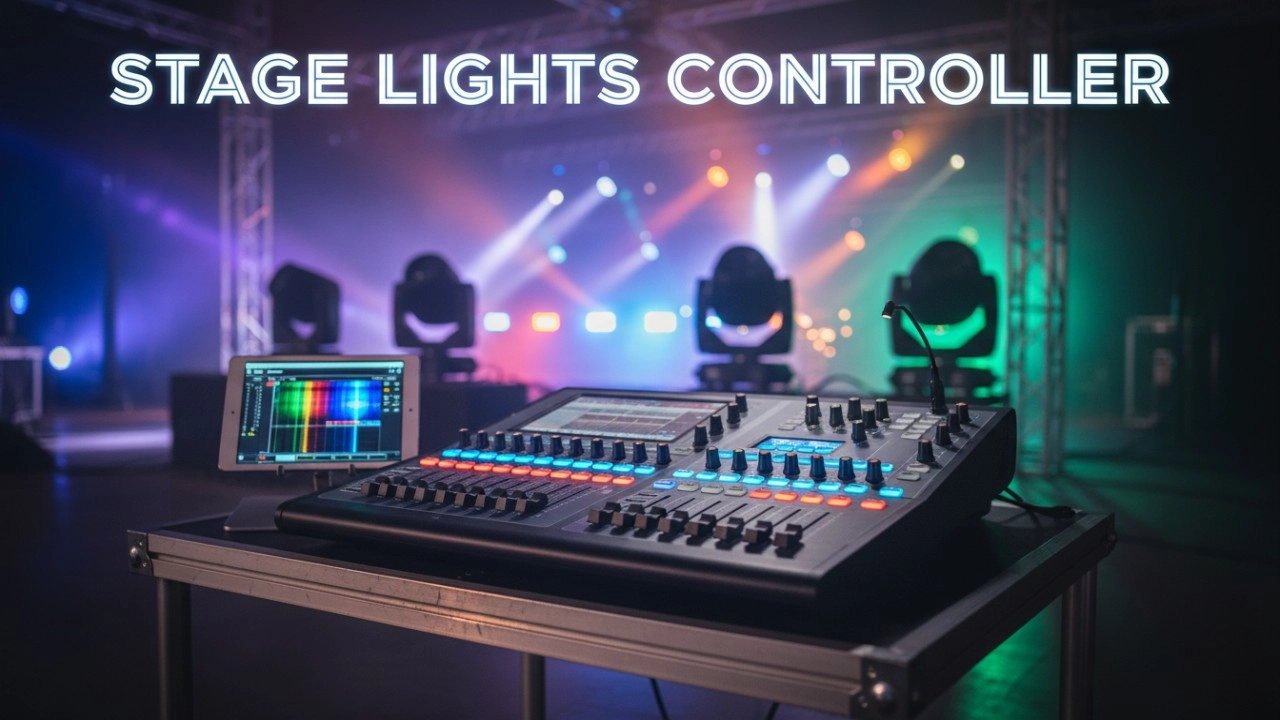
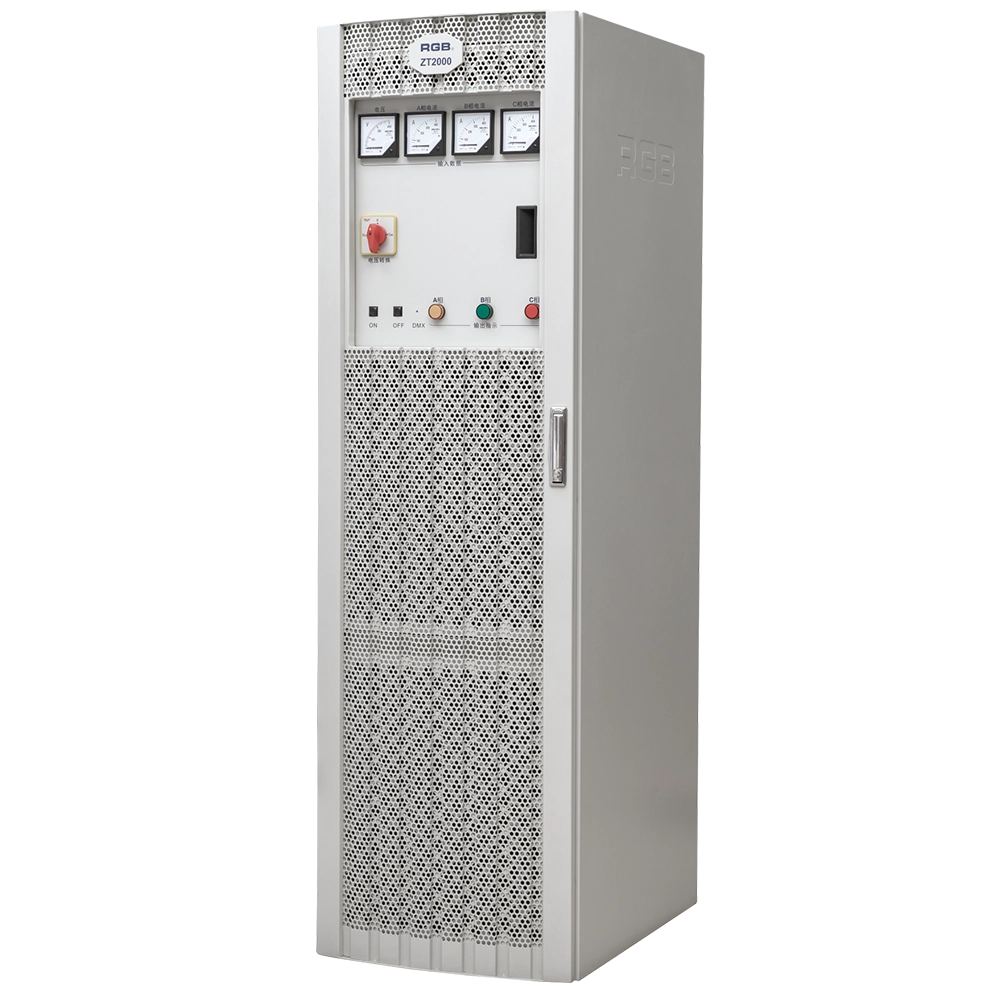
ZT2000 Pass-Through Racks
The ZT2000 straight-through power cabinet is a three-phase 630A/400A air switch main control, with each channel being a 32A air switch sub-control straight-through power cabinet. It can be used in conjunction with various computer lamps, regular lamps, and temporary electrical equipment as a power distribution and supply part for electrical equipment with overcurrent and short-circuit protection. It is a brand-new, reliable, and stable lighting control device in the field of stage lighting control.
It is widely applied in theaters, concert halls, multi-functional halls, cultural and tourism performances, TV stations, gymnasiums, auditoriums, commercial art lighting, and other performance and cultural venues.
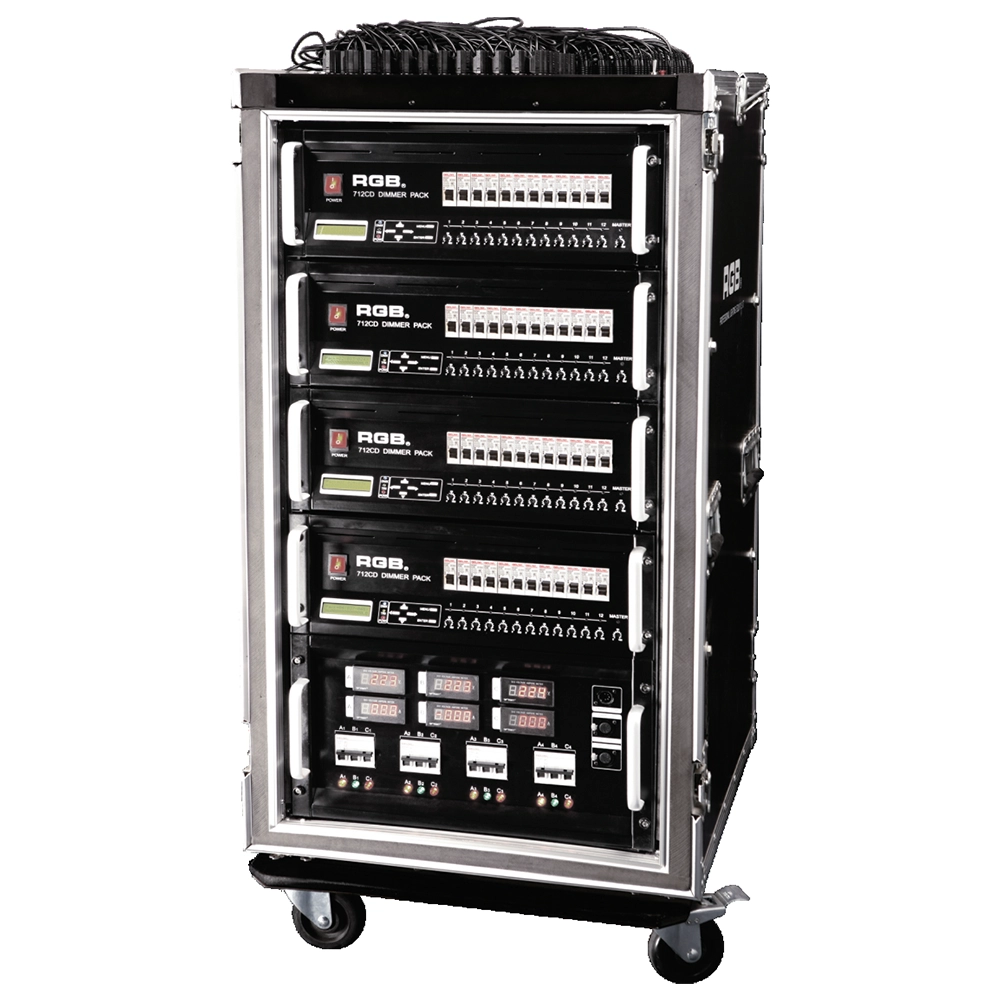
Intelligent Network Touring Dimmer Racks
RGB intelligent network touring dimmer racks can be assembledinto many types of dimmer racks by taking 7 series dimmer
packs as the unit. They are widely used in the entertainment fortheir convenience and practicabillity,
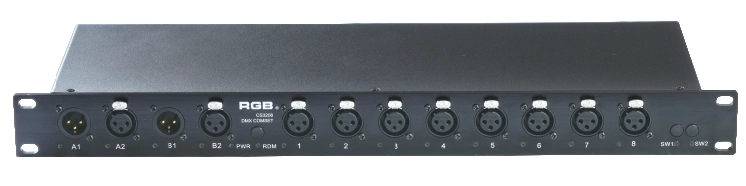
DMX&RDM Signal Mergers Amplifiers
The rack-mounted DMX signal amplifier complies with the DMX-512 standard protocol, improving the transmission quality of DMX-512 signals, ensuring the reliability of system control, and preventing faults such as reverse connection of AC high voltage in the lighting control system, high voltage intrusion due to lightning strikes, and line short circuits, which may affect the stability of the system.
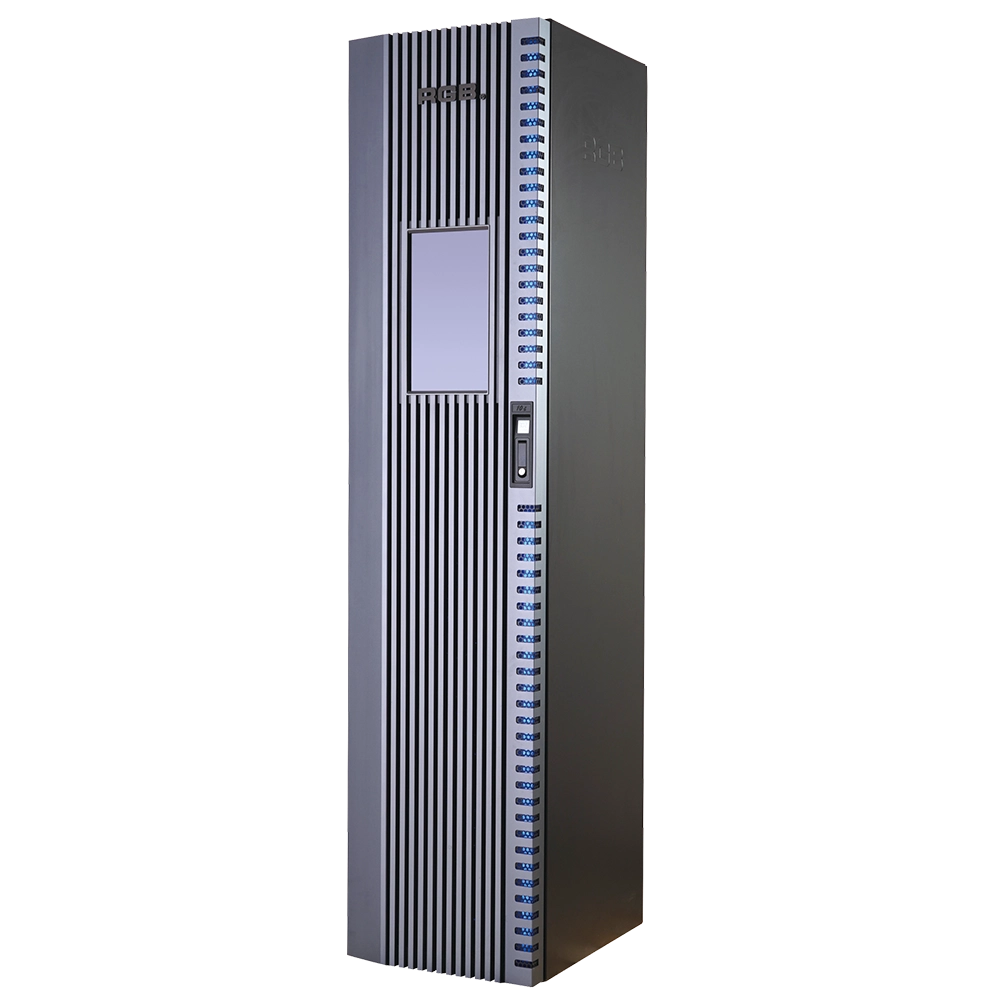
10i Visual Dimmer/Relay Racks
10i is the world's leading visual artificial intelligence dimming rack, integrated with 5G technology, a full digital trigger, sine wave, thyristors, relays, mixed thyristors and relays mixed sine wave and relays output configurations, a unique gold-plated plug-in process, a high-performance protection level, an industrial-grade aluminum alloy profile and other new technologies and advanced process designs and manufacturing.
It is suitable for the lighting control needs of different places such as high-standard grand theaters, TV stations, gymnasium and environmental intelligent lighting.
Expert Support
Interested in learning more or need expert guidance related to this article? Fill in your details, and our team will provide tailored support.
Intelligent Control. Brilliant Performance.
RGB specializes in stage lighting control systems, delivering intelligent, reliable, and high-performance solutions for theaters and performance spaces worldwide.
Contact
Email:
Tel:
+86 20 3928 0245
+86 20 3928 0247
Address:
No.3, Huashan Road, Shilou Town, Panyu, Guangzhou, China.
Whatsapp: +8615975520131