
Rack mount dimmer vs. standalone: which is best for touring?
|
- 1. What are the primary differences between rack mount dimmers and standalone dimmers for touring?
- 2. How do rack mount dimmers and standalone dimmers compare in terms of power capacity for touring applications?
- 3. What are the maintenance and reliability considerations for rack mount versus standalone dimmers during tours?
- 4. How do rack mount and standalone dimmers differ in terms of setup time and flexibility for touring events?
- 5. What are the cost implications of choosing rack mount dimmers over standalone dimmers for touring productions?
- 6. How do rack mount and standalone dimmers perform in terms of noise levels during live performances?
1. What are the primary differences between rack mount dimmers and standalone dimmers for touring?
Rack mount dimmers are designed to be integrated into a 19-inch rack system, offering a centralized and organized setup. They are ideal for installations where space efficiency and a clean, organized setup are priorities. Standalone dimmers, on the other hand, are individual units that can be placed anywhere, providing flexibility in placement but may require more space and cable management.
2. How do rack mount dimmers and standalone dimmers compare in terms of power capacity for touring applications?
Rack mount dimmers often offer higher power capacities, with models like the Lightronics RD122 providing 12 channels at 2400W each, totaling 28,800W. This makes them suitable for large-scale productions requiring substantial power. Standalone dimmers typically have lower capacities, such as the Lightronics RA121 with 12 channels at 1200W each, totaling 14,400W, which may be sufficient for smaller setups.
3. What are the maintenance and reliability considerations for rack mount versus standalone dimmers during tours?
Rack mount dimmers, being part of a centralized system, can simplify maintenance by allowing technicians to address issues in one location. However, if one component fails, it may affect the entire system. Standalone dimmers offer redundancy; if one unit fails, others can continue operating, but managing multiple units can increase the complexity of maintenance.
4. How do rack mount and standalone dimmers differ in terms of setup time and flexibility for touring events?
Rack mount dimmers can streamline setup by consolidating multiple channels into a single unit, reducing the number of connections and potentially speeding up the process. However, their fixed configuration may limit flexibility. Standalone dimmers offer greater placement flexibility, allowing technicians to position them optimally for the event, but this may require more time to set up and connect each unit individually.
5. What are the cost implications of choosing rack mount dimmers over standalone dimmers for touring productions?
Rack mount dimmers generally have a higher upfront cost due to their higher power capacities and integrated features. For example, the Lightronics RD122 is priced at $3,499. Standalone dimmers are typically more affordable, with models like the Lightronics RA121 priced at $2,399, making them a cost-effective option for smaller productions or budgets.
6. How do rack mount and standalone dimmers perform in terms of noise levels during live performances?
Rack mount dimmers, especially those with fan cooling systems, can generate noise that may be noticeable during quiet moments in performances. For instance, the Lightronics RD82 features fan cooling, which could introduce ambient noise. Standalone dimmers may also produce noise, but their placement flexibility allows technicians to position them away from performance areas to minimize impact. Additionally, some models are designed with noise reduction features to ensure quiet operation.
In conclusion, both rack mount and standalone dimmers have their advantages and considerations for touring productions. Rack mount dimmers offer centralized control and higher power capacities, making them suitable for large-scale events but may lack flexibility and have higher costs. Standalone dimmers provide flexibility and are more cost-effective, ideal for smaller productions but may require more setup time and management. Assessing your specific needs, budget, and the scale of your production will guide you in making the best choice for your touring lighting requirements.
For a personalized consultation and quote, please contact us at info@rgbsystem.com or visit our website at www.rgbsystem.com.
Latest News
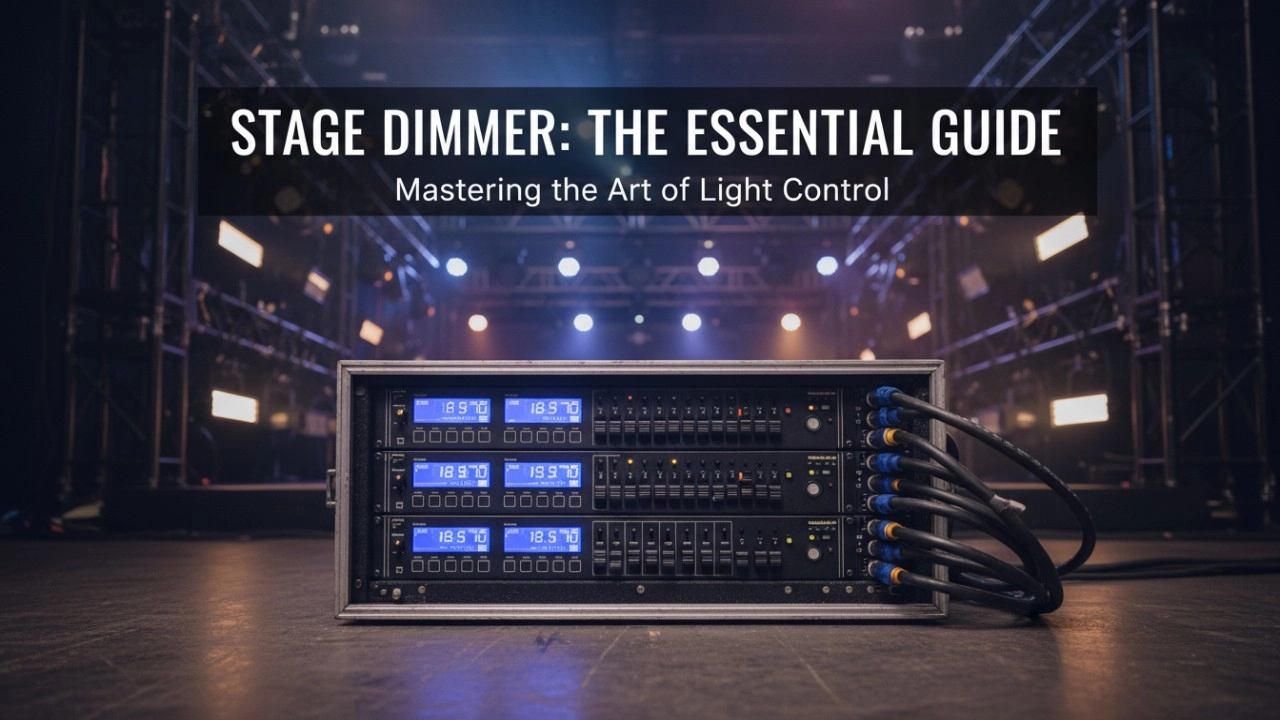
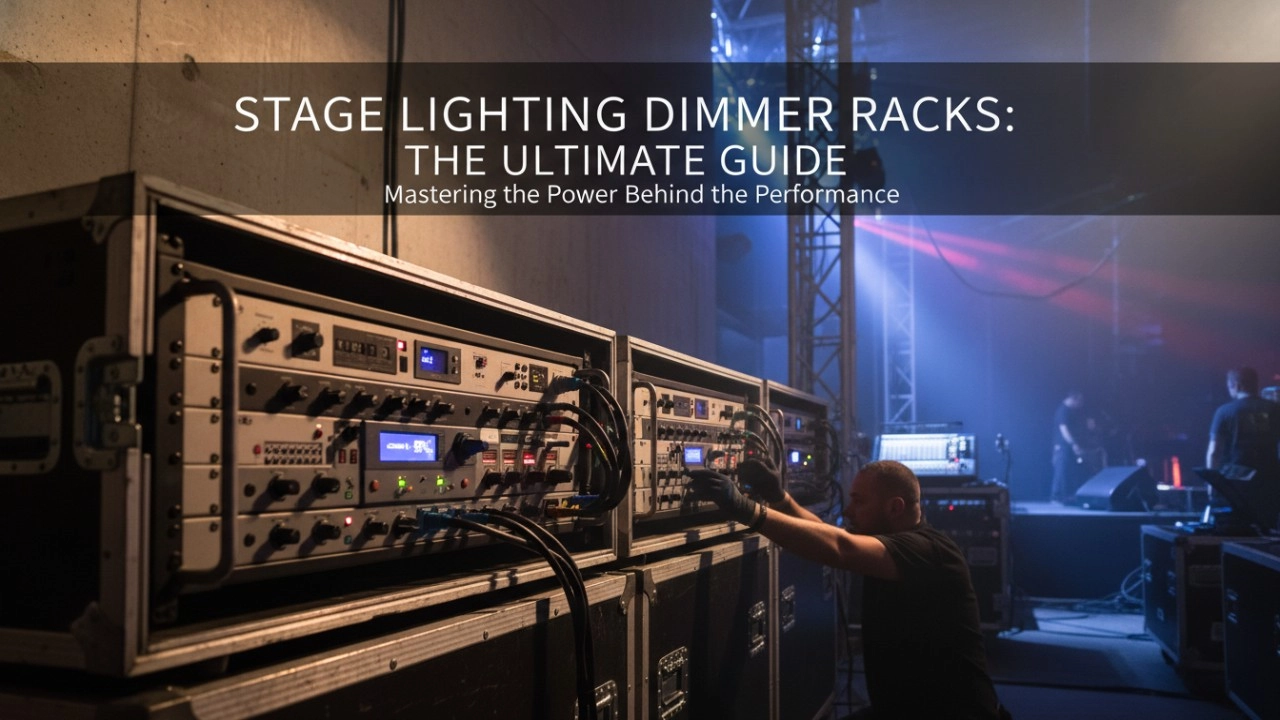
A comprehensive 2026 guide to selecting high-performance stage lighting dimmer racks. We review top hybrid systems, explore SCR vs sine wave technology, and analyze essential features like ThruPower for modern venues.
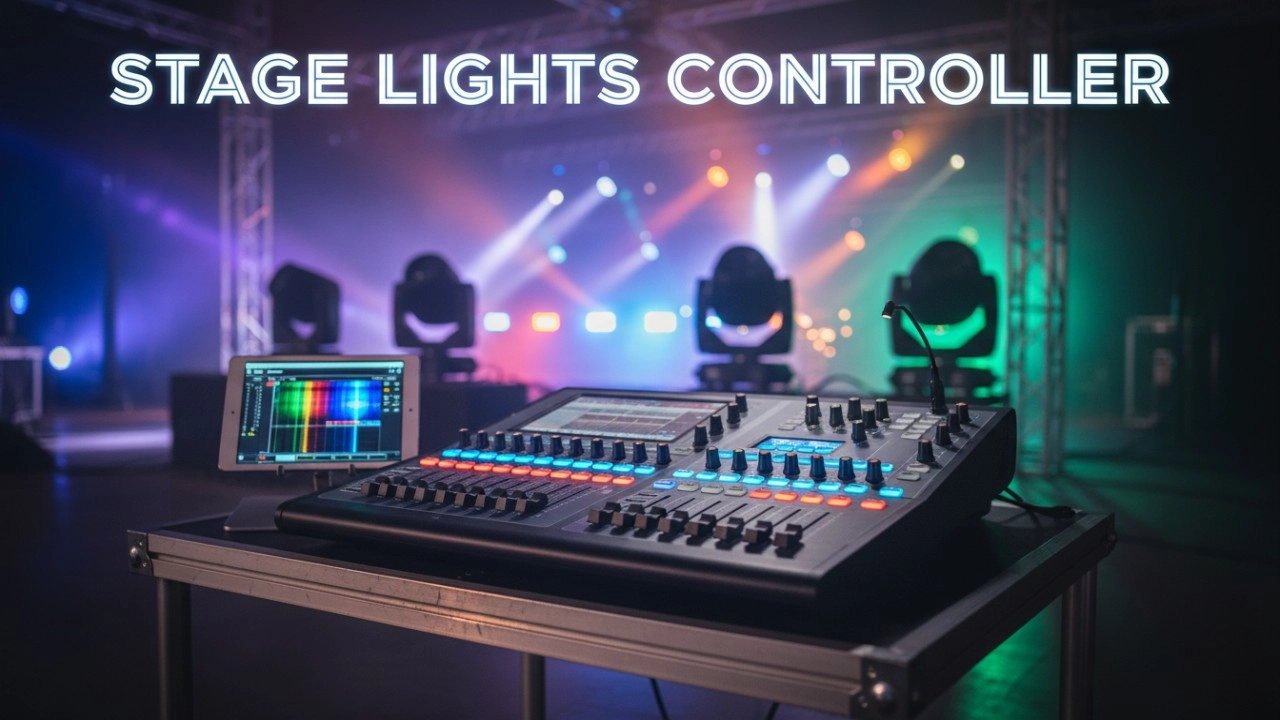
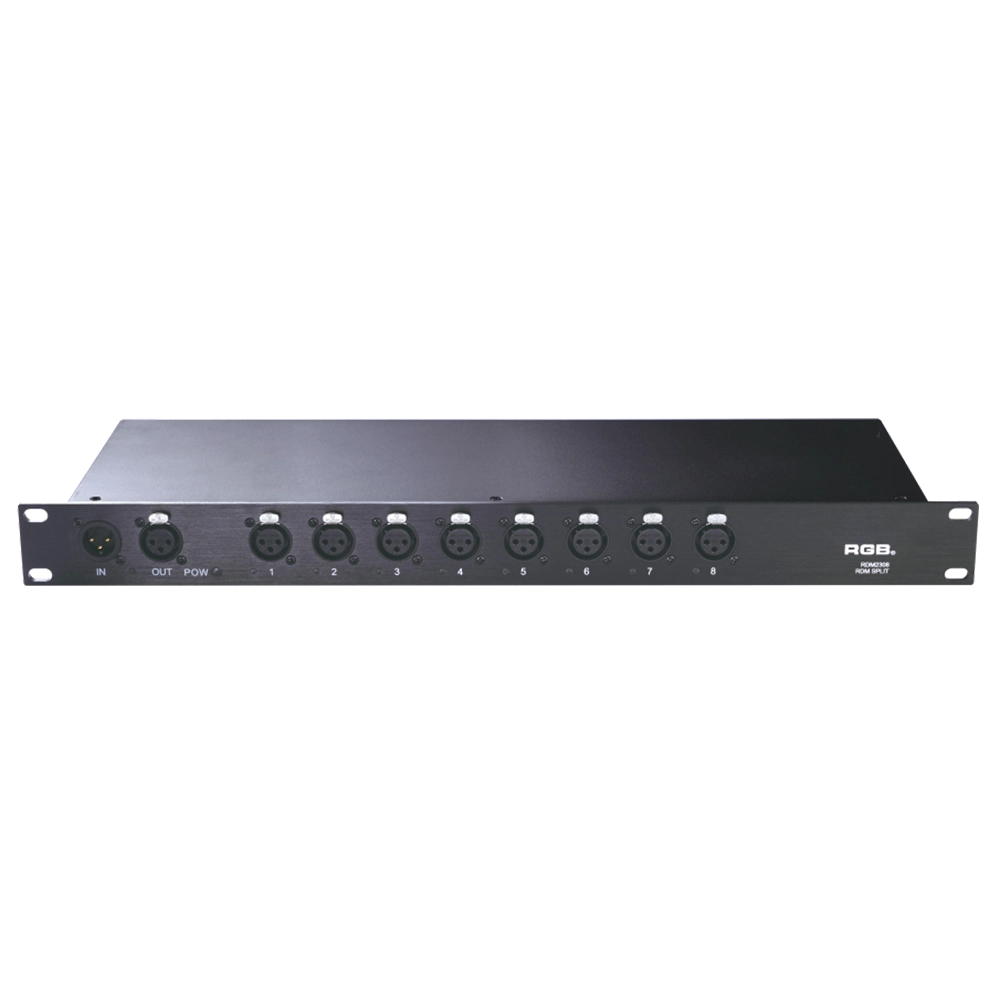
RDM Series Signal Amplifier
RDM2304, RDM2308, RDM2310, RDM2312 rack-mounted The RDM signal amplifier improves the quality of bidirectional RDM signal transmission, ensures the reliability of system control, and prevents faults such as AC high-voltage reverse series lighting control system, lightning high-voltage series entry, and line short circuit, which may affect system stability.
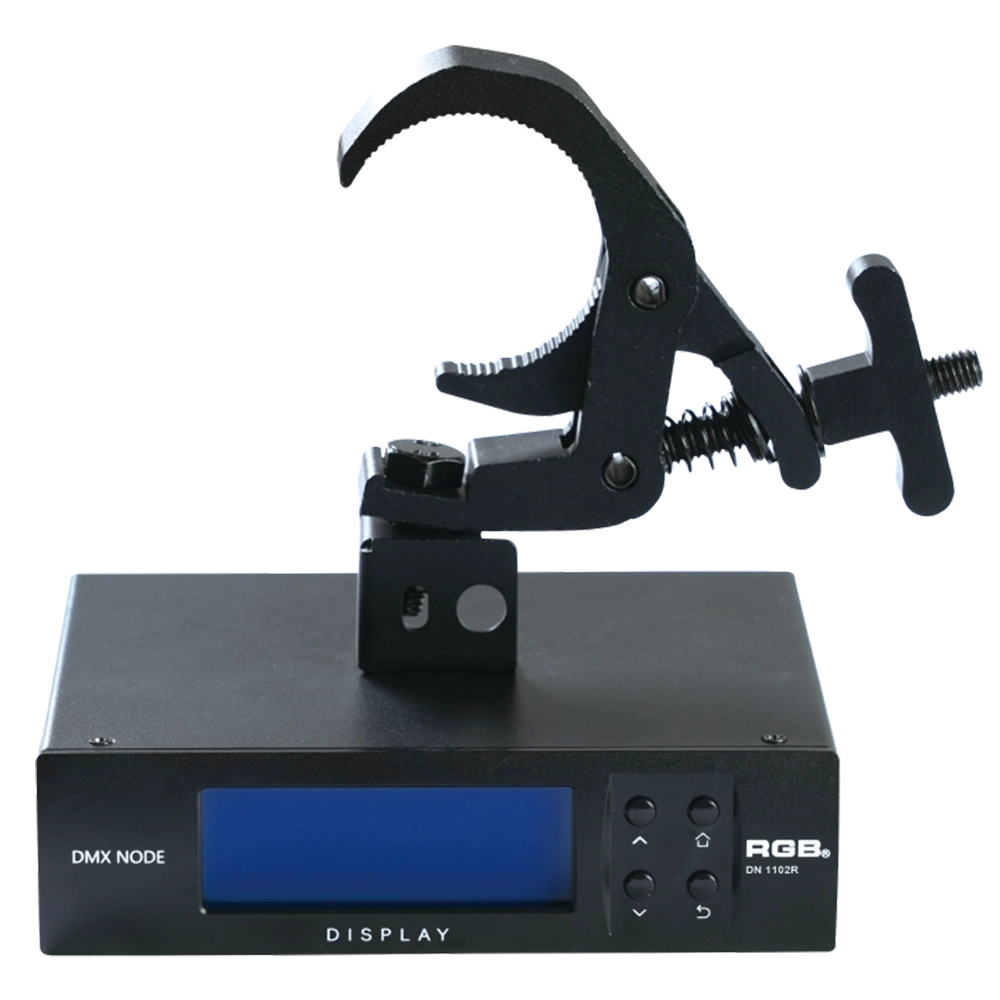
RDM Nodes
The DN series network decoder is a product of the lighting control system independently developed by RGB, featuring completely independent core technology and obtaining software copyrights. It seamlessly connects and decodes the sACN and Art-Net network protocols based on TCP/IP with the DMX-512 and RDM communication protocols. Supports a visual lighting control system, intuitively displaying the online and offline status of the DN series network decoders, and enabling remote monitoring, editing, and setting of corresponding parameters.
It is widely applied in theaters, concert halls, multi-functional halls, cultural and tourism performances, TV stations, gymnasiums, auditoriums, commercial art lighting, and other performance and cultural venues.
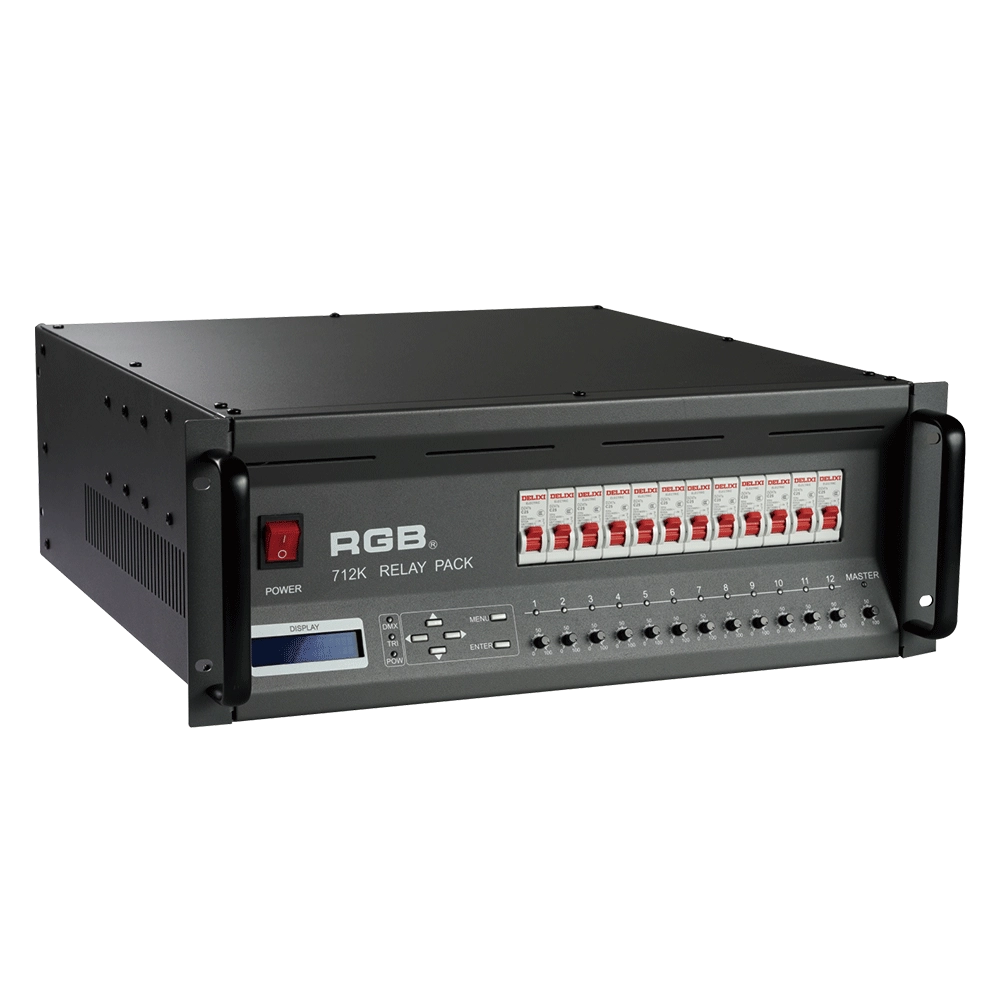
Alloy Relay Packs
High-performance DMX512 relay dimming unit with 512 addressable circuits, phase-loss protection, dual-signal amplification, 20A output per channel, and robust design for reliable stage and mobile lighting applications.
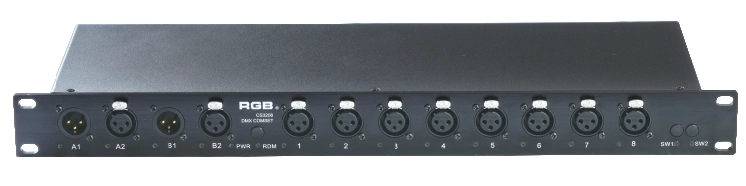
DMX&RDM Signal Mergers Amplifiers
The rack-mounted DMX signal amplifier complies with the DMX-512 standard protocol, improving the transmission quality of DMX-512 signals, ensuring the reliability of system control, and preventing faults such as reverse connection of AC high voltage in the lighting control system, high voltage intrusion due to lightning strikes, and line short circuits, which may affect the stability of the system.
Expert Support
Interested in learning more or need expert guidance related to this article? Fill in your details, and our team will provide tailored support.
Intelligent Control. Brilliant Performance.
RGB specializes in stage lighting control systems, delivering intelligent, reliable, and high-performance solutions for theaters and performance spaces worldwide.
Contact
Email:
Tel:
+86 20 3928 0245
+86 20 3928 0247
Address:
No.3, Huashan Road, Shilou Town, Panyu, Guangzhou, China.
Whatsapp: +8615975520131