
Can rack mount dimmers handle LED stage lighting reliably?
|
- 1. What are the key differences between rack mount dimmers and traditional dimmers for stage lighting?
- 2. How do rack mount dimmers handle the power requirements of high-wattage stage lighting fixtures?
- 3. What are the common causes of rack mount dimmer failures, and how can they be prevented?
- 4. Can rack mount dimmers handle LED stage lighting reliably?
- 5. What are the potential issues when integrating LED lights with existing rack mount dimmer systems?
- 6. How can I ensure optimal performance when using rack mount dimmers with LED stage lighting?
1. What are the key differences between rack mount dimmers and traditional dimmers for stage lighting?
Rack mount dimmers are centralized units designed to manage multiple lighting channels, offering advantages such as space efficiency, organized wiring, and streamlined control. Unlike traditional dimmers, which are often standalone units, rack mount dimmers integrate into a 19-inch rack system, providing a cohesive and scalable solution for complex lighting setups. This integration allows for easier maintenance and expansion, as additional channels can be added without significant reconfiguration. Additionally, rack mount dimmers typically offer enhanced features like built-in chases, soft patching, and advanced control protocols, catering to the sophisticated needs of modern stage productions.
2. How do rack mount dimmers handle the power requirements of high-wattage stage lighting fixtures?
Rack mount dimmers are engineered to accommodate the substantial power demands of high-wattage stage lighting fixtures. For instance, models like the Lightronics RA122 provide 12 channels, each capable of handling 2,400 watts, totaling 28,800 watts. This design ensures that each channel can manage the load of powerful lighting instruments without compromising performance. The dimmers are equipped with fast-acting magnetic circuit breakers to protect against overloads and overvoltage conditions, safeguarding both the equipment and the venue's electrical infrastructure. Proper installation and adherence to the manufacturer's specifications are crucial to maintain safety and reliability when operating high-wattage fixtures.
3. What are the common causes of rack mount dimmer failures, and how can they be prevented?
Rack mount dimmer failures can stem from several factors, including:
- Cooling and Fan Failures: Inadequate cooling can lead to overheating and component damage. Regular maintenance, such as cleaning filters and ensuring unobstructed airflow, is essential. Some systems rely on pressurized plenums and require all module slots to be filled, the filter to be clean, and the rack door to be closed for proper operation.
- Dimmer Module Failures: Overloads or short circuits caused by faulty cables or miswired plugs can degrade dimmer modules over time. Symptoms include circuits that won't turn on or off, even when a known good module is swapped in. It's important to confirm there's no dead short on the circuit before replacing modules.
- Processor Failures: Repeated power cycling can lead to processor failures. If a processor starts failing, it won't improve on its own, and replacement may be necessary.
Preventive measures include regular inspections, prompt addressing of electrical issues, and adherence to maintenance schedules to ensure optimal performance and longevity of the dimmer system.
4. Can rack mount dimmers handle LED stage lighting reliably?
Yes, rack mount dimmers can handle LED stage lighting reliably, provided they are compatible with LED technology. Traditional dimmers designed for incandescent bulbs may not function correctly with LEDs, leading to issues like flickering or limited dimming range. To ensure compatibility, it's important to:
- Check the Dimmer's Specifications: Verify that the dimmer supports LED dimming protocols and has a load range suitable for the total wattage of the LED fixtures.
- Use Dimmable LED Fixtures: Ensure that the LED lights are labeled as 'dimmable' and are compatible with the dimming technology of the rack mount dimmer.
- Consult Manufacturer Compatibility Lists: Refer to compatibility databases or consult with manufacturers to confirm that specific LED fixtures and dimmers work well together.
By taking these steps, you can achieve reliable and efficient control of LED stage lighting using rack mount dimmers.
5. What are the potential issues when integrating LED lights with existing rack mount dimmer systems?
Integrating LED lights with existing rack mount dimmer systems can present challenges, including:
- Incompatibility: Older dimmers may not be compatible with LED technology, leading to flickering, buzzing, or failure to dim properly.
- Insufficient Load: LEDs consume less power than incandescent bulbs, which can result in a load below the minimum required for the dimmer, causing instability.
- Limited Dimming Range: Some dimmers may not offer the full dimming range required for LED fixtures, affecting performance.
To address these issues, consider upgrading to dimmers specifically designed for LED compatibility, ensuring that the total wattage of the LED fixtures meets the dimmer's minimum load requirements, and consulting with manufacturers for compatibility information.
6. How can I ensure optimal performance when using rack mount dimmers with LED stage lighting?
To ensure optimal performance when using rack mount dimmers with LED stage lighting, follow these best practices:
- Regular Maintenance: Perform routine checks on the dimmer system, including cleaning filters, inspecting wiring, and ensuring proper ventilation to prevent overheating.
- Monitor System Performance: Keep an eye out for signs of malfunction, such as flickering lights, buzzing sounds, or unresponsive controls, and address them promptly to prevent further issues.
- Stay Informed: Keep abreast of advancements in LED and dimmer technologies to make informed decisions about equipment upgrades and replacements.
By adhering to these practices, you can maintain a reliable and efficient lighting control system that meets the demands of modern stage productions.
For personalized advice and solutions tailored to your specific needs, contact us at info@rgbsystem.com or visit our website at www.rgbsystem.com.
Latest News
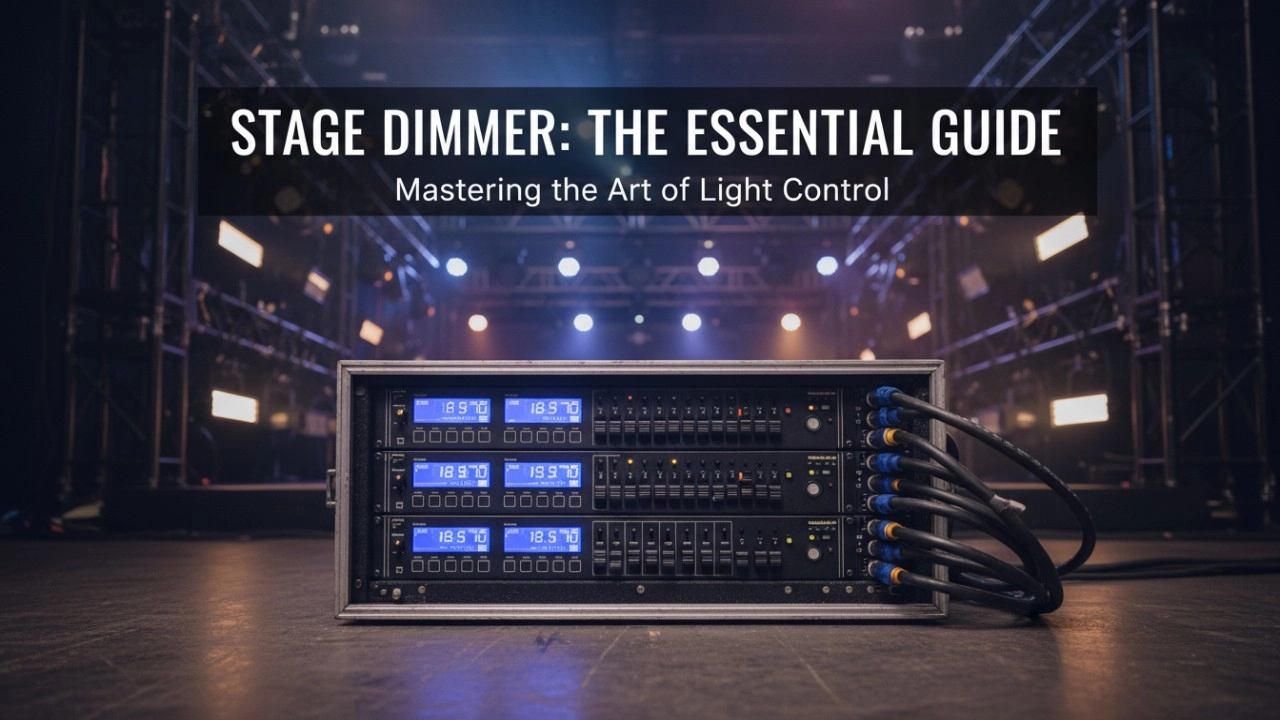
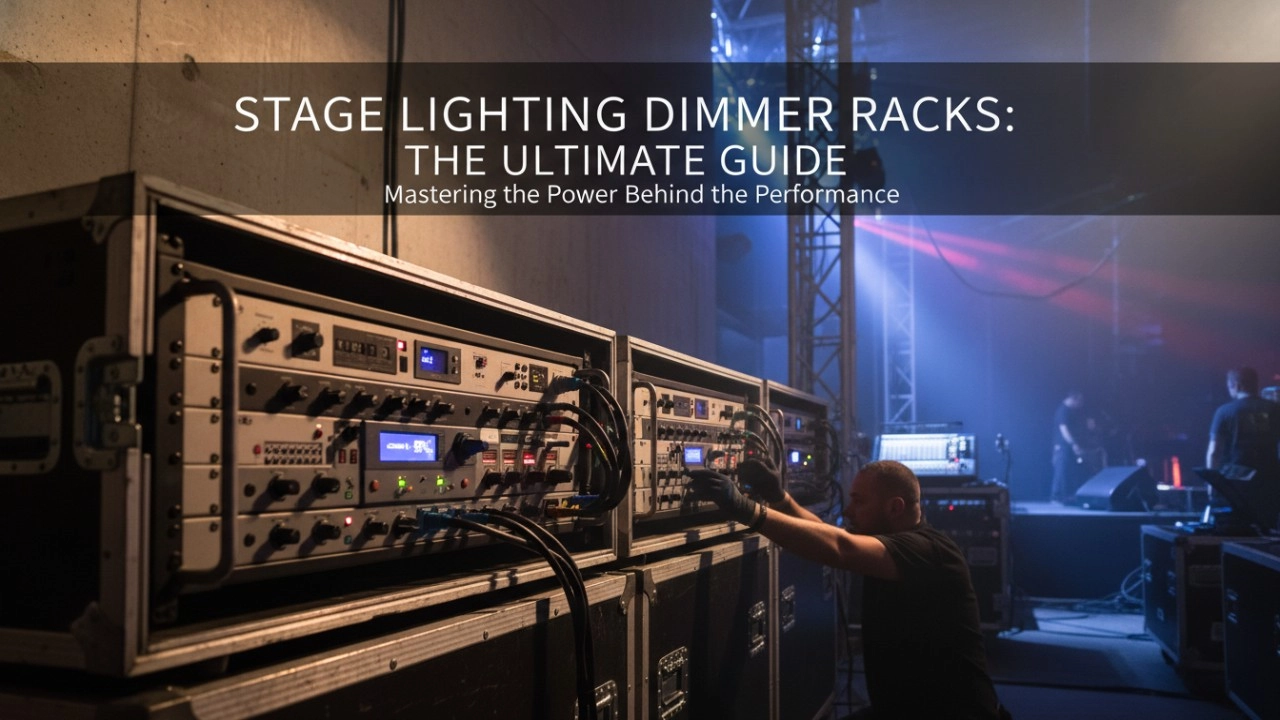
A comprehensive 2026 guide to selecting high-performance stage lighting dimmer racks. We review top hybrid systems, explore SCR vs sine wave technology, and analyze essential features like ThruPower for modern venues.
ZT2419+1216 Distribution Box
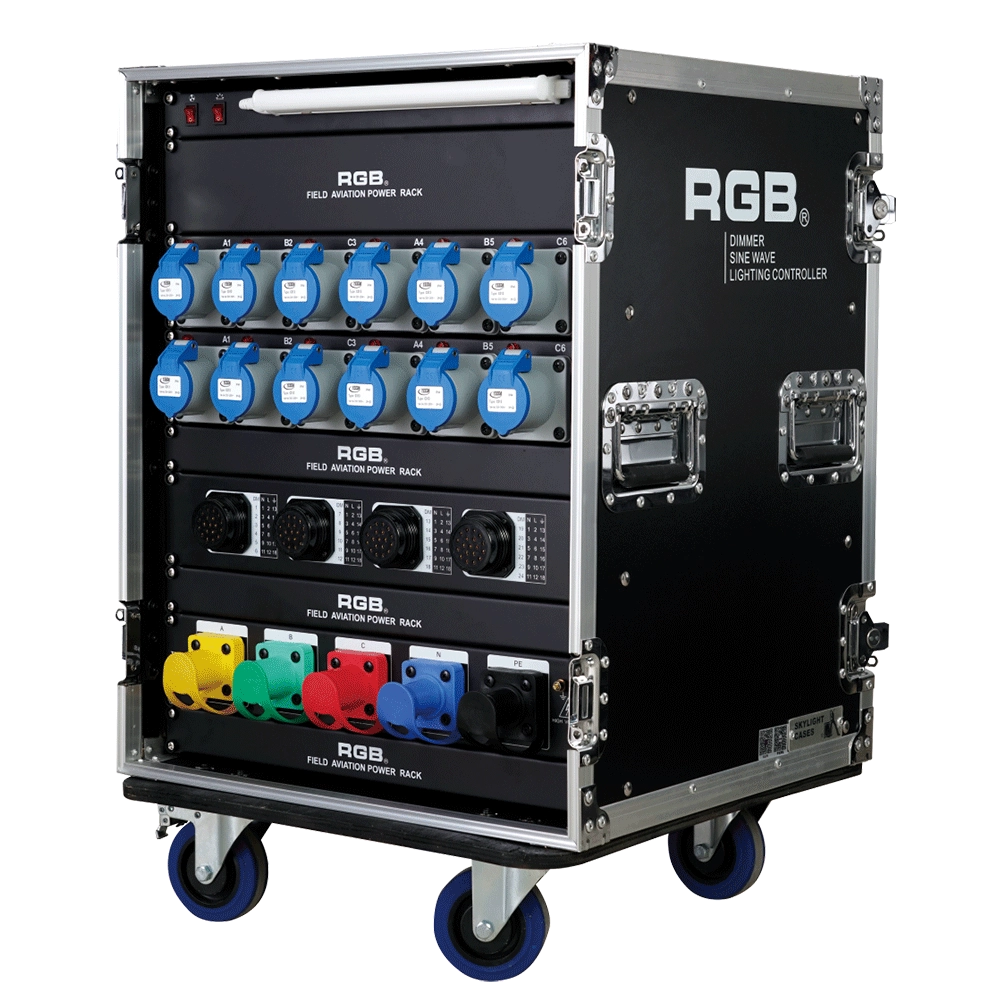
ZT2419+1216 features dual protection functions and is a power distribution product specifically designed for overcurrent and short circuits in electrical equipment. It is the best choice for mobile performance and is suitable for use in computer lamps, conventional lamps, and other equipment.
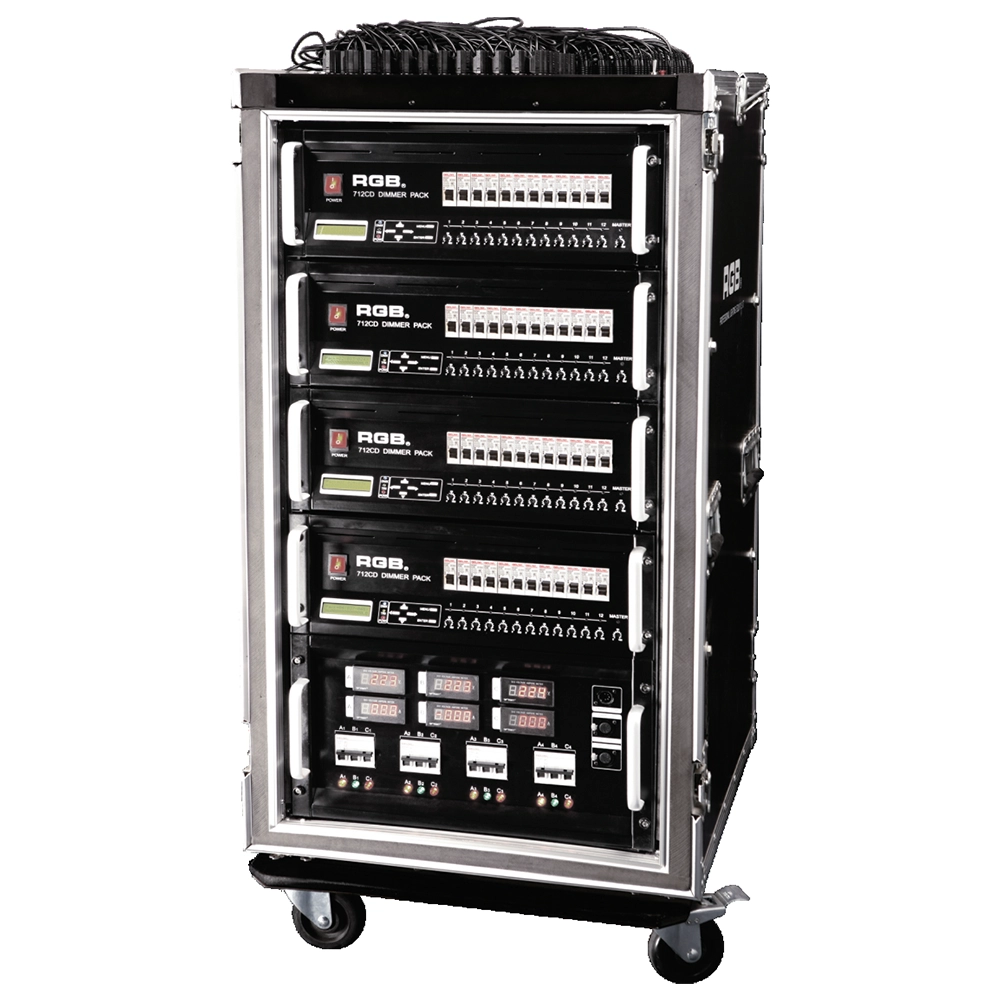
Intelligent Network Touring Dimmer Racks
RGB intelligent network touring dimmer racks can be assembledinto many types of dimmer racks by taking 7 series dimmer
packs as the unit. They are widely used in the entertainment fortheir convenience and practicabillity,
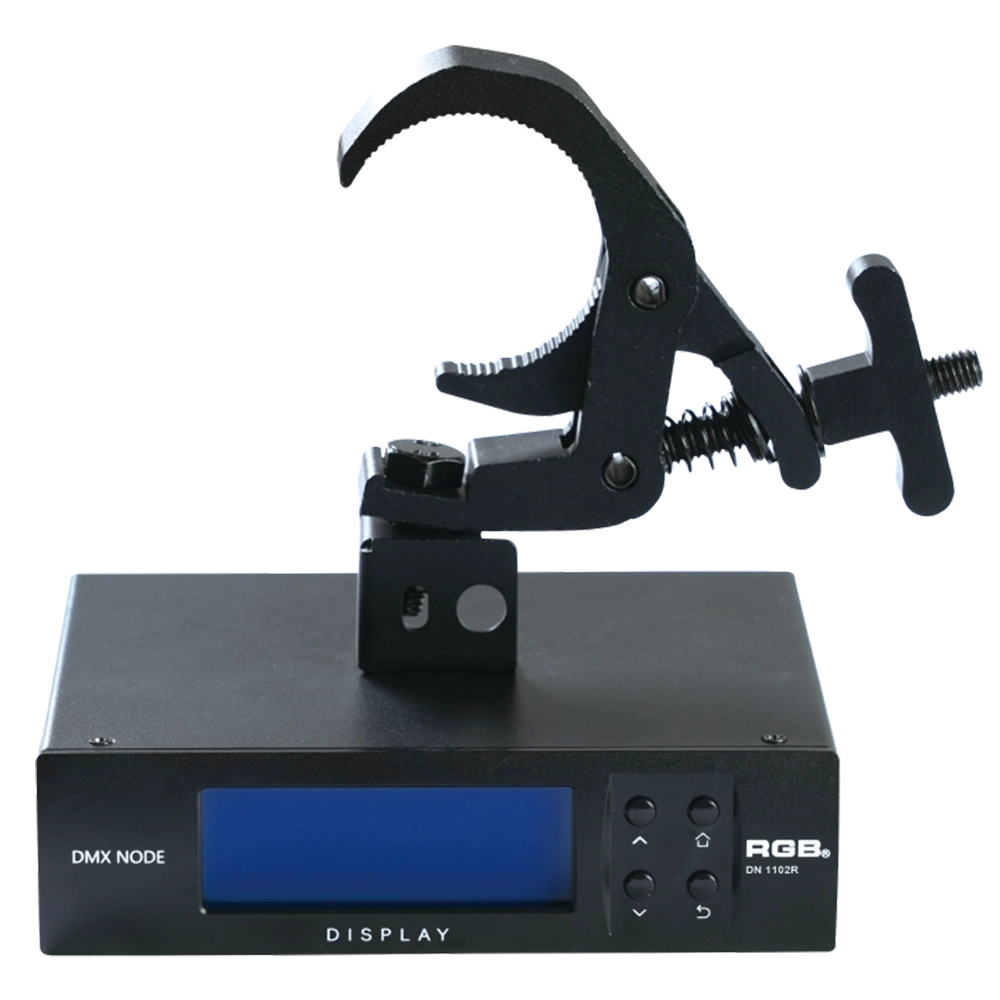
RDM Nodes
The DN series network decoder is a product of the lighting control system independently developed by RGB, featuring completely independent core technology and obtaining software copyrights. It seamlessly connects and decodes the sACN and Art-Net network protocols based on TCP/IP with the DMX-512 and RDM communication protocols. Supports a visual lighting control system, intuitively displaying the online and offline status of the DN series network decoders, and enabling remote monitoring, editing, and setting of corresponding parameters.
It is widely applied in theaters, concert halls, multi-functional halls, cultural and tourism performances, TV stations, gymnasiums, auditoriums, commercial art lighting, and other performance and cultural venues.
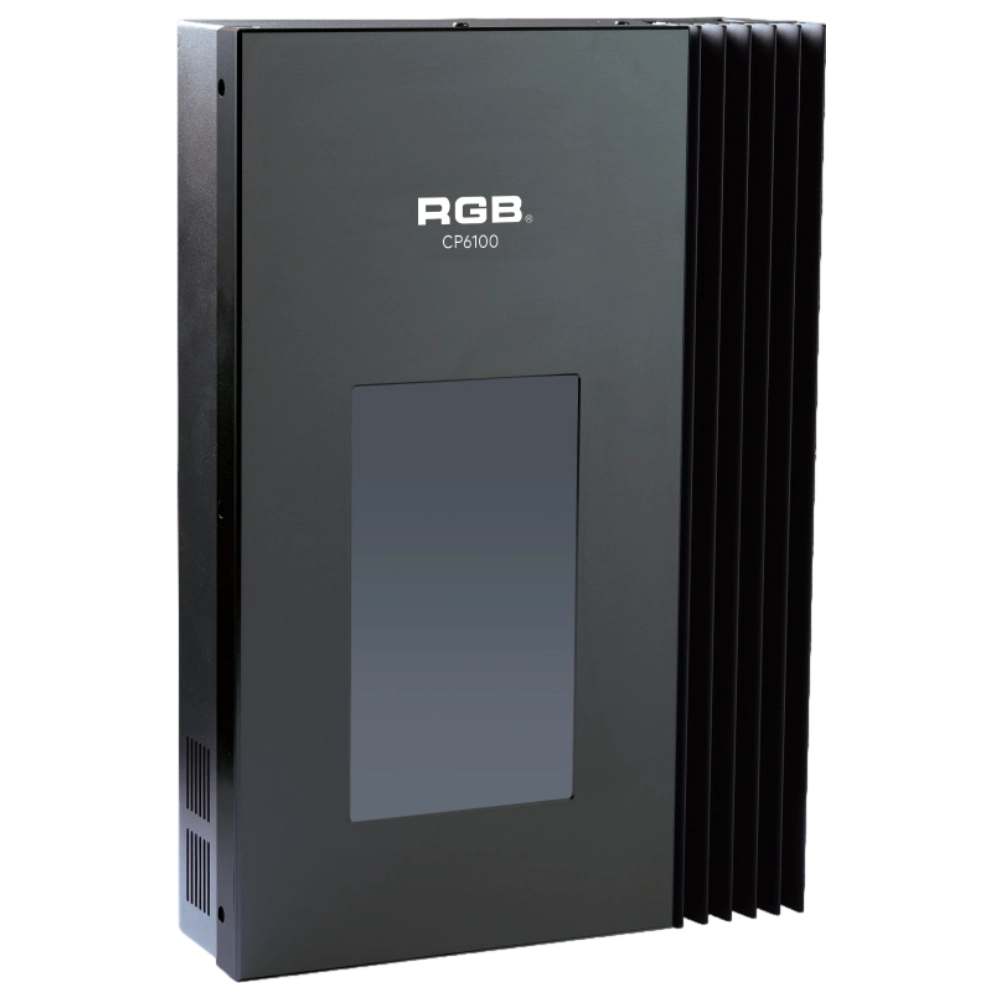
CP6100 Light Control System
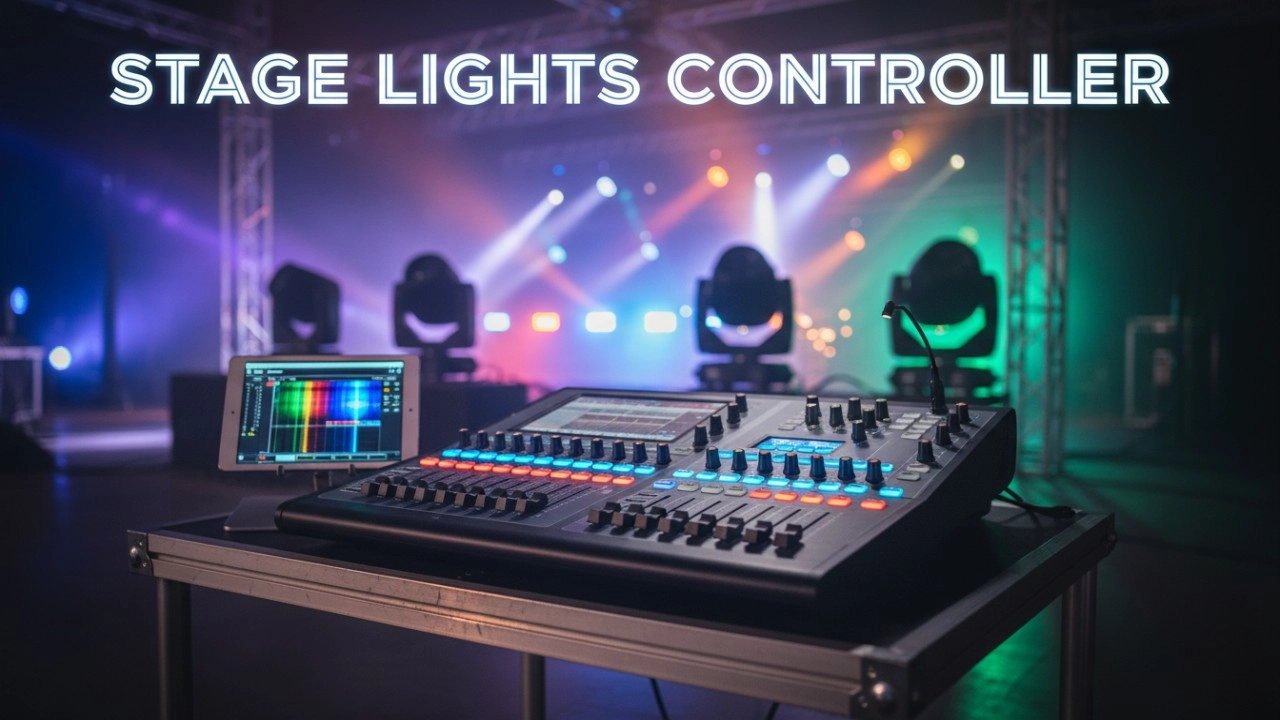
The lighting control host is the main control device for theater stage lights, work lights, environmental lighting, commercial art lighting, sports venue lighting, and other places. By connecting the dedicated lighting control panels CP6104 and CP6108, it realizes the central control of the lighting system, supports a visual lighting control system, and intuitively displays the online and offline status of CP6100. Realize remote monitoring, editing, and setting of corresponding parameters.
It is widely applicable to theaters, cinemas, auditoriums, stadiums, museums, exhibition halls, cultural tourism performances, commercial art lighting, and other places.
Expert Support
Interested in learning more or need expert guidance related to this article? Fill in your details, and our team will provide tailored support.
Intelligent Control. Brilliant Performance.
RGB specializes in stage lighting control systems, delivering intelligent, reliable, and high-performance solutions for theaters and performance spaces worldwide.
Contact
Email:
Tel:
+86 20 3928 0245
+86 20 3928 0247
Address:
No.3, Huashan Road, Shilou Town, Panyu, Guangzhou, China.
Whatsapp: +8615975520131