
Pathport DMX Node vs ArtNet: which suits your rig?
|
- How does a Pathport DMX node truly handle RDM, and what are the practical implications of its bidirectional communication for real-world stage lighting diagnostics compared to basic DMX?
- Beyond basic DMX conversion, what advanced network management features do Pathport DMX nodes offer that simpler Art-Net gateways often lack, crucial for large-scale or complex installations?
- When integrating a Pathport DMX node into an existing network, what are the critical IP addressing and subnetting considerations to avoid conflicts, especially when other AV protocols (like Dante or NDI) are present?
- For small to medium-sized productions, is the initial investment in a Pathport DMX node justifiable over a simpler, often cheaper, Art-Net gateway, considering long-term scalability, reliability, and future-proofing?
- What specific redundancy and fault-tolerance mechanisms do Pathport DMX nodes employ to ensure uninterrupted DMX output, a critical requirement for live events where failure is not an option?
- How do Pathport DMX nodes seamlessly coexist and interoperate with existing Art-Net devices on the same network, and what are the best practices for managing mixed protocol environments without performance degradation?
In the evolving landscape of stage and architectural lighting, moving beyond traditional DMX cabling to networked DMX is increasingly essential. The choice between robust solutions like the Pathport DMX node and the widely adopted Art-Net protocol often leaves beginners with critical questions. As seasoned experts in stage light control systems, we understand the nuances and pain points. This article aims to provide in-depth answers to frequently asked, long-tail questions that often lack comprehensive or updated information online, helping you confidently select the right DMX over Ethernet solution for your professional DMX solutions.
How does a Pathport DMX node truly handle RDM, and what are the practical implications of its bidirectional communication for real-world stage lighting diagnostics compared to basic DMX?
While traditional DMX is a unidirectional protocol, meaning data flows only from controller to fixture, RDM (Remote Device Management) introduces essential bidirectional communication. A Pathport DMX node, as a sophisticated DMX gateway, is designed to fully support RDM over its DMX ports, extending this capability across your lighting control network via sACN or Art-Net. Practically, this means a significant leap in operational efficiency and troubleshooting for your stage lighting infrastructure.
With RDM enabled through a Pathport DMX node, lighting technicians can:
- Discover Devices: Automatically identify and list all RDM-compatible fixtures connected to a DMX universe, including their unique IDs, manufacturers, and models.
- Monitor Status: Remotely check fixture parameters such as lamp hours, temperature, error messages, and DMX address. This is invaluable for preventative maintenance and real-time issue detection during a show.
- Configure Settings: Change DMX addresses, modes, pan/tilt inversion, and other fixture-specific settings directly from the lighting console or a dedicated RDM software, eliminating the need to physically access each fixture.
The practical implication is a drastic reduction in setup time and troubleshooting efforts. Imagine being able to diagnose a misbehaving moving head or re-address a fixture without needing a ladder or interrupting rehearsals. This level of DMX data integrity and remote management is a key differentiator for professional entertainment lighting setups, offering unparalleled control and diagnostic capabilities that basic DMX simply cannot provide.
Beyond basic DMX conversion, what advanced network management features do Pathport DMX nodes offer that simpler Art-Net gateways often lack, crucial for large-scale or complex installations?
Pathport DMX nodes, particularly those from ETC (Electronic Theatre Controls), are engineered for robust and complex networked DMX environments, offering a suite of advanced network management features that often surpass simpler Art-Net gateways. While Art-Net is excellent for straightforward DMX converter tasks, Pathport excels in sophisticated DMX distribution and control:
- sACN Priority Management: Pathport nodes natively support sACN (Streaming ACN), a robust DMX over Ethernet protocol. They allow granular control over sACN priority, ensuring that critical DMX universes from primary consoles always take precedence over backup or less important sources. This is vital for maintaining DMX data integrity in multi-controller setups.
- Advanced DMX Merging: Pathport nodes offer sophisticated DMX merging capabilities (HTP - Highest Takes Precedence, LTP - Latest Takes Precedence, and even custom merging rules). This is crucial for seamless transitions between consoles, backup systems, or architectural lighting controllers, ensuring that the correct DMX universe data is always output without flicker or interruption.
- Port-Specific Configuration: Each DMX port on a Pathport node can be individually configured for input or output, assigned to specific sACN or Art-Net universes, and have its RDM status managed. This flexibility is paramount for tailoring the DMX distribution precisely to the needs of complex stage lighting infrastructure.
- Integrated Diagnostic Tools: Many Pathport models include built-in web interfaces or companion software (like Concert) that provide extensive network configuration and diagnostic information, including DMX status, network traffic monitoring, and RDM device discovery. This level of insight is invaluable for large-scale system integration and troubleshooting.
- Multi-Protocol Support: While primarily sACN-focused, Pathport nodes also support Art-Net, allowing them to bridge and manage DMX data across different networked DMX protocols seamlessly.
These features position Pathport as a superior choice for complex DMX networking, where reliability, precise control, and detailed diagnostics are non-negotiable.
When integrating a Pathport DMX node into an existing network, what are the critical IP addressing and subnetting considerations to avoid conflicts, especially when other AV protocols (like Dante or NDI) are present?
Integrating a Pathport DMX node into an existing network alongside other AV protocols like Dante (audio) or NDI (video) requires careful network planning to prevent conflicts and ensure optimal performance. Here are the critical considerations for IP addressing and subnetting:
- Dedicated VLANs (Virtual Local Area Networks): The most robust solution is to segment your network using VLANs. Create a dedicated VLAN for your lighting control network. This isolates DMX over Ethernet traffic (sACN/Art-Net) from other protocols, preventing bandwidth saturation or accidental IP conflicts. Managed network switches are essential for implementing VLANs.
- Static IP Addressing for Nodes: While DHCP can be convenient, assigning static IP addresses to your Pathport DMX nodes is highly recommended. This ensures consistent network configuration, making it easier to locate and manage nodes, especially after power cycles. Document all assigned IPs meticulously.
- Unique Subnets: If VLANs aren't feasible, ensure your lighting network operates on a unique subnet distinct from your Dante or NDI subnets. For example, if Dante uses 192.168.1.x, your lighting network might use 192.168.10.x. This prevents devices from trying to communicate across different logical networks without proper routing.
- Multicast Traffic Management: sACN and Art-Net heavily rely on multicast traffic. Ensure your network switches are configured for IGMP snooping (Internet Group Management Protocol). This prevents multicast DMX data from flooding your entire network, directing it only to devices that need it, thus conserving bandwidth for other AV protocols.
- Avoid IP Address Overlaps: Double-check that no IP addresses assigned to your Pathport nodes or other lighting devices overlap with addresses used by Dante controllers, NDI sources/destinations, or other critical network devices.
Proper network segmentation and IP address management are paramount for a stable and reliable DMX networking environment, ensuring all your AV protocols coexist harmoniously without performance degradation.
For small to medium-sized productions, is the initial investment in a Pathport DMX node justifiable over a simpler, often cheaper, Art-Net gateway, considering long-term scalability, reliability, and future-proofing?
For small to medium-sized productions, the initial investment in a Pathport DMX node might seem higher than a basic Art-Net gateway, but its justification lies in long-term scalability, reliability, and future-proofing. This is a common pain point for budget-conscious users evaluating professional DMX solutions.
- Reliability and Build Quality: Pathport nodes are typically built to a higher industrial standard, designed for continuous operation in demanding environments. This translates to superior DMX data integrity and fault tolerance. For live events where failure is not an option, this robustness is invaluable. Cheaper Art-Net gateways, while functional, may not offer the same level of hardware resilience.
- Advanced Features & Scalability: As discussed, Pathport offers advanced features like sACN priority, sophisticated merging, and RDM support. While a small production might not need all these immediately, they become critical as your rig grows or your shows become more complex. Investing in Pathport from the outset means you won't hit a ceiling and need to replace your DMX converter infrastructure later, saving money and time in the long run.
- Future-Proofing: Pathport's adherence to industry standards (sACN, RDM) and its robust feature set ensure it remains relevant as lighting technology evolves. It's designed to integrate seamlessly with high-end lighting control systems and future DMX over Ethernet developments.
- Support and Ecosystem: Products like ETC Pathport come with established manufacturer support and are part of a larger ecosystem of professional lighting tools, offering better documentation, firmware updates, and troubleshooting resources.
While a simple Art-Net gateway might suffice for a static, basic DMX universe setup, if your production has aspirations for growth, requires high reliability, or anticipates integrating more complex DMX networking, the Pathport DMX node offers a justifiable return on investment through its longevity, advanced capabilities, and peace of mind.
What specific redundancy and fault-tolerance mechanisms do Pathport DMX nodes employ to ensure uninterrupted DMX output, a critical requirement for live events where failure is not an option?
For live events, uninterrupted DMX output is paramount. Pathport DMX nodes are engineered with several redundancy and fault-tolerance mechanisms to ensure DMX data integrity and continuous operation, setting them apart as reliable DMX solutions:
- Dual Network Ports: Many Pathport models feature dual Ethernet ports. These can be configured for network redundancy (e.g., primary and secondary network connections) or for network segmentation, ensuring that if one network link fails, the DMX over Ethernet data can still flow through the other.
- Power Redundancy: Beyond Power over Ethernet (PoE), many Pathport nodes also include a local power input. This allows for dual power sourcing – if PoE fails, the local power supply takes over, or vice-versa, preventing a complete loss of DMX distribution.
- DMX Merging for Backup Controllers: As mentioned, Pathport's advanced merging capabilities are a key fault-tolerance mechanism. You can configure the node to receive DMX data from multiple sources (e.g., a primary console and a backup console). If the primary source fails, the node can seamlessly switch to the backup source based on sACN priority or other merging rules, ensuring DMX output continues without interruption.
- Robust Firmware and Hardware: Pathport nodes are built with high-quality components and stable firmware designed for mission-critical applications. This inherent reliability minimizes crashes or data corruption, which are significant concerns in live environments.
- Automatic DMX Output Hold: In the event of a complete loss of network DMX data, Pathport nodes can be configured to hold the last valid DMX values, preventing fixtures from going dark or behaving erratically. This 'hold last look' feature provides valuable time for troubleshooting.
These integrated mechanisms highlight why Pathport DMX nodes are often the preferred choice for professional entertainment lighting and architectural lighting installations where system reliability and fault tolerance are non-negotiable.
How do Pathport DMX nodes seamlessly coexist and interoperate with existing Art-Net devices on the same network, and what are the best practices for managing mixed protocol environments without performance degradation?
Pathport DMX nodes are designed to coexist and interoperate seamlessly with Art-Net devices on the same network, as both sACN (Pathport's primary protocol) and Art-Net are DMX over Ethernet protocols that can share network infrastructure. The key is proper network configuration and management:
- Multi-Protocol Support: Many modern lighting control systems and Pathport nodes themselves can send and receive both sACN and Art-Net data. This means a Pathport node can output DMX based on an sACN stream, while simultaneously an Art-Net device on the same network receives its Art-Net universe.
- Best Practices for Mixed Environments:
- Managed Switches: Always use managed network switches. These allow for crucial features like VLANs and IGMP snooping, which are essential for handling multicast traffic efficiently and segmenting your network.
- VLANs for Isolation: While sACN and Art-Net can coexist, creating separate VLANs for each protocol (or at least for lighting vs. other AV) is ideal for large, complex networks. This isolates broadcast/multicast traffic and prevents potential conflicts or performance degradation.
- IP Addressing Scheme: Maintain a clear and consistent IP addressing scheme. While sACN is less dependent on specific IP ranges than Art-Net (which often defaults to 2.x.x.x or 10.x.x.x), ensuring all devices have unique, non-conflicting IP addresses within their respective subnets is critical.
- Universe Mapping: Be meticulous with universe mapping. Ensure that your lighting console or software is correctly sending the intended DMX universe data (whether sACN or Art-Net) to the correct DMX gateway or node. Pathport nodes allow flexible mapping of incoming sACN/Art-Net universes to their physical DMX ports.
- Bandwidth Monitoring: For very large mixed networks, monitor network bandwidth to ensure sufficient capacity for all protocols. While DMX over Ethernet traffic is relatively light compared to video, it's good practice.
By following these best practices, you can create a robust and flexible DMX networking environment where Pathport DMX nodes and Art-Net devices work together efficiently, leveraging the strengths of each protocol for your entertainment lighting needs.
In conclusion, while Art-Net offers a cost-effective entry into networked DMX, the Pathport DMX node stands out for its unparalleled reliability, advanced network management features, robust RDM support, and superior fault-tolerance mechanisms. For professional DMX solutions, especially in live events or complex architectural lighting where DMX data integrity and uninterrupted operation are paramount, the investment in a Pathport DMX node provides significant long-term advantages in scalability, control, and peace of mind.
Ready to elevate your stage light control system? Contact us for a personalized quote and expert consultation. Visit www.rgbsystem.com or email us at info@rgbsystem.com.
Latest News
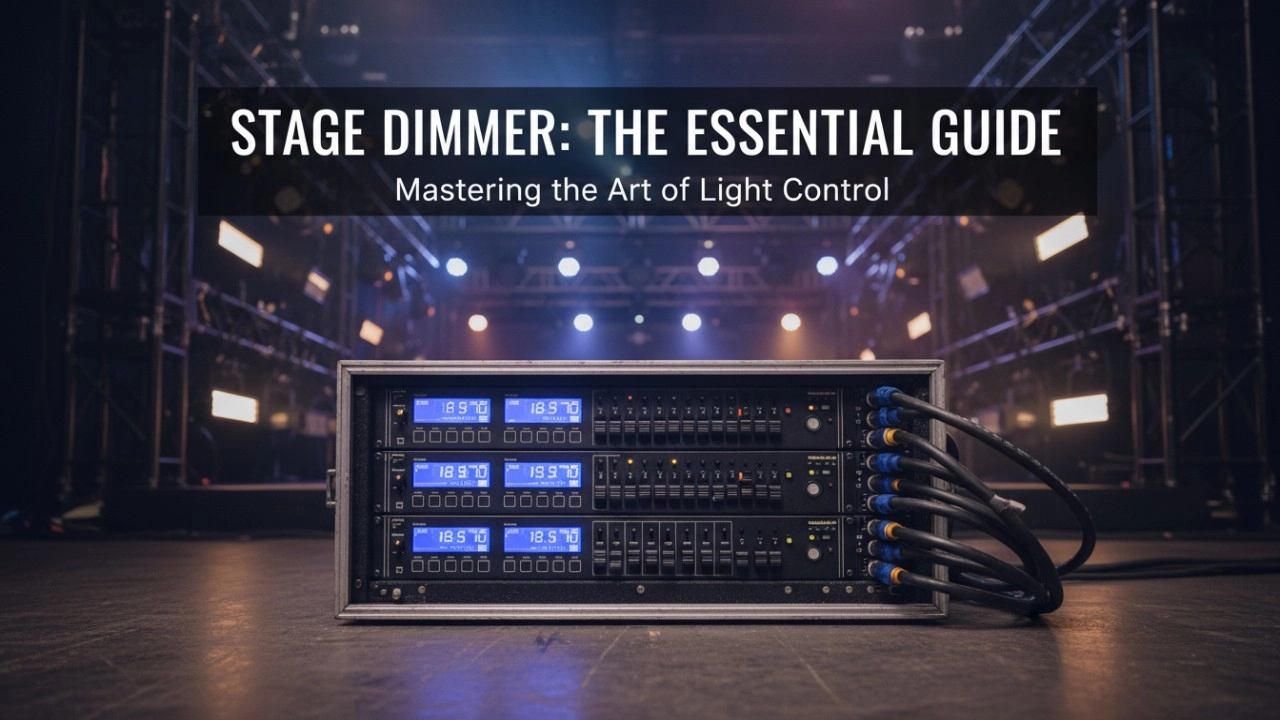
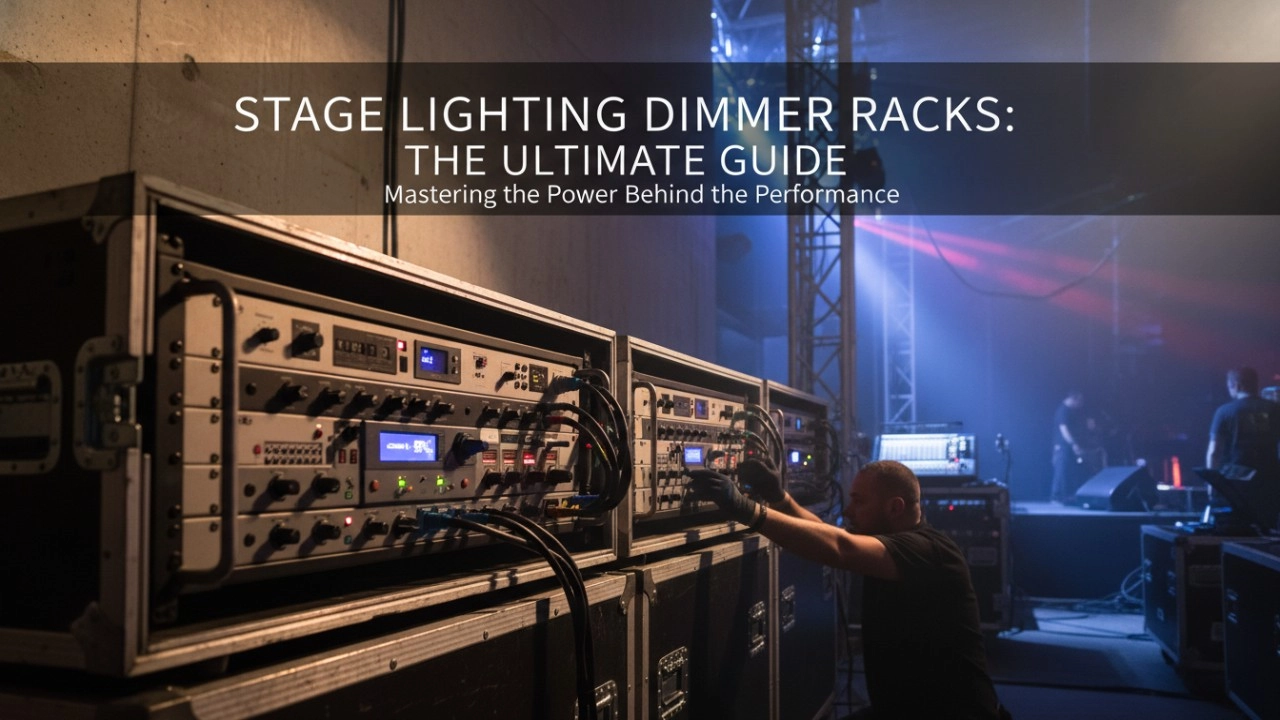
A comprehensive 2026 guide to selecting high-performance stage lighting dimmer racks. We review top hybrid systems, explore SCR vs sine wave technology, and analyze essential features like ThruPower for modern venues.
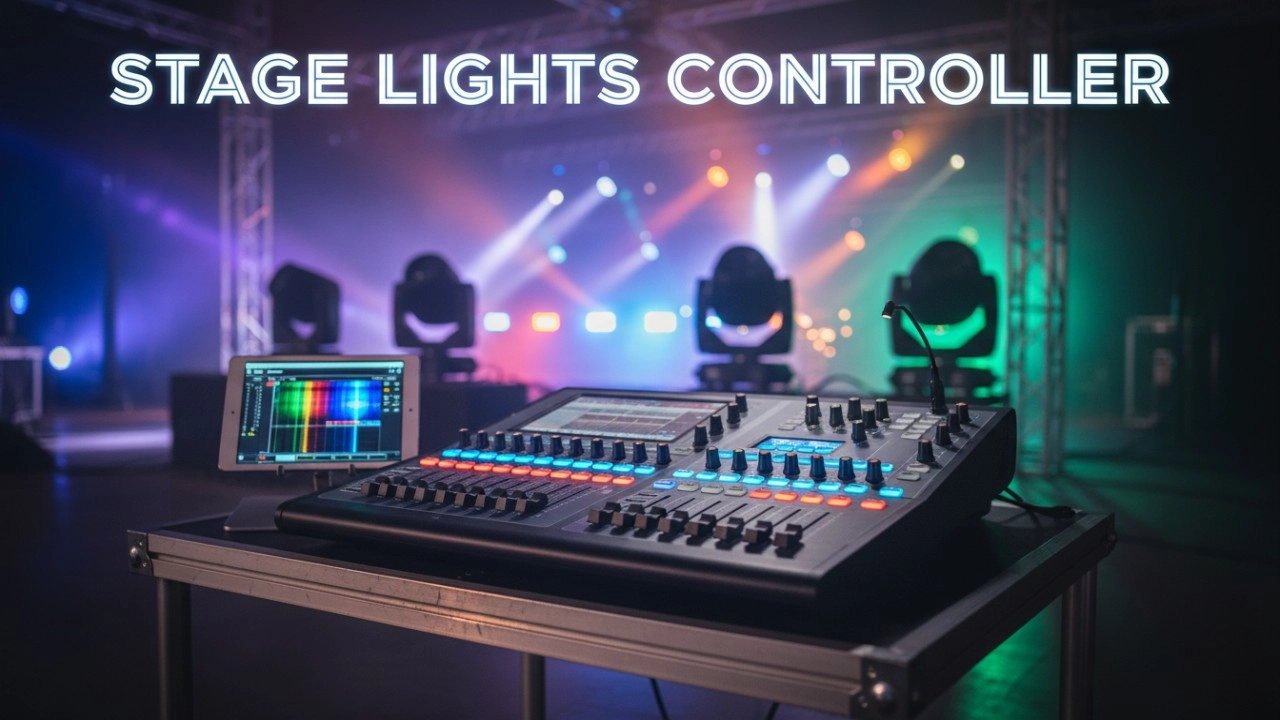
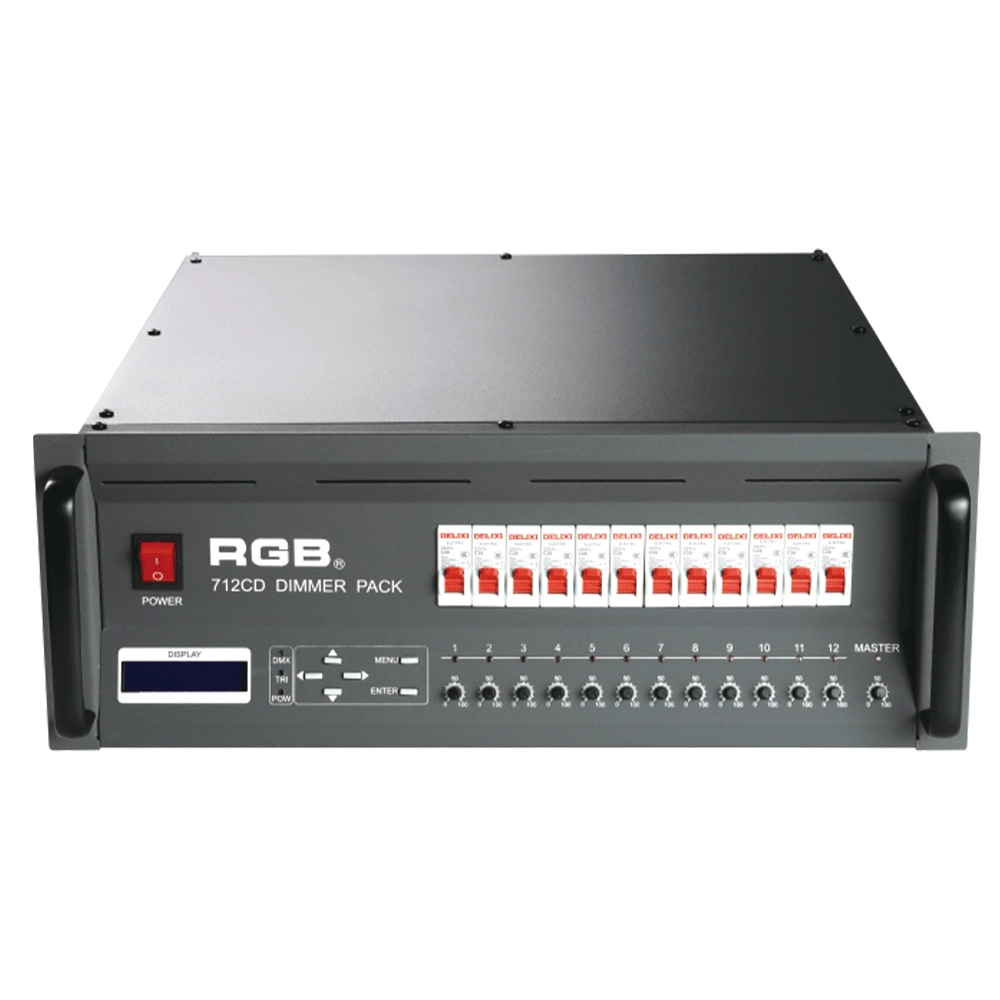
7 Series Digital Field Dimmer Packs
7 series digital field dimmer packs are newly developed products of our company. With DMX512 digital control signal input, they are compatible with other domestic and overseas digital lighting consoles. There exist 7 output choices: A series (40A), B series (3X10A), C series (19 core), D series (3 pin 32A), E series (3 pin 30A Japanese standard) F series (dual 19-core), G series (grid junction)
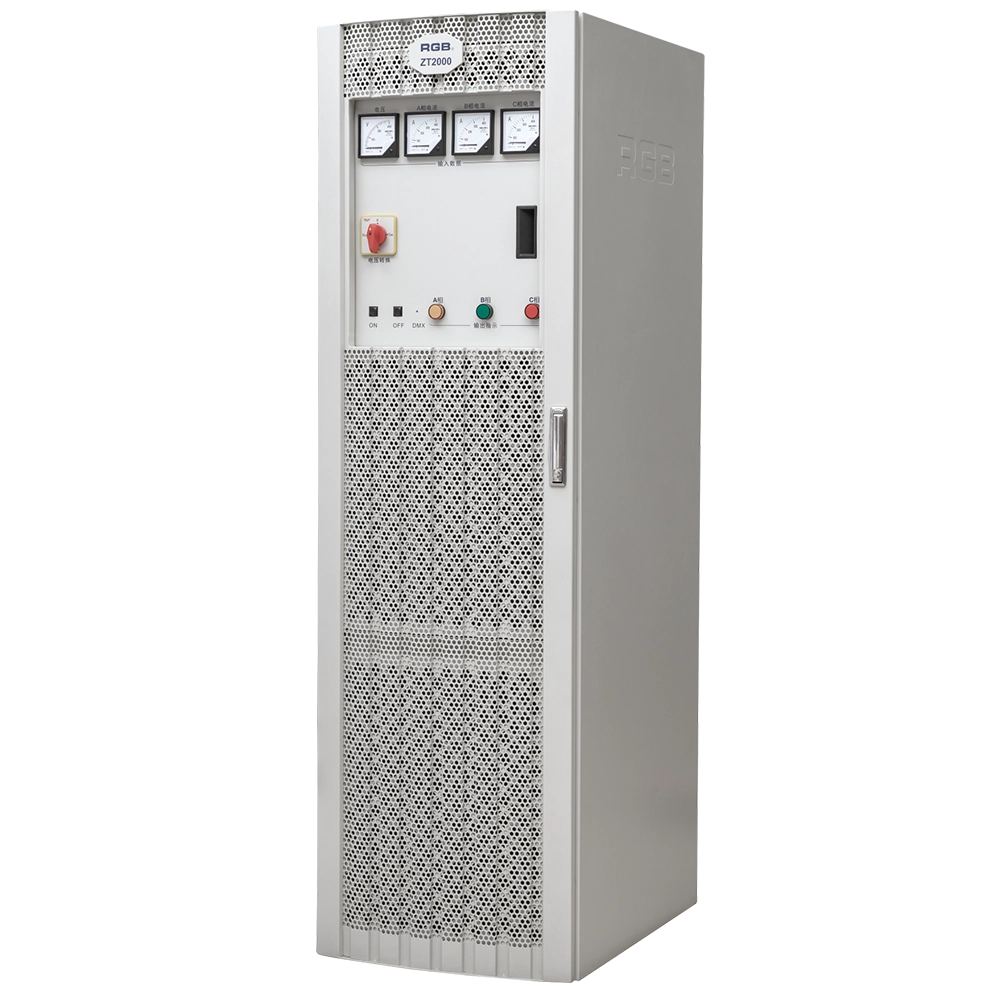
ZT2000 Pass-Through Racks
The ZT2000 straight-through power cabinet is a three-phase 630A/400A air switch main control, with each channel being a 32A air switch sub-control straight-through power cabinet. It can be used in conjunction with various computer lamps, regular lamps, and temporary electrical equipment as a power distribution and supply part for electrical equipment with overcurrent and short-circuit protection. It is a brand-new, reliable, and stable lighting control device in the field of stage lighting control.
It is widely applied in theaters, concert halls, multi-functional halls, cultural and tourism performances, TV stations, gymnasiums, auditoriums, commercial art lighting, and other performance and cultural venues.
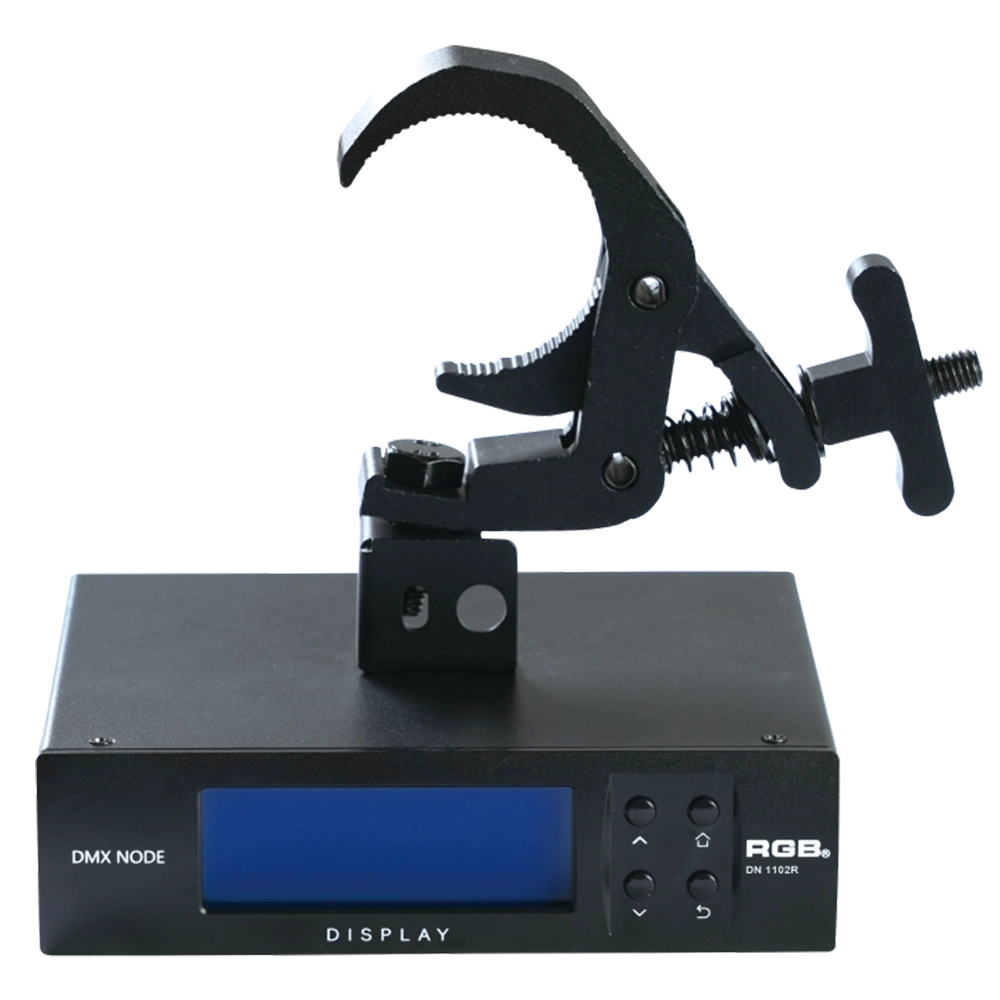
RDM Nodes
The DN series network decoder is a product of the lighting control system independently developed by RGB, featuring completely independent core technology and obtaining software copyrights. It seamlessly connects and decodes the sACN and Art-Net network protocols based on TCP/IP with the DMX-512 and RDM communication protocols. Supports a visual lighting control system, intuitively displaying the online and offline status of the DN series network decoders, and enabling remote monitoring, editing, and setting of corresponding parameters.
It is widely applied in theaters, concert halls, multi-functional halls, cultural and tourism performances, TV stations, gymnasiums, auditoriums, commercial art lighting, and other performance and cultural venues.
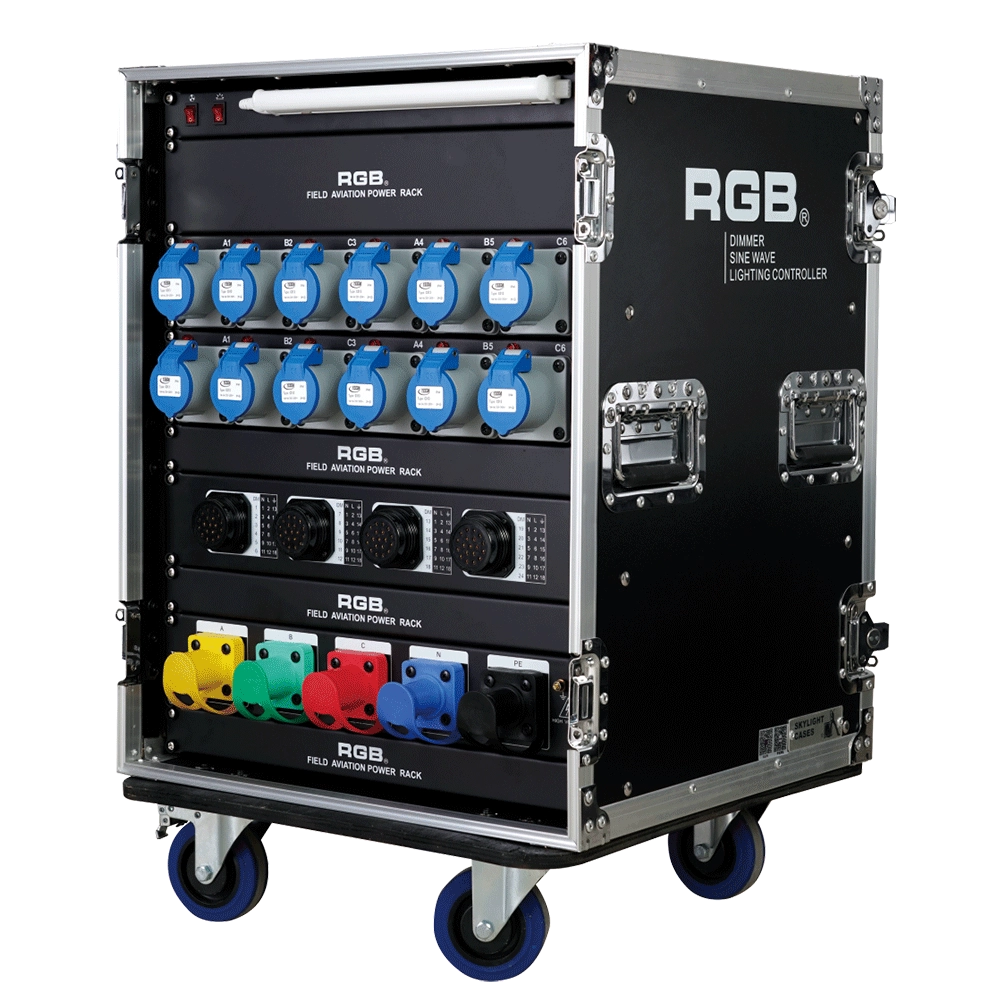
ZT2419+1216 Distribution Box
ZT2419+1216 features dual protection functions and is a power distribution product specifically designed for overcurrent and short circuits in electrical equipment. It is the best choice for mobile performance and is suitable for use in computer lamps, conventional lamps, and other equipment.
Expert Support
Interested in learning more or need expert guidance related to this article? Fill in your details, and our team will provide tailored support.
Intelligent Control. Brilliant Performance.
RGB specializes in stage lighting control systems, delivering intelligent, reliable, and high-performance solutions for theaters and performance spaces worldwide.
Contact
Email:
Tel:
+86 20 3928 0245
+86 20 3928 0247
Address:
No.3, Huashan Road, Shilou Town, Panyu, Guangzhou, China.
Whatsapp: +8615975520131