
What makes Pathport DMX Node ideal for professional stage lighting?
|
- How does a Pathport DMX node specifically handle advanced network protocols like sACN and Art-Net compared to generic nodes, and what are the real-world benefits for complex stage setups?
- Beyond basic DMX conversion, what advanced features or integration capabilities do Pathport DMX nodes offer that significantly streamline workflow for large-scale theatrical productions or touring shows?
- When integrating Pathport DMX nodes into an existing network, what are the critical considerations for network segmentation, IP addressing, and multicast management to prevent data bottlenecks and ensure stable DMX distribution?
- How does the long-term scalability and future-proofing of Pathport DMX nodes justify the initial investment for venues planning multi-phase lighting system upgrades?
- What are the common troubleshooting pitfalls when a Pathport DMX node isn't communicating correctly, especially in mixed-protocol environments, and what advanced diagnostic tools or techniques are available?
- Given the increasing demand for remote and distributed DMX solutions, how do Pathport DMX nodes facilitate robust Power over Ethernet (PoE) deployment and what are the best practices for ensuring reliable power delivery across a complex stage network?
Professional stage lighting demands precision, reliability, and robust control. In the intricate world of DMX over Ethernet, Pathport DMX nodes have emerged as a cornerstone for many lighting control systems. But for those new to the field, understanding the true depth of their capabilities beyond basic DMX conversion can be challenging. This article addresses critical, often overlooked questions that beginners frequently ask, providing in-depth insights into why Pathport DMX nodes are ideal for professional applications.
How does a Pathport DMX node specifically handle advanced network protocols like sACN and Art-Net compared to generic nodes, and what are the real-world benefits for complex stage setups?
Pathport DMX nodes are engineered for native, robust implementation of industry-standard Ethernet DMX protocols, primarily sACN (ANSI E1.31) and Art-Net. Unlike some generic nodes that might offer basic conversion, Pathport devices excel in sophisticated protocol management. They provide advanced features such as sACN priority management, allowing multiple consoles or backup systems to seamlessly control the same DMX universe based on assigned priorities. Furthermore, Pathport nodes offer intelligent universe merging (HTP – Highest Takes Precedence, LTP – Latest Takes Precedence), which is crucial for combining outputs from different sources without conflict. For complex theatrical productions or large-scale touring shows, this means unparalleled flexibility in lighting network design, reduced latency, and enhanced system redundancy. You can manage hundreds of DMX universes over standard network infrastructure, ensuring that every fixture responds precisely as intended, even in the most demanding live environments.
Beyond basic DMX conversion, what advanced features or integration capabilities do Pathport DMX nodes offer that significantly streamline workflow for large-scale theatrical productions or touring shows?
Pathport DMX nodes are packed with features designed to optimize workflow far beyond simple DMX-to-Ethernet conversion. A key capability is full RDM (Remote Device Management) support, enabling bi-directional communication with DMX fixtures. This allows technicians to remotely configure, monitor, and troubleshoot RDM-compliant devices from a central location, drastically cutting down on setup and maintenance time, especially for fixtures in hard-to-reach locations. Pathport nodes also feature intuitive built-in web interfaces for easy configuration, diagnostics, and monitoring of DMX input/output. Some models offer custom scripting or logic capabilities, allowing for automated responses or triggering events based on DMX signals or network status. This level of control and integration is invaluable for complex professional lighting setups, simplifying everything from initial deployment to ongoing operation and diagnostics.
When integrating Pathport DMX nodes into an existing network, what are the critical considerations for network segmentation, IP addressing, and multicast management to prevent data bottlenecks and ensure stable DMX distribution?
Successful integration of Pathport DMX nodes into an existing network requires careful planning to maintain stability and prevent performance issues. Critical considerations include:
- Network Segmentation: Ideally, DMX over IP traffic (sACN/Art-Net) should reside on a dedicated lighting network or a separate VLAN (Virtual Local Area Network). This isolates DMX data from general office or internet traffic, preventing congestion and ensuring consistent performance.
- IP Addressing: While DHCP can be used, static IP addressing or DHCP reservations are highly recommended for DMX nodes. This ensures consistent addresses, simplifying setup, troubleshooting, and reliable communication. Proper subnetting is also vital to organize devices logically.
- Multicast Management: sACN and Art-Net heavily rely on multicast traffic. Without proper management, this can flood a network, causing bottlenecks. Managed network switches with IGMP snooping enabled are essential. IGMP snooping ensures that multicast traffic is only sent to ports where devices are actively listening, preventing unnecessary data floods and preserving network bandwidth. Additionally, Quality of Service (QoS) settings can prioritize DMX traffic, guaranteeing low latency and reliable DMX data distribution for critical venue installation and system integration.
How does the long-term scalability and future-proofing of Pathport DMX nodes justify the initial investment for venues planning multi-phase lighting system upgrades?
Investing in Pathport DMX nodes is a strategic decision for long-term scalability and future-proofing. Their modular design means that expanding your lighting control system is straightforward. As your venue's needs grow, you can simply add more nodes or expand your DMX universes without having to replace your core infrastructure. Pathport devices are built to support evolving Ethernet DMX standards and protocols, ensuring compatibility with future generations of lighting consoles, media servers, and fixtures. This commitment to open standards protects your investment against rapid technological obsolescence. Furthermore, Pathport's reputation for robust build quality and extensive product lifecycle means lower total cost of ownership over time, minimizing replacement costs and providing a secure, adaptable foundation for any multi-phase professional stage lighting upgrade strategy.
What are the common troubleshooting pitfalls when a Pathport DMX node isn't communicating correctly, especially in mixed-protocol environments, and what advanced diagnostic tools or techniques are available?
Troubleshooting Pathport DMX nodes in complex, mixed-protocol environments can be challenging, but understanding common pitfalls helps. Key issues include:
- Incorrect IP Settings: Mismatched subnets, duplicate IP addresses, or incorrect gateway settings are frequent culprits.
- Firewall Blocks: Network firewalls on control computers can inadvertently block sACN or Art-Net traffic.
- Network Cable Faults: Damaged or improperly terminated Ethernet cables can cause intermittent communication.
- DMX Termination: Incorrect or missing DMX termination on the DMX output lines can lead to signal reflections and unreliable fixture behavior.
- Protocol Mismatches: Ensuring consistent universe numbering and protocol selection (sACN vs. Art-Net) across all devices is crucial.
Pathport nodes offer built-in diagnostic tools via their web interface, including DMX input/output monitoring, network statistics, and firmware updates. For deeper analysis, external tools like Wireshark are invaluable for performing deep packet inspection to identify specific DMX over IP traffic issues, while network sniffers can help diagnose physical layer problems. Understanding these tools and techniques is essential for maintaining a stable and responsive lighting network.
Given the increasing demand for remote and distributed DMX solutions, how do Pathport DMX nodes facilitate robust Power over Ethernet (PoE) deployment and what are the best practices for ensuring reliable power delivery across a complex stage network?
Pathport DMX nodes are designed with native PoE (Power over Ethernet) compatibility, making them exceptionally well-suited for remote and distributed DMX solutions. PoE simplifies installation significantly by eliminating the need for local power outlets at each node, allowing for flexible placement in trusses, backstage areas, or other remote locations where traditional power might be inconvenient or unavailable. For robust PoE deployment, best practices include:
- PoE Switch Selection: Choose managed PoE switches with an adequate power budget to support all connected nodes, plus a buffer for future expansion. Ensure the switches meet IEEE 802.3af/at standards.
- Cable Quality: Use high-quality Cat5e or Cat6 Ethernet cables, as cable length and quality directly impact power delivery and data integrity. Adhere to maximum cable length specifications (typically 100 meters/328 feet) for reliable performance.
- Power Redundancy: For critical applications, consider PoE switches with redundant power supplies or deploy multiple switches across different power circuits to ensure uninterrupted operation of the lighting control system, even in the event of a power failure.
This strategic use of PoE streamlines infrastructure, reduces cabling complexity, and enhances the reliability of your distributed DMX nodes in demanding live environments.
In summary, Pathport DMX nodes are more than just DMX converters; they are the robust, intelligent backbone for any professional stage lighting system. Their advanced protocol handling, extensive feature set, seamless network integration, and commitment to scalability and reliability make them an unparalleled choice for demanding theatrical, broadcast, and live event environments. Investing in Pathport means investing in a future-proof, high-performance lighting infrastructure.
To learn more about how Pathport DMX nodes can transform your lighting setup or to request a personalized quote, please contact us at info@rgbsystem.com or visit www.rgbsystem.com.
Latest News
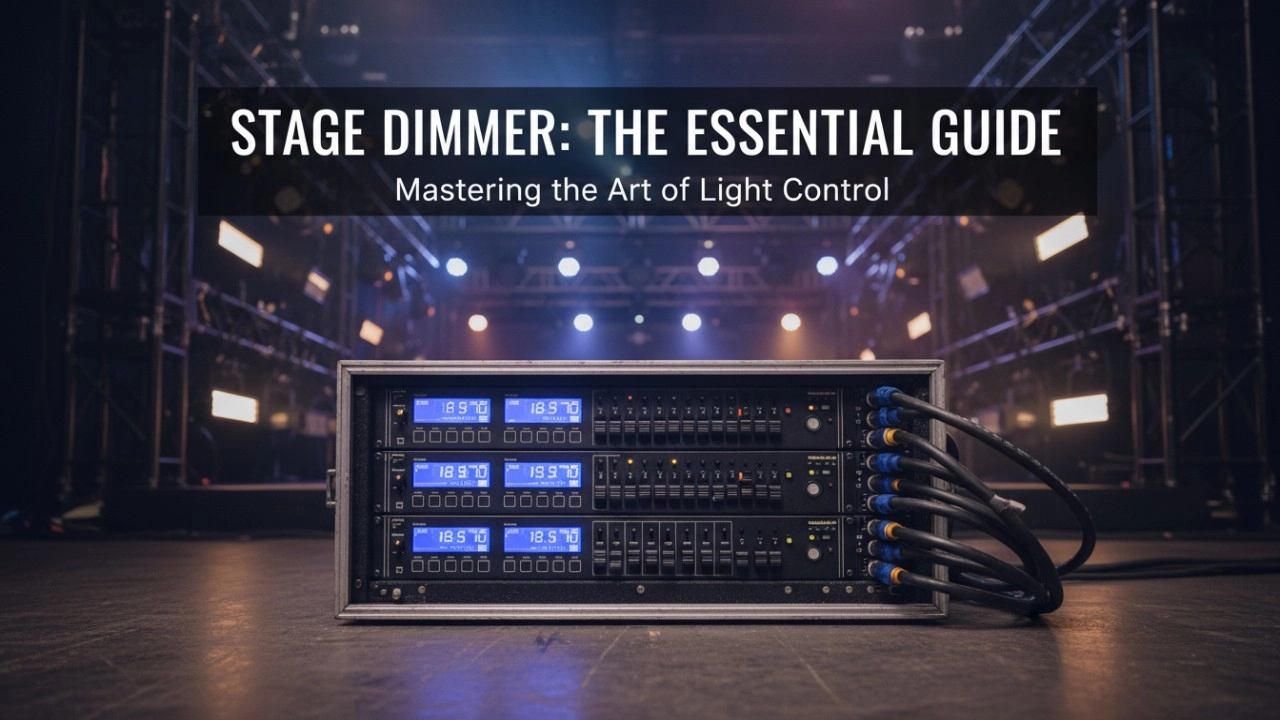
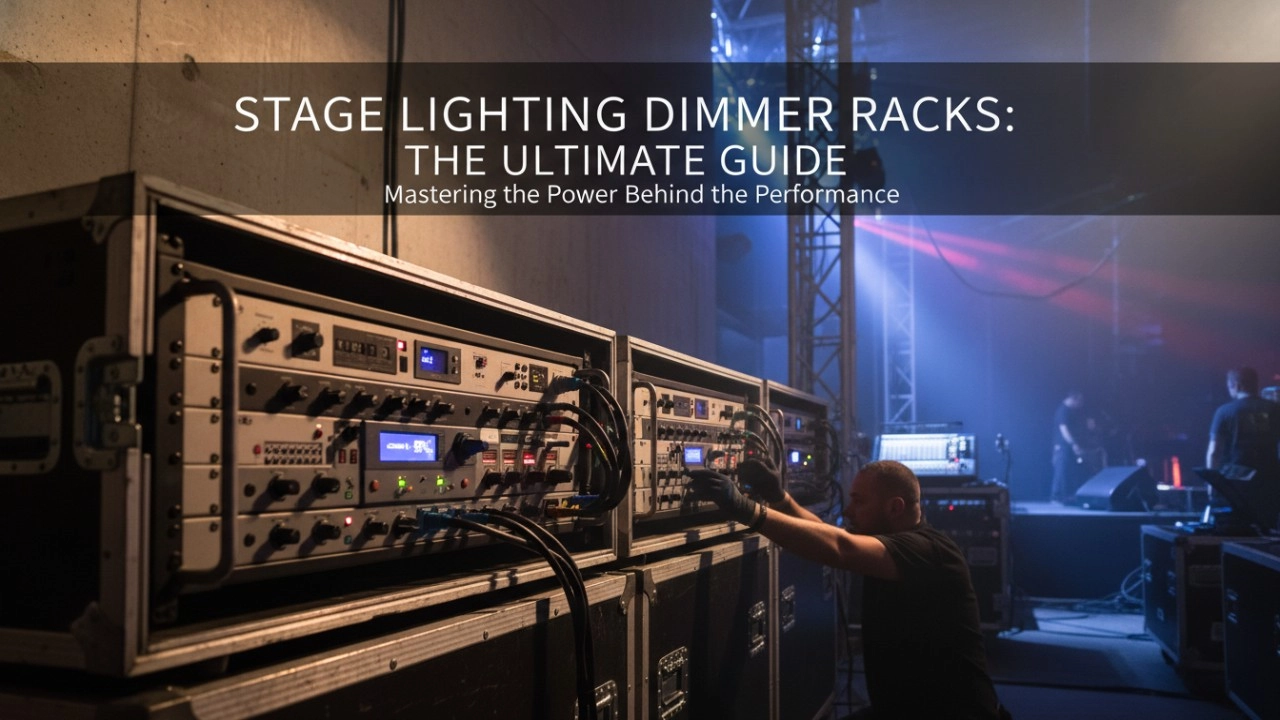
A comprehensive 2026 guide to selecting high-performance stage lighting dimmer racks. We review top hybrid systems, explore SCR vs sine wave technology, and analyze essential features like ThruPower for modern venues.
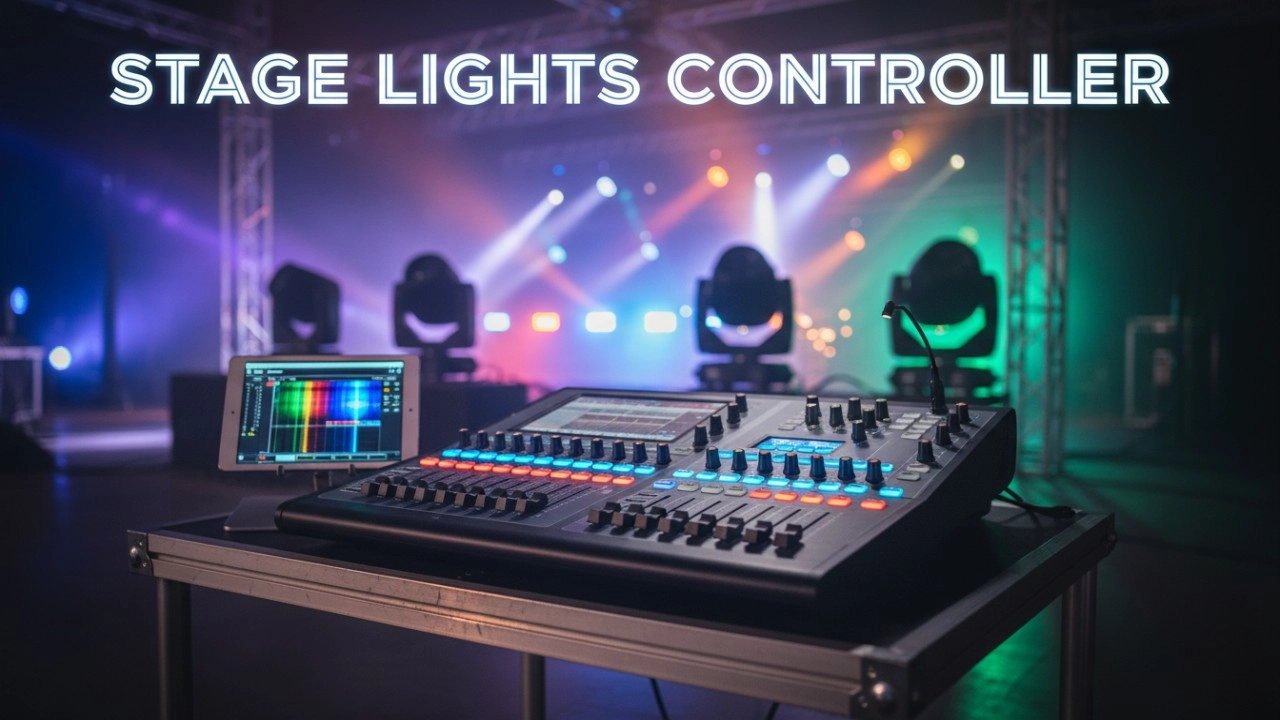
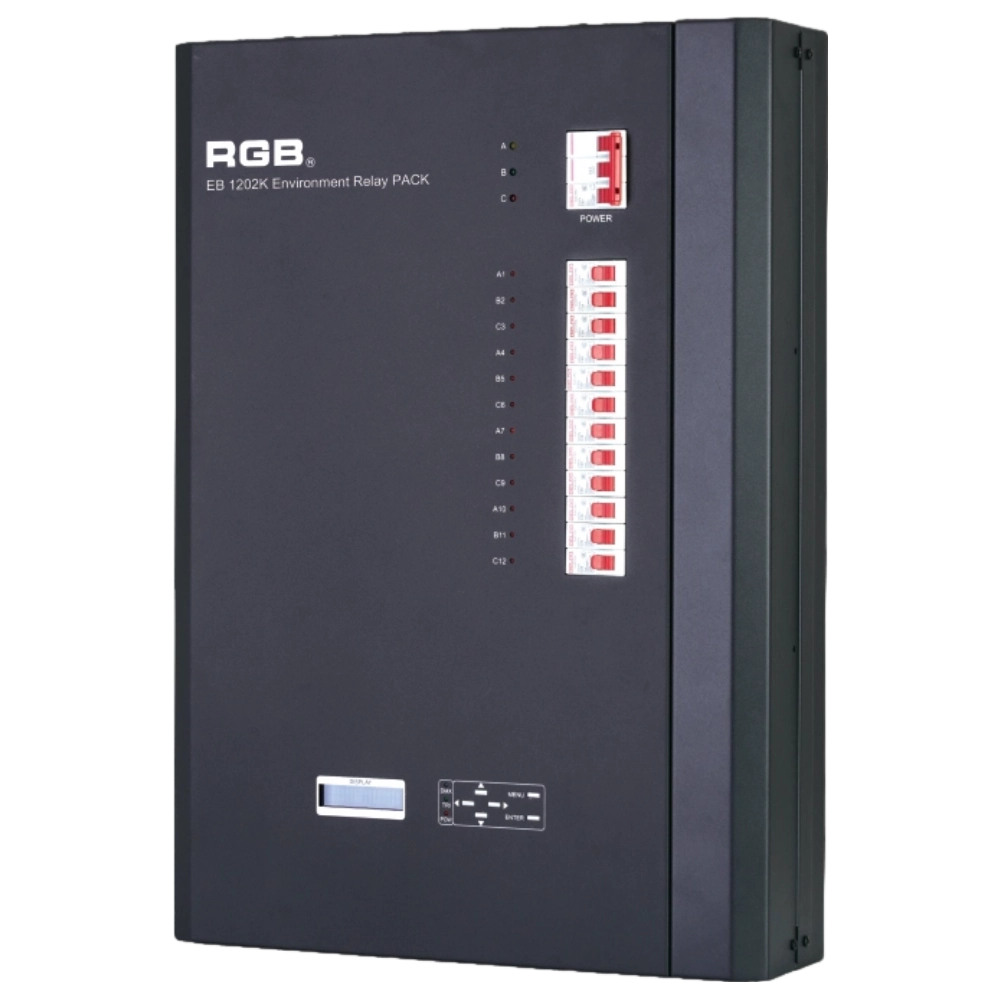
EB1202 Wall-Mounted Smart Site Light Control Series
Wall-mounted smart lighting controller with CE certification, DMX512 compatibility, flexible 12/24-channel output, scene backup, intelligent interface, and multiple dimming curves for precise professional lighting control.
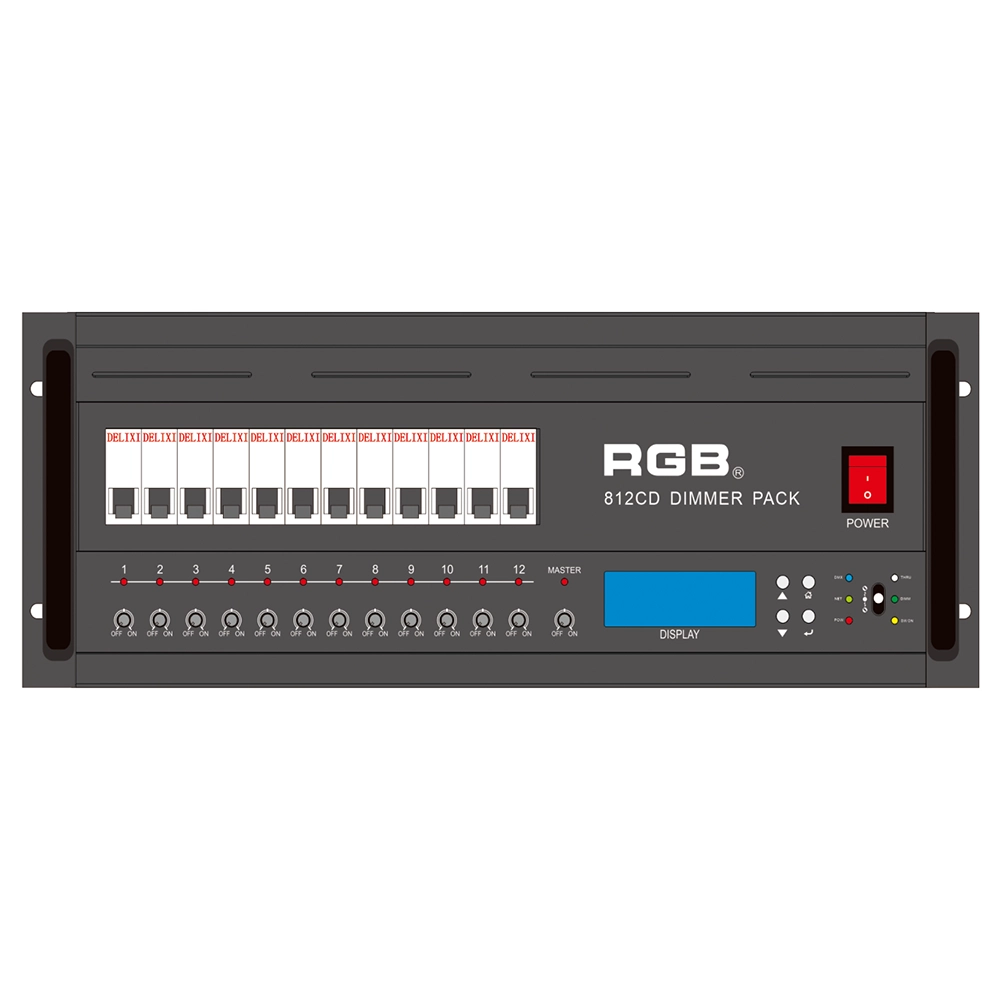
8 Series Intellight Dimmer/Relay Packs
RGB is the latest development and production of all digital, intelligent, and network dimming through the hybrid silicon box. It comes with six channels (806 silicon box), twelve channels (812 silicon box) with analog knob dimming, 49 DMX field recordings and replays (field backup function), and self-programming and recording field. RGB-8 silicon box with DMX512 digital signal input and RJ45 network input interface, with various types of dimming stations at home and abroad used. It is a powerful, stable performance and reliable work of a new generation of intelligent digital dimming through a hybrid silicon box.
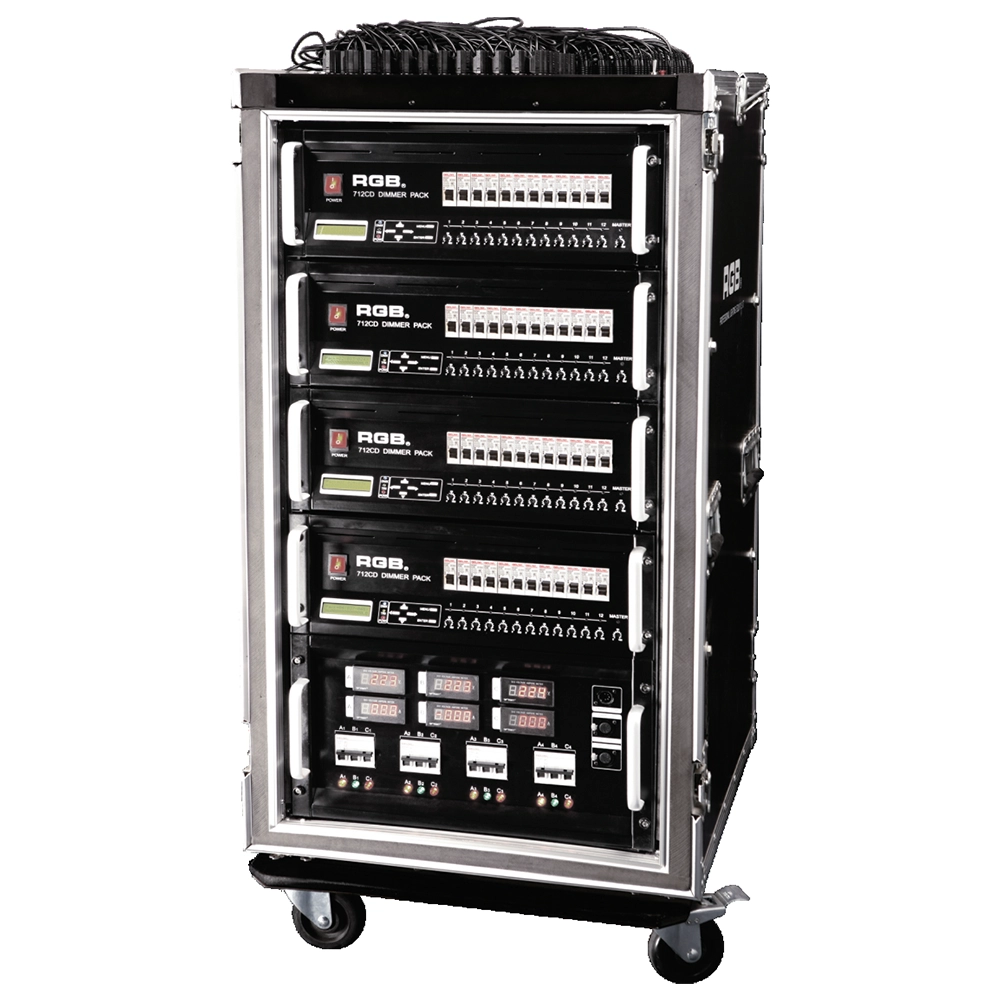
Intelligent Network Touring Dimmer Racks
RGB intelligent network touring dimmer racks can be assembledinto many types of dimmer racks by taking 7 series dimmer
packs as the unit. They are widely used in the entertainment fortheir convenience and practicabillity,
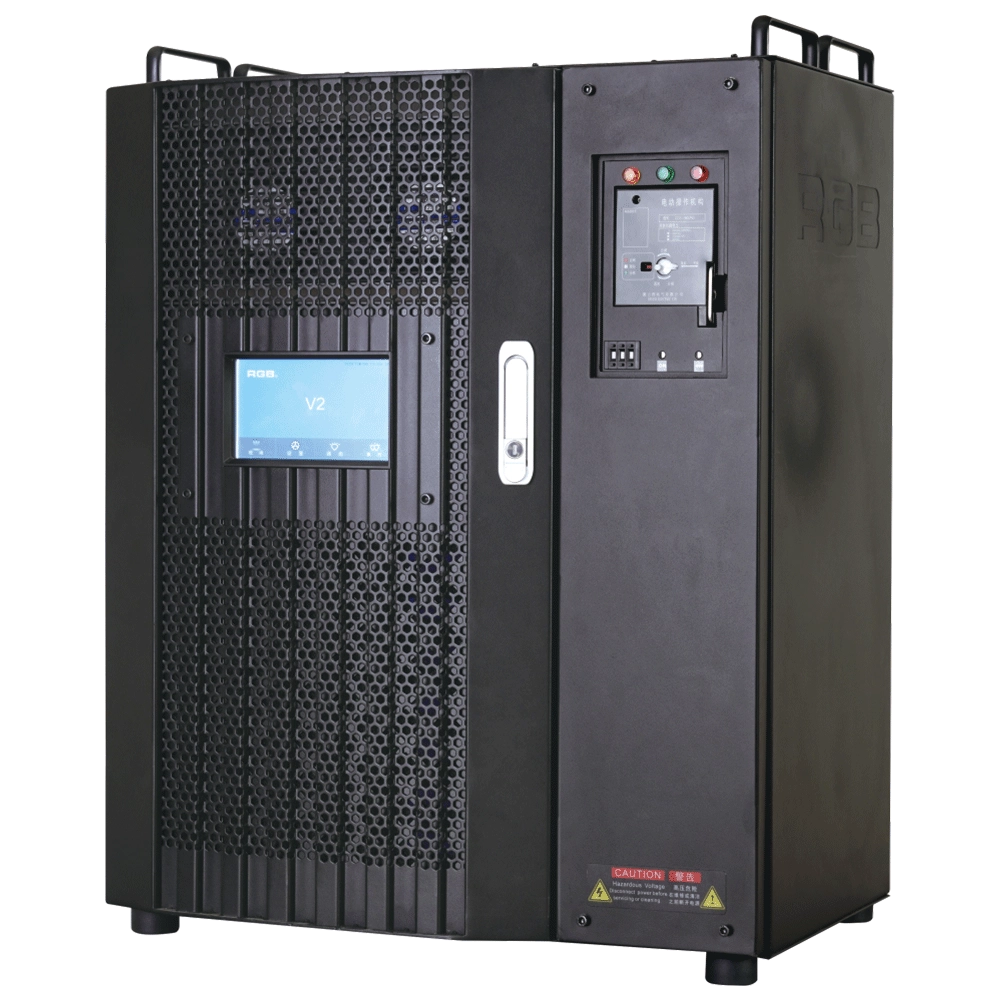
V2 Intelligent Network Dimmer/Relay Racks
V2 is an artificial intelligence dimming rack independently developed by RGB, which has completely independent core technology and obtained software copyrights. It is a fully digital electrodeless trigger and multi-backup independent CPU central processor technology. It has a variety of output configurations, such as sine wave, thyristor, relay, dimming relay, etc. It supports visual lighting control system and visually displays the online and offline status of dimming racks. Realize remote monitoring, editing, and setting of relevant parameters.
It is widely used in performing arts and cultural venues such as theaters, concert halls, multi-function halls, cultural travel and performing arts, TV stations, gymnasiums, auditoriums, commercial art lighting and so on.
Expert Support
Interested in learning more or need expert guidance related to this article? Fill in your details, and our team will provide tailored support.
Intelligent Control. Brilliant Performance.
RGB specializes in stage lighting control systems, delivering intelligent, reliable, and high-performance solutions for theaters and performance spaces worldwide.
Contact
Email:
Tel:
+86 20 3928 0245
+86 20 3928 0247
Address:
No.3, Huashan Road, Shilou Town, Panyu, Guangzhou, China.
Whatsapp: +8615975520131