
Can stage light dimmers integrate with Dante or Art-Net?
|
- 1. How do stage light dimmers integrate with Dante and Art-Net protocols?
- 2. What are the technical requirements for integrating stage light dimmers with Art-Net?
- 3. What challenges might arise when integrating stage light dimmers with Art-Net, and how can they be mitigated?
- 4. How does integrating stage light dimmers with Art-Net enhance performance in live events?
- 5. Are there alternative protocols to Art-Net for integrating stage light dimmers, and how do they compare?
- 6. What are the best practices for maintaining a stable integration between stage light dimmers and Art-Net?
1. How do stage light dimmers integrate with Dante and Art-Net protocols?
Stage light dimmers can integrate with Dante and Art-Net protocols through the use of specialized converters and interfaces. Art-Net is a protocol that transmits DMX512 data over IP networks, allowing for the control of lighting fixtures via Ethernet. Dante, primarily an audio-over-IP protocol, is not inherently designed for lighting control but can be utilized in conjunction with Art-Net for synchronized audio-visual productions. To achieve integration, devices such as the Artnet-DMX-8 converter can be employed to bridge Art-Net data to DMX512 signals, enabling compatibility with various lighting dimmers.
2. What are the technical requirements for integrating stage light dimmers with Art-Net?
Integrating stage light dimmers with Art-Net requires a robust network infrastructure capable of handling the data transmission demands. Key technical considerations include:
Network Bandwidth: Art-Net can support multiple DMX universes, each containing 512 channels. Ensure that the network can accommodate the cumulative bandwidth required for the total number of universes in use.
Latency Management: Art-Net typically offers low latency, but network configurations and equipment quality can impact performance. It's crucial to monitor and optimize network latency to maintain real-time control of lighting fixtures.
Device Compatibility: Verify that all lighting dimmers and control devices support Art-Net protocol. Some devices may require firmware updates or additional hardware interfaces to achieve compatibility.
Network Configuration: Proper network setup, including IP addressing, subnetting, and routing, is essential to ensure seamless communication between Art-Net controllers and dimmers.
By addressing these technical requirements, professionals can establish a reliable and efficient integration between stage light dimmers and Art-Net protocols.
3. What challenges might arise when integrating stage light dimmers with Art-Net, and how can they be mitigated?
Integrating stage light dimmers with Art-Net can present several challenges:
Network Congestion: High data traffic from multiple Art-Net universes can lead to network congestion, affecting performance. To mitigate this, segment the network appropriately and prioritize lighting control traffic.
Signal Interference: Electrical interference can disrupt Art-Net signals, especially over long cable runs. Use shielded cables and maintain proper grounding to minimize interference.
Firmware Incompatibility: Differences in firmware versions between controllers and dimmers can cause integration issues. Regularly update firmware and consult manufacturer documentation to ensure compatibility.
Latency Issues: Excessive latency can disrupt synchronized lighting effects. Optimize network routes and minimize the number of devices between controllers and dimmers to reduce latency.
Proactively addressing these challenges through careful planning and configuration can lead to a successful integration of stage light dimmers with Art-Net.
4. How does integrating stage light dimmers with Art-Net enhance performance in live events?
Integrating stage light dimmers with Art-Net offers several performance enhancements for live events:
Scalability: Art-Net allows for the control of numerous DMX universes over a single network, facilitating the management of extensive lighting setups without the need for multiple physical DMX cables.
Flexibility: Art-Net's network-based architecture enables dynamic reconfiguration of lighting setups, accommodating changes in venue layout or performance requirements without significant hardware modifications.
Synchronization: Art-Net supports precise timing and synchronization, ensuring that lighting cues are executed in harmony with audio and video elements, which is crucial for immersive audience experiences.
Remote Management: Art-Net facilitates remote monitoring and control of lighting systems, allowing technicians to make real-time adjustments during performances, thereby enhancing operational efficiency.
By leveraging Art-Net integration, professionals can achieve a more adaptable and responsive lighting control system, elevating the quality of live events.
5. Are there alternative protocols to Art-Net for integrating stage light dimmers, and how do they compare?
Yes, alternative protocols such as sACN (Streaming Architecture for Control Networks) and KiNet are available for integrating stage light dimmers:
sACN: An ANSI standard protocol designed for streaming DMX data over IP networks. sACN supports a higher number of universes compared to Art-Net and includes built-in synchronization and priority management features. However, it requires multicast support in the network infrastructure, which may necessitate managed switches. ((https://www.rgbsystem.com/guides/stage-light-control-systems-dmx-artnet-sacn/))
KiNet: A protocol developed by Philips Color Kinetics for controlling LED lighting fixtures. KiNet is optimized for LED control and offers features like color calibration and diagnostics. Its adoption is more limited compared to Art-Net and sACN.
When choosing between these protocols, consider factors such as the scale of the lighting system, network infrastructure, device compatibility, and specific project requirements to determine the most suitable option.
6. What are the best practices for maintaining a stable integration between stage light dimmers and Art-Net?
To ensure a stable integration between stage light dimmers and Art-Net, adhere to the following best practices:
Network Design: Implement a well-structured network topology with adequate bandwidth and redundancy to support Art-Net traffic.
Regular Firmware Updates: Keep all devices updated with the latest firmware to ensure compatibility and access to new features.
Signal Integrity: Use high-quality, shielded cables and connectors to maintain signal integrity over long distances.
Monitoring Tools: Utilize network monitoring tools to detect and address issues promptly, ensuring continuous performance during events.
Training and Documentation: Provide comprehensive training for technical staff and maintain detailed documentation of the system configuration for efficient troubleshooting and maintenance.
By following these best practices, professionals can achieve a reliable and efficient integration between stage light dimmers and Art-Net, enhancing the overall quality of lighting control in live events.
For personalized assistance and to explore our range of lighting control solutions, please contact us at info@rgbsystem.com.
Latest News
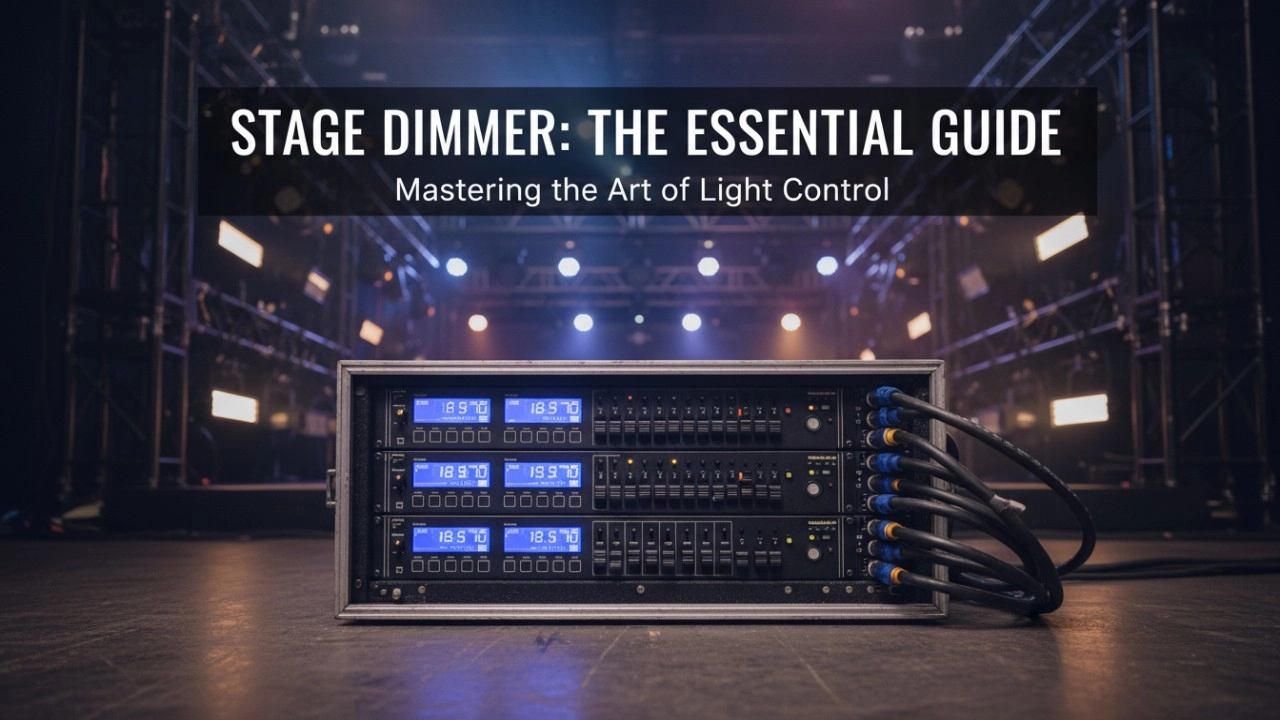
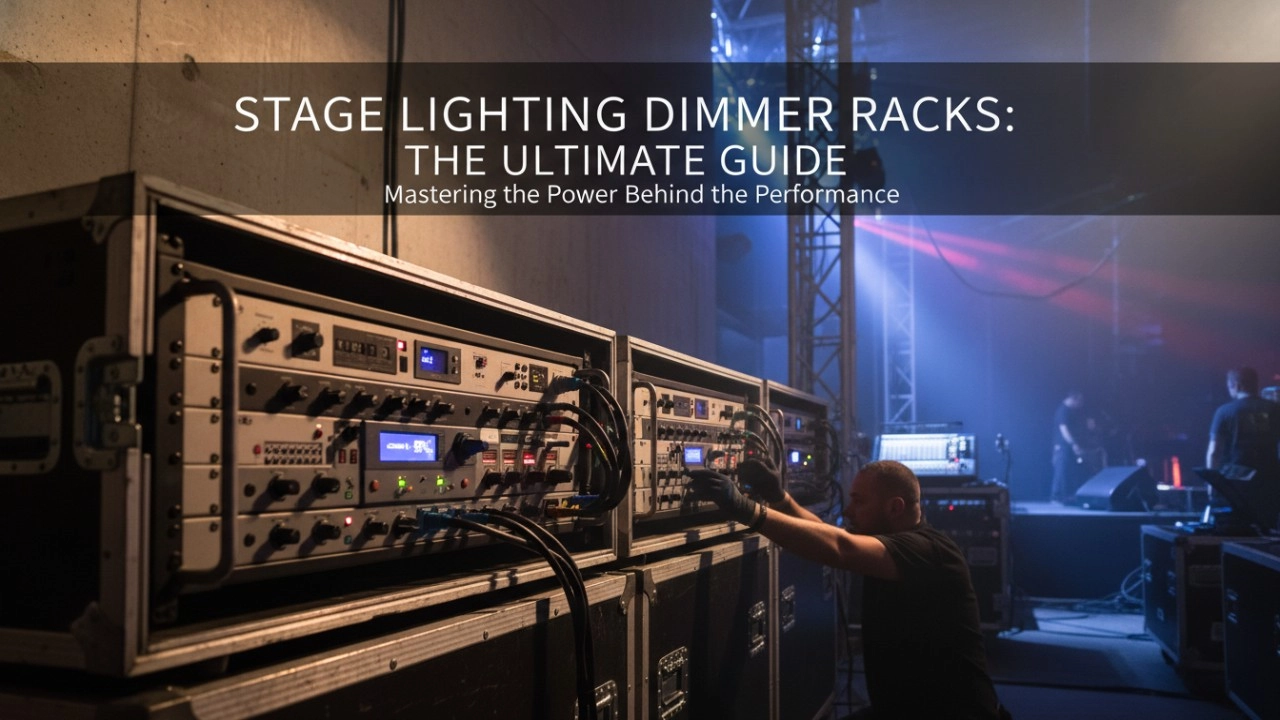
A comprehensive 2026 guide to selecting high-performance stage lighting dimmer racks. We review top hybrid systems, explore SCR vs sine wave technology, and analyze essential features like ThruPower for modern venues.
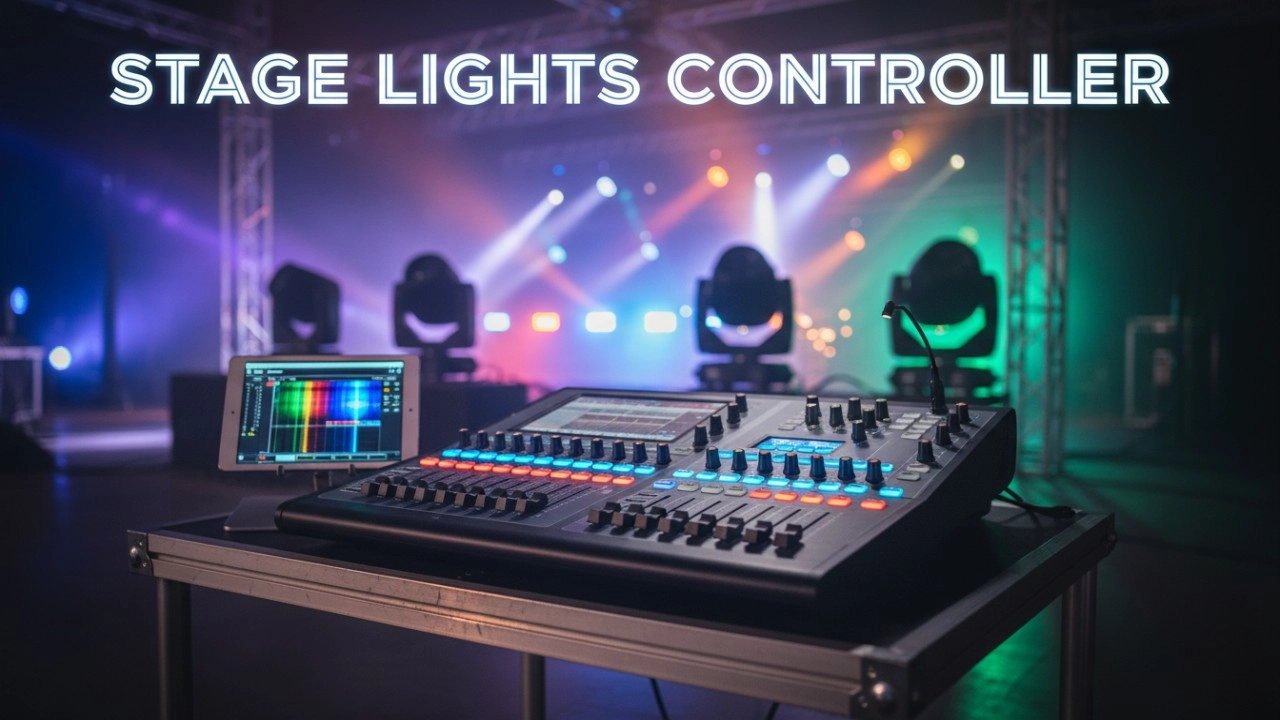
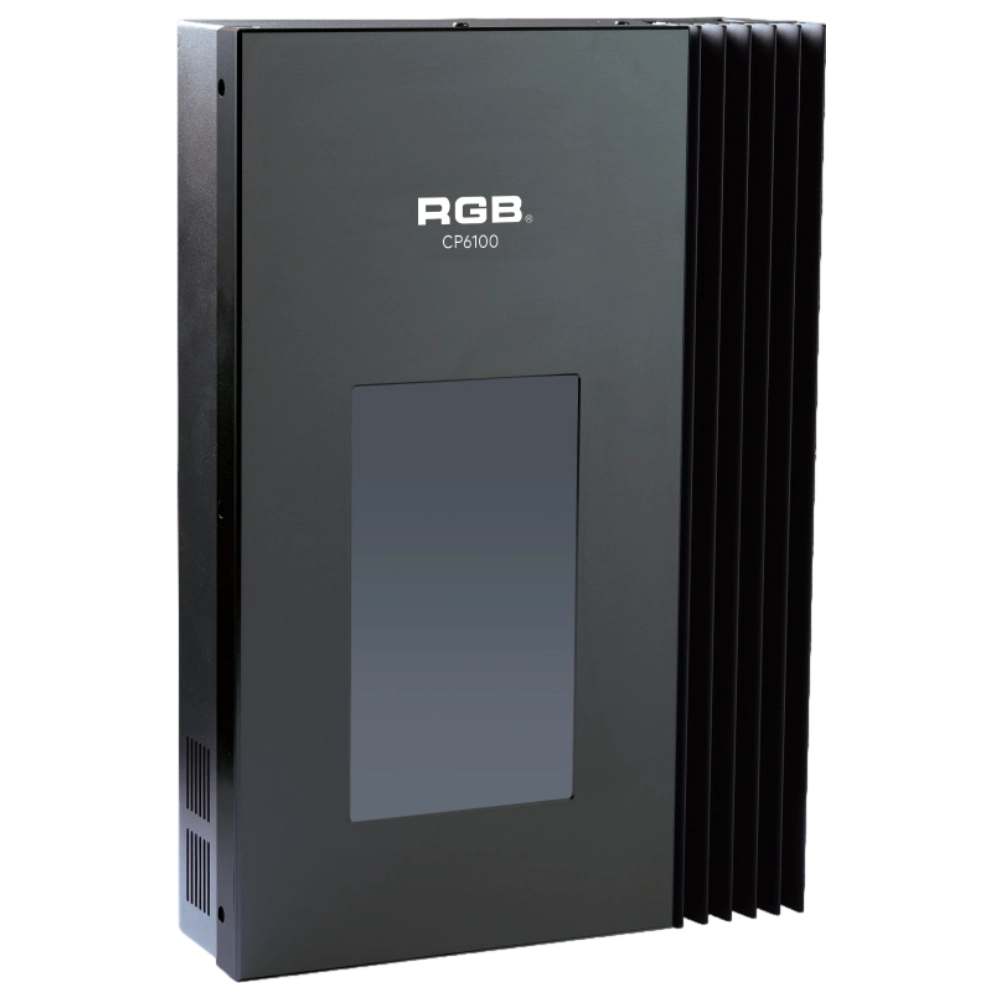
CP6100 Light Control System
The lighting control host is the main control device for theater stage lights, work lights, environmental lighting, commercial art lighting, sports venue lighting, and other places. By connecting the dedicated lighting control panels CP6104 and CP6108, it realizes the central control of the lighting system, supports a visual lighting control system, and intuitively displays the online and offline status of CP6100. Realize remote monitoring, editing, and setting of corresponding parameters.
It is widely applicable to theaters, cinemas, auditoriums, stadiums, museums, exhibition halls, cultural tourism performances, commercial art lighting, and other places.
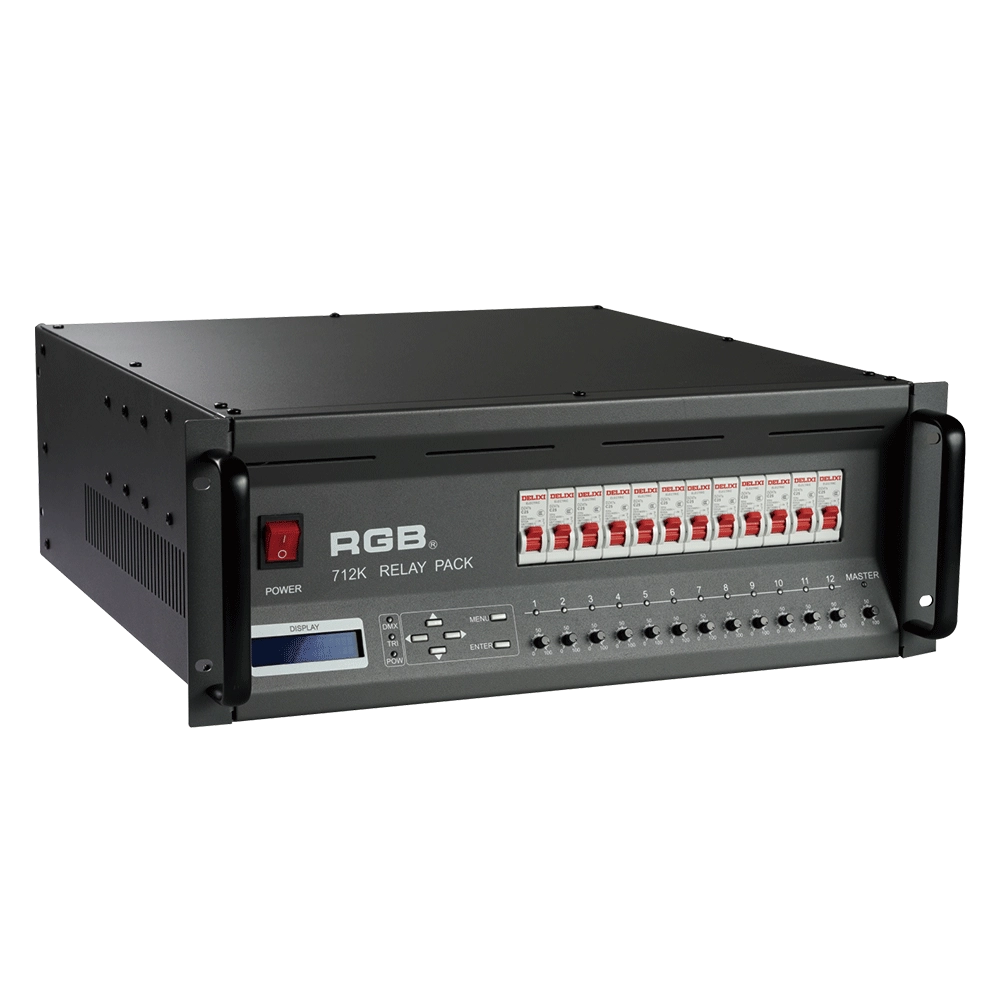
Alloy Relay Packs
High-performance DMX512 relay dimming unit with 512 addressable circuits, phase-loss protection, dual-signal amplification, 20A output per channel, and robust design for reliable stage and mobile lighting applications.
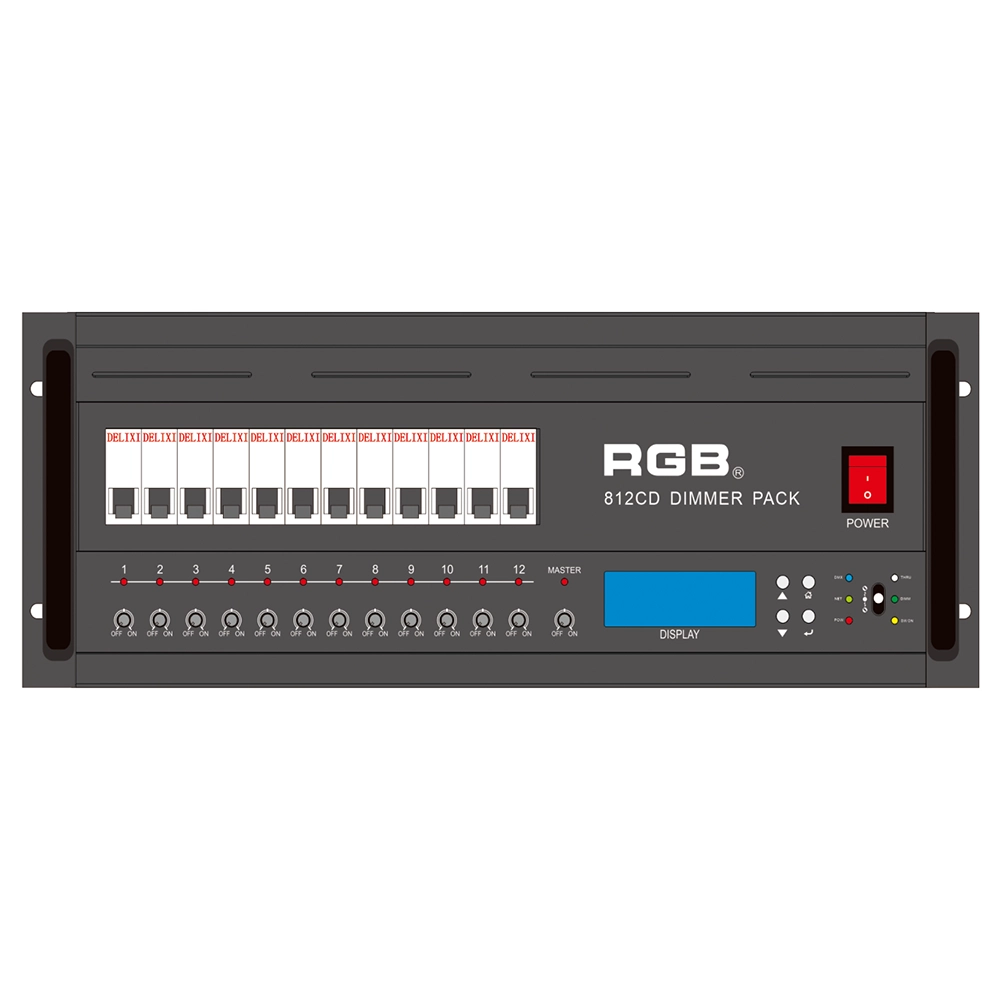
8 Series Intellight Dimmer/Relay Packs
RGB is the latest development and production of all digital, intelligent, and network dimming through the hybrid silicon box. It comes with six channels (806 silicon box), twelve channels (812 silicon box) with analog knob dimming, 49 DMX field recordings and replays (field backup function), and self-programming and recording field. RGB-8 silicon box with DMX512 digital signal input and RJ45 network input interface, with various types of dimming stations at home and abroad used. It is a powerful, stable performance and reliable work of a new generation of intelligent digital dimming through a hybrid silicon box.
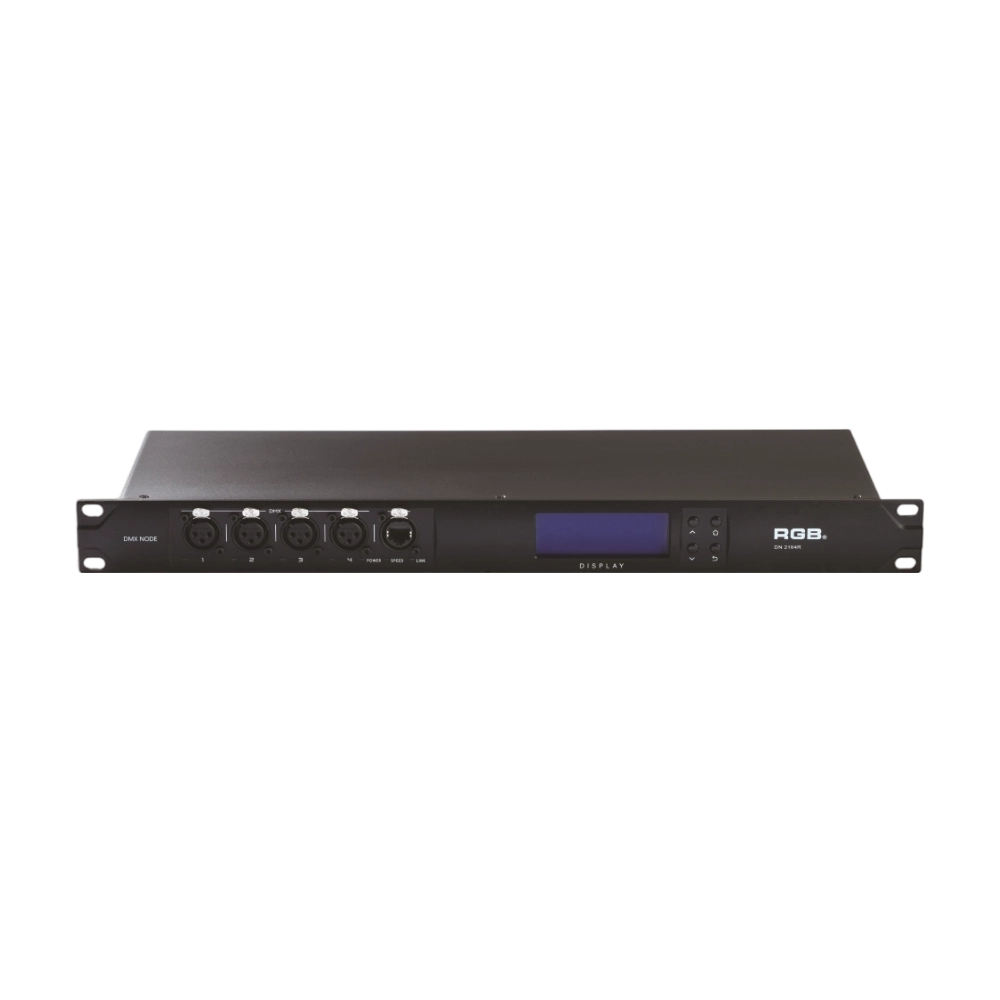
DMX, RDM Nodes
The DN series dual network port network decoder is a lighting control system product independently developed by RGB, featuring completely independent core technology and software copyright. It seamlessly connects and decodes the sACN and ART-Net network protocols based on TCP/IP with the DMX-512 and RDM communication protocols, achieving gigabit communication with dual independent physical address codes. Supports a visual lighting control system, intuitively displaying the online and offline status of the DN series network decoders, and enabling remote monitoring, editing, and setting of corresponding parameters.
It is widely applied in theaters, concert halls, multi-functional halls, cultural and tourism performances, TV stations, gymnasiums, auditoriums, commercial art lighting, and other performance and cultural venues.
Expert Support
Interested in learning more or need expert guidance related to this article? Fill in your details, and our team will provide tailored support.
Intelligent Control. Brilliant Performance.
RGB specializes in stage lighting control systems, delivering intelligent, reliable, and high-performance solutions for theaters and performance spaces worldwide.
Contact
Email:
Tel:
+86 20 3928 0245
+86 20 3928 0247
Address:
No.3, Huashan Road, Shilou Town, Panyu, Guangzhou, China.
Whatsapp: +8615975520131