
How to integrate DMX controllers with lighting consoles and software?
|
- 1. How do I prevent signal degradation in long DMX cable runs?
- 2. What are the best practices for addressing and patching fixtures to avoid conflicts?
- 3. How can I synchronize DMX lighting with audio sources for live performances?
- 4. What are the common causes of unresponsive fixtures in a DMX setup?
- 5. How do I integrate DMX controllers with lighting consoles and software?
- 6. What are the advantages of using DMX lighting control systems in stage productions?
1. How do I prevent signal degradation in long DMX cable runs?
Signal degradation in extended DMX cable runs can lead to flickering or unresponsive fixtures. To mitigate this, consider the following strategies:
- Use High-Quality Cables: Employ DMX-rated cables with approximately 110-ohm impedance to ensure signal integrity. Avoid using microphone cables, as they are not designed for DMX and may cause interference.
- Implement DMX Terminators: Place a 120-ohm terminator at the end of the DMX chain to prevent signal reflections, which can cause instability.
- Limit Cable Lengths: Keep cable runs as short as possible. For longer distances, use DMX splitters or repeaters to maintain signal strength.
2. What are the best practices for addressing and patching fixtures to avoid conflicts?
Proper addressing and patching are crucial to prevent fixture conflicts and ensure accurate control:
- Unique DMX Addresses: Assign a unique starting address to each fixture, ensuring no overlap in channel assignments.
- Fixture Mode Compatibility: Verify that the fixture's selected mode matches the controller's patch to ensure correct function mapping.
- Documentation: Maintain a detailed record of all addresses and modes used to facilitate troubleshooting and future setups.
3. How can I synchronize DMX lighting with audio sources for live performances?
Synchronizing lighting with audio enhances the live performance experience. Here's how to achieve this integration:
- Use Compatible Software: Employ lighting control software that supports audio analysis and synchronization, such as DMXDesktop, which offers real-time audio analysis and beat detection.
- Implement MIDI or OSC Protocols: Utilize MIDI or OSC protocols to link lighting control software with audio sources, allowing for precise timing and effect triggering.
- Test Synchronization: Before the performance, conduct thorough testing to ensure that lighting effects align seamlessly with the audio cues.
4. What are the common causes of unresponsive fixtures in a DMX setup?
Unresponsive fixtures can disrupt a lighting setup. Common causes include:
- Incorrect DMX Addressing: Ensure that each fixture has a unique address and that the controller's patch matches the fixture's mode.
- Faulty Cables: Inspect all DMX cables for damage or loose connections, as these can prevent signals from reaching fixtures.
- Controller Issues: Verify that the lighting controller is functioning correctly and transmitting data.
5. How do I integrate DMX controllers with lighting consoles and software?
Integrating DMX controllers with lighting consoles and software involves several key steps:
- Choose Compatible Hardware: Select a DMX controller that supports the desired number of channels and is compatible with your lighting fixtures.
- Install Appropriate Software: Use lighting control software that offers features like real-time control, fixture management, and effect programming.
- Establish Communication Protocols: Ensure that the controller, console, and software communicate using standard protocols such as DMX, Art-Net, or sACN. ((https://www.rgbsystem.com/article/integrating-stage-lighting-control-av-automation/))
- Configure Addressing and Patching: Properly address and patch all fixtures within the software to match the physical setup.
- Test the System: Before live use, conduct comprehensive testing to confirm that all components work together seamlessly.
6. What are the advantages of using DMX lighting control systems in stage productions?
DMX lighting control systems offer several benefits for stage productions:
- Centralized Control: Manage all lighting and effects from a single point, streamlining operations.
- Real-Time Precision: Adjust lighting parameters instantly to match the performance dynamics.
- Scalability: Support setups ranging from small venues to large-scale productions with hundreds of channels.
- Programmable Shows: Create custom lighting sequences synchronized to music or video, enhancing the audience experience.
- Flexible Integration: Sync with MIDI, timecode, and atmospheric effects for a comprehensive show control.
By understanding and addressing these common challenges, you can ensure a reliable and effective DMX lighting setup for your stage productions. For personalized assistance or to request a quote, please contact us at info@rgbsystem.com or visit our website at www.rgbsystem.com.
Latest News
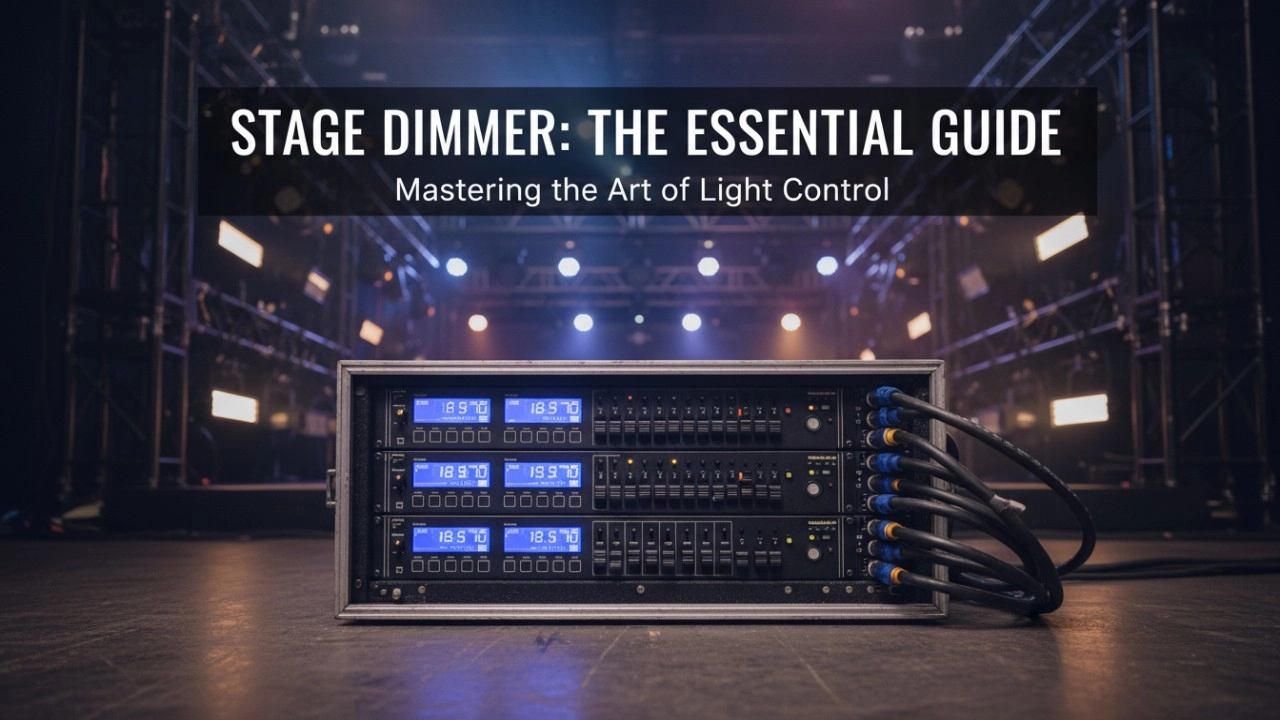
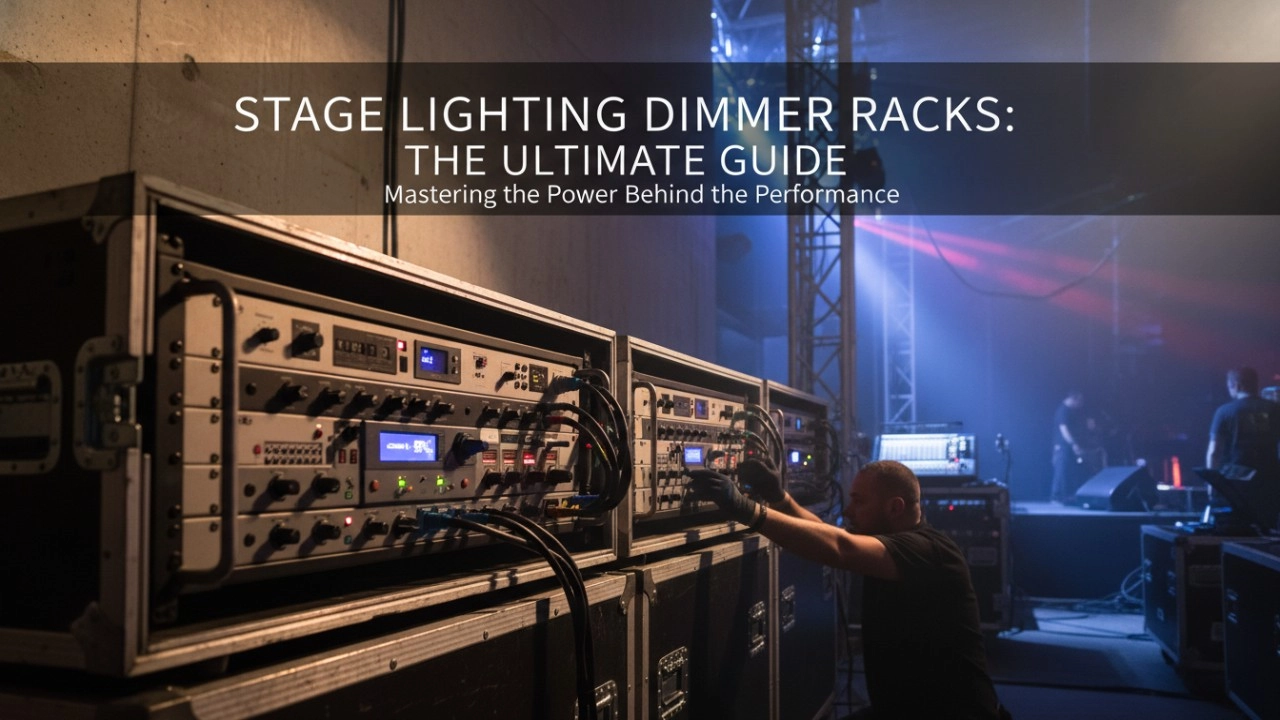
A comprehensive 2026 guide to selecting high-performance stage lighting dimmer racks. We review top hybrid systems, explore SCR vs sine wave technology, and analyze essential features like ThruPower for modern venues.
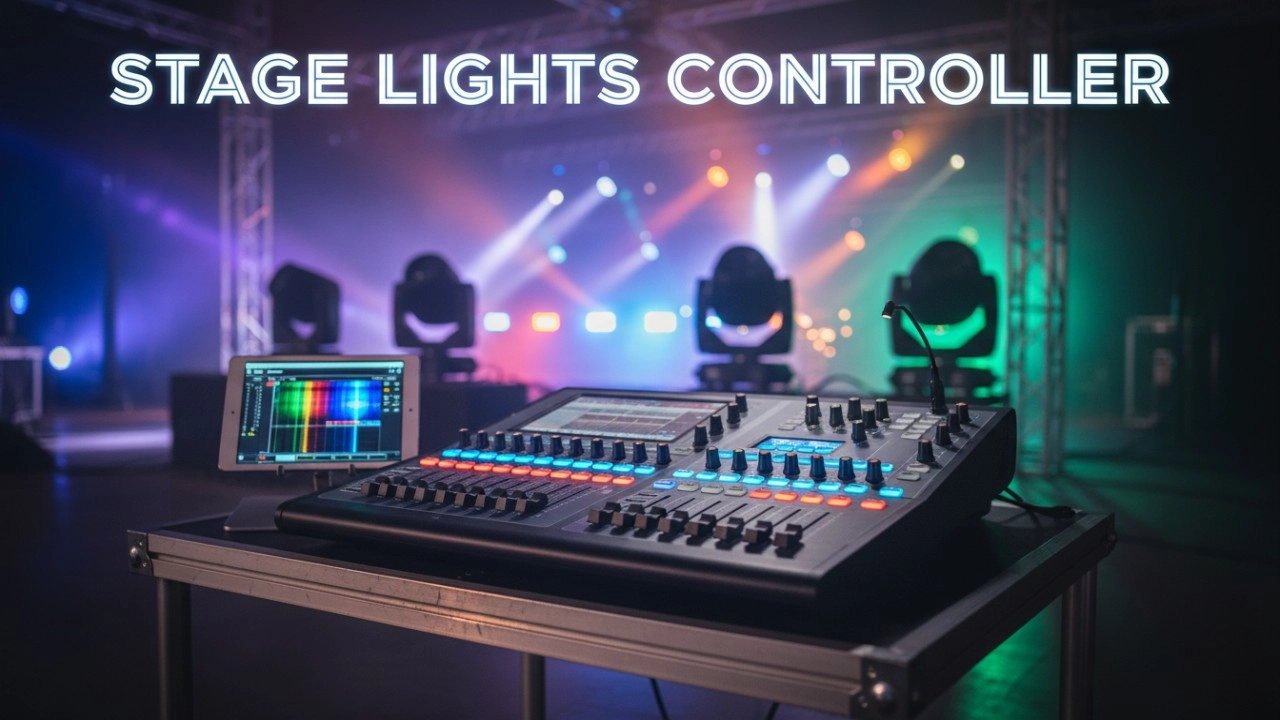
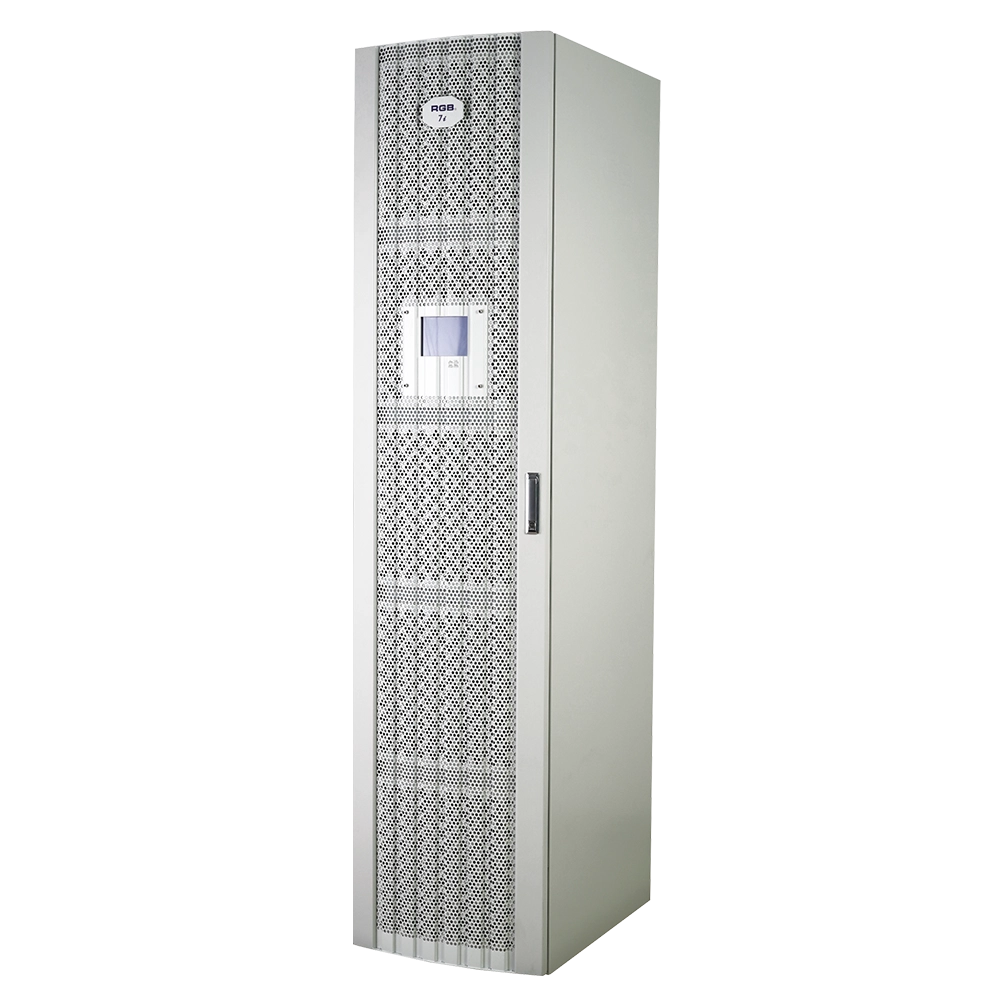
7i Dimmer/Relay Racks
7i is RGB independent research and development, with completely independent core technology, full digital decoding technology dimming racks, using a dual system, double decoding, double trigger, and duplex dual backup central decoding processor, with thyristor, relay, dimming relay mixed and other output configurations, supporting a visual lighting control system, intuitive display of dimming racks' online and offline status, and remote monitoring.
It is widely used in performing arts and cultural venues such as theaters, concert halls, multi-function halls, cultural travel and performing arts, TV stations, gymnasiums, auditoriums, commercial art lighting and so on.
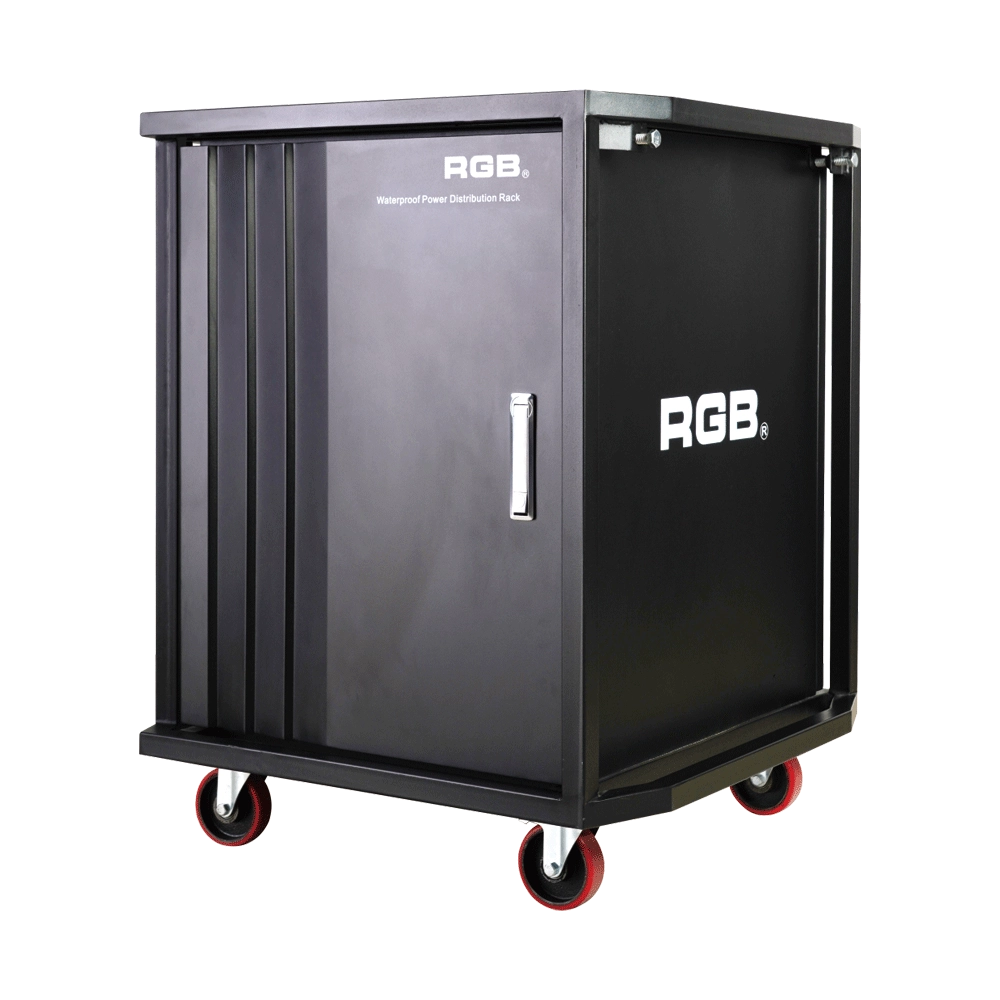
Multifunction Waterproofing Racks Of RGB-W Series
With the continuous development of flow performance, the requirement for performance is more demanding. In order to facilitate the transportation and make it easier to carry for all the equipment used in the performance, the stage light and sound equipment will be installed into a cabinet, for example, the power supply system. During the transportation process, it is inevitable for a collision or crash to take place. If the cabinet material is not strong enough, it may lead to deformation and even damage the equipment inside. Moreover, most of the existing cabinets are not waterproof. It will be very dangerous for the flow performance, as it is normal and inevitable to encounter rainy days. As the equipment inside the cabinets is electriferous, it might cause damage to the electronic equipment at least and even cause casualties at worst. Meanwhile, most of the existing cabinets can only be installed with one kind of equipment with a single variety.
In order to overcome the above-mentioned technical flaw, the RGB company has developed a new type of waterproofing multifunction cabinet of the W series. The waterproofing cabinet of the W series meets the need for the installation of dimming and tone-tuning devices, transportation, and utilization.
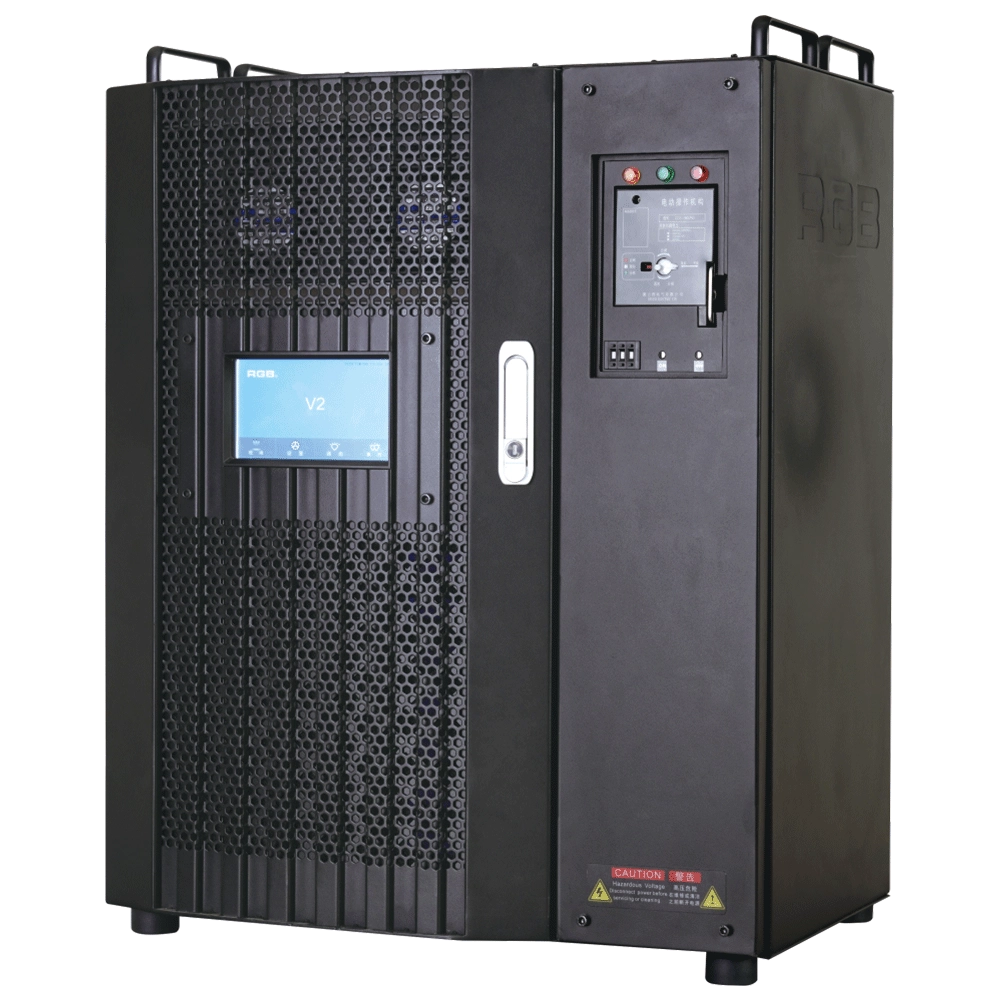
V2 Intelligent Network Dimmer/Relay Racks
V2 is an artificial intelligence dimming rack independently developed by RGB, which has completely independent core technology and obtained software copyrights. It is a fully digital electrodeless trigger and multi-backup independent CPU central processor technology. It has a variety of output configurations, such as sine wave, thyristor, relay, dimming relay, etc. It supports visual lighting control system and visually displays the online and offline status of dimming racks. Realize remote monitoring, editing, and setting of relevant parameters.
It is widely used in performing arts and cultural venues such as theaters, concert halls, multi-function halls, cultural travel and performing arts, TV stations, gymnasiums, auditoriums, commercial art lighting and so on.
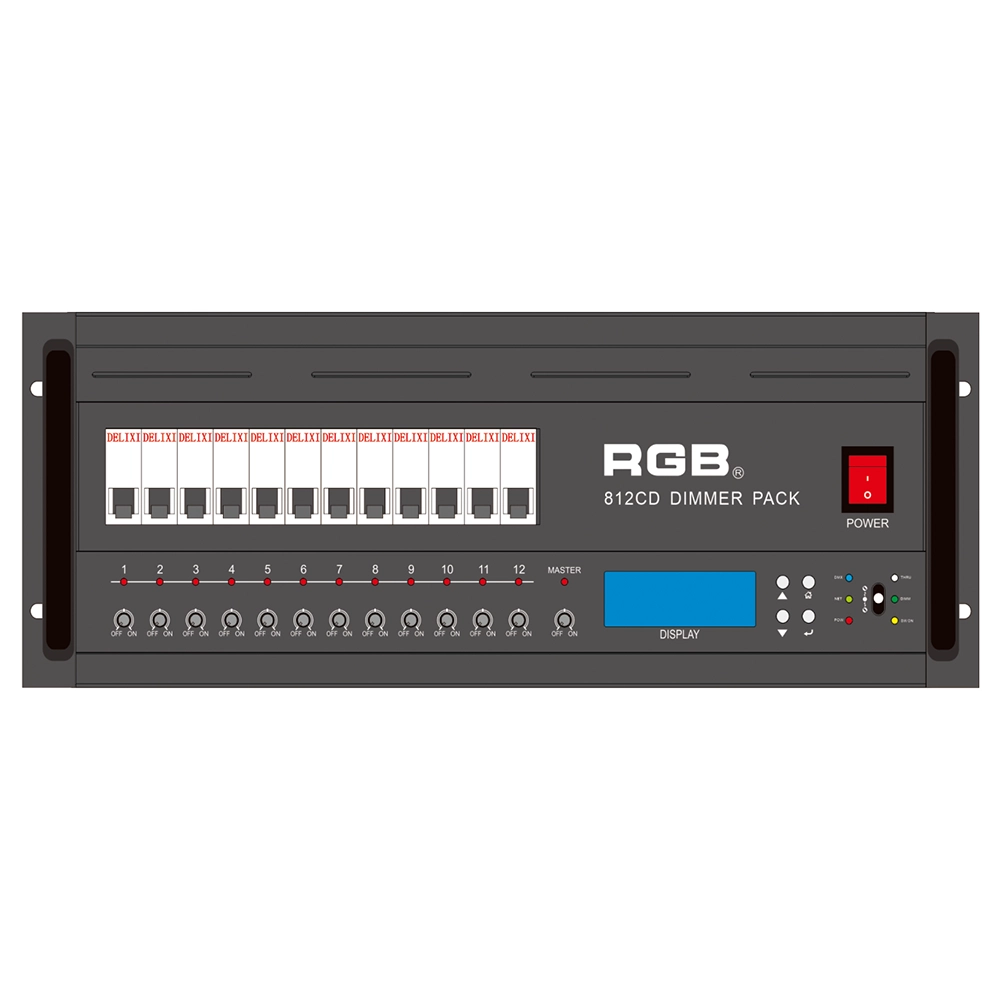
8 Series Intellight Dimmer/Relay Packs
RGB is the latest development and production of all digital, intelligent, and network dimming through the hybrid silicon box. It comes with six channels (806 silicon box), twelve channels (812 silicon box) with analog knob dimming, 49 DMX field recordings and replays (field backup function), and self-programming and recording field. RGB-8 silicon box with DMX512 digital signal input and RJ45 network input interface, with various types of dimming stations at home and abroad used. It is a powerful, stable performance and reliable work of a new generation of intelligent digital dimming through a hybrid silicon box.
Expert Support
Interested in learning more or need expert guidance related to this article? Fill in your details, and our team will provide tailored support.
Intelligent Control. Brilliant Performance.
RGB specializes in stage lighting control systems, delivering intelligent, reliable, and high-performance solutions for theaters and performance spaces worldwide.
Contact
Email:
Tel:
+86 20 3928 0245
+86 20 3928 0247
Address:
No.3, Huashan Road, Shilou Town, Panyu, Guangzhou, China.
Whatsapp: +8615975520131