
How to size a 3 phase dimmer rack for your venue?
|
- 1. How do I determine the appropriate power rating for a 3-phase dimmer rack in my venue?
- 2. What are the best practices for balancing the load across the three phases in a 3-phase dimmer rack?
- 3. How can I account for inrush currents when sizing a 3-phase dimmer rack?
- 4. What are the key considerations for the physical installation of a 3-phase dimmer rack in a venue?
- 5. How do I ensure compatibility between my lighting fixtures and the 3-phase dimmer rack?
- 6. What maintenance practices are essential for prolonging the lifespan of a 3-phase dimmer rack?
1. How do I determine the appropriate power rating for a 3-phase dimmer rack in my venue?
Selecting the correct power rating for a 3-phase dimmer rack is crucial to ensure efficient operation and prevent overloading. Begin by calculating the total wattage of all lighting fixtures that will be connected to the dimmer rack. For instance, if each fixture consumes 500W and you have 24 fixtures, the total load is 12,000W. It's advisable to choose a dimmer rack with a power rating that exceeds this total load to accommodate inrush currents and provide a safety margin. For example, a dimmer rack rated at 14,400W would be suitable for this setup.
2. What are the best practices for balancing the load across the three phases in a 3-phase dimmer rack?
Proper load balancing across the three phases is essential to prevent overheating and ensure the longevity of your dimmer rack. Distribute the dimmer channels evenly across the three phases, aiming to keep the phase currents within 10–15% of each other under typical programming. This approach helps maintain system stability and reduces the risk of overloading any single phase. ((https://www.rgbsystem.com/article/power-handling-load-balancing-rack-dimmer-racks/))
3. How can I account for inrush currents when sizing a 3-phase dimmer rack?
Inrush currents occur when lighting fixtures are powered on, often drawing significantly more current than their steady-state operating conditions. To accommodate these inrush currents, it's recommended to select a dimmer rack with a power rating that exceeds the total load by a safety margin. A common guideline is to choose a dimmer rack rated at approximately 1.3 times the total load to account for inrush currents and potential overloads.
4. What are the key considerations for the physical installation of a 3-phase dimmer rack in a venue?
When installing a 3-phase dimmer rack, consider the following factors:
Location: Install the dimmer rack in a well-ventilated area to prevent overheating. Ensure that air intake and exhaust vents are unobstructed to facilitate proper airflow.
Power Supply: Verify that the venue's electrical system can provide the required three-phase power supply, typically 120/208 VAC. Ensure that the power feed is dedicated to the dimmer rack to prevent interference from other equipment.
Safety: Implement appropriate safety measures, including circuit breakers and grounding, to protect both the equipment and personnel.
5. How do I ensure compatibility between my lighting fixtures and the 3-phase dimmer rack?
To ensure compatibility:
Fixture Type: Confirm that the dimmer rack supports the type of lighting fixtures you intend to use, such as incandescent, LED, or moving lights.
Dimming Protocols: Ensure that the dimmer rack is compatible with the dimming protocols required by your fixtures, such as DMX-512 or 0-10V.
Load Capacity: Verify that the dimmer rack can handle the combined wattage of all connected fixtures without exceeding its rated capacity.
6. What maintenance practices are essential for prolonging the lifespan of a 3-phase dimmer rack?
Regular maintenance is vital to ensure the longevity and reliable operation of your dimmer rack:
Filter Cleaning: Clean air intake filters every 30–90 days, depending on the environment, to prevent dust buildup and maintain airflow. ((https://www.rgbsystem.com/blog/dimmer-racks-stage-lighting-guide/))
Torque Checks: Annually, isolate power and tighten feeder lugs, as thermal expansion and contraction can loosen connections over time, leading to arcing. ((https://www.rgbsystem.com/blog/dimmer-racks-stage-lighting-guide/))
Load Balancing Verification: Regularly check that the load distribution across the three phases remains balanced to prevent overloading and ensure optimal performance.
By addressing these considerations, you can ensure that your 3-phase dimmer rack is appropriately sized, installed, and maintained, leading to a reliable and efficient lighting system for your venue.
For a personalized quote or further assistance, please contact us at info@rgbsystem.com or visit our website at www.rgbsystem.com.
Latest News
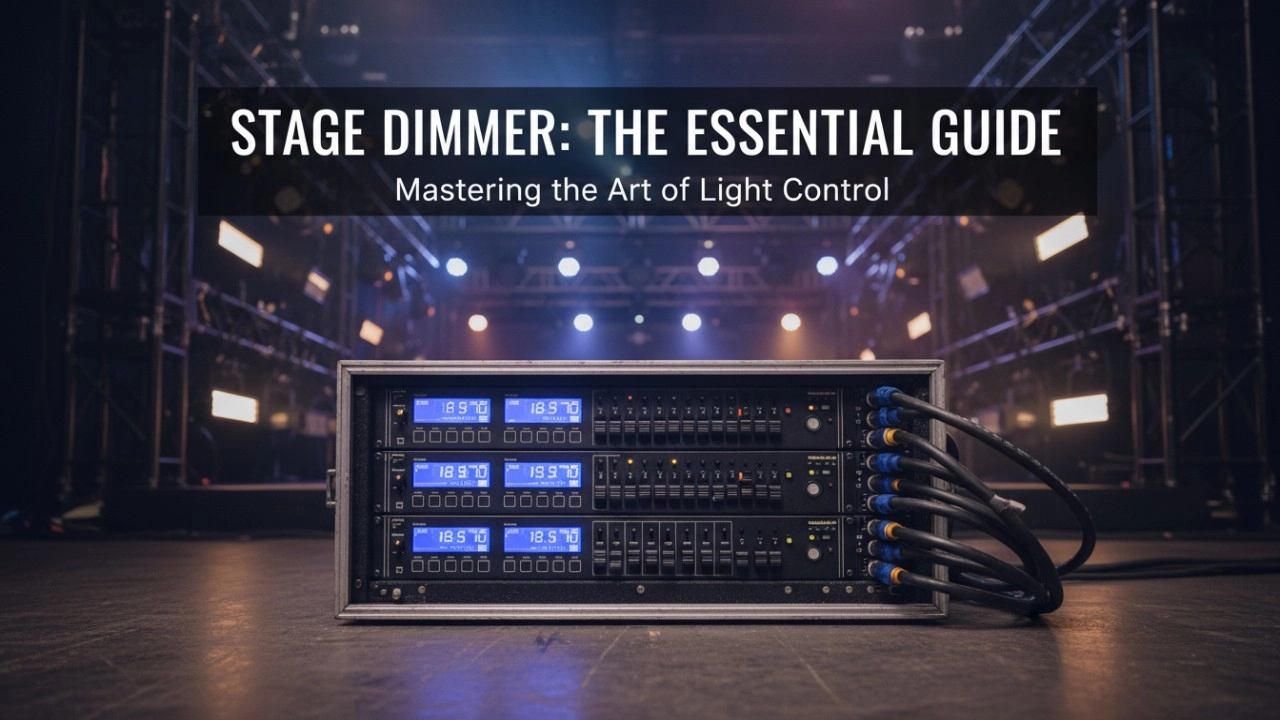
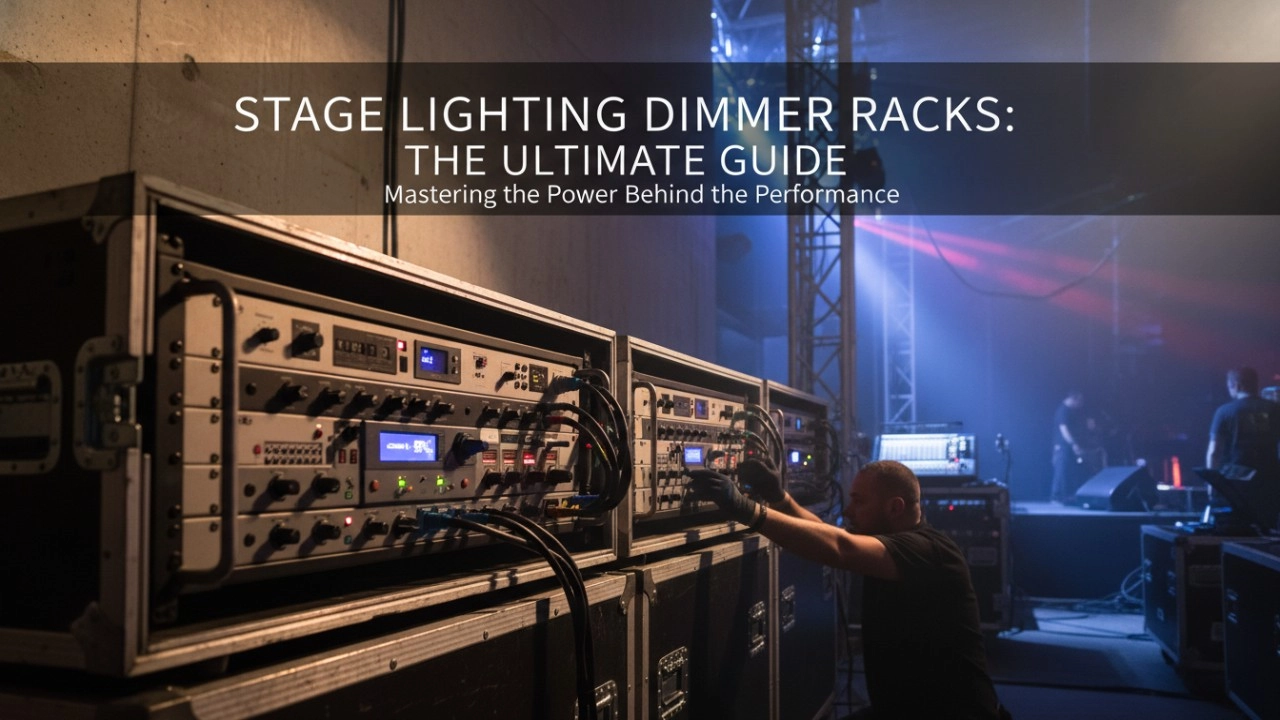
A comprehensive 2026 guide to selecting high-performance stage lighting dimmer racks. We review top hybrid systems, explore SCR vs sine wave technology, and analyze essential features like ThruPower for modern venues.
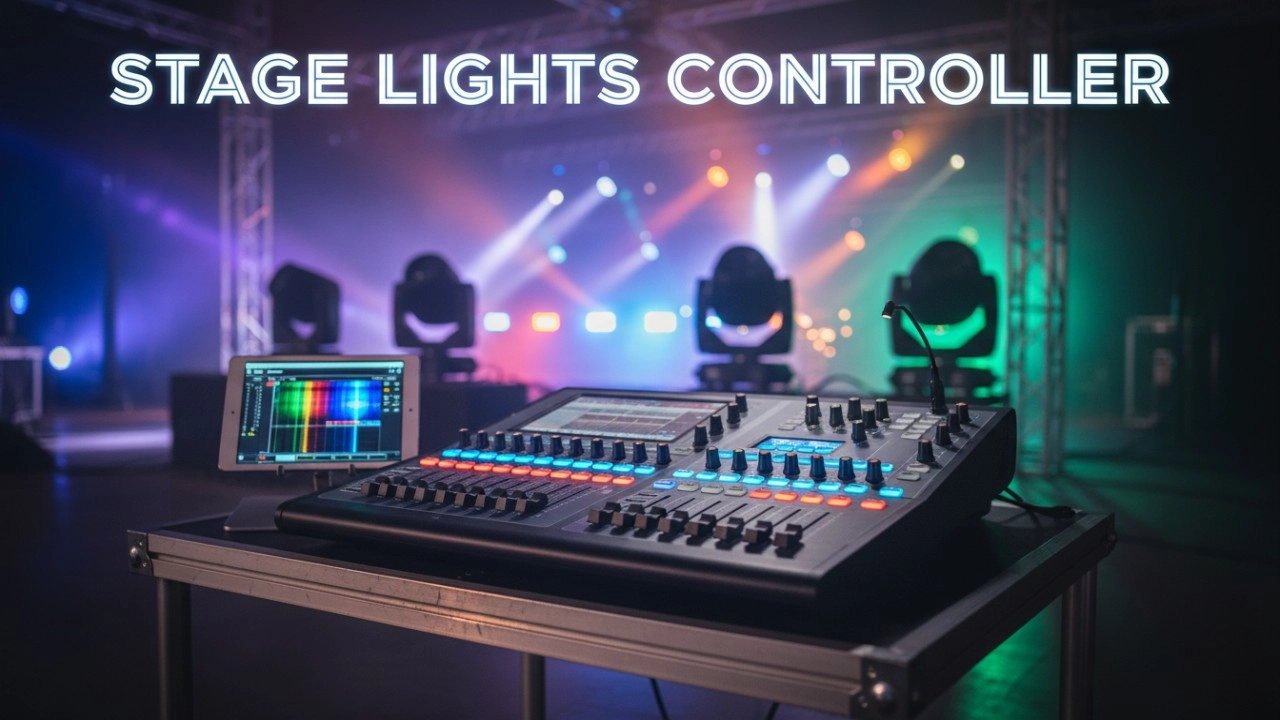
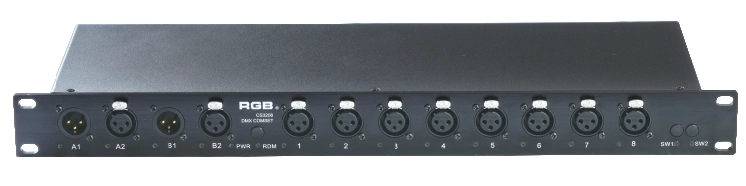
DMX&RDM Signal Mergers Amplifiers
The rack-mounted DMX signal amplifier complies with the DMX-512 standard protocol, improving the transmission quality of DMX-512 signals, ensuring the reliability of system control, and preventing faults such as reverse connection of AC high voltage in the lighting control system, high voltage intrusion due to lightning strikes, and line short circuits, which may affect the stability of the system.
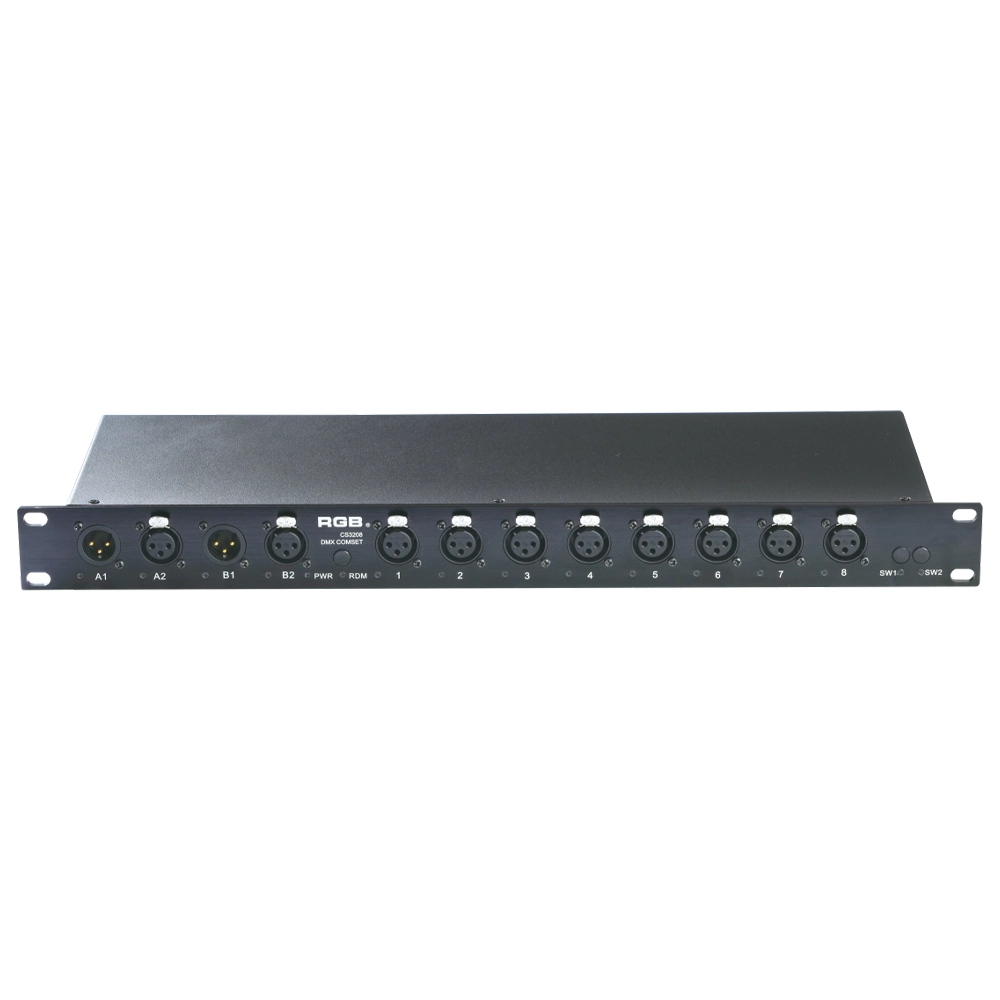
Multifunctional signal supercharger
The rack-mounted DMX signal amplifier complies with the DMX-512 standard protocol, improving DMX-512 signal transmission quality and ensuring reliable system control. It helps prevent issues such as AC high-voltage backflow into lighting control systems, lightning-induced surges, and signal interference caused by short circuits, thereby enhancing overall system stability.
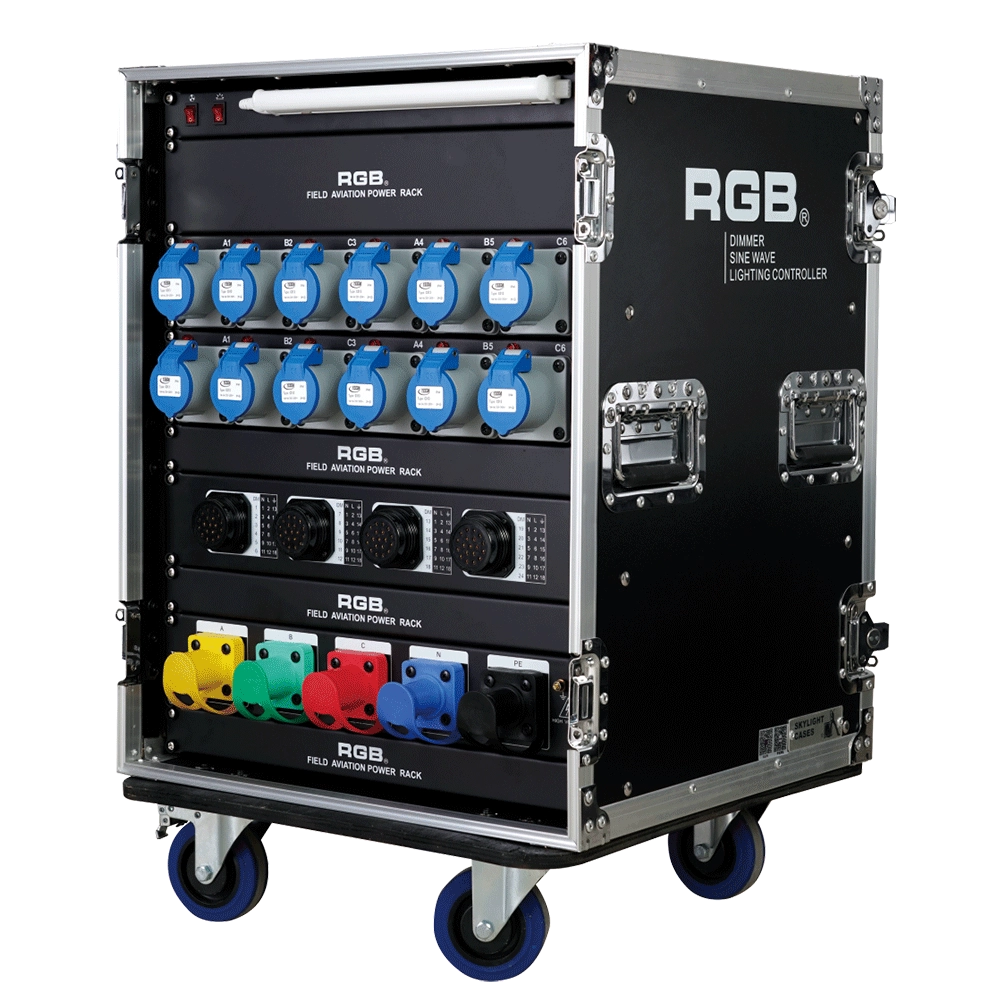
ZT2419+1216 Distribution Box
ZT2419+1216 features dual protection functions and is a power distribution product specifically designed for overcurrent and short circuits in electrical equipment. It is the best choice for mobile performance and is suitable for use in computer lamps, conventional lamps, and other equipment.
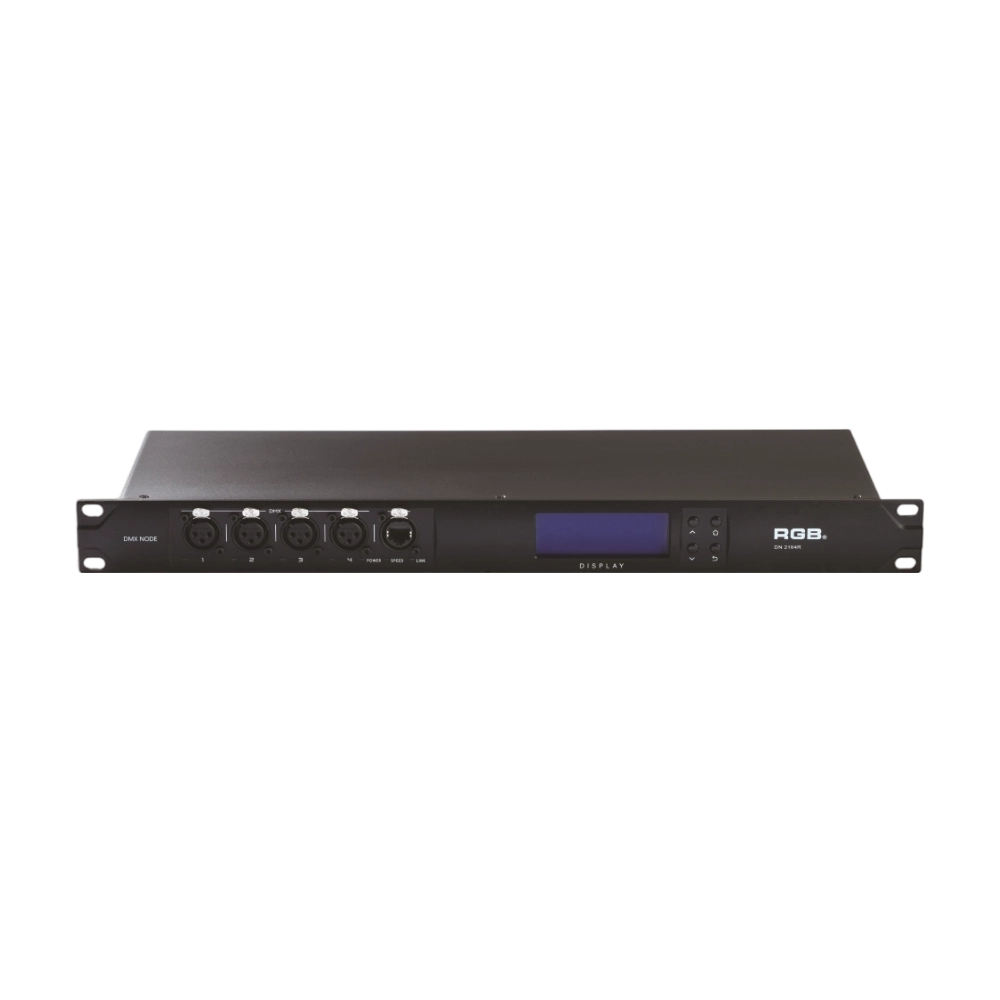
DMX, RDM Nodes
The DN series dual network port network decoder is a lighting control system product independently developed by RGB, featuring completely independent core technology and software copyright. It seamlessly connects and decodes the sACN and ART-Net network protocols based on TCP/IP with the DMX-512 and RDM communication protocols, achieving gigabit communication with dual independent physical address codes. Supports a visual lighting control system, intuitively displaying the online and offline status of the DN series network decoders, and enabling remote monitoring, editing, and setting of corresponding parameters.
It is widely applied in theaters, concert halls, multi-functional halls, cultural and tourism performances, TV stations, gymnasiums, auditoriums, commercial art lighting, and other performance and cultural venues.
Expert Support
Interested in learning more or need expert guidance related to this article? Fill in your details, and our team will provide tailored support.
Intelligent Control. Brilliant Performance.
RGB specializes in stage lighting control systems, delivering intelligent, reliable, and high-performance solutions for theaters and performance spaces worldwide.
Contact
Email:
Tel:
+86 20 3928 0245
+86 20 3928 0247
Address:
No.3, Huashan Road, Shilou Town, Panyu, Guangzhou, China.
Whatsapp: +8615975520131