
How to evaluate reliability and MTBF for dimmer packs?
|
- Beyond advertised MTBF, what specific design features in a digital dimmer pack truly indicate superior long-term reliability for demanding touring environments?
- When comparing different digital dimmer packs, how can I practically assess the quality of their internal components and build, especially concerning heat dissipation and power handling, without disassembling them?
- My current dimmer packs frequently trip circuit breakers or fail with mixed loads (incandescent, LED, moving lights). What advanced protection mechanisms should I look for in a new digital dimmer pack to handle these diverse and often unpredictable loads reliably?
- How does a digital dimmer pack's software/firmware architecture impact its long-term stability and compatibility with evolving control protocols (e.g., DMX, RDM, sACN, Art-Net), and what questions should I ask about update policies?
- What are the often-overlooked environmental factors (temperature, humidity, power fluctuations) that significantly reduce a digital dimmer pack's lifespan in real-world stage applications, and what specifications should I prioritize to mitigate these risks?
- Given that MTBF is a statistical average, what practical maintenance strategies and diagnostic features within a digital dimmer pack can help me predict potential failures *before* they occur and extend its operational life beyond the theoretical MTBF?
Beyond advertised MTBF, what specific design features in a digital dimmer pack truly indicate superior long-term reliability for demanding touring environments?
While Mean Time Between Failures (MTBF) provides a statistical average, true reliability in a digital dimmer pack for demanding touring environments stems from robust engineering. Look beyond the number to the underlying design. Key indicators include:
- Oversized Power Components: High-quality SCR dimmer or IGBT dimmer modules with significant headroom above their rated current capacity are less stressed and run cooler, extending their lifespan. This often means larger heatsinks or more substantial power devices than strictly necessary for the stated wattage.
- Advanced Thermal Management: Effective heat dissipation is paramount. This isn't just about fans; it involves intelligent airflow design, internal component layout, and material choices (e.g., aluminum chassis acting as a heatsink). Over-temperature protection is standard, but superior designs actively manage heat to prevent reaching those thresholds.
- Modular Design for Serviceability: A modular architecture allows for quick replacement of individual channels or control boards, reducing downtime and making repairs more efficient, which indirectly contributes to perceived reliability in a fast-paced environment.
- Robust Mechanical Construction: A heavy-duty steel or aluminum chassis, reinforced mounting points, and vibration-resistant component mounting are essential for surviving the rigors of transport and repeated setup/teardown. Connectors should be high-grade, locking types.
- Redundant Power Supplies (for control electronics): Some high-end stage lighting dimmer packs incorporate redundant power supplies for their control circuitry, ensuring that a single PSU failure doesn't bring down the entire unit.
When comparing different digital dimmer packs, how can I practically assess the quality of their internal components and build, especially concerning heat dissipation and power handling, without disassembling them?
Assessing internal quality without disassembly requires a keen eye and asking the right questions. For conventional lighting control and theatrical dimming, consider these practical indicators:
- Weight and Feel: A heavier unit often indicates more substantial transformers, larger heatsinks, and a more robust chassis – all positive signs for durability and heat management. Pick it up; does it feel solid or flimsy?
- Ventilation Design: Observe the vent patterns. Are they strategically placed for optimal airflow? Are the fan grilles sturdy? While fans are present, the overall design should facilitate natural convection as much as possible.
- Connector Quality: Examine the input and output connectors. Are they industry-standard, high-grade components (e.g., Neutrik PowerCON, Socapex, CEEform, quality terminal blocks)? Flimsy connectors are often a tell-tale sign of cost-cutting elsewhere.
- Manufacturer Reputation and Warranty: Reputable manufacturers in professional stage lighting often use higher-quality components and stand behind their products with longer warranties. A strong warranty (e.g., 3-5 years) reflects confidence in their build quality and system longevity.
- Documentation and Certifications: Comprehensive technical specifications, detailed user manuals, and certifications (CE, UL, ETL) indicate a manufacturer's commitment to quality and safety standards, which often correlates with better internal components and testing.
- Operational Noise: While not always indicative of quality, excessive fan noise or buzzing can sometimes point to less efficient thermal design or lower-quality power components.
My current dimmer packs frequently trip circuit breakers or fail with mixed loads (incandescent, LED, moving lights). What advanced protection mechanisms should I look for in a new digital dimmer pack to handle these diverse and often unpredictable loads reliably?
Handling mixed loads reliably is a significant challenge for older or lower-quality digital dimmer packs. Modern units designed for architectural dimming and dynamic stage environments require sophisticated protection. Look for:
- Advanced Load Sensing and Adaptive Dimming: The best digital dimmer packs can intelligently detect the type of load (resistive, inductive, capacitive, LED dimmer) and adjust their dimming curve and firing angle accordingly. This prevents issues like flickering with LEDs or humming with inductive loads.
- Individual Channel Short-Circuit Protection: Instead of a single main breaker, each output channel should have its own robust short-circuit protection, often using fast-acting electronic fuses or magnetic circuit breakers. This isolates faults to a single channel, preventing cascading failures and protecting the entire pack.
- Overload and Over-Current Protection: Beyond short circuits, the dimmer should protect against sustained overloads on individual channels and the overall pack. This prevents damage from incorrectly wired fixtures or excessive current draw.
- Surge Protection (MOV/TVS Diodes): Robust surge protection on both the power input and individual outputs is critical to protect against voltage spikes from the mains supply or inductive kicks from motors in moving lights.
- EMI/RFI Filtering: High-quality EMI/RFI filtering on both inputs and outputs minimizes electrical noise, preventing interference with audio systems, video equipment, and other sensitive electronics, which is a sign of a well-engineered power electronics system.
- Soft Start/Stop Functionality: This feature gradually applies or removes power, reducing inrush current on startup and extending the life of lamps and fixtures, especially crucial for mixed incandescent and LED dimmer loads.
How does a digital dimmer pack's software/firmware architecture impact its long-term stability and compatibility with evolving control protocols (e.g., DMX, RDM, sACN, Art-Net), and what questions should I ask about update policies?
The software and firmware are the brains of a digital dimmer pack, profoundly impacting its system longevity and adaptability. A well-designed architecture ensures future-proofing and stable operation.
- Robust Operating System/Kernel: A stable, purpose-built embedded operating system minimizes bugs and crashes. Look for dimmers from manufacturers known for their software expertise.
- Multi-Protocol Support: Modern digital dimmer packs should natively support not just DMX control but also RDM (Remote Device Management) for configuration and monitoring, and increasingly, Ethernet-based protocols like sACN and Art-Net for larger, more flexible systems. The ability to seamlessly switch or bridge these protocols is a strong indicator.
- Firmware Update Mechanism: A user-friendly and reliable method for firmware updates (e.g., via USB, Ethernet, or DMX) is crucial. This allows the manufacturer to release bug fixes, performance enhancements, and support for new features or protocols without requiring hardware replacement.
- Diagnostic and Logging Capabilities: Advanced firmware often includes internal diagnostics, fault detection, and event logging, which can be invaluable for troubleshooting and proactive maintenance.
- Questions to Ask About Update Policies:
- How frequently are firmware updates released, and what is the typical support lifecycle for this model?
- Is there a clear roadmap for supporting future control protocols or standards?
- What is the process for applying firmware updates, and are they freely available?
- Does the manufacturer offer remote diagnostic support or cloud-based monitoring for their digital dimmer pack products?
What are the often-overlooked environmental factors (temperature, humidity, power fluctuations) that significantly reduce a digital dimmer pack's lifespan in real-world stage applications, and what specifications should I prioritize to mitigate these risks?
While digital dimmer packs are built for resilience, environmental stressors can drastically shorten their service life. Addressing these factors is key to maximizing your investment.
- Temperature: High ambient temperatures accelerate the degradation of electronic components, especially capacitors and semiconductors (like those in SCR dimmer or IGBT dimmer modules). Prioritize dimmers with a wide operating temperature range (e.g., -10°C to +45°C or higher) and, more importantly, excellent thermal management systems that actively dissipate heat even in warm environments. Avoid placing dimmers in unventilated racks or direct sunlight.
- Humidity and Condensation: High humidity can lead to corrosion of circuit boards and connectors, while rapid temperature changes can cause condensation, leading to short circuits. Look for conformal coating on PCBs in critical areas, and consider dimmers rated for higher IP (Ingress Protection) levels if operating in particularly damp or dusty environments.
- Power Fluctuations and Quality: Unstable mains power, including voltage sags, spikes, and brownouts, stresses power supplies and control circuitry. Dimmers with robust input voltage stability tolerance, active power factor correction (PFC), and comprehensive surge protection are essential. A clean, stable power source is the best defense.
- Dust and Debris: Accumulation of dust can impede airflow, act as an insulator, and even become conductive in humid conditions, leading to overheating and short circuits. Dimmers with easily cleanable filters or sealed electronics (where appropriate) are beneficial.
- Vibration: Constant vibration from touring or nearby heavy machinery can loosen connections and damage components. A robust mechanical design, as discussed earlier, helps mitigate this.
- Specifications to Prioritize: Look for detailed operating temperature and humidity ranges, IP ratings (if relevant), input voltage tolerance, and specifications for EMI/RFI filtering and surge suppression.
Given that MTBF is a statistical average, what practical maintenance strategies and diagnostic features within a digital dimmer pack can help me predict potential failures *before* they occur and extend its operational life beyond the theoretical MTBF?
Proactive maintenance and leveraging internal diagnostics are crucial for extending a digital dimmer pack's operational life and reducing unexpected downtime.
- Regular Cleaning and Inspection: Periodically clean air filters and internal components to prevent dust buildup, which impedes thermal management. Inspect for loose connections, signs of overheating (discoloration), or bulging capacitors. This simple step significantly impacts component quality longevity.
- Firmware Updates: As discussed, regularly updating firmware ensures you have the latest bug fixes and performance enhancements, improving stability and potentially extending the effective service life.
- Load Balancing and Management: Avoid consistently running channels at their maximum capacity. Distribute loads evenly across the digital dimmer pack and ensure you're not exceeding the overall pack's rated capacity. Understanding your load types helps prevent overstressing.
- Environmental Control: Maintain stable ambient temperatures and humidity levels in your equipment racks or storage areas. Ensure adequate ventilation around the dimmers.
- Diagnostic Features to Utilize:
- Internal Temperature Monitoring: Many modern dimmers display internal temperatures. Monitor these trends; a consistent rise could indicate a failing fan or blocked airflow.
- Fault Logging: Review the dimmer's internal fault log (if available). Repeated warnings for over-current, over-temperature, or communication errors can signal impending issues.
- RDM (Remote Device Management) Capabilities: Use RDM to remotely monitor channel status, temperature, and error codes. This allows for early fault detection without needing physical access to the unit.
- Hour Meters/Run Time Counters: Some dimmers track operational hours. This can help you predict when certain components might be nearing the end of their expected service life based on manufacturer recommendations or your own historical data.
- Predictive Maintenance Software: High-end systems may integrate with network monitoring tools that can alert you to deviations from normal operating parameters, moving beyond reactive repairs to true predictive maintenance, minimizing maintenance costs and maximizing uptime.
Investing in a high-quality digital dimmer pack with robust design, advanced protection, and intelligent software is paramount for reliable stage lighting dimmer control. By understanding these critical factors beyond just MTBF, you ensure system longevity, minimize unexpected failures, and secure your production's success. Prioritizing superior component quality, effective thermal management, and comprehensive fault detection will lead to a lower total cost of ownership and unparalleled peace of mind.
For expert advice on selecting the ideal digital dimmer pack for your specific needs or to request a detailed quote, please contact us at www.rgbsystem.com or email info@rgbsystem.com.
Latest News
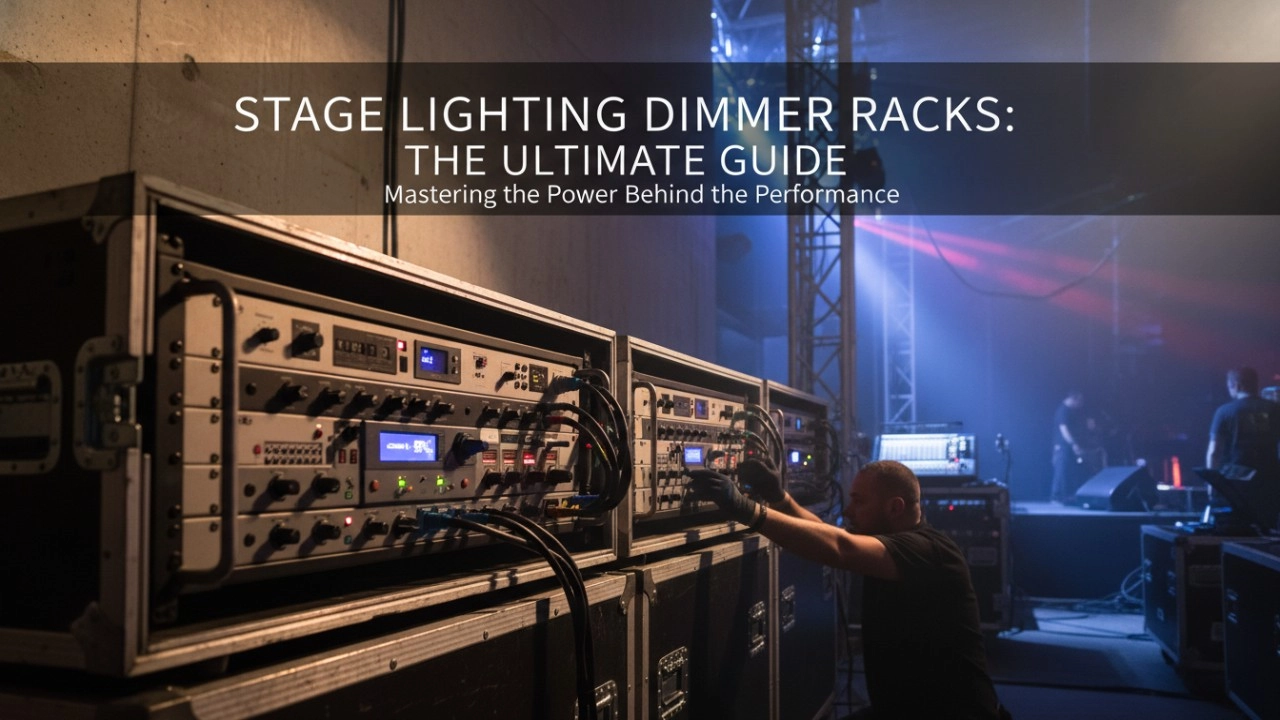
A comprehensive 2026 guide to selecting high-performance stage lighting dimmer racks. We review top hybrid systems, explore SCR vs sine wave technology, and analyze essential features like ThruPower for modern venues.
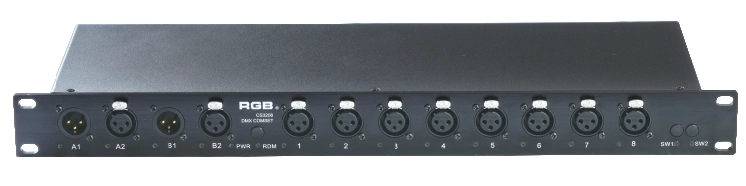
DMX&RDM Signal Mergers Amplifiers
The rack-mounted DMX signal amplifier complies with the DMX-512 standard protocol, improving the transmission quality of DMX-512 signals, ensuring the reliability of system control, and preventing faults such as reverse connection of AC high voltage in the lighting control system, high voltage intrusion due to lightning strikes, and line short circuits, which may affect the stability of the system.
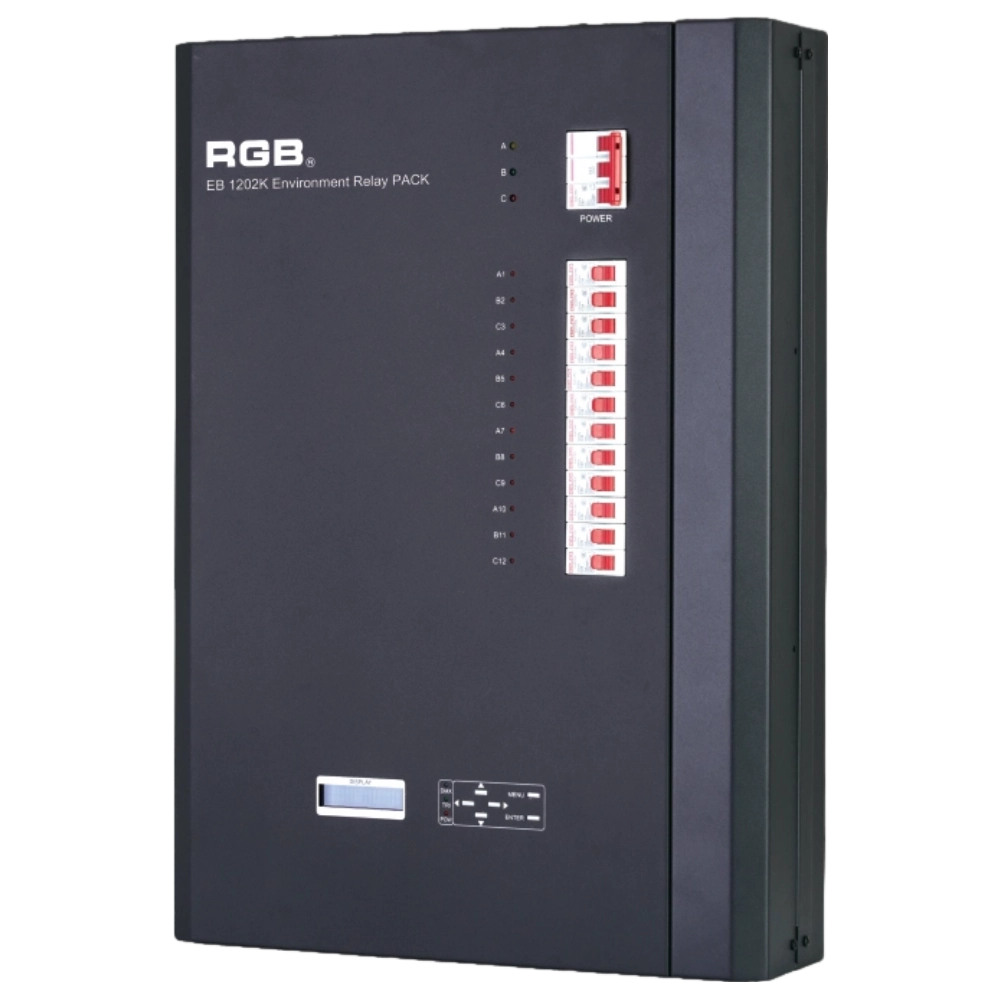
EB1202 Wall-Mounted Smart Site Light Control Series
Wall-mounted smart lighting controller with CE certification, DMX512 compatibility, flexible 12/24-channel output, scene backup, intelligent interface, and multiple dimming curves for precise professional lighting control.
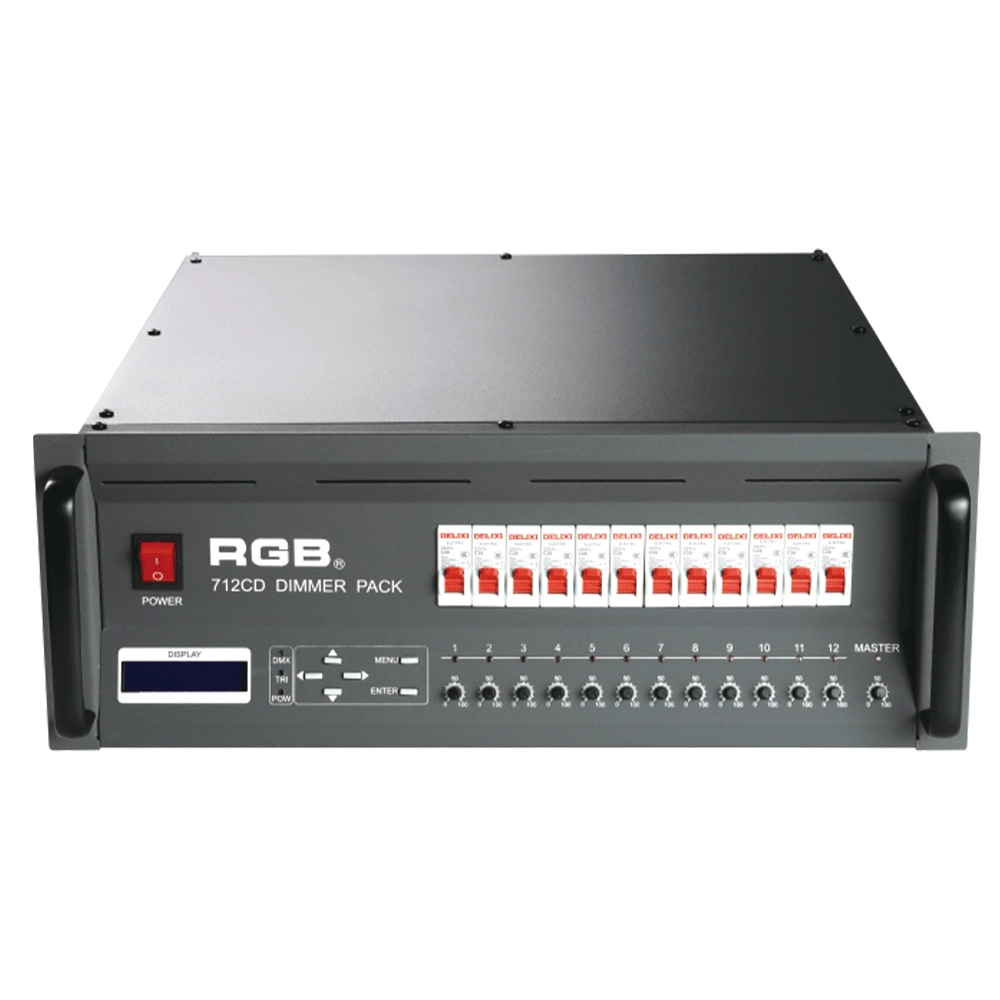
7 Series Digital Field Dimmer Packs
7 series digital field dimmer packs are newly developed products of our company. With DMX512 digital control signal input, they are compatible with other domestic and overseas digital lighting consoles. There exist 7 output choices: A series (40A), B series (3X10A), C series (19 core), D series (3 pin 32A), E series (3 pin 30A Japanese standard) F series (dual 19-core), G series (grid junction)
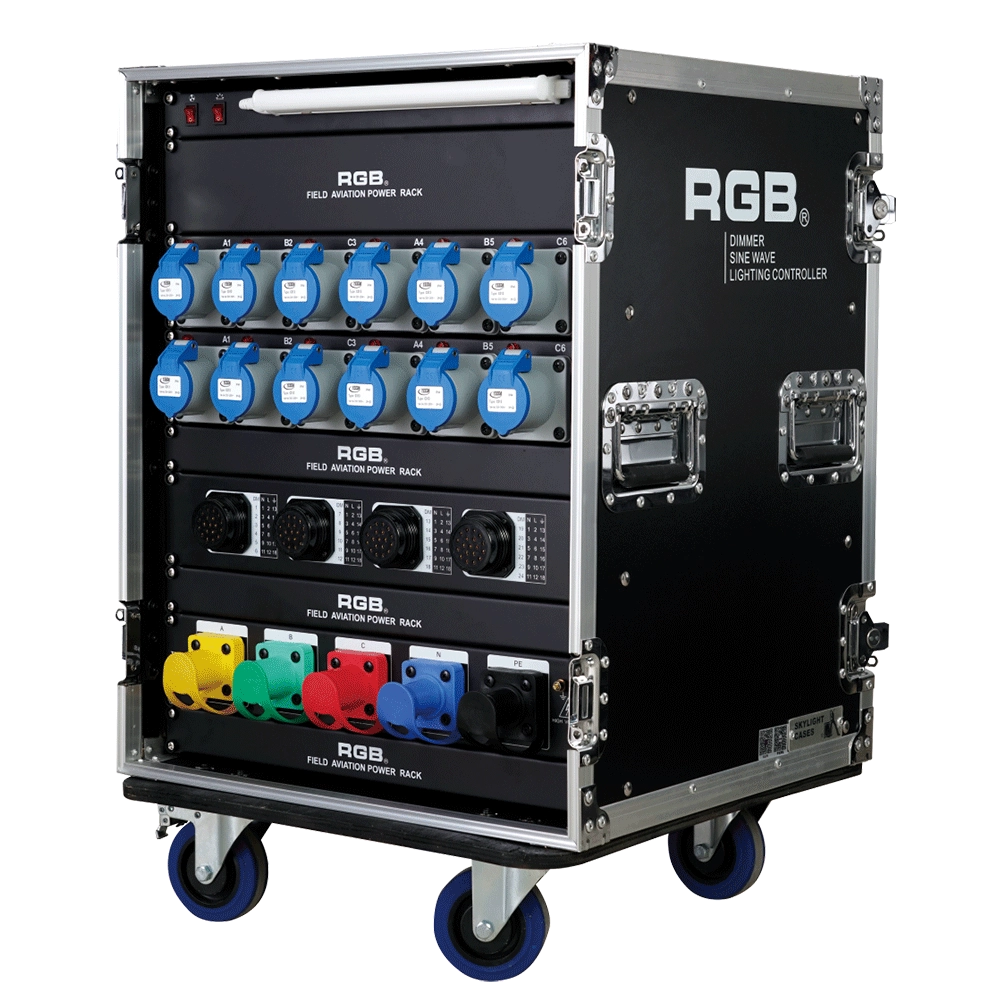
ZT2419+1216 Distribution Box
ZT2419+1216 features dual protection functions and is a power distribution product specifically designed for overcurrent and short circuits in electrical equipment. It is the best choice for mobile performance and is suitable for use in computer lamps, conventional lamps, and other equipment.
Expert Support
Interested in learning more or need expert guidance related to this article? Fill in your details, and our team will provide tailored support.
Intelligent Control. Brilliant Performance.
RGB specializes in stage lighting control systems, delivering intelligent, reliable, and high-performance solutions for theaters and performance spaces worldwide.
Contact
Email:
Tel:
+86 20 3928 0245
+86 20 3928 0247
Address:
No.3, Huashan Road, Shilou Town, Panyu, Guangzhou, China.
Whatsapp: +8615975520131