
What is an Ethernet DMX Node, and Do You Need One?
|
- What is an Ethernet DMX Node, and Do You Need One?
- 1. What Exactly Does an Ethernet DMX Node Do in a Stage Lighting System?
- 2. How Does an Ethernet DMX Node Improve the Scalability of My Lighting System?
- 3. Are There Specific Protocols Supported by Ethernet DMX Nodes That I Should Be Aware Of?
- 4. How Do I Choose the Right Ethernet DMX Node for My Specific Lighting Needs?
- 5. What Are the Installation and Maintenance Considerations for Ethernet DMX Nodes?
- 6. Can Ethernet DMX Nodes Integrate with Other Lighting Control Systems?
- 7. What Are the Cost Implications of Implementing Ethernet DMX Nodes in My Lighting System?
- 8. How Do Ethernet DMX Nodes Enhance the Reliability and Performance of My Lighting System?
What is an Ethernet DMX Node, and Do You Need One?
As a professional content writer with extensive experience in SEO and , and as a seasoned expert in stage lighting control systems, I understand the importance of accurate and up-to-date information. In this article, we'll delve into the role of Ethernet DMX nodes in stage lighting control systems, addressing common questions that beginners often have but are often lacking in-depth answers online. We'll provide specific, pain-point-oriented questions and answers to assist you in making informed purchasing decisions.
1. What Exactly Does an Ethernet DMX Node Do in a Stage Lighting System?
An Ethernet DMX node serves as a bridge between your lighting control system and the DMX512 protocol, enabling communication over Ethernet networks. It converts DMX512 signals into network protocols like Art-Net or sACN, allowing for more flexible and scalable lighting control setups. This is particularly beneficial in large-scale productions where traditional DMX wiring becomes cumbersome.
2. How Does an Ethernet DMX Node Improve the Scalability of My Lighting System?
By utilizing Ethernet-based protocols, Ethernet DMX nodes allow you to control a vast number of DMX channels over a network. This scalability is crucial for complex lighting designs, as it reduces the need for extensive DMX cabling and simplifies the integration of multiple devices. For instance, ENTTEC's Storm10 10U Ethernet to DMX gateway offers 10 output ports and supports various protocols, enhancing scalability and flexibility in lighting control.
3. Are There Specific Protocols Supported by Ethernet DMX Nodes That I Should Be Aware Of?
Yes, Ethernet DMX nodes typically support protocols such as Art-Net, sACN, and RDM. Art-Net and sACN are widely used for transmitting DMX data over IP networks, while RDM (Remote Device Management) allows for two-way communication, enabling remote configuration and monitoring of lighting devices. For example, ENTTEC's DIN Ethergate Mk2 supports Art-Net and RDM, facilitating efficient lighting control and management.
4. How Do I Choose the Right Ethernet DMX Node for My Specific Lighting Needs?
When selecting an Ethernet DMX node, consider factors such as the number of DMX universes required, compatibility with existing equipment, support for desired protocols, and the scalability of the device. Additionally, assess the ease of configuration and firmware updates, as well as the availability of technical support. For instance, Mitek Light's Artnet Node 8 supports 8 ArtNet universes and offers serial connection capabilities, making it suitable for large-scale lighting installations.
5. What Are the Installation and Maintenance Considerations for Ethernet DMX Nodes?
Installation involves connecting the Ethernet DMX node to your network and linking it to your lighting control system. Ensure that the device is placed in a location with adequate ventilation and protection from environmental factors. Regular maintenance includes firmware updates, monitoring network performance, and verifying the integrity of connections. Some devices, like the TEKMAND NODE 8P, feature a built-in color touchscreen for easy monitoring and configuration.
6. Can Ethernet DMX Nodes Integrate with Other Lighting Control Systems?
Yes, Ethernet DMX nodes are designed to integrate seamlessly with various lighting control systems, including those from different manufacturers. They act as a universal interface, allowing for interoperability and centralized control. For example, MA Lighting's grandMA3 I/O Node can integrate external signals into the MA-Net3 workflow, enhancing the versatility of your lighting control setup.
7. What Are the Cost Implications of Implementing Ethernet DMX Nodes in My Lighting System?
The cost of Ethernet DMX nodes varies based on features, number of ports, and supported protocols. While the initial investment may be higher compared to traditional DMX solutions, the benefits of scalability, flexibility, and reduced cabling can lead to cost savings in the long term. It's essential to evaluate the total cost of ownership, including installation, maintenance, and potential future upgrades.
8. How Do Ethernet DMX Nodes Enhance the Reliability and Performance of My Lighting System?
Ethernet DMX nodes improve reliability by reducing the complexity of wiring and minimizing potential points of failure. They also support higher data transmission rates, ensuring smooth and synchronized lighting effects. Devices like the TEKMAND NODE 8P offer features such as LED indicators for DMX working status and support for multiple network protocols, contributing to enhanced performance and reliability.
In conclusion, Ethernet DMX nodes play a pivotal role in modern stage lighting control systems, offering scalability, flexibility, and enhanced performance. By understanding their functions and selecting the appropriate device for your needs, you can significantly improve the efficiency and effectiveness of your lighting setups.
Brand RGB Advantages:
Brand RGB offers a range of Ethernet DMX nodes that combine advanced features with user-friendly interfaces. Their products are known for high-quality construction, reliable performance, and comprehensive technical support, making them a preferred choice for professionals in the lighting industry.
References:
- ENTTEC's Storm10 10U Ethernet to DMX gateway:
- ENTTEC's DIN Ethergate Mk2:
- Mitek Light's Artnet Node 8:
- TEKMAND NODE 8P:
- MA Lighting's grandMA3 I/O Node:
Note: The above references are based on information available as of February 7, 2026.
Latest News
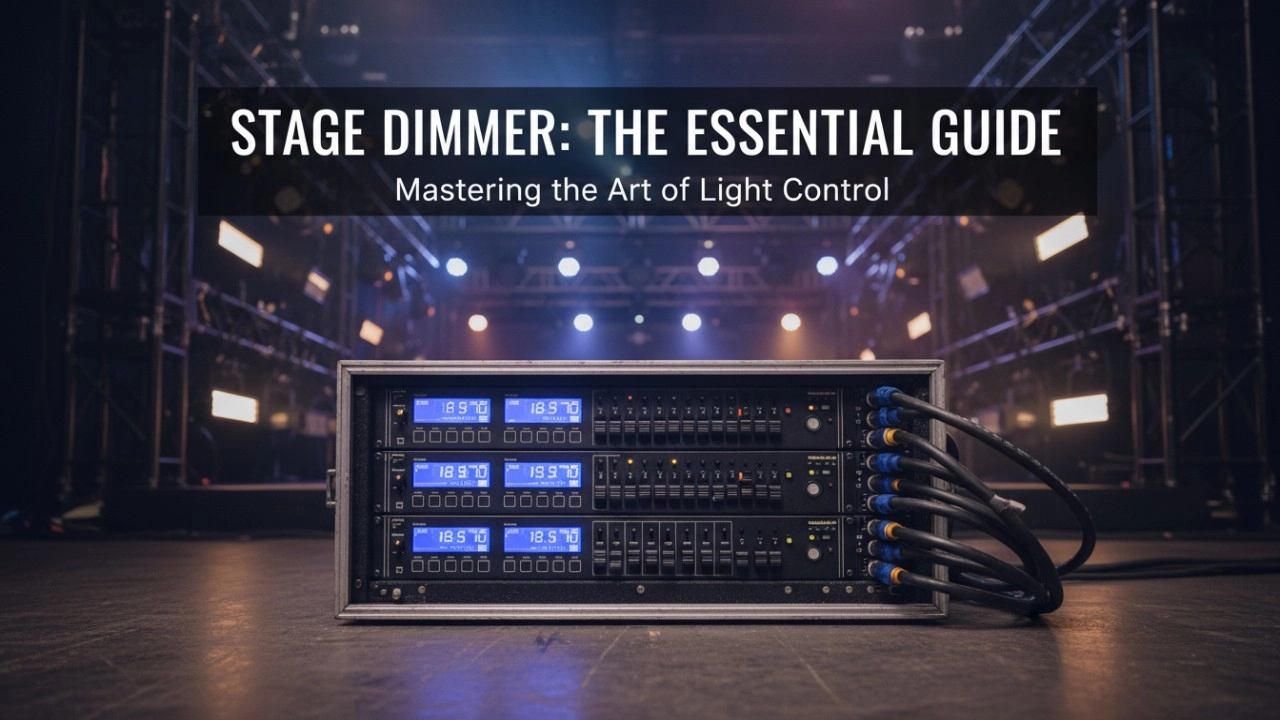
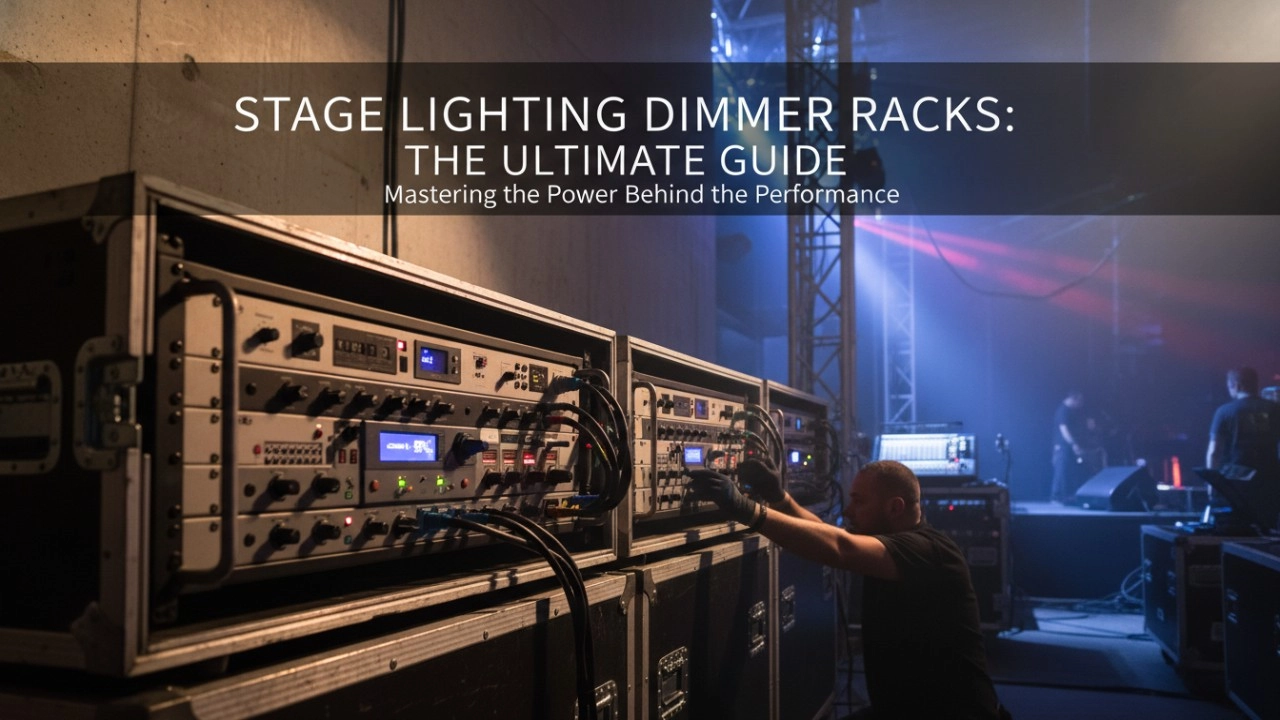
A comprehensive 2026 guide to selecting high-performance stage lighting dimmer racks. We review top hybrid systems, explore SCR vs sine wave technology, and analyze essential features like ThruPower for modern venues.
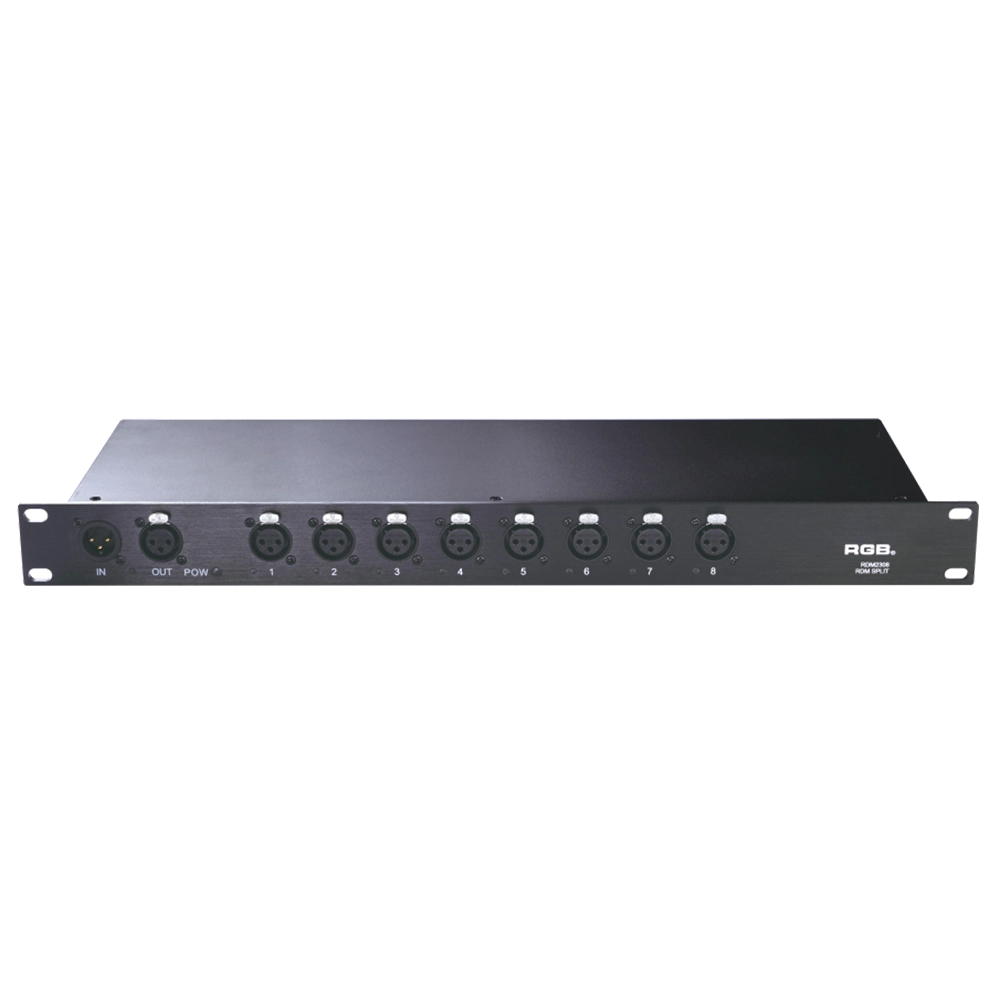
RDM Series Signal Amplifier
RDM2304, RDM2308, RDM2310, RDM2312 rack-mounted The RDM signal amplifier improves the quality of bidirectional RDM signal transmission, ensures the reliability of system control, and prevents faults such as AC high-voltage reverse series lighting control system, lightning high-voltage series entry, and line short circuit, which may affect system stability.
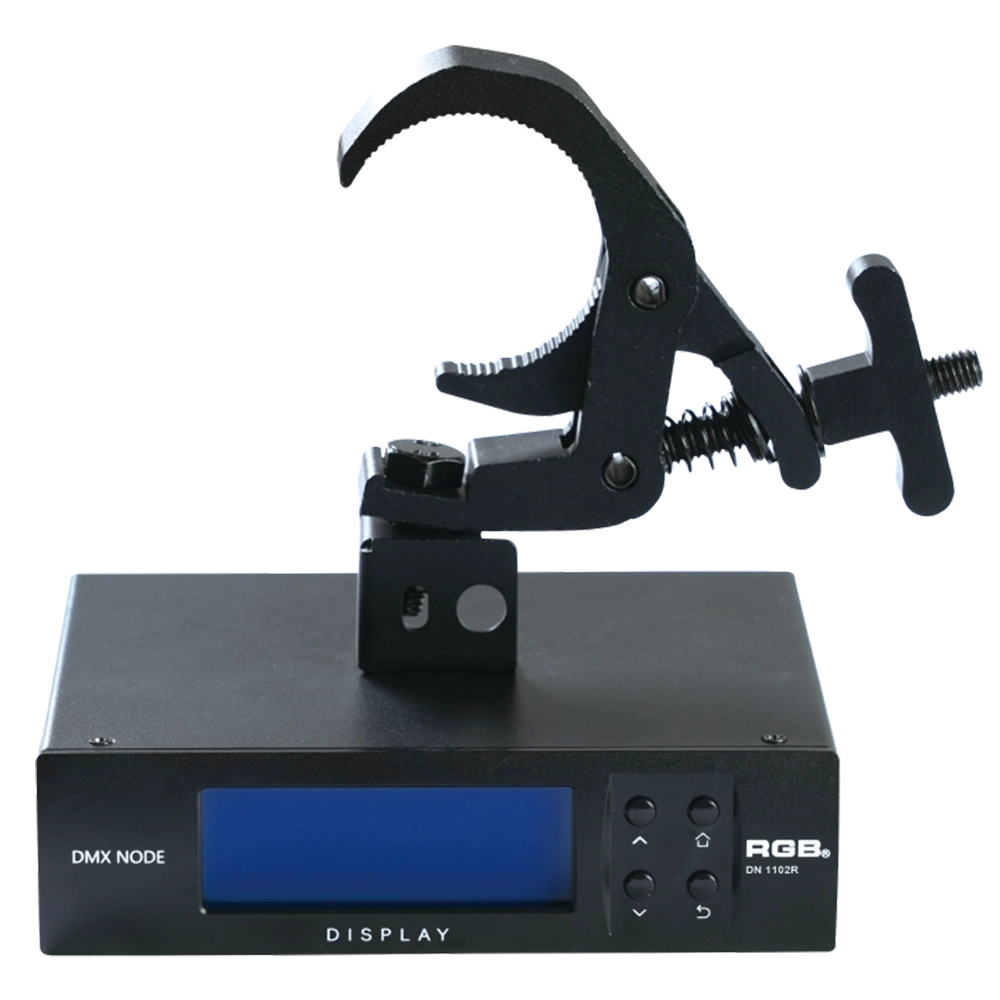
RDM Nodes
The DN series network decoder is a product of the lighting control system independently developed by RGB, featuring completely independent core technology and obtaining software copyrights. It seamlessly connects and decodes the sACN and Art-Net network protocols based on TCP/IP with the DMX-512 and RDM communication protocols. Supports a visual lighting control system, intuitively displaying the online and offline status of the DN series network decoders, and enabling remote monitoring, editing, and setting of corresponding parameters.
It is widely applied in theaters, concert halls, multi-functional halls, cultural and tourism performances, TV stations, gymnasiums, auditoriums, commercial art lighting, and other performance and cultural venues.
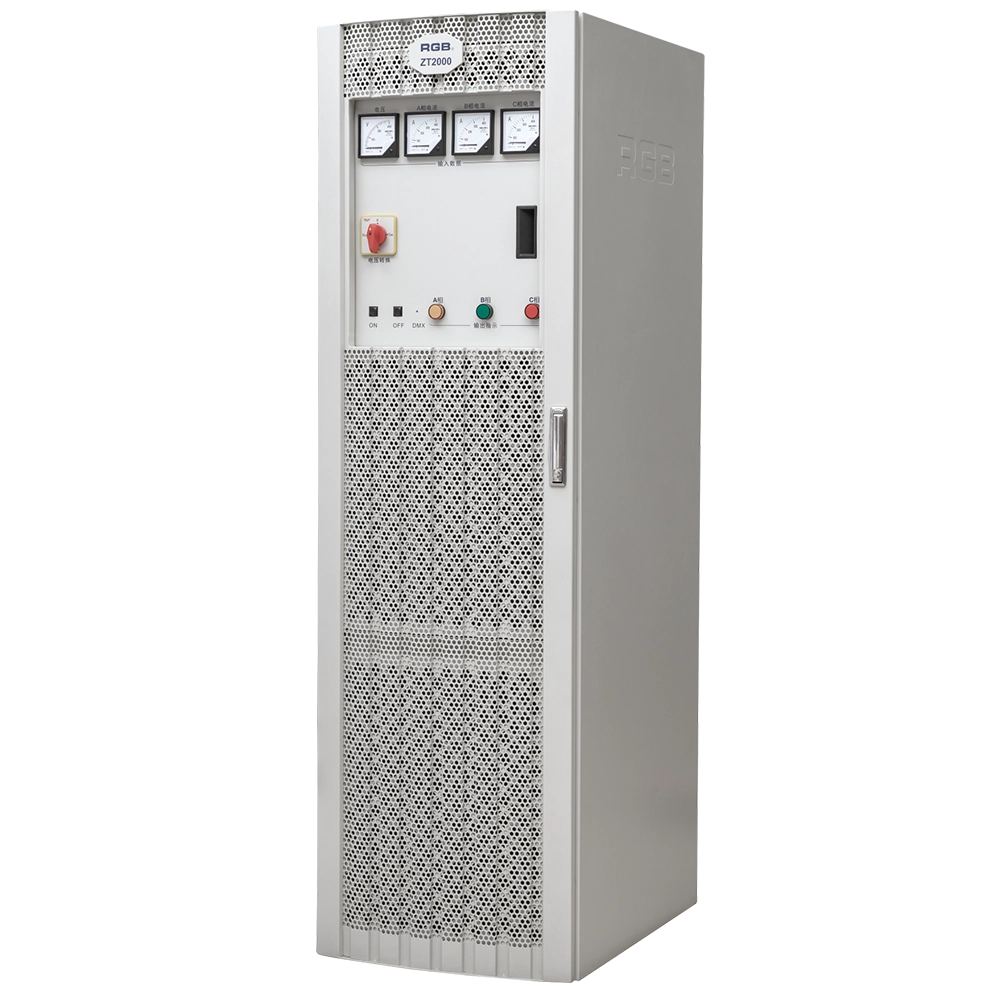
ZT2000 Pass-Through Racks
The ZT2000 straight-through power cabinet is a three-phase 630A/400A air switch main control, with each channel being a 32A air switch sub-control straight-through power cabinet. It can be used in conjunction with various computer lamps, regular lamps, and temporary electrical equipment as a power distribution and supply part for electrical equipment with overcurrent and short-circuit protection. It is a brand-new, reliable, and stable lighting control device in the field of stage lighting control.
It is widely applied in theaters, concert halls, multi-functional halls, cultural and tourism performances, TV stations, gymnasiums, auditoriums, commercial art lighting, and other performance and cultural venues.
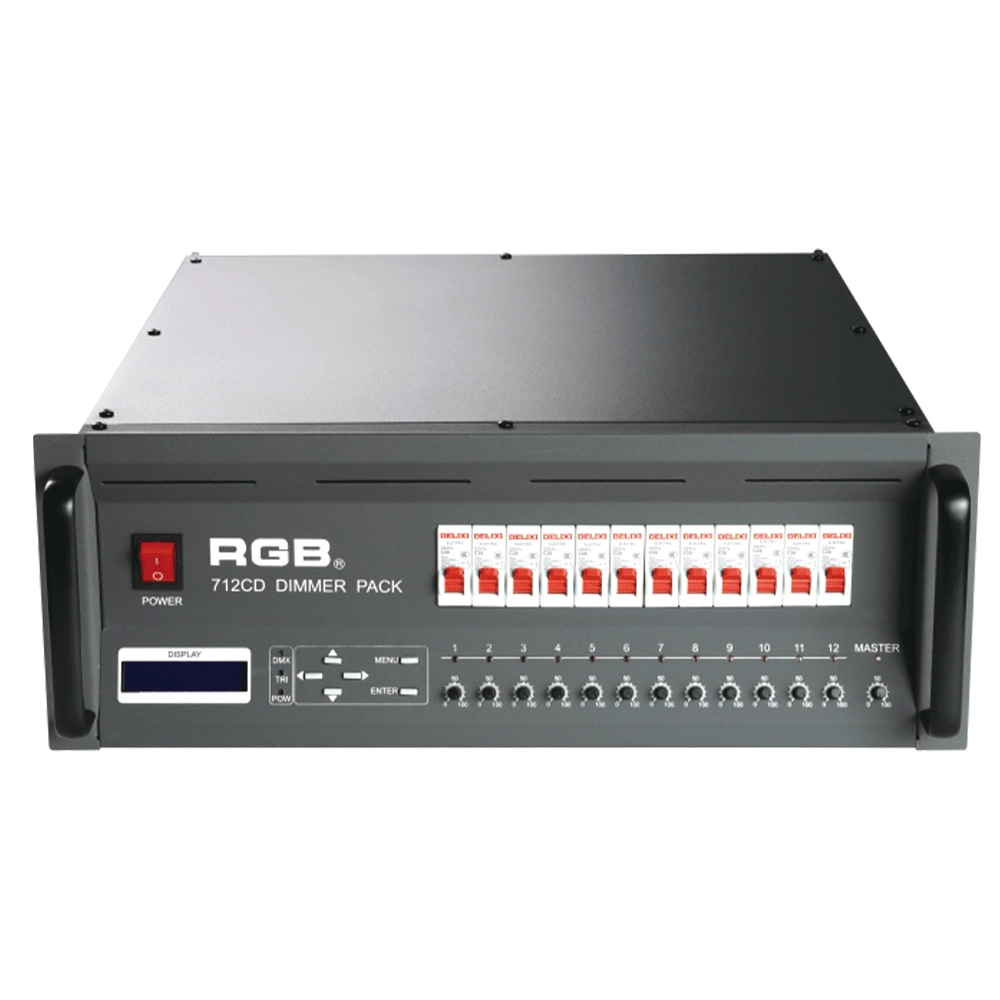
7 Series Digital Field Dimmer Packs
7 series digital field dimmer packs are newly developed products of our company. With DMX512 digital control signal input, they are compatible with other domestic and overseas digital lighting consoles. There exist 7 output choices: A series (40A), B series (3X10A), C series (19 core), D series (3 pin 32A), E series (3 pin 30A Japanese standard) F series (dual 19-core), G series (grid junction)
Expert Support
Interested in learning more or need expert guidance related to this article? Fill in your details, and our team will provide tailored support.
Intelligent Control. Brilliant Performance.
RGB specializes in stage lighting control systems, delivering intelligent, reliable, and high-performance solutions for theaters and performance spaces worldwide.
Contact
Email:
Tel:
+86 20 3928 0245
+86 20 3928 0247
Address:
No.3, Huashan Road, Shilou Town, Panyu, Guangzhou, China.
Whatsapp: +8615975520131