
Wired vs wireless DMX: which is better for touring rigs?
|
- 1. What are the key differences between wired and wireless DMX systems for stage lighting?
- 2. How does the reliability of wireless DMX compare to wired DMX in live performance settings?
- 3. What are the practical considerations when choosing between wired and wireless DMX for touring rigs?
- 4. How do environmental factors impact the performance of wireless DMX systems?
- 5. What are the advantages of using wireless DMX in touring productions?
- 6. How can professionals ensure the reliability of wireless DMX systems in live events?
1. What are the key differences between wired and wireless DMX systems for stage lighting?
Wired DMX systems utilize physical cables to transmit control signals from the lighting console to the fixtures. This setup offers high reliability and minimal latency, making it ideal for environments where signal integrity is paramount. However, the need for extensive cabling can be cumbersome, especially in large venues or during rapid setup and teardown processes.
In contrast, wireless DMX systems transmit control signals over radio frequencies, eliminating the need for physical cables. This approach offers greater flexibility and speed in setup, particularly beneficial for touring productions and events where time and space are limited. However, wireless systems can be susceptible to interference from other wireless devices, such as Wi-Fi and Bluetooth, and may experience signal degradation over long distances or through physical obstructions. To mitigate these issues, professional wireless DMX solutions often incorporate adaptive frequency hopping and diversity antennas to enhance reliability. ((https://www.rgbsystem.com/article/wireless-dmx-controllers-touring-acts/))
2. How does the reliability of wireless DMX compare to wired DMX in live performance settings?
Reliability is a critical factor in live performance settings. Wired DMX systems are known for their stability and low latency, as they are less prone to interference and signal loss. This makes them a preferred choice for permanent installations and venues where consistent performance is essential.
Wireless DMX systems, while offering convenience and flexibility, can be affected by environmental factors such as radio frequency congestion, physical obstructions, and interference from other wireless devices. To ensure reliable performance, it's crucial to select high-quality wireless DMX equipment that employs robust protocols and to conduct thorough site surveys to identify potential sources of interference. ((https://www.rgbsystem.com/article/wireless-dmx-controllers-touring-acts/))
3. What are the practical considerations when choosing between wired and wireless DMX for touring rigs?
When deciding between wired and wireless DMX for touring rigs, several factors should be considered:
Venue Size and Layout: Large venues with complex layouts may benefit from the flexibility of wireless DMX, reducing the need for extensive cabling. However, smaller venues or those with straightforward layouts might find wired DMX more practical.
Setup and Teardown Time: Wireless DMX can significantly reduce setup and teardown times, which is advantageous for touring productions with tight schedules. ((https://www.rgbsystem.com/article/wireless-dmx-controllers-touring-acts/))
Signal Integrity and Interference: Assess the potential for RF interference in the venue. Environments with high wireless device density may pose challenges for wireless DMX systems.
Budget Constraints: High-quality wireless DMX equipment can be more expensive than wired alternatives. Evaluate the budget to determine the most cost-effective solution.
4. How do environmental factors impact the performance of wireless DMX systems?
Environmental factors play a significant role in the performance of wireless DMX systems:
Radio Frequency Congestion: Areas with dense wireless device usage, such as Wi-Fi networks and Bluetooth devices, can cause interference, leading to signal degradation or loss.
Physical Obstructions: Walls, metal structures, and other physical barriers can attenuate or block wireless signals, affecting the reliability of wireless DMX transmission.
Distance Limitations: Wireless DMX systems have effective range limitations. Exceeding these ranges can result in signal loss or degradation.
To mitigate these issues, it's essential to conduct a thorough site survey, select equipment with robust interference resistance, and plan the wireless network layout carefully. ((https://www.rgbsystem.com/article/wireless-dmx-controllers-touring-acts/))
5. What are the advantages of using wireless DMX in touring productions?
Wireless DMX offers several advantages in touring productions:
Flexibility: Allows for quick reconfiguration of lighting setups without the constraints of physical cabling.
Reduced Setup Time: Speeds up the setup and teardown process, which is crucial for events with tight schedules. ((https://www.rgbsystem.com/article/wireless-dmx-controllers-touring-acts/))
Safety: Minimizes tripping hazards associated with extensive cabling, enhancing safety for crew and performers.
Aesthetics: Reduces visual clutter on stage, providing a cleaner and more professional appearance.
6. How can professionals ensure the reliability of wireless DMX systems in live events?
To ensure the reliability of wireless DMX systems in live events:
Select High-Quality Equipment: Choose wireless DMX systems from reputable manufacturers known for their reliability and performance.
Conduct Site Surveys: Assess the venue for potential sources of interference and plan the wireless network layout accordingly.
Implement Redundancy: Use backup systems or alternative control methods to ensure continuity in case of wireless system failure.
Regular Testing: Perform thorough testing of the wireless system before the event to identify and address potential issues.
By carefully considering these factors, professionals can make informed decisions that enhance the performance and reliability of their stage lighting control systems.
In conclusion, both wired and wireless DMX systems have their place in stage lighting control. The choice between them should be guided by the specific requirements of the event, venue, and production team. For personalized advice and solutions tailored to your needs, feel free to contact us at info@rgbsystem.com.
Latest News
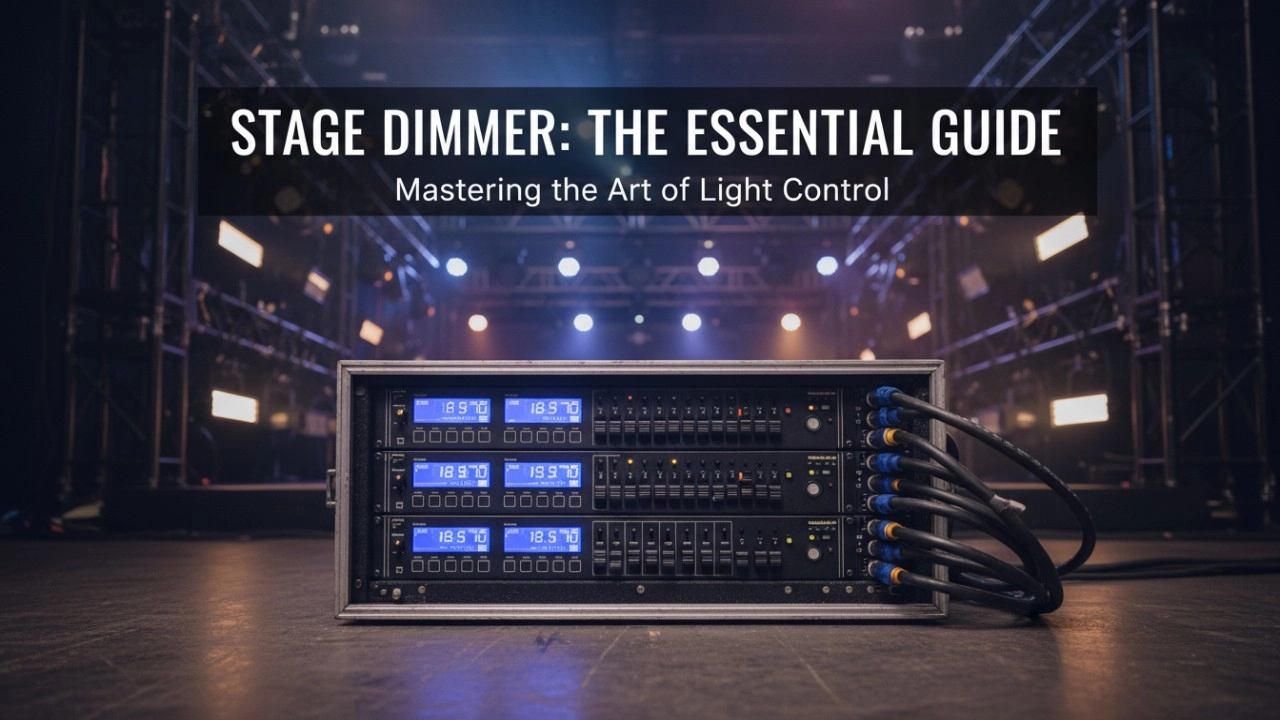
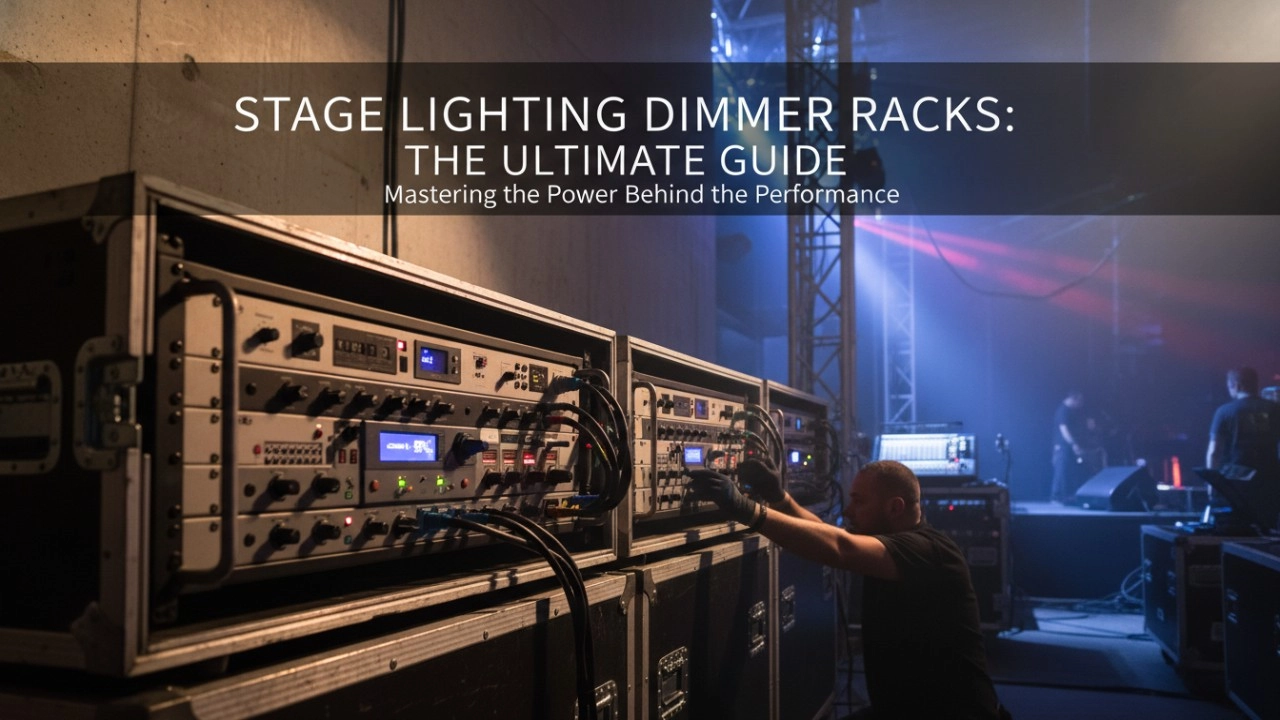
A comprehensive 2026 guide to selecting high-performance stage lighting dimmer racks. We review top hybrid systems, explore SCR vs sine wave technology, and analyze essential features like ThruPower for modern venues.
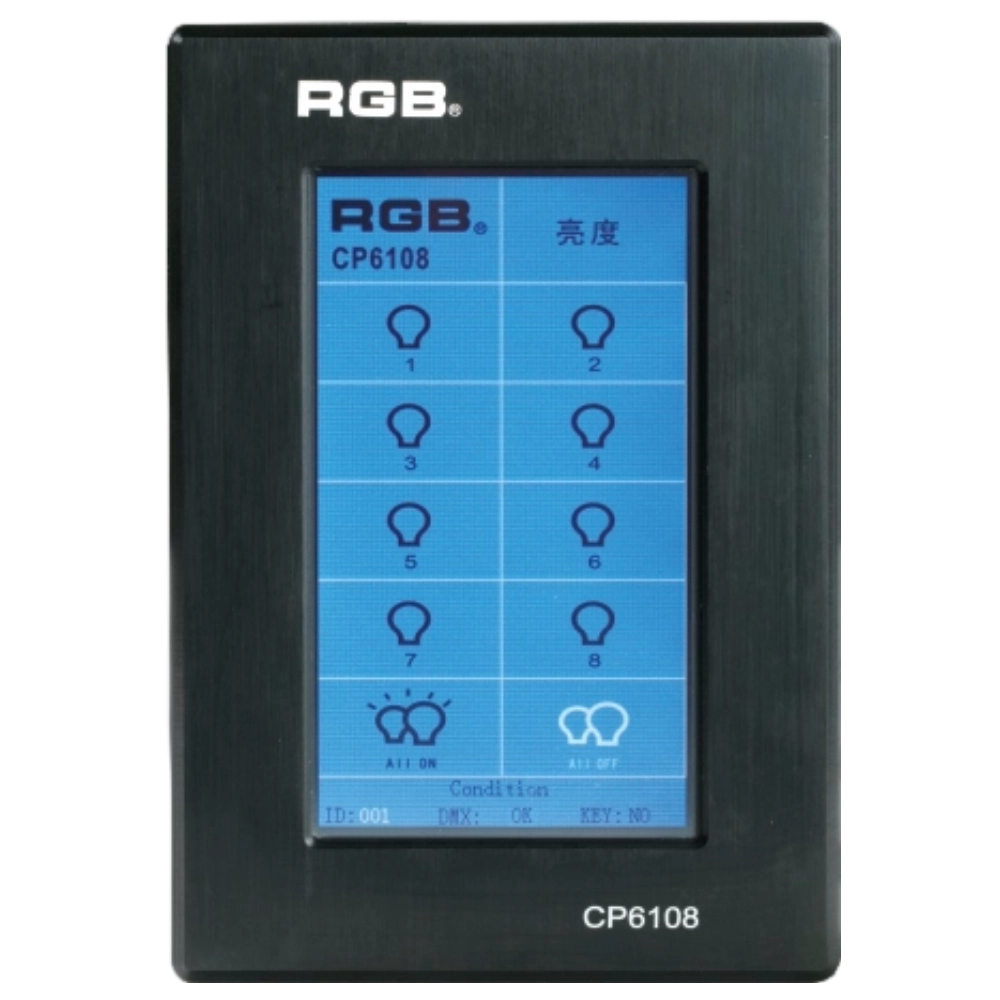
Site Light Controller CP6108
The CP6108 lighting control panel is a lighting control device for theater stage lights, work lights, environmental lighting, commercial art lighting, sports venue lighting, and other places. By connecting to the dedicated lighting control host CP6100, it realizes the central control of the lighting system, supports a visual lighting control system, and intuitively displays the online and offline status of CP6108. Realize remote monitoring, editing, and setting of corresponding parameters.
It is widely applicable to theaters, cinemas, auditoriums, stadiums, museums, exhibition halls, cultural tourism performances, commercial art lighting, and other places.
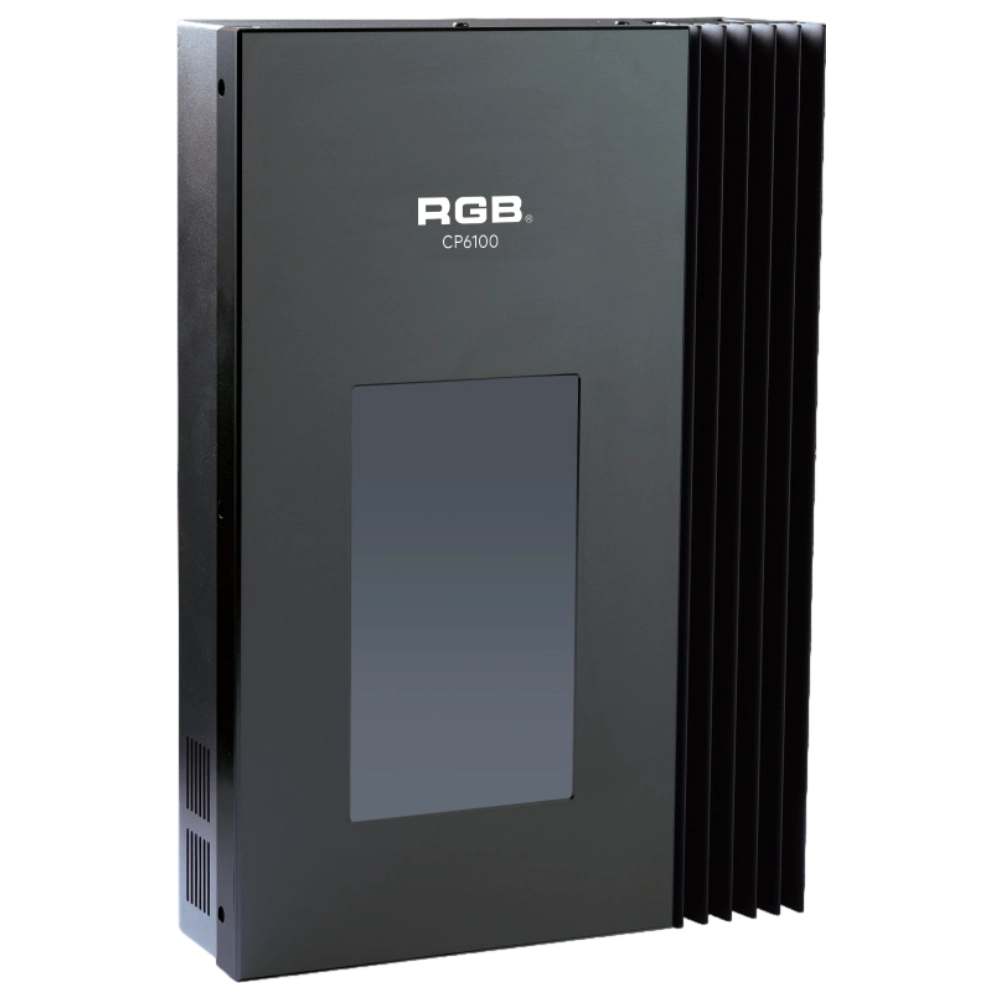
CP6100 Light Control System
The lighting control host is the main control device for theater stage lights, work lights, environmental lighting, commercial art lighting, sports venue lighting, and other places. By connecting the dedicated lighting control panels CP6104 and CP6108, it realizes the central control of the lighting system, supports a visual lighting control system, and intuitively displays the online and offline status of CP6100. Realize remote monitoring, editing, and setting of corresponding parameters.
It is widely applicable to theaters, cinemas, auditoriums, stadiums, museums, exhibition halls, cultural tourism performances, commercial art lighting, and other places.
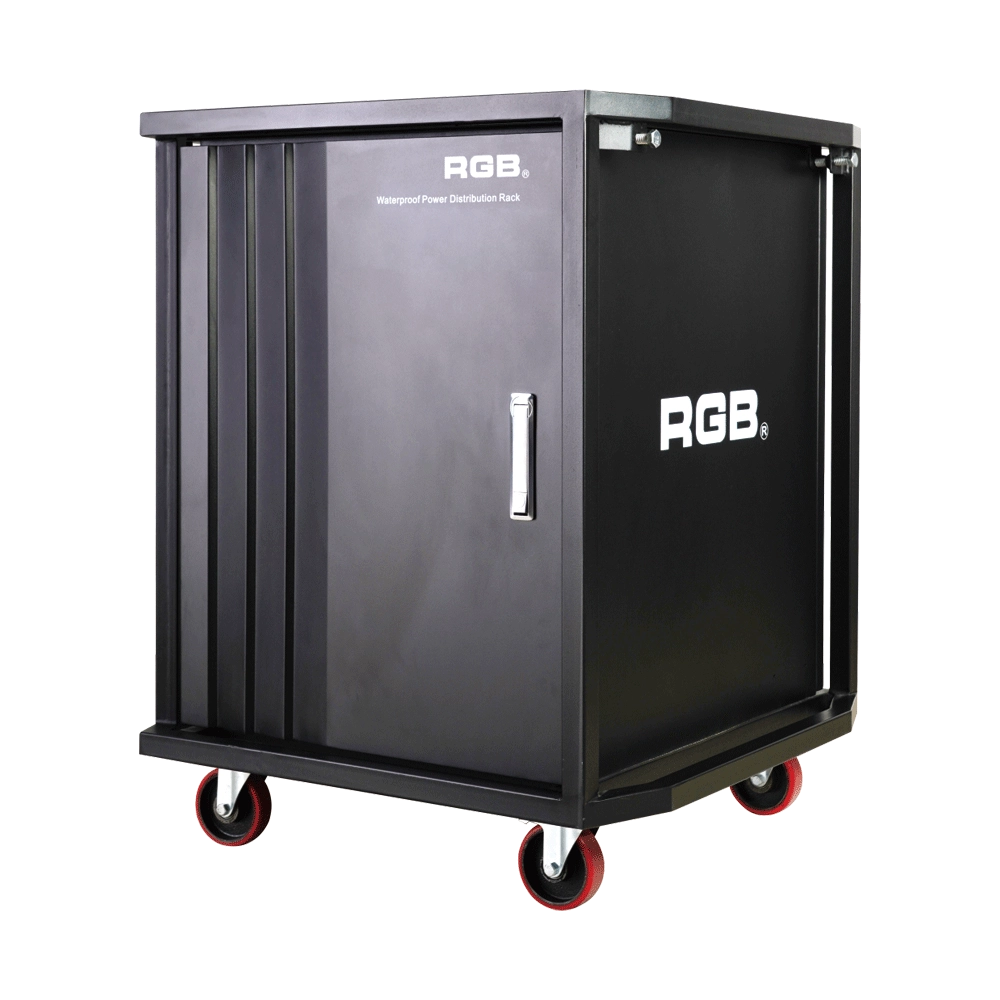
Multifunction Waterproofing Racks Of RGB-W Series
With the continuous development of flow performance, the requirement for performance is more demanding. In order to facilitate the transportation and make it easier to carry for all the equipment used in the performance, the stage light and sound equipment will be installed into a cabinet, for example, the power supply system. During the transportation process, it is inevitable for a collision or crash to take place. If the cabinet material is not strong enough, it may lead to deformation and even damage the equipment inside. Moreover, most of the existing cabinets are not waterproof. It will be very dangerous for the flow performance, as it is normal and inevitable to encounter rainy days. As the equipment inside the cabinets is electriferous, it might cause damage to the electronic equipment at least and even cause casualties at worst. Meanwhile, most of the existing cabinets can only be installed with one kind of equipment with a single variety.
In order to overcome the above-mentioned technical flaw, the RGB company has developed a new type of waterproofing multifunction cabinet of the W series. The waterproofing cabinet of the W series meets the need for the installation of dimming and tone-tuning devices, transportation, and utilization.
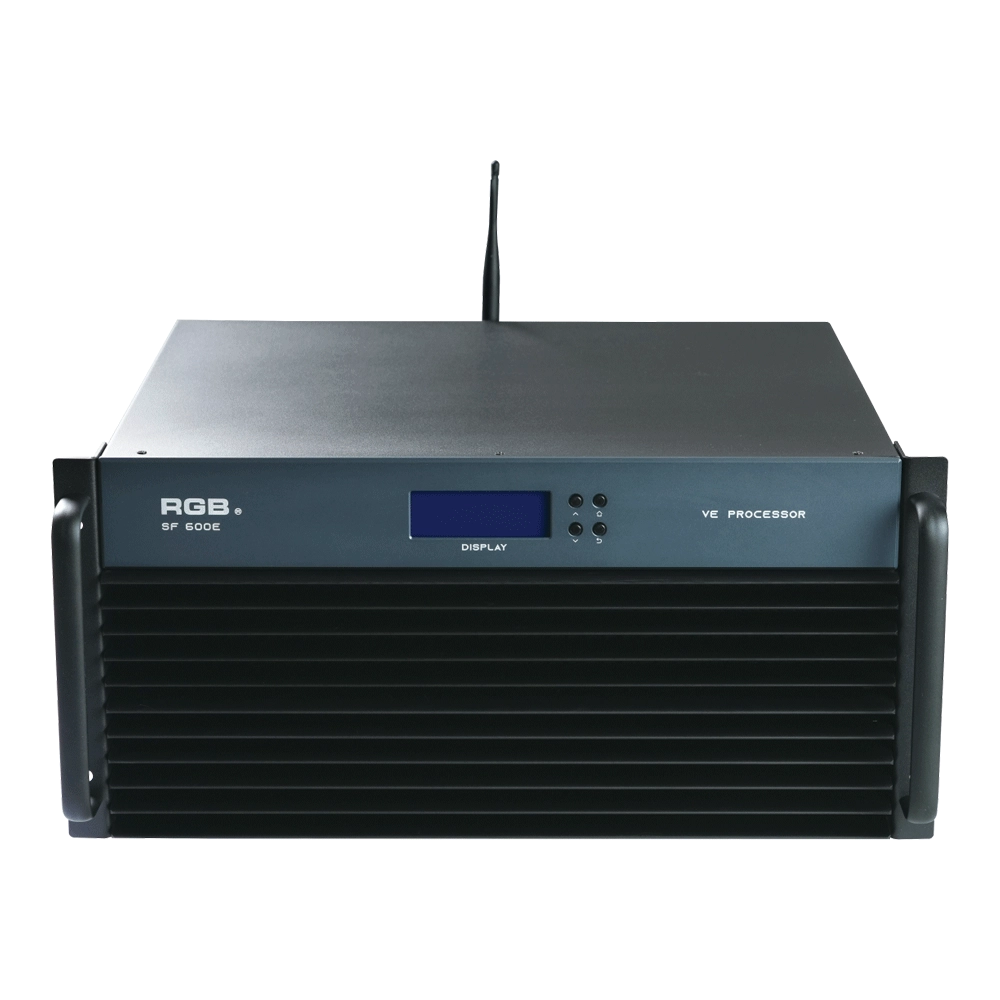
SF600E Visual R-net environment processor
The SF600E Visual R-net environment processor by RGB delivers advanced performance for visual systems. As a leading visual systems manufacturer, RGB ensures seamless integration and high reliability, making SF600E ideal for complex visual processing needs in diverse environments.
Expert Support
Interested in learning more or need expert guidance related to this article? Fill in your details, and our team will provide tailored support.
Intelligent Control. Brilliant Performance.
RGB specializes in stage lighting control systems, delivering intelligent, reliable, and high-performance solutions for theaters and performance spaces worldwide.
Contact
Email:
Tel:
+86 20 3928 0245
+86 20 3928 0247
Address:
No.3, Huashan Road, Shilou Town, Panyu, Guangzhou, China.
Whatsapp: +8615975520131