
Can wireless DMX lighting controllers replace wired systems?
|
- 1. What are the key differences between wired and wireless DMX lighting controllers?
- 2. How does the latency of wireless DMX systems compare to wired systems?
- 3. What are the range limitations of wireless DMX controllers?
- 4. Can wireless DMX lighting controllers replace wired systems entirely?
- 5. What factors should be considered when choosing between wired and wireless DMX controllers?
- 6. Are there any compatibility issues between wired and wireless DMX systems?
1. What are the key differences between wired and wireless DMX lighting controllers?
Wired DMX lighting controllers utilize physical cables to transmit control signals to lighting fixtures, ensuring a stable and reliable connection. In contrast, wireless DMX controllers transmit signals over radio frequencies, offering flexibility and reducing cable clutter. However, wireless systems may be susceptible to interference and signal degradation, especially in environments with high electromagnetic activity.
2. How does the latency of wireless DMX systems compare to wired systems?
Latency refers to the delay between sending a control signal and the lighting fixture's response. High-end wireless DMX systems can achieve latency under 5 milliseconds, which is below the human perception threshold of 20-30 milliseconds for lighting changes. This makes them suitable for time-critical applications like live concerts and theater performances.
3. What are the range limitations of wireless DMX controllers?
The effective range of wireless DMX controllers varies based on the system and environmental conditions. Indoors, ranges can extend up to 100 meters, while in open air with clear line-of-sight, some systems can reach over 1000 meters. Utilizing directional antennas can further enhance the range.
4. Can wireless DMX lighting controllers replace wired systems entirely?
While wireless DMX offers flexibility and ease of installation, it may not be suitable for all applications. For mission-critical cues, wired systems are recommended due to their reliability. Hybrid designs—combining a wired backbone with wireless endpoints—can offer both reliability and flexibility.
5. What factors should be considered when choosing between wired and wireless DMX controllers?
When deciding between wired and wireless DMX controllers, consider factors such as the size and layout of the venue, the complexity of the lighting setup, potential sources of interference, and the importance of reliability in your lighting cues. Assessing these factors will help determine the most suitable system for your needs.
6. Are there any compatibility issues between wired and wireless DMX systems?
Modern wireless DMX systems are designed to be compatible with standard DMX512 devices, allowing integration with existing wired setups. However, it's essential to ensure that all components, including transmitters, receivers, and fixtures, support the same DMX protocol versions and are configured correctly to prevent communication issues.
In conclusion, both wired and wireless DMX lighting controllers have their advantages and are suitable for different scenarios. Understanding the specific requirements of your lighting setup will guide you in making an informed decision. For personalized advice and solutions tailored to your needs, feel free to contact us at info@rgbsystem.com or visit our website at www.rgbsystem.com.
Latest News
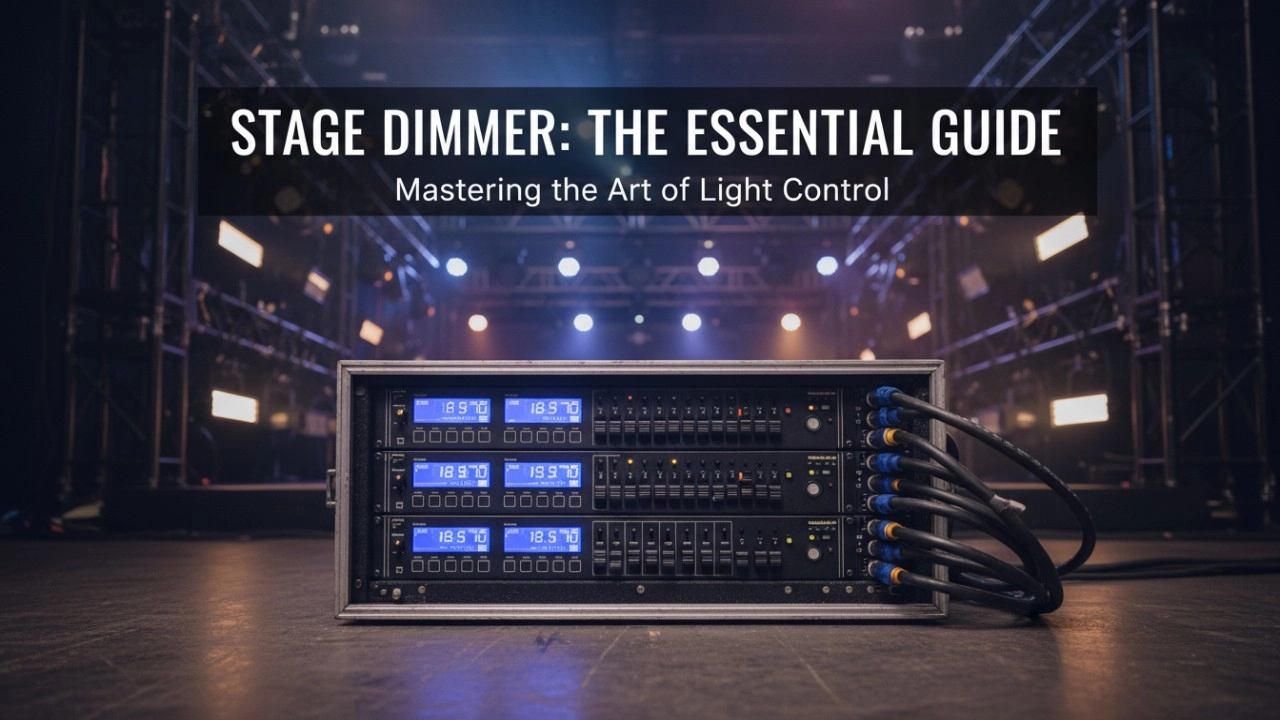
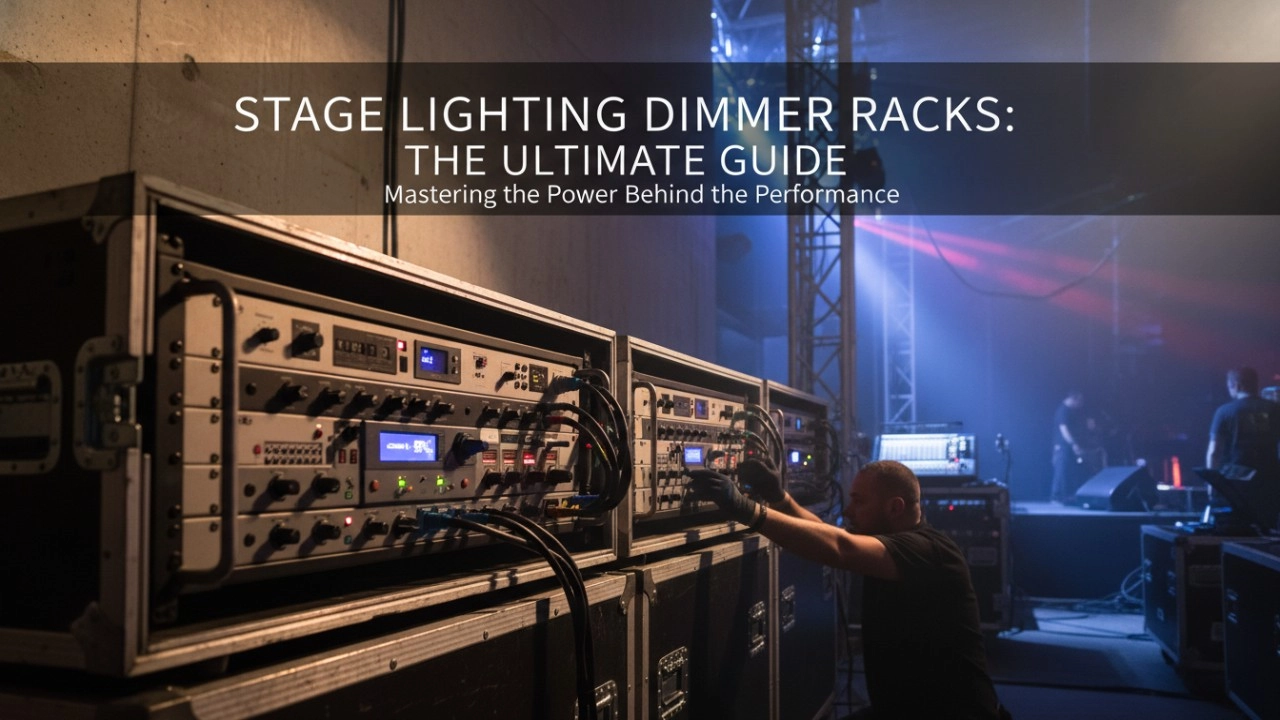
A comprehensive 2026 guide to selecting high-performance stage lighting dimmer racks. We review top hybrid systems, explore SCR vs sine wave technology, and analyze essential features like ThruPower for modern venues.
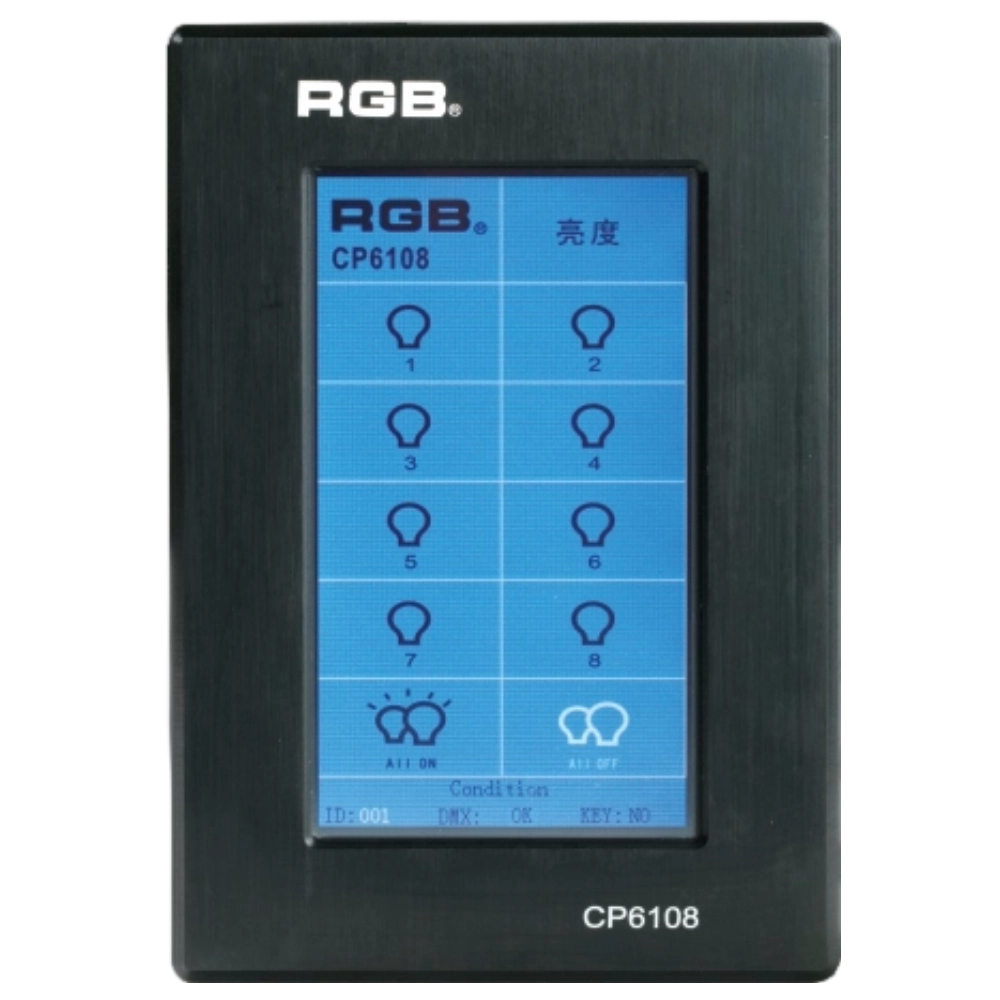
Site Light Controller CP6108
The CP6108 lighting control panel is a lighting control device for theater stage lights, work lights, environmental lighting, commercial art lighting, sports venue lighting, and other places. By connecting to the dedicated lighting control host CP6100, it realizes the central control of the lighting system, supports a visual lighting control system, and intuitively displays the online and offline status of CP6108. Realize remote monitoring, editing, and setting of corresponding parameters.
It is widely applicable to theaters, cinemas, auditoriums, stadiums, museums, exhibition halls, cultural tourism performances, commercial art lighting, and other places.
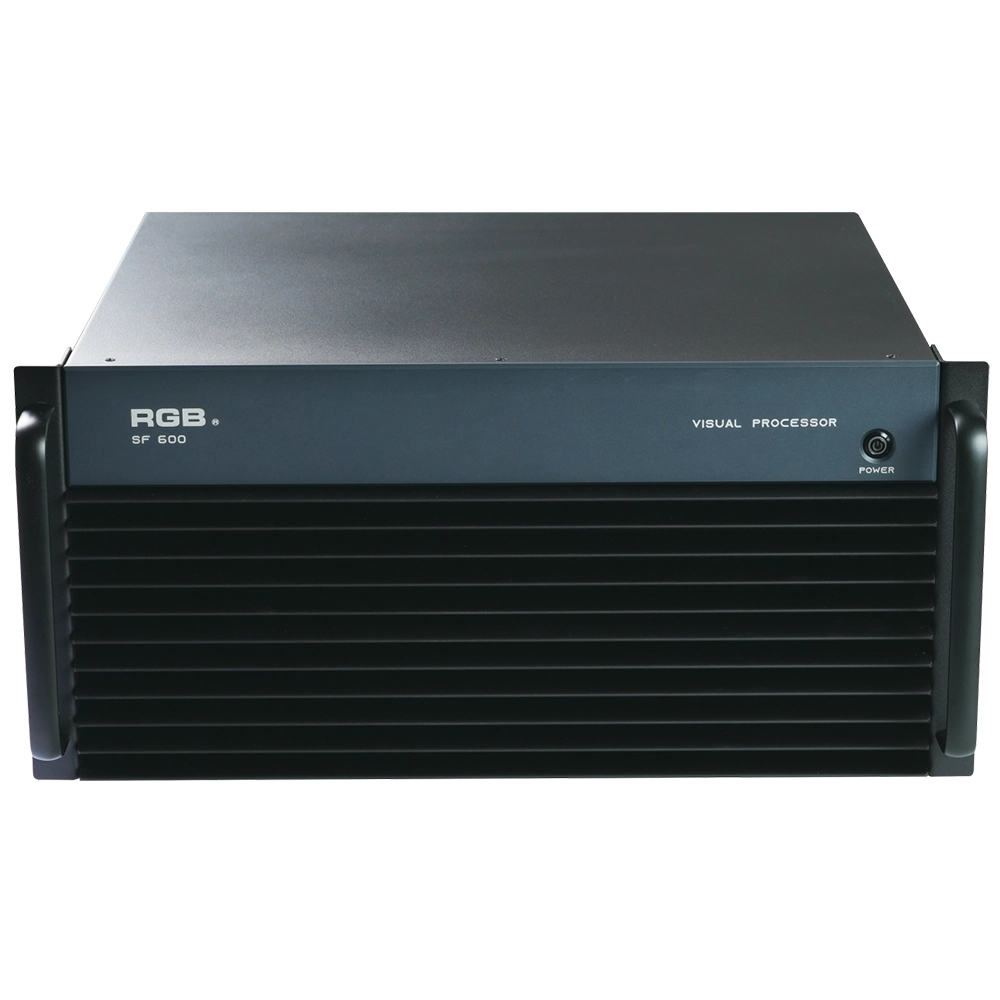
SF600 Visual R-net central processing processor
The SF600 Visual R-net central processing processor by RGB delivers advanced visual systems performance with high-speed processing and seamless integration. Designed for efficiency and reliability, it’s ideal for enhancing your visual system applications in corporate environments.
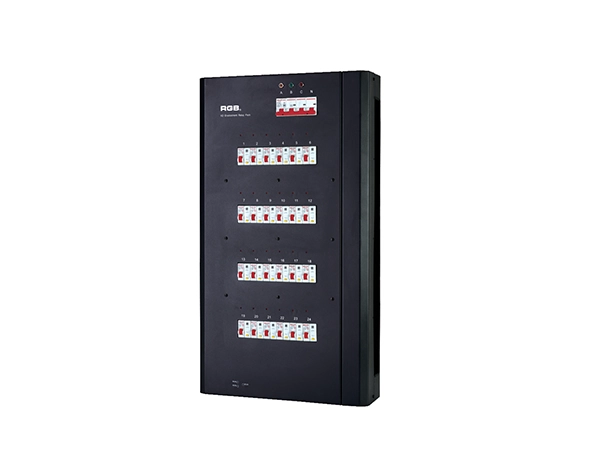
K2 Intelligent Network Relay Racks
K series is the newly developed and produced product of all-weather smart network relay cabinet. It has two major indoor and outdoor waterproof series and has multiple network control modes, such as double DMX512, sACN, ART-net, etc, which can control any equipment like resistive, inductive and capacitive and so on
K series has two major series from the perspective of function, namely, K2 ordinary type and KW2 waterproof type. It has two modes of installation, one is hanging on the wall, and the other is cabinet. It has three specifications of output circuit, namely, 24, 48 and 60 respectively.
K series applies to different performance places, such as, outdoor cultural tourism, TV station, theater, stadium and ambient intelligence lighting and so on.
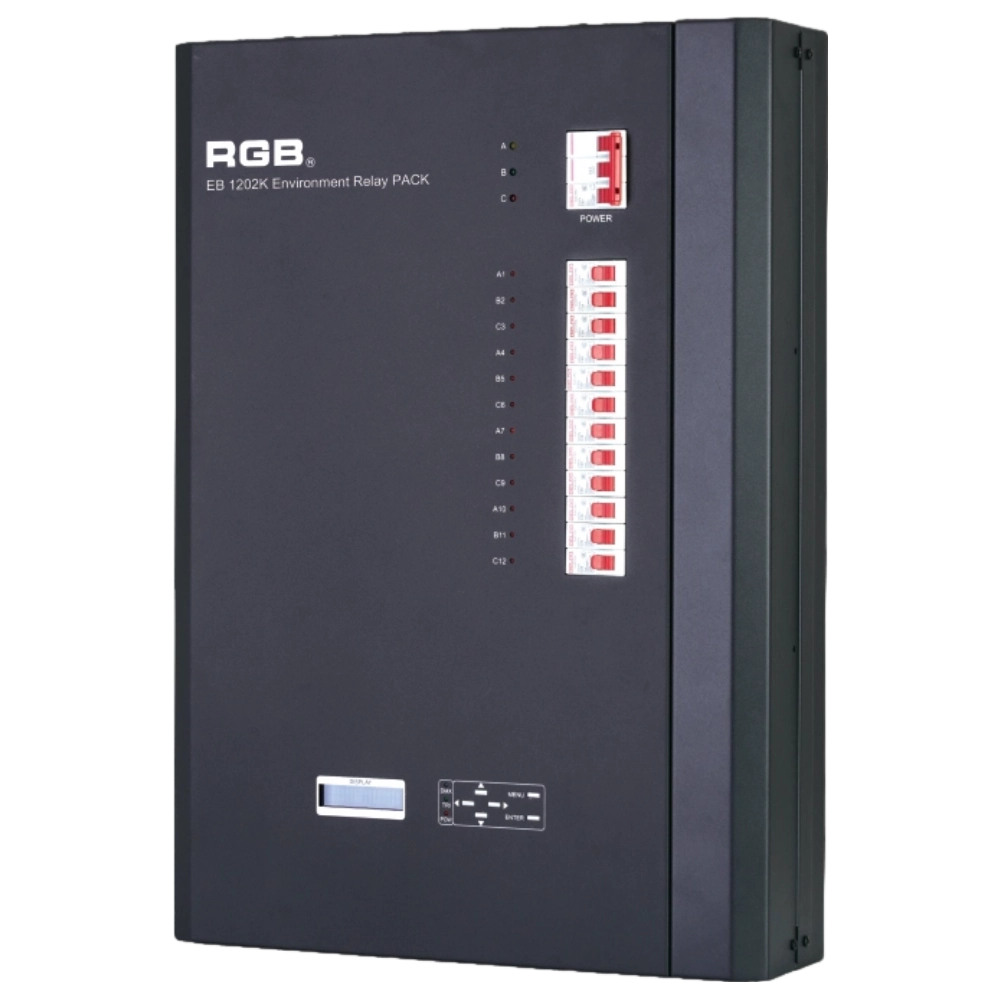
EB1202 Wall-Mounted Smart Site Light Control Series
Wall-mounted smart lighting controller with CE certification, DMX512 compatibility, flexible 12/24-channel output, scene backup, intelligent interface, and multiple dimming curves for precise professional lighting control.
Expert Support
Interested in learning more or need expert guidance related to this article? Fill in your details, and our team will provide tailored support.
Intelligent Control. Brilliant Performance.
RGB specializes in stage lighting control systems, delivering intelligent, reliable, and high-performance solutions for theaters and performance spaces worldwide.
Contact
Email:
Tel:
+86 20 3928 0245
+86 20 3928 0247
Address:
No.3, Huashan Road, Shilou Town, Panyu, Guangzhou, China.
Whatsapp: +8615975520131