
Can a DMX lighting controller improve concert production quality?
|
- 1. What are the key differences between hardware and software DMX lighting controllers, and how do they impact concert production?
- 2. How does the number of DMX channels affect the scalability of a lighting system in large concert venues?
- 3. What are the advantages of using wireless DMX systems in concert productions, and are there any limitations to consider?
- 4. How can DMX lighting controllers synchronize lighting effects with live music to enhance audience engagement?
- 5. What are the best practices for troubleshooting common DMX lighting issues during a live concert?
- 6. How do DMX lighting controllers integrate with other stage equipment to create a cohesive production environment?
1. What are the key differences between hardware and software DMX lighting controllers, and how do they impact concert production?
When selecting a DMX lighting controller for concert production, it's essential to understand the distinctions between hardware and software controllers:
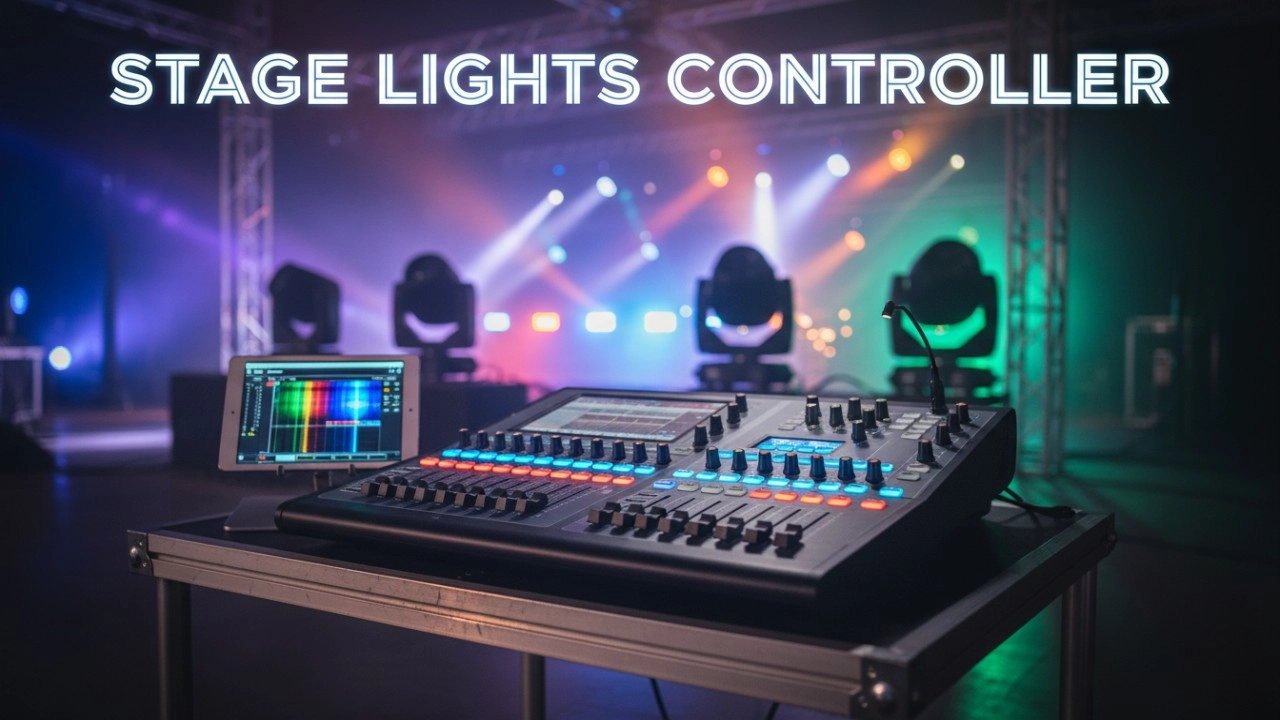
Hardware Controllers: These are physical devices equipped with faders, buttons, and touchscreens, offering tactile control over lighting fixtures. They are known for their reliability and immediate responsiveness, making them ideal for live performances where quick adjustments are crucial.
Software Controllers: Operating on computers or tablets, software controllers provide a visual interface for programming and controlling lighting. They often come with advanced features like 3D visualization and complex scene creation, offering flexibility and ease of use. However, they may require additional hardware interfaces to connect to lighting fixtures.
The choice between hardware and software controllers depends on the specific needs of the concert production. Hardware controllers are preferred for their hands-on control and reliability during live shows, while software controllers are suitable for intricate programming and pre-show preparations.
2. How does the number of DMX channels affect the scalability of a lighting system in large concert venues?
The scalability of a lighting system in large concert venues is directly influenced by the number of DMX channels available:
DMX Channels: Each DMX channel controls a specific parameter of a lighting fixture, such as color, intensity, or movement. A single DMX universe consists of 512 channels.
Fixture Channel Requirements: Different fixtures require varying numbers of channels. For example, a simple LED par light may use 3 channels (RGB), while a moving head might use 20–30 channels.
System Scalability: In large venues, multiple DMX universes can be utilized to accommodate a greater number of fixtures. This expansion allows for more complex and synchronized lighting effects across extensive areas.
Therefore, selecting a DMX lighting controller with sufficient channel capacity is crucial for effectively managing large-scale lighting setups in concert venues.
3. What are the advantages of using wireless DMX systems in concert productions, and are there any limitations to consider?
Wireless DMX systems offer several benefits for concert productions:
Flexibility and Mobility: Wireless DMX eliminates the need for extensive cabling, allowing for quicker setup and teardown. This mobility is particularly advantageous in venues where cable management is challenging.
Reduced Cable Clutter: By minimizing physical cables, wireless systems contribute to a cleaner stage environment, enhancing both aesthetics and safety.
Remote Control and Automation: Wireless DMX enables remote control of lighting fixtures, facilitating real-time adjustments and pre-programmed sequences without the need for physical connections.
However, there are limitations to consider:
Signal Range and Interference: Wireless DMX systems are subject to signal range limitations and potential interference from other wireless devices. It's essential to conduct thorough site surveys to ensure reliable performance.
Power Requirements: Wireless transmitters and receivers require power sources, which may necessitate additional considerations for power distribution.
In summary, while wireless DMX systems offer enhanced flexibility and reduced cable clutter, careful planning and consideration of potential limitations are necessary to ensure optimal performance in concert productions.
4. How can DMX lighting controllers synchronize lighting effects with live music to enhance audience engagement?
Synchronizing lighting effects with live music is a powerful way to engage the audience and elevate the concert experience:
Beat Matching: DMX controllers can be programmed to change lighting colors, intensity, and movement in sync with the music's tempo and rhythm, creating a cohesive visual and auditory experience.
Dynamic Scene Changes: Lighting scenes can be pre-programmed to transition in harmony with musical cues, such as crescendos or drops, amplifying the emotional impact of the performance.
Real-Time Adjustments: Advanced DMX controllers allow for real-time adjustments during the performance, enabling lighting designers to respond to live music variations and audience reactions.
By effectively synchronizing lighting with live music, DMX lighting controllers play a crucial role in creating an immersive and memorable concert experience.
5. What are the best practices for troubleshooting common DMX lighting issues during a live concert?
Troubleshooting DMX lighting issues promptly is essential to maintain the flow of a live concert:
Check for Blackout Mode: Many controllers have a Blackout Mode that temporarily disables DMX output. Ensure this mode is turned off if lighting fixtures are unresponsive.
Verify Polarity Settings: Incorrect polarity settings can cause lighting fixtures to malfunction. Confirm that the polarity switch on the controller matches the requirements of the fixtures.
Inspect Cables and Connections: Faulty cables or loose connections can disrupt the DMX signal. Regularly inspect and replace damaged cables, and ensure all connections are secure.
Use a DMX Tester: Employing a DMX tester can help identify issues within the DMX chain, such as signal degradation or device failures.
Implementing these best practices can minimize downtime and ensure a seamless lighting experience during live concerts.
6. How do DMX lighting controllers integrate with other stage equipment to create a cohesive production environment?
DMX lighting controllers serve as the central hub in a stage production, integrating with various equipment to create a cohesive environment:
Lighting Fixtures: DMX controllers manage the operation of various lighting fixtures, including PAR lights, moving heads, and LED bars, allowing for synchronized lighting effects.
Fog and Special Effects Machines: Many fog and special effects machines are DMX-compatible, enabling precise control over their operation and integration with lighting cues.
Audio Systems: Some advanced DMX controllers can interface with audio systems, allowing lighting changes to be triggered by specific audio cues or frequencies.
Video Systems: In complex productions, DMX controllers can synchronize with video systems to coordinate visual elements, ensuring a unified production.
By integrating with these various systems, DMX lighting controllers facilitate a harmonious and dynamic stage production, enhancing the overall audience experience.
In conclusion, selecting the appropriate DMX lighting controller is pivotal in enhancing concert production quality. Understanding the differences between hardware and software controllers, the implications of channel capacity, the benefits and limitations of wireless systems, synchronization techniques with live music, troubleshooting methods, and integration with other stage equipment are all critical factors to consider. By addressing these aspects, concert productions can achieve a seamless and immersive lighting experience that captivates audiences.
For a personalized consultation and quote, please contact us at info@rgbsystem.com or visit our website at www.rgbsystem.com.
Latest News
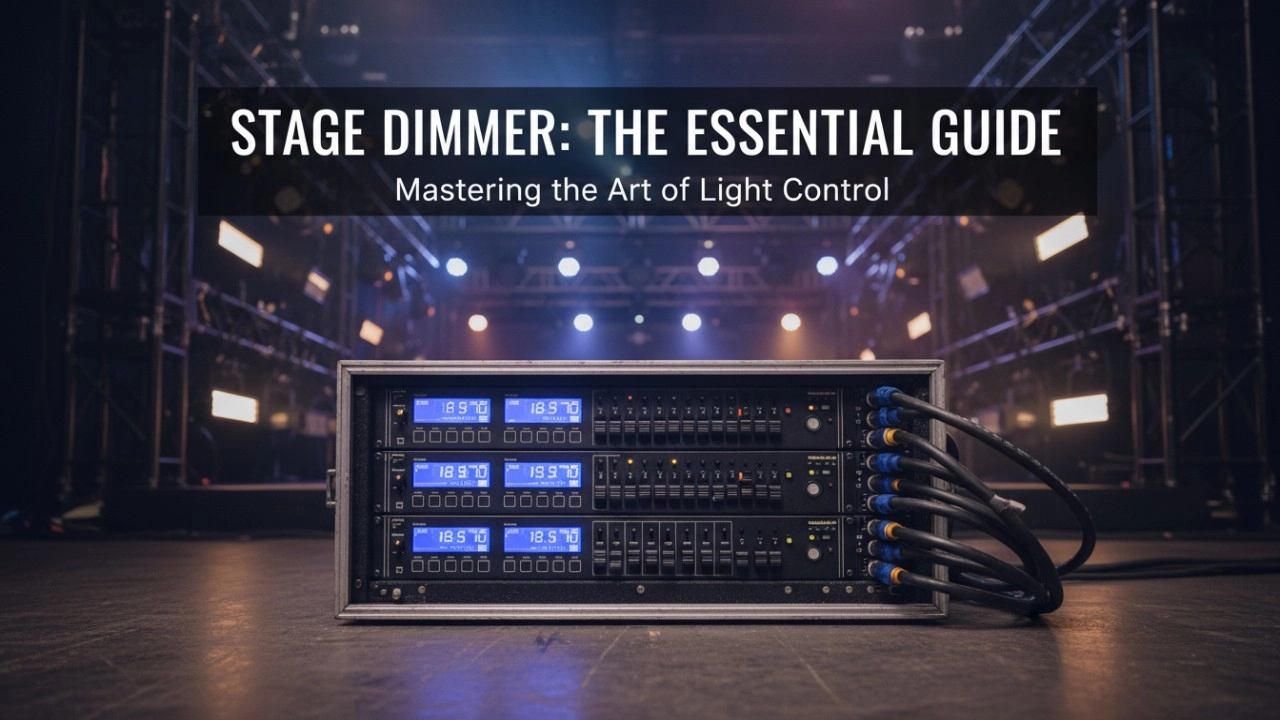
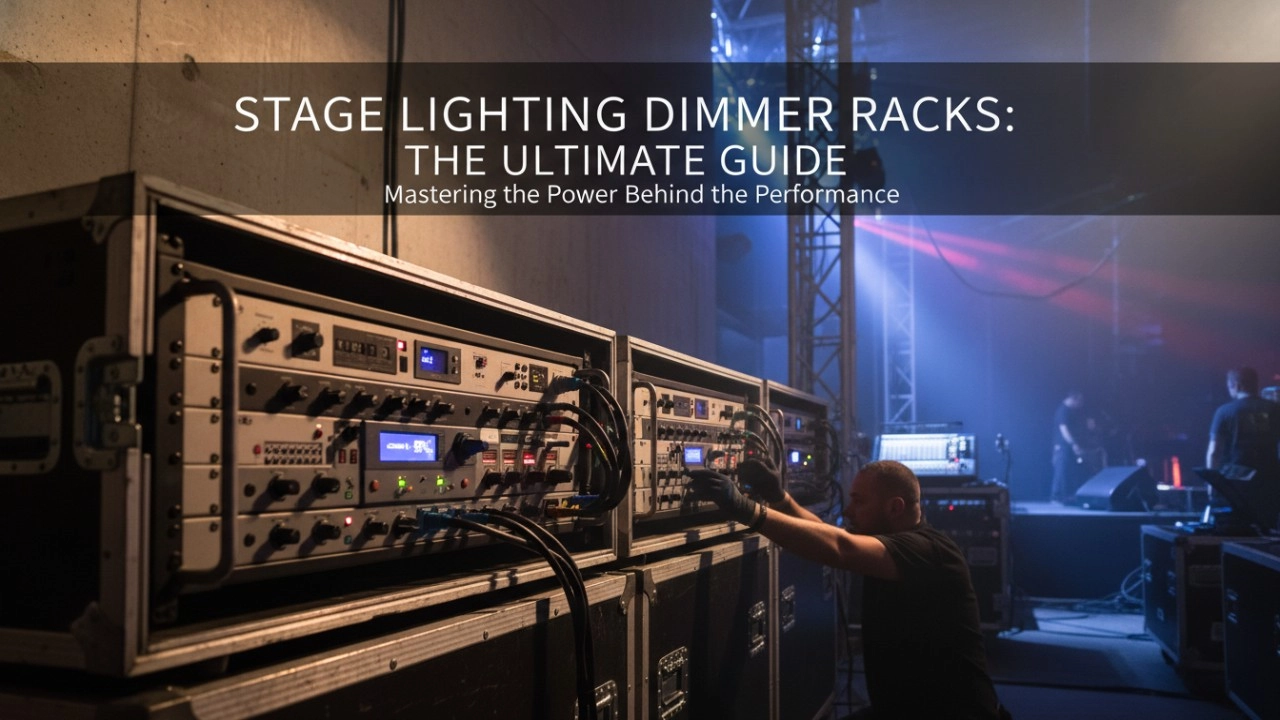
A comprehensive 2026 guide to selecting high-performance stage lighting dimmer racks. We review top hybrid systems, explore SCR vs sine wave technology, and analyze essential features like ThruPower for modern venues.
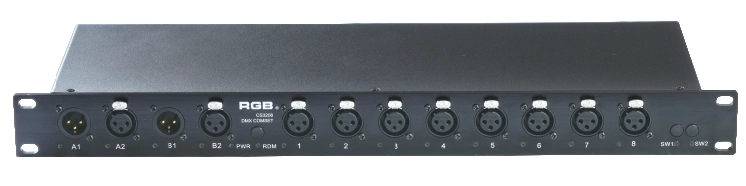
DMX&RDM Signal Mergers Amplifiers
The rack-mounted DMX signal amplifier complies with the DMX-512 standard protocol, improving the transmission quality of DMX-512 signals, ensuring the reliability of system control, and preventing faults such as reverse connection of AC high voltage in the lighting control system, high voltage intrusion due to lightning strikes, and line short circuits, which may affect the stability of the system.
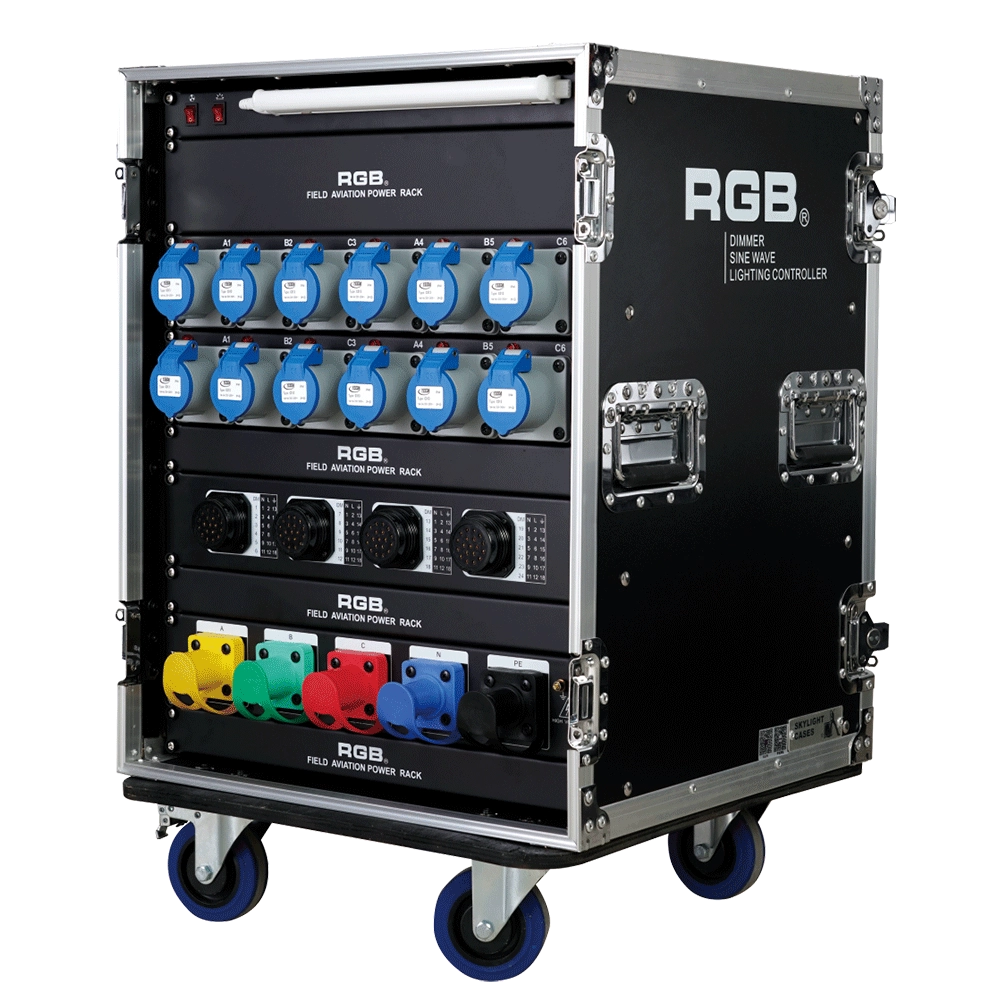
ZT2419+1216 Distribution Box
ZT2419+1216 features dual protection functions and is a power distribution product specifically designed for overcurrent and short circuits in electrical equipment. It is the best choice for mobile performance and is suitable for use in computer lamps, conventional lamps, and other equipment.
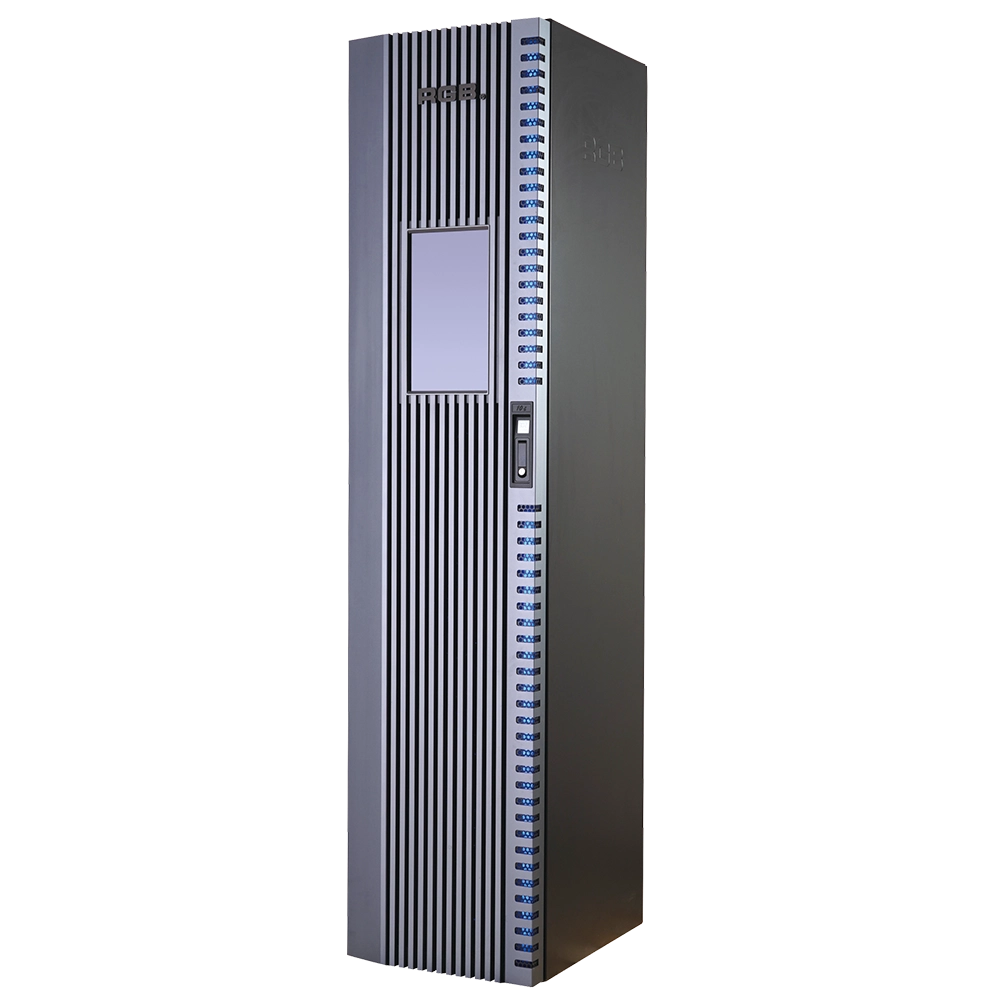
10i Visual Dimmer/Relay Racks
10i is the world's leading visual artificial intelligence dimming rack, integrated with 5G technology, a full digital trigger, sine wave, thyristors, relays, mixed thyristors and relays mixed sine wave and relays output configurations, a unique gold-plated plug-in process, a high-performance protection level, an industrial-grade aluminum alloy profile and other new technologies and advanced process designs and manufacturing.
It is suitable for the lighting control needs of different places such as high-standard grand theaters, TV stations, gymnasium and environmental intelligent lighting.
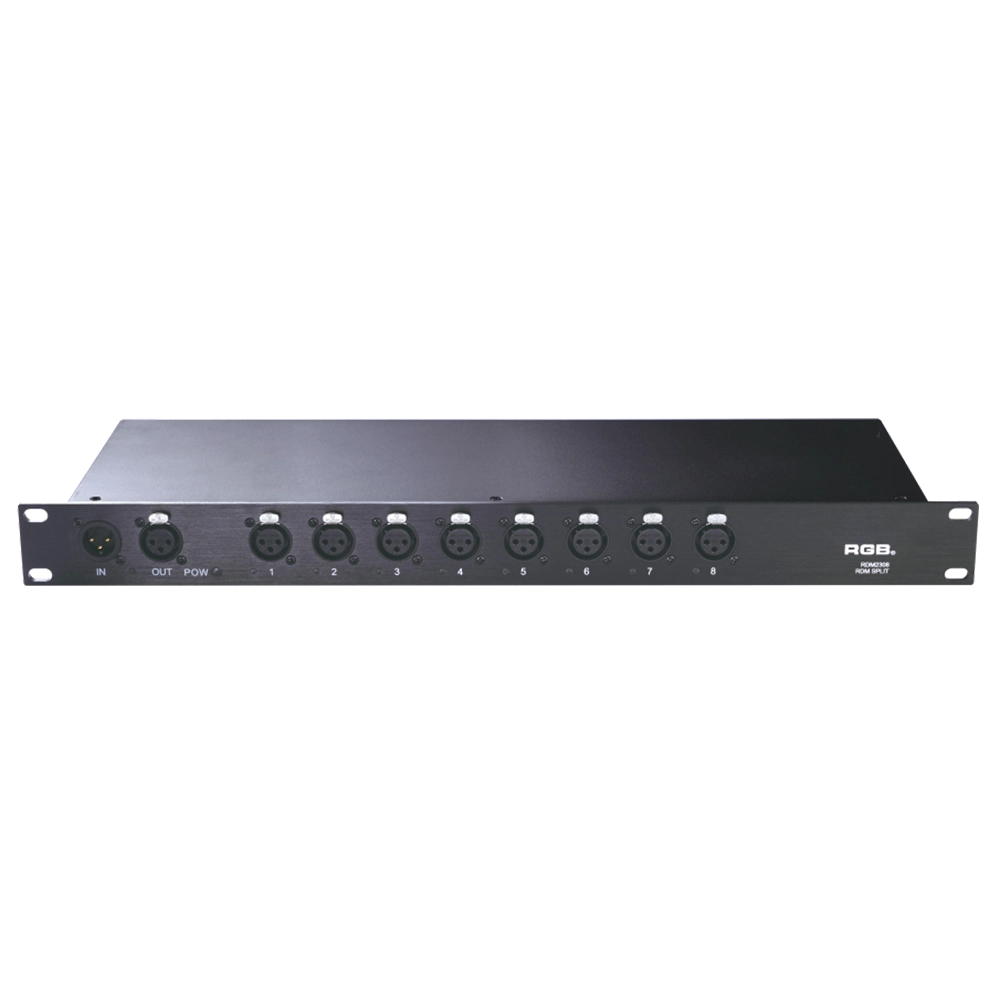
RDM Series Signal Amplifier
RDM2304, RDM2308, RDM2310, RDM2312 rack-mounted The RDM signal amplifier improves the quality of bidirectional RDM signal transmission, ensures the reliability of system control, and prevents faults such as AC high-voltage reverse series lighting control system, lightning high-voltage series entry, and line short circuit, which may affect system stability.
Expert Support
Interested in learning more or need expert guidance related to this article? Fill in your details, and our team will provide tailored support.
Intelligent Control. Brilliant Performance.
RGB specializes in stage lighting control systems, delivering intelligent, reliable, and high-performance solutions for theaters and performance spaces worldwide.
Contact
Email:
Tel:
+86 20 3928 0245
+86 20 3928 0247
Address:
No.3, Huashan Road, Shilou Town, Panyu, Guangzhou, China.
Whatsapp: +8615975520131