
Is redundancy necessary for DMX Ethernet node networks?
|
- 1. What are the primary benefits of integrating DMX Ethernet nodes into stage lighting control systems?
- 2. How does redundancy in DMX Ethernet node networks enhance system reliability?
- 3. What are the common challenges when setting up DMX Ethernet nodes, and how can they be addressed?
- 4. How can redundancy be implemented in DMX Ethernet node networks to prevent single points of failure?
- 5. What are the key features to consider when selecting a DMX Ethernet node for a stage lighting system?
- 6. How can network issues impact DMX Ethernet node performance, and what steps can be taken to mitigate these effects?
1. What are the primary benefits of integrating DMX Ethernet nodes into stage lighting control systems?
Integrating DMX Ethernet nodes into stage lighting control systems offers several advantages:
Enhanced Scalability: Ethernet-based DMX nodes allow for the expansion of lighting systems without the limitations of traditional DMX cabling. This scalability is crucial for large venues or complex setups.
Improved Signal Integrity: Ethernet transmission is less susceptible to signal degradation over long distances compared to standard DMX cables, ensuring consistent lighting performance.
Simplified Cabling: Utilizing existing Ethernet infrastructure reduces the need for extensive DMX cabling, streamlining the setup process and reducing potential points of failure.
Advanced Features: Many Ethernet-based DMX nodes support protocols like Art-Net and sACN, offering features such as remote device management (RDM), which facilitates easier control and monitoring of lighting fixtures.
2. How does redundancy in DMX Ethernet node networks enhance system reliability?
Redundancy in DMX Ethernet node networks is vital for maintaining uninterrupted lighting control, especially in critical applications like live performances and broadcast studios. Key aspects include:
Dual Network Paths: Implementing redundant network paths ensures that if one path fails, the system can seamlessly switch to the backup, preventing data loss and maintaining control.
Hardware Redundancy: Utilizing nodes with dual Ethernet ports allows for direct linking between units, creating a ring topology that enhances speed and redundancy. For instance, ProPlex IQ Two 88 2x features dual EtherCon ports for this purpose.
Automatic Failover: Advanced nodes can detect failures and automatically switch to backup systems without manual intervention, ensuring continuous operation. ELC Lighting's dmXLAN nodeGBx system offers such capabilities, providing automatic takeover in case of cable damage or network failure.
3. What are the common challenges when setting up DMX Ethernet nodes, and how can they be addressed?
Setting up DMX Ethernet nodes can present several challenges:
Network Configuration Issues: Incorrect IP addressing or subnet mismatches can prevent devices from communicating. Ensuring all devices are on the same subnet and have static IP addresses can resolve these issues.
Protocol Compatibility: Not all nodes support the same protocols. Verifying that all devices are compatible with protocols like Art-Net or sACN is essential for seamless integration.
Cabling and Termination: Using incorrect cables or failing to terminate the DMX line properly can lead to signal degradation. Employing DMX-rated cables and ensuring proper termination at the end of the line can mitigate these problems.
Firmware Updates: Outdated firmware can cause compatibility issues. Regularly updating the firmware of all networked devices ensures optimal performance.
4. How can redundancy be implemented in DMX Ethernet node networks to prevent single points of failure?
Implementing redundancy involves:
Dual Network Paths: Establishing two separate network connections for critical devices ensures that if one path fails, the other can maintain communication.
Redundant Power Supplies: Using nodes with dual power inputs or integrating uninterruptible power supplies (UPS) can prevent power-related failures. For example, the ProPlex IQ Two 88 2x offers PoE power-in options for convenience or dual-power redundancy.
Ring Topology: Configuring devices in a ring topology allows data to travel in both directions, so if one connection fails, the system can reroute data through the other path. This setup is supported by certain nodes like the ProPlex IQ Two 88 2x.
5. What are the key features to consider when selecting a DMX Ethernet node for a stage lighting system?
When choosing a DMX Ethernet node, consider:
Protocol Support: Ensure the node supports the necessary protocols (e.g., Art-Net, sACN) for your system.
Number of Universes: Determine how many DMX universes the node can handle to accommodate your lighting setup.
Redundancy Capabilities: Look for features like dual Ethernet ports and redundant power options to enhance reliability.
RDM Functionality: Remote Device Management allows for easier monitoring and control of connected fixtures.
Physical Form Factor: Consider whether a rackmount, portable, or wall-mountable node best suits your installation needs.
6. How can network issues impact DMX Ethernet node performance, and what steps can be taken to mitigate these effects?
Network issues can affect performance in several ways:
Latency and Jitter: Network congestion or poor-quality switches can introduce delays and inconsistencies in data transmission. Using high-quality, managed switches and ensuring a dedicated network for lighting control can help mitigate these issues.
Packet Loss: Unreliable network connections can lead to lost data packets, causing lighting glitches. Implementing Quality of Service (QoS) settings and monitoring network health can reduce packet loss.
IP Address Conflicts: Duplicate IP addresses can disrupt communication. Assigning static IP addresses and maintaining an organized addressing scheme can prevent conflicts.
By addressing these considerations, you can ensure a robust and reliable DMX Ethernet node network for your stage lighting control system.
For a personalized consultation or to request a quote, please contact us at info@rgbsystem.com or visit our website at www.rgbsystem.com.
Latest News
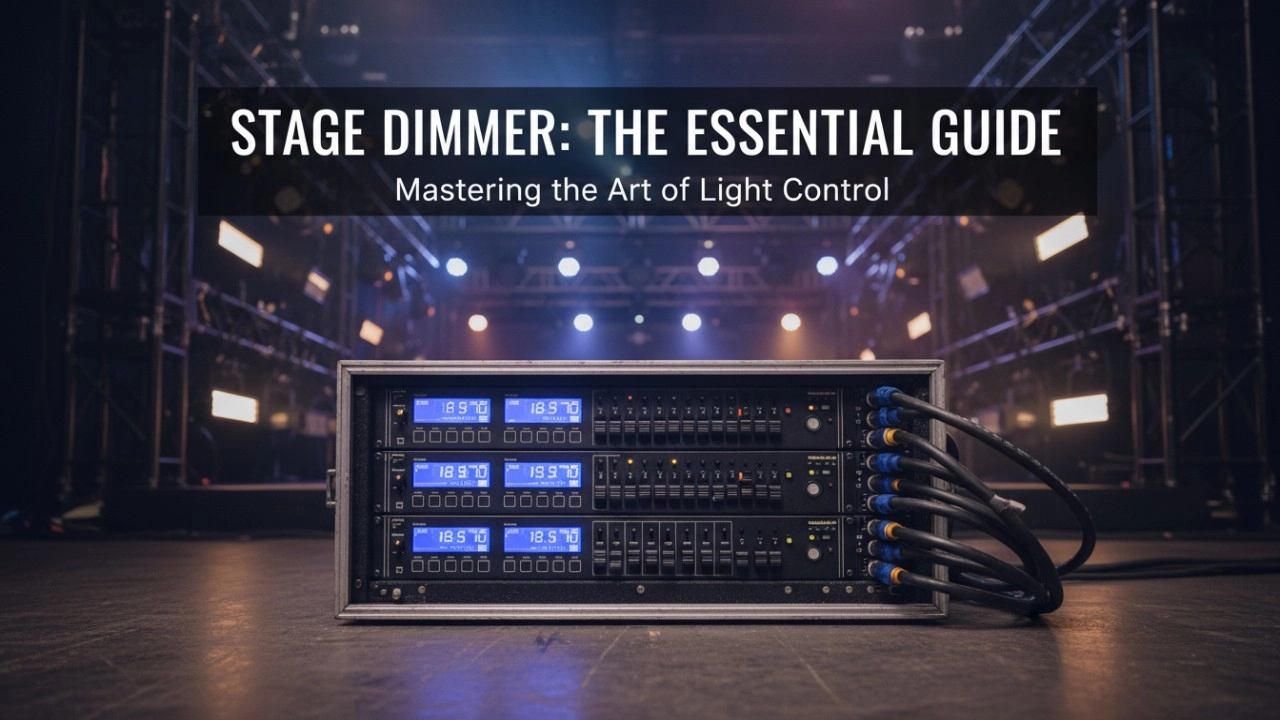
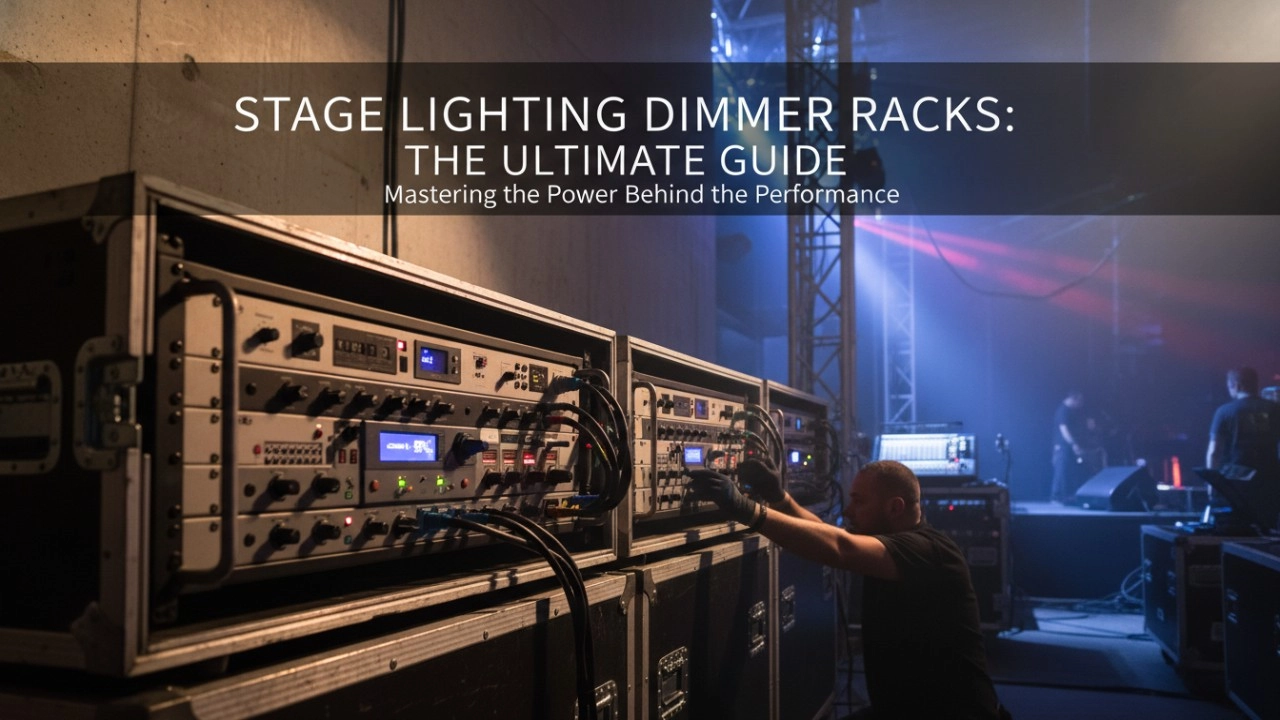
A comprehensive 2026 guide to selecting high-performance stage lighting dimmer racks. We review top hybrid systems, explore SCR vs sine wave technology, and analyze essential features like ThruPower for modern venues.
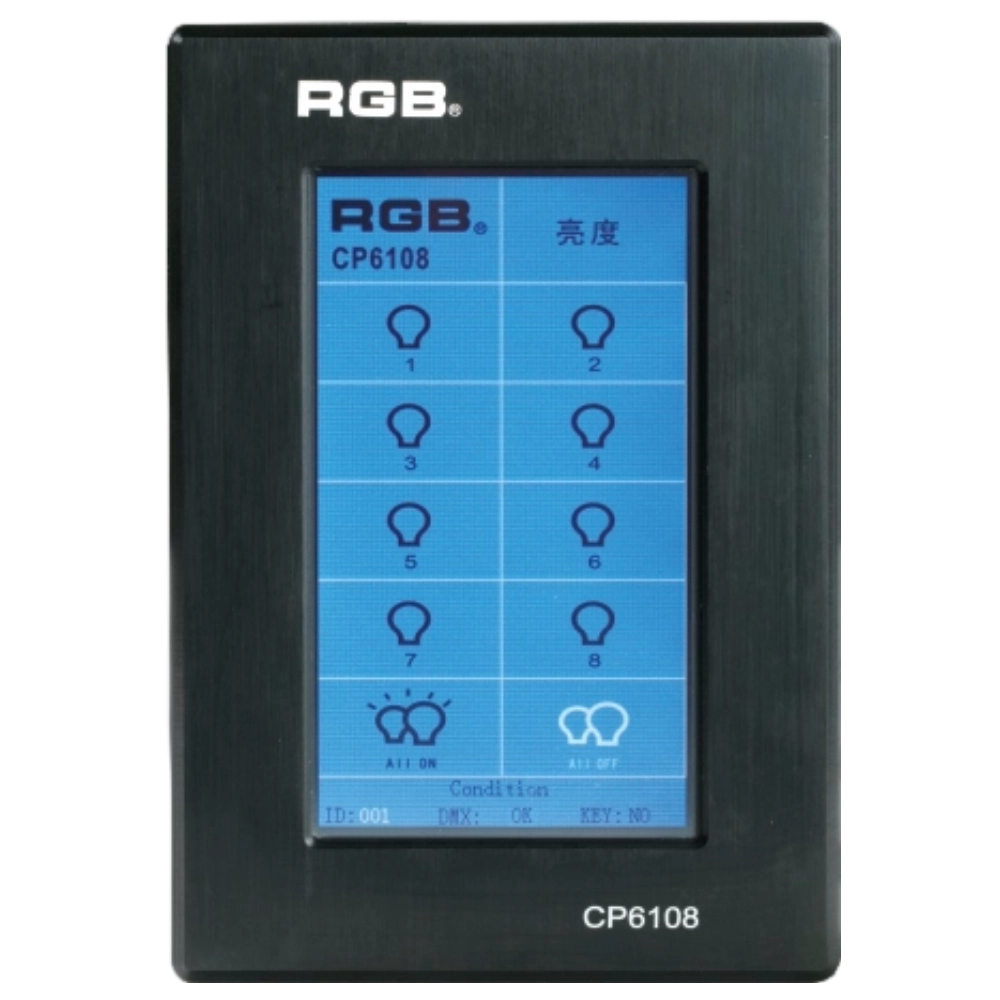
Site Light Controller CP6108
The CP6108 lighting control panel is a lighting control device for theater stage lights, work lights, environmental lighting, commercial art lighting, sports venue lighting, and other places. By connecting to the dedicated lighting control host CP6100, it realizes the central control of the lighting system, supports a visual lighting control system, and intuitively displays the online and offline status of CP6108. Realize remote monitoring, editing, and setting of corresponding parameters.
It is widely applicable to theaters, cinemas, auditoriums, stadiums, museums, exhibition halls, cultural tourism performances, commercial art lighting, and other places.
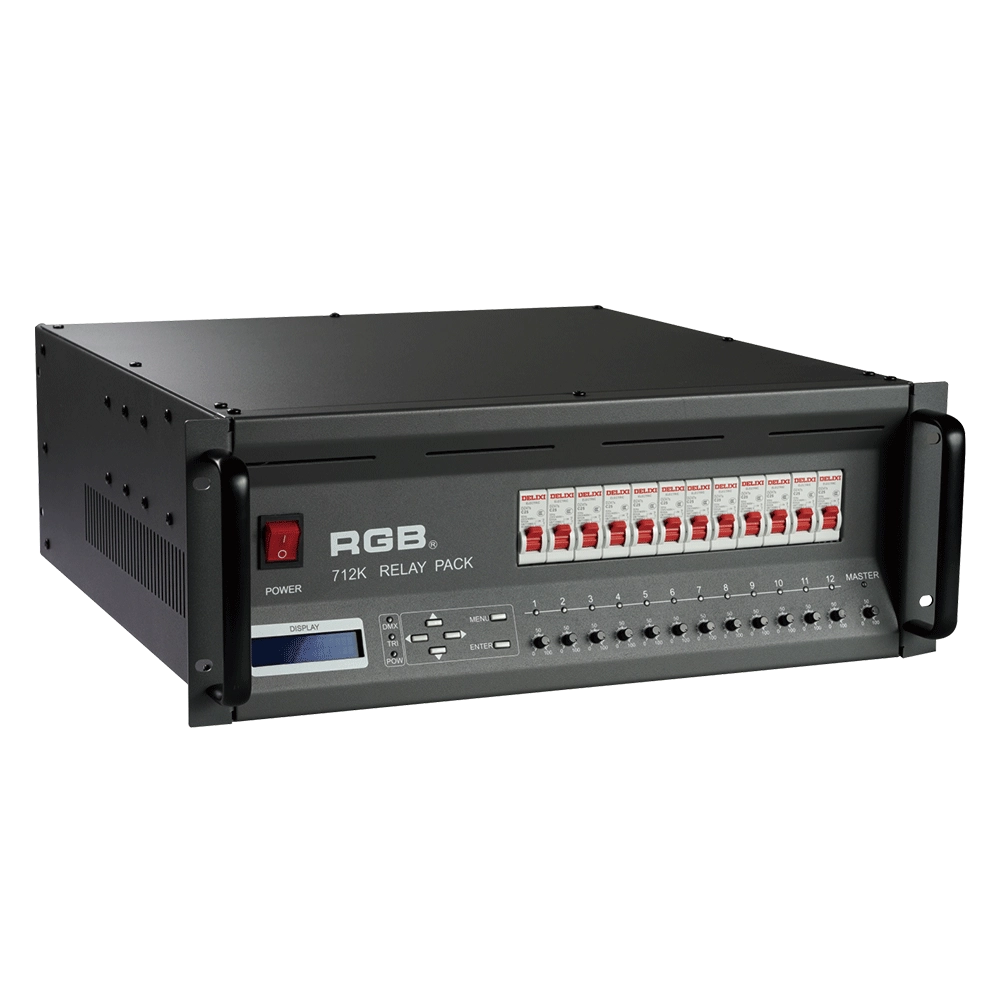
Alloy Relay Packs
High-performance DMX512 relay dimming unit with 512 addressable circuits, phase-loss protection, dual-signal amplification, 20A output per channel, and robust design for reliable stage and mobile lighting applications.
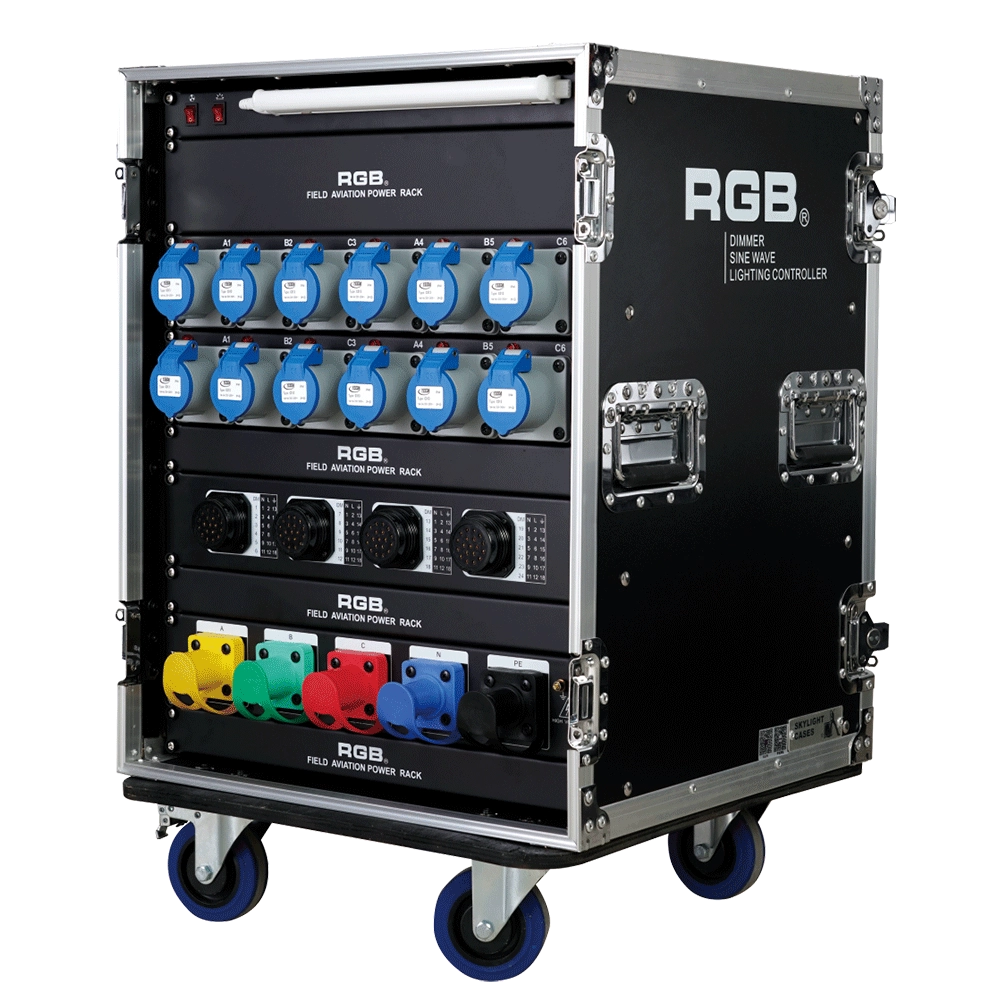
ZT2419+1216 Distribution Box
ZT2419+1216 features dual protection functions and is a power distribution product specifically designed for overcurrent and short circuits in electrical equipment. It is the best choice for mobile performance and is suitable for use in computer lamps, conventional lamps, and other equipment.
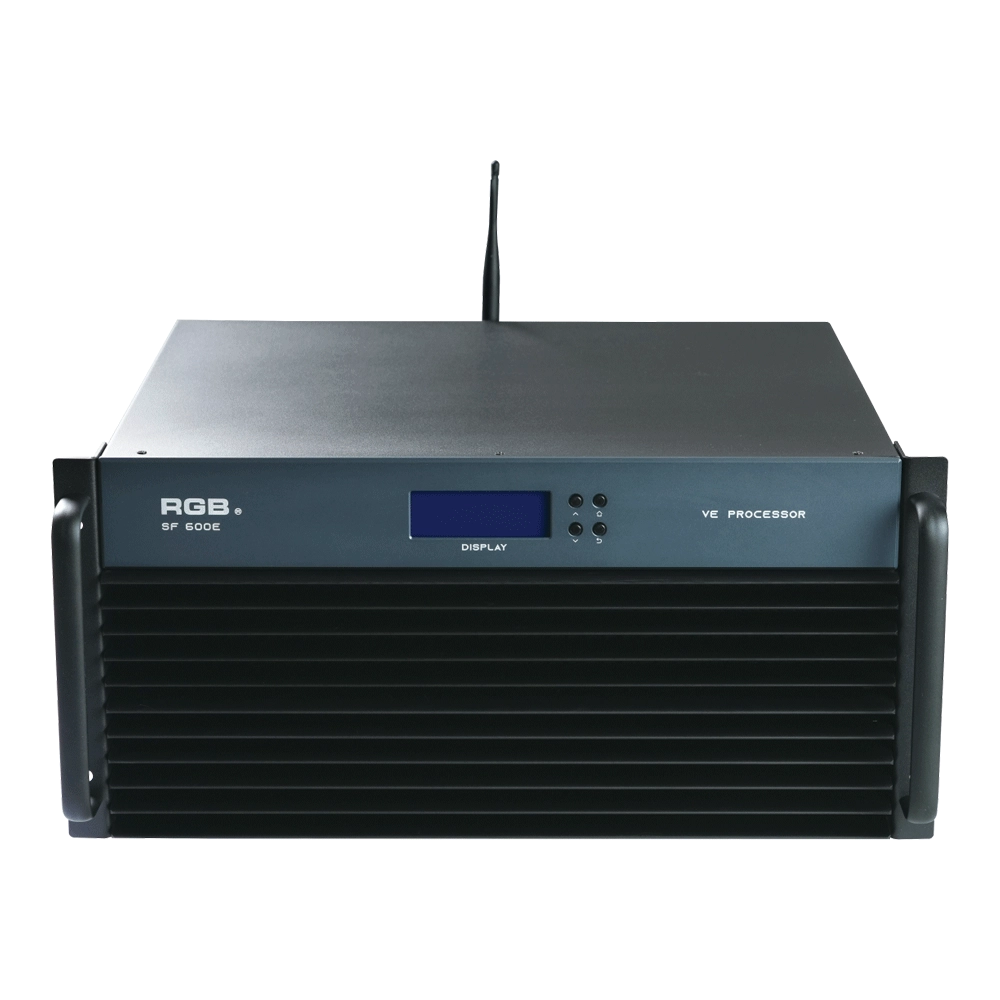
SF600E Visual R-net environment processor
The SF600E Visual R-net environment processor by RGB delivers advanced performance for visual systems. As a leading visual systems manufacturer, RGB ensures seamless integration and high reliability, making SF600E ideal for complex visual processing needs in diverse environments.
Expert Support
Interested in learning more or need expert guidance related to this article? Fill in your details, and our team will provide tailored support.
Intelligent Control. Brilliant Performance.
RGB specializes in stage lighting control systems, delivering intelligent, reliable, and high-performance solutions for theaters and performance spaces worldwide.
Contact
Email:
Tel:
+86 20 3928 0245
+86 20 3928 0247
Address:
No.3, Huashan Road, Shilou Town, Panyu, Guangzhou, China.
Whatsapp: +8615975520131