
DMX Ethernet node vs Art-Net/sACN: which to choose?
|
- 1. What is a DMX Ethernet Node and How Does It Function?
- 2. What Are the Key Differences Between Art-Net and sACN Protocols?
- 3. How Do Art-Net and sACN Differ in Terms of Network Efficiency and Scalability?
- 4. What Are the Considerations for Choosing Between Art-Net and sACN?
- 5. How Do DMX Ethernet Nodes Integrate with Existing Lighting Control Systems?
- 6. What Are the Key Features to Look for When Selecting a DMX Ethernet Node?
1. What is a DMX Ethernet Node and How Does It Function?
A DMX Ethernet node serves as a bridge between traditional DMX512 lighting control systems and modern Ethernet-based networks. It converts DMX512 signals into Ethernet protocols, enabling the distribution of lighting control data over IP networks. This conversion allows for greater flexibility, scalability, and integration with various lighting control systems.
For instance, the ADJ NET 8 is an 8-port DMX over Ethernet node that supports Art-Net, sACN, DMX512, and RDM protocols. It facilitates the expansion of a single DMX universe into multiple outputs, accommodating complex lighting setups.
2. What Are the Key Differences Between Art-Net and sACN Protocols?
Art-Net and sACN are two prevalent protocols for transmitting DMX data over Ethernet, each with distinct characteristics:
Art-Net: Developed by Artistic Licence, Art-Net is a widely adopted, royalty-free protocol that encapsulates DMX data within standard Ethernet packets. It supports up to 32,768 nodes, each with 512 channels, and is known for its simplicity and broad compatibility.
sACN (Streaming Architecture for Control Networks): An ANSI/ESTA standard (E1.31), sACN utilizes multicast transmission to efficiently distribute lighting control data to multiple receivers. It supports up to 63,999 universes and includes built-in priority and synchronization mechanisms, making it suitable for large-scale, synchronized lighting systems.
3. How Do Art-Net and sACN Differ in Terms of Network Efficiency and Scalability?
Network Efficiency:
- Art-Net: Operates over unicast transmission, which can lead to increased network traffic as the number of receivers grows. This may necessitate more robust network infrastructure to maintain performance.
- sACN: Primarily uses multicast transmission, allowing devices to subscribe only to the universes they need. This method reduces unnecessary data traffic and enhances overall network efficiency.
Scalability:
- Art-Net: Supports up to 32,768 nodes, each with 512 channels, which is sufficient for many applications but may be limiting for extensive installations.
- sACN: Supports up to 63,999 universes, offering greater scalability for large-scale lighting systems.
4. What Are the Considerations for Choosing Between Art-Net and sACN?
When selecting between Art-Net and sACN, consider the following factors:
System Size and Complexity: For smaller to medium-sized installations, Art-Net may suffice. However, for large-scale or complex systems requiring high scalability and efficient network usage, sACN is often the preferred choice.
Network Infrastructure: Assess your existing network capabilities. sACN's multicast nature may require network equipment that supports multicast routing, whereas Art-Net's unicast transmission is less demanding on network infrastructure.
Compatibility: Ensure that your lighting fixtures, controllers, and other equipment support the chosen protocol. Some devices may offer dual support for both Art-Net and sACN, providing flexibility in system design.
5. How Do DMX Ethernet Nodes Integrate with Existing Lighting Control Systems?
DMX Ethernet nodes integrate with lighting control systems by converting Ethernet-based control signals (Art-Net or sACN) into DMX512 signals that lighting fixtures can interpret. This integration allows for:
Expanded Control: Multiple DMX universes can be managed over a single network, facilitating complex lighting designs.
Remote Management: Lighting systems can be monitored and controlled remotely, enhancing operational efficiency.
Flexibility: Nodes can be strategically placed within the network to optimize signal distribution and address specific lighting zones or areas.
For example, the Chauvet Professional Net-X II is an Ethernet-to-DMX node with merging capabilities, suitable for both novice and expert users in professional lighting environments.
6. What Are the Key Features to Look for When Selecting a DMX Ethernet Node?
When choosing a DMX Ethernet node, consider the following features:
Protocol Support: Ensure compatibility with the protocols used in your system, such as Art-Net, sACN, or both.
Number of Outputs: Determine the number of DMX outputs required for your setup.
Power Options: Look for nodes that offer flexible power solutions, such as Power over Ethernet (PoE) or standard AC input.
Configuration Interface: A user-friendly interface, like a web browser or onboard display, simplifies setup and management.
Build Quality: A durable, rackmountable design is beneficial for both touring and permanent installations.
Redundancy and Reliability: Features like dual network ports or support for redundant power sources enhance system reliability.
For instance, the ProPlex IQ Ethernet-DMX Nodes offer various models with different port configurations and features to suit diverse application needs.
In conclusion, selecting the appropriate DMX Ethernet node is crucial for the efficiency and scalability of your lighting control system. By understanding the differences between Art-Net and sACN, evaluating your system's requirements, and considering the key features of available nodes, you can make an informed decision that aligns with your operational needs.
For a visual explanation of Art-Net and sACN protocols, you might find the following video helpful:
(https://www.youtube.com/watch?v=OwzVgKEMs0Q&utm_source=openai)
For personalized assistance and a quote tailored to your specific requirements, please contact us at info@rgbsystem.com or visit our website at www.rgbsystem.com.
Latest News
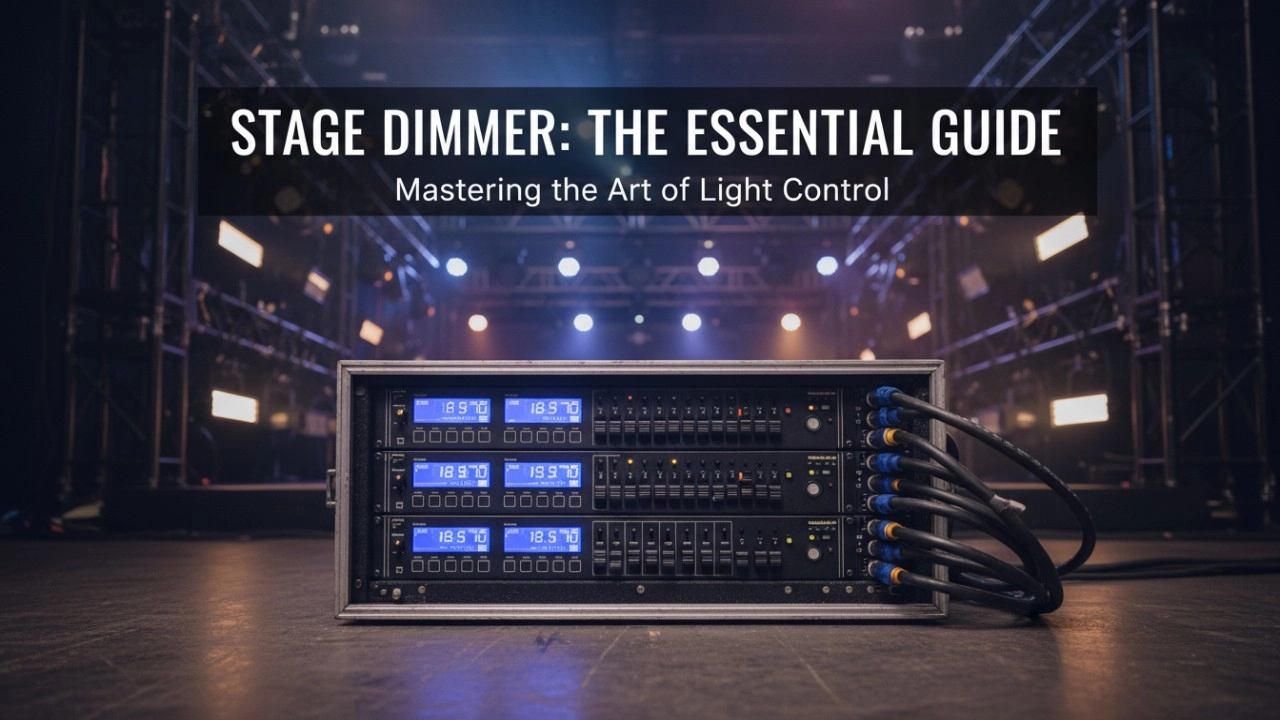
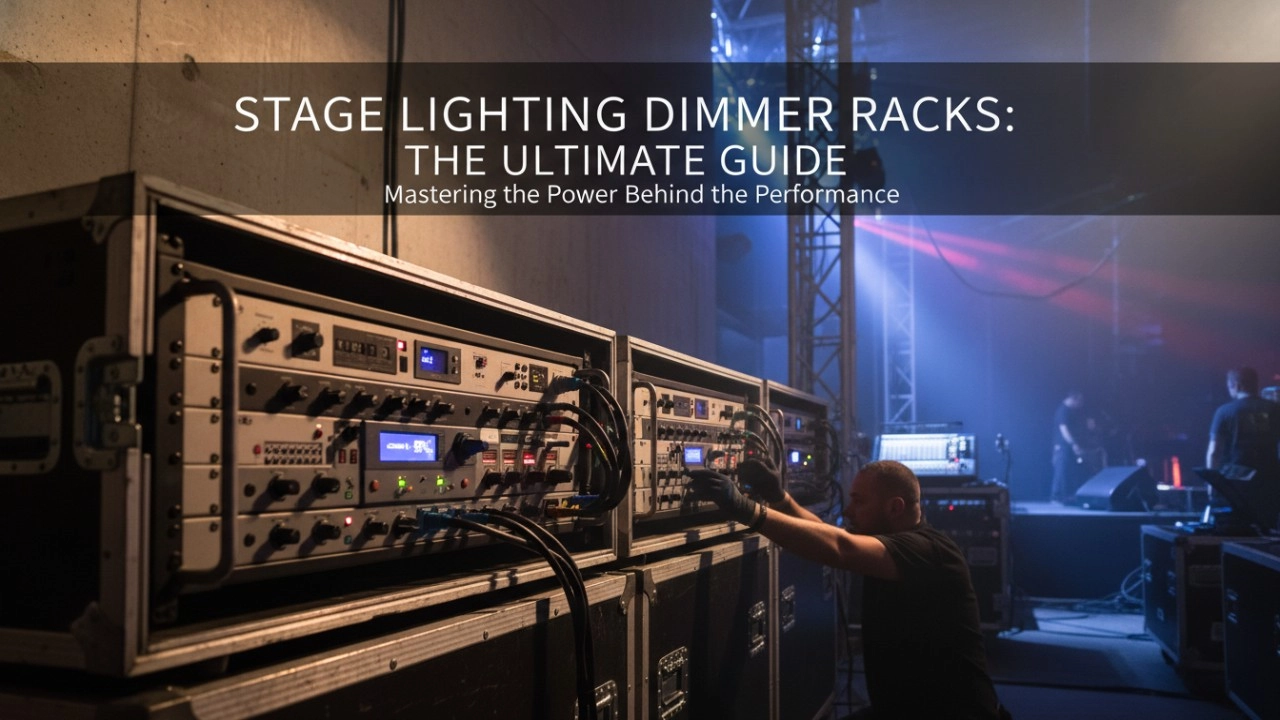
A comprehensive 2026 guide to selecting high-performance stage lighting dimmer racks. We review top hybrid systems, explore SCR vs sine wave technology, and analyze essential features like ThruPower for modern venues.
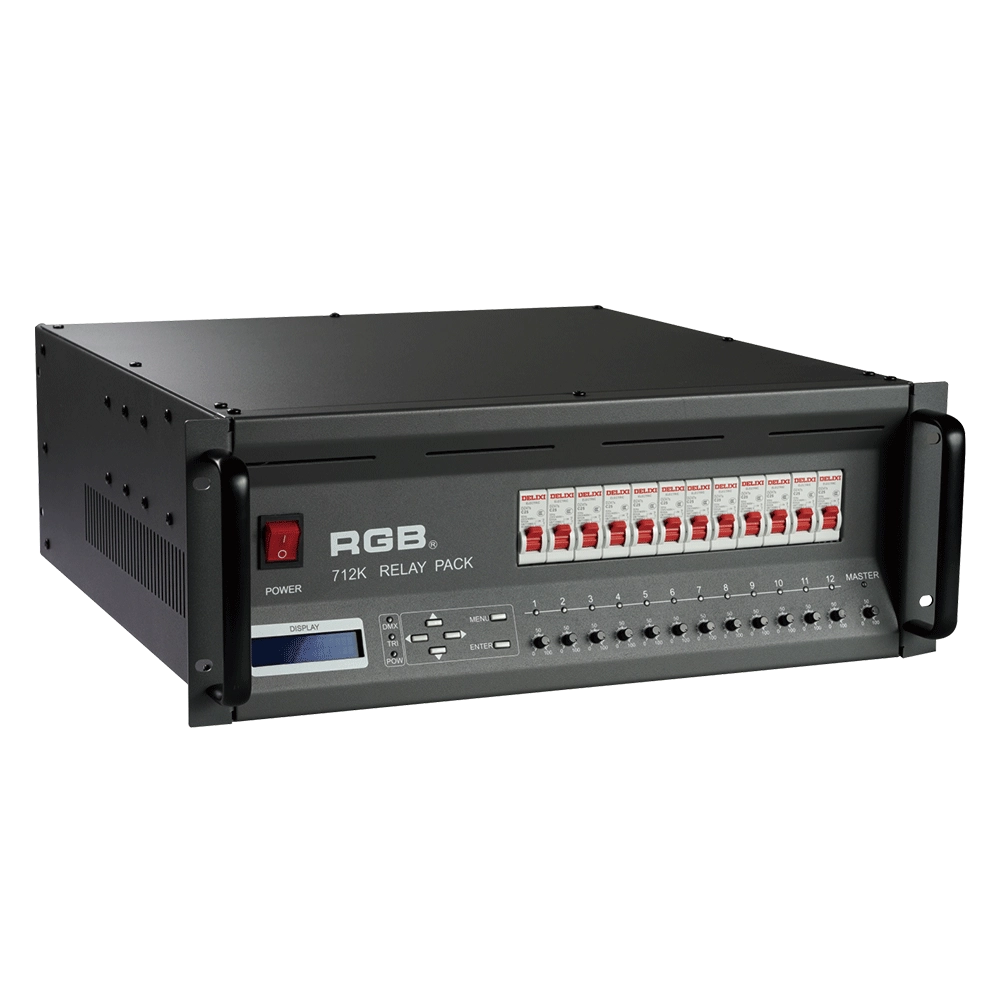
Alloy Relay Packs
High-performance DMX512 relay dimming unit with 512 addressable circuits, phase-loss protection, dual-signal amplification, 20A output per channel, and robust design for reliable stage and mobile lighting applications.
RDM Nodes
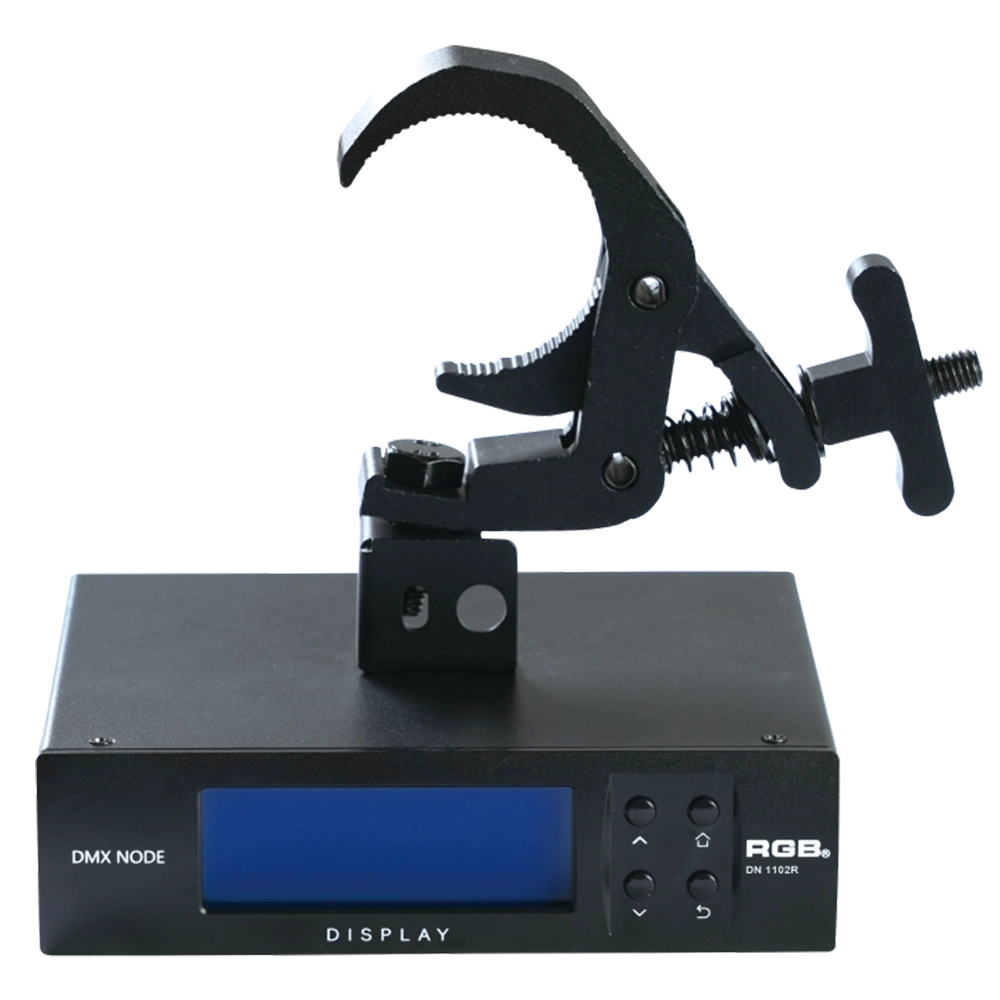
The DN series network decoder is a product of the lighting control system independently developed by RGB, featuring completely independent core technology and obtaining software copyrights. It seamlessly connects and decodes the sACN and Art-Net network protocols based on TCP/IP with the DMX-512 and RDM communication protocols. Supports a visual lighting control system, intuitively displaying the online and offline status of the DN series network decoders, and enabling remote monitoring, editing, and setting of corresponding parameters.
It is widely applied in theaters, concert halls, multi-functional halls, cultural and tourism performances, TV stations, gymnasiums, auditoriums, commercial art lighting, and other performance and cultural venues.
ZT2419+1216 Distribution Box
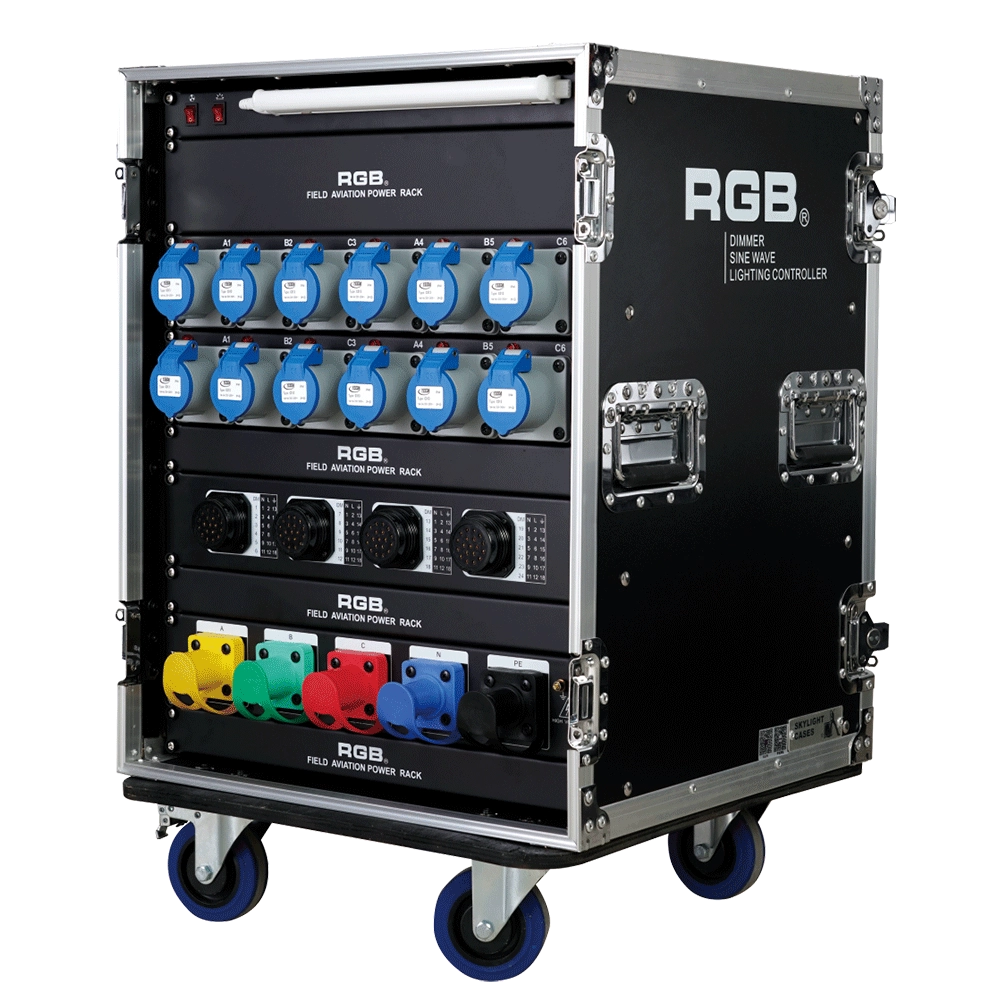
ZT2419+1216 features dual protection functions and is a power distribution product specifically designed for overcurrent and short circuits in electrical equipment. It is the best choice for mobile performance and is suitable for use in computer lamps, conventional lamps, and other equipment.
10i Visual Dimmer/Relay Racks
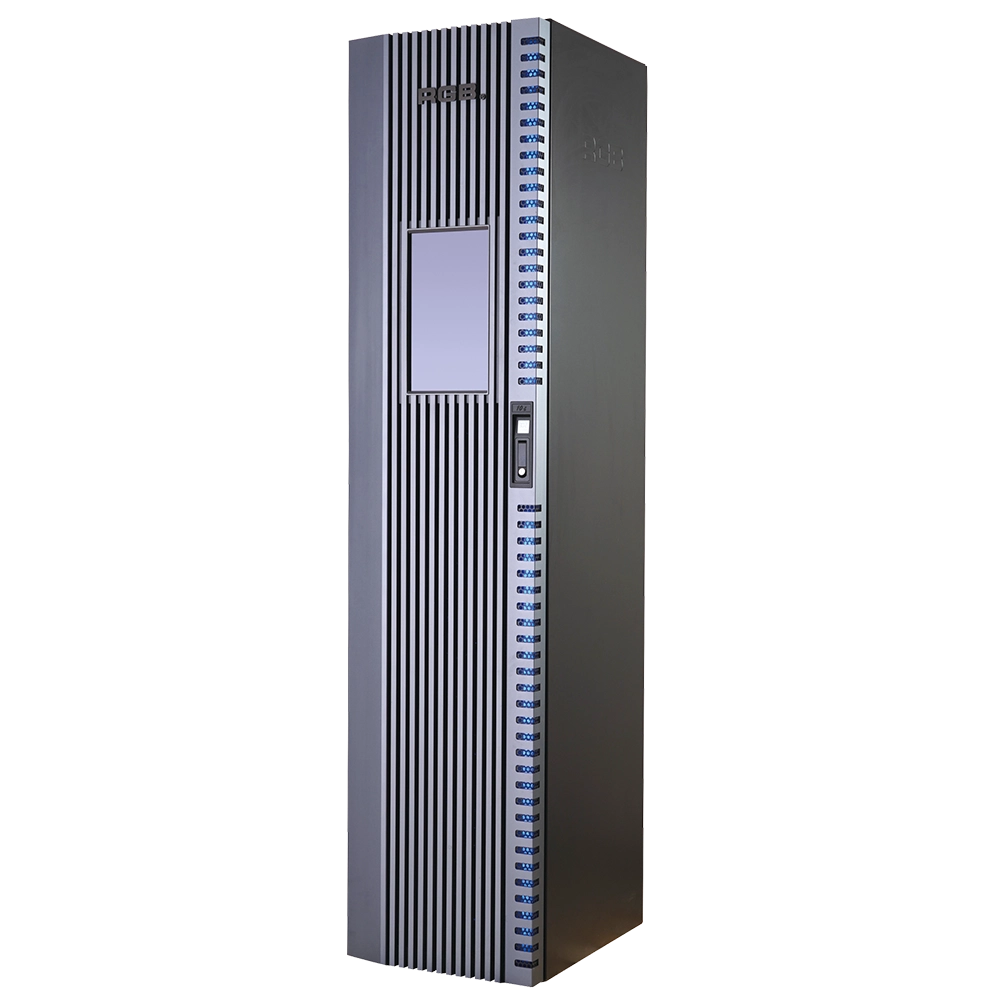
10i is the world's leading visual artificial intelligence dimming rack, integrated with 5G technology, a full digital trigger, sine wave, thyristors, relays, mixed thyristors and relays mixed sine wave and relays output configurations, a unique gold-plated plug-in process, a high-performance protection level, an industrial-grade aluminum alloy profile and other new technologies and advanced process designs and manufacturing.
It is suitable for the lighting control needs of different places such as high-standard grand theaters, TV stations, gymnasium and environmental intelligent lighting.
Expert Support
Interested in learning more or need expert guidance related to this article? Fill in your details, and our team will provide tailored support.
Intelligent Control. Brilliant Performance.
RGB specializes in stage lighting control systems, delivering intelligent, reliable, and high-performance solutions for theaters and performance spaces worldwide.
Contact
Email:
Tel:
+86 20 3928 0245
+86 20 3928 0247
Address:
No.3, Huashan Road, Shilou Town, Panyu, Guangzhou, China.
Whatsapp: +8615975520131