
How Do DMX Controllers Integrate with Lighting Consoles?
|
- 1. What Are the Key Differences Between DMX512 and RDM Protocols in Lighting Control?
- 2. How Do DMX Controllers Integrate with Lighting Consoles?
- 3. What Are the Common Challenges in Integrating DMX Controllers with Lighting Consoles?
- 4. How Can RDM Enhance the Integration of DMX Controllers with Lighting Consoles?
- 5. What Are the Best Practices for Troubleshooting DMX Controller and Lighting Console Integration Issues?
- 6. How Do Art-Net and sACN Protocols Facilitate Advanced Integration of DMX Controllers with Lighting Consoles?
1. What Are the Key Differences Between DMX512 and RDM Protocols in Lighting Control?
DMX512 is a widely adopted protocol for controlling stage lighting and effects, operating over a unidirectional EIA-485 differential signaling system. It transmits data at 250kbit/s, facilitating control of up to 512 channels per universe. However, DMX512 lacks bidirectional communication capabilities, limiting its ability to provide device status feedback or remote configuration.
In contrast, Remote Device Management (RDM) is an extension of the DMX512 protocol, introducing bidirectional communication. This enhancement allows for device identification, status reporting, and configuration over the same DMX512 network. RDM enables lighting consoles to automatically detect devices, adjust settings remotely, and monitor fixture statuses, thereby streamlining setup and maintenance processes.
The integration of RDM with DMX512 addresses several limitations of the original protocol, offering a more efficient and flexible solution for modern lighting control systems.
2. How Do DMX Controllers Integrate with Lighting Consoles?
DMX controllers serve as the interface between lighting consoles and various lighting fixtures, translating control signals from the console into commands that fixtures can execute. This integration typically involves connecting the console's DMX output to the DMX input of the first fixture in a daisy-chained configuration. Each fixture is assigned a unique DMX address, allowing the console to control multiple fixtures simultaneously or individually.
Advanced lighting consoles may support multiple DMX universes, enabling control of a vast number of channels and fixtures. Additionally, protocols like Art-Net and sACN (Streaming Architecture for Control Networks) allow DMX data to be transmitted over Ethernet networks, facilitating more complex setups and longer cable runs.
The integration of DMX controllers with lighting consoles is fundamental to achieving synchronized and dynamic lighting effects in stage productions, concerts, and architectural lighting installations.
3. What Are the Common Challenges in Integrating DMX Controllers with Lighting Consoles?
Integrating DMX controllers with lighting consoles can present several challenges:
Signal Integrity Issues: Improper termination of the DMX line can lead to signal reflections, causing flickering or unresponsive fixtures. Ensuring a 120-ohm terminator is installed at the end of the DMX chain is crucial.
Addressing Conflicts: Overlapping DMX addresses can result in fixtures responding incorrectly or not at all. Careful planning and documentation of addresses are essential to prevent such conflicts.
Cabling Errors: Using incorrect cables, such as microphone cables instead of DMX-rated cables, can compromise data transmission. It's important to use cables specifically designed for DMX to maintain signal integrity.
Protocol Compatibility: Different fixtures may use varying protocols, leading to integration issues. Employing universal protocols like DMX or Art-Net can help mitigate these challenges.
Addressing these challenges requires meticulous planning, proper equipment selection, and thorough testing to ensure a reliable and efficient lighting control system.
4. How Can RDM Enhance the Integration of DMX Controllers with Lighting Consoles?
The introduction of Remote Device Management (RDM) significantly enhances the integration of DMX controllers with lighting consoles by enabling bidirectional communication. This allows for automatic device detection, remote configuration, and real-time status monitoring, reducing setup times and simplifying maintenance. RDM's compatibility with existing DMX512 infrastructure ensures a seamless transition and backward compatibility.
By leveraging RDM, lighting professionals can achieve more efficient and flexible control over their lighting systems, leading to improved performance and reliability.
5. What Are the Best Practices for Troubleshooting DMX Controller and Lighting Console Integration Issues?
When encountering issues with DMX controller and lighting console integration, consider the following best practices:
Verify Connections: Ensure all cables are securely connected and that the DMX chain is properly terminated.
Check Addresses and Modes: Confirm that all fixtures have unique DMX addresses and are set to the correct operating modes.
Inspect Cables: Use DMX-rated cables and replace any that appear damaged or degraded.
Test with Known-Good Equipment: Isolate the problem by testing with known-good fixtures and cables to identify faulty components.
Consult Documentation: Refer to the user manuals of both the DMX controller and the lighting console for specific troubleshooting steps.
Implementing these practices can help identify and resolve integration issues efficiently, ensuring a stable and functional lighting control system.
6. How Do Art-Net and sACN Protocols Facilitate Advanced Integration of DMX Controllers with Lighting Consoles?
Art-Net and sACN are protocols that extend the capabilities of DMX512 by transmitting control data over Ethernet networks. Art-Net, for example, allows for the transmission of multiple DMX universes over a single network, enabling control of a vast number of channels and fixtures.
These protocols facilitate advanced integration by:
Simplifying Cabling: Reducing the need for extensive DMX cabling by utilizing existing network infrastructure.
Enhancing Scalability: Easily accommodating large-scale lighting setups with numerous fixtures.
Improving Flexibility: Allowing for dynamic reconfiguration and control of lighting systems.
By adopting Art-Net or sACN, lighting professionals can achieve more sophisticated and scalable lighting control solutions.
In conclusion, understanding the intricacies of DMX controllers and their integration with lighting consoles is essential for effective stage lighting control. By addressing common challenges, leveraging advanced protocols like RDM, and adhering to best practices, lighting professionals can enhance the performance and reliability of their lighting systems.
For a personalized consultation or to request a quote, please contact us at info@rgbsystem.com or visit our website at www.rgbsystem.com.
Latest News
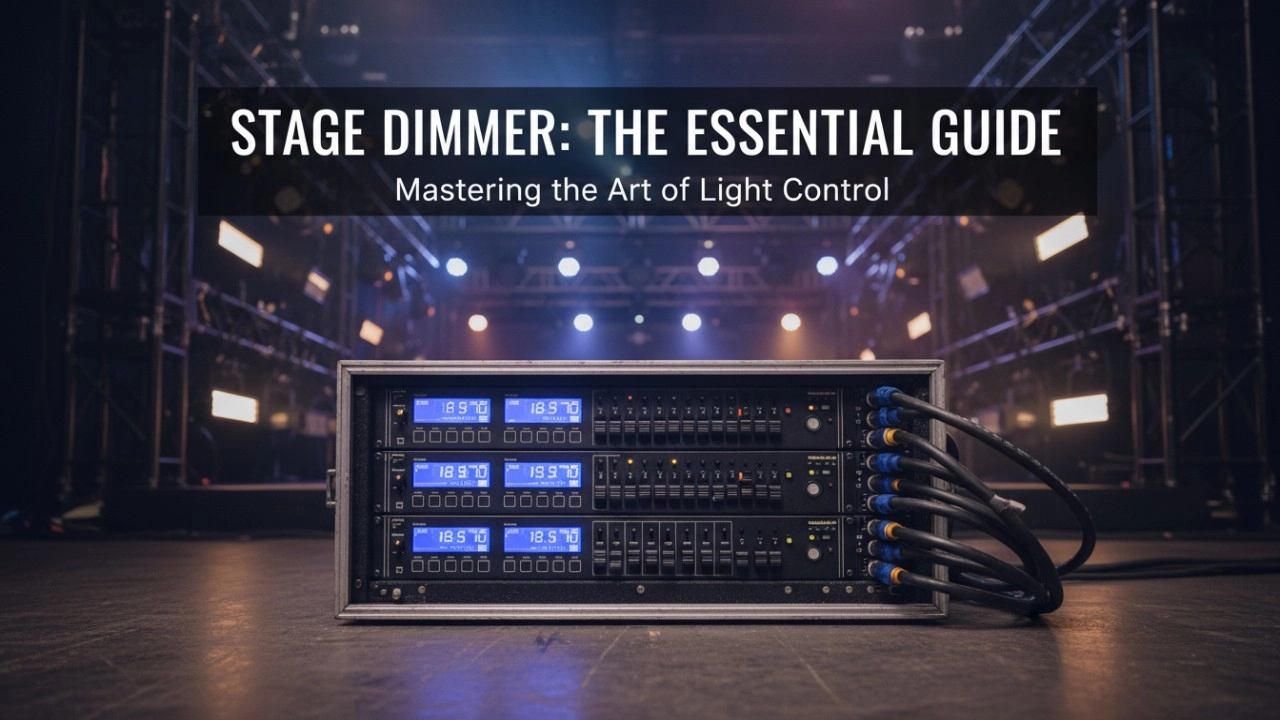
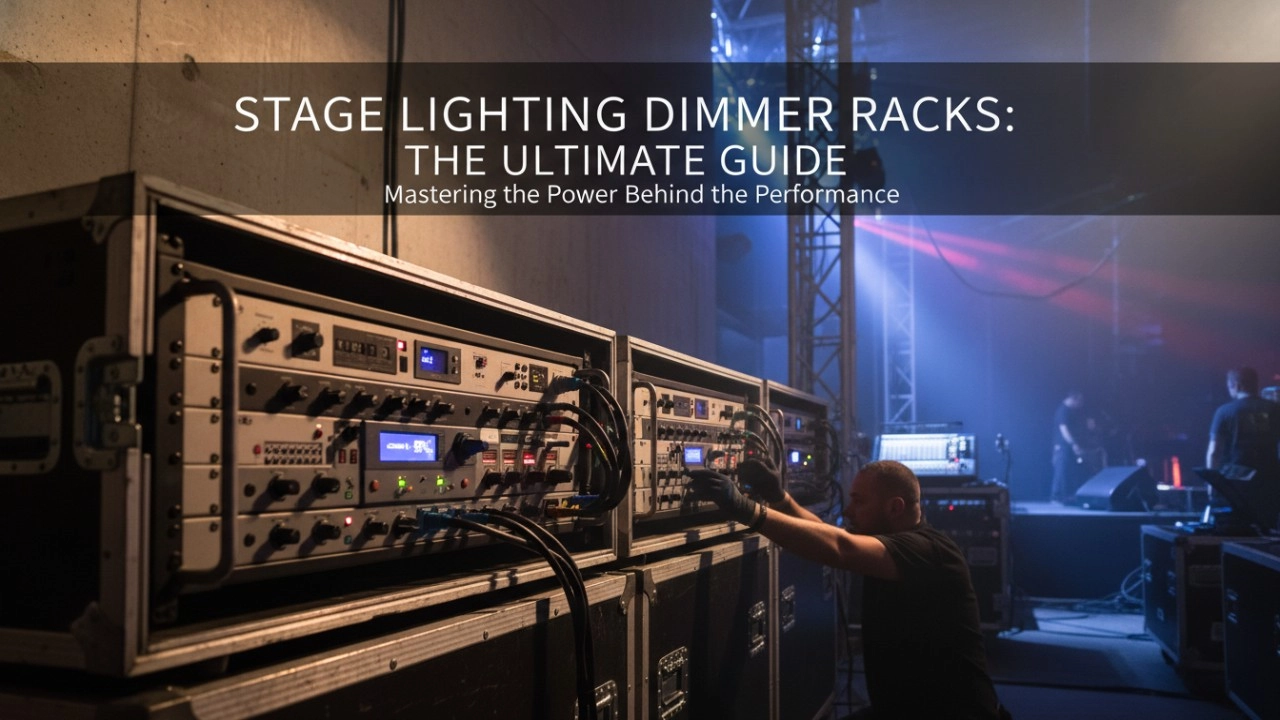
A comprehensive 2026 guide to selecting high-performance stage lighting dimmer racks. We review top hybrid systems, explore SCR vs sine wave technology, and analyze essential features like ThruPower for modern venues.
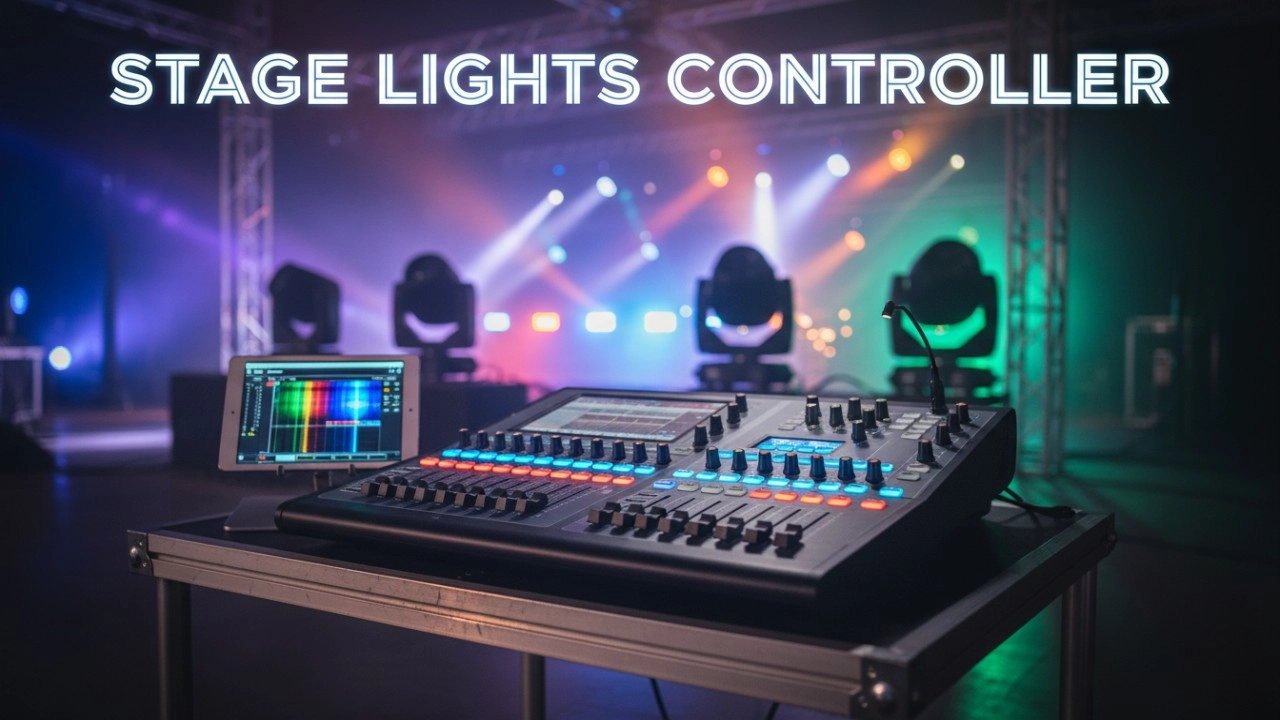
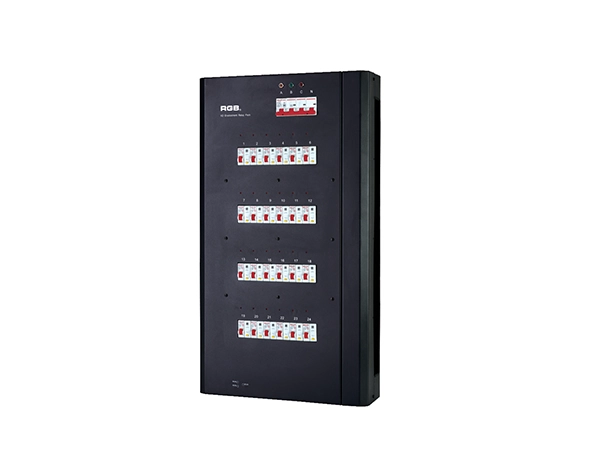
K2 Intelligent Network Relay Racks
K series is the newly developed and produced product of all-weather smart network relay cabinet. It has two major indoor and outdoor waterproof series and has multiple network control modes, such as double DMX512, sACN, ART-net, etc, which can control any equipment like resistive, inductive and capacitive and so on
K series has two major series from the perspective of function, namely, K2 ordinary type and KW2 waterproof type. It has two modes of installation, one is hanging on the wall, and the other is cabinet. It has three specifications of output circuit, namely, 24, 48 and 60 respectively.
K series applies to different performance places, such as, outdoor cultural tourism, TV station, theater, stadium and ambient intelligence lighting and so on.
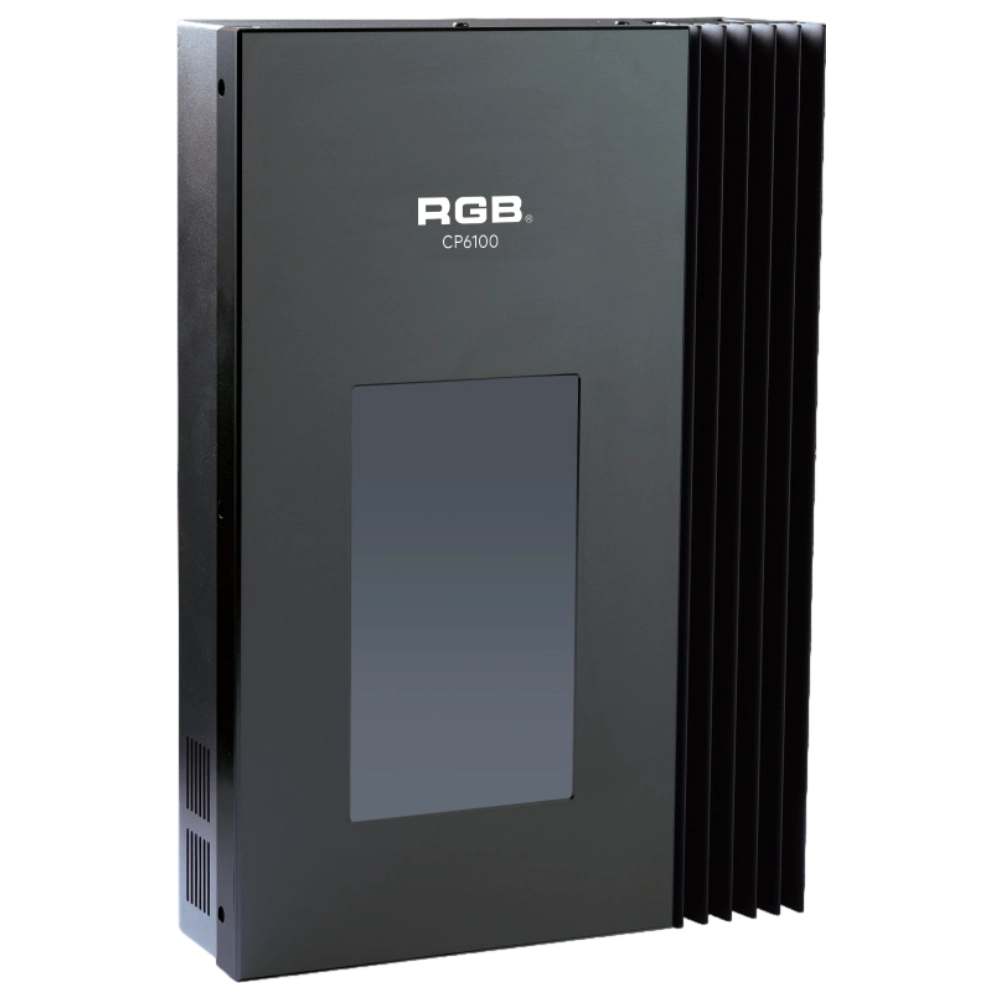
CP6100 Light Control System
The lighting control host is the main control device for theater stage lights, work lights, environmental lighting, commercial art lighting, sports venue lighting, and other places. By connecting the dedicated lighting control panels CP6104 and CP6108, it realizes the central control of the lighting system, supports a visual lighting control system, and intuitively displays the online and offline status of CP6100. Realize remote monitoring, editing, and setting of corresponding parameters.
It is widely applicable to theaters, cinemas, auditoriums, stadiums, museums, exhibition halls, cultural tourism performances, commercial art lighting, and other places.
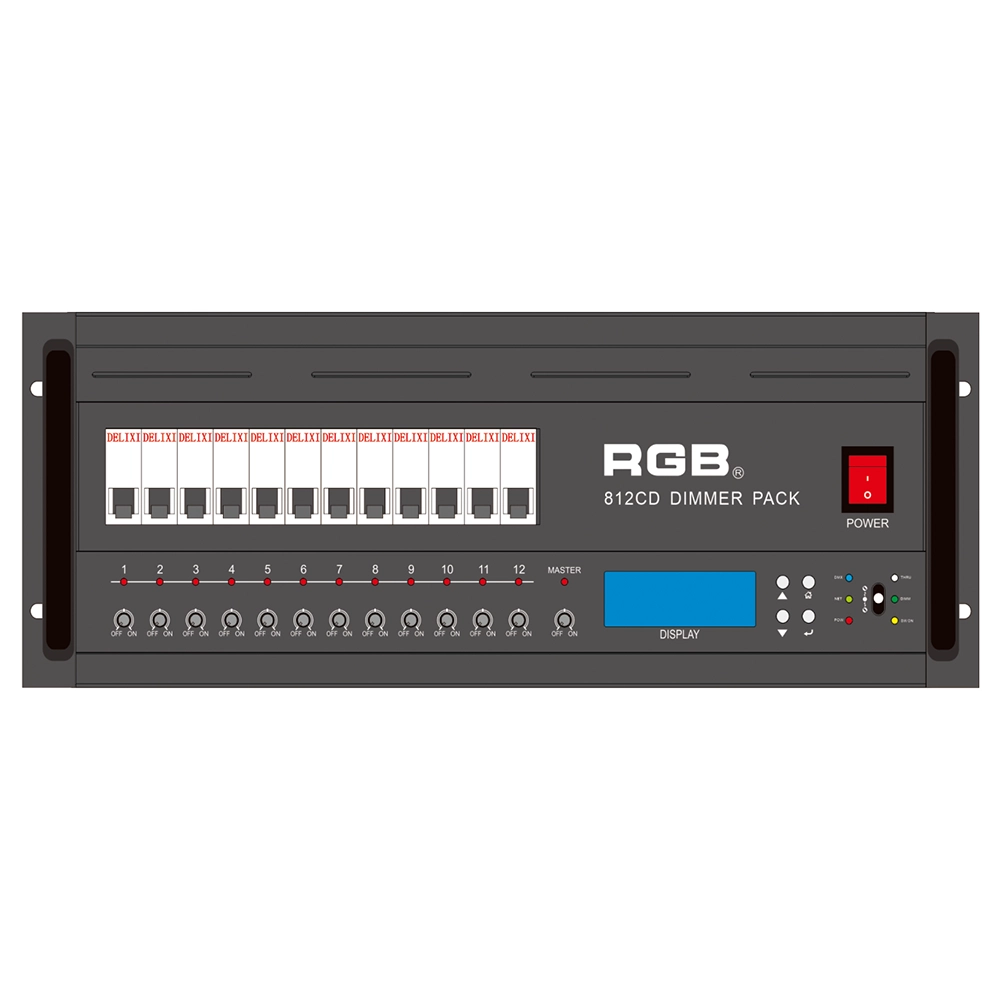
8 Series Intellight Dimmer/Relay Packs
RGB is the latest development and production of all digital, intelligent, and network dimming through the hybrid silicon box. It comes with six channels (806 silicon box), twelve channels (812 silicon box) with analog knob dimming, 49 DMX field recordings and replays (field backup function), and self-programming and recording field. RGB-8 silicon box with DMX512 digital signal input and RJ45 network input interface, with various types of dimming stations at home and abroad used. It is a powerful, stable performance and reliable work of a new generation of intelligent digital dimming through a hybrid silicon box.
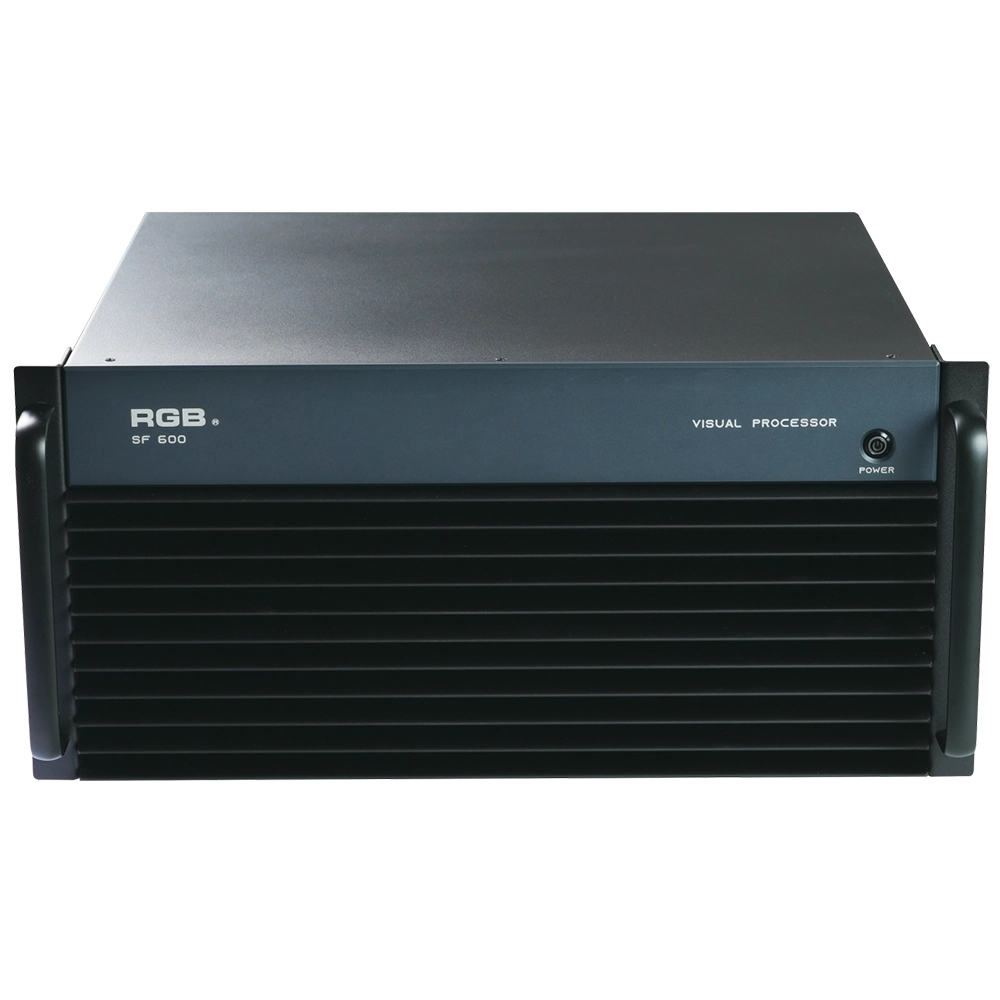
SF600 Visual R-net central processing processor
The SF600 Visual R-net central processing processor by RGB delivers advanced visual systems performance with high-speed processing and seamless integration. Designed for efficiency and reliability, it’s ideal for enhancing your visual system applications in corporate environments.
Expert Support
Interested in learning more or need expert guidance related to this article? Fill in your details, and our team will provide tailored support.
Intelligent Control. Brilliant Performance.
RGB specializes in stage lighting control systems, delivering intelligent, reliable, and high-performance solutions for theaters and performance spaces worldwide.
Contact
Email:
Tel:
+86 20 3928 0245
+86 20 3928 0247
Address:
No.3, Huashan Road, Shilou Town, Panyu, Guangzhou, China.
Whatsapp: +8615975520131