
Dimmer Rack Sizes: The Complete 2026 Technical Guide to Space and Power Density
|
- Quick Summary: Key Takeaways on Dimmer Rack Sizing
- What are the standard dimmer rack sizes for stage lighting?
- Physical Footprint vs. Channel Density: Mapping the Layout
- The 2026 Shift: Hybrid Power Hubs and SCR vs IGBT Sizing
- Expert Tips: Avoiding Common Mistakes in Rack Specification
- FAQ: Dimmer Rack Technical Specs
- References
For theater consultants and electrical engineers, specifying the correct dimmer rack size is no longer just about measuring wall space; it is about calculating power density per square foot. As stage technology migrates toward hybrid infrastructures, the physical constraints of stage lighting power distribution have evolved from simple voltage regulation to complex network integration.

This guide provides a definitive breakdown of rack dimensions, clearance requirements, and the 2026 standards for high-performance venues.
Quick Summary: Key Takeaways on Dimmer Rack Sizing
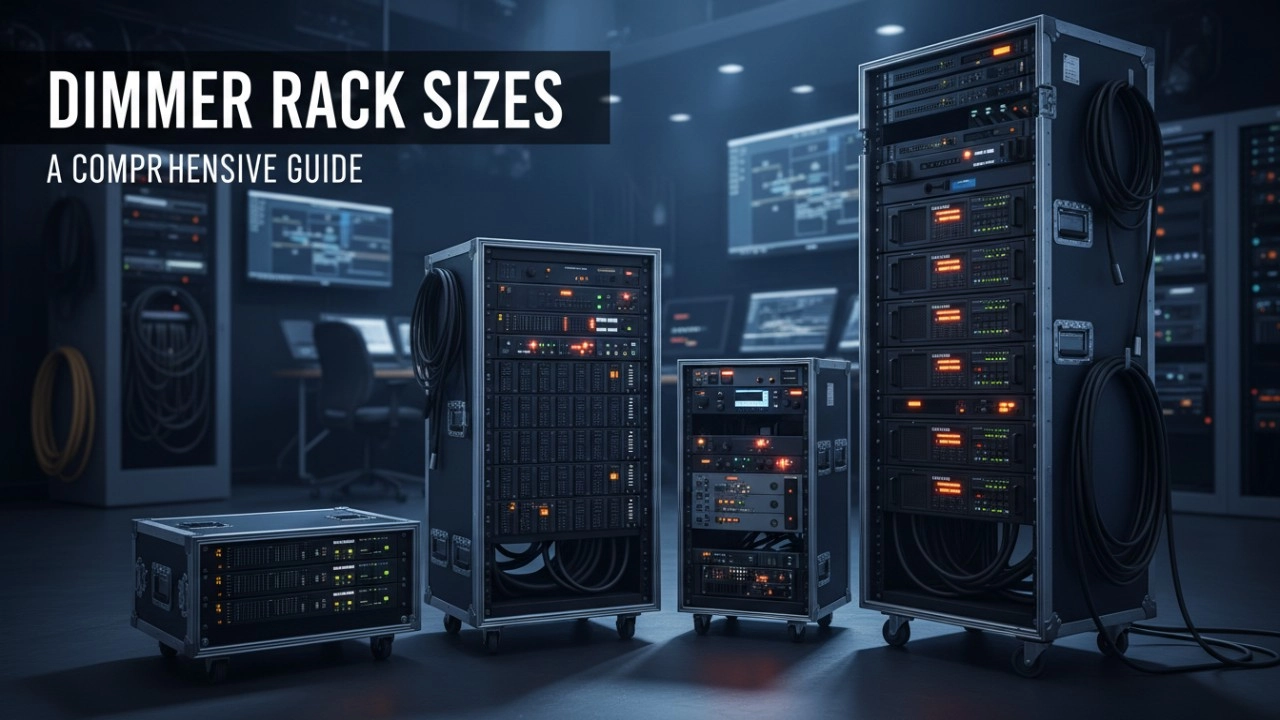
Standard permanent dimmer racks typically occupy a physical footprint of 24 to 30 inches in width and 24 to 36 inches in depth, standing approximately 80 inches tall. This form factor allows for maximum circuit density while adhering to standard double-door height restrictions for easy installation.
To ensure your specification meets 2026 efficiency standards, consider these core metrics:
- Capacity: Density is measured by module slots. A standard floor rack holds 48 slots, capable of driving up to 192 dimmers (using quad modules).
- Hybridization: Modern systems now require hybrid modules (ThruPower) that support both dimmable tungsten and constant-power LED circuits in the same slot.
- Airflow: A minimum of 6-12 inches of top clearance is mandatory for thermal exhaust, preventing module shutdown during full-load cues.
- Working Space: NEC standards require a dedicated 36-inch deep clear zone in front of the rack for maintenance access.
What are the standard dimmer rack sizes for stage lighting?
Permanent high-density racks generally measure 80 inches (203 cm) in height, 15 to 26 inches (38-66 cm) in width, and 20 to 26 inches (50-66 cm) in depth. These dimensions are engineered to fit within standard electrical closets while managing the massive heat rejection of fully loaded high-density dimming systems.
However, sizing varies significantly based on the application type:
- Large-Scale Floor Racks:
- Designed for major theaters and concert halls.
- Dimensions: ~80" H x 26" W x 26" D.
- Capacity: 48 to 96 Power Modules.
- Architectural Wall-Mount Racks:
- Designed for ballrooms, lobbies, or small studios.
- Dimensions: 30" to 45" H x 20" W x 6" D.
- Capacity: 6 to 12 Modules.
- Portable Touring Racks:
- Designed for road shows and temporary events.
- Dimensions: Measured in Rack Unit dimensions for theater lighting (standard 19-inch width). A typical 48-channel touring rack is roughly 24U to 36U tall, often encased in a shock-mount road case.
Experience Note: At Guangzhou RGB Lighting Equipment Co.,Ltd., our engineering teams often deploy custom-sized rack solutions for challenging venues. For instance, in projects like the Shanghai World Expo, space was at a premium. By utilizing our proprietary high-density module designs, we compressed the necessary circuit count into a footprint 15% smaller than the industry standard, proving that intelligent engineering can solve architectural constraints.
Physical Footprint vs. Channel Density: Mapping the Layout
The ratio of physical floor space to available circuits is defined as "Power Density," with modern racks achieving up to 192 channels in a single 2-foot square footprint. Achieving this density requires a deep understanding of modular dimmer rack capacity and thermal dynamics.
When planning your layout, you must account for more than just the metal cabinet:
- The 48-Slot Standard: A standard "full rack" offers 48 module slots. Using Dual Modules (2 circuits per slot), you get 96 circuits. Using Quad Modules (4 circuits per slot), you reach 192 circuits.
- Weight Load: A fully populated 96-channel rack can weigh over 500 lbs (226 kg). Engineers must verify that the control room floor can support a point load of roughly 125 lbs per square foot.
- Busbar Ampacity: High-density racks often require 800A three-phase feeds. The physical size of the feeder cables (often 500 MCM) requires a "termination chamber" at the top or bottom of the rack, which may add 12-24 inches to the total height or width.
The 2026 Shift: Hybrid Power Hubs and SCR vs IGBT Sizing
In 2026, the industry standard has shifted from pure dimming to "Hybrid Power Hubs" that integrate network switching, DMX nodes, and power control into a single chassis. This convergence directly impacts SCR vs IGBT module sizing and selection.
Historically, the choice between Silicon Controlled Rectifier (SCR) and Insulated Gate Bipolar Transistor (IGBT) technology dictated rack size:
- SCR Modules:
- Size: Larger due to the required copper toroid "choke" needed to suppress 60Hz hum and rise time noise.
- Heat: Generates significant waste heat, requiring larger air gaps between modules.
- IGBT Modules:
- Size: More compact. IGBTs operate silently without large chokes, allowing for slimmer module profiles.
- Efficiency: They produce less electrical noise (harmonics) but can be more sensitive to heat in non-ventilated areas.
Today, leading manufacturers like RGB (Guangzhou RGB Lighting Equipment Co.,Ltd.) are pioneering hybrid intelligent racks. These systems allow venues to mix SCR modules for legacy tungsten fixtures and Relay modules for LEDs within the same modular dimmer rack capacity. This flexibility prevents the need for separate "Dimmer" and "Relay" cabinets, effectively cutting the required wall space in half.
Expert Tips: Avoiding Common Mistakes in Rack Specification
The most common specification error is neglecting the "Working Clearance" mandated by NEC Article 110.26, which requires a 30-inch width and 36-inch depth clear zone in front of all electrical equipment. Fulfilling this requirement is critical for safety and code compliance.
Draw from our decades of field experience to avoid these pitfalls:
- The "Harmonic" Neutral Trap:
- Mistake: Sizing the neutral busbar the same as the phase bars.
- Correction: In modern stage lighting power distribution, LED loads and dimming chop cycles create massive harmonic currents. Always specify a 200% Neutral rating to prevent busbar overheating.
- Ventilation Blind Spots:
- Mistake: Placing racks in a closet with no active exhaust.
- Correction: Dimmer racks act as space heaters. If the room is small, you must install active extraction fans that interlock with the rack's temperature sensors. A rack operating at 104°F (40°C) will begin to derate or shut down.
- Cable Entry Radius:
- Mistake: Not leaving enough vertical space for bending heavy feeder cables.
- Correction: 500 MCM copper cable is stiff. Ensure your rack design includes an extended "top hat" or sidecar if you are bringing in top-fed power, adding ~12 inches to the height.
FAQ: Dimmer Rack Technical Specs
What is the standard height of a professional dimmer rack? A standard floor-standing professional dimmer rack is approximately 80 inches (203 cm) tall, intentionally designed to fit through standard double-door entries (which are typically 80-84 inches high).
How many channels can a high-density dimmer rack hold? Most high-density racks hold up to 48 module slots. With dual-dimmer modules, this equals 96 channels; with quad-dimmer modules, you can achieve 192 channels in a single rack.
Do dimmer racks require specific clearance for airflow? Yes. Manufacturers typically mandate a minimum of 6 inches of clearance on the top and sides for intake/exhaust, plus the NEC-mandated 36 inches of clear frontal workspace.
What is the difference between a dimmer pack and a dimmer rack? A dimmer pack is a portable, lower-capacity unit (often 4-12 channels) sized in Rack Unit dimensions (e.g., 4U), whereas a dimmer rack is a large-scale, permanent cabinet housing hundreds of circuits.
Are dimmer racks still necessary for LED lighting setups? Yes, but they are evolving. Modern "Power Control Racks" provide switched power (relays) for LEDs rather than voltage dimming. Hybrid racks by companies like RGB allow you to mix both types for maximum versatility.
How do you calculate the feeder size for a 48-module rack? Feeder size is calculated by summing the total potential load and applying a "diversity factor" (often 50% for theatrical use per NEC 520), usually resulting in a 400A to 800A three-phase service requirement.
Can I install a dimmer rack in a standard server cabinet? Generally, no. Permanent dimmer racks use proprietary frames designed for specific busbar connections and massive thermal dissipation, which standard 19-inch server cabinets cannot support.
What are the noise considerations for rack placement in theaters? Racks should be isolated in a sound-treated "Dimmer Room." The magnetic vibration of SCR chokes and the high-velocity cooling fans create a 60Hz hum that is audible in quiet performance spaces.
References
Latest News
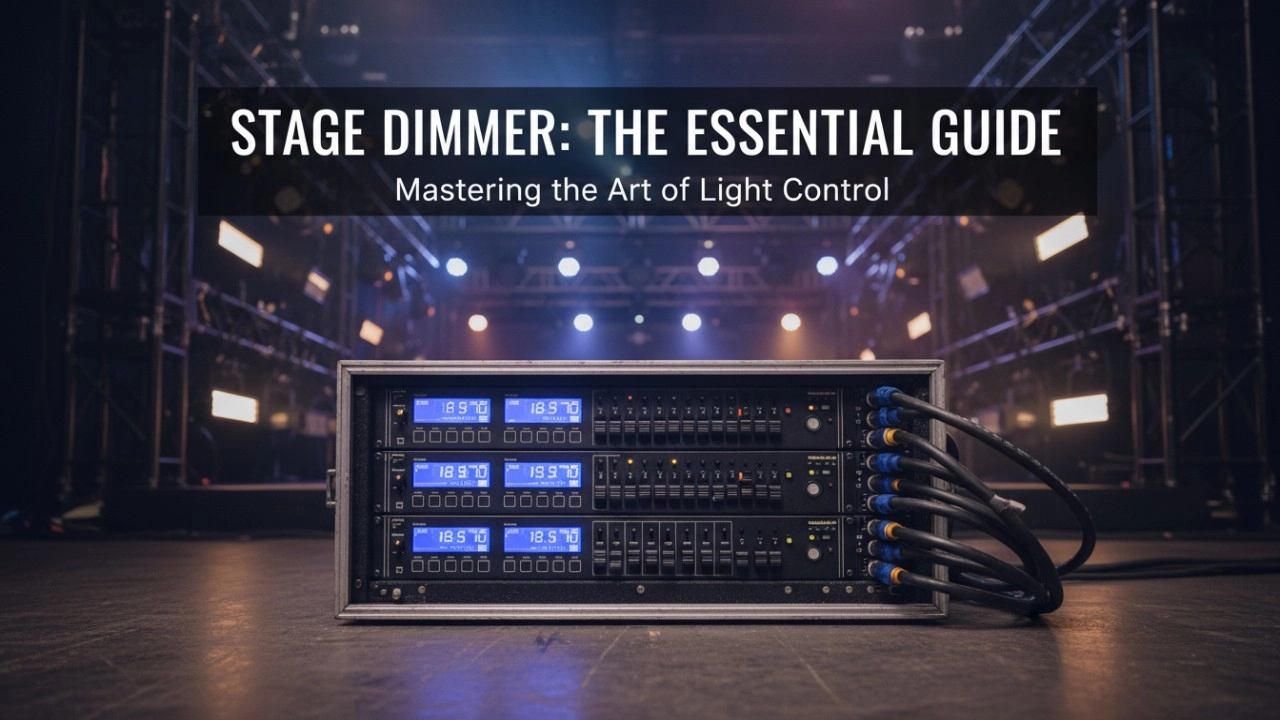
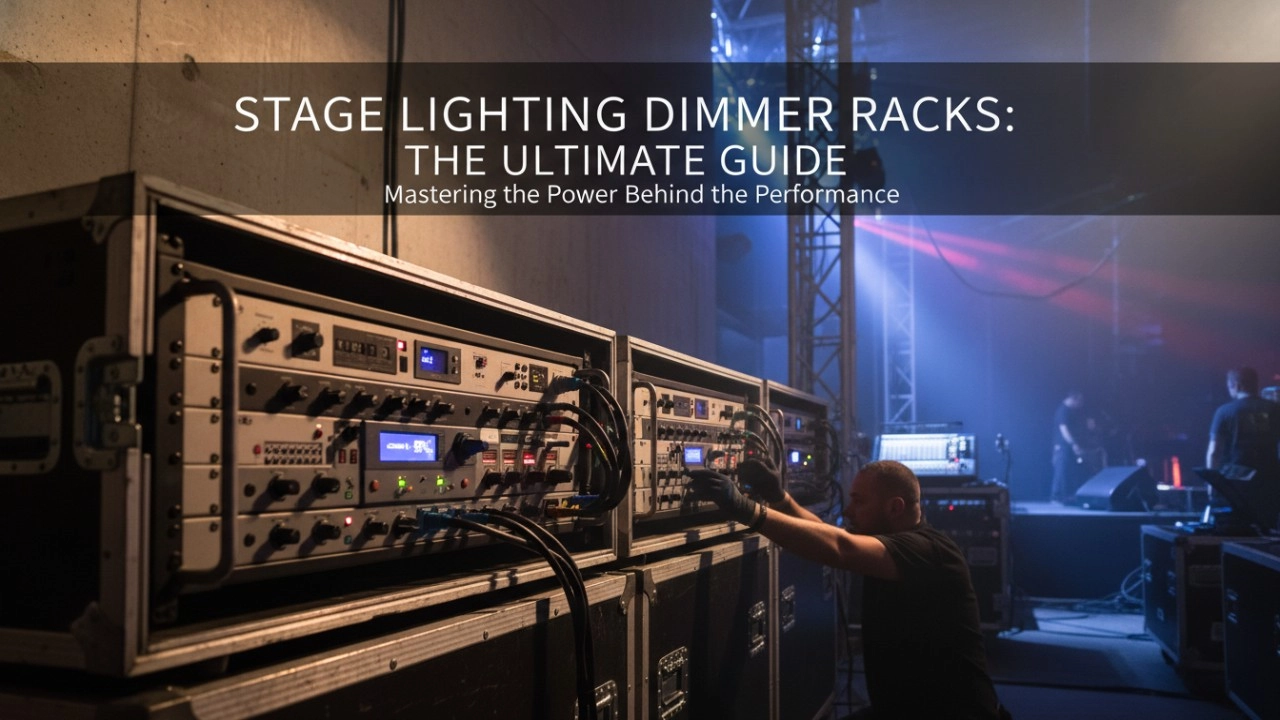
A comprehensive 2026 guide to selecting high-performance stage lighting dimmer racks. We review top hybrid systems, explore SCR vs sine wave technology, and analyze essential features like ThruPower for modern venues.
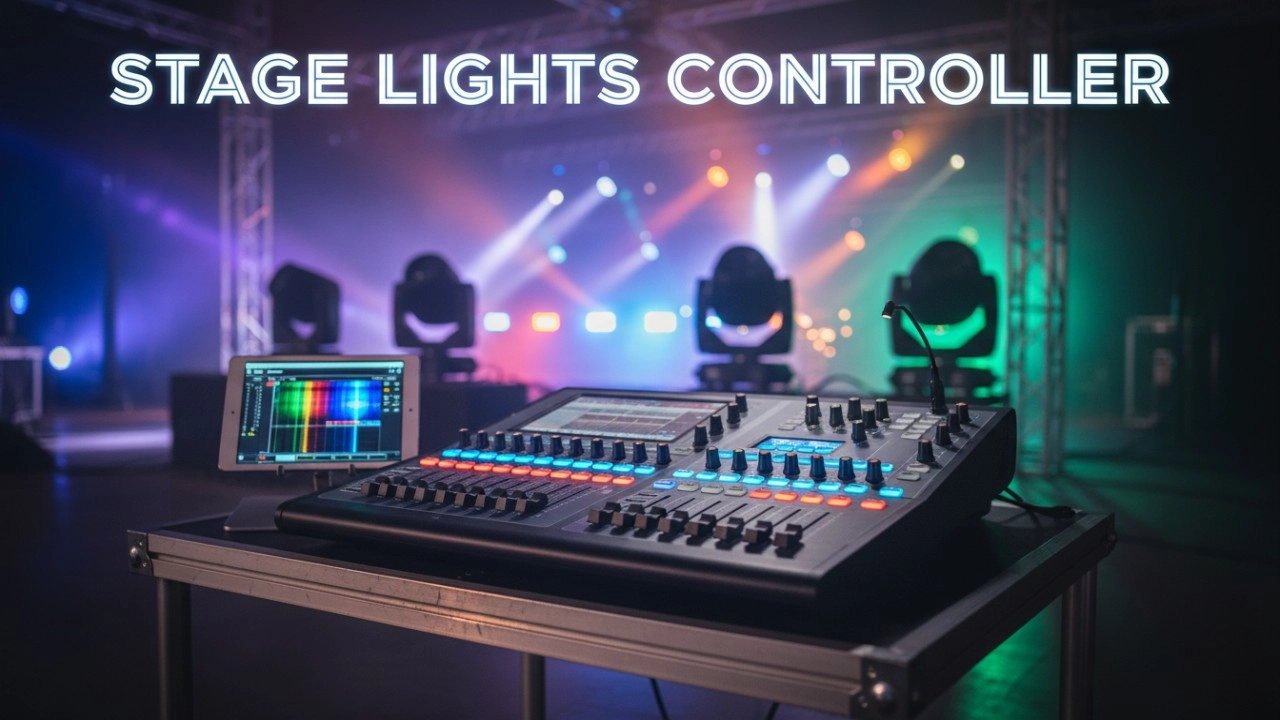
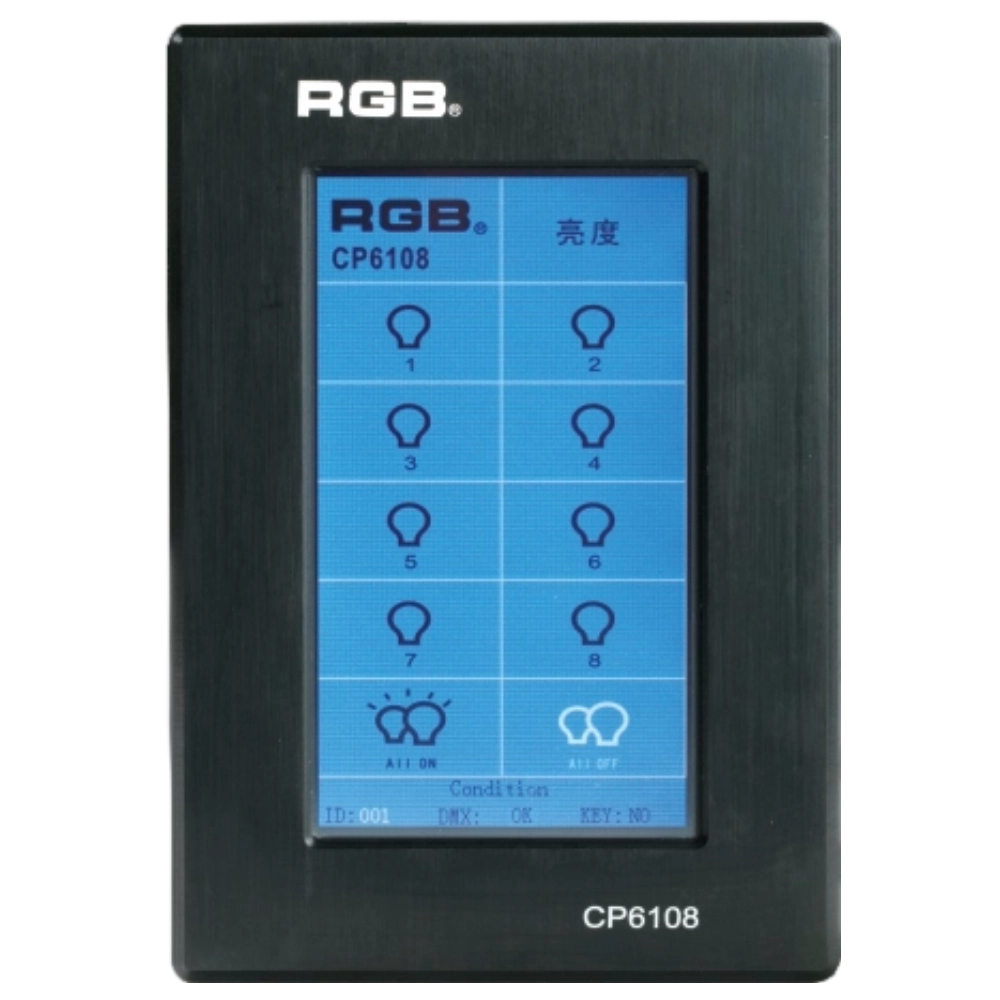
Site Light Controller CP6108
The CP6108 lighting control panel is a lighting control device for theater stage lights, work lights, environmental lighting, commercial art lighting, sports venue lighting, and other places. By connecting to the dedicated lighting control host CP6100, it realizes the central control of the lighting system, supports a visual lighting control system, and intuitively displays the online and offline status of CP6108. Realize remote monitoring, editing, and setting of corresponding parameters.
It is widely applicable to theaters, cinemas, auditoriums, stadiums, museums, exhibition halls, cultural tourism performances, commercial art lighting, and other places.
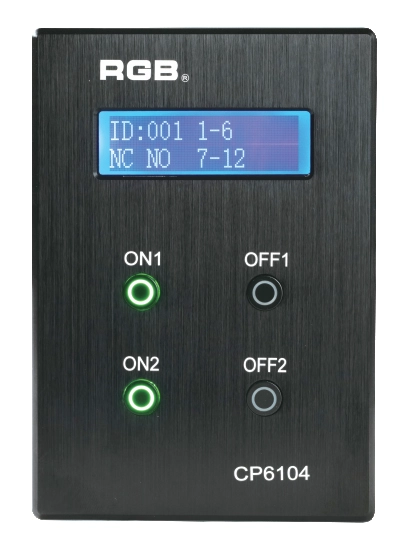
Site Light Controller CP6104
The CP6104 lighting control panel is a lighting control device for theater stage lights, work lights, environmental lighting, commercial art lighting, sports venue lighting and other places. By connecting to the dedicated lighting control host CP6100, it realizes the central control of the lighting system, supports a visual lighting control system, and intuitively displays the online and offline status of CP6104. Realize remote monitoring, editing and setting of corresponding parameters.
It is widely applicable to theaters, cinemas, auditoriums, stadiums, museums, exhibition halls, cultural tourism performances, commercial art lighting and other places.
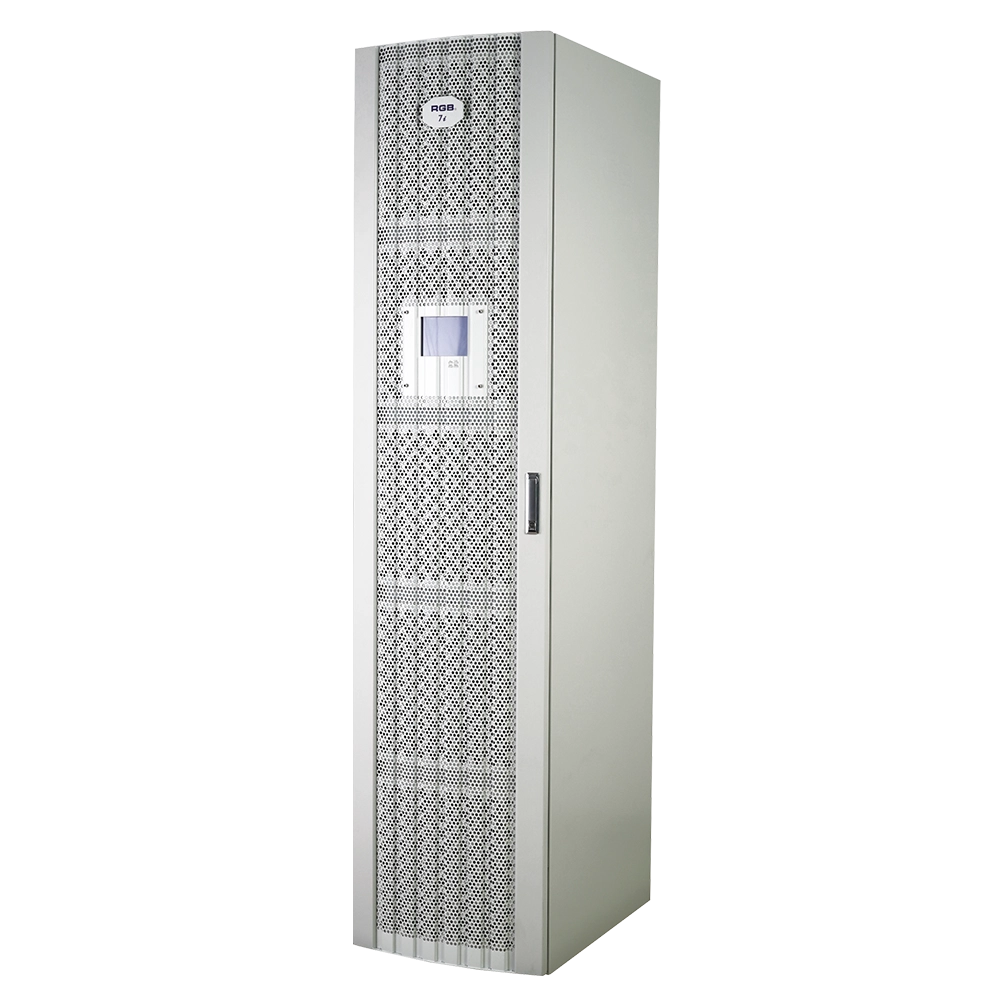
7i Dimmer/Relay Racks
7i is RGB independent research and development, with completely independent core technology, full digital decoding technology dimming racks, using a dual system, double decoding, double trigger, and duplex dual backup central decoding processor, with thyristor, relay, dimming relay mixed and other output configurations, supporting a visual lighting control system, intuitive display of dimming racks' online and offline status, and remote monitoring.
It is widely used in performing arts and cultural venues such as theaters, concert halls, multi-function halls, cultural travel and performing arts, TV stations, gymnasiums, auditoriums, commercial art lighting and so on.
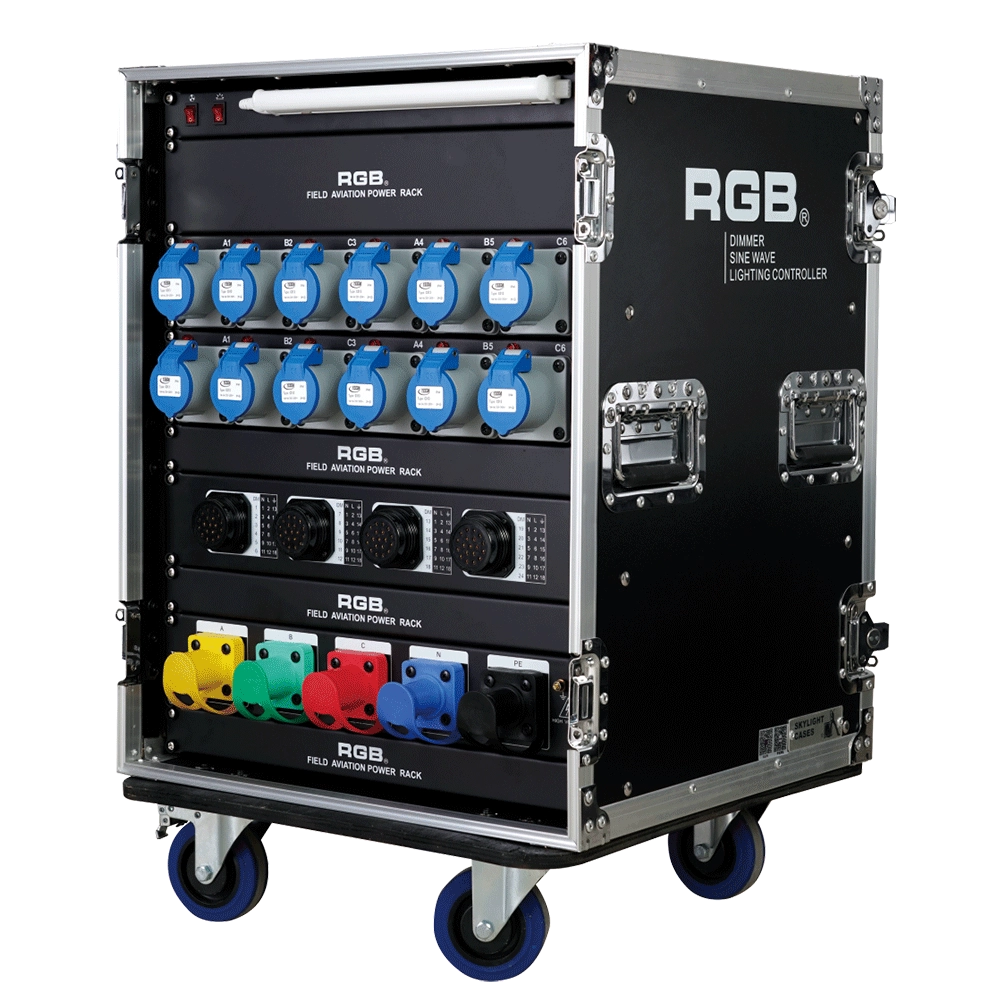
ZT2419+1216 Distribution Box
ZT2419+1216 features dual protection functions and is a power distribution product specifically designed for overcurrent and short circuits in electrical equipment. It is the best choice for mobile performance and is suitable for use in computer lamps, conventional lamps, and other equipment.
Expert Support
Interested in learning more or need expert guidance related to this article? Fill in your details, and our team will provide tailored support.
Intelligent Control. Brilliant Performance.
RGB specializes in stage lighting control systems, delivering intelligent, reliable, and high-performance solutions for theaters and performance spaces worldwide.
Contact
Email:
Tel:
+86 20 3928 0245
+86 20 3928 0247
Address:
No.3, Huashan Road, Shilou Town, Panyu, Guangzhou, China.
Whatsapp: +8615975520131