
What maintenance does a dimmer rack require and when?
|
- Understanding Dimmer Rack Maintenance for Stage Lighting Systems
- 1. What is a dimmer rack, and why is it important?
- 2. What maintenance does a dimmer rack require, and when?
- 3. How often should maintenance be performed?
- 4. Can I perform maintenance on my dimmer rack myself?
- 5. What are common issues that can arise with dimmer racks?
- 6. How can I extend the lifespan of my dimmer rack?
- 7. What should I do if my dimmer rack is not functioning correctly?
- 8. How can I ensure my dimmer rack is operating safely?
- Conclusion: Why Choose RGB Systems for Your Dimmer Rack Needs
Understanding Dimmer Rack Maintenance for Stage Lighting Systems
Dimmer racks are integral to stage lighting systems, controlling the intensity of lighting fixtures to create desired effects. Proper maintenance of these racks is crucial to ensure their longevity and reliable performance. Below are some frequently asked questions regarding dimmer rack maintenance:
1. What is a dimmer rack, and why is it important?
A dimmer rack is a centralized unit that houses multiple dimmer modules, each controlling the brightness of individual lighting circuits. It allows for precise control over lighting levels, enabling dynamic and creative lighting designs. Proper maintenance ensures consistent performance and extends the lifespan of the equipment.
2. What maintenance does a dimmer rack require, and when?
Regular maintenance is essential to keep dimmer racks functioning optimally. Key maintenance tasks include:
Cleaning Air Filters: Dust accumulation can impede airflow, leading to overheating. Clean the air filters every six months, or more frequently in dusty environments.
Vacuuming Dimmer Modules: Dust can also accumulate on the dimmer modules themselves. Use a vacuum cleaner to remove dust from the modules every six months.
Inspecting and Tightening Electrical Connections: Loose connections can cause performance issues. Check all electrical terminations for tightness and tighten as necessary.
Checking Fans and Cooling Systems: Ensure that fans are operating correctly to prevent overheating. Replace any faulty fans promptly.
Performing Periodic Safety Checks: Conduct electrical safety checks as required by law to ensure safe operation.
3. How often should maintenance be performed?
Maintenance frequency depends on environmental conditions:
Standard Environments: Perform maintenance tasks every six months.
Dusty or High-Demand Environments: Increase maintenance frequency to every three months or as needed.
Regular maintenance helps prevent unexpected failures and ensures optimal performance.
4. Can I perform maintenance on my dimmer rack myself?
While some basic tasks, like cleaning air filters, can be performed by trained personnel, it's advisable to have a qualified technician handle more complex maintenance. This ensures safety and prevents potential damage to the equipment.
5. What are common issues that can arise with dimmer racks?
Common issues include:
Overheating: Caused by dust accumulation or fan failure.
Electrical Failures: Due to loose connections or component wear.
Processor Failures: Leading to unresponsive or erratic lighting behavior.
Regular maintenance helps identify and address these issues before they lead to significant problems.
6. How can I extend the lifespan of my dimmer rack?
To prolong the lifespan of your dimmer rack:
Maintain Cleanliness: Regularly clean filters and modules to prevent dust buildup.
Ensure Proper Ventilation: Keep the area around the dimmer rack clear to allow adequate airflow.
Monitor Performance: Regularly check for signs of overheating or malfunction.
Schedule Professional Maintenance: Have qualified technicians perform comprehensive inspections and servicing as needed.
7. What should I do if my dimmer rack is not functioning correctly?
If you experience issues:
Check for Obstructions: Ensure that nothing is blocking the airflow around the rack.
Inspect for Faulty Components: Look for signs of damage or wear on modules and connections.
Consult a Professional: If problems persist, contact a qualified technician for diagnosis and repair.
8. How can I ensure my dimmer rack is operating safely?
To ensure safe operation:
Follow Manufacturer Guidelines: Adhere to the maintenance schedule and procedures outlined in the user manual.
Conduct Regular Safety Checks: Perform electrical safety checks as required.
Keep the Area Clean: Maintain a clean environment to prevent dust-related issues.
Use Qualified Technicians: Have maintenance and repairs performed by professionals to ensure safety and reliability.
Conclusion: Why Choose RGB Systems for Your Dimmer Rack Needs
When selecting a dimmer rack, consider the following advantages of RGB Systems:
Advanced Technology: Our dimmer racks incorporate the latest advancements to ensure efficient and reliable performance.
Comprehensive Support: We offer extensive support and maintenance services to keep your system running smoothly.
Customization Options: Our racks can be tailored to meet the specific needs of your venue or production.
Proven Reliability: RGB Systems has a track record of providing durable and dependable dimmer racks trusted by professionals worldwide.
By choosing RGB Systems, you invest in quality, performance, and peace of mind for your stage lighting needs.
References:- ((https://www.rgbsystem.com/article/power-handling-load-balancing-rack-dimmer-racks/))
Latest News
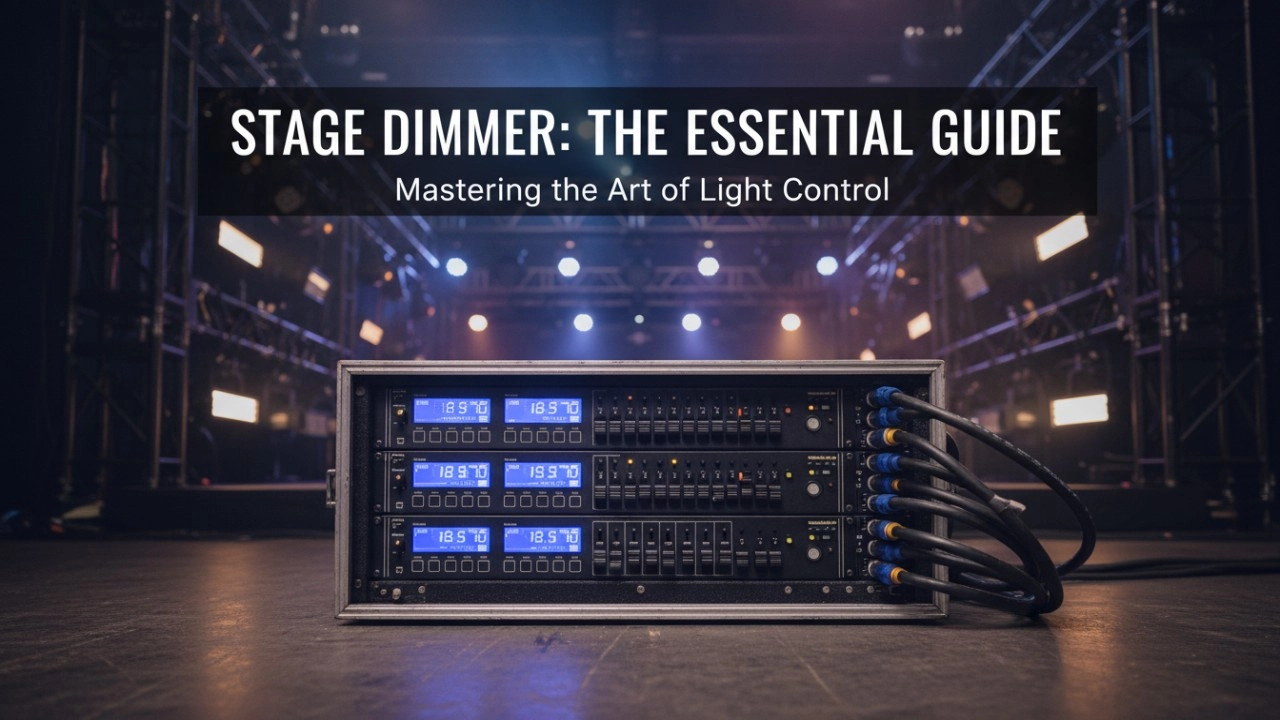
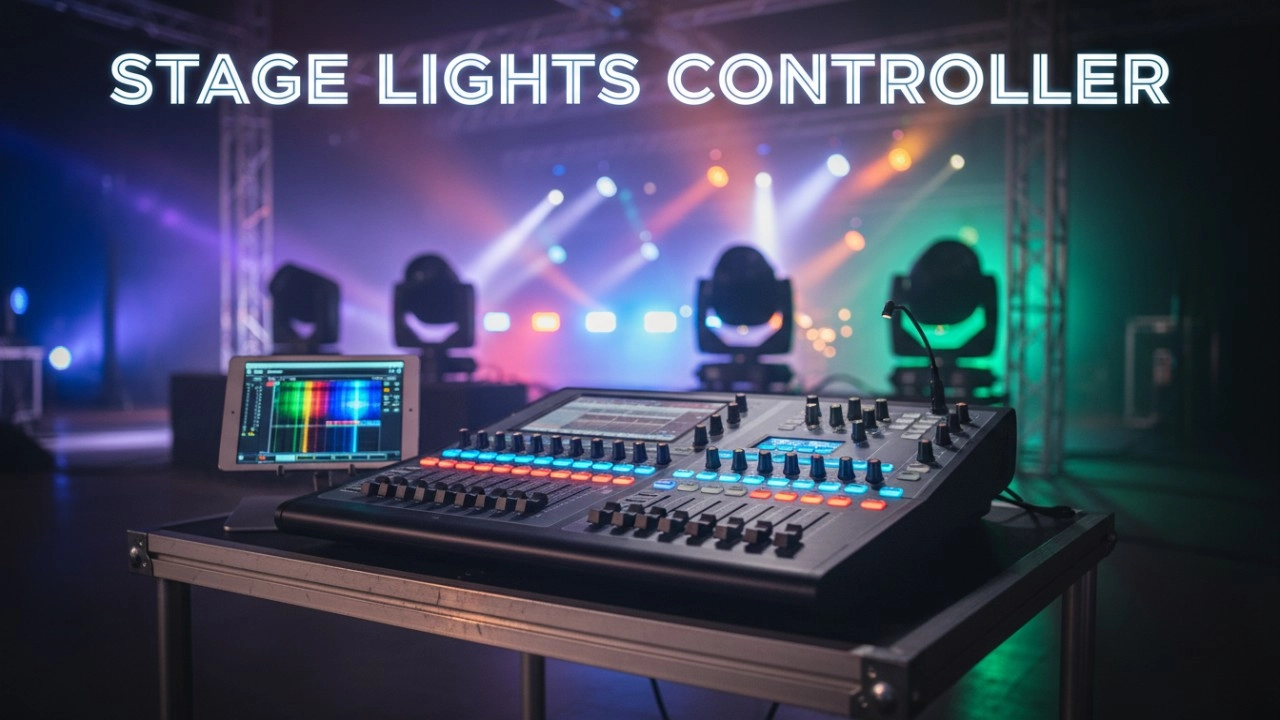
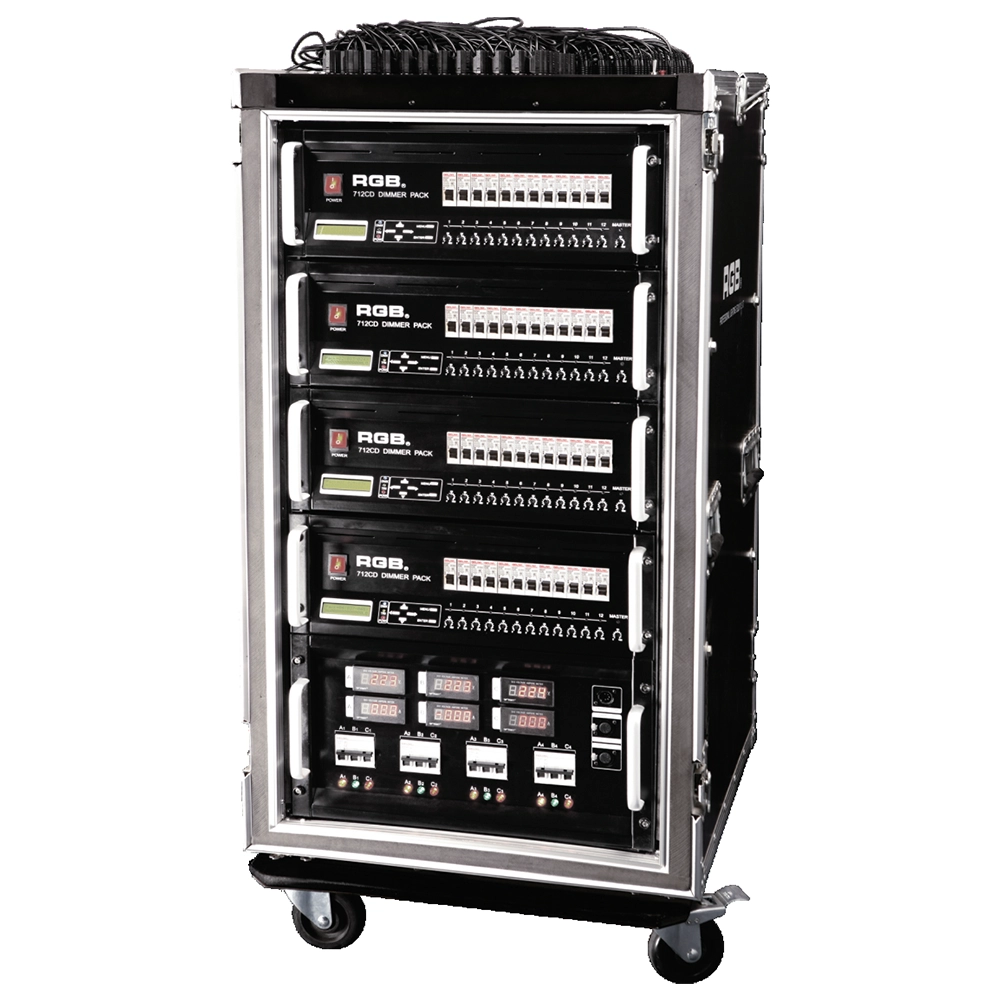
Touring Stage Dimmer Rack System
RGB touring dimmer racks are modular dimmer assemblies for live events and temporary stage installations. The published configuration list includes 24-, 36- and 48-channel options, 19-pin outputs, patching functions, local test lighting and electrical status indicators. The specification lists 220 V / 20 A per channel and a three-phase five-wire input with a 400 A power connector; verify these ratings for the selected rack. Network protocols and dimensions are not documented on the current product page.
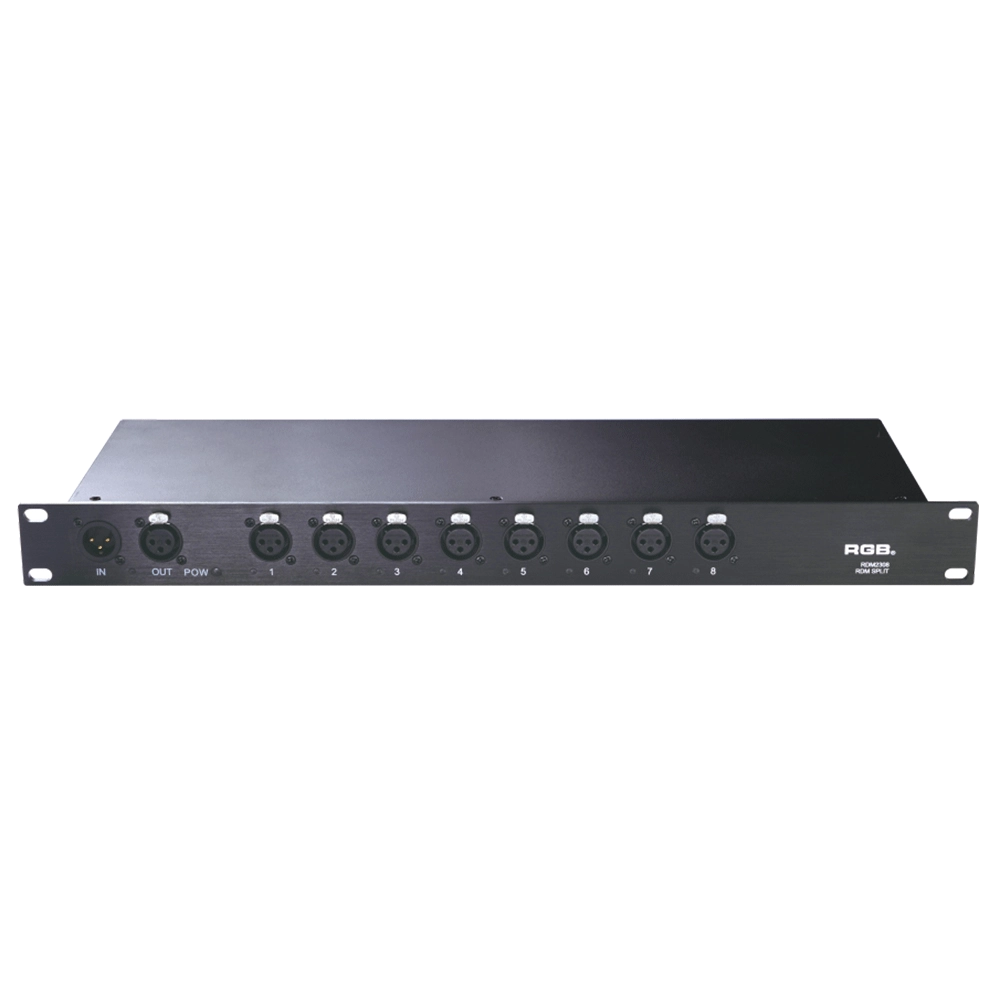
RDM2304–RDM2312 Signal Amplifiers
RGB's RDM2304, RDM2308, RDM2310 and RDM2312 are bidirectional RDM signal amplifiers for stage and venue lighting systems. Their published configurations provide 4, 8, 10 and 12 independently amplified RDM interfaces, respectively. Individual signal isolation and interface status indicators support RDM distribution and troubleshooting. Confirm the selected model's dimensions, signal protection specifications and installation requirements before procurement.
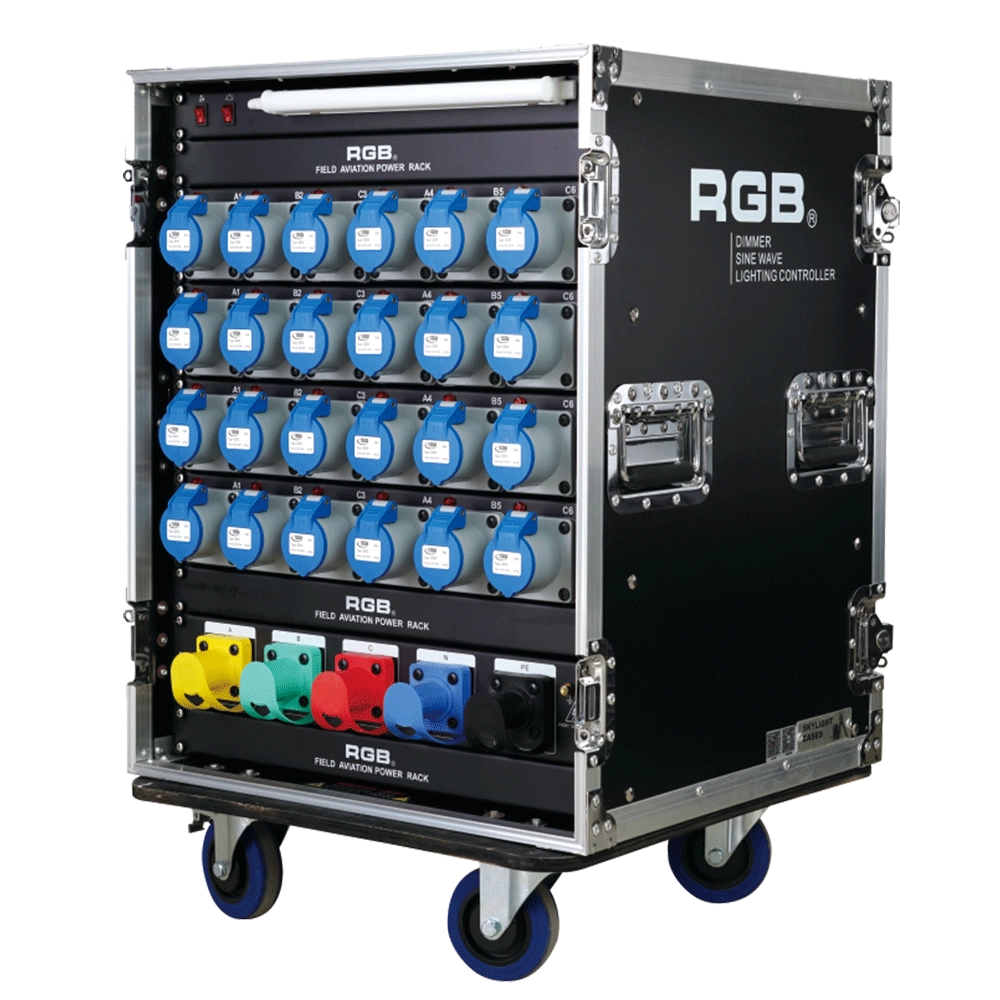
ZT Series Stage Power Distribution Boxes
RGB ZT Series mobile stage power distribution boxes are designed for temporary event and performance lighting systems. The published range offers configurable three-phase main circuit breakers, individual output protection, and different 16 A, 32 A and multipin connector arrangements. Series options include 12-, 24-, 36- and 48-circuit configurations. Confirm the exact ZT model, circuit schedule, connector ratings and enclosure size before specification.
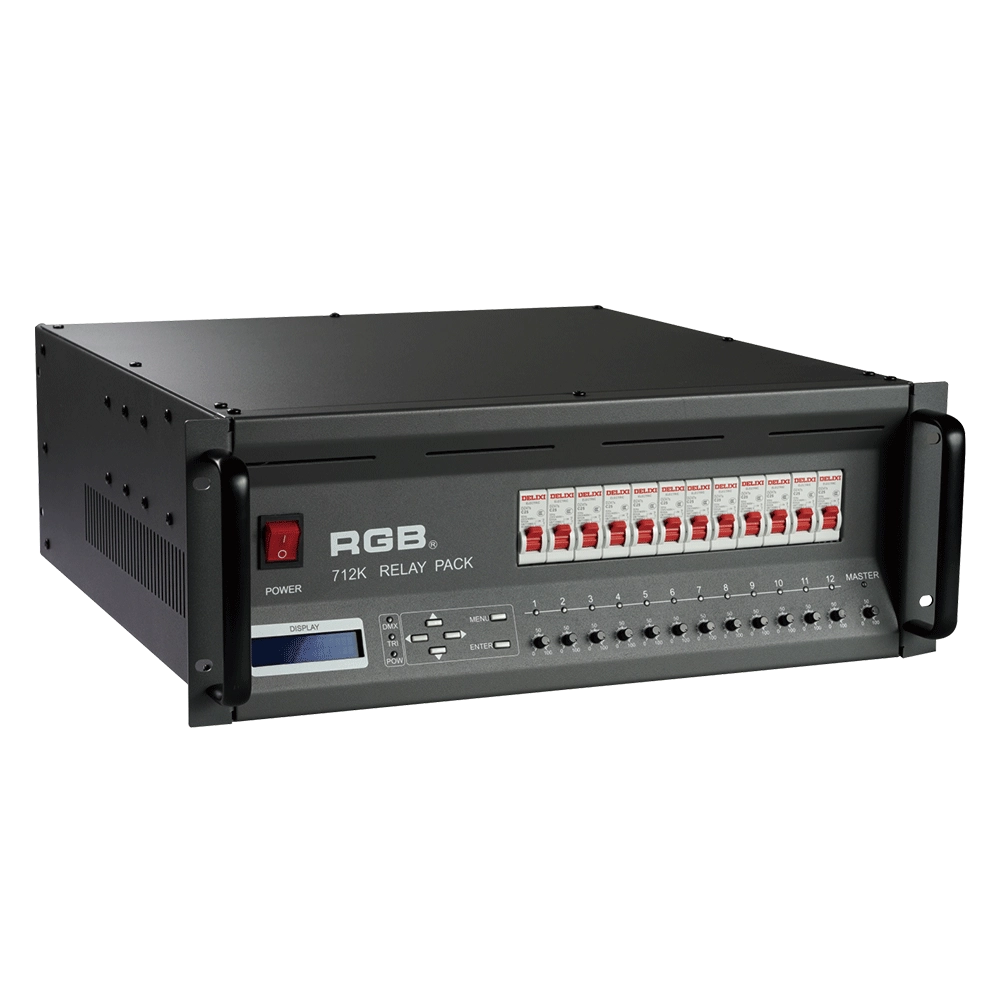
Alloy Relay Packs
RGB Alloy Relay Packs are DMX512-controlled relay switching units for stage and mobile lighting. The published feature list describes a 12-output configuration, a per-output electrical rating of 220 V / 20 A, decimal-switch addressing, phase-loss protection and overcurrent protection. DMX512 addressing does not mean 512 separate physical outputs. The page lists 612K and 712K models; confirm each model's output count and electrical ratings against its approved datasheet.
Expert Support
Interested in learning more or need expert guidance related to this article? Fill in your details, and our team will provide tailored support.
Intelligent Control. Brilliant Performance.
RGB specializes in stage lighting control systems, delivering intelligent, reliable, and high-performance solutions for theaters and performance spaces worldwide.
Contact
Email:
Tel:
+86 20 3928 0245
+86 20 3928 0247
Address:
No.3, Huashan Road, Shilou Town, Panyu, Guangzhou, China.
Whatsapp: +8615975520131