
Which digital dimmer is best for professional stage lighting?
|
- 1. What are the key features to consider when selecting a digital dimmer for professional stage lighting?
- 2. How do digital dimmers enhance the control and performance of stage lighting systems?
- 3. What are the advantages of using a digital dimmer with a high PWM frequency in stage lighting?
- 4. How do digital dimmers integrate with other stage lighting equipment?
- 5. What are the maintenance requirements for digital dimmers in professional stage lighting setups?
- 6. How do digital dimmers compare to traditional analog dimmers in stage lighting applications?
1. What are the key features to consider when selecting a digital dimmer for professional stage lighting?
When choosing a digital dimmer for professional stage lighting, it's crucial to evaluate several key features:
Channel Capacity: Determine the number of channels required to control your lighting setup effectively. For instance, the Elation MDP-1219 offers 12 channels, suitable for complex lighting designs.
Control Protocols: Ensure compatibility with industry-standard protocols like DMX512, which is widely used for controlling stage lighting and effects.
Dimming Curves: Select dimmers that offer multiple dimming curves (e.g., linear, square, inverse square, S-curve) to achieve the desired lighting effects. The ADJ Dotz Par RGBL provides six operational modes and six dimmer curve modes, offering flexibility in lighting control.
Build Quality and Cooling: Opt for dimmers with robust construction and efficient cooling systems to ensure longevity and reliable performance during extended use.
User Interface: A user-friendly interface with a digital display simplifies operation and troubleshooting. The ADJ 5PX HEX Pearl features a 4-button DMX digital display for easy navigation.
Power Handling: Verify that the dimmer can handle the total wattage of your lighting fixtures. For example, the DP-640 Dimmer from Elation Professional supports up to 1800W per channel, accommodating various lighting setups.
2. How do digital dimmers enhance the control and performance of stage lighting systems?
Digital dimmers significantly enhance stage lighting systems by providing precise control over lighting intensity and effects. They allow for:
Fine-Tuned Dimming: Achieve smooth transitions and precise lighting levels, essential for professional productions.
Programmable Scenes: Store and recall lighting scenes, facilitating quick changes during performances. The Elation MDP-1219 offers 12 internal memories that can be instantly recalled and activated.
Integration with Control Systems: Seamlessly integrate with DMX512 controllers, enabling synchronized control of multiple lighting fixtures.
Reliability: Digital dimmers provide consistent performance, reducing the risk of lighting failures during events.
3. What are the advantages of using a digital dimmer with a high PWM frequency in stage lighting?
Utilizing a digital dimmer with a high Pulse Width Modulation (PWM) frequency offers several benefits:
Flicker-Free Operation: A higher PWM frequency, such as 23kHz, minimizes flickering, which is crucial for high-speed cameras and live recordings. The Tunable White StudioPro LED Dimmer by Environmental Lights operates at a 23kHz PWM frequency, ensuring flicker-free performance.
Reduced Audio Interference: High-frequency PWM reduces electromagnetic interference, preventing hum and buzz in audio systems.
Enhanced Color Rendering: Improved PWM can lead to more accurate color mixing and smoother dimming transitions.
4. How do digital dimmers integrate with other stage lighting equipment?
Digital dimmers integrate with stage lighting equipment through:
DMX512 Protocol: Most digital dimmers communicate using the DMX512 protocol, allowing control of various lighting fixtures, including moving heads, LED panels, and color scrollers.
RDM (Remote Device Management): Some dimmers support RDM, enabling two-way communication for monitoring and configuration of connected devices.
Physical Connections: Dimmers typically feature 3-pin or 5-pin XLR connectors for DMX input/output and locking power connectors for secure power distribution.
Control Interfaces: Integration with control consoles or software allows for centralized management of lighting scenes and effects.
5. What are the maintenance requirements for digital dimmers in professional stage lighting setups?
Maintaining digital dimmers involves:
Regular Inspection: Check for signs of wear, overheating, or damage to connectors and cables.
Cleaning: Keep the dimmer's vents and fans free from dust to ensure proper cooling.
Firmware Updates: Periodically update the dimmer's firmware to access new features and improvements.
Component Replacement: Replace any faulty components, such as fuses or connectors, promptly to maintain optimal performance.
6. How do digital dimmers compare to traditional analog dimmers in stage lighting applications?
Digital dimmers offer several advantages over traditional analog dimmers:
Precision and Control: Digital dimmers provide more precise control over lighting levels and effects.
Programmability: They allow for storing and recalling lighting scenes, enhancing flexibility during performances.
Integration: Digital dimmers can integrate with modern control systems and protocols, offering greater versatility.
Reliability: Digital dimmers often have built-in protections and diagnostics, improving overall system reliability.
In conclusion, selecting the right digital dimmer is essential for achieving optimal performance in professional stage lighting. Consider factors such as channel capacity, control protocols, dimming curves, and integration capabilities to ensure your lighting system meets the demands of your productions. For personalized recommendations and quotes, please contact us at info@rgbsystem.com or visit our website at www.rgbsystem.com.
Latest News
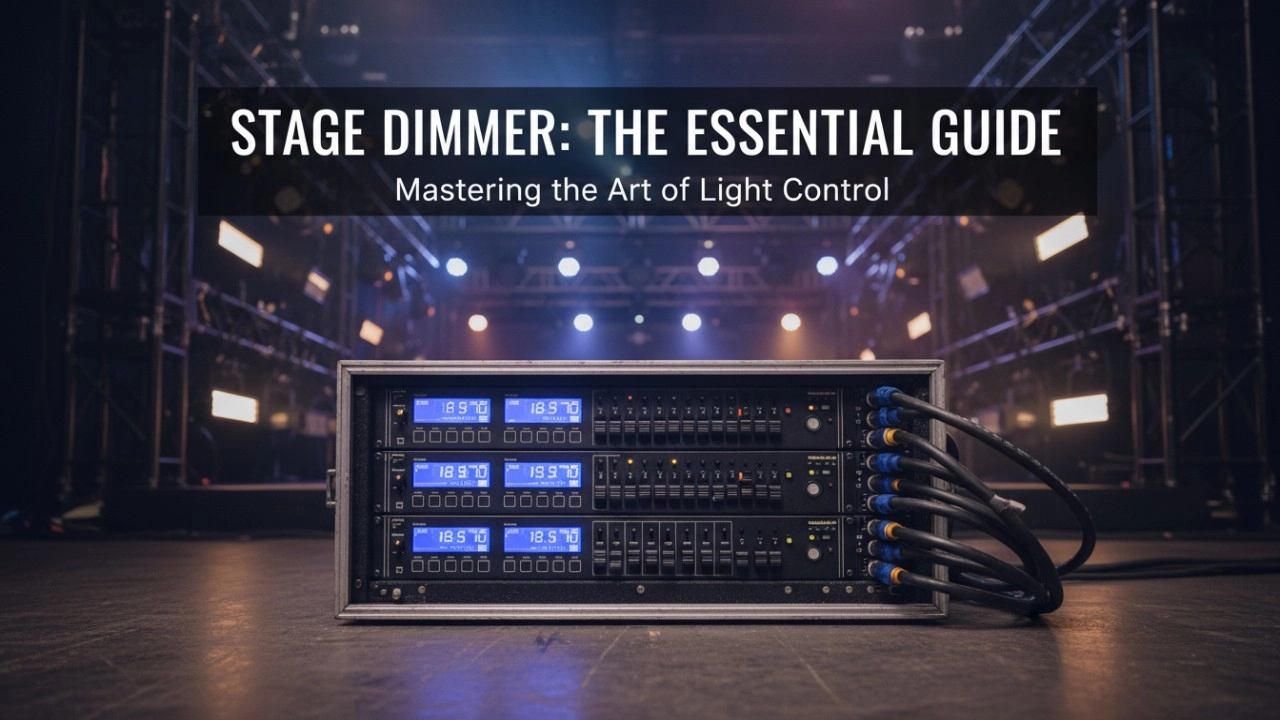
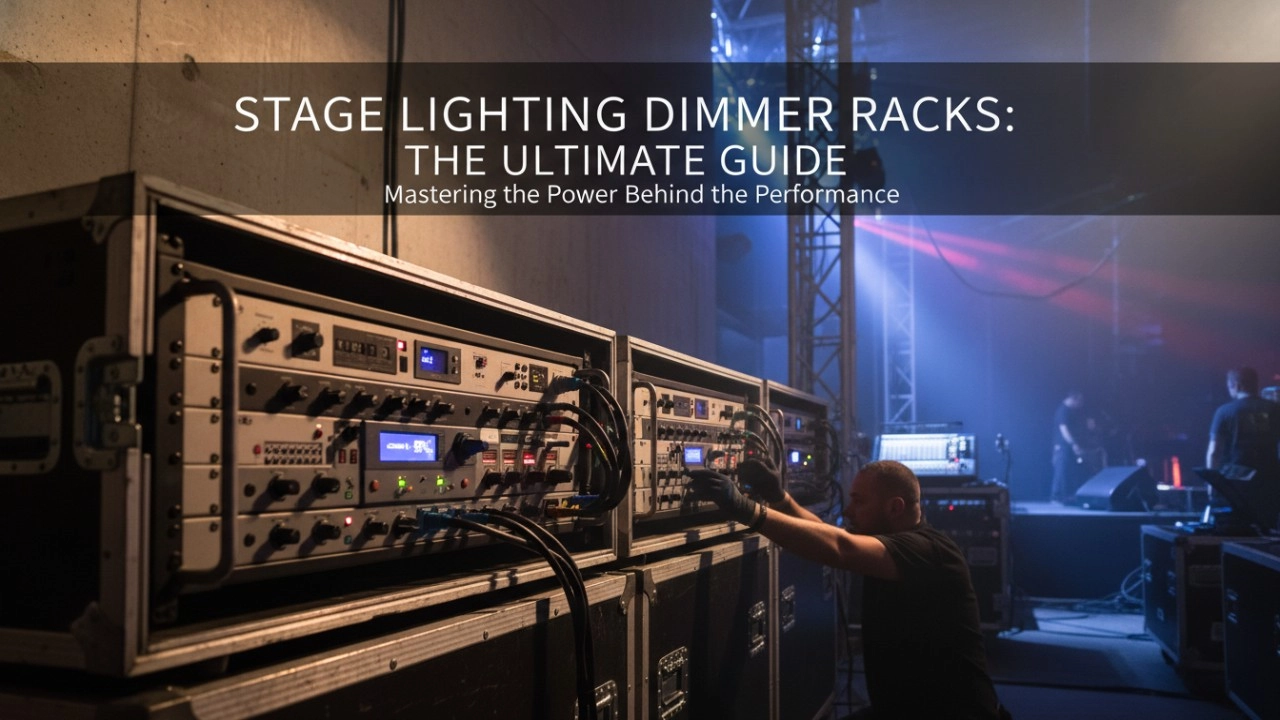
A comprehensive 2026 guide to selecting high-performance stage lighting dimmer racks. We review top hybrid systems, explore SCR vs sine wave technology, and analyze essential features like ThruPower for modern venues.
RDM Nodes
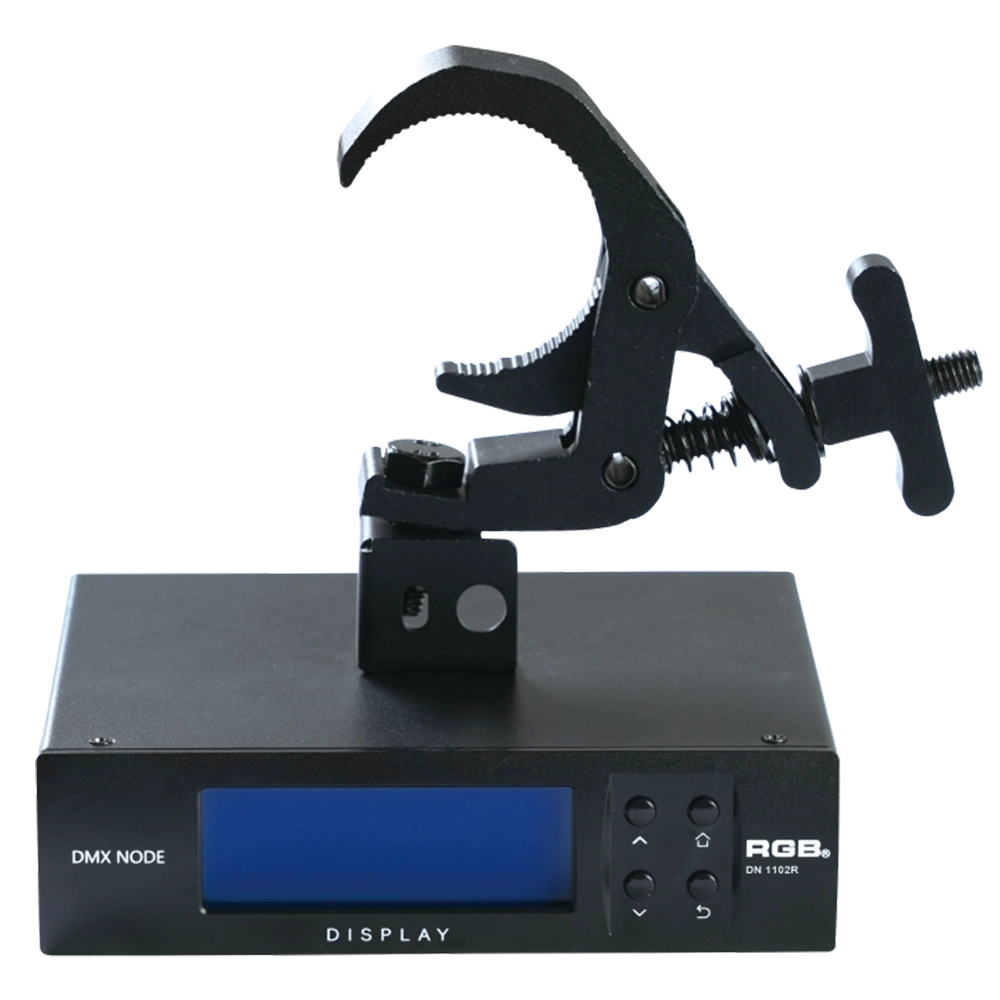
The DN series network decoder is a product of the lighting control system independently developed by RGB, featuring completely independent core technology and obtaining software copyrights. It seamlessly connects and decodes the sACN and Art-Net network protocols based on TCP/IP with the DMX-512 and RDM communication protocols. Supports a visual lighting control system, intuitively displaying the online and offline status of the DN series network decoders, and enabling remote monitoring, editing, and setting of corresponding parameters.
It is widely applied in theaters, concert halls, multi-functional halls, cultural and tourism performances, TV stations, gymnasiums, auditoriums, commercial art lighting, and other performance and cultural venues.
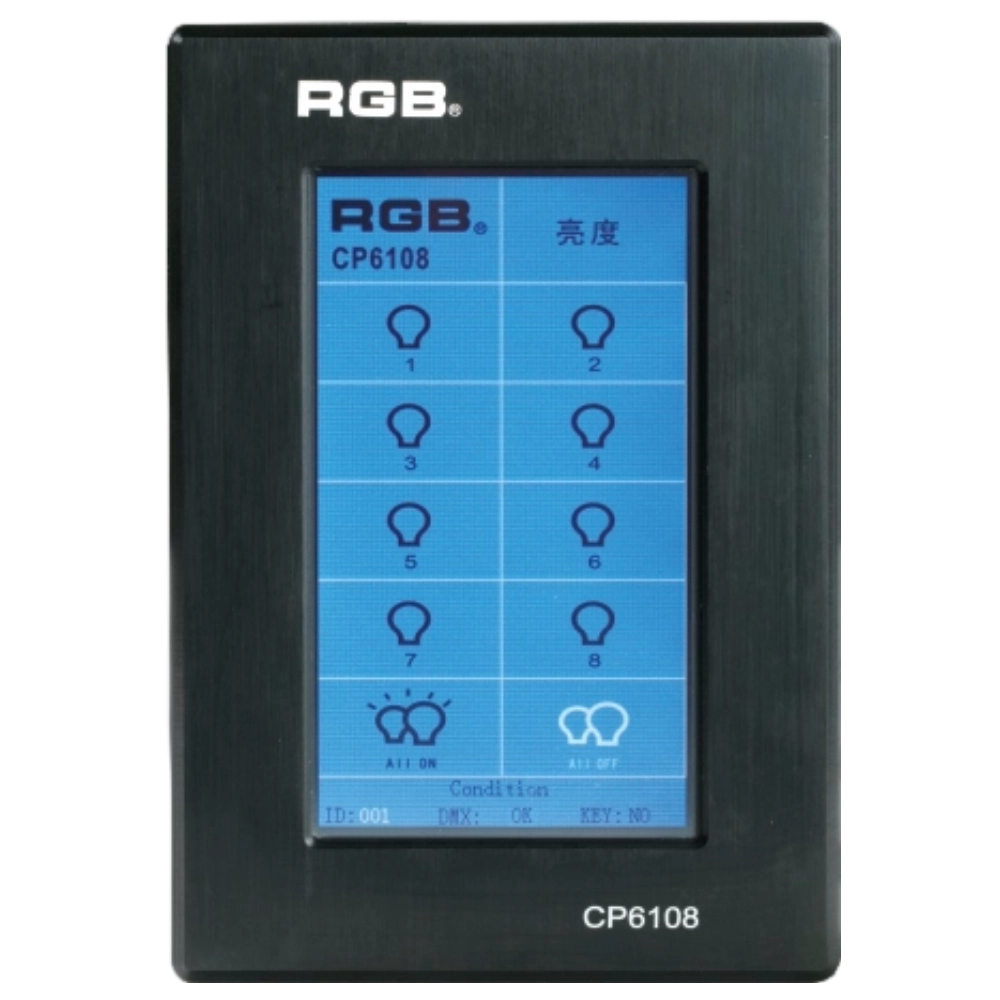
Site Light Controller CP6108
The CP6108 lighting control panel is a lighting control device for theater stage lights, work lights, environmental lighting, commercial art lighting, sports venue lighting, and other places. By connecting to the dedicated lighting control host CP6100, it realizes the central control of the lighting system, supports a visual lighting control system, and intuitively displays the online and offline status of CP6108. Realize remote monitoring, editing, and setting of corresponding parameters.
It is widely applicable to theaters, cinemas, auditoriums, stadiums, museums, exhibition halls, cultural tourism performances, commercial art lighting, and other places.
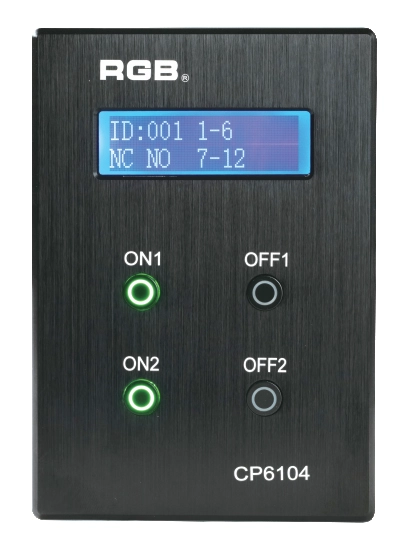
Site Light Controller CP6104
The CP6104 lighting control panel is a lighting control device for theater stage lights, work lights, environmental lighting, commercial art lighting, sports venue lighting and other places. By connecting to the dedicated lighting control host CP6100, it realizes the central control of the lighting system, supports a visual lighting control system, and intuitively displays the online and offline status of CP6104. Realize remote monitoring, editing and setting of corresponding parameters.
It is widely applicable to theaters, cinemas, auditoriums, stadiums, museums, exhibition halls, cultural tourism performances, commercial art lighting and other places.
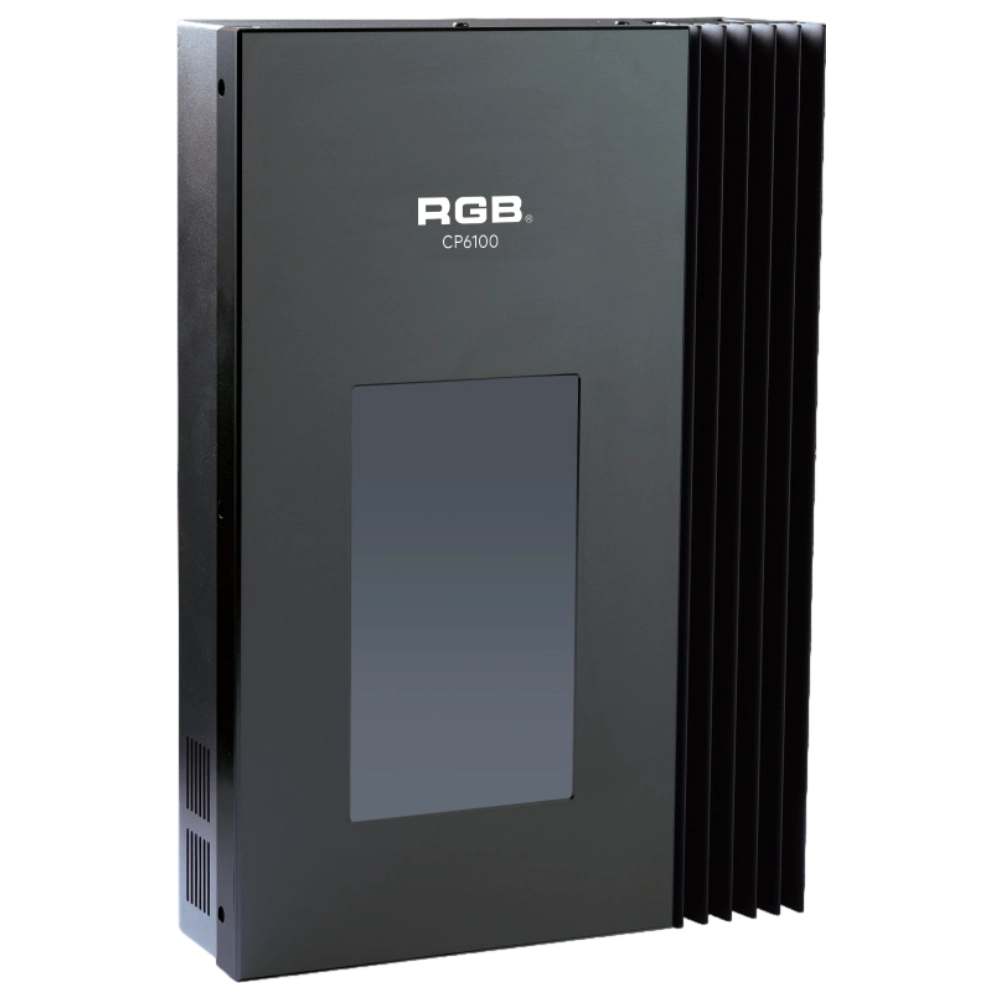
CP6100 Light Control System
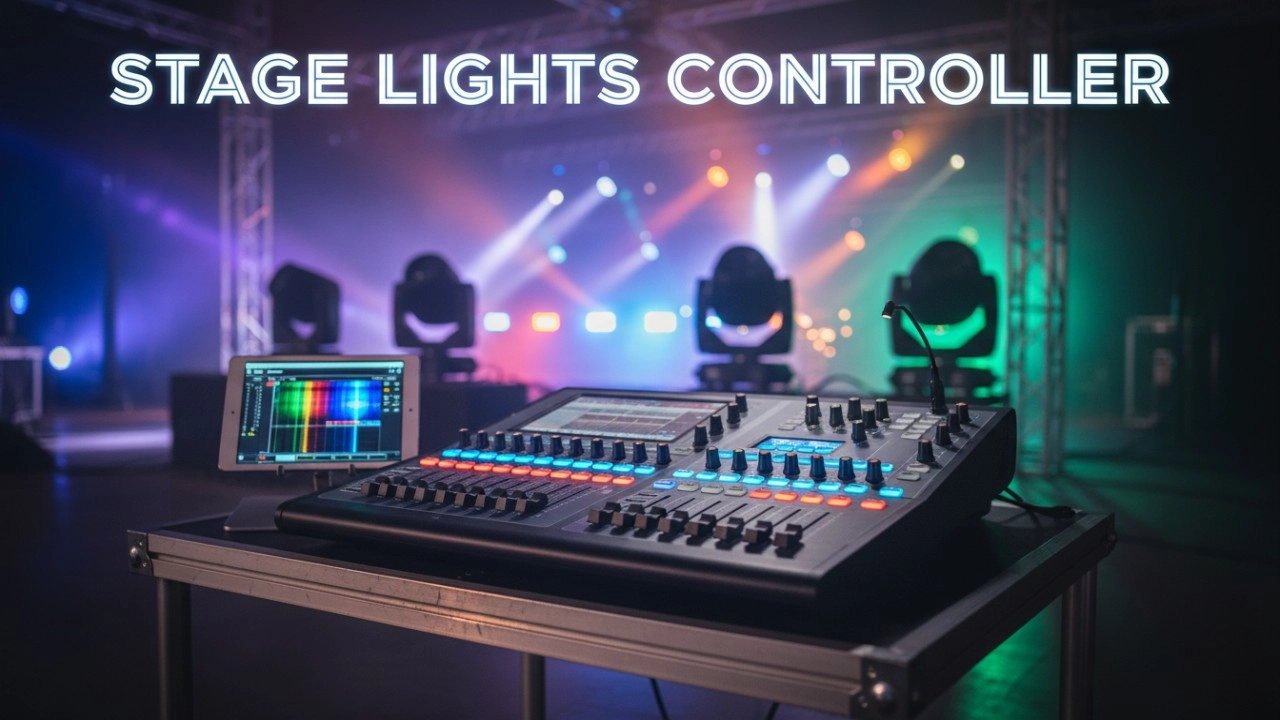
The lighting control host is the main control device for theater stage lights, work lights, environmental lighting, commercial art lighting, sports venue lighting, and other places. By connecting the dedicated lighting control panels CP6104 and CP6108, it realizes the central control of the lighting system, supports a visual lighting control system, and intuitively displays the online and offline status of CP6100. Realize remote monitoring, editing, and setting of corresponding parameters.
It is widely applicable to theaters, cinemas, auditoriums, stadiums, museums, exhibition halls, cultural tourism performances, commercial art lighting, and other places.
Expert Support
Interested in learning more or need expert guidance related to this article? Fill in your details, and our team will provide tailored support.
Intelligent Control. Brilliant Performance.
RGB specializes in stage lighting control systems, delivering intelligent, reliable, and high-performance solutions for theaters and performance spaces worldwide.
Contact
Email:
Tel:
+86 20 3928 0245
+86 20 3928 0247
Address:
No.3, Huashan Road, Shilou Town, Panyu, Guangzhou, China.
Whatsapp: +8615975520131