
Do digital dimmer packs reduce energy use and maintenance costs?
|
- How do modern digital dimmer packs achieve significantly more precise and smoother dimming curves compared to older analog systems, especially for complex theatrical cues?
- Beyond the initial purchase, what are the often-overlooked long-term maintenance cost reductions and energy efficiency gains that justify upgrading to a digital dimmer pack for a busy venue?
- With the increasing prevalence of LED fixtures, is investing in a new digital dimmer pack still a strategic, future-proof decision, or should venues prioritize a complete switch to DMX-controlled LED-only systems?
- What specific features in a digital dimmer pack ensure flicker-free dimming and extended lamp life across a diverse range of conventional and 'dimmable' LED loads, preventing costly premature fixture failures?
- When integrating a digital dimmer pack into an existing stage lighting setup, what are the critical compatibility considerations for control protocols (e.g., DMX512, RDM), power distribution, and legacy fixtures to avoid costly installation headaches?
- Beyond basic dimming, what advanced diagnostic tools and remote management capabilities do modern digital dimmer packs offer that significantly improve operational efficiency and troubleshooting for technical staff?
Stage lighting has evolved dramatically, and at the heart of many modern stage lighting systems lies the digital dimmer pack. Far from merely reducing light intensity, these sophisticated power control units are pivotal for achieving precise, dynamic, and energy-efficient illumination. For beginners and seasoned professionals alike, understanding the nuances of these systems is crucial when making purchasing decisions.
How do modern digital dimmer packs achieve significantly more precise and smoother dimming curves compared to older analog systems, especially for complex theatrical cues?
Modern digital dimmer packs revolutionize dimming precision through a combination of advanced microprocessors and high-resolution digital-to-analog conversion. Unlike older analog systems, where control signals (often 0-10V) were susceptible to noise and signal degradation over long cable runs, digital systems utilize protocols like DMX512 (and increasingly Art-Net or sACN). DMX512 typically offers 8-bit resolution (256 steps), but many professional digital dimmer packs now support 16-bit DMX, providing 65,536 discrete steps of intensity. This granular control allows for exceptionally smooth transitions and eliminates the 'stepping' or 'flickering' often associated with analog dimmers.
Furthermore, these packs employ sophisticated internal algorithms and user-definable dimming curves (e.g., linear, S-curve, square law). A lighting designer can select or create a curve that precisely matches the human eye's perception of light intensity, ensuring that a fade from 100% to 0% appears seamless and natural, even during slow, complex theatrical cues. The rapid processing speed of digital electronics also means faster response times to control signals, translating directly into more accurate and immediate light changes on stage, critical for dynamic theatrical productions.
Beyond the initial purchase, what are the often-overlooked long-term maintenance cost reductions and energy efficiency gains that justify upgrading to a digital dimmer pack for a busy venue?
Do digital dimmer packs reduce energy use and maintenance costs? Absolutely, and significantly so. While the upfront investment might be higher than basic analog dimmers, the long-term operational savings are substantial.
Energy Efficiency: Modern digital dimmer packs incorporate features like active power factor correction (PFC), which optimizes the power drawn from the mains, reducing reactive power and minimizing energy waste. They also typically have lower idle current consumption compared to older, less efficient designs. By precisely controlling the firing angle of the Silicon Controlled Rectifiers (SCRs) or using more advanced insulated-gate bipolar transistor (IGBT) technology, they minimize heat generation, which itself is a form of energy loss. Less heat means less strain on HVAC systems, further reducing overall building energy consumption. Studies by industry leaders often indicate potential energy savings of 10-20% or more over older, inefficient resistive or poorly designed phase-control dimmers, depending on usage patterns and fixture types.
Maintenance Cost Reductions: Digital dimmer packs are built with robust, solid-state components and often include self-diagnostic capabilities. Features like Remote Device Management (RDM) allow technical directors or venue managers to monitor the status of individual dimmers, identify faults, and even configure settings remotely, drastically reducing troubleshooting time and the need for on-site manual checks. Smooth dimming and soft-start features also extend the lifespan of conventional lamps and fixtures by reducing thermal shock and electrical stress, leading to fewer lamp replacements and associated labor costs. The digital control eliminates the need for recalibration and reduces wear and tear on physical controls, contributing to a lower total cost of ownership.
With the increasing prevalence of LED fixtures, is investing in a new digital dimmer pack still a strategic, future-proof decision, or should venues prioritize a complete switch to DMX-controlled LED-only systems?
For many venues, especially those with existing infrastructure and a diverse inventory of conventional fixtures, investing in a versatile digital dimmer pack remains a highly strategic and future-proof decision. While LED technology is advancing rapidly, a complete, instantaneous switch to an all-LED system is often cost-prohibitive and impractical for many. Most venues operate a 'hybrid' system, using a mix of conventional incandescent/halogen fixtures alongside newer LED luminaires.
Modern digital dimmer packs are designed to handle this hybrid reality. Many offer 'hybrid dimming' capabilities, meaning they can effectively dim traditional resistive loads (forward phase control) while also providing specialized control for certain 'dimmable' LED fixtures (often reverse phase control or even constant voltage/current outputs via dedicated modules). This flexibility allows venues to gradually transition to LED technology without rendering their existing conventional fixtures (and the associated investment) obsolete. Furthermore, a well-regulated power distribution system, which a high-quality dimmer pack provides, can also benefit DMX-controlled LED fixtures by ensuring clean, stable power, contributing to their longevity and consistent performance.
What specific features in a digital dimmer pack ensure flicker-free dimming and extended lamp life across a diverse range of conventional and 'dimmable' LED loads, preventing costly premature fixture failures?
Achieving flicker-free dimming and maximizing lamp life across various load types is a hallmark of high-quality digital dimmer packs. Key features include:
- Advanced Gate Drive Circuitry: This ensures precise and consistent firing of the SCRs or IGBTs, minimizing electrical noise and preventing the harsh voltage spikes that can damage lamps and cause audible buzzing.
- Sophisticated Feedback Loops: These systems continuously monitor the output voltage and current, making real-time adjustments to compensate for line voltage fluctuations and load changes, ensuring stable and smooth dimming regardless of conditions.
- Soft-Start Technology: Upon powering up, the dimmer gradually increases voltage to the lamp, preventing the sudden inrush current that is a primary cause of filament stress and premature lamp failure in incandescent and halogen fixtures.
- Adjustable Min/Max Output Levels: Users can set the minimum and maximum dimming percentages, preventing lamps from being driven below their stable operating point (which can cause flicker or buzzing) or above their rated voltage (which shortens life).
- Load-Specific Algorithms: High-end digital dimmer packs often feature different dimming modes optimized for various load types. For instance, a mode for inductive loads might employ sine wave dimming to reduce transformer hum, while specific algorithms for certain LED drivers ensure smooth, flicker-free operation without damaging the LED's internal electronics.
- Protection Features: Built-in over-current, over-voltage, and thermal protection safeguard both the dimmer and connected fixtures from damaging electrical events, significantly extending the life of your fixture management system.
When integrating a digital dimmer pack into an existing stage lighting setup, what are the critical compatibility considerations for control protocols (e.g., DMX512, RDM), power distribution, and legacy fixtures to avoid costly installation headaches?
Integrating a new digital dimmer pack requires careful planning to avoid common pitfalls:
- Control Protocol Compatibility: Ensure the dimmer pack supports your existing control console's output (typically DMX512). If your console uses older analog protocols, you'll need a DMX converter. Consider future-proofing with packs that support RDM (Remote Device Management) for advanced monitoring and configuration, or even Ethernet-based protocols like Art-Net or sACN via a gateway for larger, networked systems.
- Power Distribution: This is paramount. Verify that your venue's electrical service can handle the total power requirements of the new dimmer pack. Crucial considerations include:
- Phase Configuration: Match the dimmer pack's phase requirements (e.g., single-phase, three-phase delta, three-phase wye) to your building's electrical supply. Incorrect phasing can lead to severe damage.
- Circuit Breaker Sizing: Ensure main and individual circuit breakers are appropriately sized for the dimmer pack's capacity and the connected loads.
- Load Balancing: For three-phase systems, distribute loads evenly across all phases to prevent unbalanced currents, which can cause inefficiencies and stress on the electrical system.
- Grounding: Proper grounding is essential for safety and to prevent electrical noise that can interfere with sensitive control signals. Always consult with a qualified electrician for installation.
- Legacy Fixture Compatibility: While modern digital dimmer packs are versatile, always check specifications for compatibility with specific legacy fixtures. Older incandescent fixtures are generally fine, but some low-voltage halogen transformers or specific types of 'dimmable' LED drivers might require particular dimming curves or modes to perform optimally without buzzing or flickering. Testing a sample of your fixtures with the chosen dimmer pack before full installation is highly recommended.
Beyond basic dimming, what advanced diagnostic tools and remote management capabilities do modern digital dimmer packs offer that significantly improve operational efficiency and troubleshooting for technical staff?
Modern digital dimmer packs offer far more than just intensity control, providing a suite of advanced features that dramatically enhance operational efficiency and simplify troubleshooting for technical staff and lighting designers:
- Remote Device Management (RDM): This is a game-changer. RDM allows a DMX controller to discover, configure, and monitor RDM-enabled devices like dimmer packs remotely. Technical staff can check the status of individual dimmers (e.g., temperature, voltage, current draw, fault conditions), configure dimmer curves, set minimum/maximum output levels, and even run test functions—all without physically accessing the dimmer rack. This drastically reduces troubleshooting time, especially in hard-to-reach locations.
- Onboard Diagnostics and Error Logging: Many packs feature integrated displays that show real-time status, error messages (e.g., over-current, over-temperature, missing phase), and a log of past events. This information is invaluable for quickly identifying and resolving issues.
- Network Connectivity and Web Interfaces: High-end digital dimmer packs often include Ethernet ports, allowing them to be integrated into a local area network. This enables access to a web-based interface for comprehensive monitoring, configuration, and firmware updates from any networked computer or mobile device. Some can even integrate with larger building management systems for centralized control and data analytics.
- Circuit Breaker Status Monitoring: Instead of manually checking each breaker, some advanced packs can report the status of individual circuit breakers, immediately alerting staff to tripped circuits.
- Test Functions: Built-in test routines allow technicians to quickly verify wiring, dimmer functionality, and lamp operation without needing a full lighting console setup.
These advanced features transform dimmer packs from simple power controllers into intelligent, networked devices that provide critical data and control, leading to proactive maintenance, reduced downtime, and a more streamlined workflow for any venue lighting or architectural lighting system.
Digital dimmer packs represent a smart investment for any venue looking to modernize its stage light control system. They offer unparalleled precision, significant energy and maintenance cost reductions, robust compatibility with diverse fixture types, and advanced diagnostic capabilities that streamline operations. By understanding these benefits, you can make an informed decision that enhances your productions and optimizes your long-term operational budget.
Ready to elevate your lighting control? Contact us today for a personalized quote and discover the perfect digital dimmer pack solution for your needs. Visit www.rgbsystem.com or email info@rgbsystem.com.
Latest News
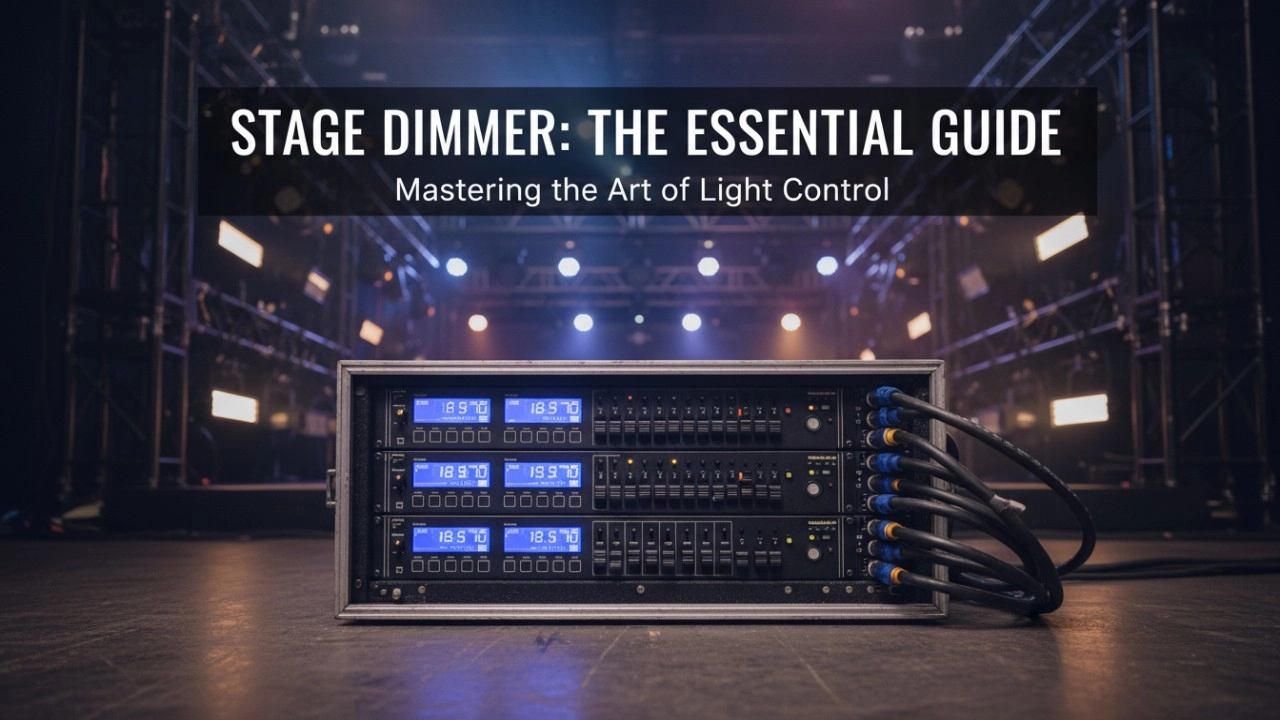
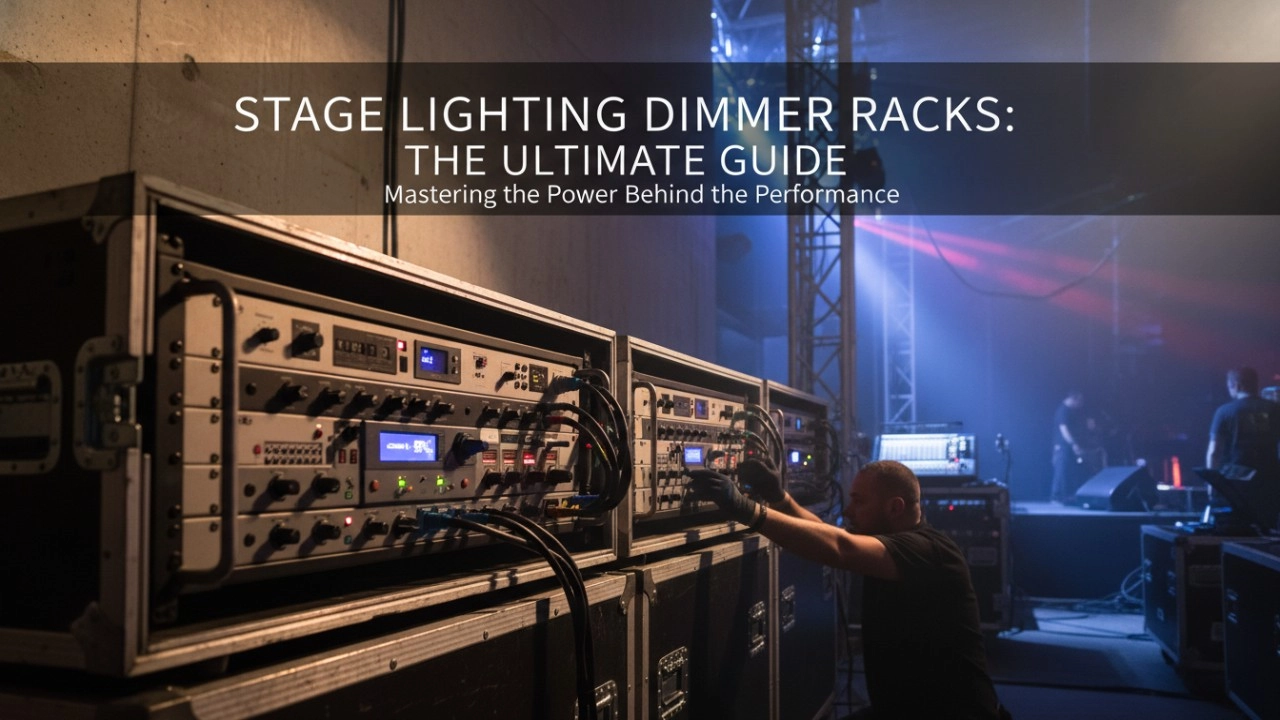
A comprehensive 2026 guide to selecting high-performance stage lighting dimmer racks. We review top hybrid systems, explore SCR vs sine wave technology, and analyze essential features like ThruPower for modern venues.
ZT2419+1216 Distribution Box
ZT2419+1216 features dual protection functions and is a power distribution product specifically designed for overcurrent and short circuits in electrical equipment. It is the best choice for mobile performance and is suitable for use in computer lamps, conventional lamps, and other equipment.
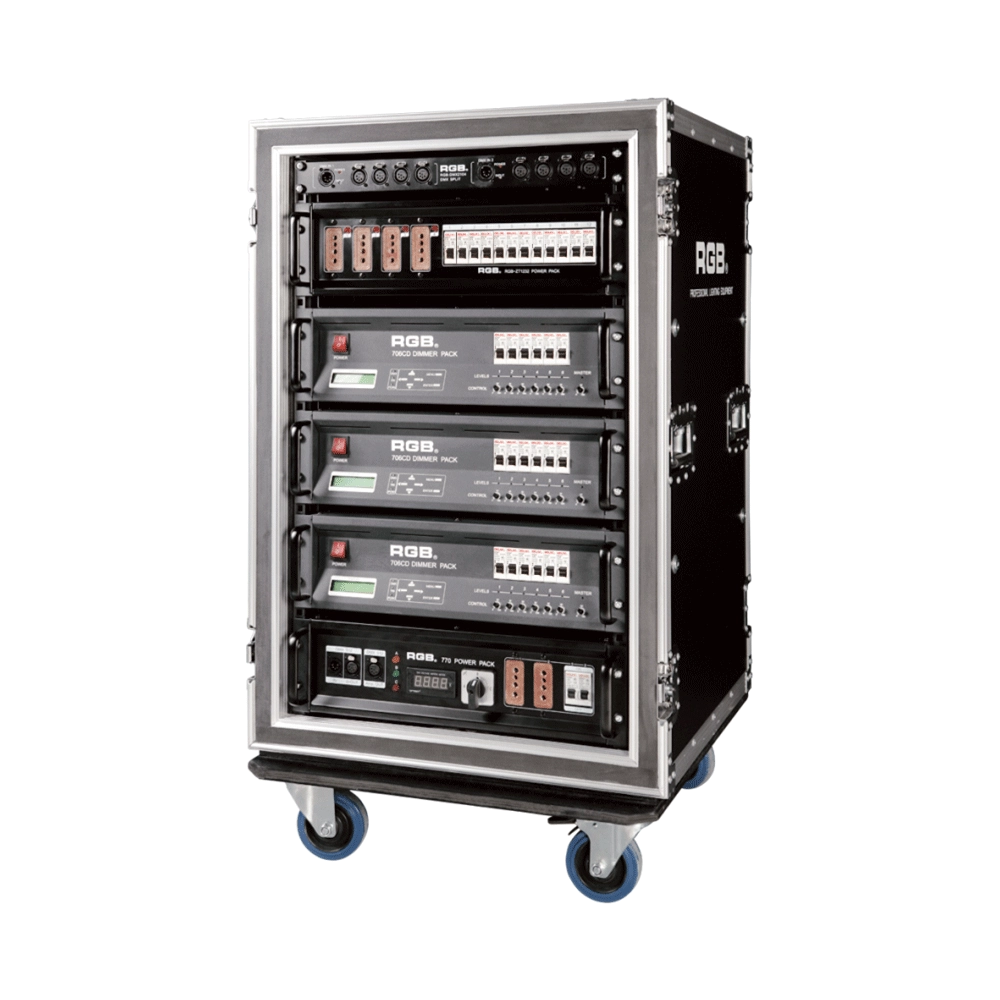
7 Series Digital Touring Dimmer Racks
7 Series digital touring dimmer racks can be assembled into many types of dimmer by taking the 7 Series dimmer as the unit. They are widely used in the entertainment industry for their convenience and practicability.
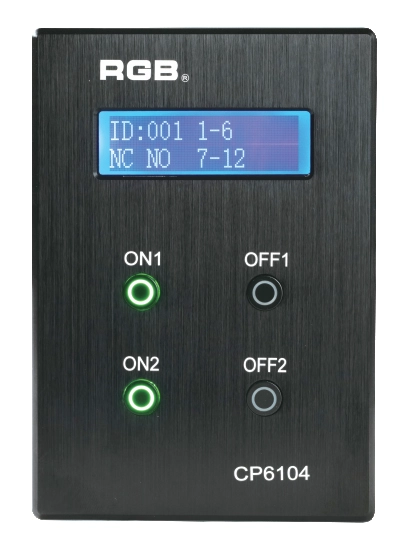
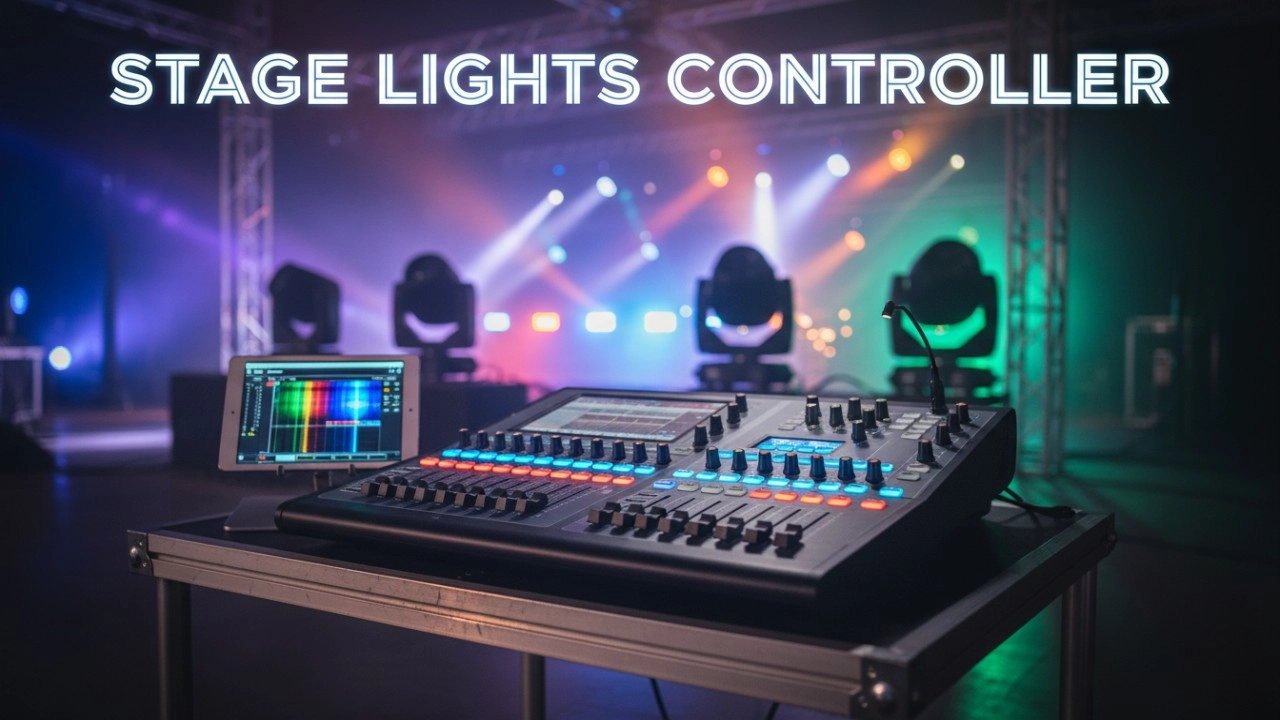
Site Light Controller CP6104
The CP6104 lighting control panel is a lighting control device for theater stage lights, work lights, environmental lighting, commercial art lighting, sports venue lighting and other places. By connecting to the dedicated lighting control host CP6100, it realizes the central control of the lighting system, supports a visual lighting control system, and intuitively displays the online and offline status of CP6104. Realize remote monitoring, editing and setting of corresponding parameters.
It is widely applicable to theaters, cinemas, auditoriums, stadiums, museums, exhibition halls, cultural tourism performances, commercial art lighting and other places.
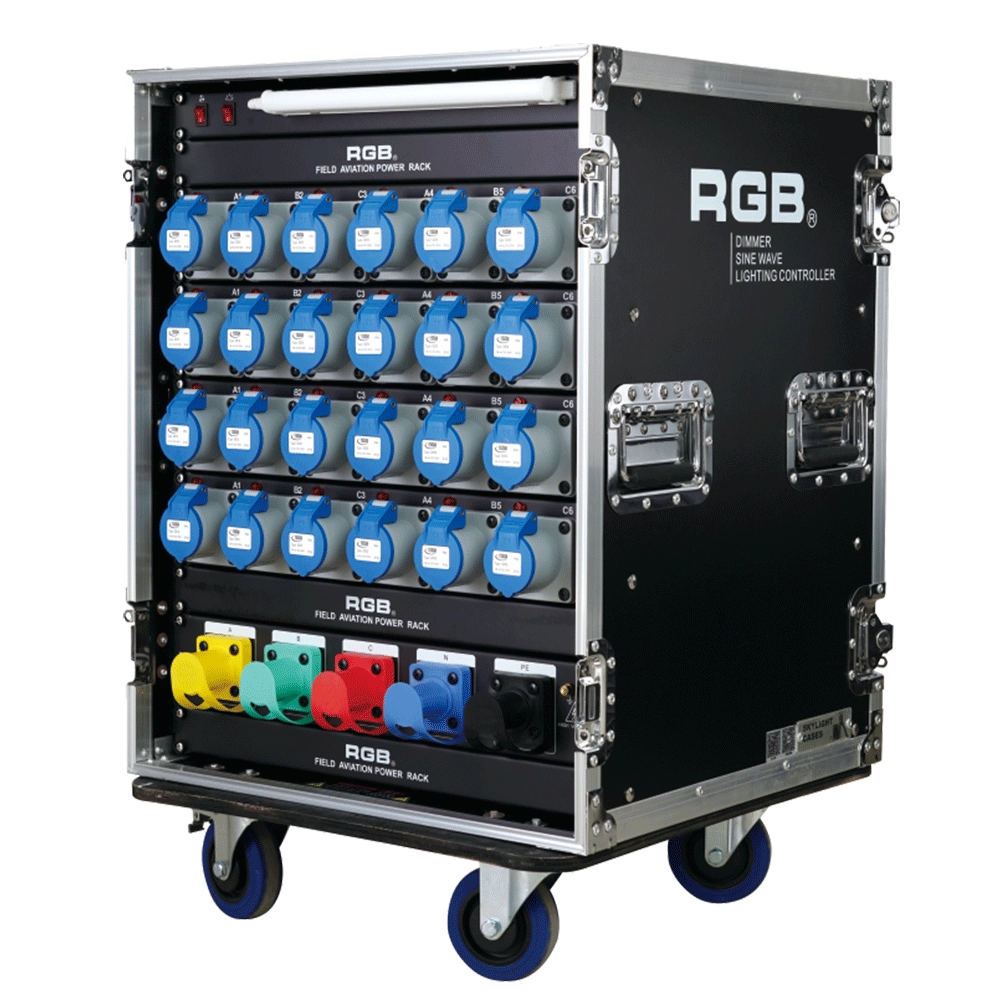
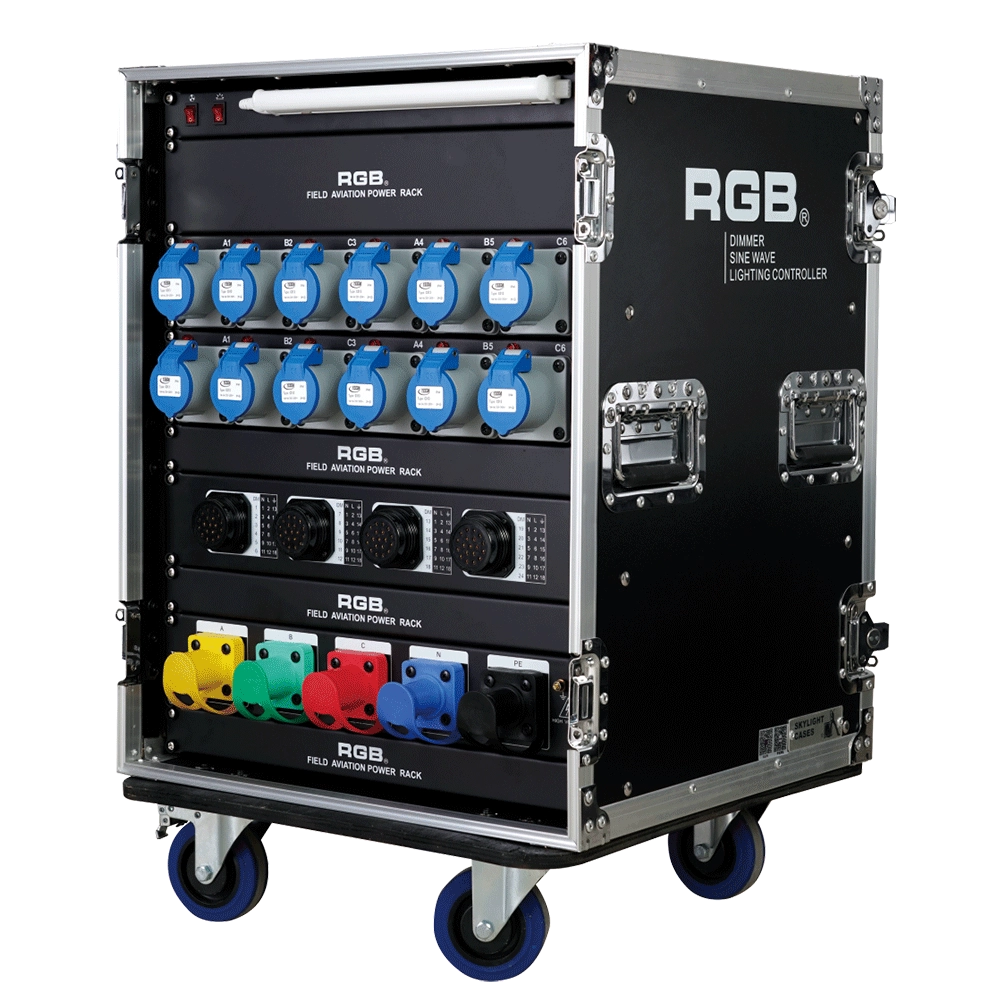
ZT Distribution Box
RGB-ZT2416 features dual protection functions and is a power distribution product specifically designed for overcurrent and short circuit of electrical equipment. It is the best choice for mobile performance and is suitable for use in computer lamps, conventional lamps, and other equipment.
Expert Support
Interested in learning more or need expert guidance related to this article? Fill in your details, and our team will provide tailored support.
Intelligent Control. Brilliant Performance.
RGB specializes in stage lighting control systems, delivering intelligent, reliable, and high-performance solutions for theaters and performance spaces worldwide.
Contact
Email:
Tel:
+86 20 3928 0245
+86 20 3928 0247
Address:
No.3, Huashan Road, Shilou Town, Panyu, Guangzhou, China.
Whatsapp: +8615975520131